
Tiger tattoos have remained one of the most respected and enduring tattoo choices across cultures because they symbolize far more than physical strength. Depending on the design, style, pose, and cultural influence, a tiger tattoo can represent courage, protection, independence, resilience, leadership, spiritual power, and personal transformation. From traditional Japanese Irezumi masterpieces to modern realistic portraits, tiger tattoos continue to evolve while retaining their powerful symbolism.
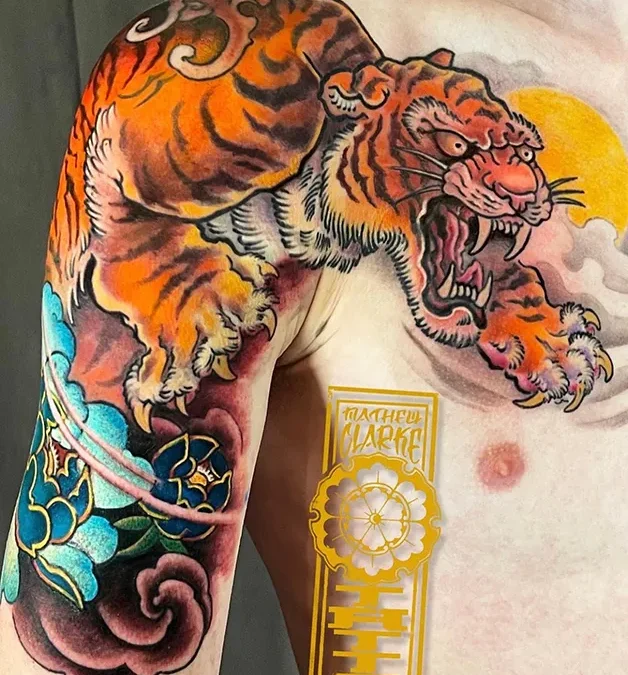
What Does a Tiger Tattoo Mean?
A tiger tattoo typically symbolizes strength, courage, confidence, protection, independence, and the ability to overcome adversity. However, its exact meaning depends on cultural influences, artistic style, body placement, and the tiger’s expression, making each design uniquely personal.
Unlike many animal tattoos that represent a single dominant characteristic, tiger tattoos carry multiple layers of meaning. The tiger is both a feared predator and a respected guardian. This duality allows people to connect the symbol with different stages of their lives, personal achievements, and future aspirations.
Professional tattoo artists frequently report that clients choose tiger tattoos after significant life transitions such as:
- Recovering from personal hardships
- Starting a new career path
- Overcoming health challenges
- Building confidence after setbacks
- Celebrating independence and self-reliance
The enduring appeal of tiger imagery comes from its ability to symbolize controlled power. Unlike symbols associated purely with aggression, the tiger often represents disciplined strength—knowing when to act and when to remain calm.
Core Symbolism: Strength, Courage, and Power
At its foundation, a tiger tattoo represents strength, courage, and power. However, experienced tattoo artists often note that clients are drawn more toward the tiger’s self-confidence and resilience than simple physical dominance.
The tiger occupies a unique symbolic space because it combines raw power with intelligence. Unlike animals that hunt in groups, tigers are largely solitary creatures. This independence has made them a popular symbol among entrepreneurs, leaders, athletes, military personnel, and individuals who have forged their own path.
Common symbolic associations include:
- Strength: Physical and mental resilience
- Courage: Facing challenges despite fear
- Power: Personal authority and confidence
- Protection: Defending family and values
- Determination: Persistence through adversity
- Independence: Self-reliance and autonomy
Many experienced tattoo artists observe that clients who choose tiger tattoos often describe a personal journey rather than a desire to appear intimidating.
Why People Choose Tiger Tattoos Today
Modern tiger tattoos are often chosen as symbols of personal growth, resilience, and self-mastery rather than aggression. Many individuals see the tiger as a representation of becoming stronger through challenges rather than dominating others.
Contemporary tattoo culture has shifted toward tattoos with deeply personal meaning. As a result, tiger tattoos are increasingly customized to tell individual stories.
For example:
- A recovering athlete may choose a roaring tiger symbolizing determination.
- A business owner may select a calm tiger representing strategic leadership.
- A parent may incorporate tiger cubs to symbolize family protection.
- A survivor of adversity may choose tiger eyes to represent focus and perseverance.
This evolution explains why tiger tattoos continue to rank among the most requested large-scale tattoo subjects worldwide.
Common Misconception: Is a Tiger Tattoo Only About Aggression?
A common misconception is that tiger tattoos symbolize anger or aggression. In reality, most traditional and modern interpretations emphasize protection, wisdom, courage, and self-control rather than violence.
This misunderstanding often comes from images depicting roaring tigers with exposed teeth. While such designs can represent dominance and fearlessness, they rarely symbolize hostility alone.
In Japanese and Chinese traditions, tigers are frequently portrayed as guardians who protect people from negative forces. The symbolism focuses on balance and responsibility rather than unchecked power.
Real-World Example: Personal Transformation Through Tiger Symbolism
One recurring pattern among tattoo consultations involves individuals selecting tiger tattoos after major life challenges. For example, someone overcoming years of self-doubt may choose a realistic tiger portrait because the image reflects confidence they worked hard to develop.
In these cases, the tattoo becomes less about the animal itself and more about documenting a transformation. This emotional connection often results in greater long-term satisfaction with the tattoo compared to purely aesthetic designs.
Tiger Tattoo Symbolism Across Cultures
Tiger symbolism varies significantly across cultures. In Eastern traditions, tigers often represent protection, spiritual guardianship, balance, and courage. In Western interpretations, they are more commonly associated with strength, independence, ambition, and personal power.
Understanding cultural symbolism helps create a tattoo that carries deeper meaning while respecting the traditions that shaped the imagery.
Japanese Tiger Tattoo Meaning in Irezumi Tradition
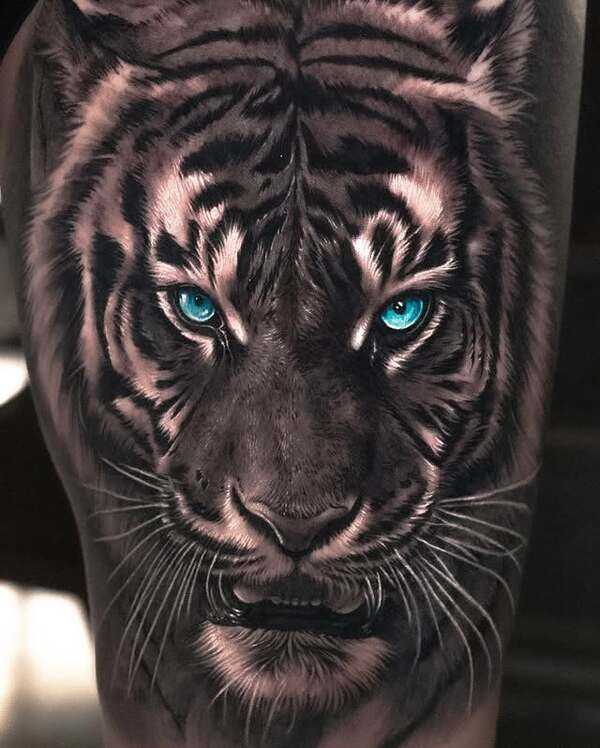
In traditional Japanese tattooing, tiger tattoos symbolize strength, protection, bravery, and the ability to ward off evil spirits. They are among the most respected motifs in Irezumi and often appear in large-scale body art compositions.
Interestingly, wild tigers are not native to Japan. Their symbolism emerged through cultural exchanges with China and broader East Asian mythology.
Despite this, the tiger became one of the most iconic figures in Japanese tattoo art because it embodied qualities admired by warriors and leaders.
Tigers as Spiritual Protectors
Traditional Japanese folklore frequently portrays tigers as supernatural protectors. Tattoo collectors often choose these designs because they symbolize defense against misfortune, negative influences, and life’s unpredictable challenges.
This protective symbolism remains one of the strongest reasons people select Japanese tiger tattoos today.
Relationship Between Tigers and Samurai Culture
Although samurai rarely encountered real tigers, the animal represented courage, discipline, and fearlessness—qualities deeply valued within warrior culture. As a result, tiger imagery became associated with personal honor and strategic strength.
Many contemporary Japanese-style sleeves incorporate winds, waves, peonies, or dragons alongside the tiger to create a complete narrative rooted in traditional symbolism.
Chinese Tiger Symbolism and Zodiac Connections
In Chinese culture, tigers symbolize authority, protection, prosperity, bravery, and military strength. The tiger is one of the most important animals in Chinese mythology and remains a respected symbol of power and good fortune.
The tiger is also one of the twelve animals of the Chinese Zodiac. Individuals born in the Year of the Tiger are traditionally associated with confidence, charisma, leadership, and ambition.
As a tattoo symbol, the tiger often represents:
- Personal authority
- Protection of family
- Good fortune
- Fearlessness
- Leadership qualities
White Tiger in Chinese Mythology
The White Tiger occupies a special place in Chinese cosmology. It is considered one of the Four Sacred Beasts and is associated with protection, righteousness, courage, and spiritual guardianship.
White tiger tattoos frequently attract individuals seeking symbolism connected to spiritual growth, transformation, and overcoming adversity.
Western Interpretations of Tiger Tattoos
In Western tattoo culture, tiger tattoos commonly symbolize independence, confidence, ambition, and personal achievement. These interpretations often focus on the tiger as an apex predator capable of thriving through strength and determination.
Modern Western designs frequently emphasize realism, dramatic facial expressions, and detailed portrait work. The symbolism tends to be more personal and psychological than mythological.
For many wearers, the tiger serves as a reminder of qualities they aspire to embody rather than characteristics they already possess.
Information Gain: Eastern vs Western Tiger Meaning Comparison
One detail often overlooked by competing tattoo guides is how dramatically symbolism changes between cultural traditions.
| Aspect | Eastern Symbolism | Western Symbolism |
|---|---|---|
| Primary Meaning | Protection and balance | Power and independence |
| Spiritual Role | Guardian figure | Personal empowerment |
| Cultural Context | Mythology and tradition | Individual achievement |
| Common Design Style | Irezumi and traditional art | Realism and neo-traditional |
| Emotional Focus | Harmony and protection | Confidence and ambition |
Understanding these differences allows tattoo collectors to create designs that align more closely with their intended message.
Tiger Tattoo Meaning by Design Style
Tiger tattoo symbolism changes significantly based on artistic style. A realistic tiger often communicates determination and authenticity, while traditional and geometric designs may emphasize heritage, spirituality, or personal philosophy.
Style selection influences not only appearance but also how others interpret the tattoo’s meaning.
Realistic Tiger Tattoo Meaning
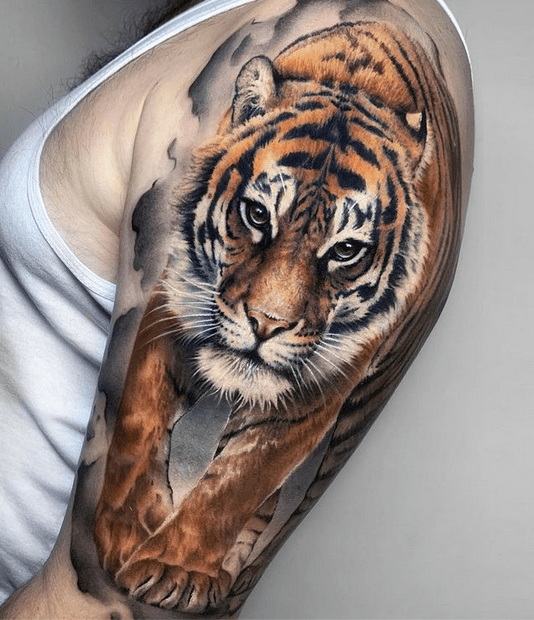
Realistic tiger tattoos often symbolize authenticity, determination, confidence, and a direct connection to the animal’s natural power. They are among the most visually impactful tattoo styles available.
These designs focus on intricate details such as:
- Facial expression
- Eye contact
- Fur texture
- Muscle definition
- Natural movement
Because realism highlights the tiger’s true appearance, wearers frequently associate these tattoos with embracing their genuine identity and confronting challenges head-on.
Traditional Tiger Tattoo Meaning
Traditional tiger tattoos emphasize courage, protection, and enduring strength through bold lines, simplified forms, and symbolic storytelling. Their timeless visual language has helped them remain popular for generations.
Traditional designs age exceptionally well because strong outlines retain clarity over decades. This practical advantage is often overlooked by first-time tattoo clients who focus exclusively on aesthetics.
Many tattoo artists recommend traditional tiger designs for individuals seeking maximum longevity and visual impact.
Neo-Traditional Tiger Designs
Neo-traditional tiger tattoos blend classic tattoo foundations with modern artistic techniques. They often symbolize individuality, personal evolution, and creative self-expression.
This style allows for:
- Expanded color palettes
- Greater detail
- Symbolic customization
- Unique compositions
- Modern artistic influences
Neo-traditional designs are particularly popular among collectors who want a balance between timeless appeal and originality.
Fine-Line and Minimalist Tiger Tattoos
Minimalist tiger tattoos often represent inner strength, self-discipline, and understated confidence. Their symbolism is frequently more personal than performative.
Unlike large statement pieces, minimalist designs communicate strength quietly. Many professionals and first-time tattoo clients prefer these designs because they offer flexibility and subtlety.
However, fine-line tattoos require careful artist selection because extremely delicate details may fade faster over time.
Geometric Tiger Tattoo Symbolism
Geometric tiger tattoos combine animal symbolism with concepts such as balance, order, precision, and personal philosophy. They appeal to individuals who appreciate structure alongside creativity.
The combination of organic and mathematical elements creates a compelling visual contrast that symbolizes control over chaos—a theme increasingly popular in modern tattoo culture.
Information Gain: How Design Style Influences Perceived Personality Traits
Research into visual perception consistently demonstrates that artistic style affects how viewers interpret imagery. This principle applies directly to tattoos.
| Style | Common Interpretation |
|---|---|
| Realistic | Authentic, determined, focused |
| Traditional | Confident, resilient, timeless |
| Japanese | Disciplined, protective, culturally connected |
| Minimalist | Reserved, self-assured, thoughtful |
| Geometric | Analytical, balanced, creative |
Selecting the right style therefore becomes both an artistic and symbolic decision.
Tiger Tattoo Meaning by Pose and Expression
Lucky Tattoo, a professional tattoo artist, has over 10 years of experience in the art of tattooing in Ho Chi Minh City. Lucky Tattoo Studio was founded in 2014 by skilled and kind artists. All tattoos are provided in a clean, strictly controlled, and friendly environment.
One of the biggest mistakes people make when selecting a tiger tattoo is focusing exclusively on artistic style while overlooking body language. In wildlife behavior, posture communicates intent. Tattoo symbolism follows a similar principle.
Roaring Tiger Tattoo
A roaring tiger tattoo commonly symbolizes confidence, authority, fearlessness, and the willingness to confront challenges directly. It is often chosen by individuals who have overcome significant obstacles or who identify with leadership roles.
The exposed teeth and intense expression create a powerful visual statement. While some interpret the image as aggression, experienced tattoo artists often view it as a symbol of courage rather than hostility.
Popular placements include:
- Chest pieces
- Full sleeves
- Back tattoos
- Upper arm designs
Calm or Resting Tiger Tattoo
A calm tiger tattoo symbolizes self-mastery, emotional control, wisdom, and quiet confidence. Unlike roaring designs, these tattoos communicate strength that does not need to prove itself.
This design has become increasingly popular among professionals, entrepreneurs, and individuals seeking symbolism associated with maturity and resilience.
Many veteran tattoo artists note that calm tiger designs often age better emotionally because they represent enduring values rather than temporary emotions.
Tiger Eyes Tattoo
Tiger eye tattoos symbolize focus, determination, awareness, and the ability to stay committed to long-term goals. They are among the most psychologically meaningful tiger tattoo concepts.
Eye-focused designs create a sense of connection with the viewer and are often chosen by individuals who have developed clarity through adversity.
Common symbolic associations include:
- Vision and purpose
- Mental strength
- Personal growth
- Inner confidence
- Strategic thinking
Walking Tiger Tattoo
A walking tiger tattoo represents progress, persistence, and forward movement. It is frequently chosen by people entering a new chapter of life or pursuing meaningful personal goals.
Unlike static poses, walking tigers communicate momentum and purposeful action. This symbolism resonates strongly with those rebuilding their lives after setbacks.
Leaping Tiger Tattoo
A leaping tiger tattoo symbolizes ambition, decisive action, courage, and seizing opportunities. The dynamic movement creates a sense of energy and determination.
This design is often selected by athletes, entrepreneurs, and individuals who identify with risk-taking and growth-oriented mindsets.
Information Gain: Tiger Symbolism Matrix
One of the most overlooked aspects of tiger tattoo symbolism is how dramatically meaning changes based on posture and expression.
| Design Element | Primary Symbolism |
|---|---|
| Roaring Tiger | Fearlessness, leadership |
| Resting Tiger | Wisdom, self-control |
| Tiger Eyes | Focus, determination |
| White Tiger | Protection, spirituality |
| Leaping Tiger | Action, ambition |
| Walking Tiger | Progress, perseverance |
| Tiger Cub | Family, growth |
| Tiger Claw | Resilience, survival |
Popular Tiger Tattoo Combinations and Their Meanings
Combining a tiger with other symbols creates layered meanings that often communicate more nuanced personal stories. These combinations allow tattoo collectors to blend strength, spirituality, family values, transformation, and balance into a single composition.
Multi-symbol tattoos are particularly common in Japanese Irezumi, neo-traditional, and custom illustrative work.
Tiger and Dragon Tattoo
A tiger and dragon tattoo traditionally symbolizes balance between opposing forces. It is commonly associated with Yin and Yang concepts, representing harmony between power and wisdom, instinct and intellect.
In East Asian symbolism:
- Tiger represents earth, physical strength, and courage.
- Dragon represents heaven, wisdom, and spiritual power.
Together they create one of the most respected tattoo pairings in traditional tattoo culture.
Tiger and Snake Tattoo
A tiger and snake tattoo often symbolizes strategic power, transformation, intelligence, and adaptability. This combination appeals to individuals who value both strength and calculated decision-making.
The contrast between the tiger’s direct force and the snake’s subtle influence creates a sophisticated symbolic narrative.
Tiger with Flowers
Tiger and flower tattoos symbolize the balance between strength and beauty. These designs challenge the misconception that power and sensitivity are opposites.
Tiger and Peony
The tiger and peony combination is one of the most iconic Japanese tattoo motifs. It symbolizes courage balanced by prosperity, elegance, and good fortune.
Tiger and Lotus
Tiger and lotus tattoos symbolize personal growth through adversity. The lotus flower’s emergence from muddy water complements the tiger’s symbolism of resilience and strength.
Tiger and Skull Tattoo
A tiger and skull tattoo often represents mortality, survival, and overcoming life’s most difficult challenges. Rather than glorifying death, these designs frequently symbolize perseverance.
Many collectors choose this imagery after transformative life experiences that reshaped their priorities and perspectives.
Information Gain: Symbol Layering Explained
Advanced tattoo design often involves symbolic layering. Instead of relying on a single meaning, experienced artists combine elements to tell a personal story.
| Combination | Enhanced Meaning |
|---|---|
| Tiger + Dragon | Balance and duality |
| Tiger + Lotus | Growth through adversity |
| Tiger + Peony | Strength and prosperity |
| Tiger + Skull | Survival and resilience |
| Tiger + Cub | Family protection |
Best Tiger Tattoo Placement Ideas
Tiger tattoo placement affects both visual impact and symbolic interpretation. Larger placements emphasize power and storytelling, while smaller placements create more personal and subtle expressions of strength, courage, and resilience.
Choosing placement should involve artistic flow, future tattoo plans, pain tolerance, and long-term visibility considerations.
Tiger Sleeve Tattoo
Tiger sleeve tattoos offer the most flexibility for storytelling and symbolic layering. They allow artists to incorporate backgrounds, complementary symbols, and dynamic movement.
Japanese sleeves often combine:
- Tigers
- Waves
- Wind bars
- Peonies
- Dragons
Chest Tiger Tattoo
Chest tiger tattoos symbolize courage, personal values, and emotional strength. Because of their proximity to the heart, many wearers view them as deeply personal statements.
Back Tiger Tattoo
Back tattoos provide the largest canvas for highly detailed tiger artwork. They are often associated with protection, leadership, and life journeys due to their expansive storytelling potential.
Thigh Tiger Tattoo
Thigh placements combine discretion with artistic freedom. They have become increasingly popular for realistic tiger portraits and large-scale illustrative work.
Forearm Tiger Tattoo
Forearm tiger tattoos provide visibility while maintaining flexibility. They are commonly chosen by individuals who want a daily reminder of strength, focus, or resilience.
Information Gain: Placement vs Symbolic Impact
| Placement | Typical Interpretation |
|---|---|
| Chest | Personal values and courage |
| Back | Protection and life journey |
| Sleeve | Growth and storytelling |
| Forearm | Visibility and motivation |
| Thigh | Private strength and confidence |
Tiger Tattoos for Men vs Women: Does Meaning Change?
Tiger tattoo symbolism remains fundamentally gender-neutral. While design preferences may vary, the core meanings of courage, strength, independence, and resilience apply equally regardless of gender.
Modern tattoo culture increasingly focuses on personal meaning rather than outdated gender assumptions.
Masculine Design Trends
Masculine tiger tattoo styles often emphasize scale, realism, bold contrast, and dynamic action. Roaring tigers and full sleeves remain particularly popular.
Feminine Design Trends
Feminine tiger tattoo designs frequently incorporate floral elements, fine-line techniques, and softer compositions while preserving the tiger’s symbolism of strength and independence.
Gender-Neutral Modern Interpretations
Modern tiger tattoos increasingly prioritize individual storytelling over gender conventions. Many collectors combine realism, symbolism, and artistic expression without concern for traditional categories.
Common Misconception About Gendered Tattoo Meanings
The belief that tiger tattoos are inherently masculine is outdated. Across cultures, tiger symbolism has historically represented qualities admired in all individuals, including courage, wisdom, protection, and perseverance.
How Much Does a Tiger Tattoo Cost?
Tiger tattoo pricing depends on size, complexity, artist expertise, geographic location, and style. High-quality custom tiger tattoos require significant time and skill, making them an investment rather than a commodity purchase.
Factors Affecting Price
Several variables influence the final cost of a tiger tattoo. Understanding these factors helps clients budget realistically and avoid choosing artists based solely on price.
Size
Larger designs require more hours, greater technical precision, and additional sessions.
Artist Experience
Highly sought-after artists often charge premium rates due to proven portfolios, technical expertise, and demand.
Tattoo Style
Realistic tiger tattoos generally require more time than traditional designs because of detailed shading and texture work.
Color vs Black and Grey
Color tattoos typically require additional sessions and may involve more complex application techniques.
Real Cost Examples by Tattoo Size
Although pricing varies by market, clients should expect meaningful differences between small symbolic pieces and large custom compositions.
| Size | Typical Complexity |
|---|---|
| Small | Minimal detail |
| Medium | Portrait-level detail |
| Large | Multi-session custom work |
| Full Sleeve | Extensive storytelling composition |
Information Gain: Long-Term Value vs Cheapest Option
Experienced tattoo collectors consistently emphasize one lesson: poor-quality tattoos often become more expensive after cover-ups, laser removal, or corrections.
Evaluating portfolios, healed work examples, and artist specialization generally provides better outcomes than selecting the lowest quote.
Things Most People Don’t Consider Before Getting a Tiger Tattoo
Many tattoo regrets stem from overlooked practical factors rather than poor artistic choices. Longevity, placement, detail retention, cultural symbolism, and future body changes deserve careful consideration before committing to a design.
Tattoo Aging and Detail Retention
All tattoos age over time. Designs with extremely fine details may lose clarity faster than bold compositions.
Experienced artists often simplify certain elements to improve long-term readability.
Placement Impact on Longevity
Areas exposed to frequent sun exposure, friction, or movement may experience faster fading and detail loss.
Color Fading Considerations
Color tattoos can remain vibrant for years when properly maintained, but ultraviolet exposure remains a major factor in pigment degradation.
- Use sunscreen consistently.
- Follow aftercare instructions.
- Consider periodic touch-ups.
Cultural Respect and Symbol Accuracy
Understanding the origins of Japanese, Chinese, and traditional tattoo symbolism helps create designs that are both meaningful and culturally informed.
AI-Generated Designs vs Custom Artist Designs
AI-generated concepts can provide inspiration, but custom artist-designed tattoos generally offer better flow, originality, and long-term wearability.
The best tattoo designs are not simply visually impressive—they are engineered to age well on human skin.
How to Choose the Right Tiger Tattoo for Your Personality
The ideal tiger tattoo aligns symbolism, artistic style, placement, and personal values. Rather than copying trends, focus on selecting imagery that reflects your own experiences and aspirations.
For Leadership and Confidence
Roaring tiger portraits, chest placements, and bold traditional designs often resonate with individuals seeking symbolism associated with leadership and authority.
For Spiritual Protection
Japanese tiger tattoos, white tiger imagery, and traditional East Asian compositions are commonly chosen for protective symbolism.
For Personal Growth
Tiger and lotus combinations offer powerful representations of resilience and transformation.
For Overcoming Adversity
Tiger eyes, scarred tiger imagery, and realistic portraits often symbolize perseverance through hardship.
Expert Tattoo Artist Selection Framework
When choosing an artist, evaluate:
- Specialization in your preferred style
- Healed tattoo examples
- Portfolio consistency
- Studio hygiene standards
- Communication and consultation process
Tiger Tattoo Aftercare and Long-Term Maintenance
Proper aftercare significantly affects healing quality, color retention, and long-term appearance. Following professional aftercare guidance helps preserve both artistic detail and skin health.
Healing Timeline
Most tiger tattoos heal visibly within several weeks, although deeper skin recovery continues longer.
Preventing Fading
Sun protection remains the most effective strategy for preserving tattoo quality over time.
Touch-Up Expectations
Larger or highly detailed tattoos may require occasional touch-ups, particularly after years of wear and environmental exposure.
Dermatologist-Backed Care Recommendations
Evidence-based tattoo care generally includes gentle cleansing, fragrance-free moisturizers, avoiding picking, and minimizing sun exposure during healing.
Frequently Asked Questions About Tiger Tattoos
What does a tiger tattoo symbolize?
A tiger tattoo typically symbolizes strength, courage, resilience, independence, confidence, and protection.
What does a Japanese tiger tattoo mean?
Japanese tiger tattoos commonly represent protection, bravery, spiritual guardianship, and the ability to overcome adversity.
Are tiger tattoos considered lucky?
In many East Asian traditions, tiger imagery is associated with protection, prosperity, and warding off negative influences.
What does a roaring tiger tattoo represent?
Roaring tiger tattoos usually symbolize fearlessness, leadership, confidence, and personal authority.
What is the meaning of a tiger and dragon tattoo?
A tiger and dragon tattoo symbolizes balance between opposing forces, often linked to Yin and Yang philosophy.
Where is the best placement for a tiger tattoo?
Popular placements include the sleeve, chest, back, thigh, and forearm depending on desired visibility and design complexity.
How painful is a tiger tattoo?
Pain levels depend more on placement than design. Areas with thin skin or less muscle tend to be more sensitive.
Do tiger tattoos age well?
Well-executed tiger tattoos with strong composition, proper aftercare, and sun protection generally age very well.
Expert Takeaways: What a Tiger Tattoo Truly Represents
Tiger tattoos remain among the most enduring tattoo choices because they combine powerful symbolism, artistic versatility, and deep cultural significance. Whether interpreted through Japanese Irezumi, Chinese mythology, Western realism, or contemporary custom artwork, the tiger consistently represents courage, resilience, independence, protection, and personal transformation.
The most meaningful tiger tattoos are not necessarily the largest or most elaborate. They are the designs that align symbolism, life experience, artistic quality, and personal identity into a visual story that remains relevant for decades.
By understanding cultural context, design style, pose symbolism, placement strategy, and long-term tattoo considerations, you can create a tiger tattoo that serves a
Lucky Tattoo, a professional tattoo artist, has over 10 years of experience in the art of tattooing in Ho Chi Minh City. Lucky Tattoo Studio was founded in 2014 by skilled and kind artists. All tattoos are provided in a clean, strictly controlled, and friendly environment.
tiger-tattoo