What Is a Peony Tattoo Design? Meaning Explained Clearly
A peony tattoo design is a large floral tattoo inspired by the peony flower, symbolizing prosperity, honor, romance, and resilience. Rooted in East Asian and Japanese tattoo traditions, it is often used in both standalone floral compositions and complex sleeve arrangements. Unlike generic flower tattoos, peonies carry layered cultural meaning and strong visual structure that makes them ideal for long-term body art storytelling.
Information Gain Insight: In professional tattoo studios, peony designs are often chosen not just for aesthetics but for “composition anchoring”—their dense petal structure helps balance aggressive motifs like dragons, skulls, or waves in full-body Japanese-style tattoos. This makes peonies a structural design tool, not just decoration.
Peony Tattoo Symbolism in Different Cultures
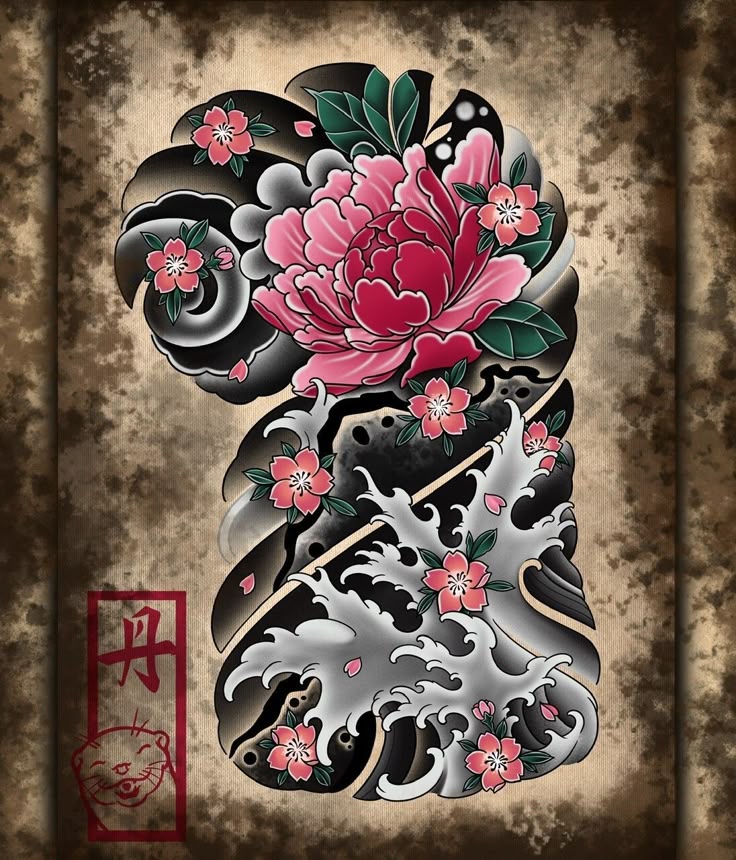
A peony tattoo carries different meanings depending on cultural interpretation, most notably representing wealth and honor in Chinese tradition and bravery or masculine strength in Japanese irezumi tattooing. In Western tattoo culture, it is often associated with romance, beauty, and personal transformation. Understanding these differences is essential before committing to a design with cultural depth.
Expert Perspective: Many clients mistakenly assume peonies only represent “beauty.” In reality, tattoo historians note that peonies in Japanese Edo-period art were often paired with lions or dragons to symbolize controlled power and aristocratic protection, not softness alone.
- China: Prosperity, nobility, high social status
- Japan: Honor, bravery, masculine protection symbolism
- Western tattooing: Romance, elegance, transformation
Why Peony Tattoos Are So Popular Today
Peony tattoos have surged in popularity due to their versatility across styles, strong visual impact, and adaptability to large or small compositions. They also photograph well, heal predictably in most skin types, and integrate seamlessly into sleeve or back pieces. Modern tattoo culture favors botanical designs that balance emotional meaning with aesthetic longevity.
Real-World Insight: Senior tattoo artists report that floral sleeves featuring peonies have one of the highest “regret resistance” rates—meaning clients are less likely to request cover-ups or redesigns compared to trend-based tattoos like micro-symbols or abstract linework.
Best Peony Tattoo Design Styles (With Expert Breakdown)
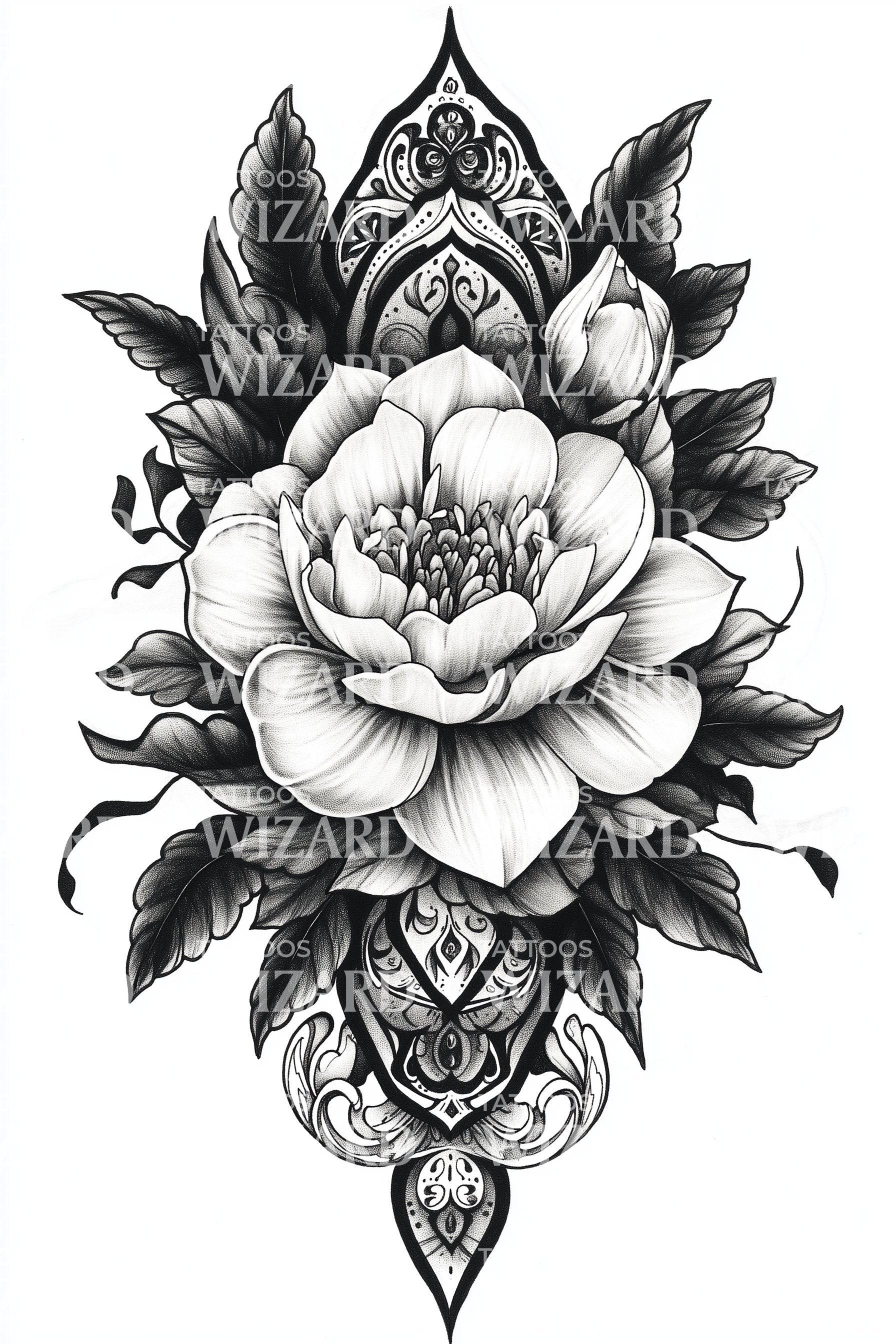
Peony tattoo design styles vary widely, from traditional Japanese compositions to modern watercolor and fine-line interpretations. Choosing the right style depends on body placement, long-term aging expectations, and whether the tattoo is meant to stand alone or integrate into a larger composition such as a sleeve or back piece.
Information Gain Insight: One overlooked factor in style selection is “ink density planning.” Dense styles like Japanese or realism age better on high-movement skin zones, while watercolor and fine-line designs degrade faster without frequent touch-ups.
Japanese Irezumi Peony Tattoos
Japanese peony tattoos are deeply rooted in irezumi tradition, typically featuring bold outlines, saturated color fills, and integration with symbolic elements like koi fish, dragons, or waves. These designs are structured for full-body storytelling and long-term durability, making them one of the most technically refined tattoo styles.
Expert Insight: Traditional irezumi artists intentionally design peonies with exaggerated petal layering to maintain readability as skin ages and ink softens over decades. This is why Japanese floral tattoos often outlast minimalist styles visually.
- Best for: Sleeves, back pieces, full-body compositions
- Strength: Long-term clarity and strong symbolism
- Risk: Requires highly skilled specialist artist
Realistic Peony Tattoo Designs
Realistic peony tattoos focus on photographic detail, using advanced shading techniques to replicate natural light, depth, and petal texture. This style is popular among clients seeking lifelike floral representation rather than symbolic abstraction, and it requires high technical precision from the tattoo artist.
Real-World Insight: Realism tattoos perform best on flat, low-stretch areas like the thigh or upper arm. On highly mobile skin zones such as elbows or ribs, fine shading detail may blur faster over time.
- Best for: Thigh, upper arm, back
- Strength: High visual impact and realism
- Risk: Requires frequent touch-ups for longevity
Watercolor Peony Tattoos
Watercolor peony tattoos mimic brush-painted artwork with soft gradients and minimal black outlines. While visually striking, they rely heavily on pigment diffusion within the skin, which makes proper execution and aftercare critical for maintaining clarity over time.
Information Gain Insight: Tattoo dermatology studies suggest that watercolor tattoos without structural black anchoring lines fade significantly faster due to reduced pigment stabilization in dermal layers.
- Best for: Creative expression, artistic aesthetics
- Strength: Unique painterly appearance
- Risk: Faster fading compared to structured styles
Minimalist Peony Tattoos
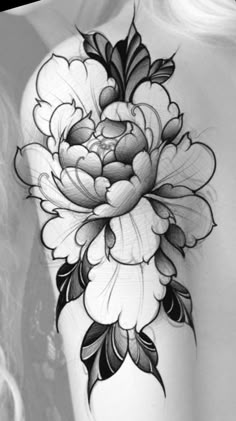
Minimalist peony tattoos use fine lines and simplified shapes to represent floral forms in a subtle, modern way. These designs appeal to first-time tattoo clients or those seeking discreet body art, but they require careful execution due to their sensitivity to ink spreading over time.
Expert Warning: Fine-line tattoos in high-friction areas often blur faster than expected. Professionals recommend slightly thicker line weights than clients initially request to preserve long-term legibility.
- Best for: Wrist, collarbone, ankle
- Strength: Subtle, elegant aesthetic
- Risk: Higher risk of fading and line diffusion
Best Placement Ideas for Peony Tattoos
Peony tattoo placement significantly affects visual flow, aging quality, and symbolic impact. Larger floral designs perform best on areas with stable skin and natural curvature, while smaller peony tattoos require strategic placement to avoid distortion over time. Placement should always align with both anatomy and long-term design composition goals.
Information Gain Insight: Experienced tattoo artists often map peony petals along muscle movement lines to create “dynamic flow,” ensuring the design looks natural both when the body is relaxed and in motion.
- Sleeve: Best for narrative floral storytelling
- Thigh: Ideal for large-scale realism
- Back: Maximum longevity and detail preservation
- Shoulder: Natural flow into chest or arm designs
Sleeve and Arm Peony Tattoos
Sleeve peony tattoos are designed to wrap around the arm in a continuous visual flow, often incorporating complementary elements like waves, wind bars, or symbolic animals. This placement is highly popular because it allows layered storytelling while maintaining strong visibility and aesthetic balance.
Expert Insight: Sleeve compositions are typically planned in “stages,” meaning peonies are placed first as structural anchors before secondary elements are added around them during future sessions.
- Strength: Strong visual storytelling potential
- Consideration: Requires multiple sessions
- Best style match: Japanese irezumi or realism
Thigh and Hip Placement
Thigh and hip placements are ideal for large peony tattoos because they provide a wide, stable canvas with minimal distortion from aging or movement. These areas are especially popular for realistic floral tattoos due to their ability to hold fine shading detail effectively over time.
Real-World Insight: Tattoo artists often recommend thigh placement for first large floral tattoos because it offers a balance between visibility control and long-term preservation quality.
- Strength: High detail retention
- Consideration: Moderate to high pain level
- Best style match: Realism, watercolor hybrids
Peony Tattoo Color vs Black & Grey
Lucky Tattoo, a professional tattoo artist, has over 10 years of experience in the art of tattooing in Ho Chi Minh City. Lucky Tattoo Studio was founded in 2014 by skilled and kind artists. All tattoos are provided in a clean, strictly controlled, and friendly environment.
Information Gain Insight: Many tattoo regret cases stem from choosing color without considering skin undertone compatibility. Experienced artists often perform “skin tone pigment forecasting” to predict how reds, pinks, and greens will fade over 5–10 years.
Which Lasts Longer Over Time?
Peony tattoo longevity depends heavily on ink saturation, placement, and style. Black and grey tattoos generally last longer with clearer definition, while color tattoos may require touch-ups due to pigment breakdown. However, properly executed color realism using high-quality inks can still maintain strong vibrancy for many years when placed correctly.
Expert Perspective: Dermatology-informed tattoo research shows that UV exposure is the leading cause of pigment fading. Clients who consistently use SPF protection extend tattoo clarity by up to 40–60% over time.
- Black & grey: Higher longevity, lower maintenance
- Color realism: Higher impact, moderate maintenance
- Watercolor: Fastest fading without structural outlines
How to Choose the Right Peony Tattoo Design
A peony tattoo design should be chosen based on personality, body anatomy, lifestyle, and long-term aesthetic goals. The best designs are not purely visual—they are strategically matched to skin behavior, placement flow, and symbolic intent. This ensures the tattoo remains meaningful and visually strong over decades.
Information Gain Insight: Leading tattoo artists now use “body mapping consultation” techniques, where designs are sketched directly over muscle movement zones to ensure natural flow and reduced distortion over time.
Matching Design to Personality Type
Peony tattoo styles can reflect personality archetypes, helping clients choose designs aligned with identity rather than trends. Bold personalities often gravitate toward Japanese irezumi compositions, while minimalist individuals prefer fine-line or single-flower designs. This psychological alignment improves long-term satisfaction.
Expert Insight: Tattoo psychologists note that regret rates decrease significantly when designs are chosen through identity-based frameworks rather than social media inspiration alone.
- Bold personality: Japanese peony sleeves with strong symbolism
- Creative personality: Watercolor expressive designs
- Minimalist personality: Fine-line single peony tattoos
Choosing the Right Tattoo Artist
Selecting the right tattoo artist is critical for peony designs due to their complexity in shading, layering, and composition flow. A skilled artist understands botanical anatomy, ink saturation control, and how floral structures behave over time on skin.
Real-World Insight: Top studios often specialize—some artists excel in Japanese compositions, while others focus exclusively on realism. Choosing a specialist reduces distortion risk and improves healing outcomes.
- Check healed portfolio work, not just fresh tattoos
- Look for consistency in floral structure detail
- Verify hygiene certification and studio standards
Peony Tattoo Cost, Pain & Healing Guide
Peony tattoo cost, pain levels, and healing times vary based on size, style, and placement. Larger, detailed designs such as sleeves or back pieces require multiple sessions and higher budgets. Healing typically takes 2–4 weeks on the surface but can take several months for full dermal recovery beneath the skin.
Information Gain Insight: Many clients underestimate the “session layering effect,” where large floral tattoos require staged sessions that impact final shading consistency if healing is not properly maintained between appointments.
Average Pricing by Size and Style
Peony tattoo pricing depends on artist expertise, geographic region, and design complexity. Simple fine-line peonies cost significantly less than full-color Japanese sleeves, which require extensive planning and multiple sittings. High-end artists often charge based on composition difficulty rather than time alone.
- Small minimalist peony: Low to moderate cost range
- Medium realism piece: Moderate to high range
- Full sleeve Japanese peony: High investment tier
Pain Level by Body Area
Pain levels for peony tattoos depend on skin thickness, nerve density, and proximity to bone. Areas like thighs and upper arms are generally more tolerable, while ribs, elbows, and collarbones produce higher discomfort. Pain management strategies are often discussed during consultation for larger designs.
Expert Insight: Pain sensitivity increases during long shading sessions, which is why experienced artists schedule breaks strategically to reduce inflammation and improve ink retention quality.
- Low pain: Outer arm, thigh
- Moderate pain: Shoulder, calf
- High pain: Ribs, sternum, spine
Healing Process and Aftercare Tips
Proper aftercare is essential for preserving peony tattoo clarity, color vibrancy, and line integrity. The healing process involves initial scabbing, peeling, and gradual pigment stabilization. Following professional aftercare instructions reduces infection risk and improves long-term visual outcomes significantly.
Information Gain Insight: Dermatology research highlights that over-moisturizing is a common mistake that can lead to ink dilution during early healing stages, especially in watercolor tattoos.
- Keep tattoo clean and lightly moisturized
- Avoid direct sun exposure during healing
- Do not pick or scratch scabs
- Avoid swimming for at least 2–3 weeks
Common Mistakes in Peony Tattoo Designs
Common mistakes in peony tattoo design include poor placement, overcrowded compositions, and choosing styles incompatible with skin type or lifestyle. These errors often lead to premature fading, distorted visuals, or dissatisfaction with the final result. Proper planning and professional consultation significantly reduce these risks.
Information Gain Insight: Many tattoo regret cases are not caused by design quality but by “placement drift”—a phenomenon where tattoos lose intended symmetry due to natural muscle changes over time.
Overcrowded Composition Mistakes
Overcrowding occurs when too many floral or symbolic elements are added without maintaining visual hierarchy. In peony tattoos, this reduces clarity and weakens the natural elegance of the flower structure. Effective compositions rely on negative space to enhance visual balance and longevity.
- Avoid excessive overlapping floral elements
- Maintain clear focal point (primary peony bloom)
- Use supporting elements sparingly
Poor Placement Decisions
Poor placement can significantly impact how a peony tattoo ages and flows with body movement. Designs placed without anatomical consideration may stretch, blur, or lose proportion over time. Strategic placement aligned with muscle flow ensures better longevity and visual harmony.
Expert Insight: Professional tattoo artists often test stencil positioning in multiple body postures before finalizing placement to ensure consistency in both static and dynamic movement.
Peony Tattoo Inspiration Gallery Ideas
Peony tattoo inspiration ideas range from traditional Japanese storytelling sleeves to modern minimalist floral expressions. The best concepts integrate symbolism, body flow, and personal meaning. Inspiration should be treated as a starting framework rather than a final design copy to ensure uniqueness and longevity.
Information Gain Insight: Top tattoo studios discourage direct replication of online designs because skin composition, body shape, and ink absorption vary significantly between individuals.
Peony + Koi Fish Sleeve Concept
A peony combined with koi fish symbolizes balance between strength and beauty, often used in Japanese tattoo storytelling. This composition represents perseverance and transformation, making it one of the most powerful full-sleeve designs in traditional irezumi culture.
- Symbolism: perseverance, transformation, harmony
- Best placement: full arm or back
- Style: traditional Japanese irezumi
Peony + Skull Contrast Design
Peony and skull combinations represent the duality of life and death, beauty and impermanence. This contrast-based design is popular in modern tattoo culture for its philosophical depth and visual intensity, especially in black and grey realism styles.
- Symbolism: mortality and beauty balance
- Best style: realism or black & grey
- Effect: strong emotional visual storytelling
FAQ About Peony Tattoo Designs
Peony tattoo FAQs address common concerns about meaning, cost, placement, and longevity. These answers help users make informed decisions by clarifying misconceptions and providing practical, experience-based insights from professional tattoo practice and skin behavior research.
What does a peony tattoo symbolize?
A peony tattoo symbolizes prosperity, honor, beauty, and resilience, with cultural variations across Chinese, Japanese, and Western interpretations.
Are peony tattoos suitable for men and women?
Yes, peony tattoos are unisex and often used in both masculine Japanese sleeves and feminine floral compositions depending on style and context.
Do peony tattoos fade quickly?
Color peony tattoos may fade faster than black and grey designs, especially if exposed to sunlight without proper SPF protection.
What is the best placement for a peony tattoo?
The best placements are thigh, back, and upper arm due to their stability, surface area, and ability to preserve detail over time.
How painful is a peony tattoo?
Pain varies by placement, with thighs and outer arms being more tolerable, while ribs and spine are considered high-pain areas.
How much does a peony tattoo cost?
Costs vary widely based on size, style, and artist expertise, ranging from small minimalist designs to high-end full sleeves requiring multiple sessions.
How long does healing take?
Surface healing typically takes 2–4 weeks, while full skin recovery beneath the dermis can take several months depending on aftercare quality.
Lucky Tattoo, a professional tattoo artist, has over 10 years of experience in the art of tattooing in Ho Chi Minh City. Lucky Tattoo Studio was founded in 2014 by skilled and kind artists. All tattoos are provided in a clean, strictly controlled, and friendly environment.
peony-tattoo-design