Wave tattoo designs are among the most emotionally expressive and visually fluid tattoo choices, symbolizing resilience, transformation, and connection to nature. This guide combines expert tattoo insights, cultural context, and design principles to help you choose a meaningful wave tattoo that reflects your identity, lifestyle, and long-term aesthetic goals.
What Does a Wave Tattoo Mean?
A wave tattoo represents emotional depth, resilience, and life’s constant motion, reflecting how individuals adapt to challenges and change. In tattoo culture, waves are not just decorative elements but symbolic markers of personal transformation, inner strength, and balance between chaos and calm. Many clients choose wave tattoos to represent survival, freedom, or emotional healing journeys.
Core Symbolism Behind Wave Tattoos
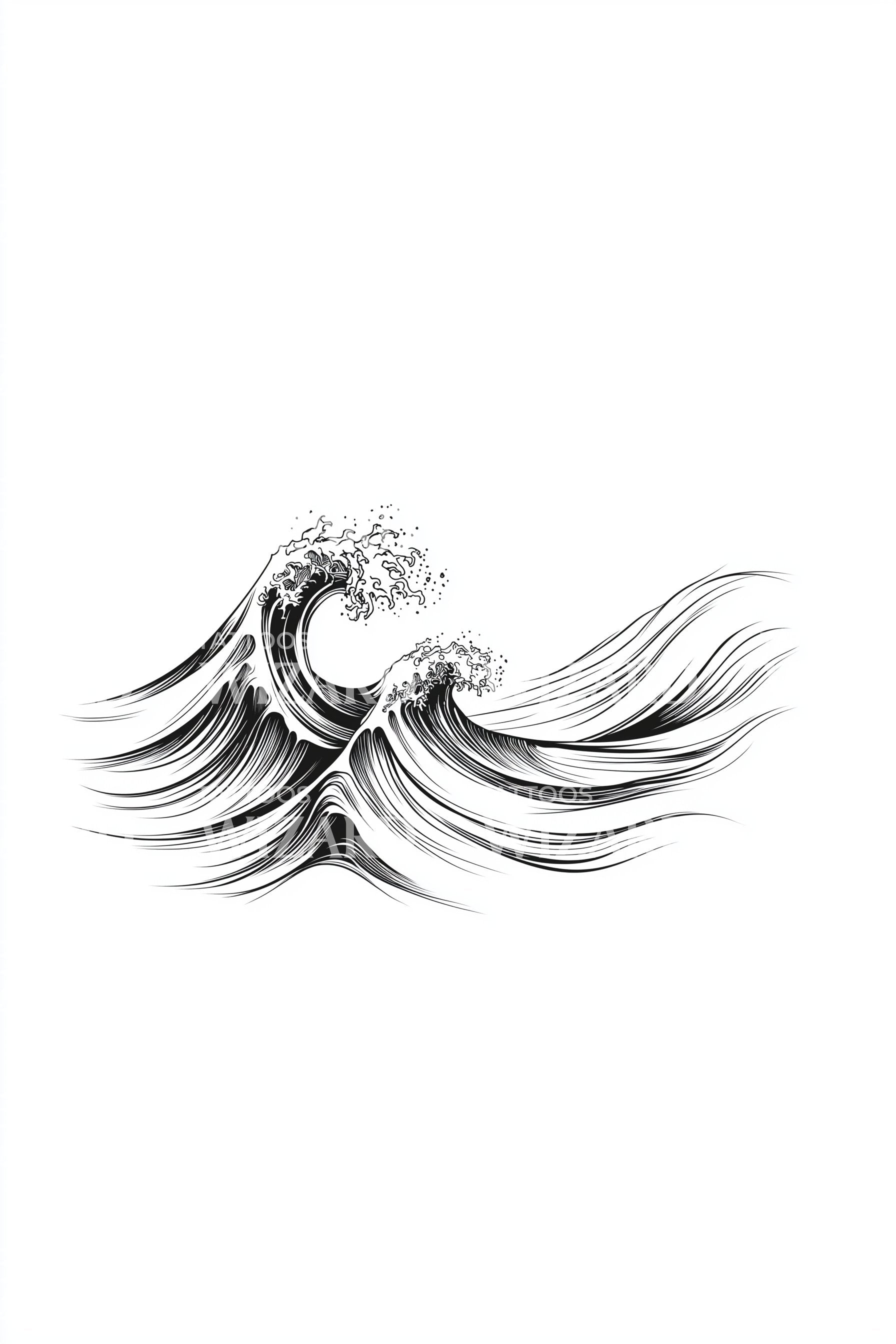
A wave tattoo symbolizes resilience, adaptability, and emotional flow, often chosen by individuals who have experienced significant life transitions or personal growth. Tattoo artists frequently interpret waves as visual metaphors for navigating hardship while maintaining inner balance. Unlike static symbols, waves convey movement, making them especially powerful for storytelling through body art.
From an expert tattooing perspective, wave compositions are often used to visually represent “life energy in motion,” which is why they are frequently paired with elements like the sun, mountains, or marine creatures for layered meaning.
Experienced tattoo artists often note that wave tattoos are selected by clients during major life transitions such as recovery, relocation, or identity change.
Common Misconceptions About Wave Tattoo Meaning
A wave tattoo does not exclusively represent surfing culture or beach lifestyle, despite popular assumptions. In professional tattoo studios, artists report that most clients choose wave designs for emotional or psychological symbolism rather than recreational identity. This misconception often leads to oversimplified interpretations that overlook deeper personal narratives.
Information Gain Insight: In practice, wave tattoos are frequently used in grief recovery or trauma-processing journeys, where water symbolizes emotional release rather than leisure or sport.
Wave Tattoo Meaning Across Cultures
Wave tattoos carry different cultural meanings across Japanese, Polynesian, and Western traditions, often reflecting distinct relationships between humans and water. Understanding these cultural contexts helps ensure respectful and meaningful design choices while also improving artistic authenticity and long-term satisfaction with the tattoo.
Japanese Wave Tattoo Symbolism
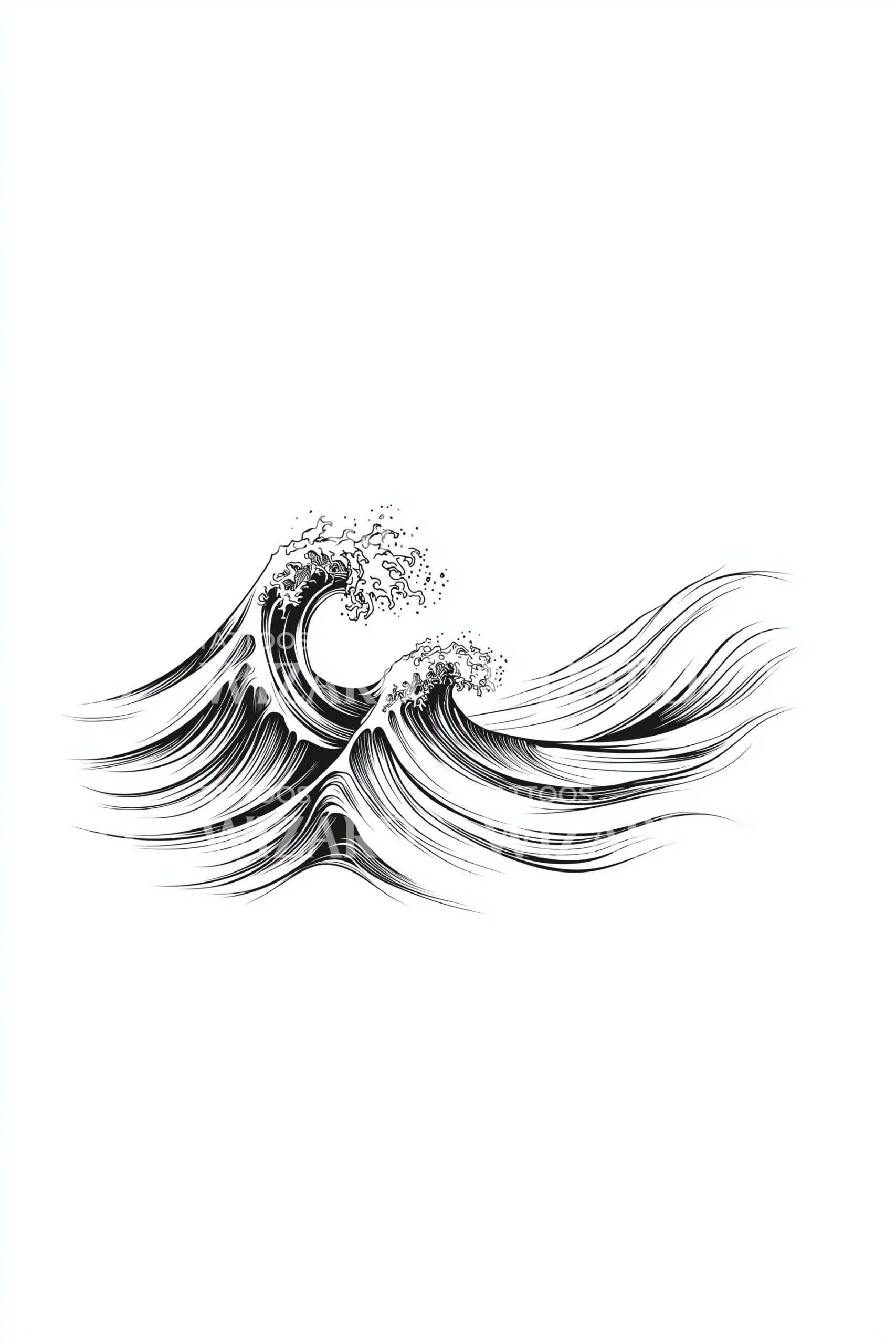
A Japanese wave tattoo is deeply rooted in traditional ukiyo-e art and represents power, impermanence, and the unstoppable force of nature. Inspired by Hokusai’s iconic wave imagery, these designs emphasize movement, drama, and natural energy, often symbolizing respect for forces beyond human control.
Japanese-style wave tattoos are typically bold, structured, and highly detailed, requiring experienced tattoo artists familiar with traditional composition rules to maintain authenticity and flow.
Information Gain Insight: Traditional Japanese wave tattoos follow strict compositional balance rules where wave direction must guide the viewer’s eye across the body, not just decorate it.
Polynesian and Oceanic Wave Symbolism
In Polynesian tattoo traditions, wave patterns represent travel, protection, and ancestral connection to the ocean. These designs often integrate geometric repetition to symbolize continuity, navigation, and spiritual guidance across vast oceanic spaces. Unlike Japanese styles, Polynesian wave tattoos emphasize structure and lineage over motion realism.
Most Popular Wave Tattoo Design Styles
Wave tattoo styles range from minimalist line art to highly detailed blackwork and Japanese compositions, each offering different emotional tones and visual impact. Choosing the right style depends on personal meaning, placement, skin type, and long-term aging expectations, as each technique behaves differently over time on the skin.
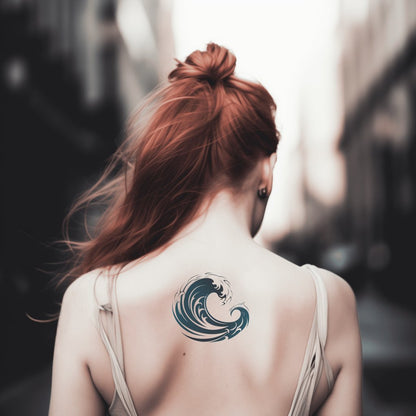
Minimalist Wave Tattoo Designs
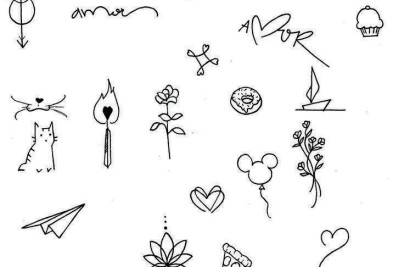
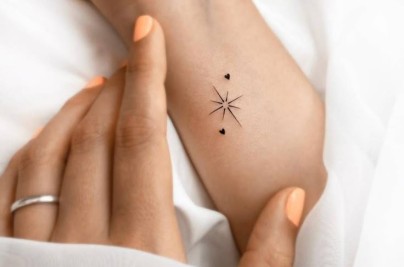
A minimalist wave tattoo uses clean lines and simple shapes to represent ocean movement in a subtle and elegant way, making it ideal for first-time tattoo clients or those preferring discreet body art. This style focuses on emotional symbolism rather than visual complexity, often placed on wrists, ankles, or collarbones.
Minimalist wave tattoos are especially popular among professionals who want meaningful ink without high visibility, blending well with modern aesthetic trends in fine-line tattooing.
Information Gain Insight: Fine-line wave tattoos tend to fade faster on high-friction areas such as fingers and wrists, requiring touch-ups every few years depending on skin type and sun exposure.
Fine-Line and Blackwork Wave Tattoos
A fine-line or blackwork wave tattoo emphasizes precision, contrast, and long-term visual clarity, making it a preferred choice for clients seeking durability and artistic depth. Fine-line styles offer delicate motion effects, while blackwork designs provide bold visual impact and better aging performance on the skin.
Professional tattoo artists often recommend blackwork waves for larger placements because they maintain structural integrity better over time compared to ultra-thin linework.
Lucky Tattoo, a professional tattoo artist, has over 10 years of experience in the art of tattooing in Ho Chi Minh City. Lucky Tattoo Studio was founded in 2014 by skilled and kind artists. All tattoos are provided in a clean, strictly controlled, and friendly environment.
Best Placement Ideas for Wave Tattoos
A wave tattoo placement significantly influences how the design flows with the body, its visibility, and how well it ages over time. Common placements like the forearm, ankle, wrist, and shoulder are chosen based on motion direction, body curvature, and personal visibility preferences. Proper placement enhances both aesthetic impact and symbolic meaning.
Forearm and Wrist Wave Tattoos
A forearm or wrist wave tattoo is ideal for designs that emphasize movement and daily visibility, making it one of the most popular placements for minimalist and fine-line styles. These areas allow the wave to naturally follow the arm’s motion, creating a dynamic visual effect that changes with movement and perspective.
From a professional tattoo perspective, the forearm offers a stable skin surface that supports clean line retention, while the wrist is more delicate and prone to faster fading due to frequent movement and sun exposure.
Information Gain Insight: Tattoo artists often align wave direction with vein flow on the forearm to create a natural illusion of water movement, improving realism without increasing design complexity.
Ankle and Lower Leg Wave Tattoos
Ankle wave tattoos are commonly chosen for subtle, personal designs that remain easily concealable while still carrying deep symbolic meaning. The curved bone structure enhances the natural flow of wave designs, especially for minimalist or single-line styles.
However, this placement is more sensitive during tattooing due to thin skin and proximity to bone, and requires careful aftercare to prevent ink blowout or uneven healing.
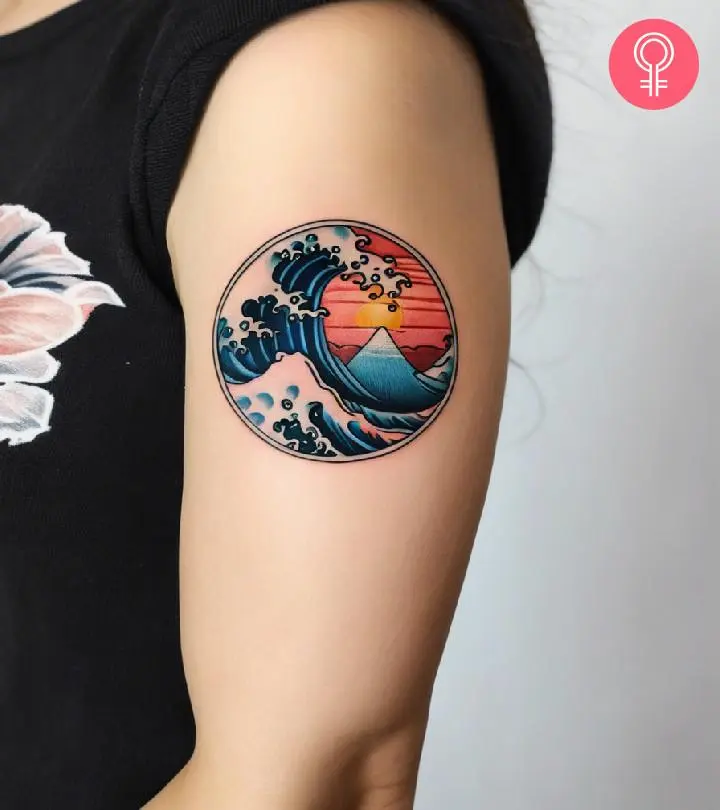
Shoulder, Arm, and Rib Placements
A shoulder, upper arm, or rib wave tattoo is best suited for larger, more detailed compositions that incorporate motion, shading, or additional symbolic elements like sun, fish, or mountains. These areas provide enough space for artistic storytelling and long-term structural stability of the tattoo.
Rib placements are especially popular among clients seeking deeply personal tattoos, as the area is less visible and often associated with intimate emotional meaning. However, ribs are also among the most painful tattoo areas due to thin skin and bone proximity.
Information Gain Insight: Experienced tattoo artists often adjust wave curvature on rib tattoos to follow breathing movement, creating a subtle illusion of the ocean “moving” with the body.
Choosing the Right Wave Tattoo for Your Personality
A wave tattoo should reflect personal identity, emotional experience, and lifestyle rather than purely aesthetic preference. Choosing the right design involves aligning symbolism, placement, and artistic style with your personality traits, such as calmness, resilience, adventure, or emotional transformation.
For Adventurers and Travelers
Wave tattoos for travelers often symbolize freedom, exploration, and adaptability to change, making them ideal for individuals with a nomadic or outdoor lifestyle. These designs frequently incorporate compasses, coordinates, or horizon lines to represent movement across physical and emotional landscapes.
Many tattoo artists recommend dynamic wave compositions that extend across multiple body zones, reinforcing the idea of journey rather than static identity.
For Minimalists and Modern Aesthetics
Minimalist wave tattoos appeal to individuals who prefer subtle symbolism and clean design language, often reflecting clarity, emotional balance, and simplicity. These tattoos avoid heavy shading and instead rely on precise line work to communicate meaning.
Information Gain Insight: Minimalist wave tattoos are often chosen as “first meaningful tattoos,” especially among professionals who want symbolic art that remains visually neutral in corporate environments.
How Tattoo Artists Create Realistic Wave Movement
A realistic wave tattoo is created through advanced line flow, shading techniques, and composition planning that mimics the natural movement of water. Skilled tattoo artists design waves to follow anatomical curves, ensuring that the tattoo appears alive and dynamic rather than static or decorative.
Line Flow and Composition Techniques
Line flow is the foundation of wave tattoo design, guiding how the eye moves across the skin and how the wave interacts with body contours. Artists carefully map wave direction to ensure continuity, avoiding abrupt stops or unnatural bends that break visual realism.
Experienced tattoo professionals often sketch waves directly on the body before tattooing to ensure alignment with muscle movement and natural posture changes.
A well-designed wave tattoo should feel like it belongs to the body rather than sitting on top of it.
Shading and Depth Techniques
Shading techniques in wave tattoos are used to simulate depth, foam, and water translucency, giving the illusion of motion and energy. Black-and-grey shading is commonly used for realism, while dotwork and gradient techniques enhance texture variation.
Improper shading can flatten a wave tattoo, making it lose its sense of movement, which is why experienced artists prioritize layered contrast and gradual tonal transitions.
Wave Tattoo Aftercare and Longevity Tips
Proper aftercare is essential for maintaining the clarity, shape, and longevity of a wave tattoo, especially for fine-line and minimalist designs. Healing typically takes 2–4 weeks, but long-term maintenance such as sun protection and moisturizing determines how well the tattoo ages over time.
Healing Timeline and Skin Recovery
Wave tattoo healing follows a standard recovery process involving initial inflammation, scabbing, peeling, and skin regeneration. During the first two weeks, avoiding friction, swimming, and direct sunlight is critical to prevent ink distortion and infection risks.
Dermatological guidelines from organizations such as the American Academy of Dermatology emphasize the importance of keeping fresh tattoos clean, moisturized, and protected from UV exposure during early healing stages.
Preventing Fading and Ink Distortion
Wave tattoos, particularly fine-line designs, are prone to fading if exposed to excessive sunlight or placed on high-friction areas. Long-term care includes SPF protection, hydration, and occasional touch-ups recommended by professional tattoo artists.
Information Gain Insight: Studies in dermatology show that UV exposure is the leading cause of tattoo pigment degradation, with fine-line tattoos fading up to 40% faster without consistent sun protection.
Wave Tattoo Design Mistakes to Avoid
A poorly planned wave tattoo often results from ignoring body flow, choosing overly complex designs for small placements, or selecting inexperienced artists. Avoiding these mistakes ensures the tattoo maintains both visual integrity and symbolic clarity over time.
Ignoring Body Flow and Placement Logic
One of the most common mistakes is selecting a wave design that does not follow natural body curvature, resulting in a distorted or disconnected appearance. Wave tattoos should always enhance anatomical movement rather than fight against it.
Choosing Style Over Meaning
Many clients prioritize visual trends without considering personal symbolism, which often leads to long-term dissatisfaction. A wave tattoo should reflect emotional or experiential meaning, not just aesthetic appeal, to remain relevant over time.
Frequently Asked Questions About Wave Tattoos
What does a wave tattoo symbolize?
A wave tattoo symbolizes resilience, emotional strength, adaptability, and life’s continuous change, often representing personal transformation or healing journeys.
Are wave tattoos a good first tattoo choice?
Yes, wave tattoos—especially minimalist designs—are popular first tattoos due to their simple structure, meaningful symbolism, and flexible placement options.
Do wave tattoos fade quickly?
Fine-line wave tattoos can fade faster than bold designs, especially in high-friction or sun-exposed areas, but proper aftercare significantly improves longevity.
Which placement is best for wave tattoos?
Forearm, wrist, ankle, and shoulder placements are most popular due to natural body flow, visibility control, and long-term design stability.
What style of wave tattoo lasts the longest?
Blackwork and bold Japanese-style wave tattoos generally last longer because thicker lines and stronger contrast resist fading better than fine-line designs.
Can wave tattoos be combined with other elements?
Yes, wave tattoos are often combined with mountains, sun, animals, or coordinates to create personalized storytelling compositions.
Are wave tattoos culturally significant?
Yes, wave tattoos carry cultural meanings in Japanese, Polynesian, and Western traditions, often representing nature’s power, travel, and spiritual connection to water.
Final Thoughts on Wave Tattoo Design
Wave tattoos remain one of the most versatile and meaningful tattoo styles, blending aesthetic beauty with deep symbolic interpretation. Whether minimalist or highly detailed, their connection to emotion, resilience, and transformation makes them a timeless choice for individuals seeking personal expression through body art.