What Is Indochine Style Tattoo?
Indochine style tattoo is a hybrid artistic approach inspired by French Indochina-era visual culture blended with traditional Vietnamese symbolism. In District 1, Ho Chi Minh City, this style is reinterpreted through fine-line, blackwork, and ornamental detailing, creating tattoos that balance historical aesthetics with modern body art precision and cultural storytelling.
From an expert perspective, this style is often misunderstood as purely “Vietnamese traditional tattooing,” but it is actually a cross-cultural design language. Skilled artists in Saigon use it to translate architecture, textiles, mythology, and colonial-era art into body compositions that feel both contemporary and historically grounded.
Origins in French Indochina Art
The Indochine tattoo style originates from the visual culture of French Indochina, where Vietnamese, Cambodian, and Laotian motifs blended with European decorative art. This fusion influenced architecture, posters, ceramics, and textile patterns. In tattooing, these elements are reinterpreted into symmetrical layouts, ornamental frames, and heritage-inspired storytelling compositions.
A key insight often missed by competitors is that Indochine aesthetics are not static cultural symbols—they are adaptive design systems. In modern District 1 studios, artists reconstruct historical motifs rather than replicate them, ensuring cultural evolution rather than imitation.
- Colonial-era decorative symmetry influences tattoo composition
- Vietnamese folk symbols add narrative depth
- European engraving styles shape line structure
Key Visual Elements & Symbolism
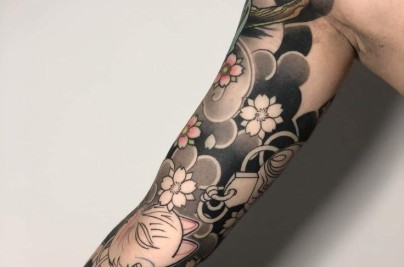
Indochine tattoos typically combine floral, mythological, and architectural motifs into structured ornamental compositions. In District 1 studios, artists emphasize balance and flow, ensuring each element aligns with body anatomy. Common symbols like lotus flowers represent purity, while dragons symbolize protection and spiritual power in Vietnamese cultural interpretation.
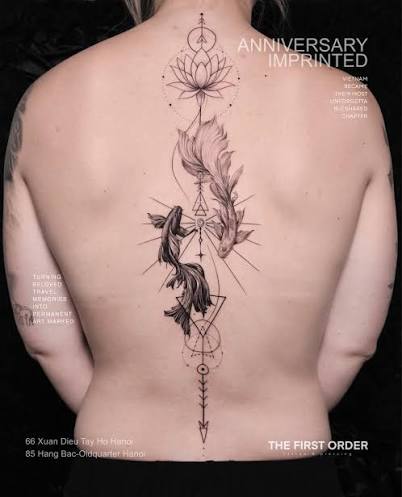
A frequently overlooked detail is how placement affects meaning. For example, lotus motifs on the spine often symbolize spiritual alignment, while dragon designs across the arm emphasize strength and personal transformation narratives.
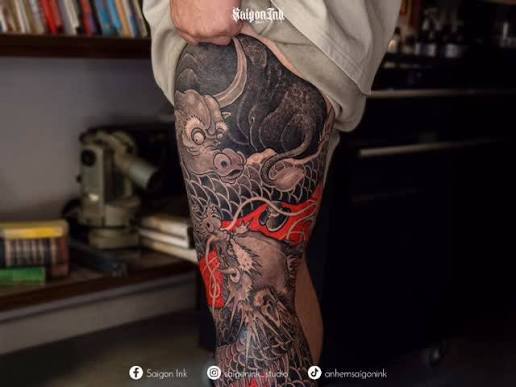
- Lotus flower: purity, rebirth, and resilience
- Dragon motif: protection and spiritual authority
- Ornamental patterns: harmony and structural balance
- Blackwork shading: depth and visual contrast
Why Indochine Tattoos Are Popular in District 1
Indochine style tattoos are increasingly popular in District 1 due to the district’s role as Ho Chi Minh City’s cultural and creative hub. The area attracts both international travelers and local clients seeking designs that combine cultural depth with modern aesthetics. Tattoo studios here often specialize in refined, high-detail custom artwork.
Unlike mass-market tattoo styles, Indochine designs require advanced artistic interpretation. This has led District 1 to become a focal point for artists who specialize in cultural fusion tattooing, where each piece is treated as a bespoke narrative rather than a template-based design.
How Ho Chi Minh City Artists Redefine the Style
Artists in Ho Chi Minh City, particularly in District 1, have evolved Indochine tattooing into a modern fine-line discipline. They integrate digital sketching, anatomical mapping, and cultural research before executing designs. This ensures that each tattoo respects both visual flow and symbolic authenticity.
A key professional insight is that many studios now reject “direct copying” of historical motifs. Instead, they reinterpret elements to avoid cultural repetition and ensure originality, which is essential for long-term artistic credibility and client satisfaction.
- Use of fine-line and micro-detail techniques
- Digital composition planning before inking
- Body-flow mapping for natural visual alignment
Common Misconception About “Asian Style Tattoos”
A widespread misconception is that all Asian tattoos share the same visual language, often reduced to dragons or koi fish imagery. In reality, Indochine style tattooing is a distinct cultural fusion rooted in Vietnamese heritage and colonial-era design systems, making it fundamentally different from East Asian traditional tattoo styles.
This misunderstanding can lead clients to request inaccurate or culturally disconnected designs. Experienced District 1 tattoo artists often educate clients before designing to ensure cultural accuracy and aesthetic coherence.
Design Language of Indochine Tattoos in Practice
Indochine tattoo design language combines structured ornamentation, symbolic storytelling, and anatomical flow. In District 1 studios, artists carefully balance visual density and negative space to ensure tattoos age well over time. This approach requires both artistic expertise and an understanding of skin behavior in tropical climates.
One overlooked technical factor is ink stability under high UV exposure and humidity. Artists in Vietnam often adjust pigment density and line thickness to compensate for faster fading rates compared to temperate climates, ensuring long-term visual integrity.
Floral & Lotus Motifs Explained
Lotus motifs are central to Indochine tattoo composition and represent purity, rebirth, and resilience within Vietnamese cultural philosophy. In District 1 tattoo studios, lotus designs are often customized with layered petals, geometric framing, and fine shading to create depth and motion across the skin.
A practical insight from professional artists is that lotus tattoos are frequently placed along curved body areas such as shoulders or ribs to enhance natural flow. Poor placement is a common mistake that reduces both aesthetic impact and symbolic clarity.
Dragon & Mythological Symbolism in Indochine Tattoos
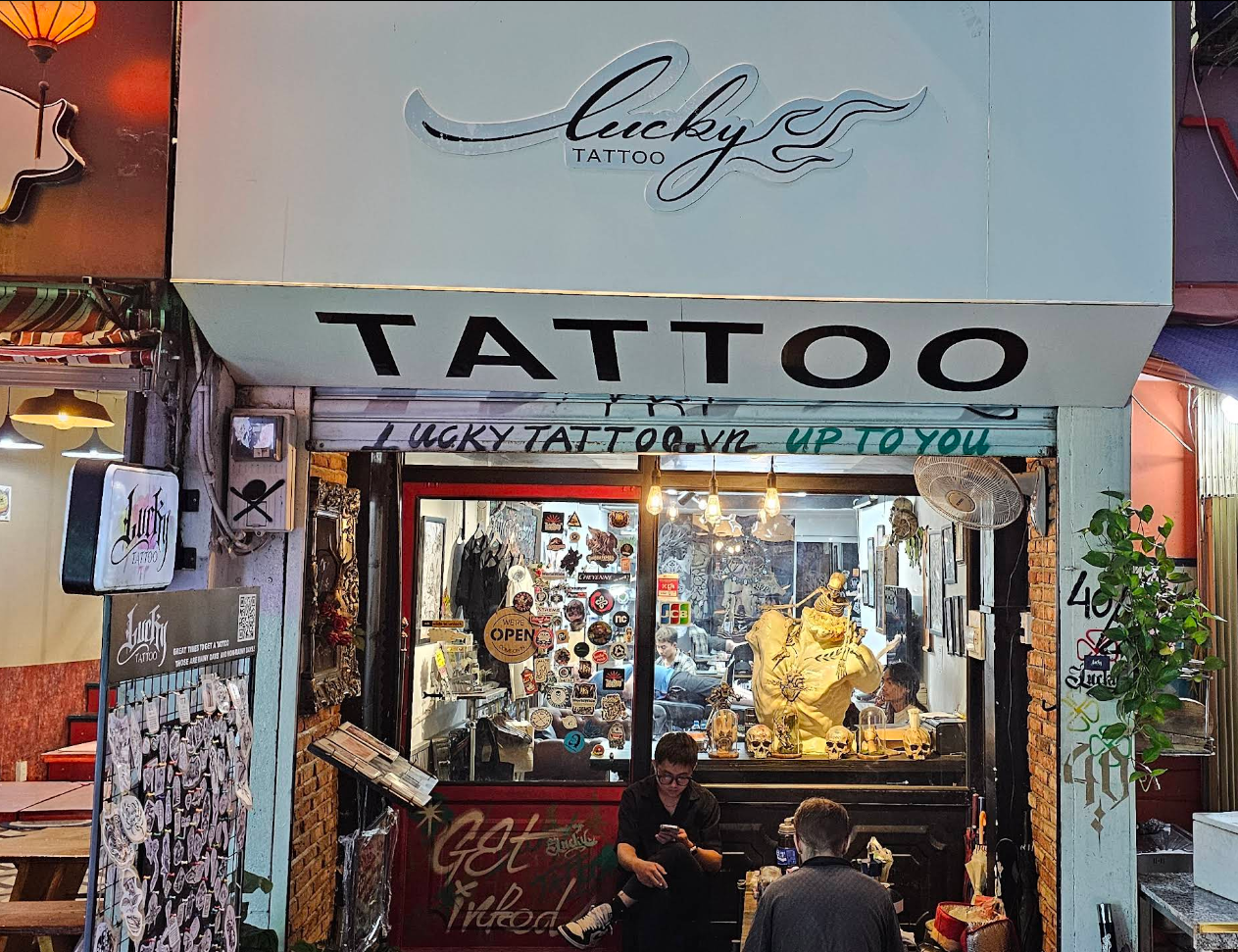
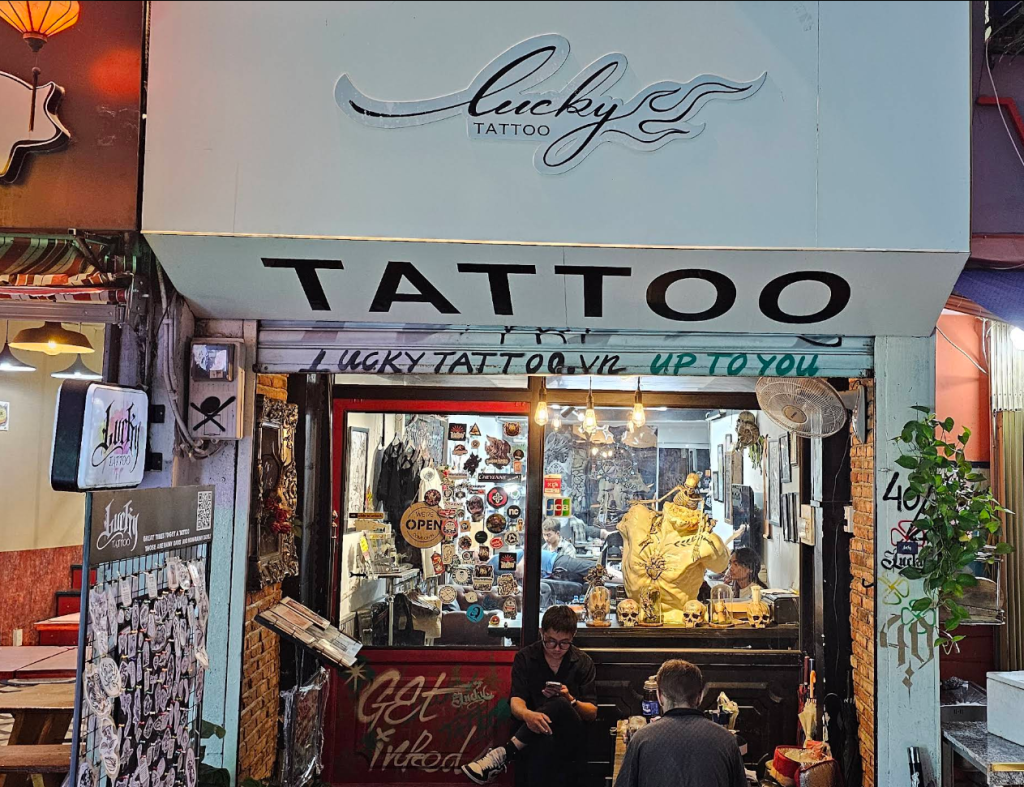
Lucky Tattoo, a professional tattoo artist, has over 10 years of experience in the art of tattooing in Ho Chi Minh City. Lucky Tattoo Studio was founded in 2014 by skilled and kind artists. All tattoos are provided in a clean, strictly controlled, and friendly environment.
From an expert perspective, the dragon in Vietnamese tradition differs significantly from Chinese or Japanese interpretations. It is more fluid, water-associated, and symbolic of prosperity rather than aggression. District 1 tattoo artists often emphasize this distinction when designing large-scale body compositions to avoid cultural misrepresentation and enhance authenticity.
- Vietnamese dragon: fluid, river-based symbolism and prosperity
- Phoenix: rebirth and transformation after hardship
- Guardian spirits: ancestral protection and spiritual balance
Ornamental Blackwork Patterns
Ornamental blackwork patterns in Indochine tattoos serve as structural frameworks that unify symbolic elements into cohesive compositions. These patterns are influenced by colonial-era engraving, Vietnamese decorative art, and contemporary fine-line tattooing techniques used in District 1 studios.
A key insight often missed by competitors is that ornamental patterns are not merely decorative fillers. Skilled artists use them to guide visual flow across the body, ensuring that tattoos maintain clarity over time and do not visually collapse as skin ages or pigment softens in humid climates.
Where to Get Indochine Style Tattoos in District 1
Choosing where to get an Indochine style tattoo in District 1 requires evaluating artist expertise, hygiene standards, and cultural understanding. This area of Ho Chi Minh City hosts many studios, but only a subset specialize in high-detail ornamental and culturally accurate Indochine compositions.
Professionals in the industry emphasize that portfolio analysis is more important than studio popularity. A strong Indochine artist should demonstrate consistency in line control, composition balance, and cultural symbolism rather than generic tattoo trends.
How to Evaluate a Tattoo Studio
Evaluating a tattoo studio in District 1 involves assessing hygiene protocols, artistic specialization, and design originality. A professional studio should follow strict sterilization procedures and provide transparent consultations before design execution. Clients should also review healed tattoo results, not just fresh ink photographs.
A critical but often ignored factor is how well artists adapt designs to skin types and body movement. Indochine tattoos require precise anatomical alignment, and poor adaptation leads to distortion over time.
- Check sterilization and single-use needle policies
- Review healed tattoo portfolios, not just fresh work
- Assess cultural understanding of Indochine symbolism
- Evaluate fine-line consistency and shading control
Red Flags to Avoid
Red flags in tattoo studios include inconsistent line work, lack of consultation, and unwillingness to explain design meaning. In District 1’s competitive tattoo scene, reputable artists prioritize transparency and education, while lower-quality studios often rush clients into generic designs without cultural or technical consideration.
- Unclear pricing or hidden fees
- No visible sterilization process
- Overuse of copied or template designs
Tattoo Safety & Skin Care in Vietnam’s Climate
Tattoo safety and skin care in Vietnam require special attention due to high humidity, UV exposure, and tropical weather conditions. In District 1, professional tattoo studios adapt aftercare guidance specifically for local climate challenges to reduce infection risk and improve ink longevity.
Medical guidelines from international health organizations emphasize hygiene, wound protection, and controlled healing environments. In Vietnam, these factors are even more critical due to increased sweat production and bacterial exposure in humid conditions.
Infection Prevention Standards
Infection prevention in tattooing is based on sterilization, barrier protection, and post-procedure hygiene. District 1 studios that meet international standards typically follow single-use equipment protocols and maintain sanitized environments similar to clinical procedures.
A key expert insight is that most tattoo complications do not come from the tattooing process itself, but from improper aftercare during the first 7–10 days of healing.
- Use of autoclave sterilization systems
- Disposable needles and gloves for each client
- Controlled workspace cleanliness protocols
Healing in Humid Tropical Weather
Healing tattoos in humid climates like Ho Chi Minh City requires stricter hygiene and moisture control. Excess humidity can slow scab formation and increase infection risk if not managed properly. District 1 artists often provide customized aftercare routines tailored to local environmental conditions.
One overlooked factor is sunscreen use after healing. Many clients neglect UV protection, which leads to premature fading, especially in fine-line Indochine tattoos that rely on delicate contrast.
- Keep tattoo dry but not overly dehydrated
- Avoid swimming during early healing stages
- Use dermatologically approved moisturizers
Common Healing Mistakes
Common healing mistakes include over-washing, premature sun exposure, and scratching scabs. These errors significantly reduce tattoo clarity and can permanently distort fine-line Indochine designs. Professional artists in District 1 often emphasize aftercare education as part of the tattooing process.
- Removing protective film too early
- Exposing tattoo to direct sunlight
- Using non-sterile skincare products
Cost of Indochine Style Tattoos in District 1
The cost of Indochine style tattoos in District 1 varies depending on design complexity, artist expertise, and time required for execution. Because these tattoos involve detailed ornamental work and cultural customization, they typically fall into mid-to-premium pricing tiers within the Ho Chi Minh City tattoo market.
An expert observation is that pricing is often correlated with design originality. Studios that invest time in cultural research and custom sketching generally charge more, but also deliver higher long-term visual quality and reduced fading issues.
Factors Affecting Price
Several key factors influence tattoo pricing in District 1, including size, line density, shading complexity, and artist reputation. Indochine tattoos require significant pre-design consultation, which also contributes to overall cost due to the level of customization involved.
- Design complexity and detail level
- Time required for execution sessions
- Artist specialization in ornamental styles
- Body placement and difficulty
Expert Insights on Indochine Tattoo Trends
Indochine tattoo trends in District 1 are evolving toward more refined minimalism, digital design integration, and culturally informed customization. Artists are increasingly blending historical research with modern tattoo techniques to create unique, narrative-driven body art.
From an industry standpoint, the most significant shift is the move away from generic ornamental tattoos toward deeply personalized cultural storytelling, where each design reflects both client identity and regional heritage interpretation.
Future of Indochine Tattoo Art in Saigon
The future of Indochine tattoo art in Saigon is expected to include AI-assisted design planning, advanced fine-line technology, and stronger cultural documentation practices. District 1 will likely remain a creative hub where traditional symbolism and modern aesthetics continue to merge.
Experts also predict increased collaboration between tattoo artists and cultural historians to ensure authenticity in symbolic representation, reducing misinterpretation of Vietnamese heritage motifs in global tattoo culture.
FAQ About Indochine Style Tattoo District 1
The FAQ section addresses common user questions about Indochine style tattoos in District 1, focusing on meaning, safety, pricing, and cultural relevance. These answers are optimized for voice search and AI-generated summaries to improve accessibility and search visibility.
What makes Indochine tattoos different from other Asian tattoos?
Indochine tattoos blend Vietnamese symbolism with French colonial-era artistic influence, making them distinct from purely Japanese or Chinese tattoo traditions.
Are Indochine style tattoos painful?
Pain levels depend on placement and size, but fine-line Indochine tattoos are generally moderate in discomfort compared to heavy blackwork styles.
How long do Indochine tattoos last in Vietnam’s climate?
With proper aftercare and sun protection, they can last many years, though UV exposure may slightly fade fine-line details over time.
Is District 1 a good place for high-quality tattoos?
Yes, District 1 is a major hub for skilled tattoo artists specializing in fine-line, ornamental, and custom cultural designs.
What should I avoid after getting a tattoo in Saigon?
Avoid sun exposure, swimming, and improper skincare during the first 2–3 weeks of healing.
Do Indochine tattoos have cultural meaning?
Yes, they often represent Vietnamese heritage, spirituality, and historical artistic influences from the Indochina period.
How do I choose the best artist for Indochine tattoos?
Look for portfolios showing fine-line precision, cultural understanding, healed results, and strong composition skills.