Watercolor tattoos have transformed modern body art by bringing the fluid beauty of painted canvases onto skin. Characterized by vibrant color blends, soft gradients, brushstroke effects, and artistic splashes, this tattoo style stands apart from traditional black-and-gray or bold-outline designs. For many tattoo enthusiasts, watercolor tattoos offer a way to showcase creativity, emotion, and individuality through highly personalized artwork.
However, the popularity of watercolor tattoos has also created misconceptions. Some people believe they always fade quickly, while others assume they are simply traditional tattoos with extra color. The reality is more nuanced. The longevity, appearance, and maintenance of a watercolor tattoo depend heavily on artist skill, pigment application, skin characteristics, placement, and aftercare practices.
This comprehensive guide explores everything you need to know about watercolor tattoos, including how they work, why they became popular, their advantages and limitations, and the scientific factors that influence how they age over time.
What Is a Watercolor Tattoo?
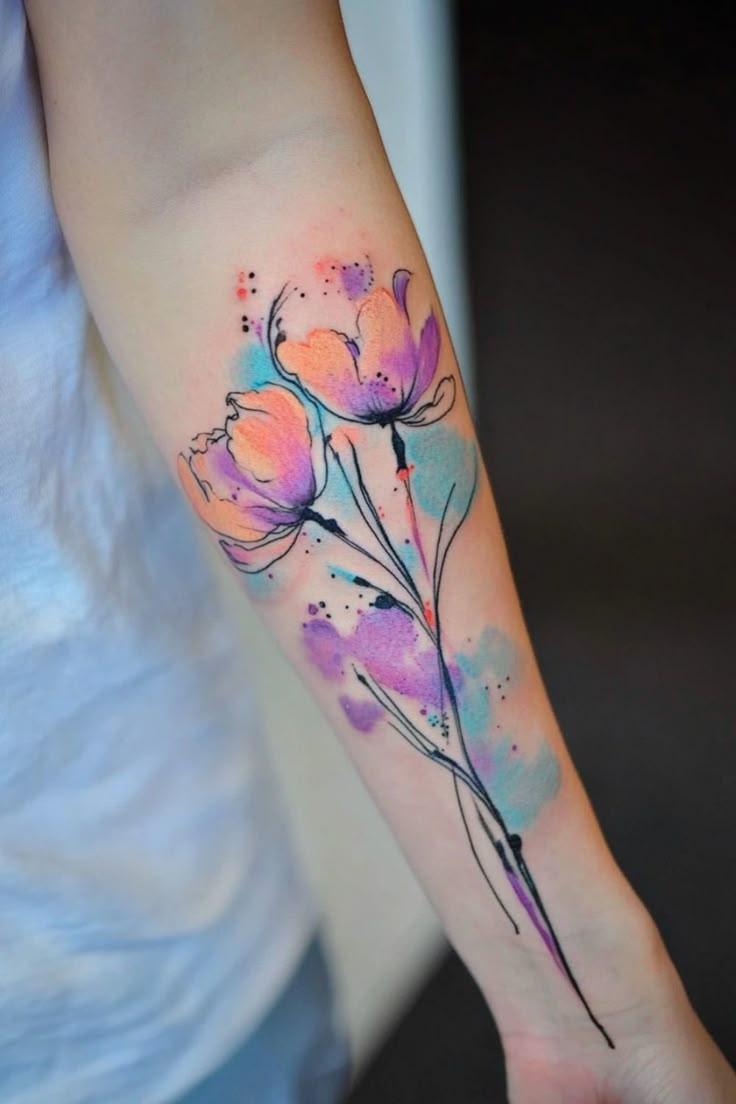
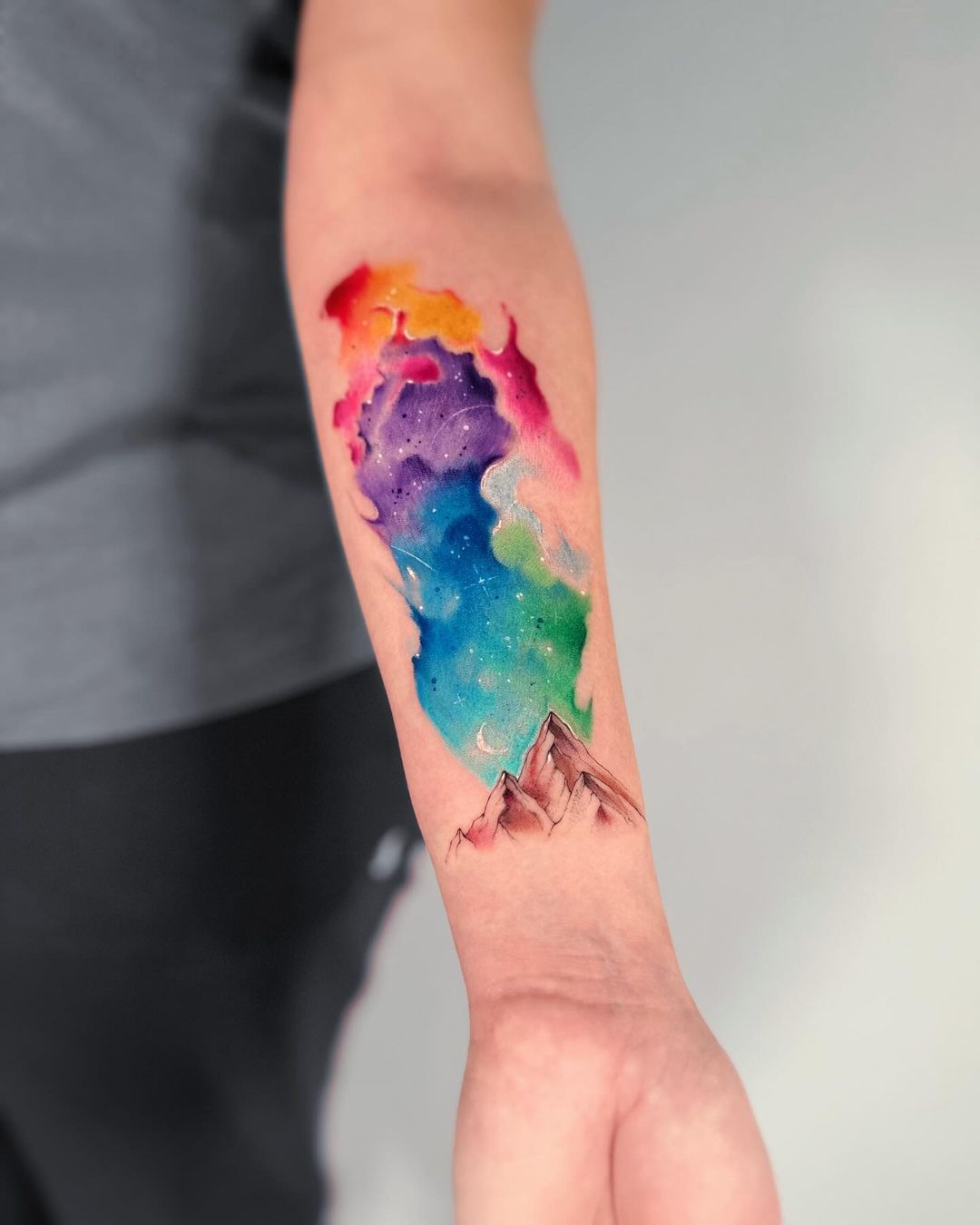
A watercolor tattoo is a tattoo style inspired by watercolor paintings, using blended pigments, soft shading, abstract color transitions, and painterly effects to create artwork that appears fluid and expressive. Unlike traditional tattoo styles that rely heavily on bold outlines, watercolor tattoos often prioritize color movement, depth, and artistic texture.
The defining characteristic of watercolor tattooing is its attempt to recreate the spontaneous appearance of watercolor artwork on paper. Skilled artists use advanced color layering techniques to simulate paint splashes, washes, gradients, and brushstroke textures beneath the skin.
While the style appears modern, it is built upon traditional tattoo fundamentals. Successful watercolor tattoos still require strong composition, proper pigment saturation, and strategic placement to maintain visual clarity as the tattoo ages.
Today, watercolor tattoos are commonly chosen for:
- Floral artwork
- Nature-inspired designs
- Animal portraits
- Abstract compositions
- Memorial tattoos
- Artistic sleeve projects
- Symbolic personal imagery
How Watercolor Tattoos Mimic Real Paintings
Watercolor tattoos replicate painting techniques through layered pigments, color diffusion effects, gradient transitions, and intentional imperfections that resemble brush-applied watercolor paint. The goal is not merely adding color but creating movement and artistic depth similar to traditional watercolor artwork.
Unlike conventional tattooing that emphasizes precise borders, watercolor artists often use controlled pigment blending to soften edges and create visual flow between colors.
Several techniques contribute to the watercolor effect:
- Color washes that simulate diluted paint
- Layered gradients between pigments
- Ink splatter effects
- Brushstroke-inspired detailing
- Negative space integration
- Controlled color fading transitions
One overlooked detail is that the best watercolor tattoos rarely depend solely on color. Many experienced artists incorporate subtle structural linework beneath the visible design. This hidden framework helps preserve shape and readability years later.
Expert observation: Watercolor tattoos that include discreet foundational linework often age more gracefully than completely outline-free designs.
Why This Style Became Popular Worldwide
Watercolor tattoos gained popularity because they offer a highly artistic alternative to traditional tattoo aesthetics. Their ability to resemble fine art, combined with social media visibility and advances in tattoo pigment technology, helped the style attract widespread attention globally.
The rise of visual platforms dramatically accelerated demand for watercolor tattoos. Their vibrant appearance photographs exceptionally well, making them particularly appealing for online sharing.
Several factors contributed to their growth:
- Increased appreciation for artistic tattoo styles
- Advancements in color tattooing techniques
- Greater acceptance of visible body art
- Demand for unique custom designs
- Influence from contemporary art and illustration
However, popularity also introduced challenges. As demand increased, many artists attempted watercolor work without specialized experience. This contributed to inconsistent results and fueled myths about poor longevity.
How Do Watercolor Tattoos Work?
Watercolor tattoos work by depositing colored pigments into the dermis while using advanced shading and blending techniques to create smooth transitions, painterly effects, and artistic color movement. The tattoo process itself remains similar to traditional tattooing, but the artistic execution differs significantly.
The primary challenge of watercolor tattooing lies in achieving vibrant visual effects while maintaining long-term structure. This requires a deeper understanding of color theory, skin behavior, and pigment interaction.
Many clients assume watercolor tattoos are easier to create because they appear loose and abstract. In reality, they often require greater technical precision than traditional styles.
The Role of Color Saturation
Color saturation refers to how densely pigment is implanted into the skin. Proper saturation is one of the most important factors affecting the appearance, vibrancy, and longevity of a watercolor tattoo.
When pigments are implanted too lightly, colors may appear vibrant initially but fade prematurely. Excessive saturation, however, can create muddy transitions and reduce the delicate watercolor effect.
Experienced artists balance several variables:
- Pigment density
- Needle selection
- Skin type
- Color layering strategy
- Healing expectations
A common misconception is that brighter tattoos always require more pigment. In reality, strategic layering and color contrast often produce more durable visual results than simply increasing saturation.
Linework vs No-Line Watercolor Tattoos
Watercolor tattoos can be created with or without outlines, but the choice significantly influences how the design ages. While outline-free tattoos offer a softer artistic appearance, subtle structural linework often improves long-term clarity and shape retention.
This debate remains one of the most important considerations when planning a watercolor tattoo.
| Approach | Advantages | Potential Limitations |
|---|---|---|
| Outline-Free | Highly artistic, painterly appearance | May lose definition faster |
| Light Linework | Better structure retention | Less purely watercolor appearance |
| Hybrid Design | Balances art and longevity | Requires advanced artist skill |
Which Approach Ages Better Over Time?
Hybrid watercolor tattoos that combine artistic color effects with subtle structural linework generally age more predictably than completely outline-free designs. The linework provides visual anchors that remain visible even as color intensity gradually softens over time.
Real-world tattoo aging assessments frequently show that structural support becomes increasingly important after the five-year mark.
When reviewing artist portfolios, ask to see healed work that is several years old rather than freshly completed tattoos. This reveals how the artist’s watercolor techniques perform over time.
Do Watercolor Tattoos Fade Faster?
Watercolor tattoos can fade faster than traditional black-heavy tattoos, particularly when they rely on light pigments and minimal structure. However, fading speed depends far more on artist technique, pigment quality, placement, sun exposure, and aftercare than the watercolor style itself.
This question generates more misinformation than almost any other aspect of watercolor tattooing.
The truth is that all tattoos fade. Watercolor tattoos simply make fading more noticeable because their aesthetic often relies on subtle gradients and lighter colors.
Several factors influence longevity:
- Pigment quality
- Skin type
- Tattoo placement
- Sun exposure habits
- Artist experience
- Healing quality
- Lifestyle factors
Why Certain Colors Fade First
Lighter pigments such as yellow, pastel pink, light orange, and pale turquoise generally fade faster because they provide less visual contrast against the skin and are more susceptible to UV-related degradation over time.
Color longevity varies significantly.
| Pigment Family | Relative Longevity |
|---|---|
| Black | Excellent |
| Dark Blue | Very Good |
| Purple | Good |
| Red | Moderate |
| Yellow | Lower |
| Pastel Colors | Lower |
One information gap often missed by competitors is that fading is not solely a pigment issue. Skin regeneration continuously affects the visibility of tattoo pigments, meaning placement and skin characteristics can sometimes influence longevity more than color selection itself.
Factors That Affect Tattoo Longevity
Watercolor tattoo longevity depends on a combination of biological, environmental, and technical factors. Understanding these variables allows clients to make smarter design choices and reduce premature fading.
The most influential factors include:
- Artist experience with watercolor techniques
- Pigment quality
- Depth consistency during tattooing
- Healing practices
- Long-term UV exposure
- Body location
- Individual skin characteristics
Many people focus exclusively on the tattoo artist while ignoring lifestyle factors. Yet daily sun exposure often causes more long-term color degradation than any other variable.
Sun Exposure, Placement, and Skin Type
Sun exposure remains one of the leading causes of color fading in watercolor tattoos. Areas that receive frequent UV exposure typically experience faster pigment degradation than protected locations.
Placement matters significantly:
- Upper arm: generally favorable longevity
- Shoulder: strong color retention potential
- Back: excellent protection from daily UV exposure
- Thigh: often ages well
- Hands: higher fading risk
- Feet: frequent friction-related fading
- Fingers: often require touch-ups
Skin type also affects outcomes. Oily skin, highly sun-damaged skin, and areas exposed to repeated friction may experience different healing and aging patterns than protected areas.
Practical recommendation: If longevity is a top priority, combine darker accent pigments, subtle structural linework, and a placement area with lower UV exposure.
Pros and Cons of Watercolor Tattoos
Watercolor tattoos offer unmatched artistic freedom, vibrant color expression, and unique visual appeal. However, they may require more careful artist selection, thoughtful placement choices, and occasional touch-ups compared to some traditional tattoo styles.
Choosing a watercolor tattoo should involve balancing aesthetics with realistic maintenance expectations.
Benefits of Choosing a Watercolor Design
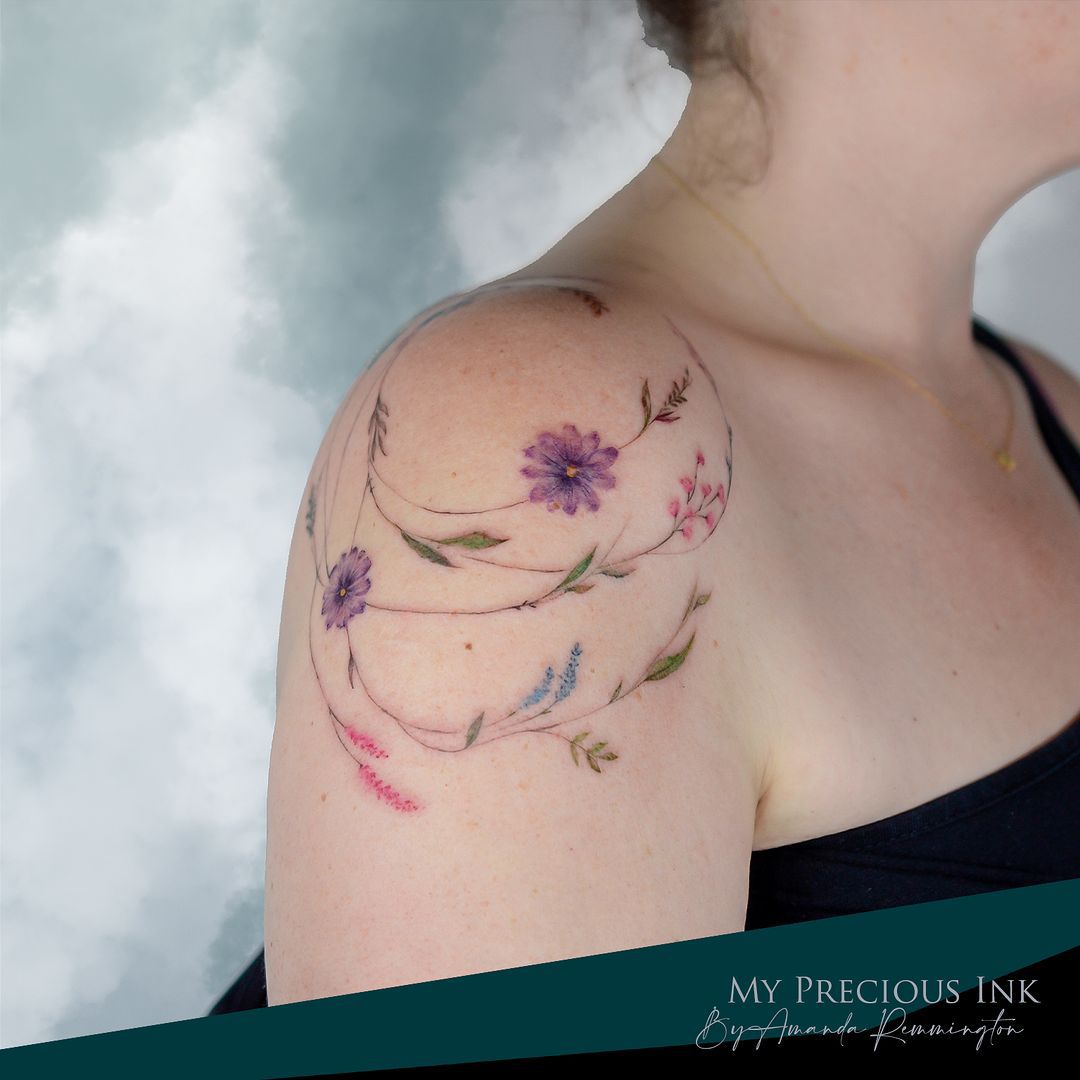
Watercolor tattoos provide a distinctive artistic appearance that allows for highly personalized designs. Their flexibility makes them suitable for everything from delicate floral pieces to large-scale abstract compositions.
Key advantages include:
- Unique visual impact
- Creative artistic expression
- Exceptional color depth
- Custom design flexibility
- Modern aesthetic appeal
- Strong personalization potential
Many clients choose watercolor tattoos because they can incorporate emotional symbolism in ways that feel more artistic and less conventional than traditional tattoo formats.
Potential Drawbacks to Consider
Watercolor tattoos can present challenges related to fading, artist availability, long-term maintenance, and design execution. These limitations do not make the style inferior, but they should be understood before committing to a design.
Common concerns include:
- Greater dependence on artist expertise
- Potential need for touch-ups
- Light color longevity challenges
- Limited availability of experienced specialists
- Higher costs for complex custom work
One of the biggest mistakes prospective clients make is selecting an artist based solely on fresh social media photos. Healed portfolio examples often provide a much more accurate representation of long-term quality.
End of Part 1 — The next section will explore the best watercolor tattoo design ideas, skin tone considerations, placement strategy, pricing, aftercare, artist selection, and the science of long-term tattoo aging.
Lucky Tattoo, a professional tattoo artist, has over 10 years of experience in the art of tattooing in Ho Chi Minh City. Lucky Tattoo Studio was founded in 2014 by skilled and kind artists. All tattoos are provided in a clean, strictly controlled, and friendly environment.
Best Watercolor Tattoo Design Ideas
Watercolor tattoos work exceptionally well for designs that benefit from movement, color transitions, and artistic expression. Popular choices include flowers, animals, abstract art, nature scenes, and symbolic imagery because the watercolor style enhances emotional impact while allowing for extensive customization.
One of the strengths of watercolor tattooing is versatility. Unlike rigid tattoo styles that follow specific visual rules, watercolor designs can blend realism, abstraction, fine line work, and illustrative elements into a single composition.
Watercolor Flower Tattoos
Watercolor flower tattoos remain among the most requested designs because floral subjects naturally complement soft gradients, blended pigments, and painterly effects. Flowers also offer rich symbolic meanings that allow tattoos to feel both visually beautiful and personally significant.
Popular floral choices include:
- Rose – love, passion, resilience
- Lotus – growth and transformation
- Cherry blossom – impermanence and beauty
- Peony – prosperity and honor
- Sunflower – positivity and optimism
An expert recommendation is to combine realistic botanical details with watercolor backgrounds rather than relying entirely on color splashes. This approach often provides stronger long-term readability.
Watercolor Animal Tattoos
Animal watercolor tattoos combine symbolic meaning with artistic creativity. The contrast between detailed animal features and flowing watercolor effects creates visual depth while maintaining a strong focal point.
Common examples include:
- Wolf tattoos representing loyalty and instinct
- Bird tattoos symbolizing freedom
- Butterfly tattoos associated with transformation
- Lion tattoos reflecting courage and leadership
- Koi fish tattoos connected to perseverance
Many experienced tattoo artists recommend preserving realistic facial details while using watercolor effects around the animal to maintain clarity as pigments age.
Abstract Watercolor Tattoos
Abstract watercolor tattoos prioritize artistic expression over literal representation. These designs often feature geometric elements, brushstroke effects, paint splashes, and color movement that create unique one-of-a-kind artwork.
The greatest advantage of abstract designs is creative freedom. They can represent emotions, life experiences, or personal interpretations without requiring obvious symbolism.
Information Gain Insight: Abstract watercolor tattoos often age more gracefully than highly detailed color pieces because they embrace artistic fluidity rather than depending on precision.
Watercolor Sleeve Concepts
Watercolor sleeves allow artists to create large-scale compositions that showcase color transitions and storytelling. When planned correctly, sleeves can combine multiple themes into a cohesive visual narrative.
Successful sleeve concepts often include:
- Nature-inspired scenes
- Travel memories
- Botanical collections
- Wildlife themes
- Abstract artistic journeys
A common mistake is designing individual watercolor tattoos separately and attempting to connect them later. Long-term sleeve planning generally produces more cohesive and visually balanced results.
Watercolor Tattoos on Different Skin Tones
Watercolor tattoos can work on all skin tones, but pigment selection, contrast, saturation, and design planning must be adapted to individual skin characteristics. The best results come from choosing colors that maintain visibility while complementing natural skin undertones.
This topic remains one of the least discussed areas in tattoo education despite being critical for realistic expectations.
How Color Visibility Changes by Skin Tone
Skin tone influences how tattoo pigments appear because the skin itself acts as a filter above the implanted pigment. Certain colors remain highly visible across most skin tones, while others may appear softer or less vibrant.
General trends include:
- Deep blues often retain strong visibility
- Purples typically perform well
- Rich reds provide good contrast
- Pastels may appear softer
- Light yellows can be challenging on some skin tones
Expert artists perform color testing and customized planning rather than relying on generic color palettes.
Best Color Choices for Long-Term Visibility
Colors with stronger contrast and greater pigment density tend to maintain visibility longer than very light shades. Strategic color selection improves both immediate appearance and long-term tattoo readability.
| Color Family | Visibility Potential | Longevity Potential |
|---|---|---|
| Dark Blue | High | High |
| Purple | High | Good |
| Red | Good | Moderate |
| Orange | Moderate | Moderate |
| Yellow | Variable | Lower |
Many artists now use layered pigment strategies that combine brighter accents with deeper anchor colors to improve aging performance.
Watercolor Tattoo Placement Guide
Placement significantly affects tattoo longevity because different body areas experience varying levels of sun exposure, friction, skin movement, and environmental stress. Strategic placement can help preserve watercolor pigments for many years.
Areas That Preserve Color Best
Body locations with lower friction, reduced UV exposure, and relatively stable skin tend to provide better pigment retention. These areas often help watercolor tattoos maintain vibrancy longer.
- Upper arm
- Shoulder
- Upper back
- Outer thigh
- Calf
These areas experience less daily wear than hands, feet, or fingers.
Areas Prone to Faster Fading
Some locations naturally experience more friction, movement, moisture, and environmental exposure, increasing the likelihood of fading and touch-up requirements.
- Hands
- Fingers
- Feet
- Ankles
- Neck
Real-world observation: Many touch-up requests originate from highly exposed areas rather than from issues with artist technique.
How Much Does a Watercolor Tattoo Cost?
Watercolor tattoo pricing varies based on size, complexity, artist expertise, location, and customization requirements. Because watercolor work demands advanced color blending skills, it often costs more than comparable traditional tattoos.
Average Price by Size and Complexity
While exact pricing varies by market, watercolor tattoos generally command premium rates due to the technical expertise involved.
| Tattoo Size | Typical Complexity | General Cost Range |
|---|---|---|
| Small | Simple design | Entry-level pricing |
| Medium | Moderate detail | Mid-range pricing |
| Large | Advanced composition | Premium pricing |
| Sleeve | Highly customized | Significant investment |
Clients should evaluate long-term quality rather than choosing solely based on price.
Why Skilled Watercolor Artists Charge More
Experienced watercolor tattoo artists invest years developing expertise in color theory, pigment behavior, composition, and skin interaction. Their pricing often reflects specialized skills that directly influence the final outcome.
Higher pricing may include:
- Custom artwork creation
- Advanced color planning
- Multiple consultation sessions
- Longer application times
- Extensive portfolio experience
The cost difference between an average artist and a specialist can be substantial, but so can the difference in long-term results.
Watercolor Tattoo Aftercare: Step-by-Step
Proper aftercare is one of the most important factors affecting healing quality, pigment retention, and long-term appearance. Following evidence-based aftercare practices reduces complications while helping preserve color vibrancy.
First 48 Hours After Tattooing
The first two days are critical because the tattoo is essentially an open wound. Proper hygiene and moisture balance help support healing while minimizing infection risks.
- Follow artist bandaging instructions.
- Wash gently using fragrance-free cleanser.
- Avoid soaking the tattoo.
- Keep hands clean before touching the area.
- Apply recommended aftercare products.
Warning sign: Excessive swelling, spreading redness, or unusual discharge should be evaluated by a medical professional.
First Month Healing Timeline
Most tattoos complete their visible healing process within several weeks, though deeper skin recovery continues beyond the surface. Understanding healing stages prevents unnecessary concern.
- Days 1–7: Initial healing and sensitivity
- Days 7–14: Peeling and itching
- Weeks 2–4: Surface recovery
- Weeks 4–8: Ongoing skin stabilization
Mistakes That Cause Premature Fading
Several common behaviors negatively affect pigment retention and overall tattoo appearance.
- Excessive sun exposure
- Picking peeling skin
- Skipping moisturizer
- Swimming too early
- Using harsh skincare products
One overlooked mistake is neglecting long-term sunscreen use after healing is complete.
How to Choose the Right Watercolor Tattoo Artist
Selecting the right artist is often more important than selecting the design itself. Watercolor tattoos require specialized experience, and artist quality has a direct impact on longevity, clarity, and overall satisfaction.
Portfolio Red Flags to Watch For
Not all portfolios accurately reflect long-term tattoo quality. Evaluating healed work and consistency provides a more reliable assessment than viewing fresh tattoos alone.
Potential warning signs include:
- Only fresh tattoo photos
- No healed examples
- Inconsistent color saturation
- Poor composition
- Limited watercolor-specific work
Questions to Ask Before Booking
Asking informed questions helps identify experienced artists and sets realistic expectations before the tattoo process begins.
- Can I see healed watercolor tattoos?
- How long have you specialized in watercolor work?
- What pigments do you use?
- Do you recommend structural linework?
- How often do clients require touch-ups?
Experienced artists typically provide detailed answers and discuss long-term maintenance openly.
The Science of Watercolor Tattoo Aging
Watercolor tattoo aging is influenced by pigment chemistry, immune system activity, skin regeneration, environmental exposure, and tattoo technique. Understanding these factors helps create realistic expectations regarding long-term appearance.
What Happens to Tattoo Pigments Over Time?
Tattoo pigments remain in the dermis, but the body continuously interacts with them through immune responses and natural skin renewal processes. Over time, colors gradually soften and diffuse.
Key biological processes include:
- Macrophage activity
- Collagen remodeling
- UV-related pigment breakdown
- Natural skin aging
Information Gain Insight: Contrary to popular belief, fading is not simply pigment “disappearing.” Much of the visual change results from pigment redistribution and changes in surrounding skin structures.
Realistic Expectations After 1, 5, and 10 Years
Most well-executed watercolor tattoos remain recognizable for many years, though color intensity and fine details gradually evolve over time.
| Timeline | Typical Appearance |
|---|---|
| 1 Year | Minimal visible change |
| 5 Years | Softer color transitions |
| 10 Years | Noticeable pigment evolution |
When Should You Schedule a Touch-Up?
Touch-ups are generally considered when color vibrancy decreases significantly or important design elements lose clarity. Timing varies based on lifestyle, placement, and pigment selection.
Many clients wait several years before considering maintenance work, especially when proper sun protection has been maintained.
Frequently Asked Questions
How long do watercolor tattoos typically last?
Most watercolor tattoos remain visible for decades, although color intensity gradually softens. Longevity depends on artist skill, pigment quality, placement, aftercare, and sun exposure habits.
Do watercolor tattoos hurt more than traditional tattoos?
No. Pain levels are primarily determined by body placement, session duration, and individual pain tolerance rather than tattoo style.
Can watercolor tattoos be touched up?
Yes. Touch-ups are common and can restore color vibrancy, improve contrast, and refresh aging design elements when performed by an experienced artist.
Are watercolor tattoos suitable for darker skin tones?
Yes. Successful results depend on customized color selection, contrast planning, and realistic expectations regarding pigment visibility.
Do watercolor tattoos require outlines?
No, but subtle structural linework often improves longevity and helps preserve design clarity over time.
What is the biggest mistake people make with watercolor tattoos?
Choosing an artist based solely on fresh portfolio images rather than reviewing healed work and long-term examples.
Can sunlight permanently damage watercolor tattoos?
Excessive UV exposure accelerates pigment breakdown and fading. Consistent sunscreen use significantly improves long-term preservation.
Are watercolor tattoos worth the investment?
For individuals seeking artistic, highly personalized body art, watercolor tattoos can provide exceptional visual impact when performed by a qualified specialist and properly maintained.
Are Watercolor Tattoos Worth It?
Watercolor tattoos are worth considering for people who value artistic expression, vibrant color work, and custom design flexibility. Success depends largely on choosing an experienced artist, understanding maintenance expectations, and prioritizing long-term tattoo care.
Who Should Choose This Style?
Watercolor tattoos are particularly suitable for individuals who appreciate fine art aesthetics and want visually distinctive body art that stands apart from traditional tattoo styles.
- Art enthusiasts
- Creative professionals
- Collectors seeking unique designs
- Individuals wanting symbolic custom artwork
Who May Prefer Traditional Tattoos?
People prioritizing maximum longevity, strong contrast, and minimal maintenance may prefer traditional or blackwork tattoo styles. These styles generally retain visual definition more predictably over extended periods.
Expert Takeaways and Key Facts
Watercolor tattoos represent one of the most artistic and technically demanding forms of modern tattooing. Their success depends on far more than aesthetics alone. Pigment science, skin anatomy, artist experience, placement strategy, aftercare practices, and realistic expectations all contribute to long-term outcomes.
The most successful watercolor tattoos share several characteristics: thoughtful design planning, strategic color selection, strong foundational structure, high-quality pigment application, and consistent long-term care. Contrary to common myths, watercolor tattoos are not inherently short-lived. When executed properly and maintained responsibly, they can remain beautiful, expressive, and meaningful for many years.
Final expert recommendation: Choose the artist before choosing the design. A skilled watercolor specialist can adapt artwork, optimize color choices for your skin tone, improve longevity, and create a tattoo that continues to perform well long after the initial healing period.
Lucky Tattoo, a professional tattoo artist, has over 10 years of experience in the art of tattooing in Ho Chi Minh City. Lucky Tattoo Studio was founded in 2014 by skilled and kind artists. All tattoos are provided in a clean, strictly controlled, and friendly environment.
watercolor-tattoo