Ornamental tattoos have become one of the most requested tattoo styles worldwide because they combine artistic beauty, body flow, and timeless aesthetics. Unlike illustrative tattoos that tell a story through recognizable imagery, ornamental tattoos focus on enhancing the body’s natural structure using symmetry, geometry, linework, negative space, and decorative patterns. Whether designed as a small accent piece or an entire body suit, the success of an ornamental tattoo depends on how well the design interacts with anatomy, movement, and long-term aging.
In recent years, ornamental tattooing has evolved far beyond simple decorative motifs. Modern artists blend influences from sacred geometry, mandalas, blackwork, architectural design, henna traditions, and contemporary fine-line techniques to create highly personalized compositions. The result is a style that remains visually striking while adapting seamlessly to different body types and placements.
What Is an Ornamental Tattoo?
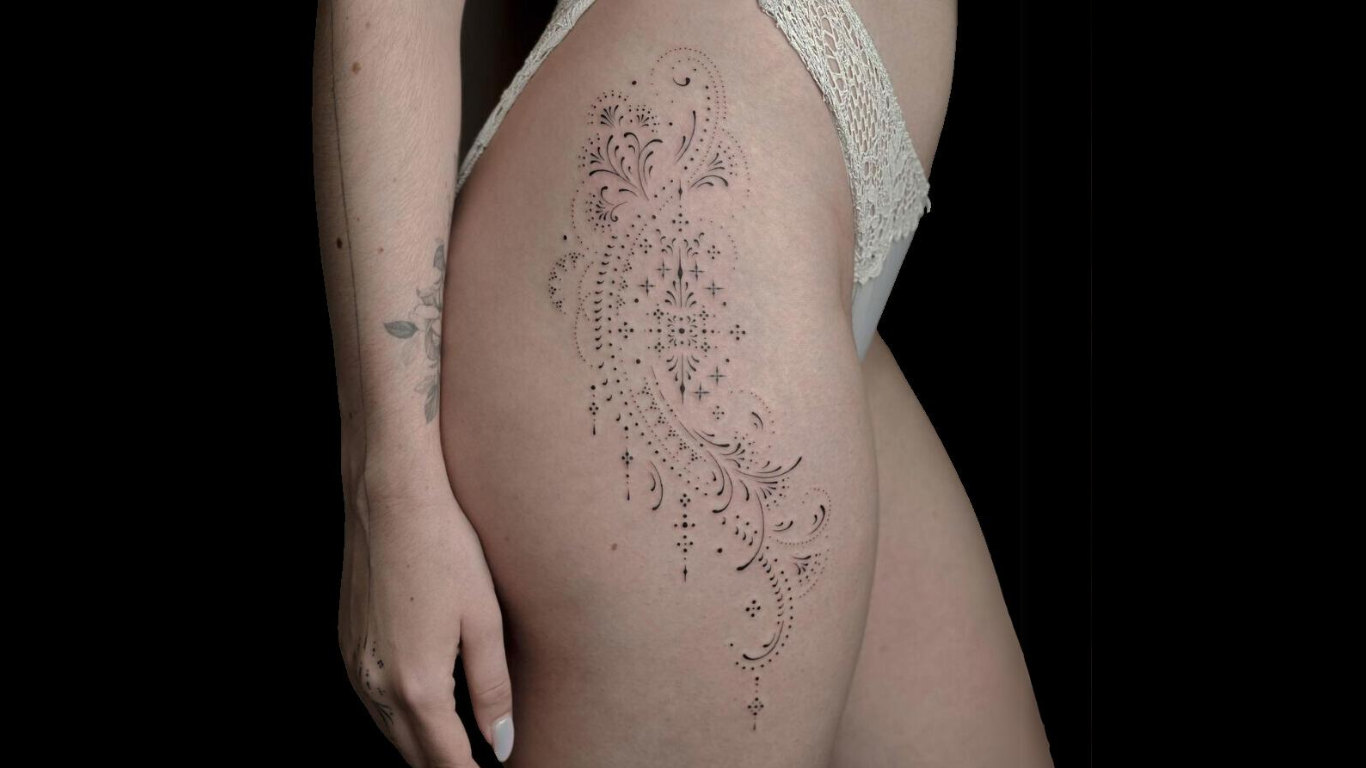
An ornamental tattoo is a decorative tattoo style built around symmetry, geometric structures, elegant linework, and body-enhancing patterns rather than realistic images or narrative artwork. The primary purpose is aesthetic harmony, creating designs that flow naturally with the body’s contours while maintaining visual balance and long-term appeal.
At its core, ornamental tattooing transforms the body into a living canvas. Instead of depicting portraits, animals, or scenes, ornamental designs emphasize repetition, rhythm, precision, and visual structure. These tattoos often feature interconnected patterns that follow the body’s natural lines, making them particularly effective on areas such as the chest, sternum, spine, forearms, shoulders, hands, and legs.
Many people mistakenly assume ornamental tattoos are simply decorative. While aesthetics are central to the style, skilled artists often incorporate symbolic elements that reflect personal beliefs, life experiences, spiritual concepts, or cultural influences. The result is artwork that feels both meaningful and visually sophisticated.
Expert Observation: Among experienced tattoo artists, one of the strongest indicators of a successful ornamental tattoo is whether the design appears naturally integrated into the body rather than placed on top of it.
How Ornamental Tattoos Differ From Traditional Tattoos
Ornamental tattoos prioritize body flow, symmetry, and decorative structure, whereas traditional tattoo styles often focus on storytelling, recognizable imagery, and bold visual symbolism. The distinction lies not only in appearance but also in design philosophy and execution.
Traditional tattooing frequently relies on standalone subjects such as roses, skulls, ships, animals, or portraits. Ornamental tattooing, by contrast, treats the body itself as part of the composition. Every curve, angle, and muscle group influences the final design.
| Feature | Ornamental Tattoo | Traditional Tattoo |
|---|---|---|
| Primary Purpose | Decoration and body enhancement | Storytelling and symbolism |
| Design Structure | Symmetrical and pattern-based | Object-based imagery |
| Body Integration | Highly anatomy-focused | Moderately anatomy-focused |
| Visual Style | Geometric, flowing, decorative | Bold, iconic, illustrative |
| Expansion Potential | Excellent for sleeves and body suits | Often composed of separate pieces |
An overlooked advantage of ornamental tattooing is scalability. Many designs can expand naturally over time, allowing future additions without disrupting visual cohesion.
Why Ornamental Tattoos Have Become So Popular
Ornamental tattoos have gained popularity because they offer timeless aesthetics, exceptional versatility, and compatibility with nearly every body shape. Their ability to appear elegant, modern, and highly customized appeals to both first-time clients and heavily tattooed collectors.
Several factors have contributed to their rapid growth:
- Rise of fine-line and blackwork tattooing
- Social media exposure to international tattoo artists
- Growing interest in minimalist body art
- Increased appreciation for geometry and symmetry
- Desire for tattoos that age gracefully
Many clients also appreciate that ornamental designs can appear sophisticated in professional environments while still making a strong artistic statement.
A notable trend among experienced collectors is replacing disconnected tattoo pieces with large ornamental frameworks that visually unify existing work.
The Meaning Behind Ornamental Tattoos
Ornamental tattoos can carry deep personal meaning, but their symbolism often differs from conventional tattoo imagery. Rather than representing a single object or event, they frequently embody concepts such as balance, transformation, harmony, spirituality, growth, and personal evolution.
One of the reasons ornamental tattoos resonate with so many people is their flexibility. A symmetrical design can symbolize emotional balance for one person, spiritual alignment for another, and simply artistic appreciation for someone else.
Unlike highly literal tattoos, ornamental artwork often allows meaning to evolve over time. This flexibility can reduce the risk of future regret because the design remains relevant even as personal circumstances change.
Do Ornamental Tattoos Always Have a Meaning?
No. Many ornamental tattoos are chosen primarily for their visual appeal rather than symbolic significance. While some designs contain spiritual, cultural, or personal references, others exist purely as artistic expressions intended to enhance body aesthetics.
This is one of the most common misconceptions surrounding the style. There is no requirement for an ornamental tattoo to represent a life event, belief system, or philosophical idea.
In fact, many tattoo artists report that clients who prioritize aesthetics often remain happier with their tattoos long-term because they focus on enduring visual quality rather than temporary emotional associations.
That said, symbolism can be incorporated subtly through:
- Specific geometric arrangements
- Sacred geometry concepts
- Mandalas
- Natural patterns
- Personal numerical references
- Cultural artistic influences
Symbolism of Symmetry, Balance, and Sacred Geometry
Symmetry and sacred geometry are among the most common symbolic foundations of ornamental tattoos. They are frequently associated with harmony, interconnectedness, order, personal growth, and the relationship between nature and mathematics.
Throughout history, symmetrical patterns have appeared in architecture, religious art, nature, and ceremonial decoration. This universal presence contributes to their enduring visual appeal.
Many ornamental tattoo clients are drawn to sacred geometry because it combines mathematical precision with philosophical depth. Designs may include repeating circles, polygons, radial structures, and interconnected forms that create a sense of visual balance.
Sacred Geometry and Modern Tattoo Culture
In contemporary tattooing, sacred geometry often serves as a bridge between artistic expression and personal meaning. While some clients embrace its spiritual associations, others simply appreciate the visual order and precision it creates.
An important distinction often missed by competitors is that sacred geometry tattoos are not inherently religious. Modern interpretations frequently focus on design excellence, symmetry, and craftsmanship rather than spiritual doctrine.
When executed correctly, geometric structures create a timeless appearance because they rely on mathematical relationships rather than temporary artistic trends.
Most Popular Ornamental Tattoo Styles
Modern ornamental tattooing encompasses several specialized styles, including blackwork, fine-line, mandala, geometric, and dotwork designs. Each approach offers distinct visual characteristics, aging patterns, maintenance requirements, and suitability for different body placements.
Understanding these differences before choosing a design can significantly improve long-term satisfaction. Many tattoo regrets stem not from poor artwork but from selecting a style that does not align with the client’s anatomy, lifestyle, or future tattoo plans.
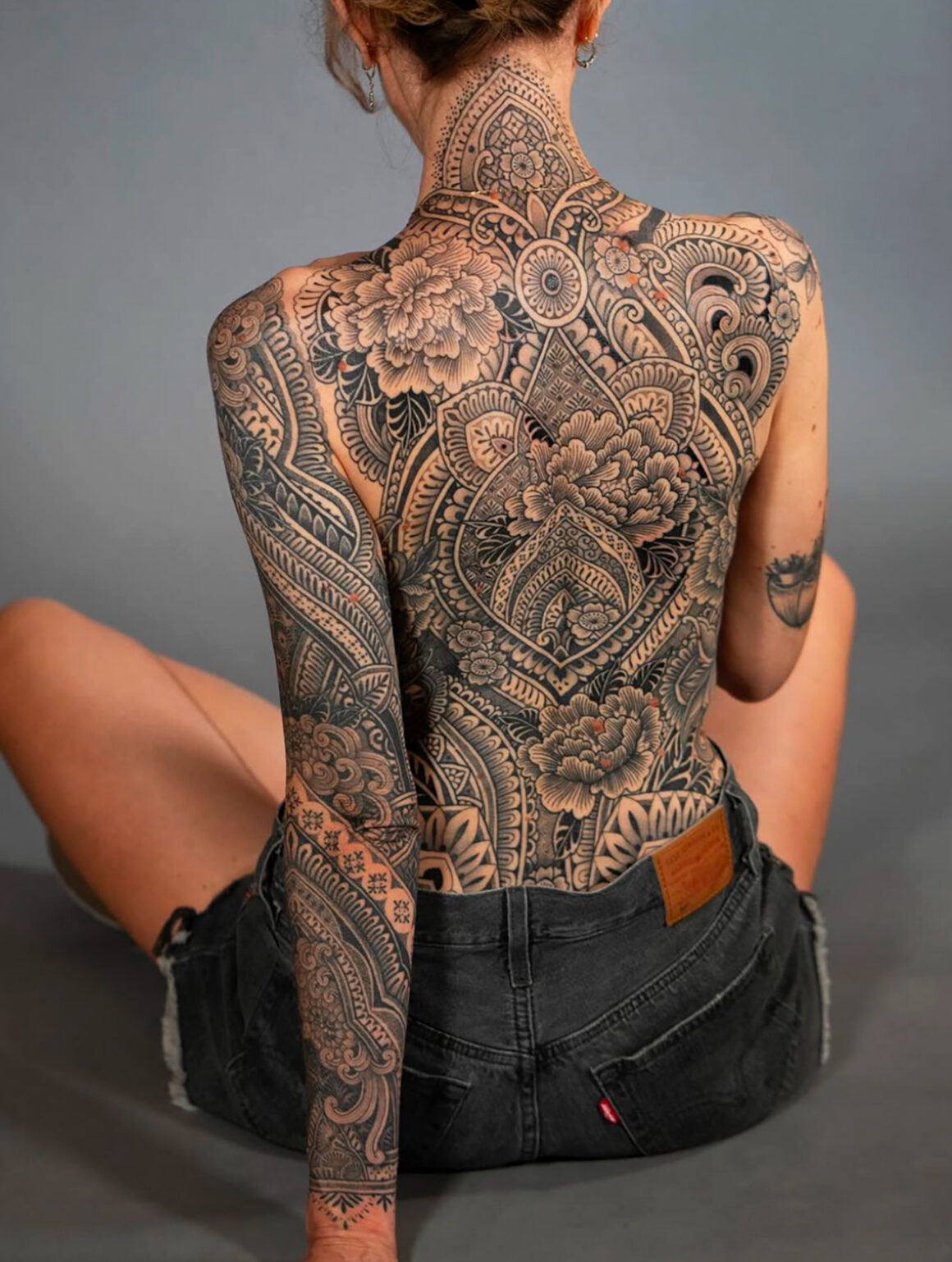
Blackwork Ornamental Tattoos
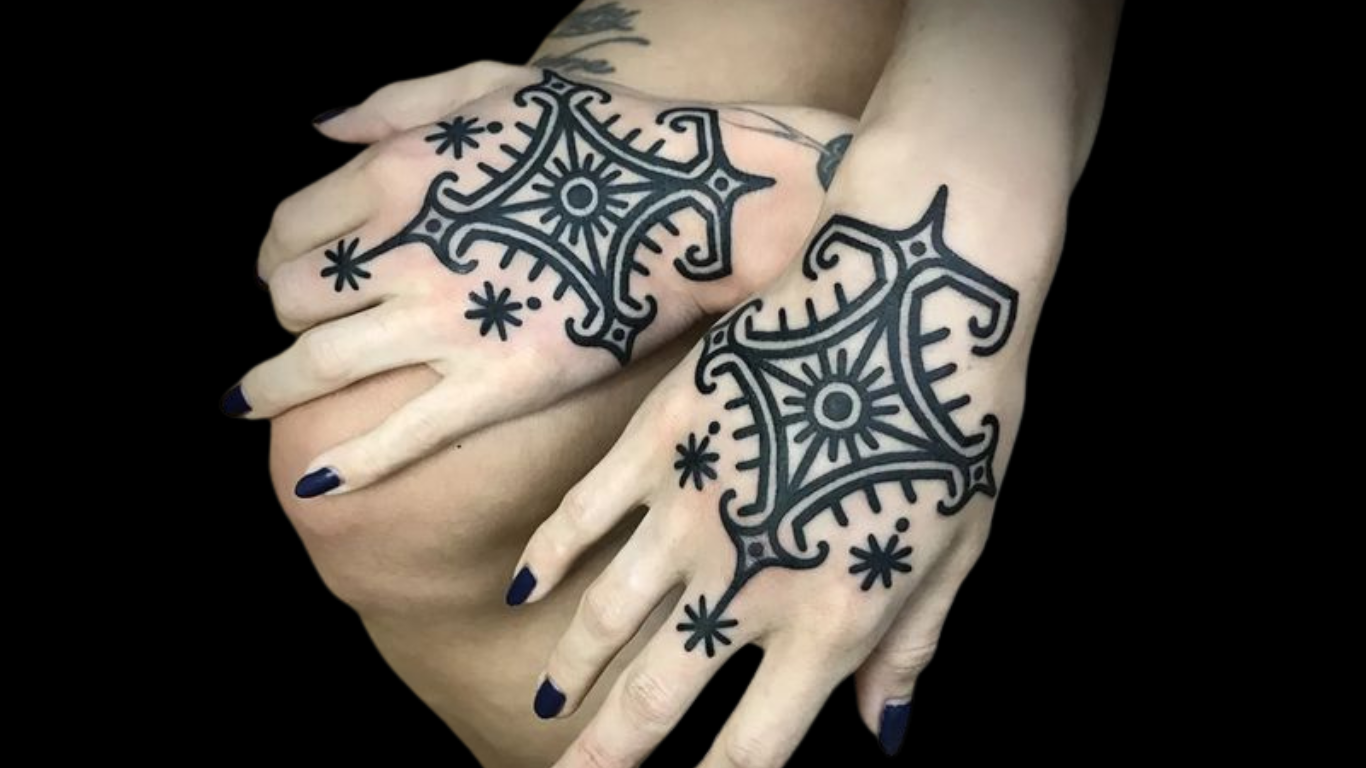
Blackwork ornamental tattoos use solid black ink, bold contrast, and strong structural elements to create highly visible decorative compositions. They are widely regarded as one of the most durable ornamental styles available.
Because black pigment typically retains clarity better than delicate fine-line work, blackwork designs often maintain visual impact for decades.
Advantages include:
- Excellent long-term readability
- High contrast appearance
- Strong visual structure
- Effective coverage of larger areas
- Superior aging characteristics
Many experienced artists recommend blackwork for clients seeking chest pieces, sleeves, or large-scale projects intended to remain visually strong over time.
Fine-Line Ornamental Tattoos
Fine-line ornamental tattoos use extremely thin lines and delicate detailing to create elegant, sophisticated designs. They offer exceptional precision but generally require more careful planning and maintenance than heavier blackwork styles.
The appeal of fine-line work lies in its subtlety. These tattoos can appear refined, lightweight, and highly detailed without overwhelming the body.
However, there are important considerations:
- Ultra-fine details may soften over time
- Artist skill becomes critically important
- Touch-ups may be needed sooner
- Placement significantly affects longevity
Information Gain Insight: One of the biggest mistakes clients make is choosing fine-line ornamental designs for high-friction areas such as fingers and hands. Even exceptional tattooing can experience accelerated fading in these locations.
Mandala-Inspired Ornamental Tattoos
Mandala-inspired ornamental tattoos use radial symmetry and repeating patterns to create visually balanced compositions. They are among the most recognizable forms of ornamental tattooing and are commonly placed on the chest, shoulders, knees, elbows, and back.
The circular structure naturally draws attention toward a central focal point while maintaining harmony throughout the design.
Mandalas work particularly well on body areas that provide natural symmetry, allowing the artwork to feel integrated rather than imposed.
Many clients choose mandalas because they combine decorative beauty with symbolic themes such as unity, growth, mindfulness, and personal transformation.
Geometric Ornamental Tattoos
Geometric ornamental tattoos rely on mathematical precision, repeating shapes, and structured visual relationships to create striking body art. Their appeal comes from the balance between complexity and order.
Unlike purely decorative motifs, geometric designs often emphasize exact proportions and spatial relationships. This creates a highly technical aesthetic that demands exceptional execution.
Professional artists frequently spend significant time planning geometric tattoos because even minor alignment errors can become immediately noticeable.
Real-world experience shows that successful geometric work often depends more on stencil placement and body mapping than actual tattoo application.
Dotwork Ornamental Tattoos
Dotwork ornamental tattoos use thousands of individual dots to create shading, texture, depth, and visual transitions. This technique can produce remarkably intricate designs while maintaining a soft, organic appearance.
Dotwork pairs exceptionally well with:
- Sacred geometry
- Mandalas
- Blackwork compositions
- Spiritual motifs
- Large ornamental frameworks
One overlooked advantage of dotwork is its ability to create visual complexity without excessive ink saturation, which can help preserve clarity over time when properly executed.
Best Placements for Ornamental Tattoos
Ornamental tattoos perform best in areas where natural body lines support symmetry, flow, and visual balance. The most successful placements are typically the chest, forearms, shoulders, spine, back, hands, and legs because these locations provide strong anatomical structure for decorative compositions.
While many articles focus only on aesthetics, placement has a direct impact on aging, visibility, expansion potential, pain level, and future tattoo planning. Understanding these factors before committing to a design can prevent costly mistakes.
In the next section, we’ll examine the most effective ornamental tattoo placements in detail, including chest pieces, sleeves, hands, spine designs, and the anatomy-based principles that elite tattoo artists use to create visually balanced artwork.
Best Placements for Ornamental Tattoos
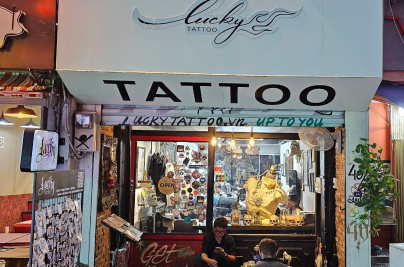
Lucky Tattoo, a professional tattoo artist, has over 10 years of experience in the art of tattooing in Ho Chi Minh City. Lucky Tattoo Studio was founded in 2014 by skilled and kind artists. All tattoos are provided in a clean, strictly controlled, and friendly environment.
One of the biggest mistakes clients make is choosing placement based solely on visibility. Experienced tattoo artists evaluate anatomy first because the same design can appear dramatically different depending on how it interacts with movement, posture, and body contours.
Ornamental Chest Tattoos
Chest placements are among the most effective locations for ornamental tattoos because the body naturally provides symmetry across the sternum. This allows artists to create balanced compositions that appear integrated into the anatomy rather than simply applied to the skin.
The chest is often considered the flagship placement for ornamental work because it supports both small and large-scale designs. Patterns can radiate from the sternum, flow across the pectorals, and connect naturally into shoulder, neck, or sleeve projects.
- Excellent symmetry potential
- Strong visual impact
- Ideal for sacred geometry
- Supports future tattoo expansion
- Works well with blackwork and dotwork
Real-world experience shows that chest pieces often become the foundation of larger ornamental body compositions.
Ornamental Sleeve Tattoos
Ornamental sleeves use flowing patterns, geometric structures, and decorative transitions to create a cohesive arm design. Unlike patchwork sleeves, ornamental sleeves are typically planned as unified compositions from the beginning.
One overlooked advantage of ornamental sleeves is their adaptability. Artists can design frameworks that allow future additions while preserving visual balance.
Professional tattooers frequently map the sleeve around muscle groups to maintain symmetry during movement. This anatomical approach separates exceptional ornamental sleeves from average ones.
Hand and Finger Ornamental Tattoos
Hand and finger ornamental tattoos can create stunning visual effects, but they are among the most challenging placements due to constant friction, UV exposure, and skin regeneration.
Although highly popular on social media, these placements require realistic expectations. Fine details may soften more quickly than tattoos located elsewhere on the body.
Many artists recommend:
- Bold line structures
- Reduced micro-detailing
- Planned touch-ups
- Sun protection
- Conservative pattern density
A common misconception is that fading always indicates poor tattooing. In reality, hand tattoos naturally experience greater wear regardless of artist skill.
Back, Spine, and Neck Placements
The back, spine, and neck provide large, structurally balanced canvases that support intricate ornamental compositions. These areas allow artists to create dramatic visual flow while preserving symmetry and detail.
The spine is especially effective for vertical ornamental designs because it naturally creates a central axis around which patterns can develop.
Large back pieces also offer exceptional longevity because they are less exposed to sunlight and daily friction than hands, forearms, and fingers.
Anatomy-Based Design: The Secret Most Guides Miss
The most successful ornamental tattoos are designed around anatomy rather than simply placed on the body. Elite artists study muscle flow, skeletal landmarks, posture, and movement patterns to create artwork that remains visually balanced from every angle.
This is one of the most overlooked topics in tattoo education despite being one of the strongest predictors of long-term satisfaction.
How Professional Artists Use Body Symmetry
Professional ornamental tattoo artists use body symmetry as a design framework to ensure patterns appear balanced and intentional. They evaluate anatomical landmarks before drawing a single line.
Common reference points include:
- Sternum
- Collarbones
- Spinal column
- Shoulder joints
- Kneecaps
- Elbows
By anchoring patterns to these structures, artists create tattoos that feel naturally connected to the body.
Information Gain: Many highly rated ornamental artists spend more time planning stencil placement than actually tattooing. Precision alignment often determines the final result more than the complexity of the artwork itself.
Understanding Muscle Flow and Visual Balance
Muscle flow influences how ornamental tattoos appear during movement. Designs that ignore anatomy can look distorted, while properly mapped tattoos maintain visual integrity when the body bends, twists, or flexes.
This principle is particularly important for:
- Biceps
- Forearms
- Chest muscles
- Calves
- Shoulders
Experienced artists often use elongated geometric elements and directional linework to guide the eye naturally across these areas.
Why Placement Matters More Than Pattern Choice
Placement often has a greater impact on a tattoo’s appearance than the actual pattern selected. Even an exceptional ornamental design can lose visual impact if positioned without considering anatomy.
Clients frequently spend weeks choosing patterns but only minutes discussing placement. In professional practice, the opposite approach usually produces better outcomes.
Before finalizing any design, ask your artist to explain:
- How the tattoo interacts with movement
- Future expansion possibilities
- Potential distortion risks
- Long-term aging considerations
How Much Do Ornamental Tattoos Cost?
Ornamental tattoo pricing varies significantly depending on artist experience, design complexity, placement, geographic location, and session length. Premium ornamental work often costs more because precision, symmetry, and custom design planning require substantial expertise.
Unlike flash tattoos, ornamental projects frequently involve extensive consultation and stencil development before tattooing begins.
Factors That Influence Price
Several variables affect the final cost of an ornamental tattoo, and understanding them helps clients budget realistically while avoiding quality compromises.
| Factor | Impact on Cost |
|---|---|
| Artist Experience | High |
| Custom Design Work | High |
| Body Placement | Moderate |
| Session Length | High |
| Detail Density | High |
| Geographic Location | Moderate |
Clients should view pricing as an investment in craftsmanship rather than a simple service fee.
Why Cheap Ornamental Tattoos Often Age Poorly
Low-cost ornamental tattoos frequently suffer from symmetry issues, inconsistent linework, poor placement decisions, and inadequate design planning. These flaws become more noticeable as the tattoo ages.
Because ornamental tattooing relies heavily on precision, even minor mistakes can disrupt the overall composition.
Warning signs include:
- Rushed consultations
- Copied designs
- Limited portfolio examples
- Poor stencil preparation
- Unrealistically low pricing
Are Ornamental Tattoos Painful?
Ornamental tattoos are not inherently more painful than other tattoo styles, but pain levels depend largely on placement, session duration, and individual pain tolerance. Detailed ornamental work may feel more intense because artists often revisit areas repeatedly to achieve precision.
Least Painful Areas
Areas with greater muscle mass and fewer nerve endings generally provide the most comfortable tattoo experience for ornamental designs.
- Outer upper arm
- Outer thigh
- Calf
- Shoulder area
- Forearm exterior
These placements also tend to heal predictably and maintain detail well over time.
Most Painful Areas
Regions with thin skin, prominent bones, or high nerve density are usually more sensitive during tattooing.
- Sternum
- Ribs
- Spine
- Hands
- Neck
- Elbows
- Knees
Although these locations can be challenging, many clients choose them because they offer exceptional visual impact for ornamental compositions.
Pain Management Tips From Professional Artists
Proper preparation can significantly improve the tattoo experience. Most experienced artists recommend focusing on physical readiness rather than relying on numbing products.
- Get adequate sleep
- Stay hydrated
- Eat before the session
- Avoid excessive alcohol
- Wear comfortable clothing
- Communicate with your artist
How Ornamental Tattoos Age Over Time
Well-designed ornamental tattoos can age exceptionally well when executed with proper line weight, spacing, and placement. Longevity depends more on design strategy and artist expertise than on style alone.
Understanding aging patterns before getting tattooed is one of the most valuable forms of tattoo education.
Fine-Line vs Blackwork Aging Comparison
Blackwork generally retains visual clarity longer than fine-line tattooing because larger pigment deposits resist natural softening more effectively.
| Characteristic | Fine-Line | Blackwork |
|---|---|---|
| Initial Detail | Excellent | Very Good |
| Long-Term Visibility | Moderate | Excellent |
| Touch-Up Frequency | Higher | Lower |
| Aging Predictability | Moderate | High |
The most successful long-term ornamental tattoos balance detail with sufficient spacing to allow natural skin changes over time.
Common Aging Mistakes to Avoid
Many aging issues originate during the design phase rather than years later. Overcrowded patterns are among the most common causes of visual deterioration.
- Excessively dense detail
- Ultra-thin line dependency
- Poor placement selection
- Insufficient spacing
- Ignoring sun protection
When Touch-Ups Become Necessary
Touch-ups may become necessary when natural fading, skin changes, or environmental exposure reduce visual clarity. However, quality ornamental tattoos often require fewer corrections than many clients expect.
Most reputable artists evaluate touch-up needs individually rather than recommending routine maintenance schedules.
How to Choose the Right Ornamental Tattoo Artist
Selecting the right artist is arguably the most important decision in the entire tattoo process. Ornamental tattooing requires specialized skills that extend beyond general tattoo competency, including symmetry planning, geometric precision, and anatomy-based design.
Portfolio Red Flags
A portfolio can reveal both technical strengths and hidden weaknesses. Learning how to evaluate ornamental work helps clients avoid costly mistakes.
- Inconsistent symmetry
- Blurred linework
- Poor stencil alignment
- Lack of healed examples
- Repeated copied designs
Questions to Ask Before Booking
Strong consultations help establish realistic expectations and reveal an artist’s level of expertise.
- Do you specialize in ornamental tattooing?
- Can I see healed examples?
- How do you plan for future expansion?
- How do you account for body symmetry?
- What aging considerations should I expect?
Why Symmetry Expertise Matters
Symmetry errors are often impossible to ignore once a tattoo heals. Because ornamental work relies heavily on balance, precision planning is essential.
The best artists understand that ornamental tattooing is not simply drawing patterns—it is designing visual architecture for the human body.
Ornamental Tattoo Design Ideas for Men and Women
Modern ornamental tattoo designs range from minimalist accents to large-scale body projects. The best designs balance aesthetics, anatomy, personal preference, and long-term wearability.
Minimalist Ornamental Designs
Minimalist ornamental tattoos use restrained detail and elegant linework to create subtle yet sophisticated visual impact.
- Sternum accents
- Wrist ornaments
- Finger motifs
- Neck details
- Fine-line geometric patterns
Large-Scale Ornamental Projects
Large-scale projects allow artists to fully integrate ornamental principles across multiple body regions, creating cohesive visual flow.
Popular options include:
- Full sleeves
- Chest-to-arm transitions
- Back pieces
- Spinal frameworks
- Body suits
Custom Ornamental Tattoos
Custom designs offer the greatest personalization and typically produce the strongest long-term satisfaction. They allow artists to adapt patterns specifically to individual anatomy and goals.
Ornamental Tattoo Aftercare and Healing
Proper aftercare protects line quality, pigment retention, and healing outcomes. Even exceptional tattoo work can be compromised if healing protocols are ignored.
First 48 Hours
The first two days are critical for protecting the tattoo from contamination and excessive irritation.
- Follow artist instructions
- Keep the area clean
- Avoid unnecessary touching
- Do not soak the tattoo
- Monitor for unusual symptoms
First Month Healing Timeline
Most ornamental tattoos complete surface healing within several weeks, although deeper healing continues longer.
Minor peeling, itching, and dryness are normal components of recovery.
Long-Term Maintenance
Long-term tattoo quality depends heavily on sun protection and skin care.
- Use sunscreen regularly
- Maintain skin hydration
- Avoid excessive UV exposure
- Monitor fading patterns
Common Ornamental Tattoo Mistakes to Avoid
Most ornamental tattoo regrets stem from planning mistakes rather than execution alone. Understanding common pitfalls can dramatically improve long-term satisfaction and tattoo longevity.
Choosing Trends Over Timeless Design
Trend-driven designs often lose appeal faster than anatomy-based, well-balanced compositions.
Ignoring Body Anatomy
Designs that fail to respect natural body structure frequently appear disconnected and less visually effective.
Prioritizing Price Over Skill
Ornamental tattooing rewards expertise. Choosing an artist solely based on cost often leads to expensive corrections later.
Frequently Asked Questions About Ornamental Tattoos
What is the meaning of an ornamental tattoo?
An ornamental tattoo typically symbolizes balance, beauty, symmetry, personal expression, or spiritual concepts, although many people choose the style primarily for aesthetics.
What is the difference between an ornamental tattoo and a mandala tattoo?
A mandala tattoo is a specific design category often used within ornamental tattooing. Ornamental tattooing is the broader style encompassing geometric, blackwork, fine-line, and decorative patterns.
Do ornamental tattoos age well?
Yes. When designed with proper spacing, line weight, and placement, ornamental tattoos can age exceptionally well, particularly blackwork and larger-scale designs.
Which body placement is best for ornamental tattoos?
The chest, forearms, shoulders, back, and spine are among the best placements because they provide strong anatomical structure and symmetry.
Are ornamental tattoos more expensive?
They can be. Custom ornamental work often requires extensive design planning and technical precision, which increases artist time and expertise requirements.
Can ornamental tattoos be expanded later?
Yes. One of the major advantages of ornamental tattooing is its ability to expand into sleeves, chest pieces, back pieces, and full-body compositions.
How do I know if an artist specializes in ornamental tattoos?
Review healed portfolio examples, symmetry consistency, custom design work, and evidence of anatomy-based planning rather than relying solely on fresh tattoo photographs.
Expert Takeaways: How to Get an Ornamental Tattoo You’ll Love for Years
Ornamental tattoos represent far more than decorative body art. At their highest level, they combine anatomy, geometry, artistic craftsmanship, and long-term design thinking to create compositions that enhance the body’s natural structure.
The strongest results come from selecting an experienced ornamental specialist, prioritizing anatomy-based placement, planning for future expansion, and choosing designs that balance detail with longevity. While trends may come and go, symmetry, proportion, and thoughtful execution remain timeless principles.
Whether you are considering a minimalist fine-line accent, a geometric sleeve, a blackwork chest piece, or a large-scale ornamental project, investing in planning and artist selection will have a greater impact on your final result than any individual pattern or motif. The most successful ornamental tattoos are not simply worn—they become part of the body’s visual architecture.
Lucky Tattoo, a professional tattoo artist, has over 10 years of experience in the art of tattooing in Ho Chi Minh City. Lucky Tattoo Studio was founded in 2014 by skilled and kind artists. All tattoos are provided in a clean, strictly controlled, and friendly environment.
ornamental-tattoo