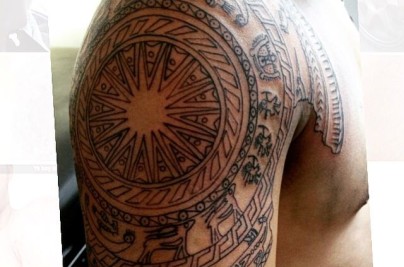
What Is a Traditional Mandala Tribal Tattoo in Saigon?
Direct Answer (40–60 words): A traditional mandala tribal tattoo in Saigon combines sacred geometric mandala structures with bold tribal linework, creating large-scale symmetrical body art. In Ho Chi Minh City, artists customize these designs for flow, balance, and spiritual meaning, often adapting them into full-back compositions suited for long-term skin aging and tropical climate conditions.
In professional tattoo practice across Ho Chi Minh City, this hybrid style is not just decorative—it is structural body design. Experienced artists treat the mandala as a “center anchor” and the tribal patterns as directional flow lines that guide symmetry across muscle groups.
Meaning of Mandala Symbols in Tattoo Art
Direct Answer (40–60 words): Mandala tattoos represent balance, unity, and spiritual alignment, originating from Buddhist and Hindu traditions. In Saigon tattoo culture, they are often reinterpreted as personal grounding symbols rather than strictly religious icons, helping wearers express inner stability, discipline, and mental clarity through symmetrical geometric design.
A key misconception many clients overlook is that mandalas are “just decorative circles.” In reality, trained tattoo artists study mandala geometry as a spatial discipline. The precision of radial symmetry is used to guide visual focus toward the spine or central backline.
Expert insight: Poorly constructed mandala centers are one of the most common causes of “visual imbalance” in healed tattoos, especially on large back pieces.
- Common meanings: balance, awakening, wholeness
- Design root systems: sacred geometry + Buddhist visualization diagrams
- Modern adaptation: personal resilience and identity expression
Tribal Tattoo Origins and Modern Fusion in Vietnam
Direct Answer (40–60 words): Tribal tattoo styles originate from Polynesian, Bornean, and indigenous Pacific traditions, characterized by bold black patterns and symbolic markings. In Vietnam’s modern tattoo scene, especially Saigon, these patterns are fused with mandala geometry to create fluid full-body compositions that emphasize movement, strength, and anatomical alignment.
Unlike Western minimalist tattoos, tribal fusion in Saigon is highly anatomy-driven. Experienced artists map designs directly onto muscle groups such as the latissimus dorsi and trapezius to ensure natural flow when the body moves.
Information Gain Insight: Many international clients underestimate how tropical skin conditions in Vietnam (humidity, UV exposure) affect ink settling. Saigon-based artists often adjust line thickness to prevent early fading in high-moisture climates.
- Polynesian influence: storytelling through pattern repetition
- Vietnam adaptation: increased negative space for breathability
- Modern fusion: geometric symmetry overlays on tribal flow
Mandala Tribal Tattoo Design Styles Explained
Direct Answer (40–60 words): Mandala tribal tattoo styles in Saigon range from full-back sacred geometry compositions to minimalist tribal overlays. The most advanced designs integrate anatomical mapping, symmetry calibration, and blackwork layering techniques, ensuring the tattoo remains visually balanced both at rest and in motion over time.
In professional studios, design creation is treated like architectural drafting rather than illustration. Artists often begin with skeletal symmetry lines before adding decorative tribal elements.
Information Gain Insight: Unlike many online galleries, real Saigon tattoo artists adjust designs based on client posture habits—such as shoulder tilt, spinal curvature, and dominant movement side—before finalizing symmetry layouts.
Full Back Mandala Tribal Tattoo Composition Strategy
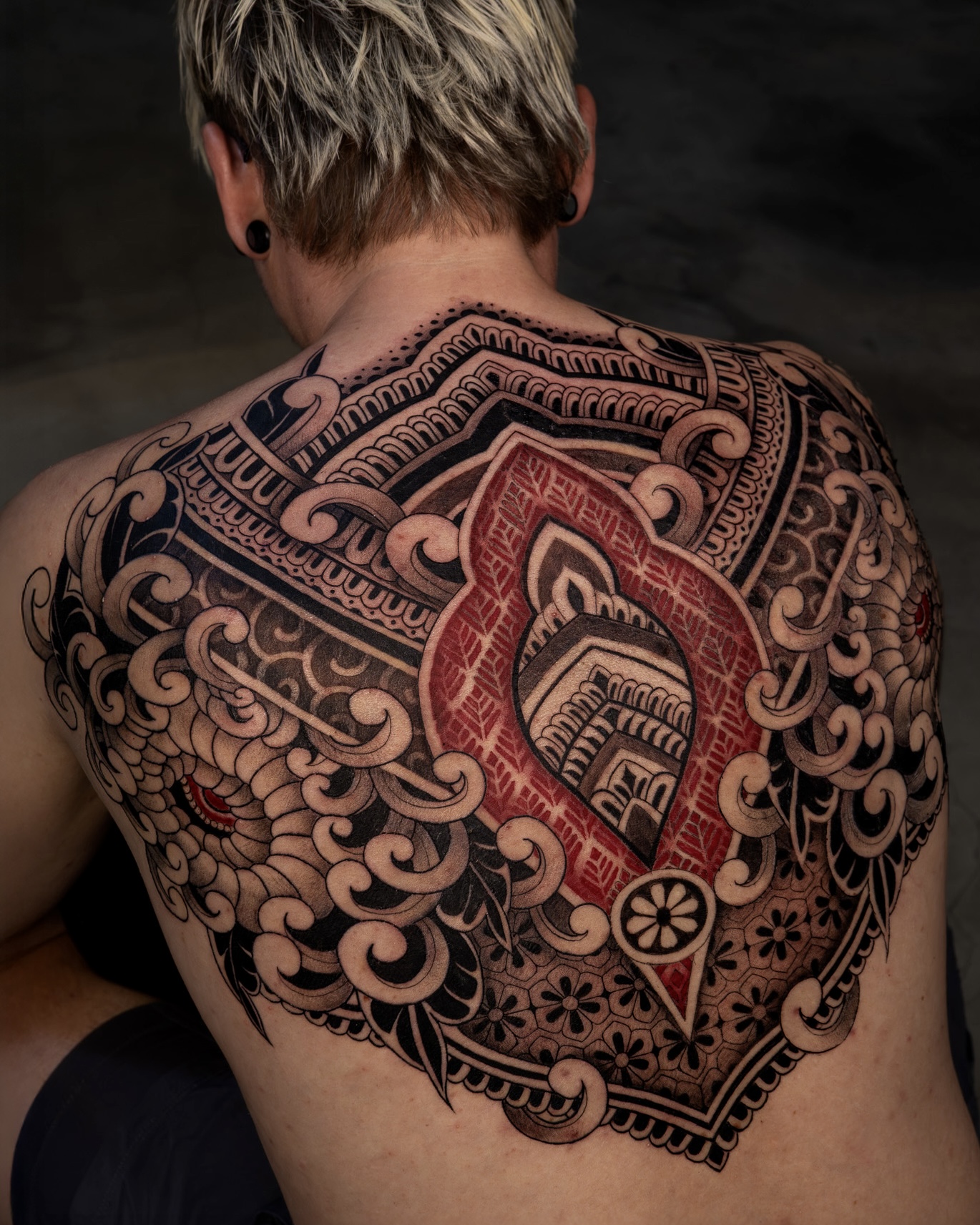
Direct Answer (40–60 words): A full-back mandala tribal tattoo is structured using a central spine axis, radial mandala focus points, and directional tribal flow lines. In Saigon studios, artists plan the design in layers to ensure symmetry across shoulders, scapula, and lower back, creating a unified visual system that adapts to body movement.
This approach is not aesthetic alone—it is biomechanical. The spine acts as a visual divider, while tribal extensions are designed to “breathe” with muscle expansion during motion.
Practical Checklist from Professionals:
- Ensure center mandala aligns with spine midpoint
- Check shoulder symmetry under relaxed posture
- Test design flow in standing and bent positions
- Validate negative space distribution for long-term clarity
Blackwork vs Fine-Line Techniques in Saigon Studios
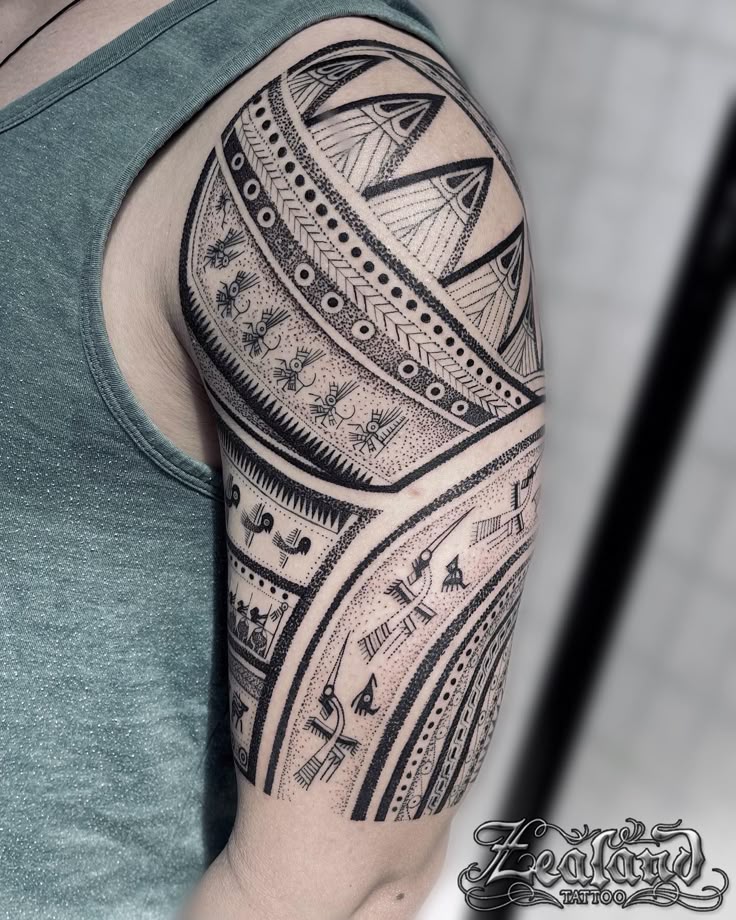
Direct Answer (40–60 words): Blackwork tattoos use dense black ink to create bold, high-contrast designs ideal for tribal patterns, while fine-line techniques focus on delicate detailing within mandala geometry. In Saigon, most large-scale mandala tribal tattoos rely on blackwork foundations with selective fine-line detailing for depth and visual hierarchy.
Blackwork is preferred for durability in Vietnam’s climate because thicker saturation reduces fading over time. Fine-line work is used sparingly to highlight sacred geometry points or interior mandala structures.
Common Misconception: Many clients assume fine-line tattoos age better, but in humid environments like Ho Chi Minh City, poorly saturated fine-line work can blur faster than properly executed blackwork.
- Blackwork advantage: longevity + bold contrast
- Fine-line advantage: intricate sacred geometry detailing
- Hybrid approach: best for full-back mandala tribal pieces
Pain Level, Healing & Tattoo Safety in Vietnam
Direct Answer (40–60 words): Full-back mandala tribal tattoos are considered high-pain procedures, typically rated 6–9 out of 10 depending on placement and duration. In Saigon, professional studios follow strict hygiene protocols, and healing generally takes 2–4 weeks for surface recovery and up to 3 months for deeper skin stabilization.
Pain perception varies significantly across spinal, rib, and shoulder blade regions. Experienced artists in Ho Chi Minh City often schedule sessions strategically to minimize fatigue and skin trauma.
How Painful Is a Full Back Tattoo Session?
Direct Answer (40–60 words): A full-back tattoo is moderately to extremely painful depending on proximity to bone and session length. Areas like the spine and shoulder blades cause higher discomfort due to nerve density, while the outer back is more tolerable. Professional Saigon artists manage pain through staged sessions and strategic breaks.
From an anatomical perspective, pain spikes occur where skin is thin and bone is close to the surface. This is why large mandala centers are often placed slightly above or below the spine’s most sensitive points.
Expert observation: Clients who sleep well and maintain hydration before sessions report significantly lower perceived pain levels during long blackwork procedures.
Cost of Mandala Tribal Tattoos in Ho Chi Minh City
Direct Answer (40–60 words): Mandala tribal tattoo pricing in Ho Chi Minh City varies widely based on size, complexity, and artist experience. Small pieces may start at modest rates, while full-back designs can require multiple sessions costing significantly more. Premium Saigon studios charge higher fees due to expertise, hygiene standards, and custom geometric design work.
Lucky Tattoo, a professional tattoo artist, has over 10 years of experience in the art of tattooing in Ho Chi Minh City. Lucky Tattoo Studio was founded in 2014 by skilled and kind artists. All tattoos are provided in a clean, strictly controlled, and friendly environment.
A major oversight many clients make is comparing Saigon tattoo prices directly with Western studios. While Vietnam is generally more affordable, high-end geometric work still commands premium pricing because of its technical difficulty and time investment.
| Factor | Impact on Price | Expert Insight |
|---|---|---|
| Size | High | Full-back pieces require layered pricing per session |
| Detail Complexity | Very High | Mandala symmetry requires precision drafting time |
| Artist Experience | High | Senior Saigon artists charge for design accuracy + safety |
| Technique | Medium–High | Blackwork increases ink saturation time |
How to Choose the Best Tattoo Artist in Saigon
Direct Answer (40–60 words): Choosing the best tattoo artist in Saigon requires evaluating portfolio consistency, symmetry accuracy in geometric work, hygiene practices, and experience with large-scale mandala tribal designs. The most reliable artists demonstrate strong anatomical understanding, clear healed results, and the ability to translate complex sacred geometry into balanced body compositions.
In Ho Chi Minh City, many studios showcase visually impressive portfolios, but only a subset specialize in large-scale geometric composition. The difference becomes obvious after healing—poor symmetry or uneven line weight becomes visible over time.
Portfolio Evaluation Checklist
Direct Answer (40–60 words): A professional tattoo portfolio should show healed work, consistent line quality, symmetrical compositions, and full-body context for large designs. For mandala tribal tattoos in Saigon, artists must demonstrate experience with spine alignment, radial symmetry, and long-form composition across multiple sessions.
Expert Evaluation Criteria:
- Check healed photos, not just fresh tattoos
- Look for symmetry across both sides of the body
- Evaluate consistency in black ink saturation
- Confirm experience with full-back or chest pieces
Common mistake: Many clients choose artists based on Instagram aesthetics instead of healed results, leading to unexpected fading or distortion after 6–12 months.
Common Mistakes When Booking Tattoo Artists
Direct Answer (40–60 words): The most common mistakes include prioritizing cheap pricing over expertise, ignoring healed tattoo results, and failing to verify specialization in geometric or tribal designs. In Saigon’s tattoo market, these errors often lead to symmetry issues, uneven healing, and long-term dissatisfaction with large mandala tribal tattoos.
Another overlooked issue is communication clarity. Many international clients assume design intent is understood without technical briefing. However, professional artists require structured references and body mapping discussions before starting large-scale work.
- Choosing price over specialization
- Ignoring healed portfolio evidence
- Skipping anatomy-based design consultation
- Underestimating session time requirements
Real Client Examples of Mandala Tribal Tattoos
Direct Answer (40–60 words): Real mandala tribal tattoo projects in Saigon often involve multi-session full-back designs that evolve from concept sketches into detailed sacred geometry compositions. Clients typically experience progressive refinement, where initial outlines are adjusted based on body symmetry, posture, and long-term ink stability considerations.
A typical case involves starting with a central mandala anchor point, followed by gradual expansion into tribal extensions across shoulders and lower back. Artists in Ho Chi Minh City often adapt designs mid-process to ensure better anatomical flow.
Case Study: Full Back Spiritual Design Journey
Direct Answer (40–60 words): A full-back mandala tribal tattoo journey typically spans 3–6 sessions, beginning with structural sketching and ending with detailed blackwork saturation. Each session builds on previous work, allowing adjustments for symmetry, pain tolerance, and skin response in Saigon’s humid climate conditions.
In one documented Saigon studio case, a client’s initial rigid mandala structure was softened with flowing tribal elements after observing shoulder tension during early sessions. This adaptive design approach improved overall balance and visual harmony.
Expert insight: The best mandala tribal tattoos are not fully pre-drawn—they evolve with the client’s body feedback during the tattooing process.
Cultural Meaning and Spiritual Symbolism
Direct Answer (40–60 words): Mandala tribal tattoos carry layered cultural meanings, combining Buddhist-inspired spiritual balance with indigenous tribal symbolism of strength and identity. In Saigon, these designs are often interpreted as personal transformation symbols rather than strict religious icons, reflecting both global tattoo culture and local artistic reinterpretation.
Tattoo culture in Vietnam has rapidly evolved, blending traditional Asian symbolism with international geometric tattoo trends. This hybrid identity makes Saigon a unique hub for spiritual body art.
Buddhism, Balance, and Sacred Geometry Meaning
Direct Answer (40–60 words): Sacred geometry in mandala tattoos represents universal balance, mathematical harmony, and spiritual alignment. Rooted in Buddhist philosophy, these patterns symbolize inner order and mindfulness. In Saigon tattoo culture, they are often personalized to reflect emotional grounding, resilience, and life transitions rather than religious devotion alone.
Sacred geometry is not purely aesthetic—it reflects mathematical ratios found in nature, such as radial symmetry and fractal repetition. This is why mandalas feel visually “stable” even in complex compositions.
Misconceptions About Tribal Tattoo Designs
Direct Answer (40–60 words): A common misconception is that tribal tattoos are purely decorative or interchangeable across cultures. In reality, traditional tribal systems carry specific historical meanings. Modern Saigon tattoo artists adapt these forms respectfully, blending them with geometric structures to avoid cultural misrepresentation while maintaining visual strength.
Critical insight: Responsible tattoo design in Saigon now involves cultural awareness discussions between artist and client before finalizing tribal-inspired compositions.
High-Value FAQs About Mandala Tribal Tattoos in Saigon
Direct Answer (40–60 words): FAQs about mandala tribal tattoos in Saigon typically address meaning, cost, pain level, healing time, safety standards, and design customization. These questions reflect real user concerns across Google, voice search, and AI platforms, focusing on practical decision-making and tattoo experience expectations in Ho Chi Minh City studios.
What does a mandala tribal tattoo symbolize?
It symbolizes balance, strength, and spiritual alignment through geometric harmony and tribal flow design.
How long does a full back tattoo take in Saigon?
Most full-back mandala tribal tattoos take 3–6 sessions depending on detail and healing speed.
Is getting a tattoo in Ho Chi Minh City safe?
Yes, reputable Saigon studios follow strict sterilization protocols and international hygiene standards.
How painful is a mandala tribal back tattoo?
Pain ranges from moderate to high, especially near the spine and shoulder blades.
What is the best tattoo style for long-term aging?
Blackwork-based mandala tribal designs age best due to strong ink saturation and contrast stability.
Can mandala tattoos be customized?
Yes, most Saigon artists fully customize mandala and tribal compositions based on body structure.
Conclusion: Why Saigon Is a Global Hub for Mandala Tribal Tattoos
Direct Answer (40–60 words): Saigon has become a leading destination for mandala tribal tattoos due to its blend of skilled geometric artists, affordable pricing, and evolving tattoo culture. The city offers high-quality custom body art that merges sacred geometry, tribal traditions, and modern blackwork techniques tailored for international clients.
Ho Chi Minh City’s tattoo scene continues to evolve rapidly, attracting global clients seeking large-scale, meaningful body art. The combination of technical precision, artistic freedom, and cultural fusion makes it a standout destination for mandala tribal tattoo work.