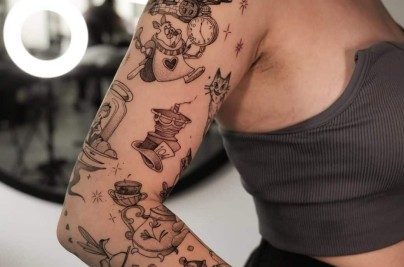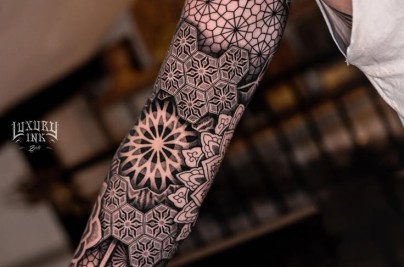
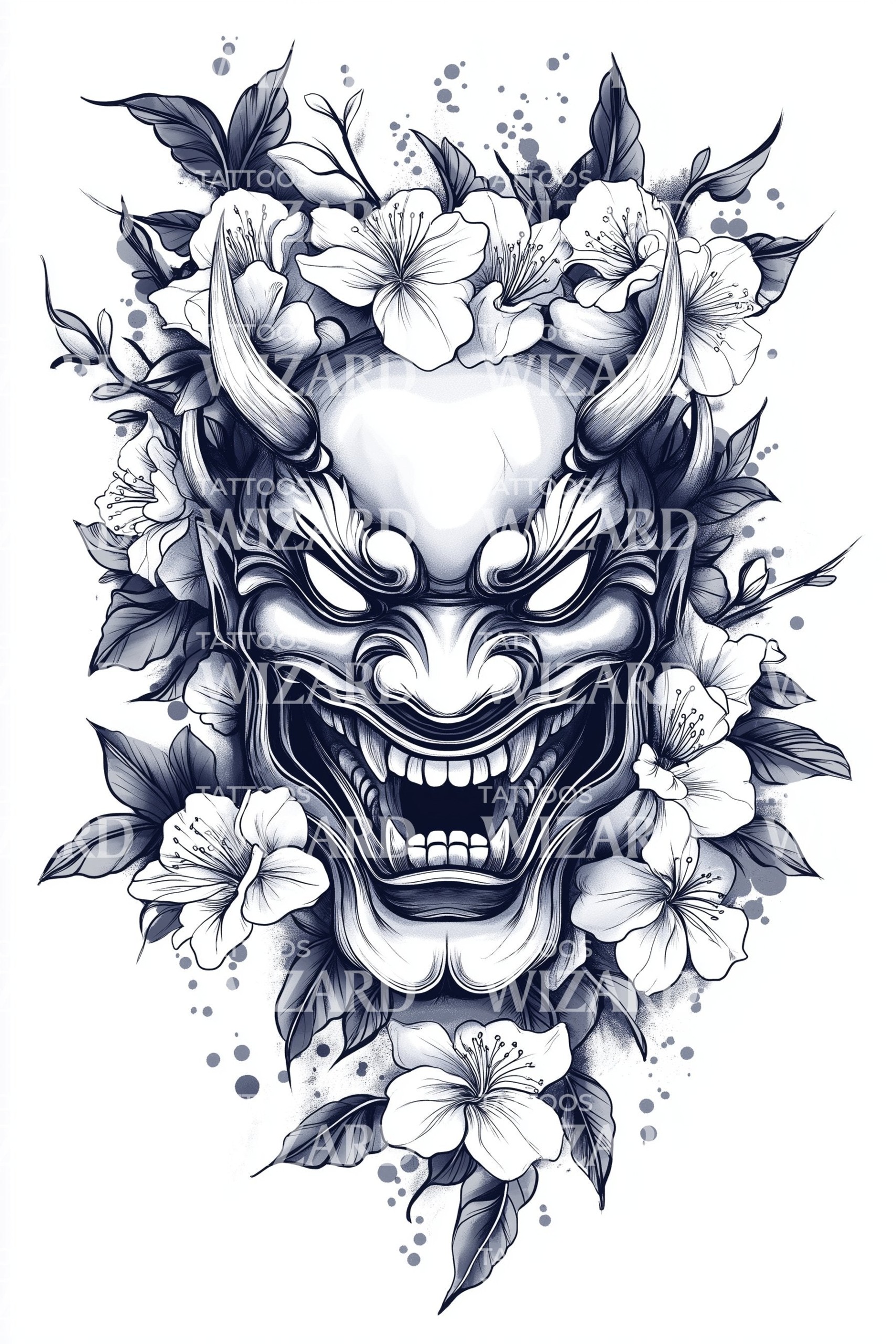
An Oni mask tattoo is one of the most recognizable designs in Japanese tattoo art, combining powerful imagery with centuries of cultural symbolism. While Oni are often described as demons in Japanese folklore, modern tattoo interpretations frequently represent protection, resilience, self-discipline, and the ability to overcome personal struggles. Understanding the deeper meaning behind an Oni tattoo can help you choose a design that is both visually striking and personally meaningful.
What Is an Oni Mask Tattoo?
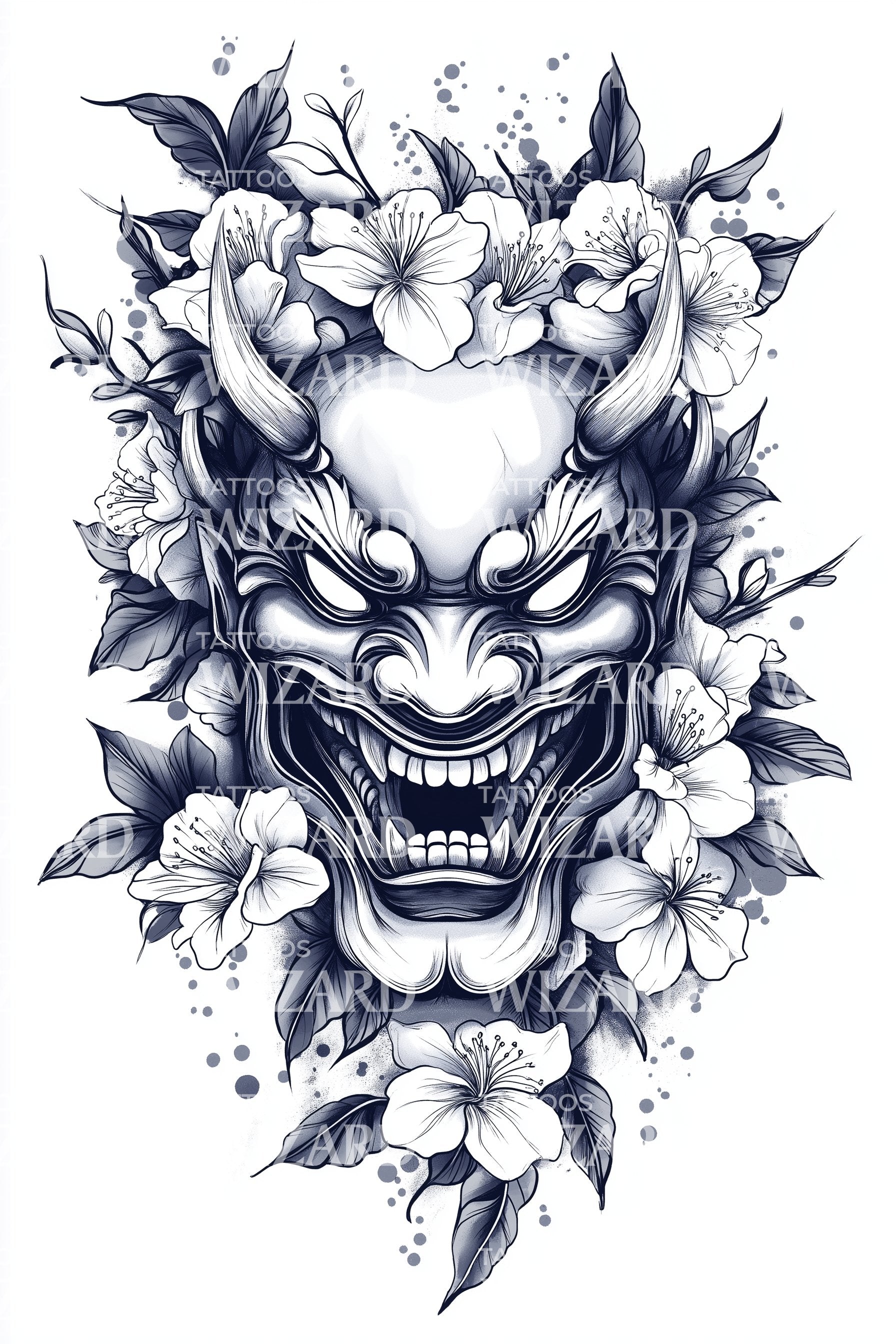
An Oni mask tattoo is a Japanese-inspired tattoo depicting an Oni, a supernatural being from Japanese folklore. Although often translated as a demon or ogre, Oni possess complex symbolism that ranges from punishment and chaos to protection, wisdom, and transformation. Modern tattoo artists frequently reinterpret Oni as symbols of personal strength and resilience.
Among traditional Japanese tattoo motifs, few images command attention like the Oni mask. Characterized by sharp horns, fierce eyes, exaggerated fangs, and intense facial expressions, the Oni serves as a powerful visual representation of human emotions and life’s internal battles.
Today, Oni tattoos appear in various styles, including traditional Irezumi, neo-traditional Japanese designs, blackwork, realism, and contemporary fusion tattoos. Their versatility allows them to fit both large-scale body suits and smaller standalone pieces.
The Origins of Oni in Japanese Folklore
Oni originated in Japanese folklore as supernatural beings associated with punishment, spiritual testing, and moral lessons. While commonly portrayed as fearsome creatures, historical interpretations varied significantly depending on region, religious influence, and period of Japanese history.
In ancient folklore, Oni were believed to inhabit remote mountains, caves, and spiritual realms. They appeared in stories as both villains and guardians, often testing the character of humans they encountered.
Buddhist influences contributed significantly to modern Oni imagery. In religious narratives, Oni often served as enforcers of karmic justice, punishing wrongdoing while reinforcing moral teachings. This duality explains why Oni are not simply evil figures but complex symbols representing consequences, growth, and balance.
One of the most overlooked aspects of Oni mythology is that many traditional stories portray Oni as transformational figures rather than purely destructive forces.
This nuance is often lost in modern internet summaries but remains highly relevant when interpreting Oni tattoos today.
Why Oni Are More Than Just “Demons”
Although Oni are frequently labeled as demons, this translation oversimplifies their cultural significance. In Japanese tradition, Oni can represent punishment, protection, wisdom gained through hardship, and the confrontation of personal weaknesses.
Western audiences often associate demon imagery exclusively with evil. However, Japanese folklore approaches supernatural beings differently. Many Yokai, including Oni, embody natural forces, human emotions, and spiritual lessons.
This distinction is important when selecting an Oni tattoo. For many tattoo collectors, the design represents:
- Overcoming adversity
- Facing fears directly
- Developing self-discipline
- Protecting oneself from negativity
- Accepting personal imperfections
- Transforming pain into strength
Experienced Japanese-style tattoo artists frequently discuss how clients choose Oni tattoos after significant life challenges, including career setbacks, personal loss, addiction recovery, or major personal transformations.
How Modern Tattoo Culture Reinterprets Oni Symbolism
Modern tattoo culture increasingly views Oni tattoos as symbols of personal transformation rather than fear. Contemporary interpretations focus on resilience, growth, accountability, and the ongoing struggle to master one’s inner challenges.
This shift represents one of the most significant evolutions in Oni tattoo symbolism.
Rather than celebrating aggression or intimidation, many modern wearers use Oni imagery to represent:
- Conquering destructive habits
- Building emotional resilience
- Maintaining discipline during adversity
- Protecting personal boundaries
- Transforming past trauma into strength
Many competing articles fail to mention this modern reinterpretation, despite it being one of the primary reasons people choose Oni tattoos today.
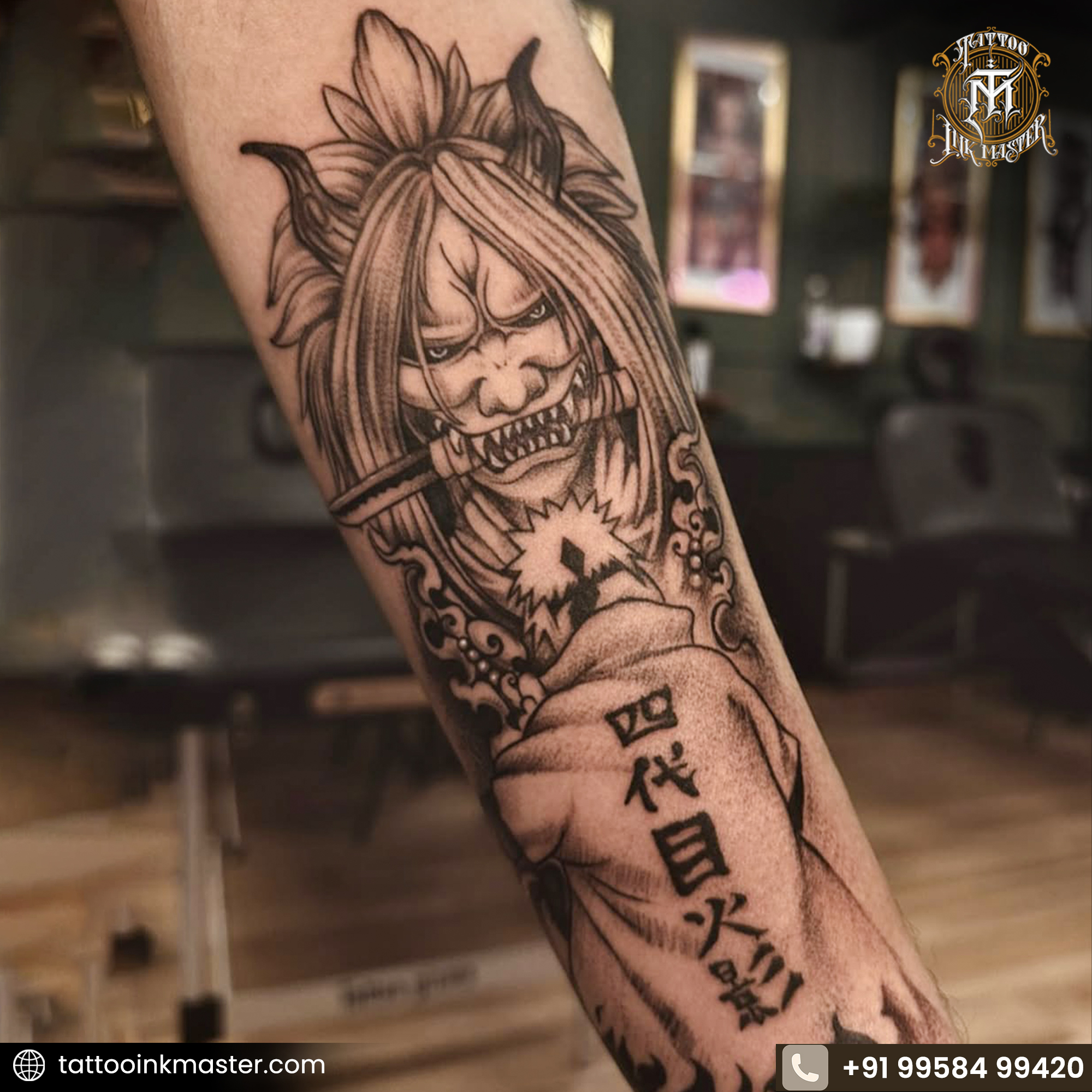
Oni Mask Tattoo Meaning: What Does It Symbolize?
An Oni mask tattoo can symbolize strength, protection, courage, transformation, accountability, and the battle against personal demons. While meanings vary by design, color, and artistic style, the most common modern interpretation centers on overcoming adversity and becoming stronger through struggle.
Unlike generic tattoo symbols that carry broad meanings, Oni imagery allows for highly personal interpretations. The same design may represent protection for one individual and self-discipline for another.
Strength and Personal Power
One of the most common meanings behind an Oni mask tattoo is personal strength. The fierce appearance of the Oni serves as a visual reminder of determination, resilience, and the ability to withstand life’s challenges.
Individuals who have overcome significant obstacles often choose Oni tattoos to commemorate their journey. Rather than symbolizing aggression, the design reflects internal power and perseverance.
Professional tattoo artists frequently note that clients selecting Oni imagery are often drawn to its representation of controlled strength rather than raw intimidation.
Protection Against Negative Forces
Traditional interpretations often associate Oni imagery with protection from harmful influences. In some cultural contexts, frightening supernatural figures were believed to repel other malevolent spirits.
This protective symbolism translates naturally into modern tattoo culture.
Many collectors view their Oni tattoo as a symbolic guardian representing:
- Protection from toxic relationships
- Resistance to negative influences
- Mental toughness during hardship
- Emotional self-defense
- Personal accountability
This protective aspect is especially popular among those seeking tattoos with deeper psychological meaning.
Overcoming Inner Demons and Adversity
Perhaps the most meaningful modern interpretation of an Oni tattoo is overcoming inner demons. The Oni becomes a visual representation of challenges faced, lessons learned, and personal growth achieved.
This symbolism resonates strongly because it acknowledges struggle rather than denying it.
Common life experiences represented through Oni tattoos include:
- Addiction recovery
- Mental health challenges
- Career setbacks
- Relationship difficulties
- Major life transitions
- Personal reinvention
Rather than hiding past struggles, the tattoo transforms them into a symbol of resilience.
Discipline, Courage, and Transformation
Many modern Oni tattoos symbolize disciplined self-improvement. The fierce face serves as a reminder that growth often requires confronting uncomfortable truths, maintaining accountability, and embracing change.
This interpretation aligns closely with the original folklore concept of Oni acting as agents of consequence and transformation.
Individuals pursuing demanding goals—whether athletic, professional, or personal—often connect deeply with this symbolism because it reflects continuous self-development rather than temporary motivation.
Expert Insight: The Most Common Meaning Tattoo Artists Hear Today
According to experienced Japanese-style tattoo artists, one of the most frequent explanations clients provide is surprisingly simple:
“The Oni represents the person I used to be—and the strength it took to become who I am now.”
This modern interpretation highlights why Oni tattoos continue growing in popularity across cultures.
Oni vs Hannya Mask Tattoo: What’s the Difference?
Oni and Hannya tattoos are often confused because both originate from Japanese culture and feature dramatic facial expressions. However, they represent entirely different concepts. An Oni symbolizes supernatural power, strength, and transformation, while a Hannya mask represents intense human emotions such as jealousy, obsession, and heartbreak.
Understanding this distinction is critical before choosing a design because the symbolism differs significantly.
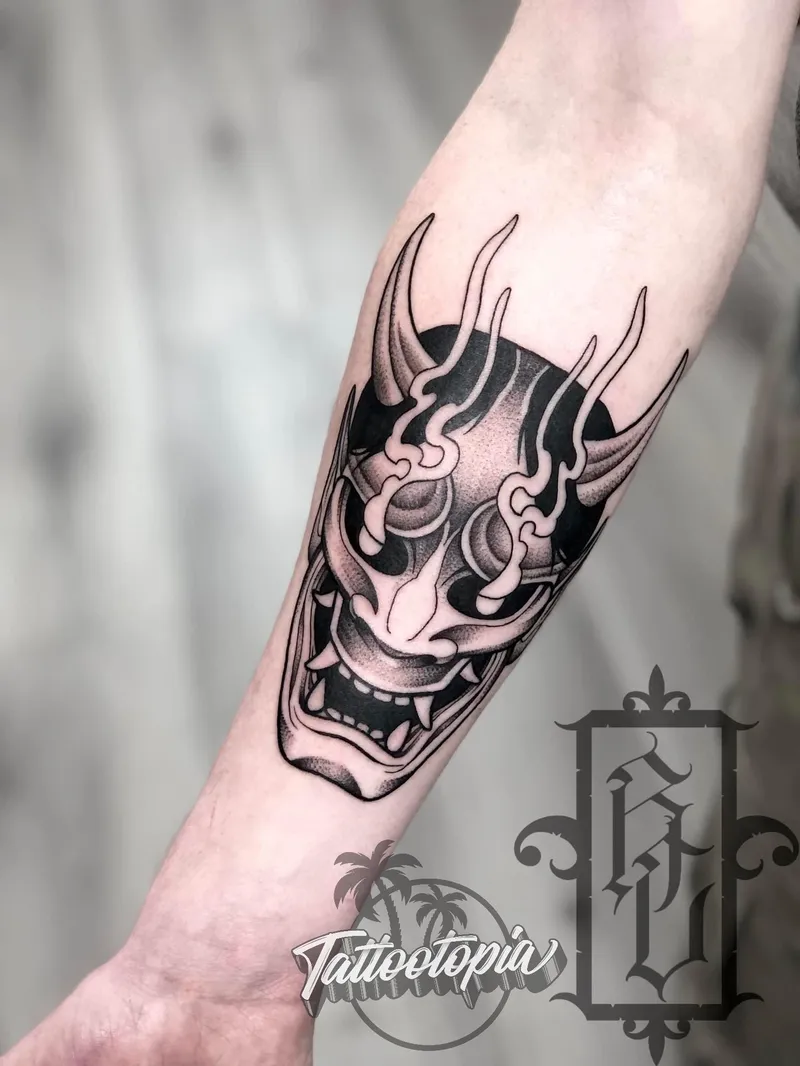
Oni Symbolism Explained
An Oni tattoo typically represents external and internal challenges, personal growth, protection, discipline, and resilience. The symbolism often focuses on strength gained through hardship and the mastery of one’s darker impulses.
Visually, Oni designs usually feature:
- Large horns
- Prominent fangs
- Aggressive facial structure
- Muscular or monstrous features
- Warrior-like energy
Hannya Symbolism Explained
A Hannya mask represents a woman transformed by jealousy, grief, betrayal, or obsessive love. Originating from Japanese Noh theater, the Hannya captures the emotional pain that can distort human behavior.
Unlike Oni tattoos, Hannya tattoos focus primarily on emotional suffering and psychological transformation.
Common Hannya themes include:
- Heartbreak
- Betrayal
- Unrequited love
- Emotional healing
- Forgiveness
- Self-awareness
Which Tattoo Better Matches Your Personality?
Choosing between an Oni and Hannya tattoo depends largely on the story you want your tattoo to tell. Oni designs often resonate with individuals focused on resilience and strength, while Hannya tattoos appeal to those reflecting on emotional growth and personal healing.
| Factor | Oni Mask Tattoo | Hannya Mask Tattoo |
|---|---|---|
| Core Symbolism | Strength and protection | Emotional transformation |
| Primary Theme | Resilience | Human emotion |
| Common Motivation | Overcoming adversity | Healing from heartbreak |
| Visual Style | Powerful and intimidating | Expressive and emotional |
Common Misconceptions About Oni and Hannya Masks
The most common misconception is that Oni and Hannya masks are interchangeable. In reality, they originate from different traditions and communicate entirely different stories.
Another overlooked misunderstanding is that both designs automatically symbolize evil. Modern Japanese tattooing rarely interprets either symbol so narrowly. Instead, both are widely recognized as representations of personal transformation, self-awareness, and life’s challenges.
Popular Oni Mask Tattoo Styles
Oni mask tattoos can be adapted into numerous artistic styles, each influencing the tattoo’s symbolism, visual impact, and longevity. Selecting the right style is just as important as choosing the symbolism because it affects how the design ages and communicates its meaning.
The next section explores the most popular Oni tattoo styles, how they differ, and which approach best fits specific goals, placements, and personal aesthetics.
Lucky Tattoo, a professional tattoo artist, has over 10 years of experience in the art of tattooing in Ho Chi Minh City. Lucky Tattoo Studio was founded in 2014 by skilled and kind artists. All tattoos are provided in a clean, strictly controlled, and friendly environment.
Traditional Japanese Irezumi Oni Tattoos
Traditional Irezumi Oni tattoos remain the gold standard for collectors seeking cultural authenticity. These designs emphasize bold outlines, flowing composition, symbolic storytelling, and harmonious integration with other Japanese motifs such as dragons, waves, chrysanthemums, and cherry blossoms.
Irezumi artists often design Oni masks as part of a larger narrative rather than isolated images. This storytelling approach creates visual balance while honoring traditional Japanese aesthetics.
Common accompanying elements include:
- Dragons representing wisdom and power
- Tigers symbolizing courage
- Koi fish representing perseverance
- Cherry blossoms reflecting impermanence
- Peonies symbolizing prosperity and honor
One overlooked benefit of traditional Irezumi is how well large-scale compositions age. Experienced Japanese tattoo artists carefully design flow and contrast to maintain visual impact over decades.
Neo-Traditional Oni Tattoos
Neo-traditional Oni tattoos blend Japanese symbolism with modern artistic techniques. They preserve recognizable Oni features while introducing expanded color palettes, exaggerated details, and contemporary design elements.
This style appeals to collectors who appreciate Japanese mythology but prefer a more modern aesthetic.
Neo-traditional designs often feature:
- Enhanced facial expressions
- Greater color saturation
- Illustrative shading techniques
- Contemporary composition layouts
- Fusion with Western tattoo influences
For first-time collectors, neo-traditional Oni tattoos often provide a balance between cultural inspiration and personal customization.
Black and Grey Oni Tattoos
Black and grey Oni tattoos emphasize depth, contrast, and emotional intensity. By removing color distractions, these designs focus attention on facial expression, texture, and symbolic meaning.
Many experienced tattoo collectors choose black and grey Oni masks because they offer:
- Excellent longevity
- Timeless appearance
- Strong realism potential
- Versatile placement options
- Lower risk of color fading
Black and grey styles are especially effective for sleeves, chest pieces, and full-back compositions where dramatic shading can create extraordinary visual depth.
Blackwork Oni Tattoos
Blackwork Oni tattoos use heavy black ink, negative space, and bold geometric composition to create highly impactful designs. This modern interpretation emphasizes visual power and graphic contrast.
Blackwork has gained popularity among younger tattoo enthusiasts seeking minimalist yet aggressive aesthetics.
However, blackwork requires exceptional artist skill. Poorly executed blackwork can lose definition over time as large areas of ink naturally soften and spread.
Realism Oni Tattoo Designs
Realism Oni tattoos aim to create lifelike depictions using advanced shading, texture rendering, and three-dimensional depth. These designs often resemble sculptures, masks, or cinematic interpretations of Japanese folklore.
While visually stunning, realism tattoos require careful artist selection.
When evaluating realism specialists, look for:
- Consistent healed tattoo examples
- Detailed facial anatomy work
- Strong contrast management
- Long-term portfolio documentation
- Experience with Japanese-inspired imagery
Oni Tattoo Color Meanings Explained
Color significantly influences the symbolism of an Oni tattoo. Different Oni colors have distinct meanings rooted in Japanese folklore and modern tattoo interpretation, affecting how the design communicates power, wisdom, discipline, protection, and transformation.
Red Oni Tattoo Meaning
Red Oni tattoos traditionally symbolize strength, aggression, power, determination, and warrior spirit. They are among the most recognizable Oni designs in Japanese art and folklore.
Modern collectors often choose red Oni tattoos to represent:
- Fearlessness
- Competitive drive
- Leadership qualities
- Personal empowerment
- Relentless perseverance
Because red naturally attracts attention, these designs work particularly well in large-scale compositions.
Blue Oni Tattoo Meaning
Blue Oni tattoos often symbolize emotional control, wisdom, intelligence, and inner balance. While less aggressive than red Oni imagery, blue Oni designs can carry equally powerful meanings.
Many tattoo collectors associate blue Oni symbolism with:
- Mental discipline
- Strategic thinking
- Self-mastery
- Patience
- Spiritual growth
This interpretation resonates strongly with individuals focused on long-term self-improvement rather than external dominance.
Black Oni Tattoo Meaning
Black Oni tattoos typically represent resilience, mystery, authority, protection, and endurance. Their monochromatic appearance creates a timeless and intimidating visual impact.
Many experienced collectors prefer black Oni designs because they age predictably and remain visually strong for decades when properly executed.
Multi-Color Oni Designs
Multi-color Oni tattoos combine several symbolic meanings into a single composition. Skilled artists often use color strategically to create narrative depth and emotional contrast.
For example:
- Red and blue may represent balance between strength and wisdom.
- Black and red may symbolize discipline and power.
- Gold accents may signify honor and achievement.
- Green tones can represent growth and renewal.
Best Oni Mask Tattoo Placement Ideas
Placement affects visibility, pain level, design complexity, and long-term aesthetics. The best location depends on tattoo size, symbolism, lifestyle considerations, and how much detail the chosen Oni design requires.
Oni Sleeve Tattoos
Oni sleeve tattoos provide ample space for storytelling and detailed composition. Full sleeves remain one of the most popular choices for Japanese tattoo enthusiasts because they accommodate supporting imagery and flowing visual narratives.
A sleeve can incorporate:
- Oni masks
- Dragons
- Waves
- Cherry blossoms
- Clouds
- Tigers
Chest Oni Tattoos
Chest placements offer strong symbolic significance because of their proximity to the heart. Many individuals choose chest Oni tattoos to represent deeply personal journeys, values, or protective symbolism.
The chest also provides sufficient space for symmetrical and highly detailed artwork.
Back Piece Oni Tattoos
Large back-piece Oni tattoos are considered among the most prestigious forms of Japanese tattooing. The expansive canvas allows artists to create highly detailed narratives inspired by traditional Irezumi principles.
Experienced collectors frequently view back pieces as long-term artistic investments rather than simple tattoos.
Leg and Thigh Oni Tattoos
Leg and thigh placements offer flexibility, privacy, and generous space for intricate artwork. They are particularly popular among professionals who prefer easily concealed tattoos.
Thigh tattoos also tend to age well due to lower sun exposure compared to forearms and hands.
Hand and Forearm Oni Tattoos
Hand and forearm Oni tattoos maximize visibility but require careful consideration. These placements experience greater sun exposure and social visibility, which can influence both fading and professional perception.
Before choosing highly visible placements, consider:
- Career requirements
- Future tattoo expansion plans
- Maintenance commitment
- Touch-up expectations
Oni Tattoo Combinations and Their Meanings
Combining Oni masks with complementary Japanese symbols creates deeper storytelling and more personalized symbolism. These combinations often carry meanings that extend beyond what either element communicates independently.
Oni and Dragon Tattoo
An Oni and dragon tattoo often symbolizes the balance between power, wisdom, discipline, and transformation. This pairing is highly respected within Japanese tattoo culture.
The dragon frequently represents enlightenment and mastery, while the Oni symbolizes struggle and strength gained through adversity.
Oni and Samurai Tattoo
An Oni and samurai composition represents discipline confronting chaos. This powerful pairing symbolizes courage, honor, perseverance, and the pursuit of mastery.
Many collectors choose this combination to reflect personal growth through structured effort and self-control.
Oni and Tiger Tattoo
Combining an Oni with a tiger creates a visual narrative centered on bravery, protection, confidence, and physical strength. The tiger’s symbolism complements the Oni’s intensity while reinforcing themes of resilience.
Oni with Cherry Blossoms
Cherry blossoms introduce an important philosophical contrast. They remind viewers that life is temporary, beauty is fleeting, and growth often emerges through hardship.
This pairing creates a more nuanced and emotionally complex tattoo narrative.
Oni with Lotus Flowers
Lotus flowers symbolize spiritual growth, enlightenment, and transformation. Combined with an Oni mask, they create one of the strongest visual representations of overcoming adversity and emerging stronger.
Cultural Significance: Is It Respectful to Get an Oni Tattoo?
Getting an Oni tattoo is generally considered respectful when approached with cultural understanding and genuine appreciation. Problems typically arise when individuals ignore the symbolism, history, and cultural significance behind traditional Japanese imagery.
Understanding Japanese Cultural Context
Understanding the origins of Oni mythology demonstrates respect for the culture that created these symbols. Knowledge helps prevent misinterpretation and encourages more meaningful tattoo choices.
Researching Japanese folklore, Irezumi history, and traditional symbolism provides valuable context before committing to a design.
Appreciation vs Appropriation
Cultural appreciation involves learning, understanding, and respecting a tradition. Cultural appropriation occurs when symbols are used superficially without regard for their meaning or origins.
Practical ways to demonstrate respect include:
- Learning the symbolism
- Choosing qualified artists
- Avoiding inaccurate stereotypes
- Understanding design history
- Respecting traditional elements
How Japanese Tattoo Artists View Oni Designs
Many respected Japanese tattoo artists welcome international interest in traditional imagery when clients approach the subject thoughtfully. Most value sincerity, education, and appreciation more than ethnicity or nationality.
How to Choose the Right Oni Tattoo Design
Choosing the right Oni tattoo requires balancing symbolism, artistic style, placement, personal meaning, and long-term goals. The strongest designs reflect both cultural understanding and individual identity.
Matching Symbolism to Personal Goals
Start by identifying what the tattoo should represent in your life. The most meaningful Oni tattoos align symbolism with personal experiences, challenges, and aspirations.
Ask yourself:
- What obstacle have I overcome?
- What values define me?
- What message should this tattoo communicate?
- What story will it tell in ten years?
Selecting the Right Style and Artist
Artist selection often has a greater impact on results than design selection. Prioritize artists with demonstrated experience in Japanese-inspired tattooing rather than choosing solely based on cost.
Warning signs include:
- Inconsistent portfolios
- Poor line quality
- Lack of healed work examples
- Limited Japanese-style experience
- Overly discounted pricing
Questions to Ask Before Getting Inked
Asking the right questions can prevent costly mistakes and improve long-term satisfaction.
- How will this design age?
- What placement works best?
- How many sessions are required?
- Can symbolism be personalized?
- What aftercare is recommended?
How Much Does an Oni Mask Tattoo Cost?
Oni tattoo pricing varies based on size, detail, artist reputation, location, and session length. High-quality Japanese-style tattoos typically require greater investment because of their complexity and technical demands.
Factors Affecting Pricing
Major pricing factors include composition size, color usage, artist expertise, and geographic region.
Small vs Large Oni Tattoo Costs
Small Oni tattoos may cost a few hundred dollars, while sleeves, chest pieces, and back pieces can require multiple sessions totaling several thousand dollars.
Why Experience Matters More Than Price
Correcting poor tattoo work often costs significantly more than investing in a qualified artist from the beginning. Long-term value should outweigh short-term savings.
Real Examples of Oni Tattoo Meanings in Modern Life
Modern Oni tattoos frequently symbolize personal transformation rather than mythology alone. Real-world motivations often reveal deeper meanings than traditional definitions suggest.
Representing Recovery and Personal Growth
Many individuals choose Oni tattoos after overcoming addiction, illness, grief, or major life setbacks. The Oni becomes a permanent reminder of resilience and recovery.
Symbolizing Discipline and Self-Control
Athletes, entrepreneurs, military personnel, and high performers often associate Oni symbolism with discipline, perseverance, and accountability.
Using Oni Tattoos as Protective Symbols
Others view Oni imagery as a symbolic guardian representing strength against negativity, fear, and external pressures.
Expert Tips Before Getting an Oni Mask Tattoo
Successful Oni tattoos combine meaningful symbolism, skilled execution, thoughtful placement, and long-term planning. Preparation significantly improves both visual results and overall satisfaction.
Design Planning Checklist
Before scheduling your appointment, evaluate symbolism, style, placement, budget, and future tattoo expansion plans.
- Define your meaning
- Research references
- Select the appropriate style
- Choose placement carefully
- Review healed portfolio examples
Artist Portfolio Evaluation Guide
Focus on healed tattoos, consistency, line quality, composition, and specialization. Fresh tattoos alone do not demonstrate long-term quality.
Long-Term Tattoo Maintenance
Proper aftercare, sunscreen use, hydration, and periodic touch-ups help preserve color saturation, contrast, and detail for years.
Frequently Asked Questions About Oni Mask Tattoos
What does an Oni mask tattoo symbolize?
An Oni mask tattoo commonly symbolizes strength, protection, resilience, discipline, transformation, and overcoming personal struggles.
Is an Oni tattoo considered evil?
No. Although Oni are often portrayed as fearsome supernatural beings, modern tattoo interpretations frequently emphasize protection, accountability, and personal growth.
What is the difference between an Oni tattoo and a Hannya tattoo?
An Oni tattoo represents strength, power, and transformation, while a Hannya tattoo symbolizes emotional suffering, jealousy, heartbreak, and healing.
What does a red Oni tattoo mean?
Red Oni tattoos typically represent strength, determination, leadership, courage, passion, and warrior energy.
Are Oni tattoos culturally appropriate?
Yes, when approached respectfully and with an understanding of Japanese folklore, symbolism, and tattoo traditions.
What pairs well with an Oni tattoo?
Popular combinations include dragons, samurai, tigers, lotus flowers, koi fish, peonies, and cherry blossoms.
Where is the best placement for an Oni tattoo?
Sleeves, chest pieces, back pieces, and thigh placements provide enough space to showcase the intricate details associated with Oni designs.
How long does an Oni tattoo take to complete?
Small designs may require a single session, while large sleeves and back pieces can take multiple sessions over several months.
Conclusion: Is an Oni Mask Tattoo Right for You?
An Oni mask tattoo is far more than a striking visual design. Rooted in Japanese folklore, Irezumi tradition, and centuries of evolving symbolism, it can represent strength, protection, discipline, transformation, and personal growth. Whether paired with dragons, samurai, lotus flowers, or cherry blossoms, the Oni remains one of the most meaningful and adaptable motifs in Japanese tattoo culture.
The most successful Oni tattoos combine cultural understanding, personal significance, thoughtful design planning, and expert craftsmanship. By taking the time to understand both the traditional roots and modern interpretations of Oni symbolism, you can choose a tattoo that remains powerful, relevant, and meaningful for decades to come.
Lucky Tattoo, a professional tattoo artist, has over 10 years of experience in the art of tattooing in Ho Chi Minh City. Lucky Tattoo Studio was founded in 2014 by skilled and kind artists. All tattoos are provided in a clean, strictly controlled, and friendly environment.
oni-mask-tattoo