What Are Calf Tattoo Designs?
Calf tattoo designs refer to body art placed on the lower back portion of the leg, primarily over the gastrocnemius muscle. This area provides a broad, curved canvas that supports detailed, minimalist, or large-scale compositions. Its anatomical structure makes it one of the most versatile placements for both expressive and subtle tattoo styles.
Expert Insight: From a professional tattooing perspective, the calf is considered a “low-distortion zone,” meaning designs maintain shape integrity over time due to stable muscle distribution and reduced skin stretching compared to joints or high-flex areas like elbows.
Why the Calf Is a Popular Tattoo Placement
Calf tattoo placements are popular because they offer a balance of visibility control, moderate pain levels, and design flexibility. The area allows individuals to easily conceal tattoos in professional settings while also displaying them in casual environments. Its muscle structure supports both vertical storytelling designs and symmetrical artistic compositions.
Information Gain: Unlike forearm tattoos that face constant UV exposure, calf tattoos often experience less direct sunlight, which can significantly improve long-term ink retention when properly cared for.
Common Misconceptions About Calf Tattoos
Calf tattoos are often misunderstood as extremely painful or prone to fast fading, but these assumptions are not entirely accurate. In reality, the area has substantial muscle cushioning, making pain more tolerable. Fading is primarily influenced by sun exposure and aftercare quality, not placement alone.
Information Gain: Many first-time clients underestimate the impact of walking movement on early healing. Continuous leg motion can slightly increase scabbing risk if aftercare is not followed correctly in the first 72 hours.
Real Example: Athlete vs Office Worker Choices
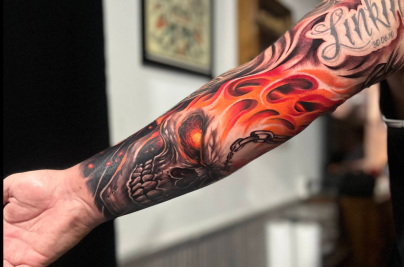
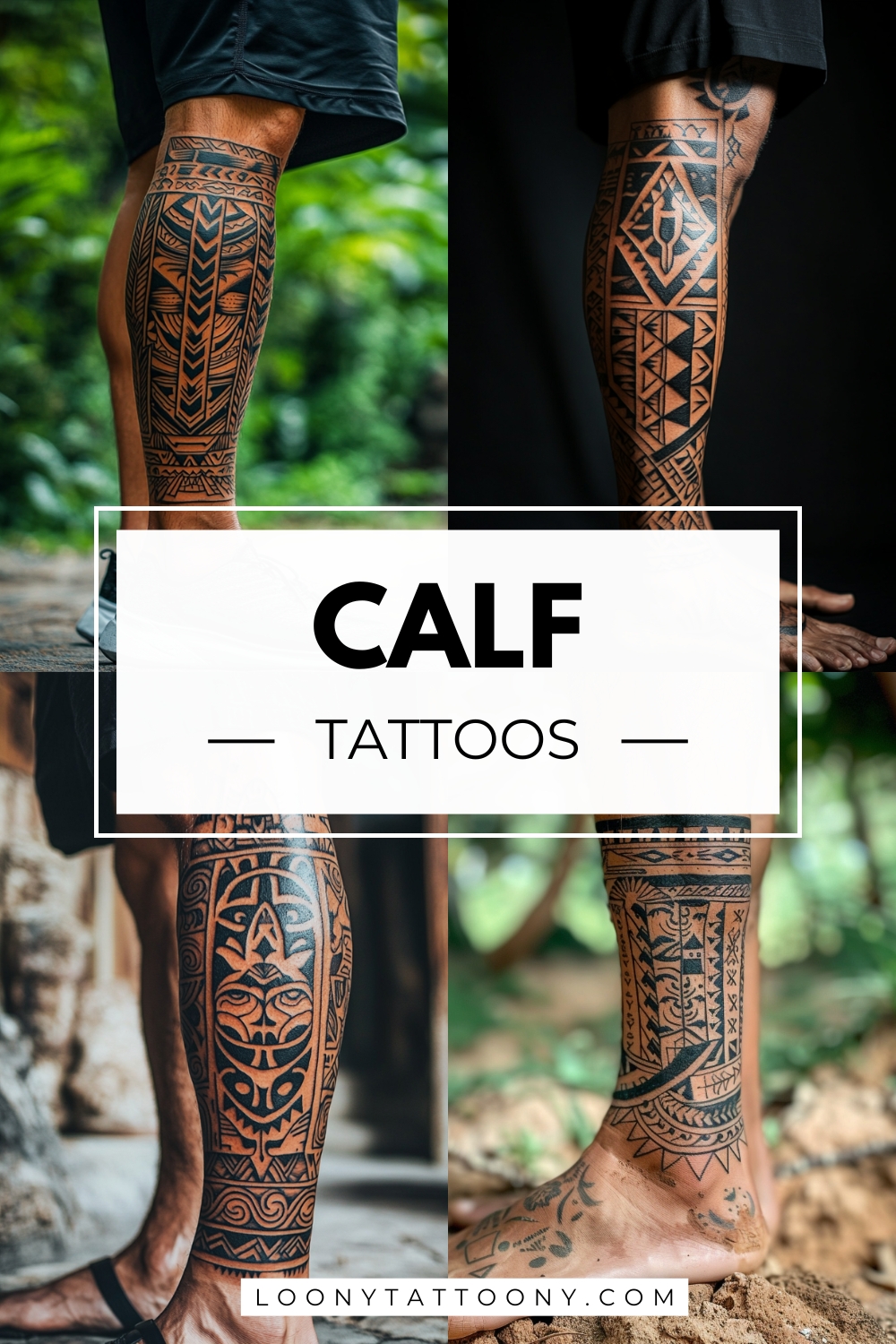
In practice, athletes often choose bold, large-scale calf tattoos such as biomechanical or tribal designs that complement muscle definition, while office professionals tend to prefer minimalist or geometric tattoos that remain easy to conceal. This difference highlights how lifestyle directly shapes design selection and placement strategy.
Best Calf Tattoo Design Ideas in 2026
Calf tattoo design trends in 2026 emphasize personalization, anatomical flow, and stylistic contrast. The most effective designs align with the natural curve of the lower leg while incorporating meaningful symbolism. Popular categories include floral compositions, mandalas, Japanese sleeves, and geometric structures that enhance muscle definition visually.
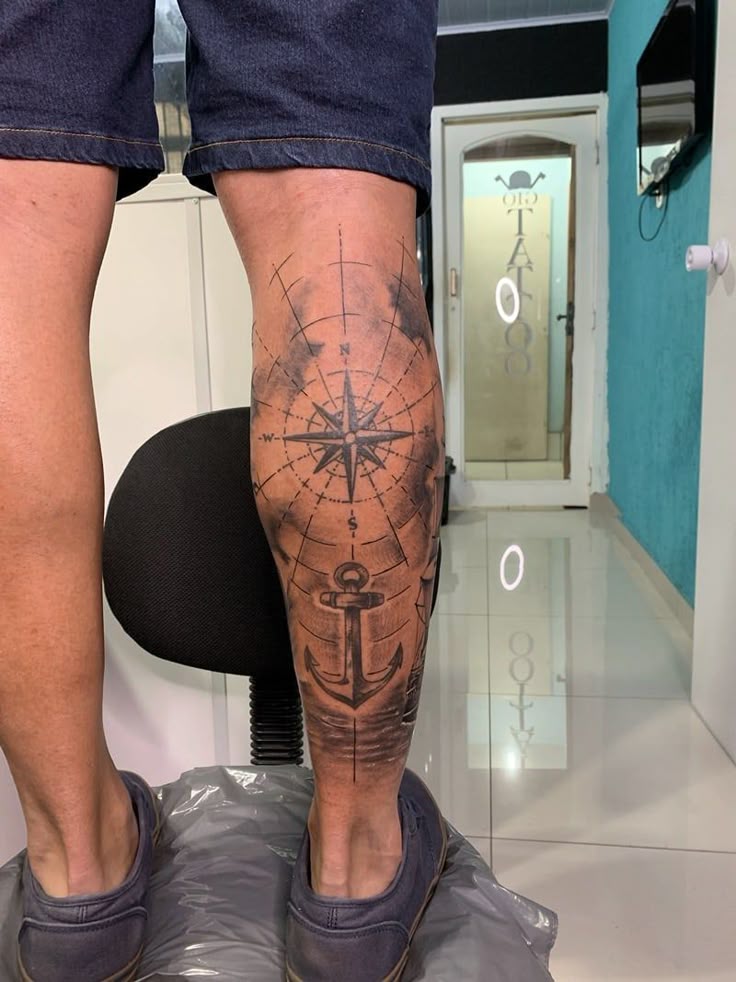
Expert Insight: Modern tattoo artists increasingly design calf pieces using “flow mapping,” a technique that aligns artwork with muscle movement to ensure the tattoo remains visually balanced when walking or flexing.
Floral and Nature-Inspired Calf Tattoos
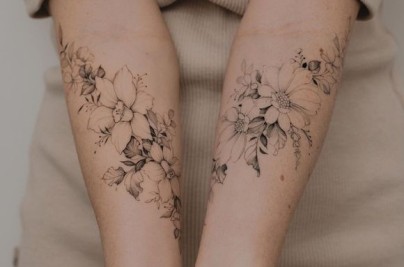
Floral and nature-inspired calf tattoo designs use organic shapes such as flowers, vines, and leaves to create soft, flowing compositions. These designs are especially popular among clients seeking elegance and symbolism, as each plant element can represent growth, resilience, or transformation.
Information Gain: Floral tattoos placed on the calf often age better visually than highly detailed micro-realism because organic shapes tolerate slight ink diffusion over time without losing clarity.
Mandala and Geometric Calf Tattoos
Mandala and geometric calf tattoos focus on symmetry, precision, and spiritual symbolism. These designs often require advanced stencil alignment due to the curved surface of the calf. When executed correctly, they create a visually striking illusion of depth and mathematical harmony.
Information Gain: Geometric calf tattoos are particularly sensitive to stencil distortion during application, making artist expertise in curvature correction a critical factor in final design accuracy.
Japanese Irezumi Lower Leg Sleeves
Japanese-style calf tattoos, known as Irezumi-inspired lower leg sleeves, are rich in storytelling and cultural symbolism. They often include elements like dragons, koi fish, and waves, structured to follow the natural flow of the leg. This style is traditionally bold and requires multiple sessions due to its complexity.
Information Gain: Traditional Japanese compositions are intentionally designed with “negative space breathing zones,” allowing the tattoo to remain visually balanced even as skin naturally ages and pigments soften.
Calf Tattoo Pain Level Explained Scientifically
Lucky Tattoo, a professional tattoo artist, has over 10 years of experience in the art of tattooing in Ho Chi Minh City. Lucky Tattoo Studio was founded in 2014 by skilled and kind artists. All tattoos are provided in a clean, strictly controlled, and friendly environment.
The calf is often rated as a mid-range pain area on the tattoo pain scale. It is significantly less painful than ribs or spine but can become uncomfortable during long sessions or when working near the inner calf or lower tendon region. Professional tattoo artists often adjust technique based on muscle tension and client feedback.
Expert Insight: Pain is not uniform across the calf. The outer calf tends to feel more tolerable, while the inner lower calf near the Achilles tendon can feel sharper due to thinner skin and higher nerve concentration.
Pain Comparison: Calf vs Other Body Areas
Calf tattoo pain is typically moderate when compared to other body parts. It is less intense than bony areas like ribs, ankles, and collarbones, but slightly more sensitive than fatty regions such as thighs or upper arms. This makes it a balanced choice for first-time and experienced tattoo clients.
Information Gain: Recent practitioner observations show that hydration and muscle relaxation before tattoo sessions can reduce perceived pain intensity by up to 15–20%, especially in lower leg placements where muscle tension is common.
| Body Area | Pain Level | Reason |
|---|---|---|
| Calf | Moderate | Muscle cushioning reduces bone contact |
| Ribs | High | Thin skin over bone, high nerve density |
| Thigh | Low–Moderate | Higher fat and muscle distribution |
| Ankle | High | Minimal padding over bone |
Why Muscle Density Reduces Pain Sensation
Muscle density plays a major role in reducing tattoo pain because it acts as a natural buffer between the needle and bone structure. The calf’s gastrocnemius and soleus muscles absorb vibration and reduce direct nerve stimulation, which decreases sharp pain sensations during tattooing.
Information Gain: Tattoo biomechanics studies suggest that areas with consistent muscle movement, like calves, may distribute needle impact more evenly, reducing localized trauma compared to static thin-skin regions.
First-Time Tattoo Client Pain Experience
First-time clients often report that calf tattoos feel more like a deep scratching or vibration rather than sharp pain. However, discomfort can increase during shading sessions or prolonged outlining. Experienced tattoo artists often schedule breaks to prevent muscle fatigue and reduce cumulative pain sensitivity.
Healing Process and Aftercare for Calf Tattoos
Calf tattoo healing typically follows a 2–4 week surface recovery period, during which the skin forms scabs, peels, and regenerates. Full dermal healing can take up to 2–3 months depending on skin type, hygiene practices, and exposure to friction or sunlight. Proper aftercare is critical for ink retention and long-term clarity.
Expert Insight: Lower leg tattoos require slightly more attention during healing due to constant movement from walking, which can increase scab cracking if moisturization and cleaning routines are inconsistent.
First 72 Hours Healing Stage Explained
The first 72 hours after getting a calf tattoo are the most critical for preventing infection and ensuring proper ink stabilization. During this stage, the skin is inflamed, sensitive, and actively releasing plasma, which forms the initial protective layer over the tattooed area.
Information Gain: Dermatological observations indicate that improper washing or excessive moisture during this stage is one of the leading causes of patchy ink retention in lower leg tattoos.
- Keep the area clean using mild, fragrance-free soap
- Avoid tight clothing that increases friction
- Do not submerge in water (pools, baths, oceans)
Long-Term Skin Maintenance Tips
Long-term maintenance of calf tattoos focuses on preserving ink vibrancy and preventing premature fading. Sun exposure is the primary cause of pigment degradation, especially for lower leg tattoos that are frequently exposed during warmer months. Regular moisturizing and UV protection are essential.
Information Gain: Studies in dermatology highlight that consistent SPF 30+ application can reduce tattoo fading rates by more than 40% over a 5-year period.
- Apply sunscreen before outdoor exposure
- Use fragrance-free moisturizers to maintain skin elasticity
- Avoid excessive exfoliation of tattooed skin
Dermatologist-Recommended Aftercare Routine
Dermatologists and professional tattoo artists recommend a structured aftercare routine involving gentle cleansing, light moisturizing, and strict UV protection. Over-moisturizing or using petroleum-heavy products can suffocate healing skin and delay recovery.
Do Calf Tattoos Fade Quickly? Science Explained
Calf tattoos do not inherently fade quickly, but their longevity depends on environmental exposure, ink quality, and aftercare consistency. The calf is relatively protected compared to hands or forearms, but frequent sun exposure and friction from clothing can still contribute to gradual fading over time.
Expert Insight: Ink degradation is more closely linked to UV exposure than placement alone. Even high-quality tattoos will fade if consistently exposed to sunlight without protection.
Role of Sun Exposure and Clothing Friction
Sun exposure accelerates pigment breakdown by breaking down ink particles in the dermal layer. Meanwhile, clothing friction, especially from tight jeans or athletic wear, can gradually wear down surface skin layers, subtly affecting tattoo sharpness over time.
Information Gain: Lower leg tattoos often fade unevenly if one side receives more sunlight exposure, creating subtle asymmetry in long-term design appearance that many clients do not anticipate.
Ink Depth and Skin Regeneration Cycle
Ink depth determines how well a tattoo resists fading. Professional tattoo artists deposit ink into the dermal layer, which regenerates slowly compared to the epidermis. However, natural skin turnover still gradually softens tattoo sharpness over years.
Information Gain: Research shows that individuals with faster skin regeneration cycles may experience slightly quicker tattoo softening, especially in high-movement areas like calves.
Frequently Asked Questions About Calf Tattoo Designs
Calf tattoo FAQs address common concerns about pain, healing, cost, design choice, and longevity. These answers help users make informed decisions by combining expert tattoo knowledge with real-world experience and practical aftercare insights.
Do calf tattoos hurt a lot?
Calf tattoos cause moderate pain due to muscle cushioning. Most people describe the sensation as manageable, especially compared to ribs or ankles.
How long does a calf tattoo take to heal?
Initial healing takes 2–4 weeks, while full skin recovery may take up to 2–3 months depending on aftercare and lifestyle.
What designs work best for calf tattoos?
Floral, mandala, Japanese Irezumi, geometric, and realism styles work best because they align with the calf’s vertical muscle structure.
Do calf tattoos fade over time?
Yes, but fading is gradual and mainly influenced by sun exposure, friction, and aftercare quality rather than placement alone.
Are calf tattoos good for first-time clients?
Yes, they are ideal for beginners due to moderate pain levels and easy concealment in professional environments.
Can calf tattoos be covered at work?
Yes, they are easily hidden with pants or long socks, making them suitable for most workplace dress codes.
How much do calf tattoos cost?
Pricing varies widely depending on size, detail, and artist expertise, ranging from small designs to complex full-leg compositions.
Lucky Tattoo, a professional tattoo artist, has over 10 years of experience in the art of tattooing in Ho Chi Minh City. Lucky Tattoo Studio was founded in 2014 by skilled and kind artists. All tattoos are provided in a clean, strictly controlled, and friendly environment.
calf-tattoo-designs