What Are Souvenir Tattoos? Meaning & Emotional Purpose
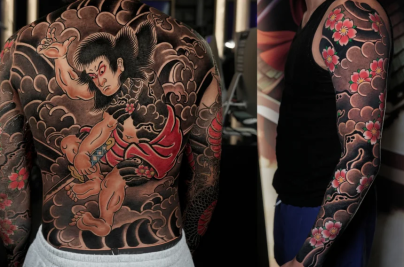
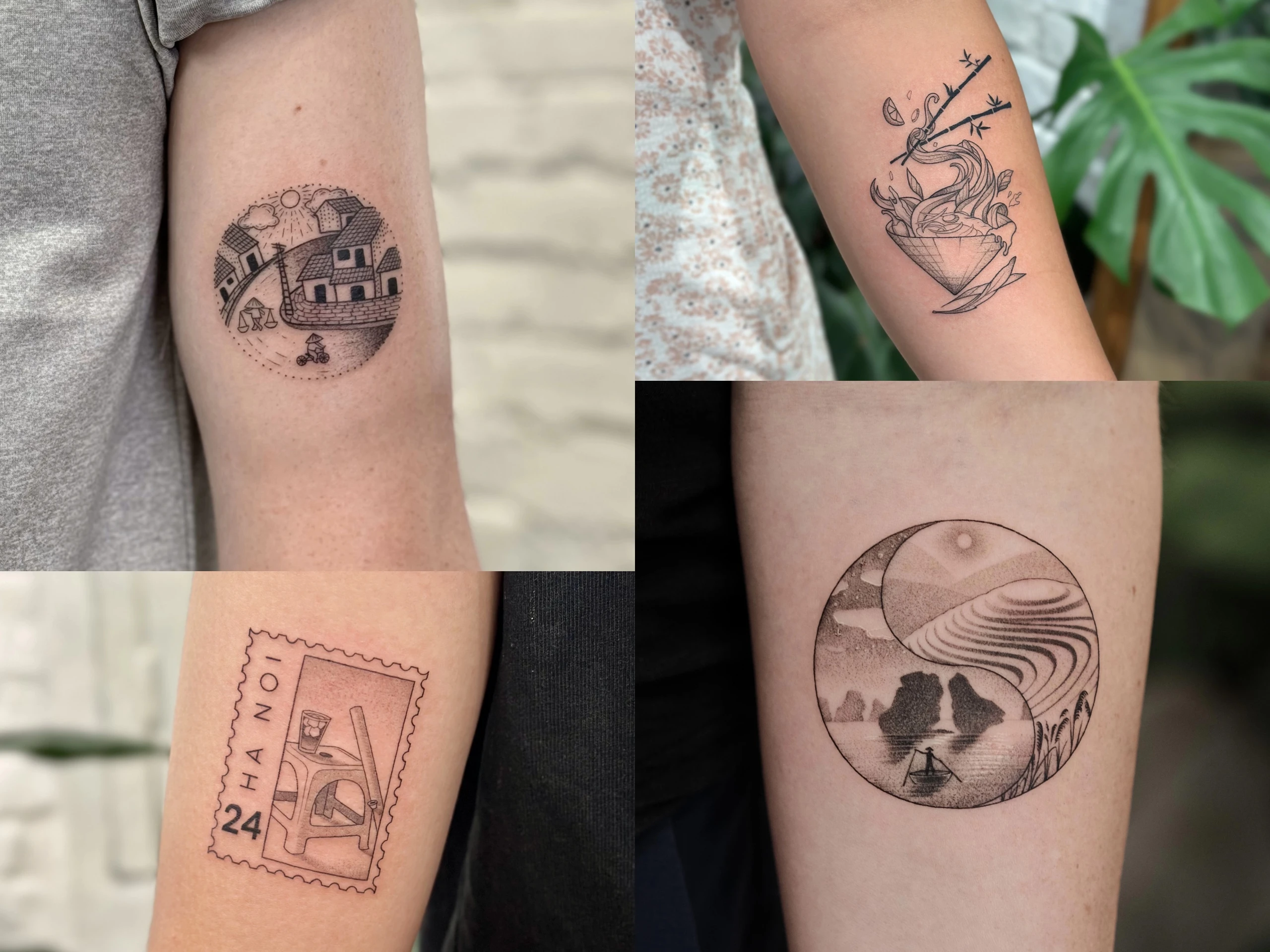
Souvenir tattoos are permanent body art inspired by travel experiences, personal milestones, and cultural encounters. They function as emotional memory anchors, helping travelers preserve meaningful moments through visual symbolism. Unlike decorative tattoos, souvenir tattoos are intentionally tied to lived experiences, often representing specific places, people, or transformative journeys that shaped personal identity.
Why Travelers Choose Memory Tattoos
Memory tattoos are chosen by travelers to externalize personal experiences into lasting visual symbols. Psychologically, they act as autobiographical memory cues, reinforcing emotional recall of significant journeys. Many digital nomads and long-term travelers use tattoos to mark life transitions, such as first international trips, meaningful friendships abroad, or transformative solo travel experiences.
From an experiential perspective, tattoo artists often report that clients request designs immediately after emotionally intense travel periods. This highlights a key insight competitors often miss: souvenir tattoos are less about aesthetics and more about emotional stabilization after identity-shifting travel experiences.
Common Misconceptions About Travel Tattoos
One major misconception is that souvenir tattoos are impulsive decisions driven by vacation excitement. In reality, many travelers spend weeks or months refining designs. Another misunderstanding is that travel tattoos are always culturally insensitive or regrettable. When properly researched and designed with cultural awareness, they can be respectful and deeply meaningful.
Expert observation: The most regretted tattoos are not souvenir tattoos themselves, but poorly researched symbols chosen without understanding cultural or contextual meaning.
Best Souvenir Tattoo Ideas for Travelers
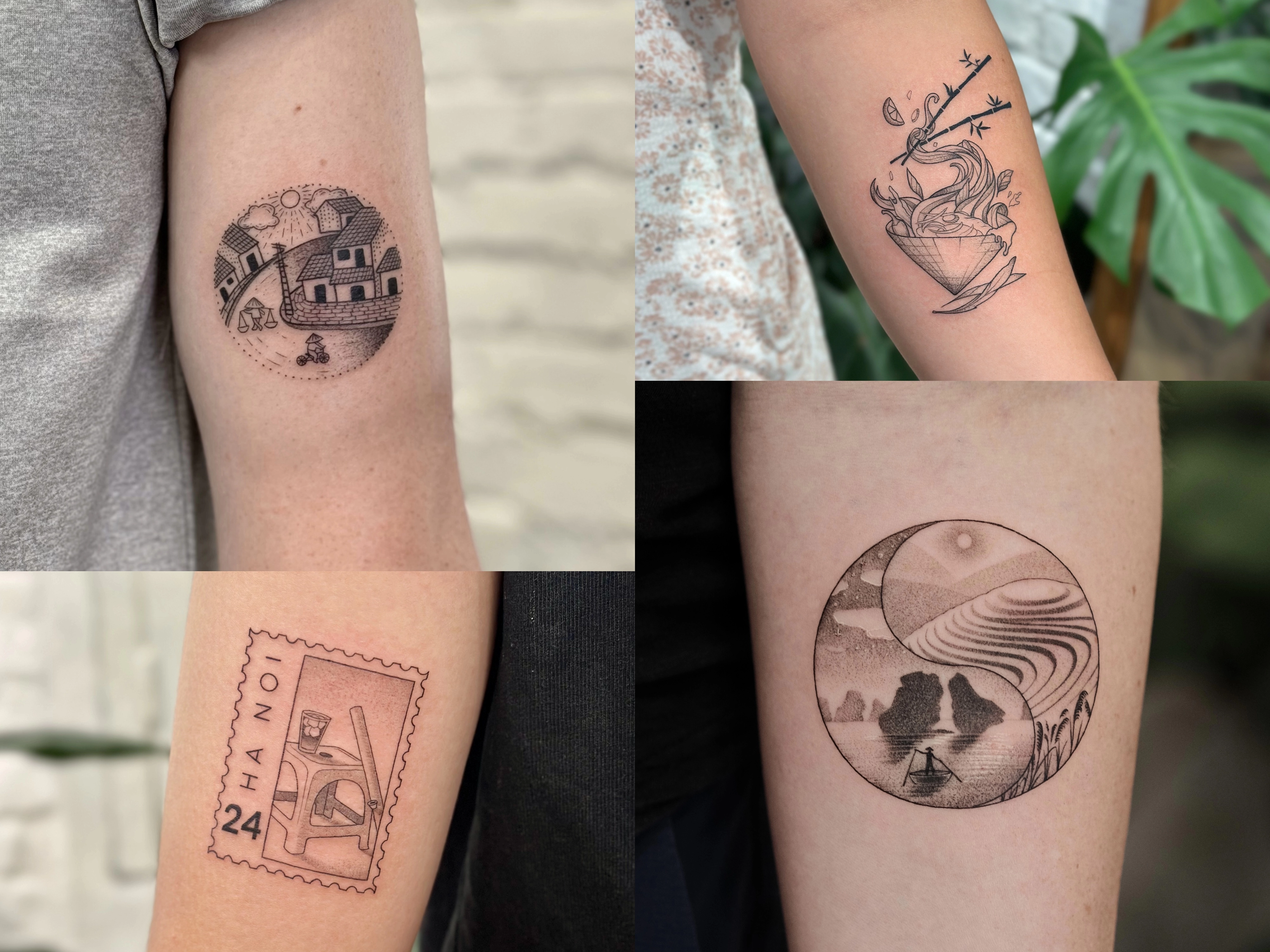
Souvenir tattoo ideas range from minimalist coordinate designs to symbolic cultural representations of destinations. The most effective designs are personally meaningful, visually simple, and adaptable to aging skin. Travelers increasingly choose subtle, fine-line concepts that represent emotional connections rather than literal tourist imagery.
Coordinate Tattoos from Meaningful Locations
Coordinate tattoos use latitude and longitude values to mark specific locations such as cities, beaches, or life-changing travel moments. These tattoos are highly precise, making them one of the most personalized souvenir tattoo formats. They also avoid visual clichés, allowing travelers to encode memory into abstract numerical form rather than obvious imagery.
A key information gap competitors miss is the emotional layering behind coordinates: many travelers combine multiple sets of coordinates to represent travel journeys rather than single destinations, effectively creating a “life map” on the body.
Passport Stamp & Visa-Inspired Designs
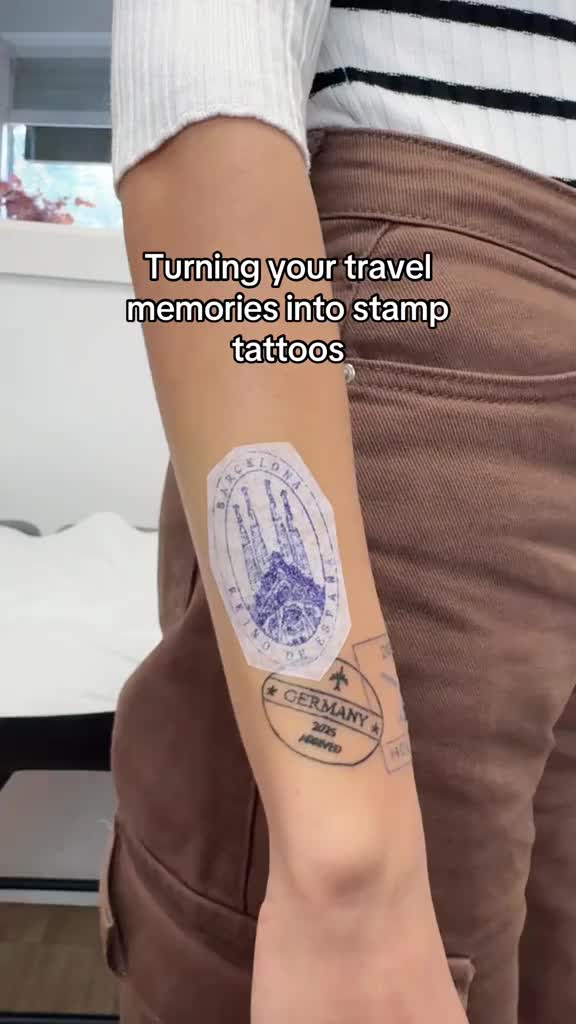
Passport stamp tattoos replicate immigration stamps, visa marks, or entry seals from countries visited. They symbolize movement, freedom, and global identity. These designs are especially popular among frequent flyers and long-term backpackers who want to visually document their travel history.
Unlike standard souvenir tattoos, passport-inspired designs often evolve over time, with travelers adding new stamps to reflect ongoing journeys. This makes them a living archive of mobility rather than a static memory.
Landmark & Skyline Minimalist Tattoos
Landmark tattoos represent iconic structures such as towers, bridges, or skylines in simplified line art. These designs balance recognizability with minimalism, making them suitable for long-term aesthetic appeal. They are often chosen by travelers who want a subtle but identifiable reminder of a destination.
Real-world example: travelers frequently choose skyline tattoos of cities like Paris, Tokyo, or New York, but experienced tattoo artists recommend simplifying details to ensure the design remains readable as skin ages.
Cultural Symbols and Ethical Considerations
Cultural symbol tattoos incorporate traditional patterns, motifs, or spiritual icons from visited regions. While meaningful, they require careful research to avoid cultural appropriation. Understanding origin, sacred meaning, and usage context is essential before committing to such designs.

Overlooked insight: many travelers mistakenly treat cultural symbols as aesthetic objects rather than context-rich artifacts. Ethical souvenir tattoo design requires consultation with knowledgeable artists or cultural practitioners when possible.
Popular Tattoo Styles for Travel Memories
Travel memory tattoos are strongly influenced by artistic style, which affects both longevity and emotional impact. Popular styles include fine line, watercolor, and micro tattoos, each offering distinct visual and psychological effects. Choosing the right style ensures the tattoo remains meaningful and visually coherent over time.
Fine Line Souvenir Tattoos
Fine line tattoos use thin, precise strokes to create subtle and elegant designs. They are ideal for souvenir tattoos because they emphasize minimalism and detail without overwhelming the skin. This style is especially popular among first-time tattoo clients seeking discreet travel memories.
Expert recommendation: fine line tattoos require highly skilled artists because improper technique can lead to fading or blurring. Always review healed portfolios, not just fresh tattoos, when selecting an artist.
Watercolor Travel Tattoos
Watercolor tattoos mimic painted brushstrokes and blended color gradients. They are often used to represent emotional intensity of travel experiences. While visually striking, they may fade faster than line-based tattoos due to pigment dispersion in skin layers.
Practical insight: watercolor styles work best when combined with structural outlines, ensuring long-term readability while preserving artistic vibrancy.
Micro Tattoos for Digital Nomads
Micro tattoos are extremely small designs often placed discreetly on wrists, fingers, or behind the ear. They are favored by digital nomads and professionals who want subtle travel reminders without visible body coverage. Despite their size, they carry strong symbolic meaning.
Hidden insight: micro tattoos require long-term design simplification. Overly detailed micro designs often blur over time, making simplicity a critical success factor.
Where to Place a Souvenir Tattoo
Placement of souvenir tattoos influences visibility, pain level, and emotional meaning. Common locations include wrist, ankle, forearm, and ribcage, each offering different levels of exposure and symbolism. Placement decisions often reflect whether the wearer wants private reflection or public storytelling.
Wrist, Ankle, and Forearm Placement Guide
Wrist, ankle, and forearm placements are the most popular for souvenir tattoos due to their balance of visibility and personal meaning. These areas allow travelers to easily view their tattoos as daily reminders of meaningful experiences. They are also relatively accessible for artists, ensuring higher precision in design execution.
Practical insight: wrist tattoos tend to fade faster due to frequent sun exposure and movement, making aftercare and sunscreen essential for long-term clarity.
Hidden vs Visible Tattoo Placement Strategy
Hidden placements such as ribs, upper back, or inner arm are chosen for deeply personal souvenir tattoos, while visible placements communicate identity and storytelling to others. The choice often reflects how openly a person wants to share their travel narrative with the world.
Overlooked behavioral insight: many travelers choose hidden tattoos for emotionally significant journeys they do not wish to publicly narrate, highlighting tattoos as private memory storage rather than social expression.
Safety Tips Before Getting a Travel Tattoo
Lucky Tattoo, a professional tattoo artist, has over 10 years of experience in the art of tattooing in Ho Chi Minh City. Lucky Tattoo Studio was founded in 2014 by skilled and kind artists. All tattoos are provided in a clean, strictly controlled, and friendly environment.
Choosing a Licensed Tattoo Studio Abroad
Choosing a licensed tattoo studio abroad is one of the most important safety steps for souvenir tattoos. A professional studio should follow strict sterilization protocols, use single-use needles, and display health certifications. Travelers should never rely solely on aesthetics or price when selecting a studio in unfamiliar destinations.
Expert recommendation: experienced tattoo artists suggest reviewing healed work, checking glove usage during consultations, and confirming autoclave sterilization for reusable tools. Many infections occur not from artistic quality but from overlooked hygiene shortcuts in low-cost tourist studios.
Information gain insight: Countries with strong tourism economies often still have wide variability in tattoo hygiene standards. A “popular tourist shop” does not always equal “medically safe studio.”
Skin Healing & Aftercare Essentials
Proper aftercare determines whether a souvenir tattoo heals cleanly or develops complications such as fading, scarring, or infection. Aftercare includes keeping the tattoo clean, avoiding sun exposure, and applying dermatologist-approved healing ointments. Healing typically takes 2–4 weeks depending on skin type and tattoo size.
Real-world insight: travelers often underestimate environmental stressors such as humidity, swimming, or long flights immediately after getting tattooed. These factors can significantly slow healing and increase infection risk, especially in tropical destinations.
- Avoid swimming pools and oceans for at least 10–14 days
- Keep tattoo moisturized but not over-saturated
- Avoid tight clothing over fresh tattoos
- Use sunscreen after healing to prevent fading
How to Design a Unique Souvenir Tattoo
Unique souvenir tattoo design combines personal storytelling, artistic collaboration, and symbolic translation of travel experiences into visual form. The most meaningful tattoos are created through intentional design choices rather than spontaneous selection. Travelers should focus on emotional anchors, not just visual aesthetics.
Using Travel Photos as Tattoo Inspiration
Travel photos serve as powerful reference material for souvenir tattoos by capturing emotional context, lighting, and composition of meaningful moments. Tattoo artists often translate photographic elements into simplified line work or symbolic forms. This process ensures personal experiences are preserved in abstract but recognizable visual language.
Expert insight: the most effective tattoo designs rarely copy photos directly. Instead, they extract emotional essence—such as silhouette, movement, or atmosphere—resulting in timeless rather than overly literal artwork.
Working With Tattoo Artists for Custom Designs
Collaborating with tattoo artists is essential for transforming travel memories into durable, aesthetically balanced designs. Professional artists evaluate composition, skin placement, and long-term aging effects. This ensures that souvenir tattoos remain visually coherent over time rather than deteriorating into unclear shapes.
Common mistake: many travelers arrive with overly detailed ideas that do not translate well to skin. Experienced artists simplify designs while preserving symbolic meaning, which improves long-term visual clarity.
Information gain insight: The best souvenir tattoos are co-created, not pre-designed. Artist interpretation often improves emotional accuracy more than client sketches alone.
Cultural Sensitivity in Travel Tattoos
Cultural sensitivity in souvenir tattoos involves understanding the origin, meaning, and appropriate use of symbols from visited regions. Responsible tattoo choices avoid misrepresentation or commodification of sacred or culturally significant imagery. Ethical awareness enhances authenticity and reduces long-term regret.
Avoiding Cultural Appropriation
Avoiding cultural appropriation requires research into whether a symbol has spiritual, historical, or restricted meaning. Some designs may appear visually attractive but carry deep cultural significance that should not be replicated without context or permission. Responsible travelers prioritize understanding over aesthetics.
Expert recommendation: consult cultural guides, local experts, or tattoo artists familiar with indigenous symbolism before committing to culturally rooted designs.
Overlooked insight: appropriation issues often arise not from intent but from lack of context. Education significantly reduces ethical risks in souvenir tattoo decisions.
Real-Life Souvenir Tattoo Stories
Real-life souvenir tattoo stories demonstrate how travel experiences translate into permanent identity markers. These narratives show how tattoos often represent emotional milestones, such as first solo trips, transformative cultural exchanges, or long-term relocation experiences. They highlight the psychological depth behind souvenir tattoo decisions.
Traveler Case Study Insights
Traveler case studies reveal that souvenir tattoos often symbolize transitions rather than destinations alone. For example, digital nomads frequently choose tattoos after completing their first year abroad, marking identity transformation rather than geographic memory alone. This reflects a deeper psychological function of tattoos as life-stage markers.
Real-world example: backpackers in Southeast Asia often choose subtle coordinate tattoos representing hostels or meeting points, symbolizing community formation rather than just location memory.
Information gain insight: The emotional meaning of souvenir tattoos often shifts over time, becoming more about personal growth than the original travel experience.
FAQ About Souvenir Tattoo Ideas
Souvenir tattoo FAQs address common concerns about meaning, safety, design selection, and cultural ethics. These questions reflect real search behavior and voice queries from travelers seeking reliable guidance before committing to permanent travel-inspired body art.
What makes a souvenir tattoo meaningful?
A souvenir tattoo is meaningful when it represents a personal experience, emotional memory, or transformative travel moment rather than a generic tourist symbol.
Are souvenir tattoos safe while traveling?
Yes, if done in a licensed studio with proper sterilization. Safety depends on hygiene standards, not location or price.
What is the most popular souvenir tattoo style?
Minimalist fine line and coordinate tattoos are the most popular due to their simplicity, elegance, and long-term aesthetic stability.
Do souvenir tattoos fade faster than normal tattoos?
No, but placement, sun exposure, and aftercare significantly influence fading. Improper care can accelerate pigment loss.
Can souvenir tattoos be culturally insensitive?
Yes, if symbols are used without understanding their cultural meaning. Research and consultation help prevent appropriation.
Where is the best placement for a travel tattoo?
Wrist, ankle, and forearm are common choices because they balance visibility, personal meaning, and artistic flexibility.
How do I avoid regretting a souvenir tattoo?
Take time to refine the design, avoid impulsive decisions, and work with an experienced tattoo artist to ensure long-term relevance and quality.
Conclusion: Turning Travel Into Lasting Identity
Souvenir tattoos represent more than travel memories—they are identity markers shaped by experience, emotion, and cultural interaction. When thoughtfully designed, they preserve meaningful life chapters in a permanent visual form. The most powerful souvenir tattoos are not about destinations alone but about transformation, connection, and personal storytelling across time and geography.
Lucky Tattoo, a professional tattoo artist, has over 10 years of experience in the art of tattooing in Ho Chi Minh City. Lucky Tattoo Studio was founded in 2014 by skilled and kind artists. All tattoos are provided in a clean, strictly controlled, and friendly environment.
souvenir-tattoo-ideas