
What Are Ankle Tattoo Designs?
Ankle tattoo designs refer to body art placed around or near the ankle bone, ranging from minimalist symbols to intricate floral and bracelet-style patterns. They are chosen for subtle visibility, aesthetic elegance, and personal expression. Placement is important because ankle skin is thin, mobile, and more sensitive than other tattoo areas.
Information Gain Insight: Unlike common assumptions that ankle tattoos are purely decorative, experienced tattoo artists note that placement affects ink diffusion and long-term clarity due to frequent shoe friction and limited fat cushioning.
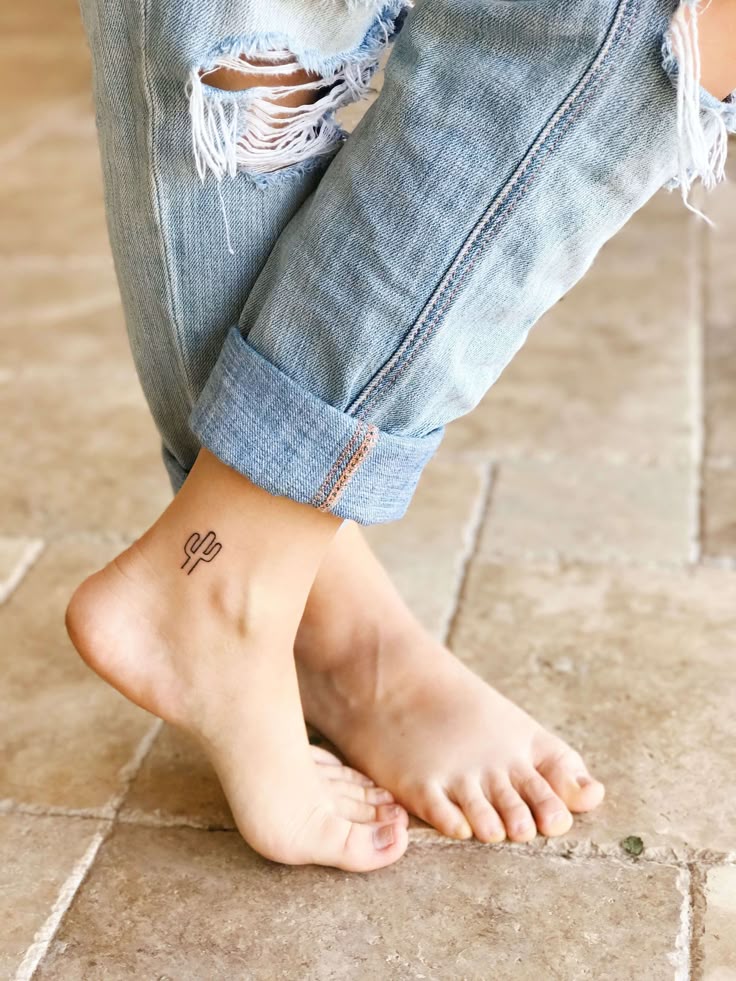
Why the Ankle Is a Popular Tattoo Placement
Ankle tattoo placement is popular because it offers a balance between visibility and discretion, making it ideal for both personal expression and professional settings. Many people choose it for symbolic designs, jewelry-like aesthetics, or first-time tattoos due to its relatively small canvas size and versatility across styles.
Expert Perspective: Tattoo professionals often recommend the ankle for clients seeking subtle body art, but they also warn that the area requires more careful aftercare due to constant movement and shoe contact.
Common Misconceptions About Ankle Tattoos
Ankle tattoos are often misunderstood as being painless, long-lasting without effort, or suitable only for women. In reality, pain levels vary significantly, and the ankle is one of the more sensitive tattoo areas. Longevity depends heavily on ink depth, design thickness, and aftercare quality rather than gender or style preference.
Information Gain Insight: A frequent mistake is choosing ultra-fine line tattoos without considering fading risk, as thin ink structures tend to break down faster in high-friction zones like the ankle.
Popular Ankle Tattoo Styles in 2026
Popular ankle tattoo styles in 2026 include minimalist line art, floral arrangements, anklet-style bands, and symbolic micro tattoos. These styles are chosen for their adaptability to small surfaces and their ability to age aesthetically when executed with proper line thickness and professional ink layering techniques.
Expert Insight: Tattoo artists increasingly recommend hybrid designs that combine fine line work with slightly bolder outlines to improve longevity without sacrificing elegance.
Floral Ankle Tattoo Designs
Floral ankle tattoo designs are inspired by botanical elements such as roses, lotus flowers, and vines. They symbolize growth, femininity, and resilience. Their flowing structure naturally complements the curvature of the ankle, making them one of the most requested designs in modern tattoo studios.
Information Gain Insight: Florals with heavier shading tend to last longer than ultra-thin outlines because ink density plays a major role in resisting natural fading caused by skin regeneration and friction.
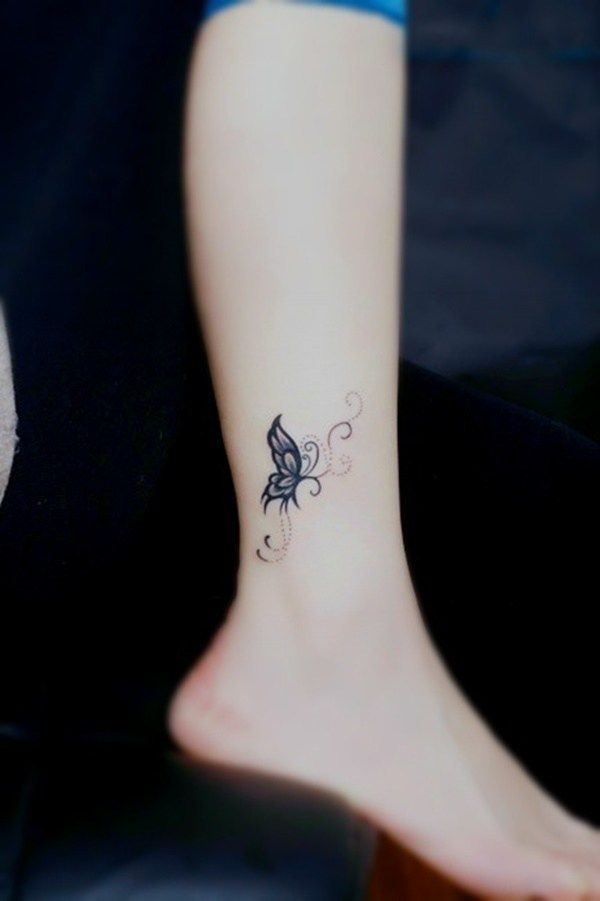
Minimalist and Fine Line Ankle Tattoos
Minimalist and fine line ankle tattoos use thin, precise strokes to create symbols, words, or abstract shapes. They are popular for first-time tattoos due to their subtle appearance and lower visual commitment. However, they require highly skilled artists because precision directly impacts long-term clarity.
Expert Perspective: Fine line tattoos on the ankle are often more vulnerable to fading, especially if the artist deposits ink too shallowly or the client has highly mobile skin.
Anklet Bracelet Tattoo Designs
Anklet bracelet tattoos mimic jewelry by wrapping around the ankle with decorative patterns such as chains, beads, or geometric motifs. They are chosen for their aesthetic similarity to real accessories and their ability to enhance leg definition without permanent jewelry constraints.
Information Gain Insight: Bracelet-style tattoos require careful symmetry alignment; even minor distortion becomes noticeable due to the circular nature of the design around a joint area.
Do Ankle Tattoos Hurt? Pain Level Explained
Ankle tattoos are generally considered moderately to highly painful due to thin skin, minimal fat coverage, and proximity to bone and nerve endings. Pain intensity varies by individual tolerance, tattoo size, and exact placement around the ankle bone or Achilles tendon region.
Expert Insight: Tattoo artists consistently report that inner ankle and bone-proximal areas produce sharper discomfort compared to outer ankle zones with slightly more tissue cushioning.
Why the Ankle Is More Sensitive Than Other Areas
The ankle is more sensitive because it has thin dermal layers, limited fat padding, and a high concentration of nerve endings near bone structures. These anatomical factors amplify vibration and needle impact during tattooing, making the sensation more intense compared to fleshy body parts.
Information Gain Insight: Pain perception increases when the tattoo machine passes over bony prominences because vibrations travel more directly through rigid structures.
Pain Scale Comparison With Other Body Parts
Ankle tattoos rank higher on pain scales compared to upper arm or thigh tattoos but are generally less intense than ribs or spine tattoos. This makes them a mid-to-high discomfort area, especially for detailed or prolonged sessions requiring repeated needle passes.
Expert Comparison: Experienced tattoo artists often advise scheduling shorter sessions for ankle work to reduce inflammation and improve ink precision.
How Long Do Ankle Tattoos Last? (Fading Science Explained)
Ankle tattoos typically last many years, but they are more prone to fading compared to other body areas due to constant movement, shoe friction, and thinner skin structure. Longevity depends on ink depth, design thickness, lifestyle habits, and aftercare quality during the healing phase.
Information Gain Insight: Scientific observations in dermatology show that high-friction areas like ankles experience faster epidermal turnover, which indirectly contributes to gradual ink breakdown over time.
Skin Anatomy and Ink Retention
Ink retention in ankle tattoos depends on pigment placement within the dermis layer, beneath the epidermis. Because ankle skin is thinner, achieving consistent depth is more challenging, increasing the risk of uneven fading if not applied with precision by an experienced tattoo artist.
Expert Perspective: Dermatology research indicates that dermal stability and immune response both influence how quickly tattoo pigments are broken down and absorbed by the body.
Why Shoes and Movement Affect Tattoo Longevity
Footwear and daily movement contribute significantly to tattoo fading on the ankle due to repeated friction and pressure. Tight shoes can irritate healing skin, disrupt ink settling, and slow down proper regeneration, ultimately affecting long-term visual clarity of the tattoo design.
Information Gain Insight: Many fading issues are not caused by ink quality but by early-stage healing disruptions caused by mechanical abrasion from footwear.