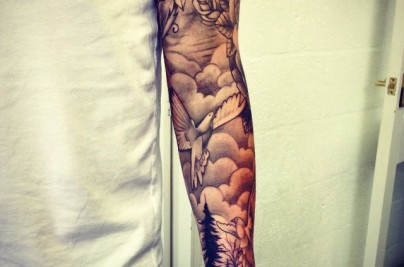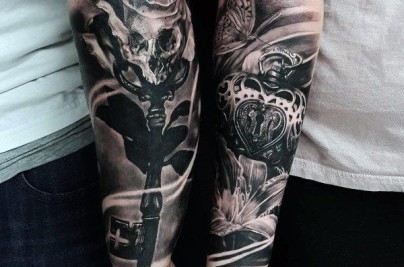
Modern oriental tattoos blend centuries-old Japanese artistic traditions with contemporary tattoo techniques, creating highly detailed, personalized designs that resonate with today’s collectors. From dragons and koi fish to phoenixes and samurai, these tattoos combine cultural symbolism, large-scale composition, and advanced shading methods to produce artwork that remains visually striking for decades.
Unlike many trend-driven tattoo styles, modern oriental tattoos are built around storytelling. Every element—from the direction a koi swims to the flowers surrounding a dragon—contributes to a larger narrative. Understanding these details before getting tattooed can significantly improve both the visual impact and personal meaning of the final piece.
What Is a Modern Oriental Tattoo?
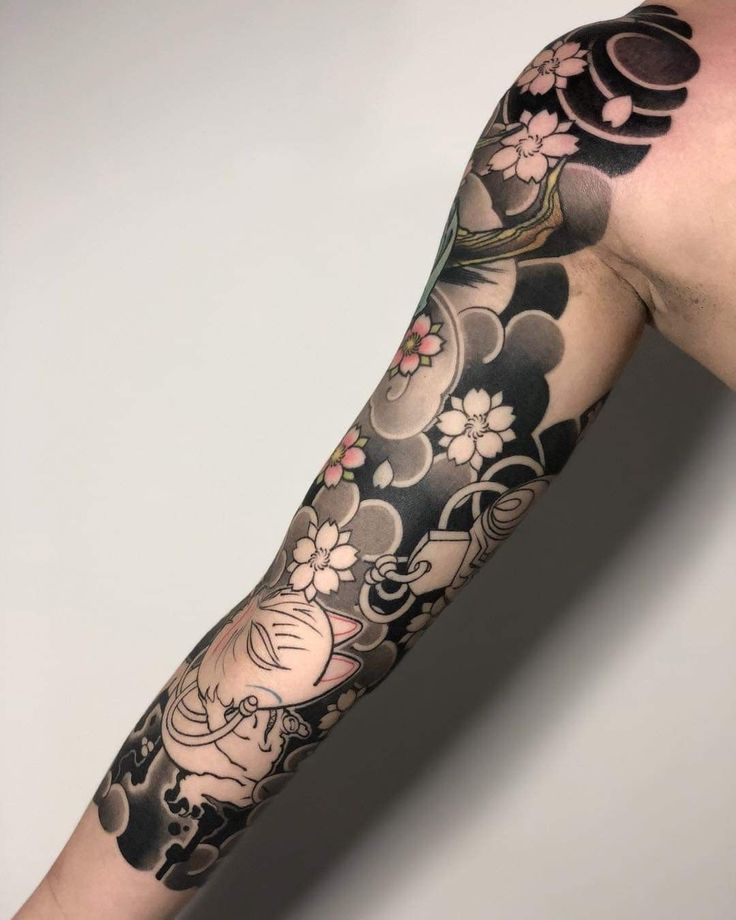
A modern oriental tattoo is a contemporary interpretation of traditional Japanese-inspired tattoo art that combines iconic symbols such as dragons, koi fish, phoenixes, samurai, and floral motifs with modern design principles, advanced shading techniques, and personalized storytelling. The result is artwork that preserves cultural symbolism while adapting to modern aesthetics and body placement preferences.
Although the term “oriental tattoo” remains widely used in tattoo communities, many artists today prefer terms such as “Japanese-inspired tattoo,” “modern Japanese tattoo,” or “neo-oriental tattoo.” Regardless of terminology, the defining characteristic is the fusion of traditional visual language with contemporary artistic execution.
Modern oriental tattoos often feature:
- Large-scale compositions designed for sleeves, backs, chests, or leg panels
- Dynamic movement created through wind bars, waves, clouds, and flowing backgrounds
- High-detail linework and smoother shading transitions
- Personalized symbolism tailored to the wearer’s life story
- Enhanced color palettes or sophisticated black-and-grey execution
How Modern Oriental Tattoos Differ From Traditional Irezumi
Traditional Irezumi follows strict compositional rules rooted in Japanese tattoo history, while modern oriental tattoos allow greater creative freedom, customized symbolism, and contemporary technical approaches. Modern designs often incorporate personal narratives, modern shading styles, and flexible body placement strategies without abandoning traditional visual foundations.
One of the most misunderstood aspects of Japanese-inspired tattooing is the assumption that all designs follow identical rules. In reality, traditional Irezumi emerged within specific historical and cultural contexts, often emphasizing full-body coverage and symbolic storytelling.
| Traditional Irezumi | Modern Oriental Tattoo |
|---|---|
| Historically structured compositions | Greater artistic flexibility |
| Traditional symbolic pairings | Customized symbolism |
| Conventional color palettes | Expanded color and shading options |
| Cultural preservation focus | Personal storytelling focus |
| Body suit traditions | Sleeves, panels, and standalone pieces |
Information Gain Insight: Many competitors fail to mention that modern oriental tattoos are often planned with aging considerations in mind. Contemporary artists frequently enlarge critical details and simplify certain background elements to ensure long-term readability after 10–20 years.
Why the Style Remains Popular Worldwide
Modern oriental tattoos remain popular because they combine timeless symbolism, powerful visual impact, and exceptional versatility. Few tattoo styles offer the same ability to create cohesive large-scale artwork while maintaining meaningful personal narratives and strong aesthetic balance.
Collectors are often drawn to the style because it offers:
- Rich symbolic depth
- Exceptional sleeve and back-piece potential
- Strong visual flow across the body
- High customization possibilities
- A balance between tradition and innovation
Professional tattoo artists frequently recommend Japanese-inspired compositions for large projects because the style naturally accommodates body contours, making it easier to create artwork that ages gracefully.
Common Myths About Oriental Tattoos
Many misconceptions surround modern oriental tattoos, including the belief that every symbol has a fixed meaning or that only people of Japanese heritage can wear them. In reality, symbolism is nuanced, and respectful appreciation differs significantly from cultural appropriation.
- Myth: Every dragon symbolizes the same thing.
Reality: Context, color, direction, and accompanying elements influence interpretation. - Myth: Oriental tattoos must be full sleeves.
Reality: Modern designs can be adapted to smaller placements. - Myth: Color tattoos always outperform black-and-grey versions.
Reality: Black-and-grey pieces often maintain clarity longer. - Myth: Symbolism is universal.
Reality: Cultural, regional, and artistic variations exist.
The History Behind Modern Oriental Tattoo Art
Modern oriental tattooing evolved from centuries of Japanese artistic traditions, particularly Irezumi and Ukiyo-e woodblock prints. Today’s artists preserve core visual themes while incorporating modern technology, improved pigments, advanced machines, and personalized storytelling techniques that appeal to contemporary collectors.
Understanding the history behind these tattoos helps prevent superficial design choices and allows collectors to appreciate the deeper artistic traditions that inspired modern interpretations.
Origins of Japanese Tattooing
Japanese tattooing has a complex history that includes spiritual symbolism, social identification, decorative body art, and later associations with criminal organizations. Modern oriental tattoos draw heavily from the artistic rather than criminal aspects of this heritage.
Historical Japanese tattooing evolved over centuries, with major developments occurring during the Edo period. During this era, elaborate body art became heavily influenced by folklore, literature, mythology, and heroic narratives.
Many of today’s most recognizable tattoo motifs—including dragons, warriors, koi fish, and mythical creatures—originated from stories and artworks popular during this period.
Influence of Ukiyo-e Art on Tattoo Design
Ukiyo-e woodblock prints significantly shaped modern oriental tattoo aesthetics by introducing dramatic compositions, flowing movement, powerful characters, and iconic visual storytelling techniques still used by tattoo artists today.
The influence is visible in:
- Bold outlines
- Dynamic movement
- Layered backgrounds
- Narrative scenes
- Stylized depictions of mythical creatures
Many contemporary tattoo artists actively study historical Ukiyo-e masters to better understand composition, balance, and visual storytelling.
“The strongest Japanese-inspired tattoos don’t simply copy old imagery—they understand the compositional principles behind it.”
How Contemporary Artists Reinterpreted Traditional Motifs
Modern tattoo artists preserve traditional symbolism while adapting designs to modern lifestyles, body types, aesthetic preferences, and long-term wear considerations. This balance between tradition and innovation defines the modern oriental tattoo movement.
For example:
- Dragons may feature more realistic anatomy and texture.
- Phoenix designs often incorporate contemporary color blending.
- Koi fish compositions frequently emphasize personal transformation stories.
- Traditional backgrounds may be simplified for cleaner visual flow.
Information Gain Insight: One overlooked trend is the rise of “hybrid narrative sleeves,” where traditional Japanese symbols are integrated into modern life experiences such as career achievements, personal recovery journeys, or family milestones while maintaining authentic visual language.
Core Symbols Used in Modern Oriental Tattoos
Modern oriental tattoos rely on symbolic imagery rooted in Japanese art, mythology, and folklore. Dragons, koi fish, phoenixes, tigers, samurai, and Hannya masks remain among the most requested motifs because they communicate powerful themes such as resilience, transformation, courage, wisdom, and personal growth.
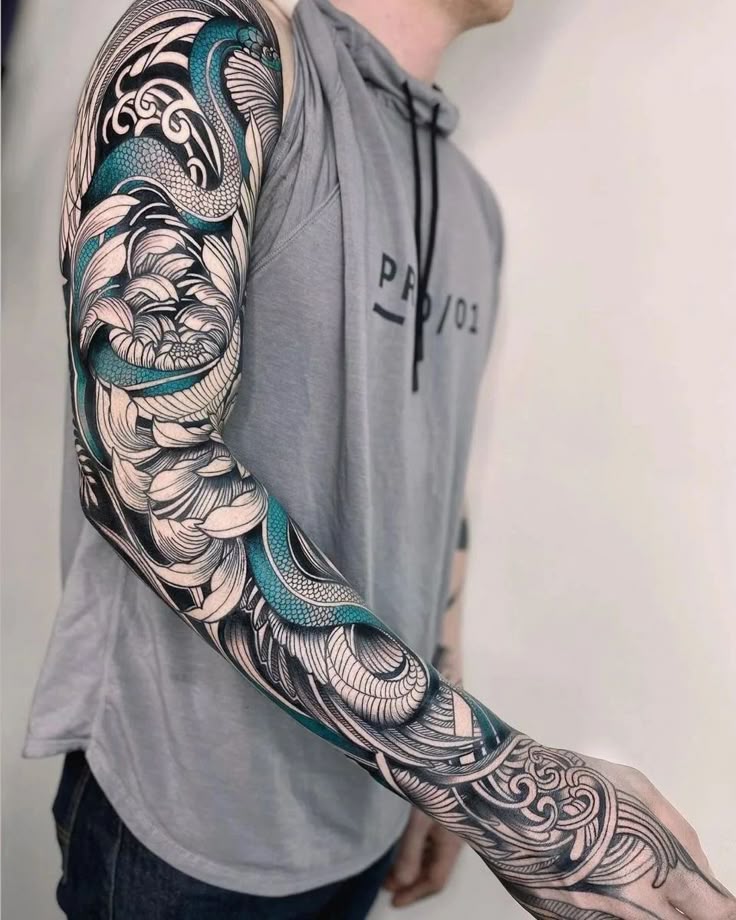
Choosing symbols based solely on appearance often leads to less meaningful designs. Experienced artists recommend understanding both historical symbolism and personal relevance before committing to a large-scale project.
Dragon Tattoos: Meaning, Power, and Protection
Dragon tattoos symbolize wisdom, strength, protection, balance, and mastery over adversity. Unlike many Western depictions, Japanese dragons are often viewed as benevolent, intelligent forces associated with natural elements and spiritual power.
The dragon remains one of the most requested subjects in modern oriental tattooing because it adapts exceptionally well to sleeves, back pieces, and chest panels.
Best Dragon Design Variations
- Ascending dragon for growth and ambition
- Coiled dragon for protection and control
- Cloud dragon for spiritual development
- Water dragon for adaptability and resilience
- Dragon-and-tiger compositions for balance
Placement Ideas for Dragon Tattoos
- Full sleeve for movement and flow
- Back piece for large-scale detail
- Chest panel for symmetry
- Leg sleeve for dynamic vertical composition
Expert Observation: Dragons age particularly well when scales, whiskers, and facial details are intentionally enlarged during the design phase. Tiny details often blur over time.
Koi Fish Tattoos: Perseverance and Transformation
Koi fish tattoos represent determination, perseverance, transformation, and overcoming obstacles. Their symbolism stems from legendary stories in which koi swim upstream against powerful currents before transforming into dragons.
This symbolism makes koi tattoos especially popular among individuals who have overcome significant personal or professional challenges.
Upstream vs Downstream Koi Symbolism
| Direction | Common Interpretation |
|---|---|
| Swimming Upstream | Currently overcoming challenges |
| Swimming Downstream | Achievement, peace, or completed transformation |
Sleeve Design Examples
- Single koi with water flow
- Koi transforming into dragon
- Dual koi balance composition
- Koi with lotus flower symbolism
Many collectors underestimate the importance of directional storytelling. Experienced Japanese-style artists frequently build entire sleeve narratives around the movement of a single koi.
Phoenix Tattoos: Rebirth and Renewal
Phoenix tattoos symbolize rebirth, resilience, renewal, and personal transformation. In modern oriental tattooing, phoenix imagery is often chosen by individuals marking major life transitions or significant personal growth.
Unlike aggressive motifs, the phoenix often conveys triumph through endurance rather than force. Its flowing feathers also create exceptional opportunities for large-scale compositions.
Common modern interpretations include:
- Recovery from hardship
- Major life reinvention
- Professional transformation
- Spiritual growth
- New beginnings
Tiger Tattoos: Courage and Balance
Tiger tattoos symbolize courage, protection, discipline, and mastery over fear. Within Japanese-inspired tattoo traditions, tigers often represent earthly power that balances the spiritual authority of dragons.
Many collectors choose tiger imagery because it combines visual aggression with disciplined strength. The motif works exceptionally well for shoulder caps, chest panels, and sleeves.
Samurai Tattoos: Honor and Discipline
Samurai tattoos represent loyalty, discipline, sacrifice, integrity, and personal responsibility. Modern interpretations often resonate with individuals who value resilience, leadership, and commitment to a guiding code of conduct.
Successful samurai designs require strong composition and historical accuracy. Poorly researched versions often appear generic and lose much of their symbolic impact.
Hannya Masks: Complex Emotional Symbolism
Hannya mask tattoos symbolize powerful emotions including jealousy, grief, obsession, loss, and personal transformation. Despite their intimidating appearance, they often communicate emotional complexity rather than simple negativity.
Modern artists frequently reinterpret Hannya imagery as a symbol of overcoming destructive emotions rather than being controlled by them.
Information Gain Insight: One of the most overlooked aspects of Hannya designs is their ability to represent emotional growth. The most sophisticated modern interpretations emphasize transformation and self-awareness rather than fear or aggression alone.
Floral Elements and Their Meanings
Floral motifs play a critical role in modern oriental tattoo compositions because they provide symbolic depth, visual balance, seasonal references, and narrative context. Their meanings often change depending on which primary subject they accompany.
Many tattoo collectors mistakenly treat flowers as decorative filler. In traditional Japanese-inspired design, flowers frequently carry symbolism equal to the main subject.
Lucky Tattoo, a professional tattoo artist, has over 10 years of experience in the art of tattooing in Ho Chi Minh City. Lucky Tattoo Studio was founded in 2014 by skilled and kind artists. All tattoos are provided in a clean, strictly controlled, and friendly environment.
Cherry Blossoms
Cherry blossom tattoos symbolize impermanence, beauty, renewal, and the fleeting nature of life. In Japanese-inspired tattooing, sakura often remind the wearer to appreciate the present while recognizing that change is inevitable.
Cherry blossoms are frequently paired with:
- Samurai designs to symbolize honor and mortality
- Phoenix compositions to reinforce rebirth themes
- Koi fish to emphasize personal transformation
- Dragons to soften powerful imagery with philosophical balance
Experienced artists often use cherry blossoms strategically to guide visual flow throughout sleeves and back pieces.
Peonies
Peony tattoos symbolize prosperity, courage, abundance, and noble character. Often called the “King of Flowers,” peonies provide both visual richness and symbolic depth in large-scale oriental compositions.
Peonies are particularly effective when combined with:
- Tigers
- Dragons
- Samurai warriors
- Traditional Japanese landscapes
Many collectors overlook the fact that peonies can balance aggressive motifs, creating a more sophisticated and harmonious composition.
Chrysanthemums
Chrysanthemum tattoos represent longevity, nobility, perseverance, and vitality. Their connection to Japanese culture makes them one of the most authentic floral choices for traditional and modern oriental tattoo designs.
Their layered petals create excellent opportunities for detailed shading and visual contrast.
Lotus Flowers
Lotus flower tattoos symbolize spiritual growth, enlightenment, resilience, and rising above adversity. Their ability to emerge clean from muddy waters makes them powerful symbols of personal development.
Modern artists frequently integrate lotus flowers into:
- Koi fish sleeves
- Water-themed back pieces
- Black-and-grey compositions
- Transformation-focused narratives
Combining Flowers With Dragons, Koi, and Phoenix Designs
Combining floral elements with major Japanese-inspired motifs creates deeper symbolic narratives and stronger visual balance. Strategic pairings help transform a beautiful tattoo into a meaningful personal story.
| Main Symbol | Recommended Floral Pairing | Combined Meaning |
|---|---|---|
| Dragon | Peony | Power balanced by prosperity |
| Koi Fish | Lotus | Transformation and growth |
| Phoenix | Cherry Blossom | Renewal and impermanence |
| Tiger | Chrysanthemum | Strength and longevity |
Modern Oriental Tattoo Styles Explained
Modern oriental tattooing includes several distinct artistic approaches ranging from traditional Japanese execution to highly contemporary interpretations. Understanding these differences helps collectors choose a style aligned with their aesthetic goals, symbolism preferences, and long-term expectations.
Traditional Japanese Style
Traditional Japanese tattooing emphasizes historical symbolism, balanced composition, bold linework, and established design conventions. It prioritizes authenticity and visual storytelling rooted in centuries of artistic tradition.
This style typically features:
- Classic color palettes
- Traditional backgrounds
- Established symbolic relationships
- Strong compositional rules
Neo-Japanese Style
Neo-Japanese tattooing expands upon traditional foundations by incorporating modern artistic influences, richer color gradients, realistic textures, and contemporary design flexibility while maintaining recognizable Japanese motifs.
This style often appeals to collectors seeking a balance between tradition and innovation.
Modern Oriental Style
Modern oriental tattoos prioritize personal storytelling, customized symbolism, advanced shading, and individualized compositions while drawing inspiration from Japanese visual language rather than strictly following historical conventions.
Information Gain Insight: Many of today’s most respected artists create hybrid designs that blend Japanese composition principles with realism, illustrative techniques, and fine-line detailing.
Black-and-Grey Oriental Tattoos
Black-and-grey oriental tattoos offer timeless aesthetics, strong longevity, and exceptional visual depth. Many experienced artists recommend black-and-grey work for large projects because it often maintains readability better over decades.
Advantages include:
- Excellent aging characteristics
- Lower risk of color fading
- Sophisticated visual appearance
- Strong contrast potential
Color-Oriented Contemporary Designs
Color-focused oriental tattoos create dramatic visual impact through vibrant pigments, layered shading, and enhanced storytelling. When executed correctly, color can amplify symbolism and composition.
However, collectors should understand that highly saturated colors may require more maintenance and touch-ups over time.
Best Placement Ideas for Modern Oriental Tattoos
Placement significantly affects visual flow, symbolism, longevity, and future expansion possibilities. The best placement depends on design complexity, body anatomy, lifestyle considerations, and long-term tattoo goals.
Full Sleeve Tattoos
Full sleeves remain the most popular placement for modern oriental tattoos because they allow extensive storytelling, balanced composition, and seamless integration of multiple symbolic elements.
Ideal subjects include:
- Dragons
- Koi fish narratives
- Samurai scenes
- Phoenix compositions
Half Sleeves
Half sleeves provide many of the visual benefits of full sleeves while requiring less time, budget, and commitment. They are excellent entry points into large-scale Japanese-inspired tattooing.
Back Pieces
Back pieces offer the largest uninterrupted canvas available on the body, making them ideal for highly detailed dragons, mythological scenes, and narrative compositions.
Many master artists consider the back the ultimate location for Japanese-inspired artwork.
Chest Panels
Chest panels create powerful focal points and often serve as central elements connecting larger body projects. Dragons, tigers, and phoenixes are especially effective in this placement.
Leg Sleeves
Leg sleeves provide substantial space while offering greater flexibility for concealment. They have become increasingly popular among professionals seeking large-scale artwork with workplace discretion.
Smaller Modern Oriental Designs
Smaller oriental tattoos can successfully incorporate traditional symbolism when designed thoughtfully. However, overly complex subjects often lose clarity when reduced excessively.
Expert Recommendation: Simplify backgrounds and prioritize one dominant symbol for small-scale designs.
How to Design a Cohesive Oriental Tattoo Sleeve
Creating a successful oriental tattoo sleeve requires strategic planning, consistent symbolism, strong visual flow, and collaboration with an experienced artist. The best sleeves function as complete narratives rather than collections of unrelated images.
Choosing a Central Theme
Selecting a central theme establishes direction for every design decision. Themes such as perseverance, transformation, protection, honor, or renewal help create cohesive storytelling.
Ask yourself:
- What life experience am I representing?
- Which symbols best support that story?
- Will this meaning remain relevant decades from now?
Creating Visual Flow Across the Body
Visual flow ensures that every element guides the eye naturally through the composition. Water, clouds, wind bars, and floral motifs often act as connectors between primary subjects.
One of the biggest mistakes collectors make is approving designs that look impressive individually but fail to function cohesively together.
Balancing Main and Secondary Elements
Strong sleeve designs prioritize hierarchy. Main subjects should command attention while supporting elements enhance narrative depth without creating visual clutter.
| Primary Elements | Supporting Elements |
|---|---|
| Dragon | Clouds, peonies, waves |
| Koi Fish | Water flow, lotus flowers |
| Phoenix | Cherry blossoms, flames |
| Samurai | Armor details, seasonal imagery |
Real Client Case Study Example
A collector who overcame major career setbacks chose an upstream koi sleeve transitioning into a dragon across the shoulder. The design represented perseverance evolving into achievement, with lotus flowers symbolizing personal growth throughout the process.
This narrative-driven approach created far greater long-term satisfaction than selecting imagery solely for aesthetics.
Modern Tattoo Techniques Transforming Oriental Designs
Advances in tattoo technology have significantly expanded creative possibilities within oriental tattooing. Modern machines, digital design workflows, refined pigments, and innovative shading methods allow artists to achieve levels of detail previously impossible.
Digital Tattoo Concept Development
Digital design tools enable artists to refine compositions, improve body flow, and preview large-scale projects before tattooing begins. This process reduces costly revisions and improves long-term outcomes.
Many leading artists now spend dozens of hours digitally refining sleeves before the first session.
Fine-Line Enhancements
Fine-line techniques allow subtle details and texture work that complement traditional Japanese-inspired structures. However, excessive reliance on ultra-fine details may negatively impact aging.
Expert Recommendation: Use fine-line elements selectively rather than as primary structural components.
Advanced Black-and-Grey Shading
Modern shading techniques create smoother gradients, stronger depth perception, and enhanced dimensionality. Black-and-grey oriental tattoos increasingly rival color work in visual impact.
Contemporary Color Blending Techniques
Modern pigment technology allows smoother transitions, richer saturation, and more dynamic visual effects. Contemporary artists can create dramatic depth while preserving traditional aesthetics.
AI-Assisted Tattoo Design Trends
AI-assisted design tools are increasingly used for brainstorming concepts, generating references, and exploring composition ideas. However, professional artistic interpretation remains essential for successful tattoo execution.
Information Gain Insight: AI-generated concepts often fail to account for skin movement, aging, anatomical flow, and technical tattoo limitations. Experienced artists must still adapt concepts for real-world application.
Cultural Respect and Symbolism Accuracy
Respectful engagement with Japanese-inspired tattooing requires understanding symbolism, historical context, and artistic traditions. Cultural appreciation focuses on learning and honoring traditions rather than superficially copying imagery.
Understanding Japanese Cultural Context
Understanding historical origins helps collectors make informed design choices and avoid unintended symbolism. Researching motifs before tattooing demonstrates respect for the traditions that inspired them.
Cultural Appreciation vs Appropriation
Cultural appreciation involves learning, understanding, and respectfully engaging with traditions, while appropriation often involves misuse, misrepresentation, or commercialization without context.
Practical guideline:
- Research symbols thoroughly
- Work with knowledgeable artists
- Avoid mixing conflicting symbolism without understanding
- Respect historical context
Questions to Ask Your Tattoo Artist
Asking informed questions helps ensure symbolism accuracy, design quality, and long-term satisfaction.
- What does this symbol traditionally represent?
- How will this design age over time?
- Is this composition historically appropriate?
- How can we improve narrative consistency?
- What future expansion options exist?
Frequently Asked Questions About Modern Oriental Tattoos
What is the difference between a modern oriental tattoo and a traditional Japanese tattoo?
Modern oriental tattoos allow greater creative flexibility, personalized symbolism, and contemporary techniques, while traditional Japanese tattoos follow stricter historical conventions and compositional rules.
Are modern oriental tattoos suitable for first-time tattoo collectors?
Yes. Many first-time collectors begin with smaller Japanese-inspired pieces before expanding into sleeves or larger projects as their understanding and commitment grow.
How much does a full modern oriental sleeve cost?
Costs vary by artist reputation, location, complexity, and session length. High-quality sleeves often require significant investment because they can take dozens of hours to complete.
Which oriental tattoo symbols age the best?
Large dragons, koi fish, tigers, and black-and-grey compositions generally age exceptionally well due to strong contrast and larger design elements.
Can I combine multiple Japanese symbols in one sleeve?
Yes, but successful combinations require thoughtful composition and symbolic consistency. An experienced artist can help create a cohesive narrative.
Do color oriental tattoos fade faster than black-and-grey tattoos?
Color tattoos may show fading more visibly over time, particularly with sun exposure. Proper aftercare and sun protection significantly improve longevity.
How long does it take to complete a full oriental sleeve?
Most sleeves require multiple sessions spread across several months. Highly detailed projects may take considerably longer depending on complexity and healing schedules.
What should I look for in a Japanese-style tattoo artist?
Review healed work, large-scale compositions, consistency, understanding of symbolism, and long-term aging examples rather than relying solely on fresh tattoo photos.
Expert Takeaways: How to Create a Timeless Modern Oriental Tattoo
Modern oriental tattoos remain among the most respected and enduring tattoo styles because they combine artistic sophistication, cultural depth, powerful symbolism, and exceptional visual flow. The most successful designs balance personal meaning with proven compositional principles developed through generations of Japanese-inspired artistry.
Collectors who invest time in understanding symbolism, selecting experienced artists, planning cohesive narratives, and prioritizing long-term readability consistently achieve better outcomes than those who focus exclusively on visual trends.
- Choose symbols with lasting personal significance.
- Prioritize composition over isolated imagery.
- Work with artists experienced in Japanese-inspired tattooing.
- Consider aging during the design process.
- Research cultural context and symbolism carefully.
- Build sleeves and large projects around clear narratives.
- Protect finished tattoos through proper aftercare and sun protection.
The strongest modern oriental tattoos are not simply collections of beautiful images—they are visual stories that continue to hold meaning, clarity, and artistic value decades after the final session is complete.