A blackwork tattoo cover up is one of the most effective ways to conceal an unwanted tattoo using solid black ink, geometric patterns, negative space, and strategic design placement. Unlike traditional cover-ups that attempt to disguise old ink with new colors, blackwork uses contrast, saturation, and visual redirection to create a completely new piece of body art.
For many people, cover-up decisions happen years after the original tattoo. Personal tastes evolve, tattoos age poorly, relationships end, and rushed decisions become permanent reminders. While laser removal remains an option, blackwork cover-ups have become increasingly popular because they can transform heavily saturated tattoos that would otherwise require multiple expensive laser sessions.
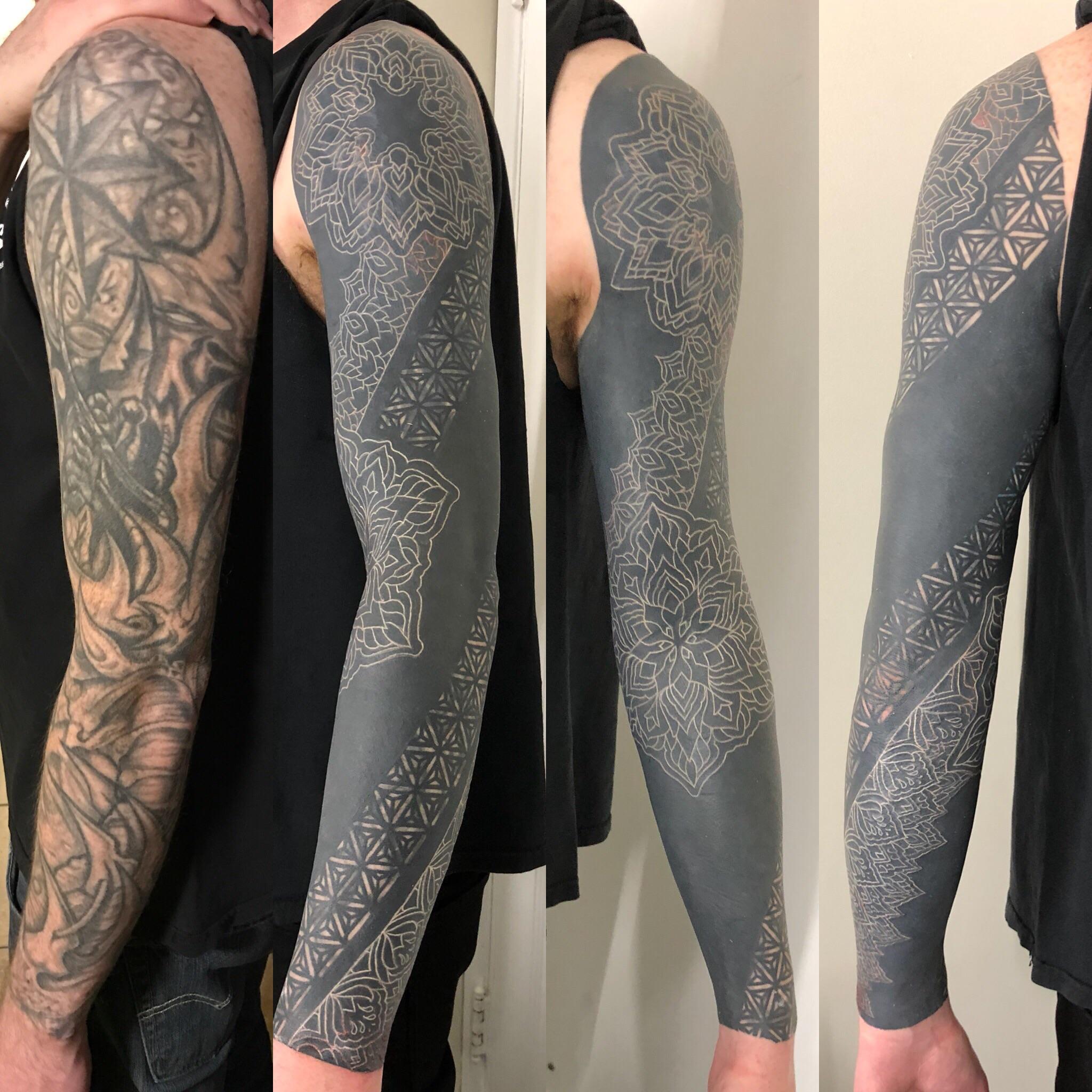
The key to a successful blackwork cover-up is understanding when it works, when it doesn’t, and how to choose a design that will still look intentional and aesthetically pleasing decades from now.
What Is a Blackwork Tattoo Cover Up and How Does It Work?
A blackwork tattoo cover up uses dense black ink, bold patterns, strategic shading, and negative space to conceal an existing tattoo. Because black pigment provides the highest level of visual dominance, it can effectively obscure older tattoos that would be difficult or impossible to hide with lighter colors.
At its core, blackwork cover-up tattooing relies on a simple principle: darker pigment dominates lighter pigment. However, successful cover-up work involves far more than simply packing black ink over an existing tattoo.
Experienced artists evaluate:
- Original tattoo size and placement
- Ink density and saturation levels
- Color composition
- Skin condition and scar tissue
- Client’s long-term aesthetic goals
- Available space for expansion
One misconception frequently repeated online is that blackwork simply means covering everything with a solid black shape. In reality, modern blackwork incorporates sophisticated design techniques that allow artists to create visually dynamic pieces while hiding underlying tattoos.
Many of today’s best cover-up artists use layered geometric structures, ornamental elements, dotwork, abstract patterns, and negative space to distract the eye from the original tattoo rather than relying solely on full blackout saturation.
Expert observation: The most successful blackwork cover-ups are often those where viewers cannot tell a cover-up was performed at all. The goal isn’t merely concealment—it’s creating a tattoo that feels intentionally designed from the beginning.
The Difference Between Blackwork, Blackout, and Traditional Cover-Ups
Blackwork, blackout, and traditional cover-up tattoos are often confused, but they serve different purposes. Blackwork uses artistic black ink designs, blackout tattoos use large areas of solid black saturation, and traditional cover-ups rely on larger designs and color manipulation to hide existing tattoos.
| Method | Primary Goal | Best For | Visual Style |
|---|---|---|---|
| Blackwork Cover-Up | Conceal while creating art | Medium to large unwanted tattoos | Geometric, ornamental, abstract |
| Blackout Tattoo | Maximum concealment | Very dark or heavily layered tattoos | Solid black coverage |
| Traditional Cover-Up | Mask old tattoo with new design | Lighter existing tattoos | Color-based imagery |
Many clients mistakenly assume blackout tattoos are their only option when dealing with a dark or heavily saturated tattoo. In practice, a skilled blackwork specialist can often achieve concealment using creative design structures that preserve visual interest while avoiding massive blocks of black ink.
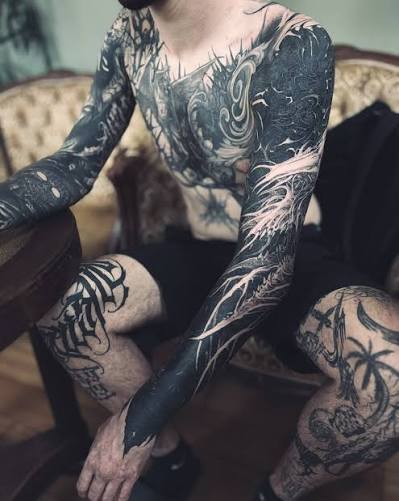
Why Blackwork Conceals Old Tattoos More Effectively
Blackwork cover-ups are highly effective because black pigment offers the strongest visual dominance over existing tattoo ink. Strategic patterning, contrast management, and negative space further reduce visibility of the original tattoo underneath the new design.
Tattoo pigments behave differently beneath the skin depending on their color and concentration. Light colors such as yellow and pastel tones are relatively easy to conceal. Deep blues, greens, reds, and black pigments present greater challenges.
Blackwork succeeds because:
- Black ink creates maximum contrast against skin
- Dense shading obscures underlying shapes
- Patterns disrupt recognition of old tattoo lines
- Negative space redirects visual attention
- Larger compositions integrate concealment naturally
Professional cover-up artists often describe concealment as a visual illusion rather than a simple layering process. The goal is to prevent the eye from recognizing the old design, even if trace elements technically remain beneath the new tattoo.
When Is a Blackwork Tattoo Cover Up the Best Choice?
A blackwork tattoo cover up is typically the best option when an existing tattoo is dark, heavily saturated, layered with previous cover-ups, or difficult to conceal using conventional color-based designs. The suitability depends on tattoo density, placement, and future design goals.
Not every unwanted tattoo requires blackwork. In fact, one of the biggest mistakes people make is assuming blackwork should be their first option before exploring alternatives.
The best candidates are individuals who:
- Prefer bold contemporary aesthetics
- Have dark or aging tattoos
- Want long-lasting concealment
- Have realistic expectations about size expansion
- Understand the permanence of heavy black ink
Before committing, clients should think beyond immediate concealment. Future flexibility matters. A tattoo covered with extensive black saturation may significantly limit future modification options.
Tattoos That Are Ideal Candidates for Blackwork
Blackwork performs exceptionally well on dark tattoos, outdated tribal pieces, faded sleeves, multiple overlapping tattoos, and failed cover-ups. These situations often require stronger visual dominance than traditional cover-up methods can provide.
Examples frequently seen in professional studios include:
- Old tribal tattoos from the 1990s and early 2000s
- Lettering tattoos with thick outlines
- Dark sleeve projects left unfinished
- Multiple small tattoos clustered together
- Poorly executed cover-up attempts
- Highly saturated black-and-gray work
Real-world scenario:
A client with three overlapping forearm tattoos may spend thousands on laser removal or choose a single cohesive blackwork sleeve that transforms fragmented artwork into a unified composition. In many cases, the latter provides a faster and more aesthetically satisfying outcome.
Situations Where Blackwork May Not Be the Best Option
Blackwork is not always the ideal solution. Light tattoos, small designs, clients seeking delicate aesthetics, or individuals uncertain about long-term commitment to heavy black ink may achieve better outcomes through alternative approaches.
Warning signs that blackwork may not be appropriate include:
- You dislike large areas of black ink
- You want maximum future design flexibility
- Your existing tattoo is already lightly faded
- You prefer realism or colorful tattoo styles
- You have significant scar tissue in the area
Another overlooked factor is body placement. Blackwork often appears strongest on arms, legs, chest, and back. Smaller areas such as wrists, ankles, or fingers may not provide sufficient space for complex concealment strategies.
Clients should also understand that blackwork creates visual weight. A design that looks impressive on a shoulder may feel overwhelming on a smaller body area.
The Blackwork Decision Matrix: Cover-Up, Rework, Laser, or Blackout?
The best solution depends on the condition of the existing tattoo, your aesthetic goals, budget, and willingness to undergo multiple procedures. Evaluating these factors systematically can prevent expensive mistakes.
| Situation | Recommended Solution |
|---|---|
| Light faded tattoo | Traditional cover-up or rework |
| Medium saturation tattoo | Blackwork cover-up |
| Very dark tattoo | Laser fading plus blackwork |
| Multiple failed cover-ups | Blackout or advanced blackwork |
| Unsure about heavy black ink | Laser consultation first |
Information gain insight: Many elite cover-up artists now recommend one to three laser fading sessions before blackwork. This hybrid approach often produces superior results because it reduces pigment density, giving artists more creative freedom and reducing the amount of black saturation required.
What Types of Designs Work Best for Blackwork Cover-Ups?
Geometric patterns, ornamental motifs, negative space compositions, tribal-inspired structures, and abstract blackwork designs consistently perform best because they naturally disguise old tattoo lines while maintaining visual balance and artistic depth.
Design selection is arguably more important than the tattooing process itself. The strongest cover-up designs are built around concealment principles from the beginning rather than attempting to force an existing concept over problematic tattoo remnants.
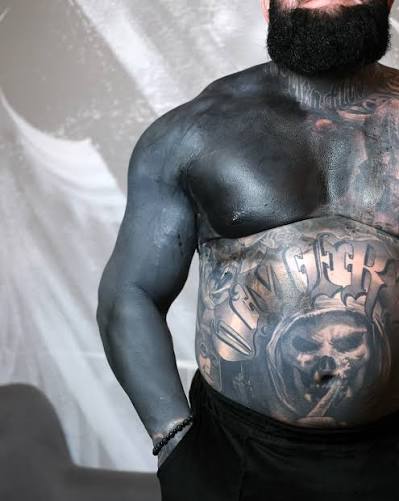
Geometric Patterns and Mandalas
Geometric blackwork and mandala designs are among the most effective cover-up solutions because repeating structures naturally camouflage underlying shapes while creating a cohesive, intentional appearance.
The strength of geometric designs lies in their complexity. The eye focuses on symmetry, repetition, and pattern flow rather than searching for remnants of the original tattoo.
Benefits include:
- Excellent concealment flexibility
- Adaptable sizing
- Timeless visual appeal
- Natural integration with sleeves
- Strong aging characteristics
Many experienced artists intentionally place denser geometric structures over the darkest portions of an old tattoo while allowing lighter areas to breathe through negative space.
Negative Space Techniques
Negative space blackwork uses untouched skin as a design element, creating contrast that reduces the need for complete black saturation. This approach often produces more sophisticated and visually balanced cover-ups than traditional blackout methods.
One of the biggest misconceptions about blackwork is that more black automatically means better concealment. In reality, strategic negative space frequently creates stronger visual impact while reducing tattoo fatigue and preserving skin visibility.
Advanced negative-space techniques can:
- Create depth and dimension
- Reduce visual heaviness
- Improve long-term aesthetics
- Enhance readability of large pieces
- Allow better integration with future work
Modern blackwork specialists increasingly favor this approach because it combines effective concealment with high-end artistic presentation.
How Much Does a Blackwork Tattoo Cover Up Cost?
Lucky Tattoo, a professional tattoo artist, has over 10 years of experience in the art of tattooing in Ho Chi Minh City. Lucky Tattoo Studio was founded in 2014 by skilled and kind artists. All tattoos are provided in a clean, strictly controlled, and friendly environment.
One of the most common mistakes clients make is comparing cover-up pricing to the cost of a brand-new tattoo. Cover-ups require significantly more planning, stencil development, pigment management, and technical execution.
Highly experienced cover-up artists often spend hours preparing a design before the first needle touches the skin.
Cost Factors That Affect Pricing
Several variables influence the final price of a blackwork cover-up. Understanding these factors helps clients budget realistically and avoid choosing an artist based solely on cost.
Tattoo Size
Larger tattoos require more design coverage and additional sessions. Most successful cover-ups expand beyond the boundaries of the original tattoo to achieve natural visual integration.
Ink Density
Heavily saturated tattoos are more difficult to conceal than faded tattoos. Dense black, dark blue, and green pigments often require more extensive blackwork solutions.
Artist Experience
Cover-up specialists generally charge premium rates because concealment requires advanced technical knowledge. A poorly executed cover-up can significantly limit future correction options.
Geographic Location
Pricing varies widely between regions, major cities, and high-demand tattoo studios. Established artists with waiting lists often command substantially higher rates.
| Project Type | Typical Cost Range |
|---|---|
| Small Cover-Up | $200–$800 |
| Medium Blackwork Piece | $800–$2,000 |
| Large Sleeve Cover-Up | $2,000–$6,000+ |
| Laser + Blackwork Project | $3,000–$10,000+ |
Expert recommendation: Choosing an artist solely because they offer the lowest quote is one of the leading causes of failed cover-ups. The cost of correcting a poor cover-up often exceeds the cost of doing it correctly the first time.
What Is the Healing Process Like?
Blackwork tattoo cover-ups generally heal similarly to traditional tattoos, although larger saturated areas may experience more peeling, tenderness, and recovery time. Proper aftercare significantly affects final appearance, pigment retention, and long-term skin health.
Healing is often overlooked during the consultation process, yet it plays a major role in the final outcome. Dense black saturation places greater demands on the skin compared to lighter linework tattoos.
Healing Timeline Week by Week
Most blackwork cover-ups follow a predictable healing schedule, although individual recovery varies based on skin type, tattoo size, health conditions, and aftercare compliance.
- Days 1–3: Redness, swelling, mild tenderness.
- Days 4–10: Peeling and flaking begin.
- Days 10–21: Surface healing continues.
- Weeks 4–6: Outer skin appears largely healed.
- Months 2–3: Deeper skin recovery and pigment stabilization.
Large blackout sections may appear cloudy or uneven during healing. This is often temporary and should not be mistaken for tattoo failure.
Aftercare Best Practices
Effective aftercare reduces infection risk, improves healing quality, and helps preserve black pigment saturation. Consistency matters more than expensive aftercare products.
- Follow your artist’s cleaning instructions exactly.
- Avoid direct sun exposure.
- Do not pick scabs or peeling skin.
- Stay hydrated.
- Avoid swimming pools and hot tubs during healing.
- Wear loose-fitting clothing over large pieces.
Dermatology experts consistently emphasize that excessive moisture can be as problematic as insufficient moisturization. Thin layers are usually preferable to heavy ointment application.
Common Healing Mistakes to Avoid
Many tattoo complications result from preventable aftercare errors. Recognizing these mistakes early can protect both your skin and your investment.
- Over-moisturizing the tattoo
- Scratching peeling skin
- Ignoring signs of infection
- Excessive gym activity immediately after tattooing
- Prolonged UV exposure
- Using non-approved skincare products
Warning signs requiring medical attention may include severe swelling, unusual discharge, spreading redness, fever, or persistent pain.
How to Choose the Right Blackwork Cover-Up Artist
Selecting the right artist is often more important than selecting the design itself. An experienced blackwork cover-up specialist understands concealment strategy, pigment behavior, composition planning, and long-term tattoo aging.
The difference between an average tattoo artist and a dedicated cover-up specialist can dramatically impact your results.
Portfolio Red Flags Most Clients Miss
A portfolio can reveal whether an artist truly specializes in cover-up work. Many clients focus only on finished tattoos and overlook important indicators of technical skill.
Watch for these warning signs:
- No healed cover-up examples
- Only fresh tattoo photos
- Lack of before-and-after comparisons
- Heavy photo editing or filters
- Poor line consistency
- Limited blackwork experience
Information Gain Insight: The most trustworthy cover-up artists often showcase healed results six months to several years after completion. These images provide a more realistic representation of long-term outcomes than fresh tattoos.
Questions to Ask During a Consultation
Asking detailed questions helps determine whether an artist has the experience required for complex concealment projects. Consultations should focus on strategy rather than aesthetics alone.
- Have you completed similar cover-ups?
- Can I see healed examples?
- Do you recommend laser fading first?
- How much expansion will be required?
- How many sessions should I expect?
- What risks should I be aware of?
Signs of a Skilled Cover-Up Specialist
Experienced cover-up artists prioritize planning, transparency, and realistic expectations. They focus on solving the tattoo problem rather than promising impossible results.
- Provides honest limitations
- Offers multiple design solutions
- Shows healed portfolio examples
- Understands laser-assisted cover-ups
- Explains long-term aging considerations
- Uses consultation-driven design planning
Professional observation: If an artist immediately guarantees complete concealment without evaluating your existing tattoo, consider that a potential red flag.
Real Blackwork Tattoo Cover-Up Examples and Outcomes
Real-world examples help demonstrate how blackwork cover-ups solve different tattoo challenges. Outcomes vary based on tattoo age, pigment density, placement, and the chosen design strategy.
Small Name Tattoo Transformation
Names and lettering are among the easiest tattoos to conceal using blackwork. Geometric shapes, ornamental motifs, and botanical blackwork designs can often hide text completely.
In many cases, a cover-up only needs to be 30–50% larger than the original tattoo to achieve effective concealment.
Failed Sleeve Cover-Up Project
Layered cover-ups present unique challenges because multiple generations of ink may exist beneath the skin. Blackwork often provides one of the few viable solutions.
Artists frequently combine negative space and strategic saturation to break up dense areas while maintaining visual flow throughout the sleeve.
Laser-Assisted Blackwork Success Story
Combining laser fading with blackwork often produces superior aesthetic outcomes. Reducing pigment density before tattooing expands design possibilities and minimizes excessive black saturation.
Clients who invest in several fading sessions may gain significantly more flexibility in the final composition.
Pros and Cons of Blackwork Tattoo Cover-Ups
Blackwork cover-ups offer exceptional concealment capabilities but are not the right solution for every person or tattoo. Evaluating both benefits and limitations leads to more informed decisions.
Advantages
Blackwork remains one of the most versatile and reliable cover-up methods available when executed by an experienced artist.
- Excellent concealment power
- Works on dark tattoos
- Long-lasting visual impact
- Modern artistic styles available
- Can replace multiple unwanted tattoos
- Compatible with laser-assisted approaches
Limitations
Despite its strengths, blackwork introduces trade-offs that should be considered carefully before committing.
- Reduced future modification options
- Larger design footprint
- Potentially higher costs
- Longer tattoo sessions
- Not suitable for every aesthetic preference
- May require laser preparation
Frequently Asked Questions About Blackwork Tattoo Cover Ups
Can a blackwork tattoo cover up any existing tattoo?
No. While blackwork can conceal many difficult tattoos, extremely large, dense, or layered tattoos may benefit from laser fading before the cover-up process begins.
Do I need laser tattoo removal before a blackwork cover-up?
Not always. However, partial laser fading often improves final results by reducing pigment density and increasing design flexibility.
How much does a blackwork tattoo cover up typically cost?
Costs commonly range from a few hundred dollars for small projects to several thousand dollars for large sleeves or complex transformations.
Are blackwork cover-up tattoos more painful than regular tattoos?
Large saturated black areas may feel more intense because the artist spends longer packing pigment into the skin. Pain tolerance varies significantly between individuals.
How long does a blackwork tattoo cover up take to heal?
Most surface healing occurs within two to six weeks, although deeper skin recovery and pigment stabilization may continue for several months.
What is the difference between a blackwork cover-up and a blackout tattoo?
Blackwork uses artistic designs and patterns, while blackout tattoos rely primarily on solid black coverage. Both can conceal old tattoos, but they create different visual outcomes.
Will a blackwork tattoo cover up fade over time?
Yes. Like all tattoos, blackwork fades gradually. Proper aftercare and sun protection help preserve contrast and detail.
How do I choose the best artist for a blackwork tattoo cover-up?
Review healed cover-up examples, verify experience with concealment projects, evaluate consultation quality, and look for evidence of long-term successful results.
Expert Verdict: Is a Blackwork Tattoo Cover Up Worth It?
A blackwork tattoo cover up is often the most effective solution for concealing unwanted, dark, or heavily saturated tattoos. When designed strategically and executed by an experienced specialist, it can transform problematic ink into a cohesive, visually compelling piece of body art.
The most successful outcomes occur when clients focus on long-term aesthetics rather than immediate concealment. Understanding design limitations, considering laser-assisted options, and choosing an artist with proven cover-up expertise can dramatically improve results.
Ultimately, blackwork is not simply about hiding a tattoo. It is about replacing a regretted decision with artwork that feels intentional, meaningful, and capable of aging gracefully over time.
Key Takeaways Before Booking Your Consultation
Blackwork cover-ups work best when approached strategically. Evaluate your tattoo honestly, consult experienced specialists, consider laser fading when appropriate, and prioritize healed portfolio examples over social media trends.
- Not every tattoo requires a blackout solution.
- Laser fading can improve many cover-up outcomes.
- Negative space techniques often outperform full saturation.
- Artist selection is the single most important factor.
- Long-term aesthetics should guide design decisions.
- Realistic expectations produce better satisfaction rates.