A travel tattoo can become a lasting reminder of a destination, adventure, or personal milestone. However, timing matters far more than most travelers realize. A fresh tattoo is essentially a controlled skin wound, and exposing it to long flights, intense sunlight, ocean water, swimming pools, hiking conditions, or tropical humidity can significantly affect healing outcomes.
Many people focus on tattoo design and artist selection while overlooking the practical realities of recovery. The result is often unnecessary discomfort, delayed healing, increased infection risk, or premature fading. Understanding when to schedule your tattoo relative to your travel plans can help protect both your health and your investment.
In this guide, you’ll learn exactly when to get tattooed before a trip, when waiting until after travel is the better option, and how different types of vacations influence tattoo healing. You’ll also discover a practical decision framework used by experienced travelers and tattoo professionals to avoid common mistakes.
What Is the Best Time to Get a Travel Tattoo?
The best time to get a travel tattoo is typically four to six weeks before departure or immediately after returning home. This timeframe allows the skin to complete the most vulnerable healing stages before exposure to flights, sunlight, swimming, excessive sweating, and other travel-related stressors that can compromise recovery.
Professional tattoo artists consistently recommend planning ahead rather than squeezing an appointment into the days before a vacation. While a tattoo may look healed on the surface within a few weeks, the deeper layers of skin continue repairing themselves long after visible peeling stops.
For most travelers, there are three realistic timing options:
- 4–6 weeks before travel: Generally the safest option.
- During travel: Can work in specific situations but requires careful planning.
- After returning home: Often the lowest-risk choice for beach vacations and adventure travel.
One overlooked factor is that the ideal timing depends heavily on your destination. A business trip to a major city presents far fewer healing challenges than a tropical island vacation filled with swimming, snorkeling, and sun exposure.
The Short Answer: Why 4–6 Weeks Before Travel Works Best
Getting tattooed four to six weeks before departure provides enough time for surface healing, minimizes exposure to common travel risks, and allows travelers to enjoy their trip without worrying about strict aftercare requirements.
During the first few days after tattooing, the skin remains highly vulnerable. Redness, swelling, plasma leakage, and tenderness are completely normal. Between days three and fourteen, peeling and itching become common as the body replaces damaged skin cells.
By week four, most tattoos have completed the visible healing process. Although deeper tissue repair continues, the tattoo is generally much better equipped to handle normal travel activities.
Experienced artists frequently observe that clients who schedule tattoos at least one month before travel report fewer complications, less discomfort during flights, and better long-term color retention.
Expert observation: The majority of tattoo healing problems reported during vacations are linked to tattoos that were completed less than two weeks before departure.
When Getting Tattooed After Your Trip Is Smarter
If your trip includes beaches, swimming, hiking, water sports, tropical climates, or extended outdoor activities, waiting until after your vacation is often the safest and most practical decision.
Many travelers assume they can simply follow aftercare instructions while traveling. In reality, vacations often involve exactly the conditions tattoo artists advise clients to avoid:
- Direct sunlight
- Ocean water
- Swimming pools
- Heavy perspiration
- Sand and dirt exposure
- Limited access to hygiene facilities
Consider a traveler spending ten days in Thailand, Bali, Hawaii, or the Maldives. Even with diligent aftercare, avoiding swimming, sunbathing, snorkeling, or beach activities may significantly reduce the vacation experience.
In these cases, delaying the tattoo appointment until after returning home eliminates unnecessary risks while allowing complete enjoyment of the trip.
Why Travel Can Affect Tattoo Healing
Travel introduces environmental and physical stressors that can slow tattoo recovery, increase irritation, and raise the risk of infection. Factors such as dehydration, UV exposure, friction, humidity, and prolonged sitting during transportation can all influence how well a tattoo heals.
Most online tattoo advice focuses on basic aftercare but rarely explains why travel itself creates additional healing challenges. Understanding these mechanisms helps travelers make more informed decisions.
How Flights Impact Fresh Tattoos
Flying shortly after getting tattooed is usually possible, but long flights can increase swelling, discomfort, dehydration, and skin irritation during the most sensitive healing stages.
Cabin air is notoriously dry, often reducing skin moisture levels throughout a flight. For a healing tattoo, this can contribute to increased tightness and discomfort.
Additional concerns include:
- Clothing friction against the tattooed area
- Extended periods of sitting
- Reduced circulation during long-haul travel
- Difficulty performing aftercare routines
- Potential contamination from crowded environments
A small forearm tattoo may cause minimal inconvenience. However, a large thigh, rib, or back piece can become considerably more uncomfortable during a 10- to 15-hour international flight.
Practical Flight Checklist for Fresh Tattoos
- Wear loose-fitting clothing.
- Stay well hydrated.
- Avoid tight compression on the tattooed area.
- Carry approved aftercare products in travel-sized containers.
- Clean hands thoroughly before touching the tattoo.
Why Sun Exposure Is a Bigger Risk Than Most People Think
Sun exposure is one of the most damaging factors for a healing tattoo. Freshly tattooed skin lacks the protective barrier needed to withstand ultraviolet radiation, making it vulnerable to fading, irritation, inflammation, and prolonged recovery.
A common misconception is that sunscreen solves the problem. Most tattoo professionals recommend avoiding sunscreen on a fresh tattoo until the skin has adequately healed because many formulations can irritate compromised skin.
Instead, protection should focus on:
- Seeking shade
- Wearing protective clothing
- Avoiding peak UV hours
- Limiting direct sun exposure entirely during early healing
This becomes especially important for travelers visiting destinations known for intense UV levels. Beaches, mountain regions, desert climates, and tropical islands all create conditions that can significantly impact tattoo quality.
Many cases of premature tattoo fading are linked not to poor tattooing technique but to excessive UV exposure during the healing phase.
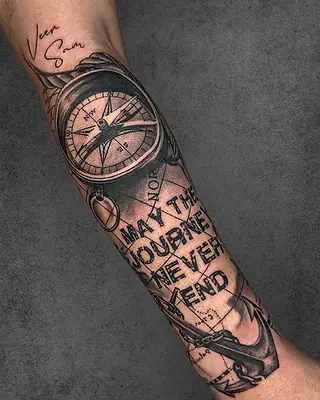
How Swimming Pools, Beaches, and Oceans Affect Healing
Swimming should generally be avoided during tattoo healing because prolonged water exposure can soften healing tissue, increase bacterial exposure, and interfere with the body’s natural recovery process.
This recommendation applies to:
- Swimming pools
- Hot tubs
- Lakes
- Rivers
- Ocean water
Travelers are often surprised to learn that ocean water is not automatically safer than pool water. While chlorinated pools contain chemical irritants, natural bodies of water may contain bacteria, microorganisms, and contaminants capable of causing infection.
Another overlooked issue is prolonged soaking. Even clean water can negatively affect healing when exposure is extended.
Warning signs that require immediate medical attention include:
- Increasing redness after several days
- Spreading warmth around the tattoo
- Persistent swelling
- Pus-like discharge
- Fever or flu-like symptoms
Travel Tattoo Timing by Vacation Type
The best tattoo timing depends heavily on the type of trip you’re taking. Beach vacations, adventure travel, city breaks, and business trips expose healing tattoos to different levels of risk, making destination-specific planning far more effective than following a one-size-fits-all rule.
This is where many competing guides fall short. Rather than asking “How long before travel should I get a tattoo?” a better question is “What kind of travel am I about to do?”
Beach Vacations and Tropical Destinations
Beach vacations create the highest-risk environment for healing tattoos because they combine the three factors artists warn about most: sunlight, swimming, and excessive perspiration.
Destinations such as Bali, Phuket, Cancun, Hawaii, the Maldives, and the Caribbean expose travelers to intense UV radiation, saltwater, sand, and humid conditions.
For these trips, many experienced artists recommend either:
- Getting tattooed at least six weeks before departure.
- Waiting until after the vacation.
Attempting to heal a fresh tattoo while spending every day near water often leads to frustration because the aftercare restrictions directly conflict with typical vacation activities.
Hiking, Backpacking, and Adventure Travel
Adventure travel presents unique tattoo healing challenges that many travelers overlook. Friction from backpacks, sweat accumulation, dirt exposure, limited hygiene facilities, and changing weather conditions can all interfere with recovery.
Unlike beach vacations, the biggest concern here is not necessarily water exposure but physical stress on healing skin.
For example, a backpack strap repeatedly rubbing against a shoulder tattoo during a week-long trek can cause irritation and delayed healing.
Travelers planning activities such as:
- Multi-day hikes
- Camping trips
- Motorcycle tours
- Backpacking expeditions
- Adventure races
should strongly consider completing tattoo healing before departure or postponing the tattoo until after returning home.
City Breaks and Business Travel
Lucky Tattoo, a professional tattoo artist, has over 10 years of experience in the art of tattooing in Ho Chi Minh City. Lucky Tattoo Studio was founded in 2014 by skilled and kind artists. All tattoos are provided in a clean, strictly controlled, and friendly environment.
If your itinerary consists primarily of urban sightseeing, conferences, client meetings, museums, restaurants, and indoor activities, a tattoo completed several weeks before departure is usually manageable.
However, business travelers frequently overlook one challenge: clothing requirements. Tight dress shirts, formal attire, belts, and fitted garments can create friction against healing tattoos.
Areas commonly affected include:
- Upper arms under fitted sleeves
- Waist tattoos beneath belts
- Chest tattoos under dress shirts
- Ankle tattoos inside formal shoes
For professional travelers, strategic tattoo placement and clothing planning can significantly improve comfort during recovery.
Should You Get a Tattoo During Your Vacation?
Getting tattooed during a vacation can create a meaningful travel memory, but success depends on destination, studio quality, aftercare access, and the remaining activities planned for the trip. Travelers should balance the emotional appeal of a vacation tattoo against the practical realities of healing away from home.
Travel tattoos have become increasingly popular because they capture personal experiences in a permanent form. Many people choose artwork inspired by local culture, landscapes, traditions, or significant life events experienced during travel.
Benefits of Getting Tattooed While Traveling
A vacation tattoo can provide a unique connection to a destination, commemorate a life-changing experience, and offer access to talented artists whose styles may not be available at home.
Some of the strongest benefits include:
- Creating a permanent memory of a meaningful trip
- Accessing renowned international tattoo artists
- Exploring cultural tattoo traditions
- Supporting local creative communities
- Obtaining destination-inspired custom artwork
For example, many travelers visit Japan for traditional irezumi-inspired work, Polynesian destinations for culturally significant designs, or major tattoo conventions while abroad.
When planned correctly, travel tattoos can become some of the most meaningful pieces in a person’s collection.
Risks of Vacation Tattoos Many Travelers Ignore
Vacation tattoos carry additional risks that are rarely discussed, including language barriers, inconsistent health regulations, limited aftercare support, and healing complications that may occur after returning home.
One common mistake is scheduling a tattoo midway through a trip and then spending the remaining days swimming, sunbathing, hiking, or engaging in activities that conflict with recovery requirements.
Other overlooked concerns include:
- Difficulty verifying sterilization standards
- Limited communication with artists
- Travel insurance exclusions
- Restricted access to follow-up care
- Challenges obtaining aftercare products abroad
Many experienced tattoo artists recommend scheduling vacation tattoos near the end of a trip if getting tattooed abroad is a priority.
How to Verify a Tattoo Studio Abroad
The safest way to get tattooed while traveling is to research studios before arrival, verify hygiene practices, review healed work examples, and communicate directly with artists about health standards and aftercare expectations.
- Read independent reviews across multiple platforms.
- Examine healed tattoo portfolios, not just fresh tattoos.
- Confirm single-use needles and sterilization protocols.
- Verify licensing requirements where applicable.
- Ask detailed questions about aftercare instructions.
- Ensure clear communication before booking.
Expert insight: Exceptional artwork does not compensate for poor hygiene practices. Health standards should always be evaluated before artistic style.
Tattoo Healing Timeline: What Travelers Need to Know
Understanding the tattoo healing timeline helps travelers make better scheduling decisions. While surface healing often occurs within two to four weeks, complete skin recovery may take up to six weeks or longer depending on tattoo size, placement, immune response, and aftercare quality.
One of the biggest misconceptions in tattoo aftercare is confusing “looks healed” with “fully healed.”
Travel planning should account for both visible recovery and underlying tissue repair.
First 48 Hours
The first 48 hours are the most critical phase of tattoo healing because the skin remains highly vulnerable to bacteria, friction, contamination, and inflammation.
Common symptoms include:
- Redness
- Swelling
- Tenderness
- Plasma seepage
- Mild discomfort
During this period, travelers should avoid unnecessary transportation, excessive sweating, and environments where hygiene may be compromised.
If travel cannot be postponed, maintaining clean hands and following artist instructions becomes especially important.
Days 3–14
During days three through fourteen, most tattoos enter the peeling and itching phase. This stage is normal and signals that damaged skin cells are being replaced through the body’s natural healing process.
Common traveler mistakes during this stage include:
- Scratching peeling skin
- Over-moisturizing
- Swimming too early
- Excessive sun exposure
- Ignoring irritation caused by clothing
Proper hydration, gentle cleansing, and patience are essential during this period.
Weeks 3–6
By weeks three to six, most tattoos appear healed on the surface, but deeper skin layers continue strengthening and rebuilding. Travelers often feel comfortable resuming normal activities during this phase, although caution remains important.
At this stage:
- Visible peeling usually ends.
- Color settles into the skin.
- Sensitivity decreases.
- Risk of complications drops significantly.
This healing window is why many professionals recommend scheduling tattoos at least one month before significant travel.
Travel Tattoo Decision Matrix
The most effective way to determine tattoo timing is to evaluate trip length, climate, activities, tattoo size, and healing demands together. A structured decision framework helps travelers avoid common mistakes and choose the safest option for their specific circumstances.
| Travel Scenario | Recommended Timing |
|---|---|
| Beach vacation | 6+ weeks before or after trip |
| Backpacking adventure | After trip preferred |
| Business travel | 4+ weeks before trip |
| City sightseeing | 4–6 weeks before trip |
| Long-term tropical travel | After trip recommended |
Get Tattooed 6+ Weeks Before Travel If…
Six or more weeks of healing time is ideal for larger tattoos, complex color work, high-UV destinations, and trips involving extensive outdoor activity.
- Large sleeve projects
- Full-leg pieces
- Color-intensive designs
- Beach vacations
- Tropical travel
- Adventure itineraries
This approach provides the greatest margin of safety and flexibility.
Get Tattooed 2–4 Weeks Before Travel If…
Smaller tattoos and lower-risk travel plans may allow for shorter healing windows, although careful aftercare remains necessary.
Examples include:
- Small minimalist tattoos
- Urban sightseeing trips
- Indoor conferences
- Short domestic flights
Travelers should still avoid assuming complete healing has occurred.
Wait Until After Travel If…
Waiting until after travel is usually the safest choice when a trip involves swimming, intense sun exposure, prolonged outdoor activity, or uncertain hygiene conditions.
This recommendation applies especially to:
- Island vacations
- Cruises
- Backpacking journeys
- Surf trips
- Multi-country travel
- Outdoor adventure tours
The ability to fully enjoy the trip without aftercare restrictions is often an overlooked benefit.
Common Mistakes People Make When Planning a Travel Tattoo
Most travel tattoo problems result from poor timing rather than poor tattoo quality. Understanding the most common planning mistakes can help travelers avoid complications that affect healing, appearance, and long-term tattoo quality.
Assuming Surface Healing Means Complete Healing
Many people mistakenly believe a tattoo is fully healed once peeling ends. In reality, deeper skin layers continue repairing themselves for several more weeks.
This misunderstanding often leads to premature swimming, excessive sun exposure, and unnecessary irritation.
Ignoring Climate and Destination Factors
Climate plays a major role in tattoo recovery. Hot, humid environments increase perspiration, while intense sunlight increases UV exposure and irritation risk.
Travelers should consider environmental conditions just as carefully as tattoo size or placement.
Underestimating Sun Exposure
Sun damage remains one of the leading causes of premature tattoo fading. Fresh tattoos are particularly susceptible because healing skin lacks its normal protective barrier.
Many travelers carefully avoid swimming yet spend hours in direct sunlight, unknowingly creating long-term quality issues.
Expert Tips for Protecting a Fresh Tattoo While Traveling
Successful tattoo healing during travel requires preparation, consistency, and realistic expectations. A few preventive measures can significantly reduce risks while helping preserve tattoo quality and skin health.
Essential Travel Tattoo Aftercare Kit
A properly packed aftercare kit allows travelers to maintain hygiene and protect healing skin regardless of destination or transportation method.
- Fragrance-free moisturizer
- Gentle cleanser
- Clean paper towels
- Loose breathable clothing
- Bottled water for hydration
- Artist-recommended aftercare products
Frequent travelers often keep a dedicated tattoo aftercare pouch ready for future trips.
When to Seek Medical Advice During Travel
Most tattoos heal without complications, but certain symptoms may indicate infection or abnormal healing and require professional evaluation.
Seek medical attention if you experience:
- Spreading redness
- Increasing pain after several days
- Significant swelling
- Pus-like drainage
- Fever
- Chills
- Red streaking around the tattoo
Early intervention is particularly important when traveling internationally, where access to familiar healthcare systems may be limited.
Frequently Asked Questions
How long should I wait to travel after getting a tattoo?
Most tattoo professionals recommend allowing at least two to four weeks of healing before significant travel, with four to six weeks being ideal for larger tattoos.
Can I fly immediately after getting a tattoo?
Yes, flying is generally possible, but long flights may increase discomfort, dryness, swelling, and irritation during the earliest healing stages.
Is it better to get a tattoo before or after a beach vacation?
For most travelers, getting tattooed after a beach vacation is safer because it eliminates concerns related to swimming, sun exposure, and sand contamination.
Can a fresh tattoo get infected while traveling?
Yes. Poor hygiene, contaminated water, excessive friction, and improper aftercare can increase infection risk during travel.
How long should I wait before swimming after a tattoo?
Most artists recommend avoiding swimming until the tattoo has completed the healing process, typically at least two to four weeks depending on recovery progress.
Is it safe to get a tattoo in another country?
Yes, provided the studio follows proper hygiene standards, uses sterile equipment, and provides clear aftercare instructions.
Does hot weather slow tattoo healing?
Hot weather can complicate healing by increasing perspiration, friction, irritation, and UV exposure, all of which may affect recovery.
What should I pack to care for a tattoo while traveling?
Bring fragrance-free moisturizer, gentle cleanser, clean towels, breathable clothing, hydration supplies, and any aftercare products recommended by your tattoo artist.
Conclusion: Choosing the Right Time for Your Travel Tattoo
The best time to get a travel tattoo is usually four to six weeks before departure or after returning home. While every traveler’s situation differs, understanding healing timelines, destination-specific risks, climate factors, and activity levels allows for smarter decisions and better outcomes.
The key takeaway is simple: tattoo timing should be planned around healing requirements, not convenience alone. Beach vacations, adventure travel, and tropical destinations generally favor waiting until after the trip, while city breaks and business travel often allow more flexibility.
By approaching tattoo planning strategically, travelers can protect their skin, preserve tattoo quality, reduce complications, and ensure their next piece remains a positive reminder of the journey it represents.