What Does an Asian Tiger Tattoo Mean? (Core Symbolism Explained)
An Asian tiger tattoo primarily symbolizes strength, courage, and protection across multiple Asian cultures, especially in Japanese and Chinese traditions. It is not only a sign of physical power but also spiritual resilience, representing a guardian energy that protects against misfortune, fear, and negative influences in life and personal identity expression.
Across traditional Asian symbolism systems, the tiger is viewed as a powerful force of nature that embodies controlled aggression, dignity, and leadership. In modern tattoo culture, it has evolved into a personal emblem of resilience, often chosen after life challenges, emotional transformation, or milestones requiring inner strength and renewal.
Core Symbolic Meanings of the Tiger in Asian Cultures
The core meanings of an Asian tiger tattoo center on protection, authority, and fearlessness, but interpretations vary slightly across cultural traditions. In Japan, it often represents spiritual guardianship, while in China it is associated with bravery and imperial strength, especially in historical warrior symbolism and folklore narratives tied to nature’s balance of power.
From a semantic perspective, the tiger is not just “aggressive energy.” Experts in Asian art history emphasize its dual nature: destructive force and protective guardian. This duality makes it a balanced symbol of controlled power rather than chaos, which is why it frequently appears in large-scale tattoo compositions alongside wind, bamboo, or mountain elements.
- Protection: believed to ward off evil spirits and misfortune
- Courage: symbolic of overcoming fear and adversity
- Authority: associated with leadership and dominance
- Balance: controlled power rather than uncontrolled aggression
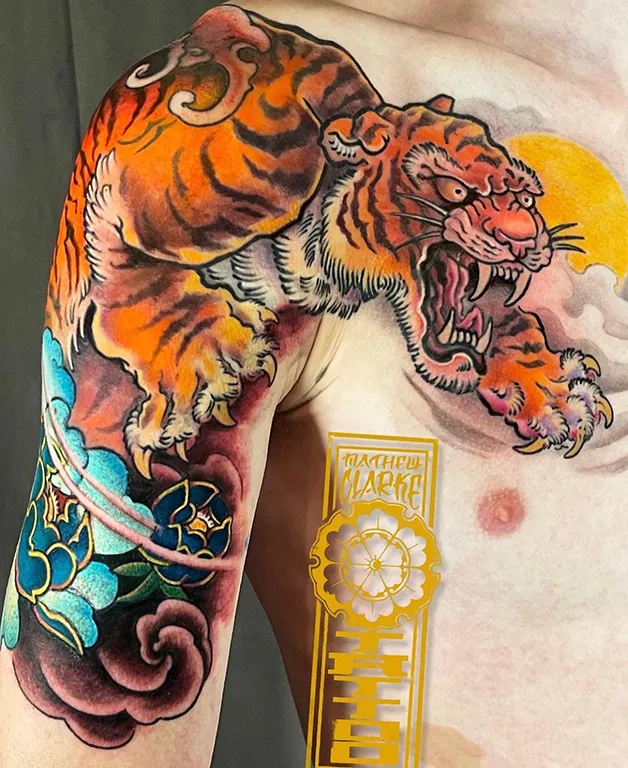
Information Gain Insight: Many tattoo guides ignore that tiger symbolism shifts depending on artistic style. A roaring tiger in traditional Japanese inkwork often signals dominance and confrontation, while a calm walking tiger may represent discipline, restraint, and emotional control—an important distinction for design selection.
Common Misconceptions About Tiger Tattoos
Asian tiger tattoos are often misunderstood as purely aggressive or criminal-associated imagery. In reality, their meaning is deeply cultural and varies significantly depending on artistic tradition, placement, and intent. While some associate large-scale tiger tattoos with organized groups in historical Japan, modern tattoo culture has largely separated symbolism from those outdated associations.
Another misconception is that tiger tattoos always represent violence or intimidation. In expert tattoo practice, they are more commonly chosen for personal empowerment, recovery from hardship, or symbolic protection. This makes them one of the most psychologically meaningful tattoo choices rather than purely aesthetic or rebellious designs.
Asian Tiger Tattoo Meaning in Japanese Culture (Irezumi Tradition)
In Japanese tattoo tradition, the tiger is a powerful spiritual protector symbolized in irezumi art as a guardian against misfortune, illness, and bad luck. It is often paired with natural elements like wind or bamboo to emphasize its harmony with nature’s uncontrollable forces while reinforcing inner resilience and disciplined strength.
This cultural interpretation is deeply tied to historical Japanese art, where animals were not decorative but symbolic storytelling elements. The tiger, though not native to Japan, became a mythological guardian figure through imported Chinese influences and evolved into a staple motif in traditional full-body tattoo compositions.
Tiger Tattoos in Japanese Mythology and Folklore
Japanese mythology portrays the tiger as a spiritual guardian rather than a literal animal, often associated with wind and invisible forces that cannot be controlled by humans. In traditional ukiyo-e inspired tattoo art, the tiger represents courage in adversity, especially when facing unpredictable natural or emotional challenges in life.
Historically, tattoo masters used the tiger to represent internal strength rather than external aggression. This distinction is important: the tiger does not dominate others in symbolism, but instead protects the wearer from chaos, illness, and spiritual imbalance, making it a deeply protective emblem in Japanese visual culture.
Information Gain Insight: Unlike Western interpretations that focus on dominance, Japanese tattoo philosophy treats the tiger as a “guardian against invisible forces,” which is why it is often illustrated in motion through wind lines rather than static poses.
Is the Tiger Tattoo Linked to Yakuza Culture?
Although large-scale irezumi tattoos, including tigers, were historically associated with organized groups in Japan, modern interpretations are significantly more nuanced. Today, the tiger tattoo is widely used in global tattoo culture without any direct association to criminal identity, especially outside Japan where cultural meaning is prioritized over historical stigma.
Experts in Japanese tattoo art emphasize that the stigma is more about visibility norms in Japanese society rather than the symbolism itself. Many contemporary tattoo artists intentionally reclaim tiger imagery as cultural art, separating it from outdated social associations while preserving its mythological and protective meanings.
Chinese Cultural Meaning of Tiger Tattoos
In Chinese tradition, the tiger is one of the most powerful symbolic animals, representing courage, military strength, and protection from evil spirits. It is often seen as a guardian figure that enforces justice and maintains energetic balance, especially within classical mythology and philosophical systems such as yin-yang interpretation.
The tiger also holds a high-ranking position in the Chinese zodiac and is frequently associated with leadership qualities, ambition, and personal authority. In tattoo culture, it is commonly chosen by individuals seeking to embody confidence, discipline, and transformative personal strength rooted in traditional symbolism.
Tiger as a Symbol of Power and Protection in Chinese Mythology
Chinese mythology positions the tiger as a sacred creature that governs courage and protection, often depicted as a defender against dark forces and misfortune. Unlike purely aesthetic interpretations, traditional stories portray the tiger as a spiritual enforcer that balances chaos and order within human life and natural systems.
In classical symbolism, the tiger is also linked to the west direction and the autumn season, representing transition, maturity, and controlled energy. This makes it a complex symbol that extends beyond strength, embodying cyclical transformation and disciplined authority in both spiritual and earthly contexts.
Information Gain Insight: A lesser-known aspect in tattoo culture is that tiger symbolism in China is often paired with directional energy systems, meaning placement and orientation can subtly alter the tattoo’s intended spiritual message.
Lucky Tattoo, a professional tattoo artist, has over 10 years of experience in the art of tattooing in Ho Chi Minh City. Lucky Tattoo Studio was founded in 2014 by skilled and kind artists. All tattoos are provided in a clean, strictly controlled, and friendly environment.
Tiger Tattoo Design Meaning: Position, Direction & Style
Asian tiger tattoo meaning in design is strongly influenced by body placement, posture, and direction of movement. A tiger facing forward often represents confrontation and dominance, while a walking tiger signals controlled strength and discipline. Design choices directly affect symbolic interpretation across Japanese and Chinese tattoo traditions.
In professional tattoo analysis, placement is not decorative—it is narrative. The same tiger design can communicate aggression, protection, or spiritual balance depending on whether it is placed across the back, sleeve, or chest. Experienced artists intentionally design flow to match muscle movement and energy direction.
Roaring vs Walking Tiger Tattoo Meaning
A roaring tiger tattoo represents raw power, dominance, and immediate confrontation of challenges, while a walking tiger symbolizes calm strength, discipline, and controlled energy. These differences are essential in Asian tattoo interpretation, where movement and emotional expression determine the symbolic message rather than the animal alone.
Roaring designs are often used in bold irezumi-style compositions where the tiger interacts with wind or storm elements. Walking tigers, however, are more meditative and structured, often chosen by individuals seeking balance rather than confrontation. This distinction is frequently overlooked in generic tattoo guides.
- Roaring tiger: external power, aggression, overcoming obstacles
- Walking tiger: discipline, patience, emotional control
- Crouching tiger: hidden potential, strategic restraint
Information Gain Insight: In traditional Japanese tattoo composition, artists often align tiger movement with body flow. A shoulder-to-rib walking tiger can symbolize life progression, while a chest-centered roaring tiger emphasizes identity assertion and emotional breakthrough moments.
Tiger and Dragon Tattoo Meaning (Dual Symbolism)
A tiger and dragon tattoo represents the balance between opposing forces, often interpreted as yin and yang in Asian philosophy. The tiger symbolizes earthly strength and physical power, while the dragon represents spiritual authority, wisdom, and celestial energy. Together, they form a complete harmony of dual forces.
This combination is especially prominent in traditional Japanese and Chinese tattoo art, where duality is a central philosophical theme. The composition often depicts the tiger in motion against wind and the dragon emerging from clouds, visually expressing the struggle and harmony between grounded action and elevated consciousness.
Expert Observation: Tattoo masters emphasize that imbalance in composition—such as overpowering one creature visually—can distort symbolic meaning. Proper design ensures neither force dominates, reinforcing equilibrium rather than hierarchy.
Modern Interpretations of Asian Tiger Tattoos
Modern Asian tiger tattoo meaning has evolved beyond traditional mythology into a global symbol of personal identity, resilience, and transformation. While rooted in Asian cultural systems, it is now widely used in Western tattoo culture to represent overcoming adversity, emotional strength, and self-defined empowerment narratives.
This shift reflects broader changes in tattoo culture where symbolism is personalized rather than culturally fixed. However, respected tattoo artists still emphasize understanding origin meanings to preserve authenticity and avoid superficial or culturally disconnected interpretations.
Feminine vs Masculine Interpretations of Tiger Tattoos
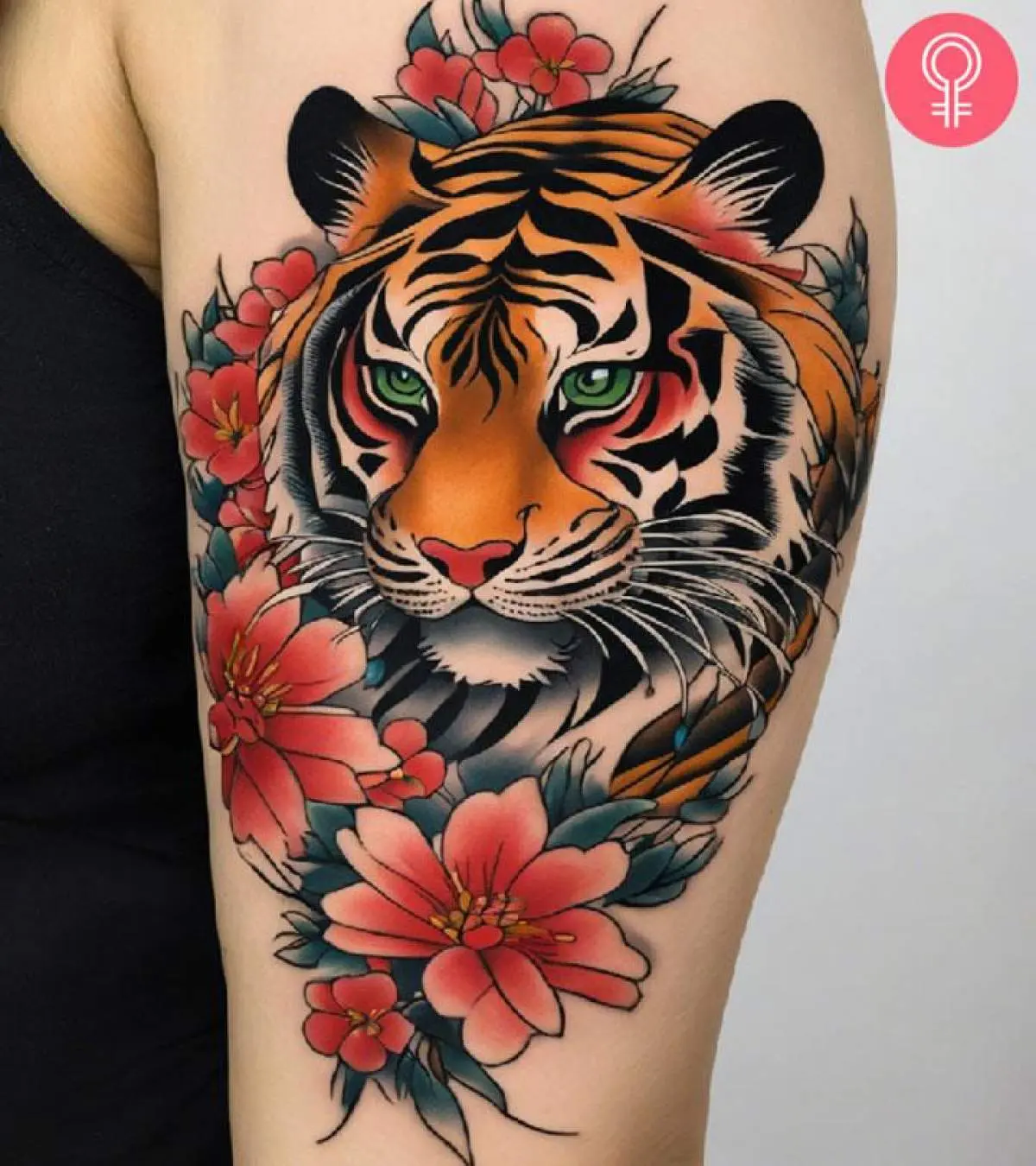
Gender interpretation in tiger tattoos is no longer fixed, with both masculine and feminine expressions emerging based on design style, color palette, and composition. Traditionally masculine interpretations emphasize dominance and power, while modern feminine designs often highlight resilience, protection, and emotional strength.
In contemporary tattoo practice, women frequently choose tiger tattoos as symbols of independence and survival strength rather than aggression. This reflects a broader cultural shift where strength is not defined by force, but by endurance, adaptability, and personal transformation.
- Masculine style: bold lines, aggressive posture, dominance themes
- Feminine style: fluid motion, protective symbolism, emotional resilience
- Modern hybrid: balanced strength and aesthetic storytelling
Best Placement Ideas for Asian Tiger Tattoos
Placement significantly influences Asian tiger tattoo meaning, as body location affects visibility, storytelling flow, and symbolic emphasis. Large placements like the back or chest are used for narrative depth, while sleeves and forearms emphasize personal identity and daily visibility of symbolic strength.
In professional tattoo design, placement is considered part of the symbolism itself. Artists often map tiger movement across muscle groups to create dynamic energy flow, ensuring the tattoo interacts naturally with body motion rather than appearing static or disconnected.
Full Back Tiger Tattoo Meaning
A full back tiger tattoo represents maximum symbolic power, protection, and life-scale transformation. It is often used for large narrative compositions in traditional Japanese irezumi, where the tiger becomes a guardian presence spanning the entire back, symbolizing endurance and life-defining strength.
This placement is historically associated with storytelling tattoos that reflect major life journeys or transformative experiences. Because of its scale, it allows integration with environmental elements such as wind, bamboo, or mountains, creating a complete mythological scene rather than a single symbol.
Expert Insight: Full back tiger tattoos require careful planning of body anatomy alignment. Poor design flow can weaken symbolic impact, while properly structured compositions enhance perceived movement and emotional depth.
Sleeve Tiger Tattoo Meaning
A sleeve tiger tattoo represents personal strength, controlled power, and continuous life narrative. Unlike full-back designs, sleeve compositions are more intimate and visible in daily life, often reflecting ongoing personal growth rather than completed transformation.
Sleeve designs allow for modular storytelling, where the tiger interacts with other symbols such as clouds, waves, or floral elements. This makes it one of the most flexible formats for combining traditional symbolism with modern aesthetic expression.
Expert Insights: What Tattoo Artists Say About Tiger Ink
Professional tattoo artists specializing in Asian traditions emphasize that tiger tattoos should never be treated as purely decorative imagery. Instead, they function as narrative symbols requiring intentional design, cultural understanding, and alignment with the wearer’s personal story and psychological intent.
Many experienced irezumi practitioners highlight that improper use of tiger symbolism—such as random placement or mismatched elements—can weaken both aesthetic and symbolic integrity. Authentic designs require cultural awareness and technical composition skills developed through traditional apprenticeship systems.
- Respect cultural origins of Asian symbolism systems
- Align design flow with body anatomy and movement
- Avoid mixing unrelated symbolic traditions without intention
- Understand posture-based meaning differences
Safety & Cultural Consideration: While tiger tattoos are globally accepted, understanding their cultural depth ensures respectful use and avoids superficial or culturally insensitive interpretations. This is especially important when combining traditional Japanese and Chinese symbolic systems.
FAQ: Asian Tiger Tattoo Meaning
What does an Asian tiger tattoo symbolize?
An Asian tiger tattoo symbolizes strength, courage, protection, and resilience. It is widely associated with overcoming adversity and spiritual guardianship in both Japanese and Chinese cultural traditions.
Is a tiger tattoo in Japanese culture good or bad?
In Japanese culture, the tiger tattoo is considered positive and protective. It represents spiritual guardianship and is believed to ward off misfortune and negative energy.
What does a tiger and dragon tattoo mean together?
A tiger and dragon tattoo represents balance between physical strength and spiritual wisdom, often interpreted as yin-yang harmony between earthly and celestial forces.
Does the direction of a tiger tattoo change its meaning?
Yes, direction affects meaning. A roaring tiger symbolizes confrontation and dominance, while a walking tiger represents discipline, control, and calm strength.
Are tiger tattoos associated with Yakuza culture?
Historically, large-scale tiger tattoos appeared in traditional irezumi culture, which was once socially stigmatized in Japan. Today, tiger tattoos are widely used globally without direct criminal association.
What does a Chinese tiger tattoo represent?
In Chinese culture, a tiger tattoo represents bravery, authority, protection, and military strength. It is also linked to zodiac symbolism and energetic balance in traditional philosophy.
Is a tiger tattoo a symbol of protection or aggression?
It primarily symbolizes protection and controlled strength. While it can appear aggressive, its deeper meaning focuses on guarding against negative forces and personal resilience.
Conclusion
Asian tiger tattoo meaning is a layered system of cultural symbolism rooted in Japanese and Chinese traditions, where strength, protection, and spiritual balance define its core interpretation. Its meaning shifts based on design, posture, and placement, making it one of the most versatile and deeply symbolic tattoo choices worldwide.