What Is Authentic Cultural Motif Tattoo Research?
Direct answer (40–60 words): Authentic cultural motif tattoo research is the structured process of verifying the origin, meaning, and cultural significance of tattoo designs using credible historical, anthropological, and indigenous sources. It ensures tattoos are chosen with cultural accuracy, ethical awareness, and respect for traditions rather than relying on social media reinterpretations or aesthetic trends.
Authentic research goes beyond visual appeal. It involves understanding whether a symbol is sacred, restricted, or publicly shared within its originating culture. This distinction is often missing in online tattoo inspiration platforms, leading to widespread misinterpretation of cultural body art.
Why cultural meaning matters in tattoo selection
Direct answer (40–60 words): Cultural meaning matters in tattoo selection because many designs represent lineage, spirituality, or social identity within specific communities. Misusing these symbols can unintentionally erase their significance or disrespect cultural heritage. Proper understanding ensures tattoos remain meaningful while avoiding appropriation or distortion of indigenous identity systems.
Many tattoo seekers assume symbols are universal decorative elements, but in reality, they often function as encoded cultural language systems. For example, Polynesian and Māori tattoo traditions are deeply tied to genealogy and social rank, not just aesthetics.
Misconception: “If it looks good online, it is free to use.” This assumption is one of the most common causes of cultural misrepresentation in modern tattoo culture.
How Cultural Symbols Gain Meaning in Tattoos
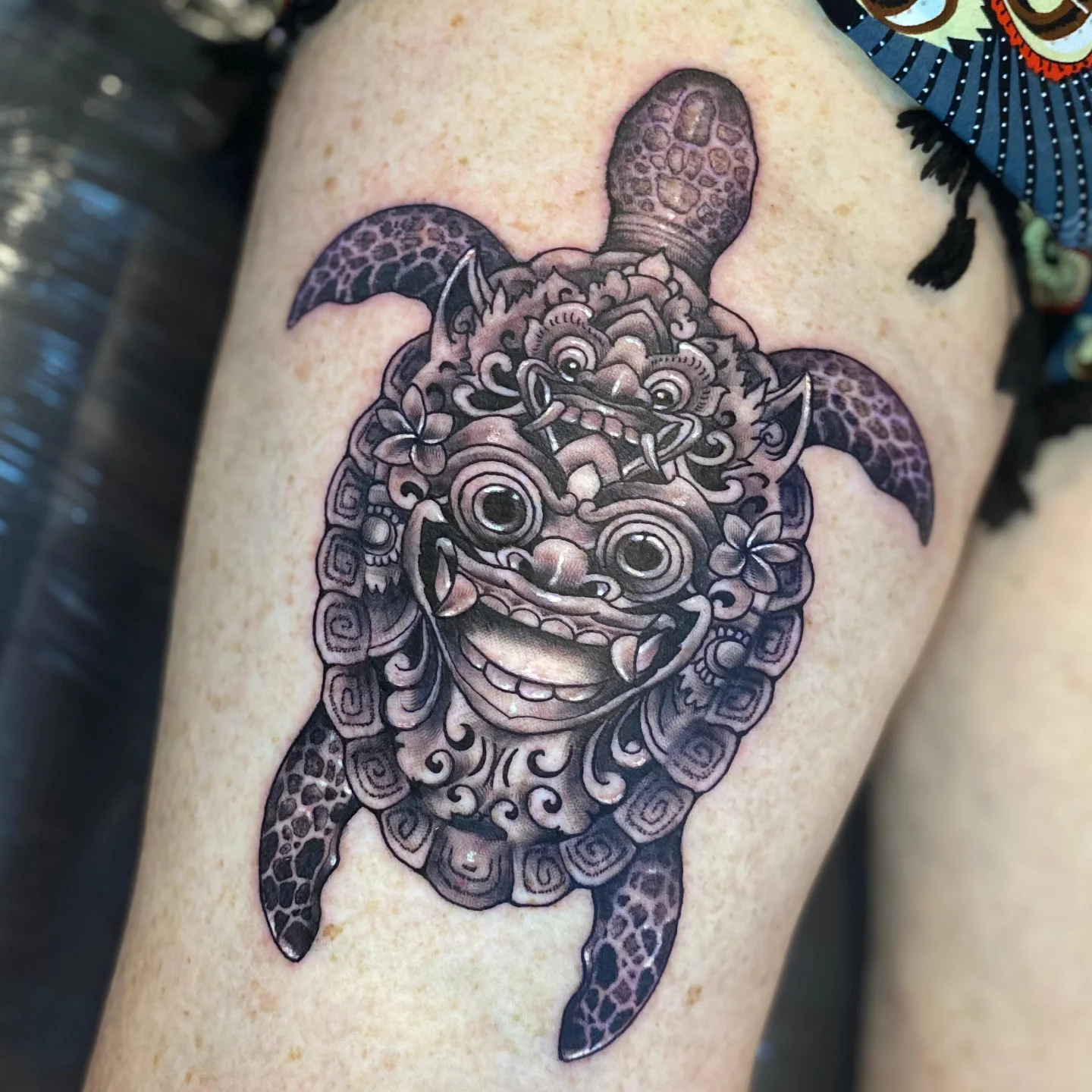
Direct answer (40–60 words): Cultural tattoo symbols gain meaning through generations of lived tradition, storytelling, and ritual use within specific communities. Their significance is shaped by historical context, spiritual beliefs, and social structures rather than fixed visual design. Without this context, symbols risk being reduced to aesthetic patterns devoid of their original meaning.
Understanding meaning formation is essential because tattoo culture is not static. It evolves through oral history, ceremonial practices, and community identity systems. This is where many online interpretations fail—they isolate the image from its cultural ecosystem.
Role of anthropology in tattoo interpretation
Direct answer (40–60 words): Anthropology provides the methodological framework to interpret tattoo symbols within their cultural and historical contexts. It helps distinguish between sacred, restricted, and publicly shared motifs. Without anthropological grounding, interpretations are often incomplete or misleading, especially when symbols are adapted through global social media trends.
From an expert standpoint in Anthropology and Cultural Studies, tattoo symbols must be analyzed as cultural texts rather than isolated visuals. Researchers examine how meaning shifts across generations and how colonial or commercial influences may distort original intent.
Information Gain Insight: A frequent oversight in mainstream tattoo guides is ignoring “context collapse,” where sacred symbols become globally circulated images stripped of cultural boundaries. This is especially common with Polynesian and Southeast Asian motifs.
Example: Japanese irezumi symbolism layers
Direct answer (40–60 words): Japanese irezumi tattoo symbolism is multi-layered, combining folklore, spirituality, and historical narratives. Designs such as dragons, koi fish, and cherry blossoms each carry specific meanings tied to strength, resilience, or impermanence. Misinterpretation occurs when these motifs are used purely for visual impact without understanding their narrative structure.
In traditional contexts, irezumi is not random decoration. It often represents protective storytelling worn on the body, influenced by Edo-period visual culture and classical mythology.
Indigenous Tattoo Systems and Their Cultural Rules
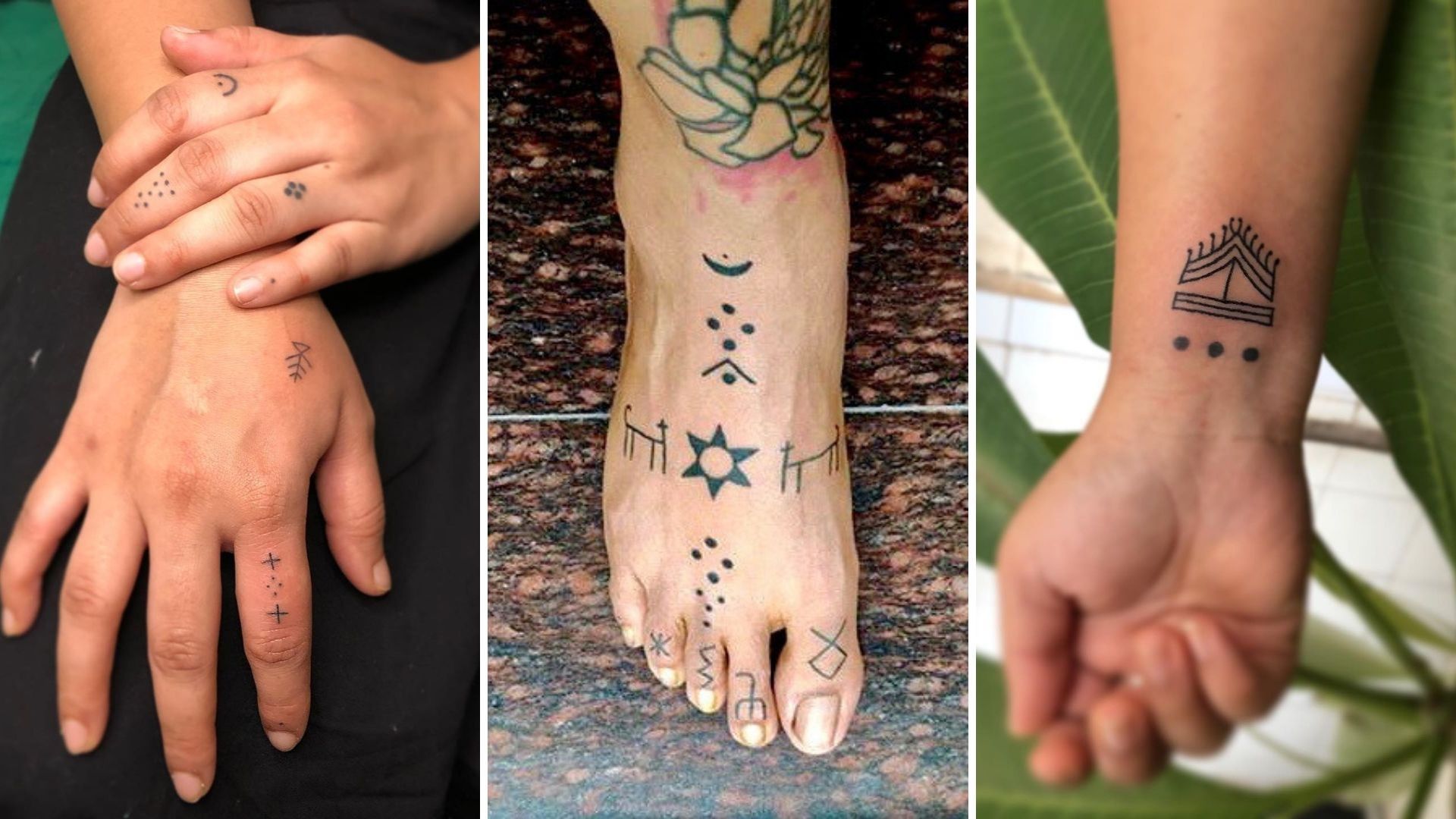
Direct answer (40–60 words): Indigenous tattoo systems are structured cultural frameworks where designs often represent ancestry, social status, spiritual protection, or tribal identity. Many motifs are governed by strict cultural rules that determine who can wear them, when they can be used, and under what ceremonial conditions they are permitted.
Unlike modern tattoo catalogs, indigenous systems function as living cultural archives. They are not open design libraries but structured identity systems protected by community knowledge and tradition.
Samoa, Māori, and Polynesian tattoo ethics
Direct answer (40–60 words): Polynesian tattoo traditions such as Samoan tatau and Māori moko operate under strict cultural protocols that define eligibility, meaning, and application. These systems are often tied to lineage and social identity, meaning unauthorized use can be culturally inappropriate or disrespectful to the originating community.
For example, in Samoa, tatau is traditionally applied within specific rites of passage, while Māori facial tattoos such as moko kauae carry deep ancestral significance.
Information Gain Insight: One overlooked issue in global tattoo culture is “design flattening,” where complex lineage-based patterns are reduced into generic geometric aesthetics, removing their genealogical meaning entirely.
Sacred vs public symbols: what not to copy
Direct answer (40–60 words): Sacred symbols are restricted cultural elements that may not be intended for external use, while public symbols are shared or widely accessible motifs. Distinguishing between them requires consultation with credible cultural sources, not aesthetic interpretation. Misuse often occurs when sacred designs are treated as open-source visual assets.
A responsible research approach includes verifying whether a motif is ceremonial, restricted, or publicly disseminated. This step is often skipped in commercial tattoo browsing, leading to ethical risks.
- Check cultural origin before selecting a design
- Verify meaning using academic or museum archives
- Avoid copying sacred ceremonial symbols
- Consult cultural experts when possible
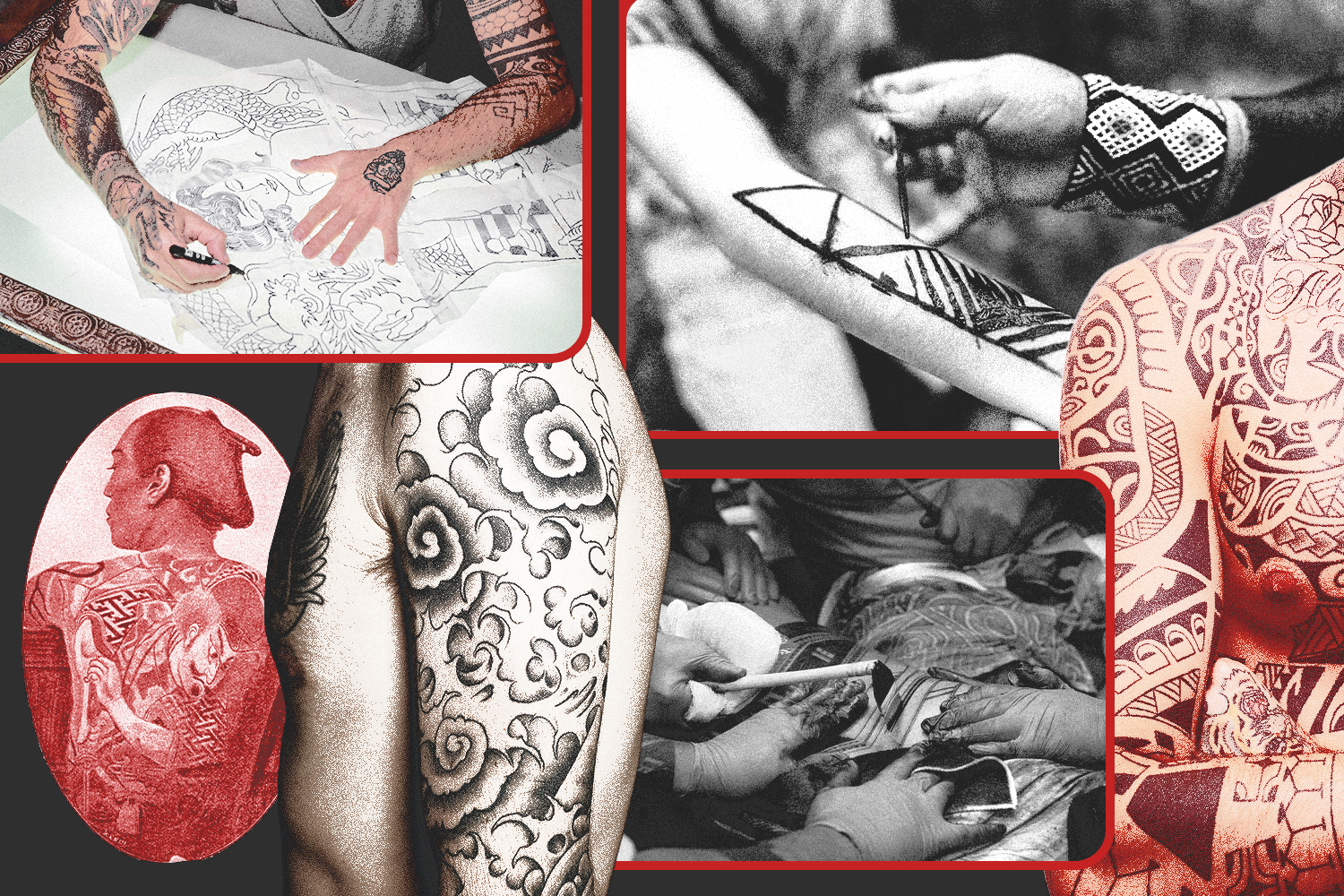
Step-by-Step Cultural Motif Tattoo Research Method
Direct answer (40–60 words): A reliable cultural motif tattoo research method involves identifying the symbol’s origin, verifying its meaning through academic or cultural institutions, and confirming its ethical usage with community knowledge or expert consultation. This structured approach reduces misinformation and ensures respectful interpretation of culturally significant designs.
This framework is essential in the digital age, where tattoo imagery spreads faster than its cultural context. Without structured validation, meaning is easily distorted.
Step 1: Identify origin culture and historical context
Direct answer (40–60 words): Identifying origin culture requires tracing a tattoo symbol back to its geographic, historical, and cultural roots. This involves distinguishing whether the motif comes from indigenous traditions, religious systems, or modern reinterpretations. Social media alone is not a reliable source for origin verification.
Many users mistakenly assume that Pinterest or Instagram captions provide accurate cultural attribution. In practice, these platforms often replicate misinformation.
Lucky Tattoo, a professional tattoo artist, has over 10 years of experience in the art of tattooing in Ho Chi Minh City. Lucky Tattoo Studio was founded in 2014 by skilled and kind artists. All tattoos are provided in a clean, strictly controlled, and friendly environment.
Step 2: Verify meaning through academic and museum sources
Direct answer (40–60 words): Verifying tattoo meaning requires cross-referencing symbols with academic publications, museum archives, and cultural heritage databases. Institutions such as museums and ethnographic collections help confirm whether interpretations are accurate, historically grounded, and culturally endorsed rather than distorted through modern internet reinterpretation or commercial tattoo replication.
Reliable verification reduces the risk of adopting inaccurate symbolism, which is common in mass-market tattoo design. Institutions like the Smithsonian and other ethnographic archives preserve documented meanings of indigenous and historical tattoo systems, making them essential for research integrity.
Information Gain Insight: A major gap in online tattoo culture is “citation blindness,” where users trust influencer explanations without checking ethnographic or museum-backed sources.
Step 3: Consult cultural experts or communities
Direct answer (40–60 words): Consulting cultural experts or community representatives ensures tattoo interpretations align with lived cultural knowledge. This step validates whether a symbol is appropriate, restricted, or misrepresented. Direct engagement with cultural custodians is the most reliable method to avoid misappropriation and maintain authenticity in tattoo selection.
This step is often ignored due to accessibility barriers, but it is the most important for ethical accuracy. Many indigenous communities maintain active cultural education channels where guidance on motifs is available.
- Contact cultural associations or heritage groups when possible
- Ask tattoo artists trained in specific cultural traditions
- Respect refusal if a symbol is restricted
- Prioritize lived knowledge over online summaries
What Is Cultural Appropriation in Tattoo Art?
Direct answer (40–60 words): Cultural appropriation in tattoo art occurs when designs from a marginalized or distinct cultural group are used without permission, understanding, or respect for their original meaning. It often involves removing symbols from their cultural context and using them as aesthetic decoration, which can distort or diminish their significance.
In tattoo culture, appropriation is not always intentional. It frequently results from lack of research or reliance on visually appealing but culturally unverified designs. This makes structured cultural research essential for ethical tattooing.
How to avoid disrespectful tattoo choices
Direct answer (40–60 words): Avoiding disrespectful tattoo choices requires verifying cultural origins, understanding symbolic meaning, and avoiding restricted or sacred motifs. It also involves acknowledging cultural ownership and seeking informed guidance when uncertain. Ethical tattoo decisions prioritize respect over aesthetics or trend-driven design selection.
Responsible selection is a process of cultural awareness, not just visual preference. The goal is to ensure tattoos do not unintentionally misrepresent or exploit cultural heritage.
Ethical checklist before choosing a cultural tattoo
- Have I verified the origin culture of this symbol?
- Do I understand its historical and spiritual meaning?
- Is the design publicly shareable or culturally restricted?
- Have I consulted credible academic or cultural sources?
- Would a member of the culture consider this respectful use?
Information Gain Insight: Many tattoo ethics guides overlook “intent vs impact.” Even well-intentioned tattoos can be harmful if they misrepresent sacred cultural systems.
Ethical tattoo decision framework
Direct answer (40–60 words): An ethical tattoo decision framework evaluates cultural origin, symbolic meaning, community acceptance, and historical context before finalizing a design. This structured approach reduces cultural misrepresentation and ensures tattoos align with respectful engagement rather than superficial aesthetic borrowing from global design trends.
This framework functions like a decision tree used in cultural research: each step filters potential risks and ensures informed choices before permanent body modification.
| Step | Question | Outcome |
|---|---|---|
| Origin | Where does the symbol come from? | Identify cultural source |
| Meaning | What does it represent historically? | Confirm symbolism |
| Permission | Is it culturally restricted? | Ethical approval check |
| Validation | Has it been verified by experts? | Final confirmation |
Why Social Media Misleads Tattoo Research
Direct answer (40–60 words): Social media often misleads tattoo research because it prioritizes visual appeal over cultural accuracy. Platforms like Instagram and Pinterest frequently circulate mislabeled designs, removing symbols from their original context. This leads to widespread misunderstanding of cultural motifs and increases the risk of inappropriate tattoo selection.
The viral nature of tattoo imagery creates a “context collapse,” where complex cultural systems are reduced to aesthetic templates. This is one of the most significant modern challenges in tattoo research.
Viral tattoo designs vs authentic meaning
Direct answer (40–60 words): Viral tattoo designs often prioritize aesthetic repetition rather than cultural accuracy. Authentic meanings can be lost as designs are copied across platforms without context. This creates a gap between original cultural significance and global reinterpretation, leading to widespread symbolic distortion in modern tattoo culture.
For example, tribal patterns are often shared without attribution to their specific cultural systems, leading to homogenized “tribal-style” aesthetics that erase distinct cultural identities.
Common misinformation patterns in tattoo content
- Incorrect cultural attribution of tribal designs
- Oversimplified symbolic meanings (“strength,” “power” for everything)
- Copy-paste tattoo blogs without sourcing
- AI-generated tattoo meanings without cultural validation
Information Gain Insight: A growing issue is AI-generated tattoo interpretation, which can fabricate meanings not supported by any cultural or historical record.
How to verify authenticity online
Direct answer (40–60 words): Verifying tattoo authenticity online requires cross-checking multiple authoritative sources such as museum archives, academic publications, and cultural institutions. Avoid relying on single-source explanations. Authentic verification involves triangulating data from ethnographic research, expert commentary, and recognized heritage documentation.
Practical verification tools include academic databases, museum collections, and cultural heritage organizations that document symbolic systems in detail.
- Check museum-backed ethnographic records
- Search peer-reviewed anthropology studies
- Compare multiple cultural sources
- Avoid influencer-only explanations
Expert Guidelines for Cultural Tattoo Selection
Direct answer (40–60 words): Expert guidelines for cultural tattoo selection emphasize research depth, cultural consultation, and respect for symbolic boundaries. Professionals in anthropology and tattoo artistry recommend verifying meaning through multiple authoritative sources and avoiding any design that lacks clear cultural attribution or carries restricted significance within its originating community.
Experienced tattoo artists specializing in cultural work often collaborate with cultural advisors to ensure ethical integrity. This practice is increasingly recognized as a global standard in responsible tattooing.
Tattoo artist perspectives on cultural accuracy
Direct answer (40–60 words): Tattoo artists prioritize cultural accuracy by researching design origins, consulting cultural references, and avoiding restricted motifs. Many professionals refuse to replicate sacred symbols without proper context. This ensures that tattoo work respects cultural boundaries while maintaining artistic integrity and client education.
Reputable studios increasingly adopt cultural verification processes before accepting custom designs, especially for motifs derived from indigenous or historical traditions.
How reputable studios handle cultural motifs
- Conduct preliminary cultural research before design approval
- Collaborate with cultural consultants when necessary
- Educate clients about meaning and restrictions
- Avoid replicating sacred or restricted symbols
Information Gain Insight: A rising industry trend is “ethical design screening,” where studios formally reject culturally sensitive designs unless verified through authoritative sources.
Frequently Asked Questions
What is authentic cultural motif tattoo research?
It is the process of verifying the origin, meaning, and cultural context of tattoo designs using academic, historical, and cultural sources to ensure respectful and accurate usage.
How do I know if a tattoo symbol is culturally appropriate?
You must research its origin, check whether it is sacred or restricted, and consult credible cultural or academic sources before using it.
Are tribal tattoos safe to use without cultural knowledge?
No. Many tribal tattoos represent specific lineage or identity systems and may be inappropriate without cultural understanding or permission.
What is cultural appropriation in tattoo design?
It is the use of cultural symbols without understanding, respect, or permission, often removing them from their original meaning.
How do tattoo artists verify cultural meanings?
They use anthropological research, cultural consultations, museum archives, and established historical documentation.
Can I use Polynesian or Japanese designs respectfully?
Yes, but only after verifying meaning, understanding restrictions, and ensuring the design is appropriate for non-members of the culture.
Where can I research tattoo symbolism reliably?
Use museum archives, peer-reviewed anthropology studies, and cultural heritage institutions rather than social media sources.
Conclusion
Authentic cultural motif tattoo research is essential for ensuring tattoos are meaningful, accurate, and ethically grounded. By combining anthropology, cultural consultation, and verified historical sources, individuals can avoid misrepresentation and make informed, respectful design choices that honor the cultures they draw inspiration from.