What Is a Custom Ancestral Asian Art Tattoo?
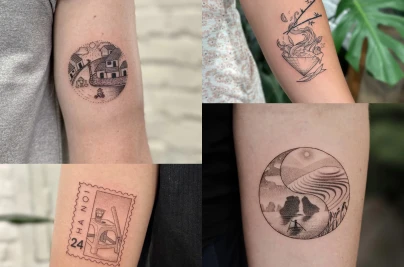
A custom ancestral Asian art tattoo is a personalized body art composition rooted in East and Southeast Asian visual traditions, blending mythology, spiritual symbolism, and family lineage storytelling. Unlike generic tattoo designs, it is constructed as a narrative system across the body, reflecting identity, protection, transformation, and heritage through culturally grounded imagery and intentional artistic flow.
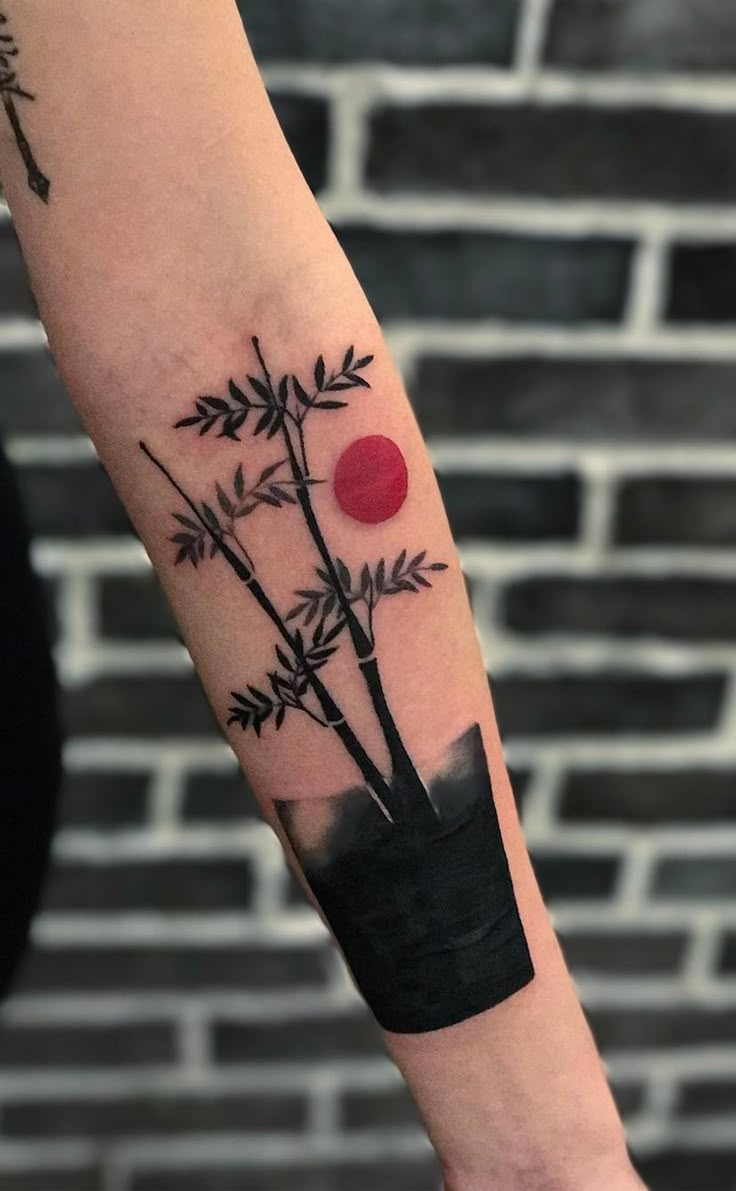
In professional tattoo practice, this style is not treated as isolated imagery but as a “body composition map.” Experienced artists design it as a continuous visual language, ensuring that each symbol connects logically across muscles, movement lines, and cultural meaning systems rather than being placed randomly.
Core Meaning Behind Ancestral Tattoo Symbolism
Ancestral symbolism in Asian tattooing represents continuity between personal identity and lineage, often expressing values such as protection, honor, resilience, and spiritual balance. These tattoos frequently integrate mythological creatures and traditional motifs that reflect philosophical systems like Buddhism, Taoism, and Shinto-derived aesthetics.
From an expert standpoint, one overlooked insight is that these tattoos are not purely decorative—they function as identity reinforcement systems. Clients often choose symbols that reflect inherited values or emotional lineage, not just visual preference. This is a key distinction professionals use when designing meaningful compositions.
- Represents family lineage and personal identity continuity
- Uses mythology as symbolic psychological reinforcement
- Connects spiritual beliefs with visual storytelling
- Integrates cultural philosophy into body placement strategy
Common Misconceptions About Asian Tattoo Art
A common misunderstanding is that Asian ancestral tattoos are interchangeable aesthetic elements. In reality, each symbol carries region-specific meaning, and incorrect pairing can distort cultural intent. Many competitors overlook the fact that dragons, koi, and tigers vary significantly in symbolism depending on whether they originate from Japanese, Chinese, or Korean traditions.
Another critical misconception is that symbolism is universal across Asia. In practice, meaning shifts based on historical context, religious influence, and artistic school. For example, a dragon in Chinese tradition often symbolizes imperial authority and cosmic balance, while in Japanese interpretation it may emphasize protection and water control.
Expert observation: Misuse of symbolic combinations is one of the most common issues seen in non-specialized tattoo portfolios. Authentic design requires cultural literacy, not just visual reference gathering.
Information Gain: Why These Tattoos Function as Narrative Systems
Custom ancestral Asian art tattoos operate as structured narrative systems rather than isolated symbols. Each element is intentionally positioned to create a visual “story flow” across the body, often representing life journey stages, spiritual protection layers, or ancestral continuity mapped through movement and anatomy.
This perspective is rarely explained in competitor content, which typically lists symbols without explaining compositional logic. Professional tattoo designers treat the body as a three-dimensional storytelling canvas, where direction, curvature, and muscle flow determine emotional impact and cultural coherence.
Symbolism in Asian Tattoo Traditions (Expert Breakdown)
Symbolism in Asian tattoo traditions is deeply rooted in mythology, spiritual philosophy, and regional artistic history, where each motif carries layered meanings tied to protection, transformation, power, and balance. Understanding these symbols is essential for creating authentic ancestral tattoos that respect cultural origins while supporting personal identity narratives.
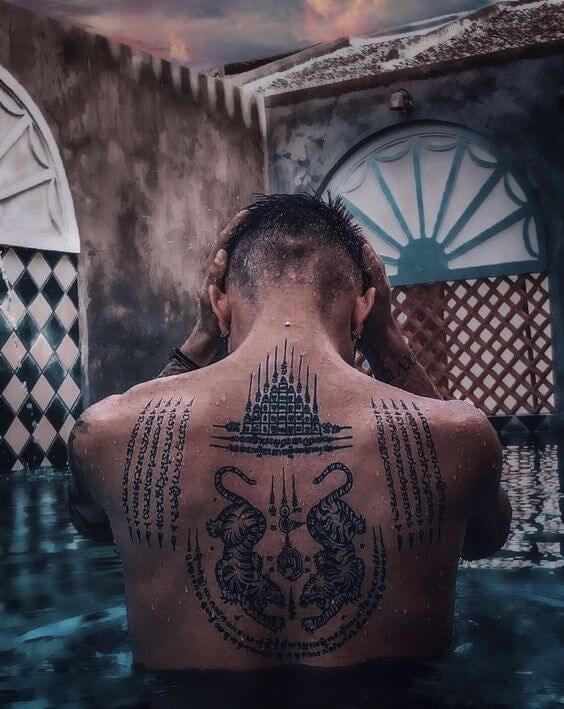
From an industry perspective, symbolism selection is the most critical stage of design development. Experienced artists evaluate not only aesthetic preference but also emotional intent, cultural alignment, and compositional harmony before finalizing any concept. This ensures the tattoo remains meaningful and visually coherent over time.
Dragon Symbolism: Power, Protection, and Wisdom
Dragon symbolism in Asian tattoo culture represents strength, protection, and spiritual authority, often associated with water elements, celestial balance, and ancestral guardianship. In Chinese tradition, dragons are imperial and cosmic forces, while Japanese interpretations often emphasize control over natural elements and protective energy flows.
Professionally, dragon placement is one of the most technically complex aspects of tattoo design. Artists align the dragon’s movement with the body’s musculature to create dynamic flow, often wrapping the form across shoulders, spine, or limbs to enhance motion realism.
- Represents protection and spiritual guardianship
- Symbolizes wisdom and controlled power
- Requires advanced anatomical composition skills
Koi Fish Transformation Story
Koi fish symbolism is widely recognized as a representation of transformation, perseverance, and overcoming adversity, rooted in the myth of koi swimming upstream and transforming into a dragon. This narrative makes it one of the most emotionally significant motifs in ancestral tattoo design systems.
An expert insight often missed is that koi direction matters. Swimming direction can represent struggle, success, or transformation stage. Incorrect orientation can unintentionally reverse meaning, which is why professional consultation is essential.
- Represents resilience and personal growth
- Symbolizes transformation through struggle
- Direction and flow alter narrative meaning
Tigers, Lotus, and Guardian Spirits
Tiger symbolism in Asian tattoo traditions represents raw strength, courage, and protective energy, often balancing the spiritual calmness of other motifs like the lotus flower. Lotus imagery introduces themes of purity, enlightenment, and rebirth, commonly associated with Buddhist philosophical frameworks.
Guardian spirit imagery, including foo dogs and mythological protectors, is frequently used to reinforce spiritual defense within the overall composition. These elements are strategically placed to balance aggressive and peaceful energies within the tattoo narrative structure.
| Symbol | Core Meaning | Design Function |
|---|---|---|
| Dragon | Protection, wisdom | Structural centerpiece |
| Koi Fish | Transformation | Journey narrative flow |
| Tiger | Strength, courage | Energy balance element |
| Lotus | Purity, rebirth | Spiritual grounding |
Expert Insight: Regional Symbol Variation (Overlooked by Competitors)
Regional interpretation significantly alters tattoo meaning across Asia, yet many generic guides fail to address this complexity. Japanese, Chinese, and Korean symbolic systems differ in philosophical grounding, which impacts how motifs should be combined in a single composition. Professional designers avoid mixing conflicting symbolic systems without narrative justification.
This distinction is critical for maintaining cultural authenticity and ensuring the tattoo communicates a coherent identity message rather than a visually appealing but culturally inconsistent collage.
How Custom Ancestral Tattoo Designs Are Created
Lucky Tattoo, a professional tattoo artist, has over 10 years of experience in the art of tattooing in Ho Chi Minh City. Lucky Tattoo Studio was founded in 2014 by skilled and kind artists. All tattoos are provided in a clean, strictly controlled, and friendly environment.
The design process is significantly more complex than standard tattoo work because it requires both artistic composition and cultural literacy. Experienced tattooists often act as visual translators, converting emotional intent and heritage themes into layered storytelling systems that follow the body’s natural structure and movement patterns.
Consultation With a Tattoo Artist (Design Discovery Phase)
A consultation phase establishes the conceptual foundation of a custom ancestral Asian tattoo by identifying personal history, symbolic preferences, and cultural alignment goals. This stage ensures that the final design reflects meaningful identity narratives rather than purely decorative choices, reducing the risk of cultural misinterpretation or incoherent symbolism.
Professionally, artists use guided questioning techniques to uncover emotional anchors such as family heritage, life challenges, or spiritual beliefs. This information directly informs symbol selection and composition strategy, making the tattoo a personalized narrative rather than a template-based design.
- Define personal or ancestral meaning themes
- Identify culturally relevant symbols
- Assess body placement and scale requirements
- Review reference styles and artistic direction
Expert insight: High-quality ancestral tattoos begin with storytelling clarity, not imagery selection. Without narrative direction, even premium designs lose cultural and emotional coherence.
Building the Body Flow and Composition
Body flow composition in ancestral Asian tattoo design refers to aligning visual elements with muscle structure, movement direction, and anatomical curvature. This ensures the tattoo appears dynamic, cohesive, and naturally integrated with the body rather than visually “placed” on it.
Experienced artists map major anatomical lines such as shoulder arcs, spine curvature, and limb rotation zones to determine how dragons, koi fish, or mythological figures should move across the skin surface. This technique enhances realism and symbolic storytelling simultaneously.
- Align symbols with muscle movement direction
- Ensure visual continuity across body segments
- Balance dense and open composition areas
- Prevent distortion during body movement or aging
Information Gain: Designing Tattoos as Visual Lineage Maps
Custom ancestral Asian tattoos can be understood as visual lineage maps that encode personal identity, cultural heritage, and symbolic storytelling across the body’s surface. This approach transforms tattoos from isolated imagery into structured narrative systems that represent life journey stages, ancestral influence, and spiritual identity evolution over time.
This concept is rarely addressed in mainstream tattoo content, which typically focuses on symbol meanings rather than compositional storytelling architecture. Advanced designers intentionally structure tattoos like “living manuscripts,” where each body zone represents a chapter in the wearer’s identity story.
Cultural Respect and Ethical Tattoo Design
Cultural respect in ancestral Asian tattoo design ensures that symbols are used with accurate meaning, contextual awareness, and ethical consideration of their cultural origins. This involves understanding regional differences, avoiding symbolic misrepresentation, and collaborating with knowledgeable artists who specialize in traditional Asian art forms.
Ethical design is increasingly important due to global adoption of Asian tattoo aesthetics. Without cultural grounding, designs risk becoming superficial or misaligned with their original philosophical or spiritual significance, which can lead to miscommunication or cultural insensitivity.
How to Avoid Cultural Appropriation
Avoiding cultural appropriation in Asian tattoo design requires intentional education, respectful collaboration, and accurate interpretation of symbolic meanings. This means understanding not only what a symbol represents visually, but also its cultural context, historical origin, and philosophical significance.
Professionals recommend working with artists who have studied Asian art traditions or specialize in styles such as Japanese Irezumi or Chinese brush-inspired tattooing. This ensures authenticity and reduces the risk of misusing culturally sensitive imagery.
- Research symbolic meanings before selection
- Avoid mixing unrelated cultural systems without intent
- Work with culturally knowledgeable tattoo artists
- Prioritize meaning over aesthetic trends
Working With Authentic Asian Tattoo Artists
Working with authentic Asian tattoo artists significantly improves cultural accuracy, artistic quality, and symbolic integrity in ancestral tattoo design. These professionals often have deep training in traditional art forms such as Japanese woodblock influence, Chinese brush painting, or Southeast Asian mythological art systems.
From an industry perspective, authenticity is not just about origin but about training depth and cultural immersion. Skilled artists understand how symbolism interacts with composition, ensuring that the tattoo functions as both art and cultural narrative.
Expert recommendation: Always review full healed tattoo portfolios rather than just fresh work. This reveals how well composition and ink aging are handled over time.
Placement Ideas for Ancestral Asian Tattoos
Placement for ancestral Asian tattoos is determined by narrative scale, symbolic hierarchy, and anatomical flow, with full sleeves, back pieces, and chest panels being the most effective for complex storytelling. Proper placement ensures visual continuity and preserves symbolic integrity across large body surfaces.
In professional tattoo design, placement is not aesthetic alone but structural. The body is treated as a multidimensional canvas where different zones carry varying narrative weight, allowing artists to distribute symbolism strategically for maximum impact and readability.
Full Sleeve Designs
Full sleeve ancestral tattoos are designed as continuous narrative systems that wrap around the arm, integrating multiple symbols such as dragons, koi fish, and lotus flowers into a cohesive visual journey. This format is ideal for storytelling because it naturally follows rotational arm movement.
- Best for multi-symbol storytelling
- Allows dynamic flow across joints
- Requires high-level composition planning
Back and Chest Panels
Back and chest panels offer the largest uninterrupted canvas areas, making them ideal for central symbolic compositions such as dragons or guardian spirits. These placements allow for highly detailed storytelling with symmetrical or asymmetrical balance depending on narrative intent.
Artists often reserve the spine line as a structural anchor, aligning major mythological figures along vertical movement paths to reinforce strength and spiritual continuity.
- Ideal for large mythological compositions
- Supports high-detail visual storytelling
- Allows strong symbolic centralization
Information Gain: Placement as Narrative Hierarchy
In advanced tattoo design, placement functions as narrative hierarchy, where different body zones represent different symbolic importance levels. For example, central spine placement often represents core identity or spiritual foundation, while peripheral zones may represent supporting life experiences or transitional symbolism.
This structured approach is rarely discussed in mainstream guides but is critical in professional tattoo architecture, ensuring that the design reads like a coherent story rather than a collection of images.
Frequently Asked Questions (FAQ)
What makes a custom ancestral Asian tattoo different from regular tattoos?
It focuses on structured storytelling using cultural symbols, designed to represent heritage, identity, and spiritual meaning rather than simple decoration.
Are Asian ancestral tattoos culturally sensitive?
Yes, they require careful understanding of cultural symbolism and should be designed with respect for historical and spiritual meanings.
How do tattoo artists design Asian-style sleeves?
They map symbols across body movement lines, ensuring visual flow and narrative continuity using anatomical structure as a guide.
What symbols are most common in ancestral Asian tattoos?
Dragons, koi fish, tigers, lotus flowers, and guardian spirits are commonly used, each carrying specific cultural meanings.
How long does a full ancestral sleeve take?
Depending on detail and size, it can take multiple sessions over several weeks or months to complete.
Can different Asian cultural symbols be mixed?
Yes, but only with careful intent and cultural understanding to avoid symbolic contradictions or misinterpretation.
What is the importance of tattoo placement?
Placement determines narrative flow, symbolic hierarchy, and how the tattoo interacts with body movement and anatomy.
Conclusion: The Meaning Behind Ancestral Tattoo Art
Ancestral Asian tattoo art is more than visual expression—it is a structured storytelling system that connects identity, heritage, and spiritual meaning through carefully designed symbolism. When executed with cultural understanding and artistic precision, it becomes a lifelong narrative embedded in the body.
Professional-grade designs rely on more than aesthetics; they depend on cultural literacy, anatomical composition, and narrative clarity. This combination is what transforms a tattoo into a meaningful ancestral artwork rather than a decorative image.