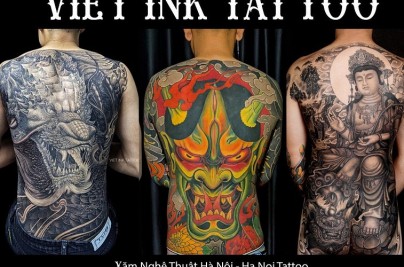
What Is a Lunar Zodiac Dragon Tattoo?
A lunar zodiac dragon tattoo is a symbolic body art design inspired by the Chinese zodiac system and East Asian lunar calendar traditions. It represents the dragon sign, one of the most powerful zodiac animals, often associated with strength, wisdom, and protection. The design may also reflect birth year identity and elemental alignment.
From an expert tattoo perspective, this design is not just decorative—it functions as a cultural identity marker tied to astrology, mythology, and personal storytelling. Many clients mistakenly treat it as purely aesthetic, but experienced tattoo artists emphasize its deeper narrative role rooted in lunar symbolism and ancestral belief systems.
Cultural Origins of the Dragon in the Lunar Zodiac
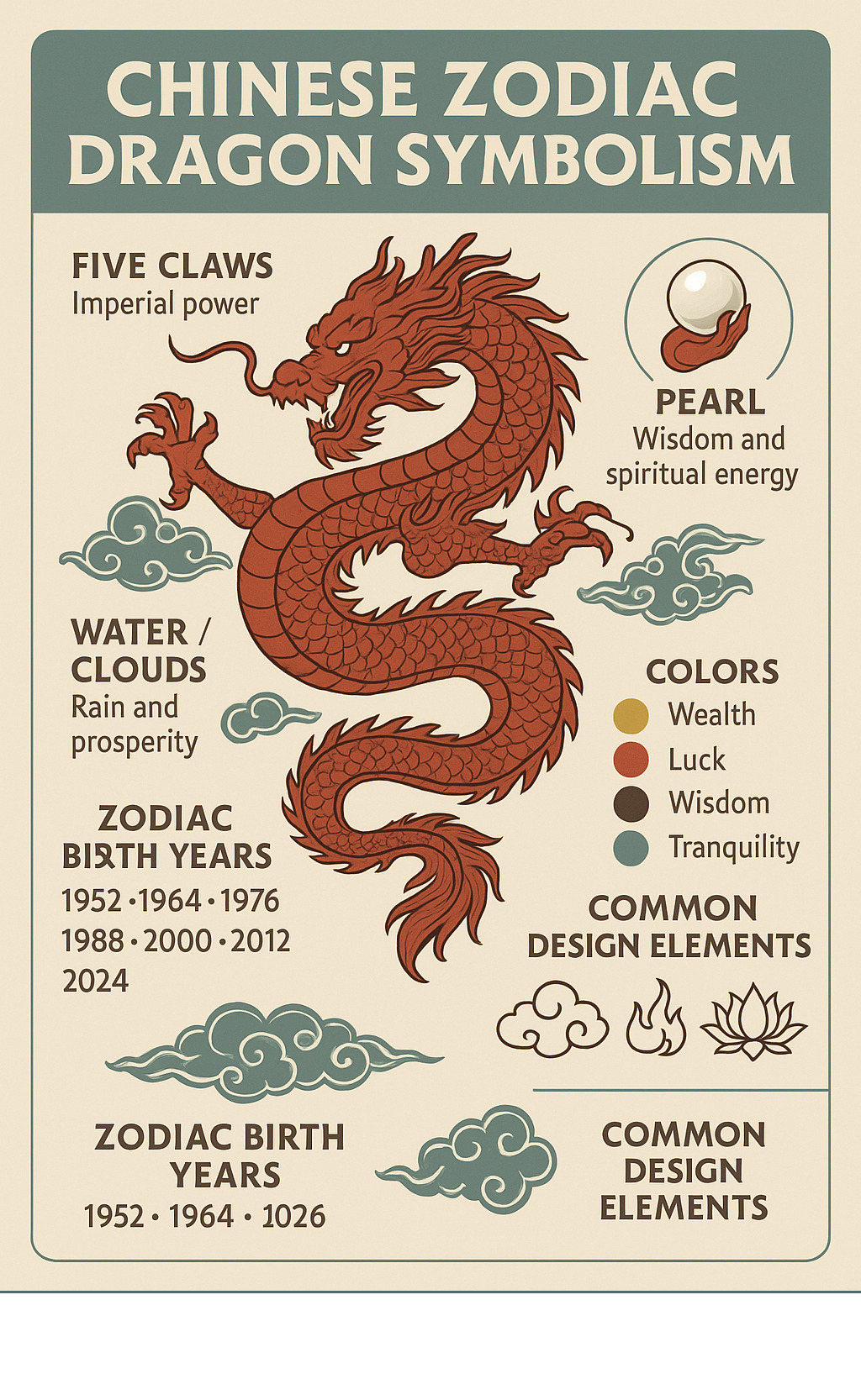
The dragon in the lunar zodiac originates from ancient East Asian mythology, where it symbolizes imperial authority, cosmic balance, and divine protection. Unlike Western dragons, the East Asian dragon is seen as benevolent and wise, deeply embedded in cultural systems across China, Japan, and Vietnam.
Historically, dragon symbolism evolved through folklore, imperial iconography, and spiritual philosophy. In China, dragons were associated with rain and agricultural prosperity, while in Japan they became water guardians. In Vietnam, dragon imagery is tied to origin myths of national identity, making this tattoo culturally layered and regionally distinct.
Information Gain Insight: Many competitors overlook regional dragon interpretation differences. A Chinese dragon tattoo emphasizes imperial power, while Japanese Ryū dragons focus on fluid motion and water control. Vietnamese interpretations often link dragons to ancestral origin myths rather than zodiac-only symbolism.
How the Chinese Zodiac Determines Your Dragon Sign
The Chinese zodiac assigns animals in a 12-year cycle based on the lunar calendar, meaning your birth year determines your zodiac sign. The dragon sign appears every 12 years, and individuals born in those years are believed to inherit traits like ambition, leadership, and resilience.
However, a common misconception is that zodiac alignment is based on the Gregorian calendar. In reality, the lunar new year shifts annually, so birth date verification is essential. Tattoo clients often choose incorrect zodiac signs due to this misunderstanding, leading to symbolic inaccuracy in their design.
- Expert Recommendation: Always confirm lunar birth year before selecting zodiac tattoos
- Risk Factor: Misaligned zodiac signs reduce cultural and symbolic authenticity
- Pro Insight: Some studios cross-check birth charts for precision-based tattoo storytelling
Symbolism and Meaning Behind Dragon Tattoos
A lunar zodiac dragon tattoo symbolizes layered meanings including power, wisdom, transformation, and protection. In East Asian traditions, the dragon is not a destructive force but a guiding spiritual entity that balances natural energies. Its meaning varies depending on cultural context, personal intent, and elemental zodiac alignment.
From an E-E-A-T perspective, experienced tattoo artists emphasize that dragon tattoos often serve as personal identity anchors. Clients frequently choose them during life transitions such as career shifts, recovery phases, or milestone achievements, reinforcing the dragon’s role as a symbolic protector and motivator.
Elemental Influence: Wood, Fire, Water, Metal, Earth
In the Five Elements system, dragon zodiac interpretations shift based on elemental cycles that influence personality traits and visual design choices. Each element adds unique symbolic depth to the tattoo, shaping color palettes, flow patterns, and emotional resonance within the artwork.
For example, a Wood Dragon emphasizes growth and flexibility, while a Fire Dragon reflects intensity and ambition. Tattoo professionals often integrate elemental symbolism subtly into shading, line direction, and composition flow, ensuring the design reflects both astrology and visual psychology.
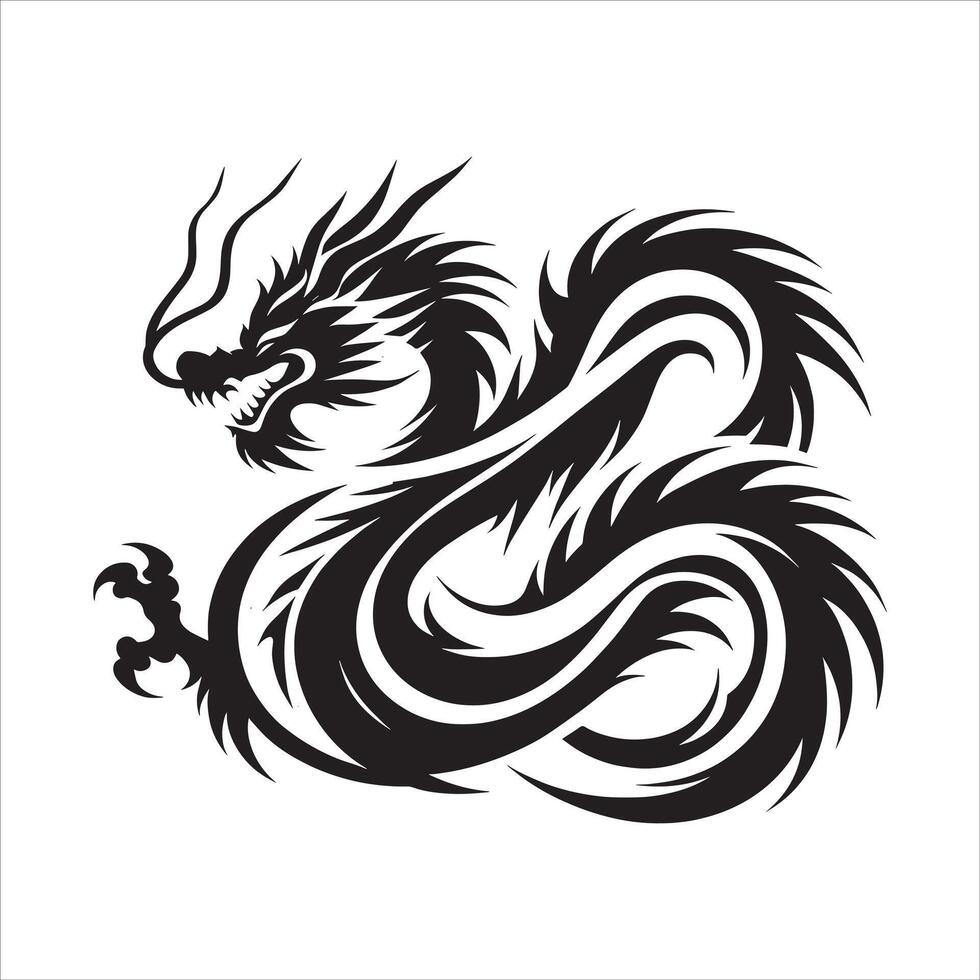
Information Gain Insight: Most online guides ignore how elemental alignment affects tattoo composition. Professional tattoo artists often adjust dragon posture direction—ascending for Fire, coiling for Water, or grounded forms for Earth—to visually reinforce metaphysical meaning beyond surface symbolism.
Practical Consideration: Clients should evaluate both symbolic meaning and long-term aesthetic clarity. Highly detailed elemental dragons may age differently depending on placement, skin type, and line density, which is often overlooked in generic tattoo recommendations.
Popular Lunar Zodiac Dragon Tattoo Styles
Lucky Tattoo, a professional tattoo artist, has over 10 years of experience in the art of tattooing in Ho Chi Minh City. Lucky Tattoo Studio was founded in 2014 by skilled and kind artists. All tattoos are provided in a clean, strictly controlled, and friendly environment.
From an expert tattoo design perspective, style selection is not just aesthetic—it directly affects how symbolism is perceived over time. Highly detailed traditional designs convey cultural depth, while minimalist versions prioritize subtle identity expression. Choosing the right style requires balancing meaning, placement, and long-term visual aging on skin.
Traditional Chinese Dragon Tattoo Style
A traditional Chinese dragon tattoo style emphasizes flowing lines, cloud motifs, and long serpentine body structures that represent cosmic power and imperial authority. This style is deeply rooted in classical East Asian art and is often associated with wisdom, protection, and spiritual authority within the lunar zodiac system.
In practice, experienced tattoo artists treat this style as a narrative composition rather than a standalone image. The dragon often interacts with clouds, water, or fire elements, creating a storytelling effect across the body. This approach requires advanced technical skill because line flow must adapt to muscle movement and body curvature.
Information Gain Insight: Many online guides fail to mention that traditional Chinese dragon tattoos are designed using directional flow principles. The dragon’s movement is often aligned with energy pathways on the body, which experienced artists use to enhance visual harmony and perceived vitality.
Japanese Ryū Dragon Tattoos
A Japanese Ryū dragon tattoo is a distinct interpretation of dragon symbolism characterized by intense motion, water integration, and dramatic contrast shading. Unlike Chinese dragons, Ryū designs emphasize storm-like energy, often wrapping around sleeves or full back pieces in dynamic compositions.
These tattoos are heavily influenced by Japanese woodblock art and folklore traditions, where dragons are guardians of seas and rainfall. Tattoo artists often incorporate waves, wind, and lightning motifs to enhance emotional intensity. This style is especially popular in large-scale tattoo work due to its fluid composition structure.
Modern Minimalist Dragon Tattoos
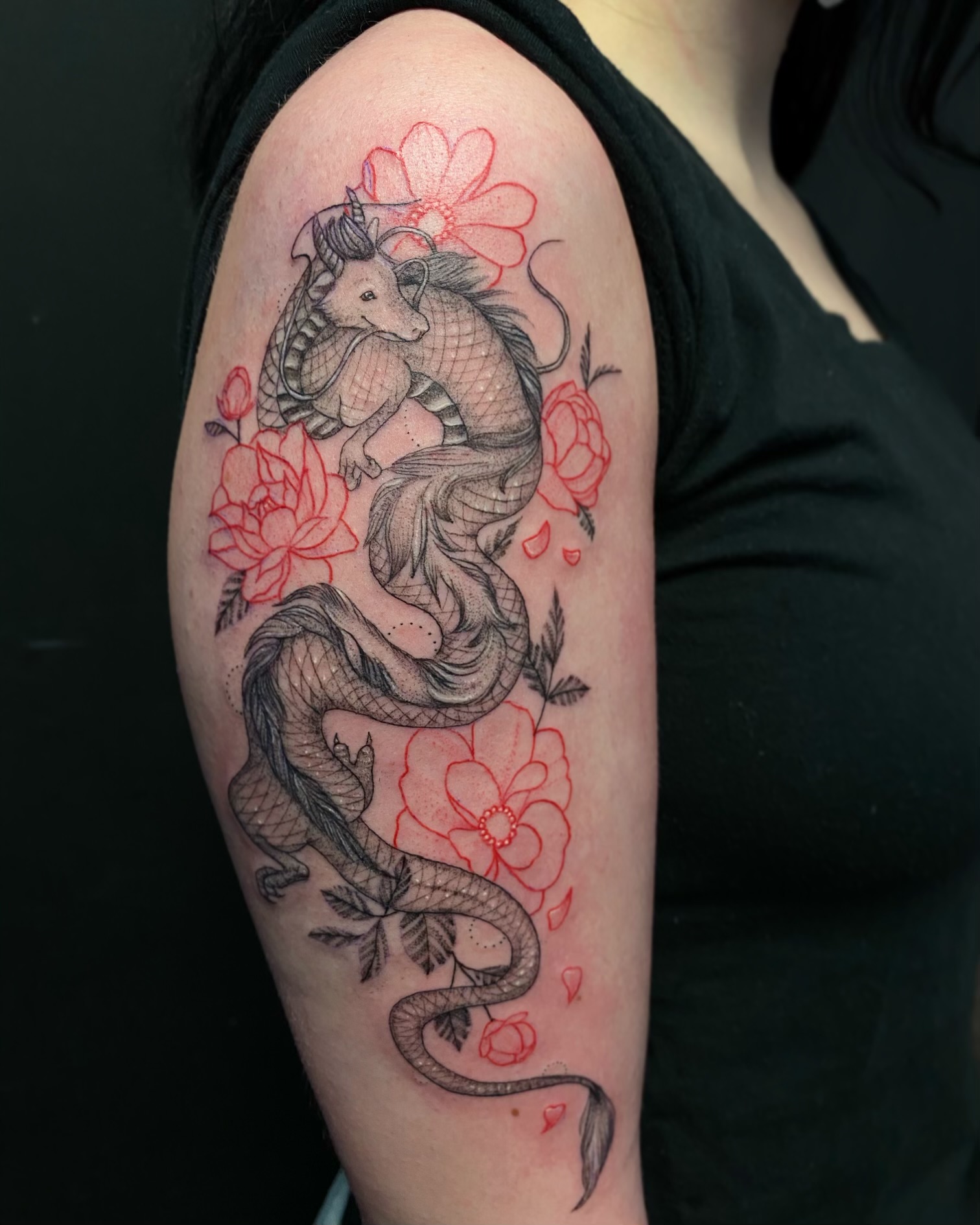
A modern minimalist dragon tattoo simplifies the lunar zodiac dragon into clean lines, abstract forms, or geometric outlines. This style is ideal for individuals who want symbolic meaning without large, complex designs. It reflects contemporary tattoo trends focused on subtle identity expression and professional flexibility.
Unlike traditional styles, minimalist dragon tattoos prioritize negative space and line precision over detail density. This makes them suitable for small placements such as wrists, ankles, or collarbone areas. However, artists must ensure the design remains recognizable as a dragon to preserve symbolic clarity.
AI-Generated Dragon Tattoo Design Trends
AI-generated dragon tattoo designs are an emerging trend where machine learning tools create custom zodiac-inspired artwork based on user prompts. These designs often combine traditional symbolism with modern aesthetics, offering highly personalized visual outputs tailored to individual zodiac profiles.
While AI tools provide rapid concept generation, professional tattoo artists caution against using raw outputs without refinement. Human adjustment is necessary to ensure anatomical flow, cultural accuracy, and long-term visual integrity. AI serves best as a conceptual starting point rather than a final stencil.
Best Placements for Dragon Zodiac Tattoos
A lunar zodiac dragon tattoo can be placed on various parts of the body depending on desired visibility, symbolic intensity, and design scale. Common placements include the back, arm, chest, and leg, each offering different meanings related to protection, strength, or personal identity expression.
From a professional tattooing standpoint, placement significantly affects how the dragon flows with body movement. Experienced artists design tattoos based on muscle structure and posture dynamics, ensuring that the dragon appears alive and fluid rather than static or distorted.
Back Tattoos: Power and Protection Symbolism
A back placement for a dragon tattoo symbolizes maximum protection, strength, and spiritual guardianship. The large canvas allows for full-body dragon compositions that often extend from shoulders to lower spine, creating a dramatic visual narrative aligned with traditional zodiac symbolism.
This placement is preferred for highly detailed designs because it allows full artistic expression without spatial constraints. However, it requires multiple sessions and proper aftercare due to its size. Pain levels are moderate to high depending on spinal proximity.
Arm and Sleeve Designs
Arm and sleeve dragon tattoos represent identity, visibility, and personal storytelling. This placement is ideal for individuals who want their lunar zodiac symbolism to be seen regularly, making it a strong choice for both aesthetic and cultural expression.
Sleeve designs often incorporate continuous flow patterns that wrap around the arm, symbolizing progression and life journey. Professional tattoo artists emphasize the importance of planning full-arm composition in advance to avoid disconnected visual elements over time.
Small Tattoos and Wrist Placement
Small dragon tattoos placed on the wrist or ankle represent subtle identity expression and personal symbolism. These designs are often minimalist in style and focus on simplified dragon outlines rather than detailed compositions, making them suitable for first-time tattoo clients.
Despite their size, small tattoos can still carry deep meaning. However, experts caution that overly detailed dragons in small spaces may blur over time due to ink diffusion, making design simplification essential for longevity.
Choosing the Right Dragon for Your Zodiac Year
Choosing the correct lunar zodiac dragon tattoo requires understanding your birth year, elemental alignment, and personality traits associated with the dragon sign. This ensures symbolic accuracy and enhances the personal meaning behind the tattoo design.
In professional tattoo consultations, artists often recommend verifying lunar calendar data before finalizing designs. This prevents mismatches between intended symbolism and actual zodiac alignment, which is a common issue among first-time clients.
2024 Year of the Wood Dragon Meaning
The 2024 Year of the Dragon is associated with the Wood element, symbolizing growth, renewal, and creative expansion. Individuals born in this cycle are believed to possess strong leadership potential combined with adaptability and long-term vision.
This zodiac year has increased global interest in dragon tattoos, particularly among younger demographics seeking symbolic transformation. Tattoo studios report higher demand for wood-element inspired designs incorporating green tones and organic flow structures.
Information Gain Insight: Unlike generic zodiac interpretations, the Wood Dragon emphasizes progressive transformation rather than static strength. This influences tattoo design choices toward upward movement, branching forms, and growth-oriented composition structures.
Matching Personality Traits With Dragon Types
Matching personality traits with dragon zodiac types involves aligning symbolic meaning with individual psychological characteristics such as leadership style, emotional intensity, and creative expression. This personalization enhances the tattoo’s long-term relevance and emotional significance.
For example, individuals with assertive personalities may prefer bold, fire-influenced dragon designs, while reflective personalities may resonate more with water-flowing or minimalist interpretations. This alignment transforms the tattoo into a personal identity map rather than a generic symbol.
Common Mistakes to Avoid in Dragon Zodiac Tattoos
A lunar zodiac dragon tattoo can lose cultural and symbolic accuracy when common mistakes are made during design selection or placement. These include ignoring lunar calendar accuracy, copying designs without context, and choosing styles that do not match long-term aesthetic goals.
From professional tattoo industry experience, the most frequent issue is clients selecting designs based on visuals alone without understanding cultural meaning. This often leads to symbolic inconsistency and dissatisfaction after healing.
- Misidentifying zodiac year: Using Gregorian calendar instead of lunar calendar
- Over-detailing small tattoos: Leads to ink blur over time
- Cultural misinterpretation: Mixing unrelated dragon traditions without understanding context
- Ignoring body flow: Design does not align with anatomy movement
FAQ: Lunar Zodiac Dragon Tattoo
A lunar zodiac dragon tattoo FAQ section helps clarify common questions about meaning, placement, cultural accuracy, and design selection. These answers are optimized for voice search and AI-generated summaries to provide quick, factual, and authoritative information for users researching tattoo symbolism.
What does a lunar zodiac dragon tattoo mean?
It symbolizes strength, wisdom, protection, and personal identity based on the Chinese zodiac dragon sign and lunar calendar traditions.
Is the dragon tattoo only for people born in the Year of the Dragon?
No, it can also represent admiration for dragon symbolism such as power, transformation, and spiritual protection.
What is the best placement for a dragon zodiac tattoo?
The back is ideal for large protective designs, while the arm is popular for visible identity expression.
What do the Five Elements mean in dragon tattoos?
They represent Wood, Fire, Earth, Metal, and Water influences that shape personality traits and design aesthetics.
Are Chinese and Japanese dragon tattoos the same?
No, Chinese dragons emphasize wisdom and imperial power, while Japanese Ryū dragons focus on water, storms, and dynamic energy.
Is the Year of the Dragon considered lucky?
Yes, it is traditionally viewed as one of the most auspicious zodiac years, associated with success and leadership.
Conclusion: The Deeper Meaning Behind Lunar Dragon Tattoos
A lunar zodiac dragon tattoo is more than decorative art—it is a fusion of cultural heritage, personal identity, and symbolic storytelling. When designed with accurate zodiac alignment, elemental awareness, and cultural respect, it becomes a lifelong expression of strength, transformation, and individuality rooted in East Asian tradition.