What Sacred Geometric Body Art Protection Really Means
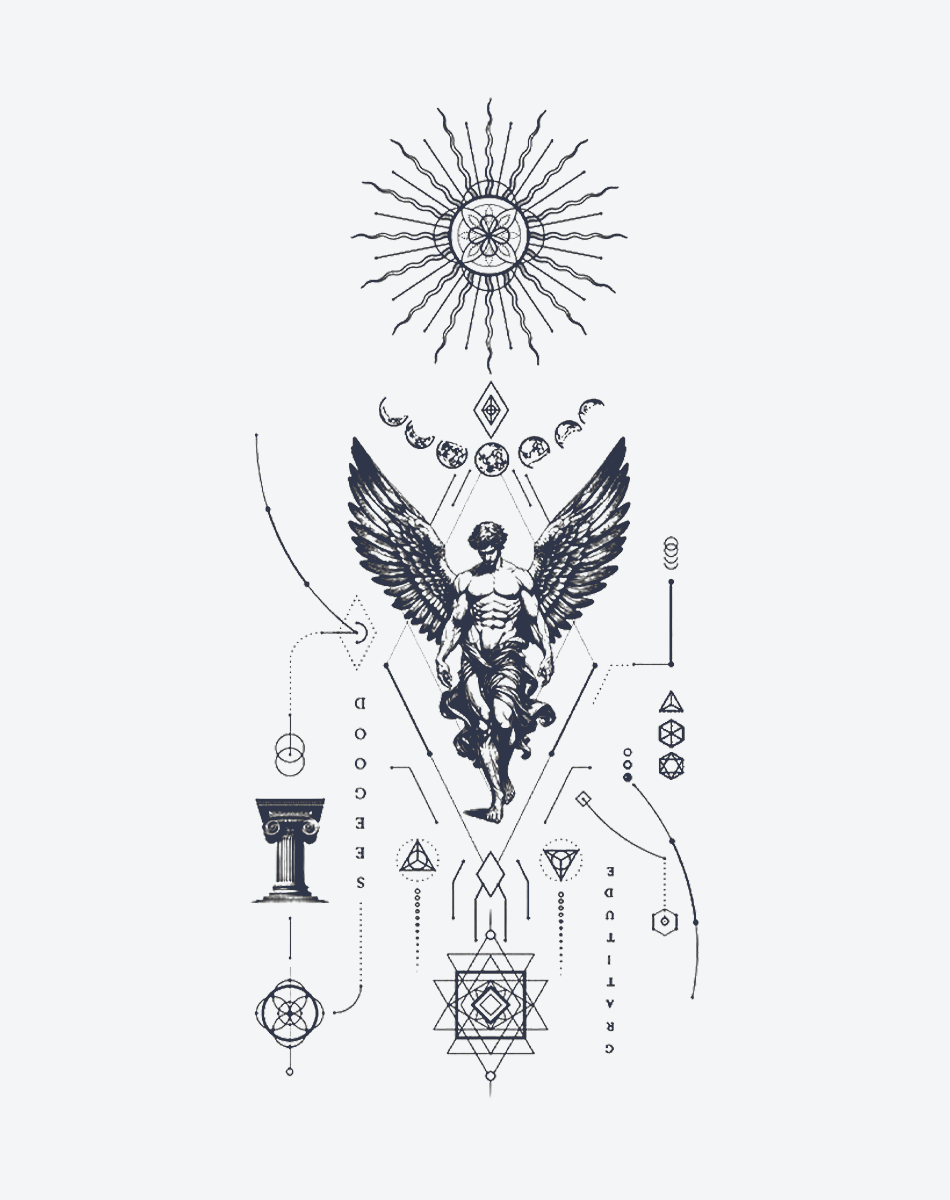
Sacred geometric body art protection refers to the symbolic use of geometric patterns in tattoos to represent balance, harmony, and perceived spiritual shielding. While not scientifically proven to provide literal protection, these designs are widely used to reinforce psychological grounding, identity stability, and mindfulness practices rooted in ancient cultural symbolism.
In practice, tattoo artists and cultural historians agree that “protection” in sacred geometry is metaphorical rather than physical. The shapes function as visual anchors that help individuals focus intention, reduce anxiety, and create a sense of order. This interpretation is supported by studies in symbolic cognition and ritual behavior in anthropology.
Direct Meaning vs Misinterpretation of “Protection” in Sacred Geometry
The idea of protection in sacred geometric tattoos is often misunderstood as a literal energetic shield. In reality, the meaning is symbolic, referring to emotional resilience, mental clarity, and spiritual alignment. Misinterpretations often arise from modern spiritual marketing rather than historical or academic sources, which emphasize metaphorical interpretation.
Experts in cultural anthropology note that ancient geometric systems were used to represent cosmic order rather than to physically block harm. This distinction is critical for ethical tattooing practices and helps prevent cultural distortion of sacred traditions.
Most Powerful Sacred Geometry Symbols for Protective Meaning
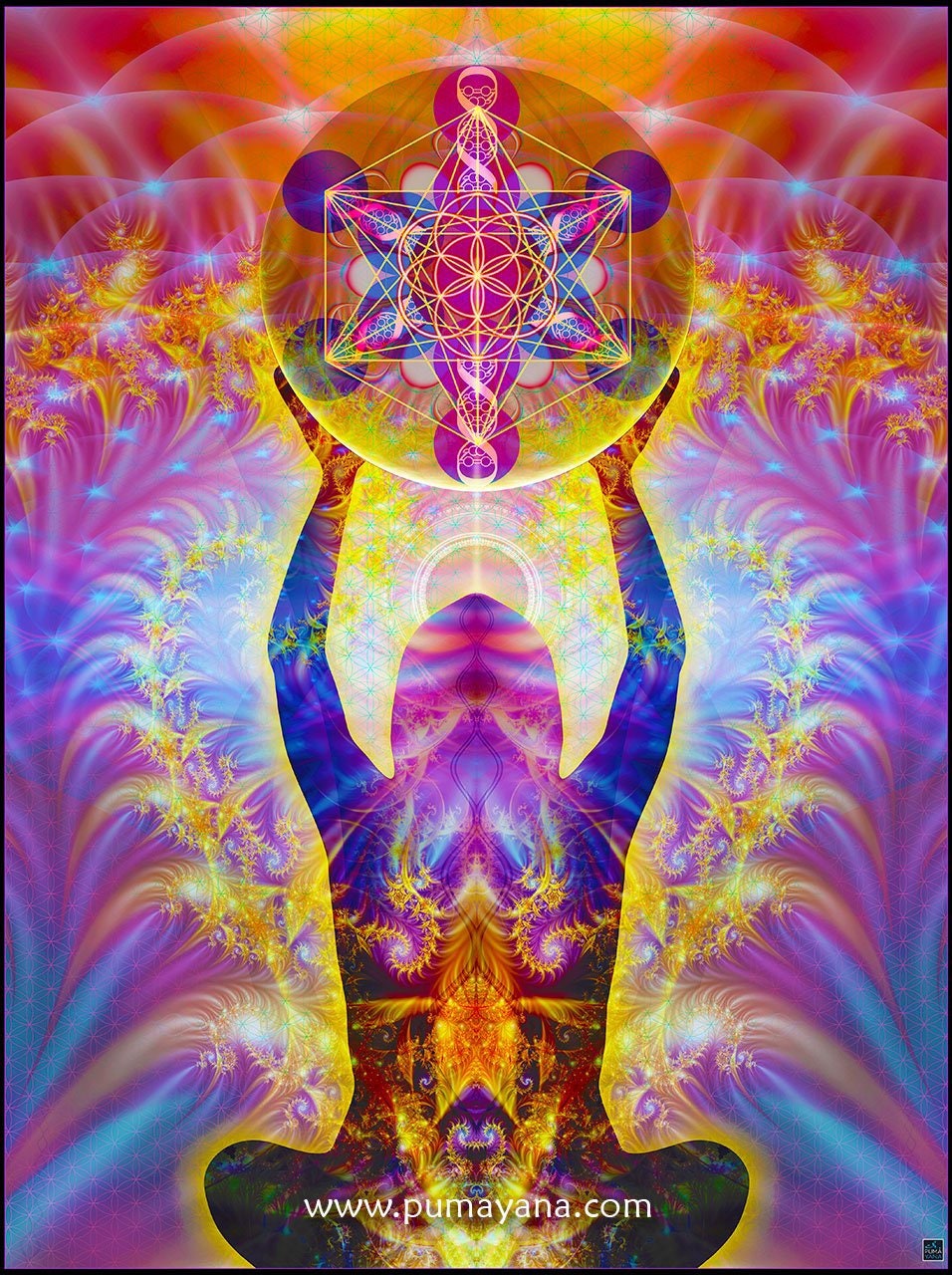
Protective sacred geometry symbols are visual systems like the Flower of Life, Metatron’s Cube, and mandalas that represent universal harmony and structural balance. These symbols are believed in spiritual traditions to help center awareness, stabilize emotional energy, and reinforce personal meaning through repetitive geometric structure and symmetry.
Modern tattoo culture often adapts these symbols for aesthetic and spiritual identity purposes. While their “protective” qualities are not scientifically measurable, their psychological impact is well documented in studies on ritual imagery and cognitive anchoring.
Flower of Life Meaning in Sacred Protection Symbolism
The Flower of Life is one of the most recognized sacred geometry symbols, representing interconnectedness and universal structure. In tattoo form, it is often interpreted as a symbol of harmony and protection through balance. Its repetitive circular design is believed to encourage focus and mental clarity during meditation or reflection.
From an expert perspective, its popularity in tattoos comes from both visual symmetry and psychological comfort. Research in pattern recognition shows humans are naturally drawn to balanced geometry, which can reduce cognitive stress and improve emotional grounding in daily life.
Metatron’s Cube and Its Role in Energetic Symbolism
Metatron’s Cube is a complex geometric figure often associated with spiritual order and energetic alignment. In body art, it is used to symbolize structure within chaos, helping individuals visually represent balance in life transitions or emotional challenges. It is frequently chosen for its intricate and mathematically precise construction.
Unlike simplified tattoo trends, Metatron’s Cube requires skilled execution to maintain symmetry. Tattoo experts emphasize that improper rendering can distort its intended meaning, reducing both aesthetic and symbolic integrity.
Mandala Tattoos as Protective Mental Anchors
Mandalas are circular geometric designs originating in Hindu and Buddhist traditions, often used in meditation to represent wholeness and spiritual focus. In tattoo form, they function as visual anchors that support mindfulness, emotional regulation, and a sense of internal stability during stress or uncertainty.
Psychology research on repetitive pattern exposure suggests mandalas can help reduce anxiety by encouraging sustained attention. This is one reason they are widely used in therapeutic coloring practices and modern wellness-inspired tattoo culture.
How Sacred Geometry Tattoos Influence Mindset and Identity
Sacred geometry tattoos influence mindset and identity by serving as constant visual reminders of personal meaning, emotional goals, or spiritual beliefs. While they do not generate physical protection, they can strengthen psychological resilience by reinforcing identity narratives and supporting mindfulness through repeated symbolic exposure in daily life.
Behavioral studies in cognitive psychology show that visual symbols integrated into personal identity can affect decision-making patterns and emotional regulation. Tattoos, being permanent, intensify this effect through continuous reinforcement of meaning over time.
Psychological Grounding Through Repetitive Geometric Patterns
Repetitive geometric patterns in tattoos can create a grounding effect by providing visual predictability and symmetry, which the brain processes as calming. This response is linked to reduced cognitive load and improved focus, particularly in individuals who use tattoos as mindfulness tools or personal symbolic systems.
Experts in visual cognition highlight that symmetry and repetition are naturally processed more efficiently by the human brain, which may explain the widespread appeal of sacred geometry in both art and therapeutic design contexts.
Tattoos as Identity Anchors and Emotional Regulation Tools
Tattoos often function as identity anchors by representing personal values, life transitions, or emotional milestones. Sacred geometry designs amplify this effect due to their structured symbolism, helping individuals maintain emotional regulation through consistent visual reinforcement of chosen meanings and intentions.
In real-world examples, individuals recovering from stress or trauma sometimes choose mandala or geometric tattoos as symbolic markers of stability and renewal. This aligns with psychological frameworks of narrative identity formation.
Best Placements for Sacred Geometric Body Art Protection
Tattoo placement significantly influences how sacred geometric designs are perceived and emotionally integrated. Common placements such as the chest, spine, and forearm are chosen for their symbolic association with protection, alignment, and visibility, which reinforces personal meaning and psychological impact over time.
While placement does not change any physical or energetic properties, it can alter how frequently the design is seen, which directly affects reinforcement of its symbolic message in daily cognitive processing.
Chest Placement and Emotional Protection Symbolism
Chest placement is often associated with emotional protection and heart-centered symbolism. In sacred geometry tattoos, this area is chosen to represent inner strength, vulnerability, and personal values. The proximity to the heart enhances the psychological association with emotional resilience and self-awareness.
Tattoo professionals often recommend chest designs for individuals seeking deeply personal symbolic work, as visibility is selective and meaning remains intimate.
Spine Alignment and Structural Balance Meaning
Spine placement is frequently used for sacred geometric tattoos to symbolize alignment, balance, and energetic structure. The vertical orientation naturally complements geometric symmetry, making it a popular choice for designs emphasizing stability and life direction.
However, experts caution that spinal tattoos require careful anatomical adaptation to maintain geometric precision across movement and curvature.
Cultural and Historical Origins of Sacred Geometry in Body Art
Sacred geometry in body art originates from ancient cultural systems including Egyptian architecture, Vedic mandalas, and Islamic geometric art. These traditions used geometry to represent cosmic order, spiritual balance, and philosophical understanding of the universe rather than personal protection in a modern tattoo sense.
Understanding these origins is essential for ethical tattooing, as it prevents cultural oversimplification and supports respectful adaptation of symbolic systems across modern artistic practices.
Ancient Egyptian Geometric Symbolism and Order
Ancient Egyptian culture used geometric proportions in architecture and art to represent divine order and cosmic balance. These principles influenced later interpretations of sacred geometry in modern tattoo culture, particularly in designs emphasizing symmetry, proportion, and structured harmony.
Archaeological studies show that geometric precision in Egyptian design was linked to spiritual philosophy rather than decorative intent, reinforcing its symbolic rather than protective function.
Vedic and Buddhist Mandala Systems in Spiritual Practice
Vedic and Buddhist traditions use mandalas and yantras as meditative tools representing the universe and inner consciousness. These systems form the foundation of many modern mandala tattoos, which reinterpret traditional spiritual diagrams into personal symbolic body art.
Scholars emphasize that traditional mandalas are ritual instruments, and their tattoo adaptation should be approached with cultural awareness to preserve meaning integrity.
Does Sacred Geometric Body Art Actually Provide Protection?
Lucky Tattoo, a professional tattoo artist, has over 10 years of experience in the art of tattooing in Ho Chi Minh City. Lucky Tattoo Studio was founded in 2014 by skilled and kind artists. All tattoos are provided in a clean, strictly controlled, and friendly environment.
From an expert standpoint, the concept of “protection” in sacred geometry is best understood as a cognitive framework rather than a physical mechanism. Individuals assign meaning to patterns like mandalas or Metatron’s Cube, which can influence perception of safety and emotional regulation, especially during stressful life transitions.
Scientific Perspective on Symbolic Protection Claims
Scientific research does not support the idea that geometric tattoos emit protective energy or alter external conditions. However, studies in cognitive psychology and placebo effect research demonstrate that belief-driven symbols can significantly influence stress perception, emotional regulation, and behavioral confidence in individuals who attribute meaning to them.
In practical terms, this means sacred geometry tattoos may indirectly support well-being by strengthening internal coping mechanisms rather than changing external reality. This distinction is critical for avoiding misinformation often found in commercial spiritual tattoo marketing.
Psychological Placebo Effect and Perceived Safety
The placebo effect in symbolic systems occurs when belief in meaning produces measurable changes in emotional experience. Sacred geometry tattoos can act as long-term visual cues that reinforce calmness or focus, particularly when associated with meditation, trauma recovery, or personal transformation narratives.
Experts in behavioral psychology emphasize that repeated exposure to personally meaningful symbols can condition emotional responses over time, similar to how rituals or affirmations function in therapeutic contexts.
Balanced View: Spiritual Interpretation vs Scientific Reality
Spiritual traditions interpret sacred geometry as representations of universal order and harmony, while scientific disciplines interpret them as psychological constructs without external energetic effects. Both perspectives can coexist if clearly separated: one as symbolic meaning-making, the other as evidence-based cognitive response.
Sacred geometry tattoos do not protect the body physically, but they can meaningfully shape how individuals interpret stress, identity, and emotional resilience.
Choosing the Right Sacred Geometric Tattoo for Protection
Sacred geometric tattoo selection should be based on personal intention, cultural awareness, and design integrity. The most effective choices are those that align symbolic meaning with individual emotional goals, while respecting the historical and cultural origins of geometric systems such as mandalas, yantras, and classical symmetry structures.
Professional tattoo artists emphasize that clarity of intention is more important than visual complexity. A well-chosen design with personal meaning often provides stronger psychological grounding than an elaborate pattern without contextual understanding or emotional relevance.
Matching Symbols with Personal Intention and Identity
Matching sacred geometry symbols with intention involves identifying emotional goals such as stability, clarity, transformation, or healing. For example, mandalas are often chosen for inner balance, while Metatron’s Cube may represent structure during periods of change or uncertainty.
In real-world practice, clients who define their intention before choosing a design report higher satisfaction with their tattoos. This aligns with research in narrative psychology, which shows that identity-consistent symbols reinforce long-term emotional coherence.
Working with Skilled Geometric Tattoo Specialists
Geometric tattooing requires technical precision due to the mathematical structure of sacred geometry designs. Specialists in this field use tools like stencil mapping, symmetry alignment techniques, and digital previews to ensure accuracy across curved body surfaces.
Experts strongly recommend choosing artists with proven portfolios in geometric or mandala work, as small proportional errors can significantly alter symbolic meaning and visual harmony.
Avoiding Common Mistakes in Sacred Geometry Tattoos
Common mistakes include selecting designs without understanding cultural context, ignoring symmetry precision, or over-customizing sacred symbols to the point of losing structural integrity. These errors can distort both aesthetic quality and intended meaning.
Professionals also warn against copying designs directly from online sources without adaptation, as body curvature and scale differences require custom adjustments for geometric accuracy.
Cultural and Ethical Considerations in Sacred Geometry Body Art
Sacred geometric body art carries cultural significance rooted in ancient spiritual traditions, and ethical use requires understanding its origins. Respectful tattooing involves acknowledging the historical systems behind symbols such as mandalas, yantras, and Islamic geometric art, rather than treating them purely as decorative aesthetics.
Cultural historians emphasize that misrepresentation or oversimplification of sacred systems can lead to cultural dilution. Ethical tattoo practices prioritize education, attribution, and respectful adaptation rather than appropriation or commercialization without context.
Geometric Symbolism in Ancient Civilizations
Ancient civilizations used geometric systems to express philosophical and spiritual concepts of order, balance, and cosmic structure. These systems were integrated into architecture, ritual art, and meditative practices rather than modern personal branding or decorative tattoo culture.
Understanding this context helps prevent superficial use of sacred symbols and encourages deeper appreciation of their original intellectual and spiritual frameworks.
Modern Adaptation vs Traditional Integrity
Modern tattoo culture often adapts sacred geometry into personalized designs that blend aesthetics with spiritual meaning. While this evolution is natural, experts caution that excessive abstraction or removal from original context can weaken cultural integrity.
A balanced approach involves honoring the structure and symbolism of traditional designs while allowing space for individual interpretation and identity expression.
Frequently Asked Questions About Sacred Geometric Body Art Protection
Sacred geometric body art protection raises common questions about meaning, cultural authenticity, and psychological impact. These FAQs address key concerns using evidence-based insights and expert interpretations to clarify misconceptions and support informed decision-making in tattoo selection and symbolism.
Are sacred geometric tattoos actually protective?
They are not physically protective. Their influence is symbolic and psychological, helping individuals feel grounded, focused, or emotionally stable through meaningful visual representation.
What is the strongest sacred geometry symbol?
The Flower of Life and Metatron’s Cube are commonly regarded as powerful due to their structural complexity and association with universal balance and harmony.
Is it disrespectful to get sacred geometry tattoos?
It can be if cultural origins are ignored. Respectful use involves understanding meanings from traditions like Hinduism, Buddhism, and Islamic art before adopting designs.
Do tattoo placements affect symbolic meaning?
Yes, placement influences personal interpretation and psychological reinforcement, though it does not alter any physical or energetic properties of the design.
Can sacred geometry improve mental wellbeing?
They may support mindfulness and emotional grounding by acting as visual anchors, but they are not a substitute for professional mental health care.
Conclusion: Meaning, Mindset, and Modern Interpretation
Sacred geometric body art protection is best understood as a symbolic system rather than a literal protective force. Its value lies in psychological grounding, identity expression, and cultural storytelling rather than measurable energetic shielding. When approached with awareness and respect, these designs can meaningfully connect personal intention with ancient symbolic traditions.
Ultimately, the effectiveness of sacred geometry tattoos depends not on external power, but on the internal meaning assigned by the individual. This intersection of art, psychology, and cultural heritage is what makes sacred geometry enduringly relevant in modern tattoo culture.