What Is a Small Dragon Tattoo? Meaning, Symbolism & Core Identity
A small dragon tattoo is a compact body art design inspired by global mythologies, most notably Chinese, Japanese, and Western traditions. Despite its size, it carries powerful symbolism including strength, transformation, wisdom, and protection. In modern tattoo culture, it is often chosen for its balance between subtle aesthetics and deep personal meaning.
From an expert tattooing perspective, small dragon tattoos are not “simplified versions” of larger designs. They require precision linework, thoughtful composition, and strategic spacing to ensure the dragon’s form remains readable as the tattoo ages. Poorly designed micro dragons often lose clarity within a few years due to ink diffusion in the dermis.
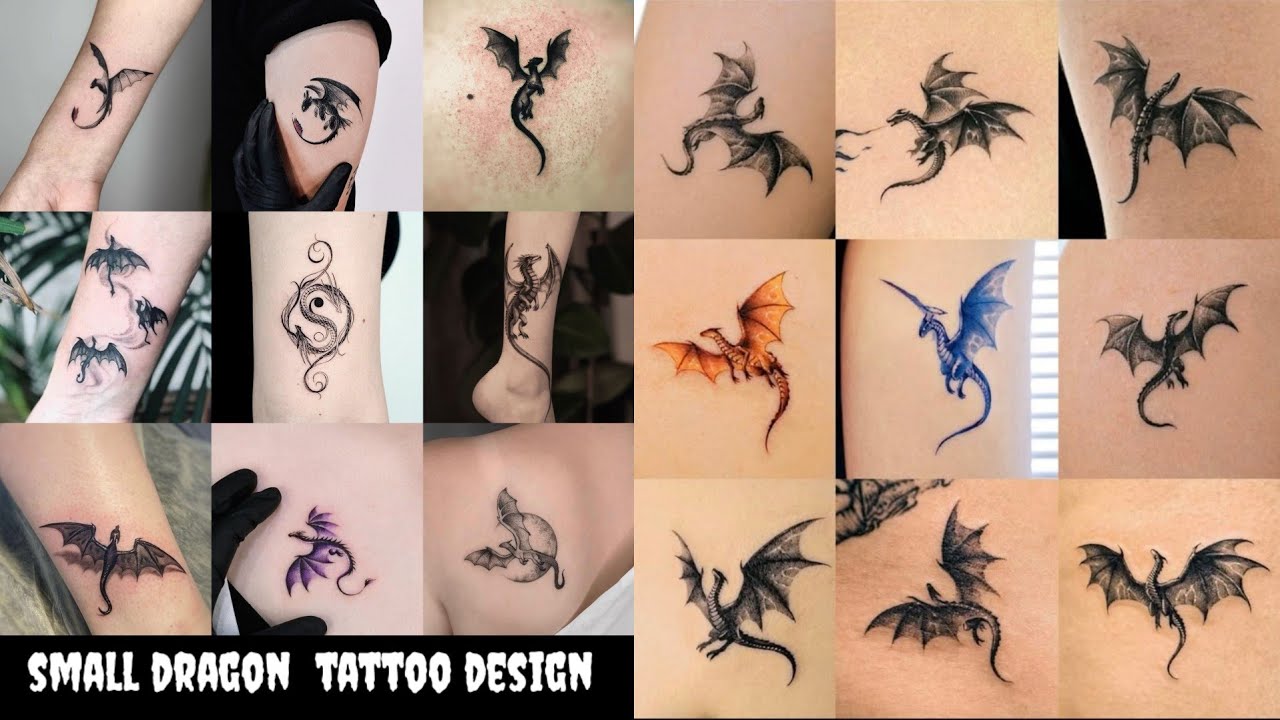
Symbolism Breakdown Across Cultures
A small dragon tattoo carries different meanings depending on cultural origin and stylistic interpretation. In Eastern traditions, dragons represent harmony with nature, wisdom, and control over elemental forces. In Western mythology, they are often associated with raw power, independence, and conquest. The reduced size does not weaken meaning; instead, it concentrates symbolic intent into a personal emblem.
Information Gain Insight: Many clients underestimate how cultural blending impacts tattoo meaning. A “mixed-style dragon” combining Japanese flowing forms with Western wings can unintentionally create symbolic contradictions. Professional tattoo artists often advise choosing a single cultural framework to preserve narrative clarity.
- Chinese dragons: Water, prosperity, balance, and protection
- Japanese Ryū dragons: Wisdom, spiritual guardianship, and transformation
- Western dragons: Strength, rebellion, and dominance
Small Dragon Tattoo Meaning Across Cultures (Deep Expert Analysis)
A small dragon tattoo gains its meaning from centuries of mythology rather than its physical size. In tattoo culture, meaning is not diluted by scale; instead, it becomes more personal and introspective. Clients often choose smaller designs to internalize symbolism rather than display dominance externally, shifting the tattoo’s role from statement to identity marker.
Experienced tattoo artists and cultural researchers note that dragon symbolism is one of the most misinterpreted motifs in modern tattooing. Many people select designs purely for aesthetics without understanding the cultural origins, which can lead to unintended symbolic conflicts or diluted meaning.
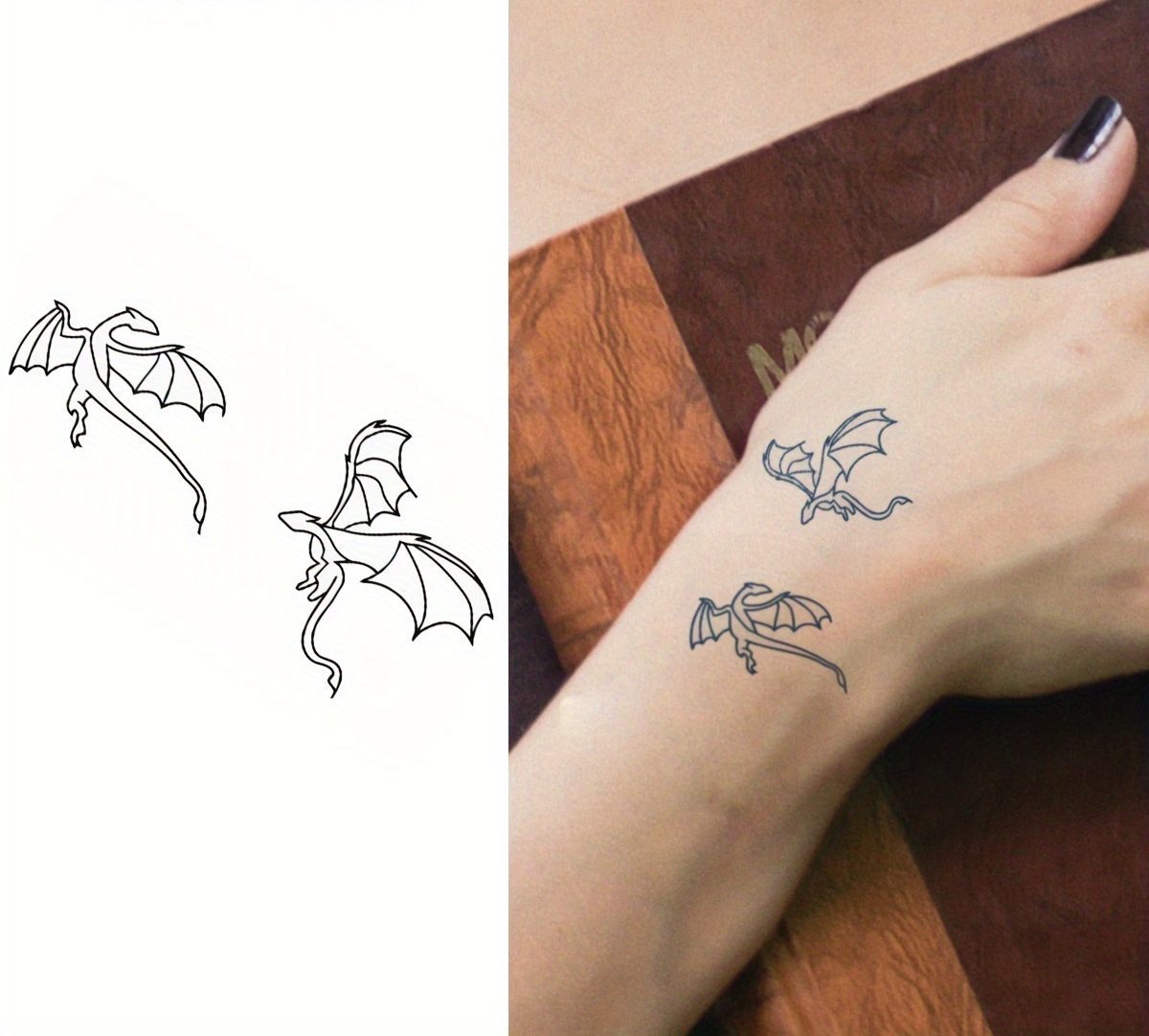
Eastern vs Western Interpretation Differences
In Eastern philosophy, particularly Chinese and Japanese traditions, dragons are benevolent forces tied to nature, balance, and spiritual authority. In contrast, Western interpretations historically depict dragons as chaotic or destructive beings. When translated into tattoo form, these differences significantly influence posture, motion, and line direction in design composition.
Information Gain Insight: One overlooked factor is directional flow. Eastern dragons often move horizontally or fluidly across the body, symbolizing harmony. Western dragons tend to be upright or aggressive in stance, emphasizing dominance. This affects not only symbolism but also how the tattoo visually interacts with body anatomy.
- Eastern designs emphasize fluid movement and negative space
- Western designs emphasize structure, wings, and armor-like detail
- Hybrid designs require careful symbolic reconciliation
Best Small Dragon Tattoo Styles (Expert Breakdown & 2026 Trends)
A small dragon tattoo can be executed in multiple artistic styles, each with unique technical demands and long-term aging behaviors. The most successful designs are those that balance visual clarity with controlled detail density. In 2026 tattoo trends, minimalism and fine-line micro-realism dominate due to their aesthetic subtlety and adaptability across body placements.
From a technical standpoint, style selection directly impacts longevity. Fine-line tattoos require higher precision needle control and are more sensitive to skin type, sun exposure, and placement movement. Choosing the wrong style for a small dragon design can lead to premature blurring or structural loss of the dragon’s defining features.
Fine-Line Dragon Tattoos
A fine-line small dragon tattoo uses thin, precise strokes to create elegant and minimalist forms. This style emphasizes simplicity and flow rather than heavy shading or bold outlines. It is especially popular among first-time tattoo clients seeking subtle but meaningful designs.
Information Gain Insight: Contrary to popular belief, fine-line tattoos do not always fade faster. The real risk is poor spacing. If lines are too close together, ink diffusion causes merging over time, reducing clarity. Skilled artists adjust line weight variation to slow this process.
- Best for: wrist, collarbone, and ankle placements
- Risk factor: overcrowding in small spaces
- Longevity depends on line spacing and ink saturation control
Minimalist Dragon Designs
Minimalist dragon tattoos reduce the creature to essential contours, often using a single continuous line or abstract form. This style prioritizes symbolic expression over anatomical detail, making it ideal for micro tattoos.
Information Gain Insight: Minimalist dragons often age better than highly detailed micro-realism designs because they rely on composition rather than fine internal structures. This makes them more resilient to dermal ink spreading over time.
Small Dragon Tattoo Placement Ideas (Pain, Visibility & Longevity)
A small dragon tattoo requires strategic placement to maintain clarity, reduce pain, and enhance symbolic meaning. Placement is not purely aesthetic; it directly influences how the tattoo ages due to skin movement, sun exposure, and anatomical curvature. Expert tattooists evaluate both visual flow and biological factors before finalizing placement recommendations.
Choosing the right location ensures that the dragon’s form remains legible over time. Areas with excessive movement or thin skin may distort fine-line details faster, while stable zones preserve structure longer.
Wrist, Forearm, and Ankle Placement Analysis
The wrist and forearm are among the most popular placements for small dragon tattoos due to their visibility and natural alignment with flowing dragon shapes. The ankle offers a more discreet option but may present higher pain sensitivity and faster fading due to friction from footwear.
Information Gain Insight: Skin movement is often overlooked. The inner wrist experiences constant flexion, which can distort fine-line dragons over years. Forearm placement is generally more stable, making it a preferred option for longevity-focused designs.
- Wrist: High visibility, moderate aging risk
- Forearm: Best balance of durability and visibility
- Ankle: High detail risk due to friction and movement
Pain Considerations for Small Dragon Tattoos
Pain levels vary significantly depending on placement rather than tattoo size. Small dragon tattoos can still be painful if placed in high-nerve-density areas such as ribs or ankles. Understanding pain distribution helps clients prepare mentally and physically for the tattoo process.
Information Gain Insight: Pain perception is influenced by skin thickness and proximity to bone rather than design complexity. A small dragon tattoo on the rib area may feel more intense than a larger tattoo on the outer arm due to nerve concentration.
- Low pain: outer arm, upper thigh
- Moderate pain: forearm, shoulder
- High pain: ribs, ankle, spine
Lucky Tattoo, a professional tattoo artist, has over 10 years of experience in the art of tattooing in Ho Chi Minh City. Lucky Tattoo Studio was founded in 2014 by skilled and kind artists. All tattoos are provided in a clean, strictly controlled, and friendly environment.
How Small Dragon Tattoos Age Over Time (Expert Longevity Analysis)
A small dragon tattoo changes over time as ink settles deeper into the dermis and natural skin regeneration affects line clarity. Fine-line and micro tattoos are especially sensitive to aging factors such as sun exposure, skin elasticity, and placement movement. Proper design planning significantly improves long-term readability and structural integrity.
From an expert tattooing perspective, aging is not random—it follows predictable biological patterns. Small dragon tattoos with overly tight line spacing or excessive internal detail tend to blur faster. In contrast, designs built with intentional spacing and controlled contrast maintain clarity for many years, even in high-movement areas.
Information Gain Insight: One of the most overlooked factors in tattoo aging is collagen degradation. As skin ages, collagen loss causes micro-shifts in ink distribution. This is why experienced artists adjust line weight based not only on design but also on the client’s age and skin condition.
Ink Diffusion and Line Stability Explained
Aging in small dragon tattoos is primarily influenced by ink diffusion, where pigment particles spread slightly within the dermis over time. This process is natural and unavoidable, but its impact can be minimized through proper design spacing and controlled needle depth during application.
Information Gain Insight: A key misconception is that fading and blurring are the same process. In reality, fading is pigment loss due to UV exposure, while blurring is structural ink spread. Small dragon tattoos often suffer more from blurring than fading, especially in fine-line styles.
- Sun exposure accelerates pigment breakdown
- High-movement areas increase structural distortion
- Over-detailed designs reduce long-term clarity
Tattoo Safety, Healing & Aftercare (Medical-Grade Best Practices)
A small dragon tattoo requires proper aftercare to ensure safe healing and preserve design quality. Healing typically takes 2–4 weeks, during which the skin undergoes regeneration and barrier restoration. Infection prevention, moisture control, and sun protection are critical factors that directly influence both health outcomes and long-term visual quality.
According to dermatological best practices aligned with infection control standards such as those referenced by public health authorities (e.g., CDC guidelines on skin infection prevention), tattoo aftercare must prioritize cleanliness, hydration balance, and avoidance of trauma to the healing skin.
Information Gain Insight: Many tattoo failures are not caused by artist technique but by improper aftercare during the first 72 hours. This early healing window determines whether ink stabilizes correctly within the dermis or becomes unevenly dispersed.
Healing Stages of a Small Dragon Tattoo
Healing occurs in predictable biological phases, beginning with inflammation and ending with full dermal stabilization. Understanding these stages helps clients avoid damaging behaviors such as premature exfoliation or over-moisturizing, both of which can affect ink retention.
Information Gain Insight: Excess moisture during healing can trap bacteria and delay epidermal regeneration, increasing the risk of patchy healing or ink loss in fine-line dragon tattoos.
- Days 1–3: Inflammation and plasma response
- Days 4–10: Scabbing and epidermal rebuilding
- Days 11–28: Skin normalization and ink stabilization
Aftercare Mistakes That Damage Fine-Line Tattoos
Improper aftercare is one of the leading causes of premature tattoo degradation. Small dragon tattoos, especially fine-line designs, are highly sensitive to mechanical irritation and environmental exposure during healing.
Information Gain Insight: Over-washing is as damaging as under-cleaning. Excessive cleansing strips natural healing oils, slowing epidermal recovery and increasing the likelihood of uneven ink retention.
- Avoid direct sun exposure during healing phase
- Do not pick or scratch scabs
- Use fragrance-free, dermatologist-approved ointments
Choosing the Right Tattoo Artist for Small Dragon Tattoos
Selecting the right tattoo artist is the most important decision in achieving a high-quality small dragon tattoo. Precision work such as fine-line dragons requires specialized technical skill, including needle control, pressure consistency, and understanding of micro-scale composition. Not all tattoo artists are trained for this level of detail.
Professionals in fine-line tattooing often develop a distinct portfolio focused on minimalistic and micro-realism work. Reviewing healed work, not just fresh tattoos, is essential to assess long-term performance and technical consistency.
Information Gain Insight: One of the strongest indicators of expertise is healed portfolio documentation. Many artists showcase only fresh tattoos, but healed results reveal true skill in line stability and ink retention over time.
How to Evaluate a Fine-Line Tattoo Artist
A skilled tattoo artist demonstrates consistency in line thickness, symmetry, and healed clarity across multiple clients. Consultation quality is also a key indicator—experienced artists will often adjust design complexity based on skin type, placement, and aging expectations.
Information Gain Insight: Experts often reject overly complex small dragon designs because they understand long-term degradation risks. This is a sign of professionalism, not limitation.
- Check healed portfolio (6–12 months post-tattoo)
- Evaluate line consistency under close inspection
- Assess consultation depth and technical questioning
Small Dragon Tattoo Design Ideas & Inspiration (2026 Trends)
A small dragon tattoo offers extensive creative flexibility, ranging from abstract minimalist forms to highly detailed micro-realism compositions. In 2026 tattoo trends, there is a strong shift toward personalized symbolism combined with anatomical flow, where designs follow the natural curves of the body for improved aesthetic harmony and longevity.
Design inspiration often comes from blending mythology with personal narrative. Instead of purely decorative dragons, many clients now request symbolic integration such as elemental themes (fire, water, air) or philosophical concepts like balance and transformation.
Information Gain Insight: One emerging trend is “flow-based tattooing,” where the dragon is designed to follow muscle direction rather than sit statically on the skin. This improves both visual coherence and long-term aging stability.
Popular Small Dragon Tattoo Concepts
Modern small dragon tattoos often integrate symbolic elements that enhance personal meaning while maintaining visual simplicity. These concepts are designed to remain readable at small scale while preserving artistic depth.
Information Gain Insight: Symbol layering is increasingly used in tattoo design, where secondary meanings are embedded subtly within the dragon’s structure—such as forming yin-yang shapes or hidden elemental symbols within the body of the dragon.
- Yin-yang dragon wrap designs
- Fire and water elemental fusion dragons
- Single-line minimalist dragon sketches
- Geometric dragon transformations
Frequently Asked Questions About Small Dragon Tattoos
A small dragon tattoo raises common questions about meaning, pain, longevity, cost, and design choices. These answers provide clear, expert-backed guidance to help users make informed decisions before committing to a tattoo.
What does a small dragon tattoo symbolize?
It symbolizes strength, wisdom, transformation, and protection, depending on cultural origin such as Chinese, Japanese, or Western mythology.
Do small dragon tattoos fade quickly?
They do not necessarily fade faster, but fine-line versions may blur over time if poorly designed or placed in high-movement areas.
Where is the best placement for a small dragon tattoo?
The forearm and outer wrist are popular due to visibility and relatively stable skin, while ribs and ankles carry higher distortion risk.
Are small dragon tattoos painful?
Pain depends on placement, not size. Areas with thin skin or high nerve density, like ribs or ankles, tend to hurt more.
How long does it take for a small dragon tattoo to heal?
Initial healing takes about 2–4 weeks, but full skin recovery and ink stabilization can take several months.
How much does a small dragon tattoo cost?
Costs vary widely depending on artist skill, location, and design complexity, rather than size alone.
What tattoo style lasts longest for small dragons?
Moderate line-weight designs with controlled spacing tend to age better than ultra-fine micro-realism styles.
Conclusion: Choosing a Small Dragon Tattoo with Confidence
A small dragon tattoo is more than a decorative choice—it is a long-term design decision shaped by culture, biology, and technical execution. Understanding symbolism, placement, aging behavior, and artist expertise ensures a tattoo that remains meaningful and visually strong over time. The most successful designs balance aesthetics with structural longevity.
Final Expert Insight: The quality of a small dragon tattoo is determined less by the design itself and more by how well it is engineered for the human skin it lives on. When anatomy, technique, and symbolism align, even the smallest dragon can carry lasting impact.
Lucky Tattoo, a professional tattoo artist, has over 10 years of experience in the art of tattooing in Ho Chi Minh City. Lucky Tattoo Studio was founded in 2014 by skilled and kind artists. All tattoos are provided in a clean, strictly controlled, and friendly environment.
small-dragon-tattoo