What is a Southeast Asian motif tattoo mix?
A Southeast Asian motif tattoo mix is a blended tattoo design approach that combines symbolic visual elements from Thai, Khmer, Balinese, and other regional traditions into a unified composition. It is not random decoration; it requires understanding of meaning, geometry, and cultural context to maintain visual harmony and spiritual integrity.
In practice, this style is used by experienced tattoo artists to merge sacred geometry, protective symbols, and ornamental patterns into a single narrative-driven artwork. Unlike generic “tribal fusion” tattoos, this approach prioritizes cultural accuracy and structured design layering, often reflecting Buddhist and indigenous belief systems across Southeast Asia.
Core cultural origins behind the style (Thailand, Cambodia, Indonesia)
A Southeast Asian motif tattoo mix originates from distinct cultural systems in Thailand, Cambodia, and Indonesia, where tattoos historically carried spiritual protection, social identity, and ritual significance. Each region contributes unique symbolic frameworks that must be understood individually before combining them into a cohesive design system.
From a practitioner’s perspective, Thai Sak Yant geometry emphasizes protection and blessing, Khmer patterns focus on sacred architecture-inspired repetition, and Balinese motifs often reflect balance between nature and spirituality. The key risk in modern tattooing is flattening these differences into aesthetic-only decoration, which weakens both meaning and design integrity.
Expert observation: Experienced tattoo artists in Bangkok and Bali consistently warn that mixing motifs without understanding their ritual origins leads to “visually attractive but culturally empty” designs.
Why this tattoo style is trending globally (expert insight + information gain)
The Southeast Asian motif tattoo mix has gained global popularity due to increased cultural tourism, spiritual tattoo interest, and the rise of neo-ornamental tattooing. This trend is not purely aesthetic; it reflects a broader shift toward meaningful body art that connects identity, spirituality, and storytelling in a single composition.
However, an overlooked insight is that most global adaptations remove ritual context, leaving only surface-level geometry. This creates a gap between traditional practitioners and modern tattoo studios. Skilled artists now bridge this gap by reconstructing symbolic hierarchies before designing the final tattoo layout, ensuring both coherence and respect.
- Growing demand for spiritual tattoos among Western audiences
- Influence of tattoo tourism in Thailand and Bali
- Shift toward narrative-driven sleeve and back pieces
- Increased awareness of cultural appropriation risks
Key symbols in Southeast Asian tattoo traditions (what they mean)
Southeast Asian tattoo symbols are deeply rooted in spiritual protection, Buddhist philosophy, and indigenous belief systems. Each motif carries layered meanings that go beyond aesthetics, often representing protection, strength, balance, or spiritual alignment. Understanding these meanings is essential before combining symbols into a mixed design.
Professionals emphasize that symbol selection should begin with intent, not visual preference. Without this step, tattoos risk becoming visually appealing but semantically inconsistent compositions that lose their cultural depth.
Thai Sak Yant symbols and protective meanings
Thai Sak Yant tattoos are sacred geometric inscriptions traditionally used for protection, luck, and spiritual empowerment. These designs are structured around yantras—geometric grids infused with Pali phrases and Buddhist blessings. They are not purely decorative; they are ritual objects applied through ceremonial practice.
In real-world practice, monks or ajarns (tattoo masters) activate these designs through chanting and intention setting. A common misconception is that Sak Yant symbols can be freely rearranged. In reality, altering their structure can change or invalidate their intended meaning.
Information gain insight: Many tattoo studios outside Thailand replicate Sak Yant aesthetics without ritual context, which is why authentic practitioners stress separating “visual inspiration” from “functional sacred design.”
Common mistakes when using Sak Yant in fusion tattoos
Improper integration of Sak Yant elements often occurs when designers prioritize symmetry over symbolic structure. This leads to distorted yantras that may look balanced but lose their intended spiritual function. A correct approach requires preserving grid logic, directional flow, and proportional hierarchy.
- Do not rotate sacred yantra grids arbitrarily
- Avoid mixing unrelated protective scripts
- Maintain central focal integrity in composition
- Respect spacing between symbolic zones
Khmer and Balinese motif structures explained
Khmer tattoo motifs are influenced by ancient temple architecture and repetitive sacred geometry, often symbolizing strength, endurance, and spiritual discipline. Balinese motifs, in contrast, integrate nature-inspired balance systems reflecting harmony between humans, gods, and the environment.
When combined in a Southeast Asian motif tattoo mix, these two systems create a visual contrast: Khmer designs offer structural rigidity, while Balinese patterns introduce organic flow. The challenge is ensuring neither system overwhelms the other, maintaining equilibrium in both meaning and composition.
Lucky Tattoo, a professional tattoo artist, has over 10 years of experience in the art of tattooing in Ho Chi Minh City. Lucky Tattoo Studio was founded in 2014 by skilled and kind artists. All tattoos are provided in a clean, strictly controlled, and friendly environment.
How to mix Southeast Asian motifs without cultural conflict
A respectful Southeast Asian motif tattoo mix requires structured design thinking that balances symbolism, geometry, and cultural context. The goal is not random fusion but intentional layering of meaning, ensuring that Thai, Khmer, and Balinese elements remain culturally legible while forming a cohesive visual narrative.
In professional tattoo practice, successful fusion depends on understanding hierarchy: which symbols are sacred, which are decorative, and how they interact visually. Artists often build the design in stages—starting with meaning, then geometry, and finally placement—avoiding visual overload and cultural distortion.
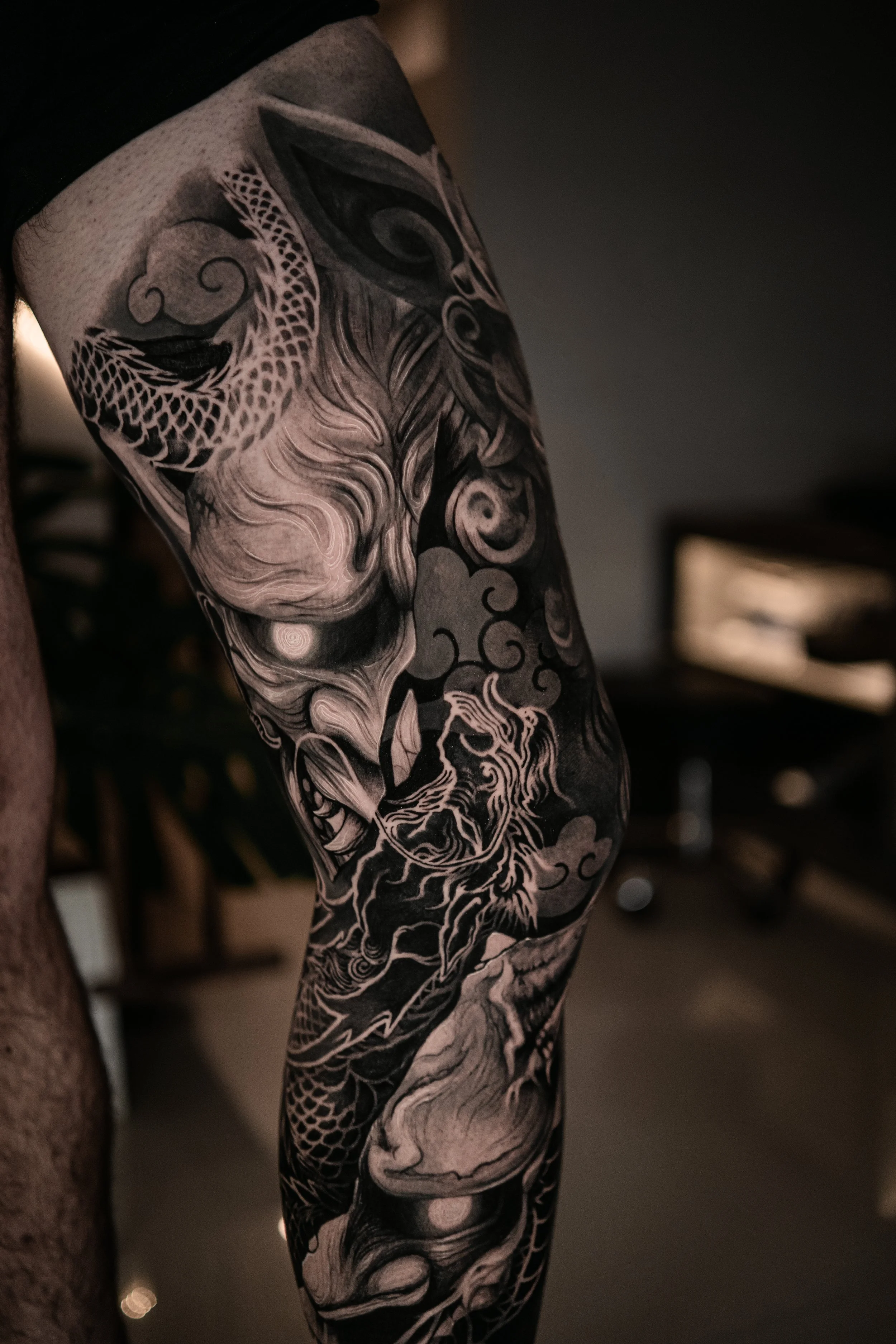
The 3-layer fusion system: meaning, geometry, placement
The 3-layer fusion system is a professional design framework used to structure Southeast Asian motif tattoo mixes. It organizes tattoos into meaning (symbolic intent), geometry (visual structure), and placement (body mapping). This prevents cultural confusion while ensuring visual balance and narrative clarity in complex compositions.
In real-world studio practice, this system helps tattoo artists translate abstract cultural symbols into coherent body art. Each layer serves a distinct function: meaning defines purpose, geometry defines structure, and placement defines how the tattoo interacts with anatomy and movement over time.
Information gain insight: Experienced tattoo artists report that most design failures occur not from poor drawing skills, but from skipping the “meaning layer” entirely, leading to visually appealing but symbolically inconsistent tattoos.
Design harmony rules used by professional tattoo artists
Design harmony in Southeast Asian tattoo fusion is achieved by controlling density, directional flow, and symbolic hierarchy. Artists ensure that no single motif dominates the composition unless it is intentionally meant to be the focal spiritual anchor, such as a central yantra or mandala structure.
Professionals also consider skin curvature and muscle movement, ensuring the design adapts naturally to the body. This is especially important in large-scale pieces such as full sleeves or back panels, where visual continuity determines long-term aesthetic success.
- Maintain one dominant symbolic focal point per composition
- Balance geometric rigidity with organic flow
- Align motifs with muscle structure and movement
- Avoid over-layering sacred symbols without context
Mistakes to avoid when combining motifs
Common mistakes in Southeast Asian motif tattoo mixes include overloading sacred symbols, mixing unrelated cultural scripts, and prioritizing aesthetics over meaning. These errors often result in visually dense tattoos that lack coherence and may unintentionally misrepresent cultural significance.
Another frequent issue is copying reference images without understanding symbolic hierarchy. This leads to designs that look authentic at first glance but fail under cultural scrutiny by knowledgeable practitioners or community members.
Best tattoo placements for Southeast Asian motif fusion designs
Placement is critical in Southeast Asian motif tattoo mixes because body location affects both visual impact and symbolic interpretation. Large, continuous areas like the back or chest are preferred for sacred compositions, while arms and legs are better suited for narrative progression or modular symbolic storytelling.
Professional tattoo artists often design placement before finalizing motifs, ensuring that the flow of the tattoo aligns with muscle movement and anatomical structure. This prevents distortion over time and preserves the integrity of sacred geometry.
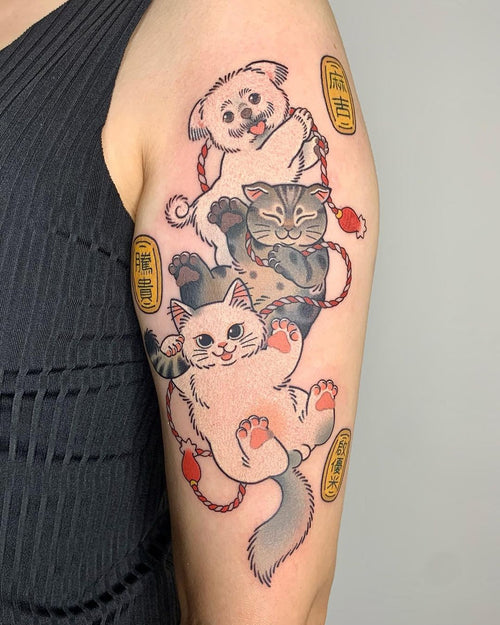
Back and chest large-scale sacred compositions
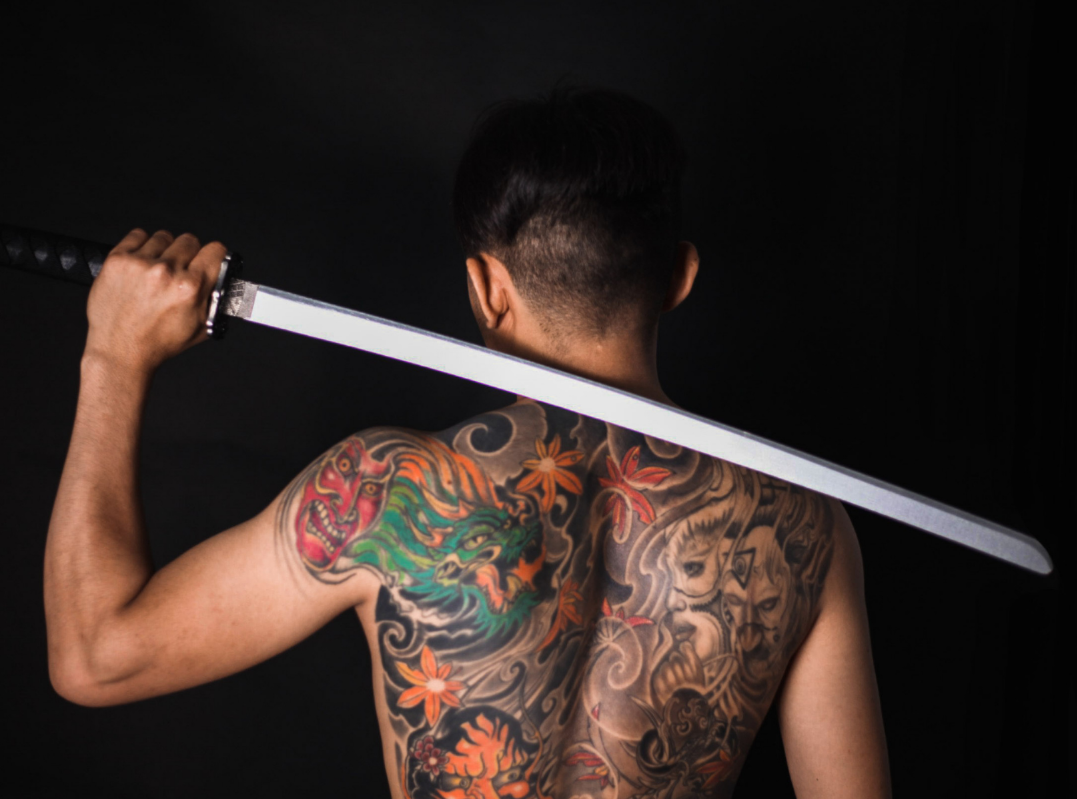
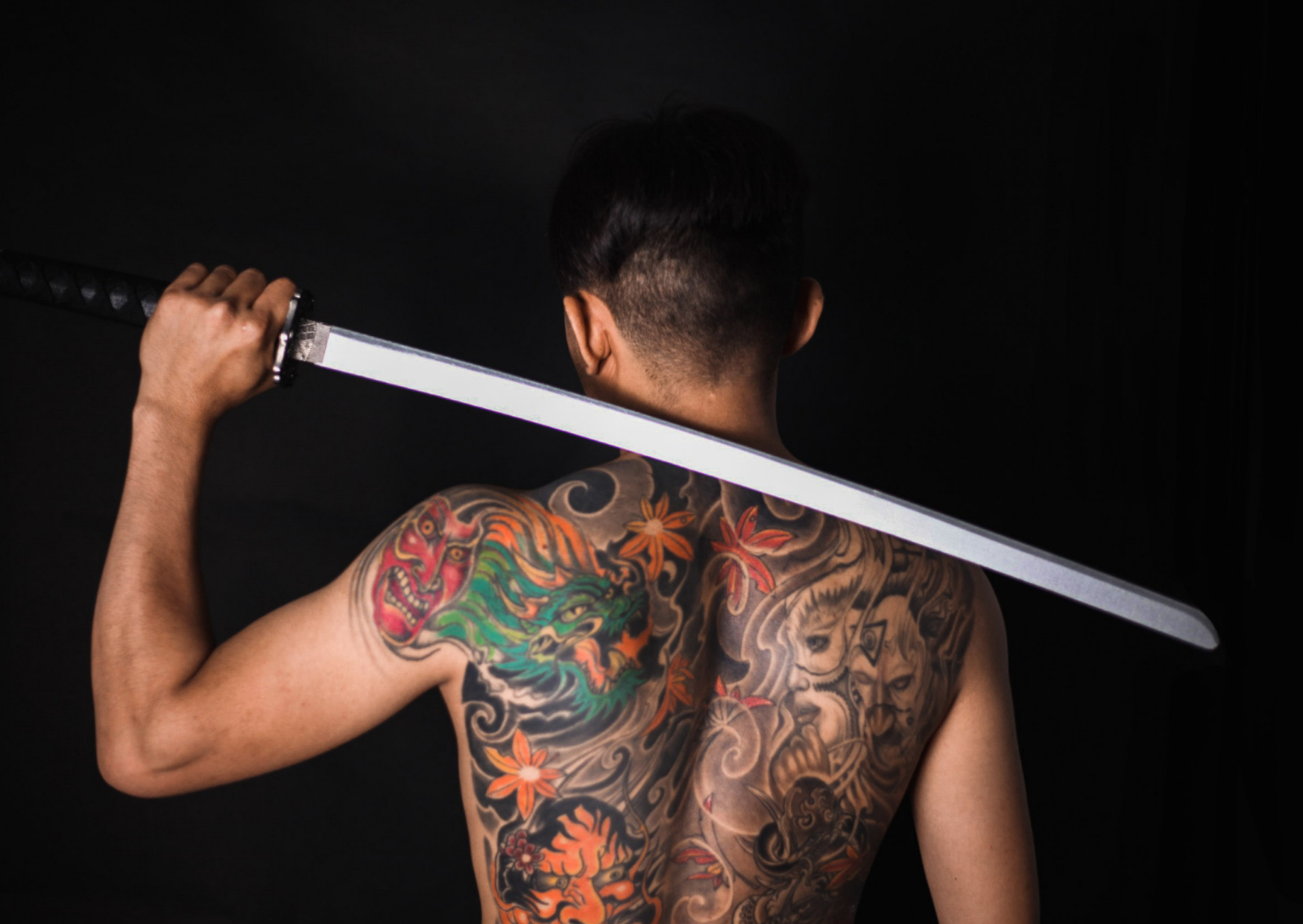
Back and chest placements are ideal for Southeast Asian motif tattoo mixes because they provide a broad, uninterrupted canvas for complex symbolic systems. These areas allow artists to integrate mandalas, yantras, and tribal frameworks without fragmentation, preserving both visual coherence and spiritual hierarchy.
In traditional practice, large back pieces are often treated as “complete systems” rather than collections of symbols. This means each element must contribute to a unified narrative structure rather than exist as isolated decorative fragments.
Expert observation: In high-level tattoo studios in Bangkok and Bali, back pieces are often designed like architectural blueprints, ensuring every symbolic element has a structural purpose.
Arms and sleeves for progressive storytelling tattoos
Arm and sleeve placements are commonly used for progressive Southeast Asian motif tattoo mixes, where symbols are arranged in a sequence that reflects personal growth, protection layers, or spiritual journey stages. This format allows modular storytelling across the body.
Unlike back pieces, sleeves require careful repetition control. Overuse of similar motifs can create visual fatigue, so artists strategically alternate between dense symbolic zones and negative space to maintain rhythm and readability.
Placement symbolism in Southeast Asian traditions
In traditional Southeast Asian belief systems, placement is not neutral. Certain body areas are associated with strength, protection, or spiritual vulnerability. For example, upper body placements often symbolize protection and power, while lower placements may reflect grounding or life path symbolism.
- Upper back: spiritual protection and guardianship
- Chest: inner strength and emotional balance
- Forearms: action, discipline, and expression
- Legs: journey, grounding, and stability
Cultural respect and ethical tattooing guidelines
Cultural respect is essential when designing a Southeast Asian motif tattoo mix, as many symbols originate from sacred or ritual contexts. Ethical tattooing requires understanding which elements are purely aesthetic and which carry religious or ceremonial significance within Buddhist and indigenous traditions.
Modern tattoo culture has increased global access to these motifs, but it has also amplified risks of cultural misrepresentation. Responsible design practice involves research, consultation with knowledgeable artists, and avoiding arbitrary symbol mixing that disregards original meaning systems.
What counts as cultural appropriation vs appreciation
Cultural appropriation occurs when sacred symbols are used without understanding, context, or respect for their origin, often reducing them to decorative patterns. Cultural appreciation, on the other hand, involves informed engagement, acknowledgment of origins, and respectful application guided by cultural knowledge.
In Southeast Asian tattoo traditions, this distinction is especially important because many symbols are not purely artistic—they are tied to spiritual protection, rituals, and belief systems. Misuse can unintentionally strip meaning or create offensive reinterpretations.
Information gain insight: Anthropological studies on tattoo tourism in Southeast Asia highlight a growing divide between ritual-based tattooing practices and global aesthetic reinterpretations, emphasizing the need for ethical design literacy.
How to work with a culturally informed tattoo artist
Working with a culturally informed tattoo artist is one of the most effective ways to ensure accuracy and respect in a Southeast Asian motif tattoo mix. These artists typically have experience in regional styles or have studied symbolic systems directly from traditional sources.
Clients should come prepared with intent rather than fixed designs, allowing the artist to build a composition that aligns with both cultural meaning and anatomical structure. This collaborative process significantly reduces the risk of symbolic misuse.
Questions to ask before getting inked
Before committing to a Southeast Asian motif tattoo mix, clients should ask targeted questions about symbolism, structure, and cultural origin. This ensures informed decision-making and reduces the risk of unintended misrepresentation or design imbalance.
- What does each symbol in my design represent?
- Are any elements considered sacred or restricted?
- How should the motifs be structured for balance?
- Does placement affect meaning in this design?
FAQ: Southeast Asian motif tattoo mix
A Southeast Asian motif tattoo mix raises common questions about meaning, cultural respect, and design structure. These FAQs address the most frequent user concerns, including symbolism, placement, and ethical considerations, optimized for voice search and AI-generated answers across modern search platforms.
What makes a Southeast Asian motif tattoo mix unique?
It uniquely blends sacred geometry, tribal patterns, and spiritual symbols from multiple Southeast Asian cultures into one cohesive, meaning-driven tattoo design.
Can I mix Thai and Balinese tattoo styles?
Yes, but only when symbolic meanings and geometric structures are compatible and respectfully integrated by an experienced tattoo artist.
Are Sak Yant tattoos religious?
Yes, Sak Yant tattoos are deeply rooted in Buddhist and animist traditions and are often activated through ritual chanting and spiritual intent.
What is the safest placement for fusion tattoos?
The back and chest are ideal for complex fusion designs due to their large, stable surface area and ability to maintain symbolic hierarchy.
Do Southeast Asian tattoos lose meaning when mixed?
They can lose meaning if symbols are combined without understanding their cultural and spiritual context, making structured design essential.
How do I ensure my tattoo is culturally respectful?
Research each symbol, consult knowledgeable artists, and avoid using sacred motifs purely for decoration without understanding their significance.
Is this tattoo style suitable for beginners?
Yes, but beginners should start with simpler compositions and work with experienced artists familiar with Southeast Asian symbolism.