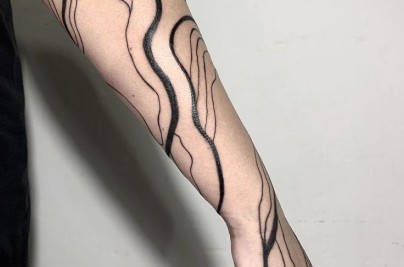
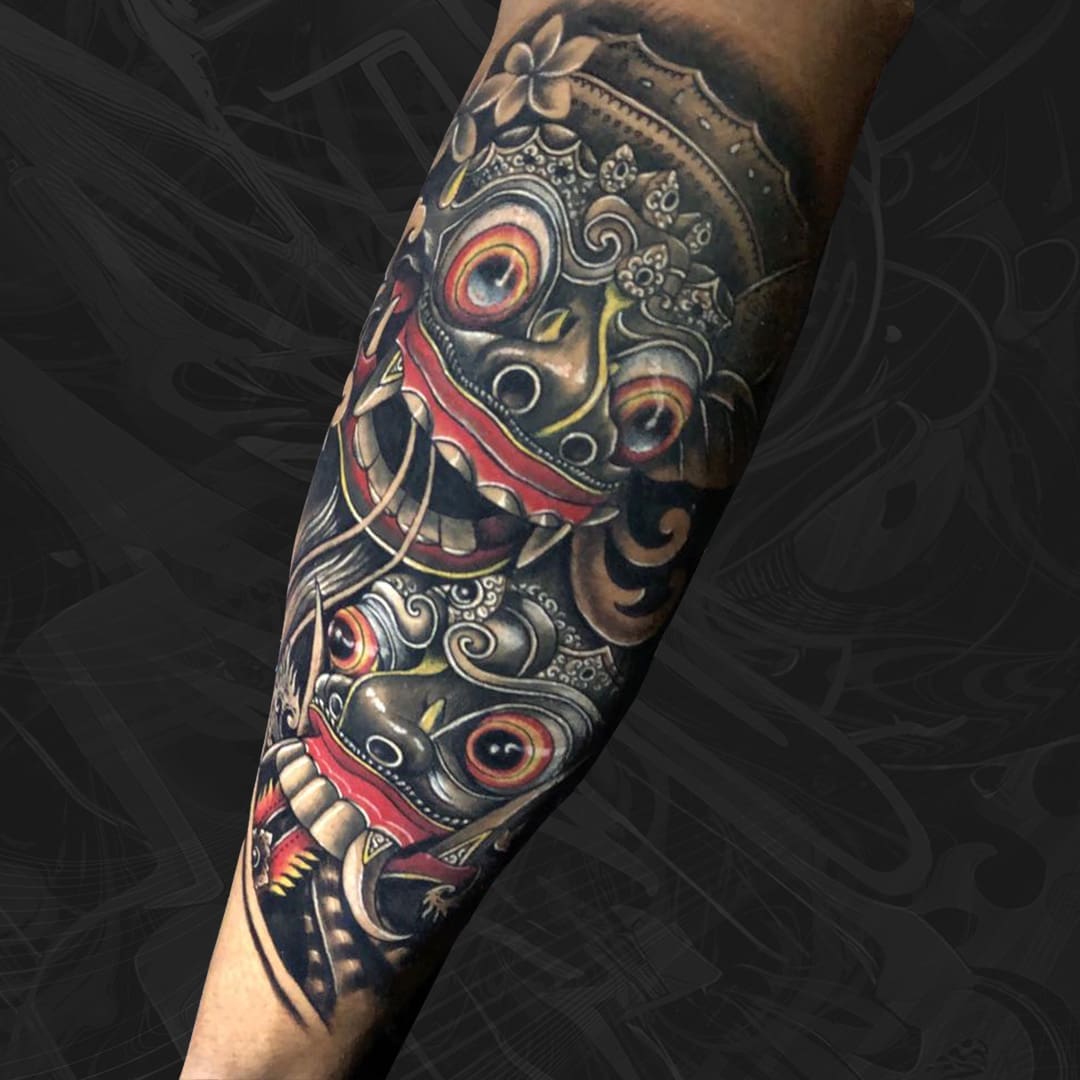
Oriental tattoos are among the most recognizable forms of large-scale body art, blending centuries of East Asian artistic traditions with deeply symbolic storytelling. Often associated with Japanese Irezumi, these tattoos feature dragons, koi fish, phoenixes, samurai, tigers, and floral motifs that represent values such as courage, wisdom, perseverance, protection, and transformation.
Unlike many modern tattoo styles that focus on isolated images, traditional Oriental tattooing emphasizes composition, flow, and narrative. Every element—from the primary subject to background waves, clouds, wind bars, and flowers—contributes to a larger visual story. Understanding this storytelling framework is essential for anyone considering an Oriental tattoo.

What Is an Oriental Tattoo?
An Oriental tattoo is a style of body art inspired by East Asian artistic traditions, most notably Japanese Irezumi. Characterized by bold outlines, dynamic movement, symbolic imagery, and large-scale compositions, Oriental tattoos often cover significant portions of the body while telling a cohesive visual story through interconnected elements.
The term “Oriental tattoo” has historically been used within the tattoo industry to describe Asian-inspired tattoo styles. Today, many artists prefer more specific terms such as “Japanese tattoo,” “Irezumi,” or “Asian-inspired tattoo” because they provide greater cultural accuracy.
What distinguishes Oriental tattooing from many Western tattoo styles is its emphasis on harmony between individual symbols. A dragon is rarely designed alone. Instead, it may be paired with clouds, waves, peonies, maple leaves, or koi fish to create balance, movement, and narrative depth.
For serious collectors, the goal is not simply obtaining attractive artwork but building a meaningful composition that reflects personal experiences, beliefs, and aspirations.
The Historical Origins of Oriental Tattoo Art
Oriental tattoo art evolved from centuries-old East Asian traditions, with Japanese Irezumi becoming the most influential source of modern Oriental tattooing. Historical influences include mythology, folklore, religious symbolism, woodblock printing, and warrior culture, all of which continue to shape contemporary designs.
Tattooing has existed throughout Asia for thousands of years. In Japan, decorative tattooing became especially prominent during the Edo period (1603–1868). Artists drew inspiration from Ukiyo-e woodblock prints, creating elaborate full-body compositions featuring legendary warriors, mythical creatures, and spiritual themes.
Many visual conventions still seen today originated during this period:
- Large flowing body compositions
- Mythological storytelling themes
- Integration of natural elements
- Strong visual contrast and movement
- Symbolic seasonal imagery
One overlooked fact is that many modern Oriental tattoo motifs were originally designed to be viewed as complete body suits rather than individual tattoos. This historical perspective explains why experienced artists often recommend long-term planning instead of collecting disconnected pieces.
Why Oriental Tattoos Became Popular Worldwide
Oriental tattoos gained international popularity because of their visual impact, rich symbolism, and ability to create large-scale artistic narratives. Their combination of technical complexity and cultural depth appeals to both tattoo collectors and artists seeking timeless designs.
Throughout the twentieth century, sailors, travelers, military personnel, and tattoo pioneers introduced Japanese-inspired tattooing to Western audiences. As global tattoo culture expanded, Oriental designs became synonymous with craftsmanship and artistic mastery.
Today, some of the world’s most respected tattoo artists specialize in Japanese-inspired work because the style demands expertise in:
- Composition planning
- Body flow
- Color theory
- Symbolic storytelling
- Long-term design cohesion
Many experienced tattoo artists consider large-scale Oriental work one of the most technically demanding tattoo styles due to the complexity of balancing symbolism, anatomy, and visual movement across the body.
Common Misconceptions About Oriental Tattoos
Many people mistakenly believe Oriental tattoos are simply collections of Asian-themed images. In reality, traditional designs follow specific artistic principles, symbolic relationships, and compositional rules that influence both aesthetics and meaning.
| Common Misconception | Reality |
|---|---|
| Any Asian-inspired tattoo is Oriental | Traditional Oriental work follows specific stylistic conventions |
| Symbols can be randomly combined | Many motifs have established relationships and narratives |
| Bigger means better | Proper composition matters more than size alone |
| Only Japanese culture influences the style | Broader East Asian artistic traditions contribute to many designs |
Expert Insight: One of the most common mistakes first-time collectors make is choosing individual symbols without understanding how they function together. This often results in visually fragmented tattoos that lack the storytelling power associated with traditional Oriental compositions.
The Cultural Significance Behind Oriental Tattoos
Oriental tattoos derive much of their value from cultural symbolism rather than visual appearance alone. Dragons, koi fish, phoenixes, samurai, flowers, and masks represent specific virtues, life lessons, and philosophical concepts that have been passed down through generations of folklore and artistic tradition.

Understanding symbolism allows individuals to choose designs that align with personal values rather than selecting imagery solely for aesthetics. This approach often leads to tattoos that remain meaningful decades after they are completed.
How Symbolism Shapes Every Oriental Tattoo Design
Symbolism serves as the foundation of Oriental tattooing. Every major motif represents specific qualities, experiences, or aspirations, enabling artists to create highly personalized compositions that communicate powerful narratives through visual imagery.
Unlike purely decorative tattoo styles, Oriental tattoos often function as symbolic biographies. The chosen imagery may reflect personal struggles, achievements, beliefs, or transformations.
For example:
- A koi fish may represent overcoming adversity.
- A dragon may symbolize wisdom and protection.
- A phoenix may commemorate personal rebirth.
- A tiger may embody courage and resilience.
- A samurai may reflect discipline and honor.
Professional tattoo artists frequently begin consultations by discussing life experiences rather than tattoo imagery. This process helps identify symbols that genuinely resonate with the client.
Spiritual, Philosophical, and Cultural Influences
Oriental tattoo symbolism is deeply influenced by spiritual traditions, folklore, and philosophical teachings. Concepts drawn from Buddhism, Shinto beliefs, mythology, and nature continue to shape the meanings behind many popular tattoo motifs.
Several recurring themes appear throughout traditional designs:
- Balance between opposing forces
- Respect for nature
- Personal growth through hardship
- Acceptance of impermanence
- Spiritual transformation
Cherry blossoms, for example, symbolize the fleeting nature of life. Their short blooming period serves as a reminder to appreciate beauty and opportunity before they disappear.
This philosophical depth helps explain why Oriental tattoos continue to attract collectors seeking more than decorative body art.
Modern Perspectives and Cultural Respect
Modern tattoo collectors should understand the cultural context behind Oriental tattoo imagery. Respectful use of traditional symbols involves learning their meanings, acknowledging their origins, and working with artists who understand the cultural significance of the designs.
Cultural appreciation differs from simply copying imagery without understanding its background. Responsible tattoo collectors often:
- Research symbolism before choosing designs
- Consult artists experienced in Japanese-inspired work
- Avoid combining contradictory symbols
- Learn the historical context of major motifs
- Respect traditional artistic conventions
Information Gain Insight: Many experienced Japanese-style tattoo artists report that clients who invest time in learning symbolism are generally more satisfied with their tattoos years later because the artwork continues to carry personal significance beyond visual appeal.
Most Popular Oriental Tattoo Symbols and Their Meanings
Popular Oriental tattoo symbols communicate specific themes such as strength, wisdom, perseverance, rebirth, protection, and honor. Understanding these meanings helps individuals select imagery that aligns with their personal story while maintaining cultural and artistic authenticity.

Dragon Tattoos: Power, Wisdom, and Protection
Dragon tattoos are among the most iconic Oriental designs. Unlike many Western depictions that portray dragons as destructive creatures, Eastern dragons typically symbolize wisdom, protection, prosperity, and benevolent power.
In Japanese-inspired tattooing, dragons often represent:
- Leadership
- Knowledge
- Spiritual strength
- Protection from adversity
- Balance between power and wisdom
One common misconception is that dragon tattoos only symbolize aggression. Traditional interpretations are often far more nuanced and emphasize responsibility alongside strength.
Koi Fish Tattoos: Perseverance and Transformation
Koi fish tattoos symbolize determination, resilience, and personal growth. Their meaning originates from legendary stories in which koi swim upstream against powerful currents, ultimately transforming into dragons after overcoming tremendous obstacles.
This symbolism makes koi fish particularly popular among individuals who have:
- Overcome major life challenges
- Achieved difficult goals
- Recovered from setbacks
- Experienced significant personal growth
Many tattoo artists use directional movement to reinforce symbolism. An upward-swimming koi may represent ongoing struggle and ambition, while a completed transformation theme may suggest achievement and success.
Phoenix Tattoos: Rebirth and Renewal
Phoenix tattoos represent transformation, renewal, and the ability to emerge stronger after hardship. They are frequently chosen by individuals marking significant life transitions, recoveries, or personal reinventions.
Unlike generic interpretations focused solely on “starting over,” traditional phoenix symbolism often emphasizes growth through adversity. The phoenix does not simply survive difficulty—it evolves because of it.
Real-world examples include people commemorating:
- Major career changes
- Recovery journeys
- Personal reinvention
- Life milestones
- New beginnings after loss
Tiger Tattoos: Courage and Strength
Tiger tattoos symbolize bravery, determination, and protective power. In many East Asian traditions, tigers are viewed as guardians capable of warding off evil influences while embodying controlled strength and confidence.
Experienced artists often recommend tiger imagery for individuals who want symbolism centered on action, courage, and resilience rather than wisdom or transformation.
Samurai Tattoos: Honor and Discipline
Samurai tattoos represent loyalty, discipline, integrity, and commitment to personal principles. Inspired by Japan’s warrior tradition, these designs often appeal to individuals who value responsibility, perseverance, and self-mastery.
What many competitors fail to mention is that samurai imagery is often most powerful when paired with supporting elements such as cherry blossoms, armor details, banners, or seasonal motifs that reinforce broader themes of sacrifice, duty, and impermanence.
In the next section, we will explore additional symbols such as Hannya masks, cherry blossoms, and lotus flowers before examining how master artists combine these individual elements into cohesive storytelling compositions that define truly exceptional Oriental tattoos.
Lucky Tattoo, a professional tattoo artist, has over 10 years of experience in the art of tattooing in Ho Chi Minh City. Lucky Tattoo Studio was founded in 2014 by skilled and kind artists. All tattoos are provided in a clean, strictly controlled, and friendly environment.
Hannya Mask Tattoos: Emotion and Protection
Hannya mask tattoos symbolize complex human emotions, particularly jealousy, sorrow, obsession, and transformation. Despite their intimidating appearance, Hannya masks often represent emotional awareness, personal growth, and protection against destructive feelings rather than evil itself.
Originating from Japanese Noh theater, the Hannya mask depicts a woman transformed by intense emotions. Modern tattoo interpretations frequently focus on the psychological lesson behind the symbol: unchecked emotions can become destructive, but awareness can lead to wisdom.
Experienced artists often combine Hannya masks with:
- Cherry blossoms to symbolize impermanence
- Snakes to represent transformation
- Peonies to balance aggression with beauty
- Waves to signify emotional turbulence
An overlooked insight is that Hannya masks are among the most misunderstood Oriental tattoo motifs. Many first-time collectors assume they represent evil spirits when the deeper symbolism often focuses on human psychology and emotional mastery.
Cherry Blossom Tattoos: Beauty and Impermanence
Cherry blossom tattoos symbolize life’s temporary nature, reminding individuals to appreciate beauty, opportunity, and meaningful experiences while they exist. Their significance stems from Japanese philosophy, where the brief blooming season represents the fleeting nature of existence.
Cherry blossoms are rarely the primary subject in large Oriental compositions. Instead, they enhance storytelling by adding themes of:
- Mortality
- Renewal
- Seasonal change
- Personal reflection
- Acceptance of life’s transitions
Many collectors choose cherry blossoms after major life events because the symbolism resonates long after tattoo trends fade.
Lotus Flower Tattoos: Enlightenment and Growth
Lotus flower tattoos represent spiritual growth, resilience, and enlightenment. The lotus grows through muddy water before blooming beautifully, making it one of the most powerful symbols of personal development and transformation.
In Buddhist symbolism, the lotus demonstrates that difficult circumstances do not define a person’s potential. This message resonates strongly with individuals who have overcome adversity.
Popular lotus themes include:
- Healing journeys
- Personal growth
- Spiritual development
- Recovery and resilience
- Inner peace
Oriental Tattoo Design Styles Explained
Oriental tattoos encompass several stylistic approaches, including traditional Irezumi, neo-traditional adaptations, black-and-grey interpretations, and modern color compositions. Understanding these styles helps collectors select artwork that matches their aesthetic preferences while preserving symbolic authenticity.
Many people focus exclusively on imagery while overlooking style selection. However, the artistic approach dramatically affects longevity, readability, healing characteristics, and visual impact over time.
Traditional Japanese Irezumi
Traditional Irezumi emphasizes bold outlines, saturated colors, large-scale body coverage, and carefully balanced compositions inspired by historical Japanese tattoo traditions. It remains the foundation of modern Oriental tattooing worldwide.
Characteristics include:
- Large cohesive compositions
- Strong black foundations
- Traditional color palettes
- Seasonal symbolism
- Narrative storytelling
Collectors seeking authenticity often gravitate toward Irezumi because it prioritizes long-term artistic integrity rather than short-term trends.
Neo-Traditional Oriental Tattoos
Neo-traditional Oriental tattoos combine classic symbolism with contemporary artistic techniques, allowing for greater creativity while maintaining connections to traditional themes and motifs.
These designs often feature:
- Expanded color ranges
- Enhanced detail
- Modern composition techniques
- Creative interpretations of traditional subjects
- Personalized storytelling elements
Many modern tattoo collectors appreciate neo-traditional work because it balances cultural inspiration with individual expression.
Black and Grey Oriental Tattoos
Black and grey Oriental tattoos use tonal contrast rather than color to create depth, movement, and visual impact. This approach often highlights composition and detail while offering a timeless aesthetic.
Advantages include:
- Excellent aging characteristics
- Strong visual contrast
- Lower maintenance requirements
- Sophisticated appearance
- Compatibility with professional environments
Color Oriental Tattoos
Color Oriental tattoos emphasize traditional Japanese aesthetics through vibrant reds, greens, blues, oranges, and golds. When executed properly, color enhances symbolism, visual storytelling, and overall impact.
Research on tattoo longevity consistently shows that sun protection significantly affects color retention. High-quality sunscreen and proper aftercare can dramatically extend the vibrancy of color tattoos.
How Oriental Tattoo Storytelling Works
Oriental tattoo storytelling combines symbolic subjects, supporting motifs, seasonal elements, and background features into a unified narrative. This compositional approach transforms individual images into meaningful visual journeys that communicate personal experiences and values.
This storytelling framework is the information gap most competing articles fail to explain. Master artists do not simply assemble attractive symbols—they construct narratives designed to flow naturally across the body.
Why Master Artists Design Entire Compositions
Experienced Oriental tattoo artists design complete compositions because individual motifs gain greater meaning when connected through visual and symbolic relationships. Planning the full narrative creates harmony and improves long-term results.
Benefits include:
- Improved body flow
- Stronger symbolism
- Better visual balance
- Future expansion flexibility
- Higher artistic cohesion
Many tattoo regrets stem from collecting disconnected pieces without considering overall composition.
The Role of Background Elements
Background elements such as clouds, waves, smoke, wind bars, and water patterns are essential storytelling tools in Oriental tattooing. They connect primary subjects and create movement throughout the composition.
| Background Element | Common Symbolism |
|---|---|
| Waves | Life’s challenges and adaptability |
| Clouds | Spirituality and transformation |
| Wind Bars | Movement and energy |
| Smoke | Mystery and transition |
| Water | Resilience and persistence |
Combining Symbols Into One Narrative
Combining multiple symbols allows Oriental tattoos to communicate layered meanings. Successful compositions use complementary imagery that reinforces a unified theme rather than competing for attention.
Dragon and Koi Story Themes
A dragon and koi combination often symbolizes the journey from struggle to achievement. The koi represents perseverance, while the dragon reflects transformation and success.
Samurai and Cherry Blossom Themes
This pairing emphasizes honor, duty, sacrifice, and the acceptance of life’s impermanence. It remains one of the most culturally significant combinations in Japanese-inspired tattooing.
Phoenix and Lotus Themes
Together, these symbols create a powerful narrative centered on rebirth, resilience, and spiritual growth after adversity.
Best Placement Ideas for Oriental Tattoos
Oriental tattoos perform best on body areas that provide sufficient space for storytelling, movement, and visual flow. Sleeves, back pieces, chest panels, and leg compositions allow artists to fully develop symbolic narratives without compromising design integrity.
Oriental Tattoo Sleeve Designs
Oriental sleeves offer an ideal balance between visibility and storytelling space. They allow complex narratives while remaining easier to conceal than full-body work.
- Excellent for dragons and koi fish
- Strong visual flow around the arm
- Expandable into chest or back projects
- Popular among first-time large-scale collectors
Back Piece Tattoos
Back pieces provide the largest uninterrupted canvas for Oriental tattoo storytelling. They allow maximum artistic freedom and support highly detailed compositions.
Many master artists consider the back the ultimate location for showcasing dragons, phoenixes, samurai scenes, and mythological narratives.
Chest and Torso Designs
Chest and torso placements create dramatic visual impact while supporting large interconnected compositions. They are commonly integrated into bodysuit projects.
Leg and Thigh Tattoos
Leg and thigh placements offer substantial space while remaining relatively easy to conceal. They work particularly well for tigers, dragons, snakes, and koi fish compositions.
How to Choose the Right Oriental Tattoo Design
Choosing the right Oriental tattoo requires balancing symbolism, artistic style, placement, personal meaning, and long-term commitment. The most successful tattoos align with individual experiences while respecting traditional artistic principles.
Matching Symbolism to Personal Values
The strongest Oriental tattoos reflect authentic personal stories rather than temporary trends. Selecting symbols based on meaningful experiences often creates lasting satisfaction.
Ask yourself:
- What life challenges have shaped me?
- Which values define me?
- What lessons have I learned?
- What future goals inspire me?
Choosing Between Color and Blackwork
Color offers traditional vibrancy, while blackwork emphasizes contrast and longevity. The ideal choice depends on aesthetic preferences, skin tone, lifestyle, and maintenance expectations.
Working With a Specialist Artist
Specialist artists understand the cultural context, compositional principles, and technical requirements unique to Oriental tattooing. Their expertise significantly improves both artistic and symbolic outcomes.
Warning signs include:
- Limited Japanese-style portfolio examples
- Poor understanding of symbolism
- Inconsistent line quality
- Weak composition planning
- Reluctance to discuss long-term design strategy
Oriental Tattoo Process: What to Expect
Large-scale Oriental tattoos typically require extensive planning, multiple sessions, and careful aftercare. Understanding the process helps clients set realistic expectations and achieve better healing outcomes.
Consultation and Design Development
Consultations focus on symbolism, placement, artistic style, body flow, and long-term composition planning. Experienced artists often spend significant time understanding the client’s story before drawing.
Tattoo Session Timeline
Complex sleeves frequently require 20–60+ hours, while large back pieces may exceed 100 hours depending on detail, color, and artist approach.
Healing and Aftercare
Proper aftercare reduces infection risk, improves healing quality, and protects long-term appearance. Following professional aftercare instructions is critical.
- Keep the tattoo clean.
- Follow artist aftercare recommendations.
- Avoid excessive sun exposure.
- Do not pick healing skin.
- Stay hydrated.
Common Mistakes People Make When Getting Oriental Tattoos
Most Oriental tattoo regrets result from poor planning rather than poor execution. Understanding common mistakes helps collectors protect both their investment and the artistic quality of their tattoo.
Choosing Symbols Without Understanding Meaning
Selecting imagery solely for appearance often leads to dissatisfaction later. Understanding symbolism creates deeper personal connection.
Ignoring Composition Planning
One of the most overlooked mistakes is focusing on individual tattoos instead of long-term body composition. Planning ahead allows future expansion while preserving visual harmony.
Prioritizing Cost Over Experience
Choosing an artist solely based on price frequently results in expensive cover-ups or corrections. Expertise often delivers better long-term value.
Expert Tips for Creating a Timeless Oriental Tattoo
Timeless Oriental tattoos combine meaningful symbolism, strong composition, skilled execution, and thoughtful placement. Prioritizing these factors helps artwork remain visually powerful and personally relevant for decades.
Insights From Experienced Tattoo Artists
Professional artists consistently emphasize planning, symbolism, and composition over trends. Collectors who invest in preparation generally report greater long-term satisfaction.
Design Trends That Age Well
Traditional motifs, bold outlines, balanced compositions, and culturally informed symbolism typically age better than trend-driven concepts.
Preserving Color and Detail Over Time
Sun protection, healthy skin care, hydration, and occasional touch-ups help preserve tattoo quality for years.
Oriental Tattoo vs Japanese Tattoo: What’s the Difference?
While often used interchangeably, “Oriental tattoo” is a broad industry term, whereas “Japanese tattoo” specifically refers to designs rooted in Japanese Irezumi traditions. Understanding the distinction improves cultural accuracy and communication with artists.
Historical Context
Japanese tattooing developed unique artistic conventions that heavily influenced what many Western collectors describe as Oriental tattooing today.
Modern Industry Terminology
Many contemporary artists prefer “Japanese tattoo” or “Irezumi” because these terms more accurately reflect the style’s cultural origins.
Which Term Is More Accurate Today?
For designs based specifically on Japanese traditions, “Japanese tattoo” is generally the more precise and culturally appropriate description.
Frequently Asked Questions
What does an Oriental tattoo symbolize?
Oriental tattoos can symbolize strength, wisdom, perseverance, protection, transformation, honor, spiritual growth, and resilience depending on the imagery used.
Are Oriental tattoos and Irezumi the same thing?
Not exactly. Irezumi refers specifically to traditional Japanese tattooing, while Oriental tattoo is a broader category often encompassing Japanese-inspired designs.
How long does a full Oriental sleeve take?
Most sleeves require approximately 20–60 hours across multiple sessions, depending on complexity, color usage, and artist style.
Do Oriental tattoos age well?
Yes. Bold outlines, strong composition, and traditional design principles contribute to excellent long-term aging when properly maintained.
What is the most popular Oriental tattoo symbol?
Dragons remain among the most popular symbols due to their associations with wisdom, power, protection, and prosperity.
Are Oriental tattoos culturally offensive?
When approached respectfully and created with an understanding of cultural significance, Oriental tattoos are generally viewed as cultural appreciation rather than appropriation.
How much does a large Oriental tattoo cost?
Costs vary widely depending on artist reputation, location, size, complexity, and session count. High-quality large-scale projects often represent a significant investment.
What should I look for in an Oriental tattoo artist?
Review portfolios carefully and prioritize artists with proven expertise in Japanese-inspired composition, symbolism, line work, and large-scale tattoo projects.
Conclusion: Choosing an Oriental Tattoo With Meaning
Oriental tattoos remain one of the most respected and enduring forms of body art because they combine technical excellence, cultural depth, and meaningful storytelling. From dragons and koi fish to phoenixes, samurai, Hannya masks, lotus flowers, and cherry blossoms, every symbol carries layers of significance that extend far beyond appearance.
The most successful Oriental tattoos are not chosen impulsively. They emerge from thoughtful research, personal reflection, careful artist selection, and a commitment to understanding the symbolism behind each design element. By focusing on authentic storytelling, proper composition, and long-term planning, collectors can create artwork that remains visually striking and personally meaningful for decades.
Whether you are planning a sleeve, back piece, chest panel, or full-body project, approaching the process with knowledge and respect will help ensure your Oriental tattoo becomes a lasting expression of your journey, values, and identity.
Lucky Tattoo, a professional tattoo artist, has over 10 years of experience in the art of tattooing in Ho Chi Minh City. Lucky Tattoo Studio was founded in 2014 by skilled and kind artists. All tattoos are provided in a clean, strictly controlled, and friendly environment.
oriental-tattoo