Asian style tattoos represent some of the most sophisticated and symbolically rich tattoo traditions in the world. Drawing inspiration from Japanese Irezumi, Chinese mythology, Korean artistic heritage, and Southeast Asian spiritual practices, these tattoos combine visual impact with deep cultural storytelling. Unlike many modern tattoo trends that prioritize aesthetics alone, traditional Asian tattoo art often conveys personal values, life experiences, spiritual beliefs, and cultural narratives through carefully selected symbols and compositions.
Today, Asian style tattoos remain among the most requested designs globally. Their popularity extends far beyond their regions of origin because they offer something many tattoo styles do not: the ability to tell a complete story through interconnected imagery. From dragons and koi fish to samurai warriors and cherry blossoms, every element carries meaning that contributes to a larger narrative.
What Is an Asian Style Tattoo?
An Asian style tattoo is a tattoo inspired by traditional artistic, cultural, mythological, and spiritual elements originating throughout Asia. While Japanese Irezumi is the most widely recognized form, the category also includes Chinese symbolic art, Korean-inspired designs, and Southeast Asian sacred tattoo traditions, each with distinct visual characteristics and meanings.
One of the biggest misconceptions about Asian style tattoos is that they represent a single artistic tradition. In reality, Asia encompasses thousands of years of diverse tattoo practices, each shaped by unique historical, religious, and cultural influences.
What unites these traditions is their emphasis on symbolism, flow, storytelling, and balance. Rather than treating individual images as isolated decorations, traditional Asian tattooing often arranges symbols into larger compositions that work together to communicate a specific message.
For example, a dragon alone may symbolize power and wisdom. However, when paired with storm clouds, crashing waves, and a pearl, the design tells a more complex story about overcoming challenges, achieving enlightenment, and mastering adversity.
How Asian Tattoo Art Developed Across Different Cultures
Asian tattoo traditions evolved independently across multiple regions, resulting in distinct styles that reflect local beliefs, folklore, social structures, and artistic philosophies. Understanding these differences helps tattoo enthusiasts choose designs with greater cultural awareness and personal relevance.
Japanese tattooing developed into what is now known as Irezumi, characterized by large-scale body compositions, mythological creatures, and dynamic backgrounds. Historical records suggest tattooing in Japan dates back thousands of years, though its cultural significance evolved dramatically across different eras.
Chinese tattoo imagery draws heavily from mythology, imperial symbolism, folklore, and philosophical traditions such as Taoism and Confucianism. Dragons, phoenixes, tigers, and zodiac animals frequently appear as representations of power, balance, prosperity, and destiny.
Korean tattoo traditions have historically been less visible than those of neighboring countries, but contemporary Korean tattoo artists have become globally recognized for their exceptional fine-line techniques, subtle shading, and minimalist storytelling approaches.
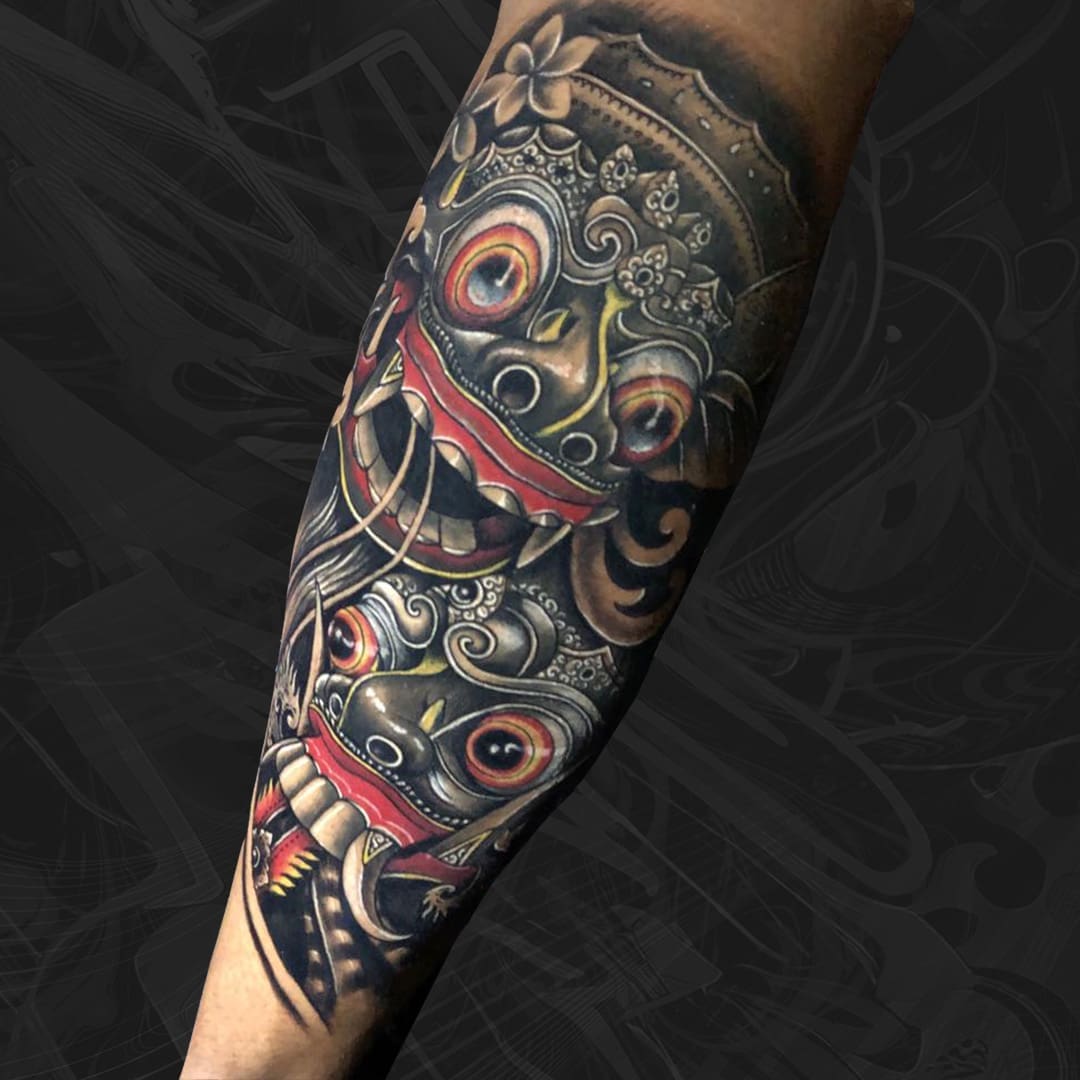
Southeast Asian tattooing includes sacred traditions such as Sak Yant, practiced in countries like Thailand and Cambodia. These tattoos often incorporate spiritual blessings, geometric patterns, and ancient scripts believed to offer protection, guidance, or strength.
Expert Observation: One of the most overlooked aspects of Asian tattoo history is that many traditional designs were never intended to be viewed individually. They were designed as parts of larger narratives spanning the entire body.
Why Asian Tattoos Remain Popular Worldwide
Asian tattoos remain globally popular because they combine powerful visual impact with meaningful symbolism. Their ability to tell stories, represent personal values, and create cohesive large-scale artwork appeals to both first-time tattoo clients and experienced collectors.
Unlike trend-driven tattoo styles that may lose popularity over time, traditional Asian imagery often draws from centuries-old symbolism that continues to resonate across cultures.
Many collectors also appreciate the versatility of Asian tattoo design. A dragon can represent leadership. A koi fish may symbolize perseverance. A phoenix often represents personal transformation. These meanings allow individuals to create deeply personal interpretations while maintaining cultural roots.
Another reason for their lasting appeal is compositional flexibility. Asian tattoo artists frequently design artwork that flows naturally with the body’s contours, creating visually balanced pieces that age gracefully over time.

What Makes Asian Style Tattoos Different From Other Tattoo Styles?
Asian style tattoos differ from most Western tattoo traditions because they prioritize storytelling, symbolic relationships, body flow, and large-scale composition. Rather than focusing on isolated images, they often create interconnected narratives that evolve across multiple body areas.
This distinction becomes particularly important when planning larger pieces such as sleeves, back pieces, or bodysuits. Traditional Asian tattooing treats the human body as a canvas rather than a collection of separate placement zones.
| Feature | Asian Style Tattoos | Many Western Styles |
|---|---|---|
| Storytelling | Central focus | Often secondary |
| Symbolism | Deep cultural meaning | Varies widely |
| Body Flow | Highly emphasized | Often placement-specific |
| Composition | Large interconnected designs | Frequently standalone pieces |
| Background Elements | Integral to storytelling | Sometimes optional |
Signature Design Elements Found in Asian Tattoos
Traditional Asian tattoo compositions rely on recurring visual elements that help create movement, balance, and narrative continuity. These elements are often just as important as the primary subject itself.
Common background components include:
- Wind bars
- Storm clouds
- Water currents
- Cherry blossoms
- Maple leaves
- Smoke patterns
- Rock formations
- Lightning motifs
These supporting elements serve a storytelling function rather than acting as simple decoration. Water may represent life’s challenges. Wind can symbolize change. Seasonal imagery often reflects the passage of time or personal transformation.
Professional tattoo artists specializing in Asian styles frequently spend considerable time designing how these elements interact with the body’s natural musculature and movement.
Common Misconceptions About Asian Tattoos
Many people misunderstand Asian tattoos because popular media often reduces them to aesthetic trends while ignoring their cultural and symbolic foundations. Understanding these misconceptions helps individuals make more informed tattoo decisions.
- Misconception: Every dragon tattoo has the same meaning.
- Reality: Meanings vary significantly based on cultural origin, posture, color, accompanying symbols, and placement.
- Misconception: Asian tattoos are exclusively Japanese.
- Reality: Multiple Asian cultures have distinct tattoo traditions with unique artistic characteristics.
- Misconception: Larger tattoos automatically have deeper meaning.
- Reality: Symbol selection and narrative relationships determine significance more than size alone.
- Misconception: Background elements are merely decorative.
- Reality: Traditional backgrounds often carry symbolic meaning equal to the primary subject.
The Most Popular Asian Tattoo Symbols and Their Meanings
Asian tattoo symbolism is rooted in mythology, religion, folklore, philosophy, and historical traditions. While individual interpretations vary, many symbols carry established meanings that have been recognized for centuries across different cultures.
Choosing symbols based solely on appearance can lead to unintended messages. Understanding their traditional meanings helps ensure your tattoo aligns with your intended story and personal values.
Dragon Tattoos: Power, Wisdom, and Protection
Dragon tattoos are among the most iconic Asian tattoo motifs, traditionally symbolizing wisdom, strength, protection, authority, and mastery over natural forces. Unlike many Western dragon depictions, Asian dragons are generally viewed as benevolent and powerful guardians.
In Japanese tradition, dragons are often associated with water and weather. Chinese dragons frequently symbolize prosperity, imperial power, and good fortune.
An overlooked design consideration is dragon direction. Some artists intentionally position dragons ascending upward to represent growth and achievement, while descending dragons may symbolize wisdom gained through experience.
Common dragon tattoo themes include:
- Power and leadership
- Personal growth
- Spiritual protection
- Overcoming adversity
- Success through discipline
Koi Fish Tattoos: Perseverance and Success
Koi fish tattoos traditionally represent perseverance, determination, resilience, and achievement. Their symbolism originates from legends describing koi swimming upstream against powerful currents before transforming into dragons.
This symbolism makes koi tattoos particularly meaningful for individuals who have overcome major challenges, setbacks, or life transitions.
Color selection can influence interpretation:
- Black koi: overcoming hardship
- Red koi: courage and passion
- Gold koi: prosperity and success
- Blue koi: tranquility and personal growth
One detail many tattoo guides overlook is swimming direction. Upstream koi often symbolize ongoing struggle and ambition, while downstream koi may represent goals already achieved.
Phoenix Tattoos: Rebirth and Transformation
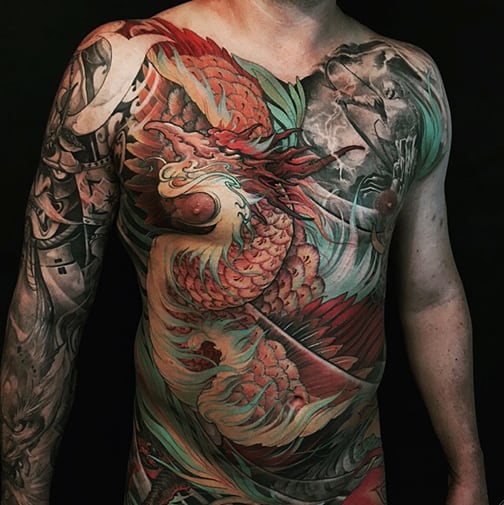
Phoenix tattoos symbolize renewal, resilience, personal transformation, and the ability to emerge stronger after adversity. They remain one of the most powerful representations of growth and reinvention in Asian tattoo symbolism.
Individuals frequently choose phoenix designs following significant life events such as career changes, recovery journeys, personal milestones, or major transitions.
Traditional Asian phoenix imagery often emphasizes harmony, virtue, and balance rather than destruction. This distinction separates it from some Western interpretations focused primarily on rebirth through fire.
Experienced tattoo artists often combine phoenix imagery with flowers, clouds, or celestial elements to create richer narrative meaning and improved visual flow.
Japanese vs Chinese vs Korean vs Southeast Asian Tattoos
Lucky Tattoo, a professional tattoo artist, has over 10 years of experience in the art of tattooing in Ho Chi Minh City. Lucky Tattoo Studio was founded in 2014 by skilled and kind artists. All tattoos are provided in a clean, strictly controlled, and friendly environment.
One of the most common mistakes among tattoo collectors is assuming that all Asian-inspired tattoos belong to a single category. In reality, the symbolism, artistic rules, and historical significance vary considerably between regions.
Japanese Irezumi Traditions
Japanese Irezumi is characterized by large-scale compositions, dynamic movement, mythological storytelling, and highly structured symbolism. Traditional subjects often include dragons, koi fish, samurai, tigers, Hannya masks, and seasonal imagery that work together to form a complete visual narrative.
Unlike many contemporary tattoo styles, traditional Irezumi prioritizes body flow. Designs are carefully arranged to complement anatomy, allowing the artwork to move naturally with the wearer.
Many professional artists consider Japanese tattooing one of the most technically demanding forms of tattoo art due to its intricate backgrounds, extensive coverage, and symbolic complexity.
Chinese Tattoo Art and Mythology
Chinese tattoo designs often draw inspiration from mythology, folklore, Taoist philosophy, zodiac traditions, and imperial symbolism. Dragons, phoenixes, guardian lions, tigers, and calligraphy are among the most recognizable elements.
A key distinction is that Chinese dragons are frequently associated with prosperity, authority, and celestial power. Many traditional Chinese motifs also emphasize harmony between opposing forces, reflecting philosophical concepts such as Yin and Yang.
Modern collectors often combine traditional Chinese imagery with contemporary realism or black-and-grey techniques to create visually striking hybrid designs.
Korean Tattoo Influences
Korean tattoo artistry is increasingly recognized for its refined linework, minimalist aesthetics, and contemporary interpretations of traditional themes. While historical tattooing practices existed in Korea, modern Korean tattoo culture has become particularly influential through innovative artistic techniques.
Fine-line flowers, animals, folklore references, and delicate symbolic imagery are common characteristics. Korean artists are often sought after internationally for their precision and subtle visual storytelling.
An overlooked insight is that Korean tattoo trends have significantly influenced global demand for minimalist Asian-inspired tattoos, particularly among younger collectors seeking smaller yet meaningful designs.
Southeast Asian Sacred Tattoos (Sak Yant)
Southeast Asian sacred tattoos, particularly Sak Yant, combine spiritual symbolism, sacred geometry, and ancient scripts believed to provide protection, guidance, and blessings. These tattoos carry religious and cultural significance beyond aesthetics alone.
Sak Yant designs are traditionally associated with Buddhist practices and are often applied by monks or spiritual practitioners under specific ceremonial conditions.
Important Consideration: Individuals interested in Sak Yant tattoos should research their spiritual significance thoroughly and avoid treating them as purely decorative designs.
How Asian Tattoos Tell Stories Through Symbol Combinations
Traditional Asian tattoos often communicate meaning through symbol combinations rather than individual images. Multiple elements work together to create narratives that reflect personal growth, resilience, values, spiritual beliefs, or life experiences.
This storytelling framework is one of the most overlooked aspects of Asian tattoo design and represents a major distinction from many modern tattoo trends.
Dragon and Waves: Mastering Adversity
A dragon paired with waves often symbolizes strength overcoming challenges. The dragon represents power and wisdom, while turbulent water reflects life’s obstacles and uncertainties.
This combination is commonly chosen by individuals who have navigated significant personal or professional difficulties while maintaining resilience and direction.
Koi Fish and Waterfalls: Achieving Goals Through Persistence
A koi fish swimming upstream toward a waterfall symbolizes perseverance, determination, and the pursuit of ambitious goals. The imagery originates from legendary stories in which koi transform into dragons after overcoming immense challenges.
Many successful entrepreneurs, athletes, and professionals choose this symbolism to represent long-term dedication and achievement.
Samurai and Cherry Blossoms: Honor and Mortality
Samurai paired with cherry blossoms symbolize discipline, honor, sacrifice, and acceptance of life’s temporary nature. The fleeting bloom of cherry blossoms reinforces the concept that beauty and life itself are impermanent.
This pairing remains one of the most philosophically rich combinations in Japanese tattoo art.
Tiger and Bamboo: Strength With Flexibility
A tiger combined with bamboo symbolizes balancing power with adaptability. While the tiger represents courage and strength, bamboo demonstrates resilience through flexibility rather than resistance.
This design appeals to individuals who value leadership while recognizing the importance of adaptability in changing circumstances.
Best Asian Style Tattoo Placement Ideas
Placement significantly affects both the visual impact and symbolic effectiveness of an Asian style tattoo. Traditional compositions are often designed around body flow, allowing imagery to interact naturally with muscles, movement, and proportions.
Choosing placement should involve more than aesthetics. Visibility, aging, pain tolerance, professional considerations, and long-term expansion plans all influence the best location for a tattoo.
Full Sleeve Tattoos
Full sleeve tattoos provide enough space for complete narratives featuring multiple interconnected symbols, backgrounds, and storytelling elements. They remain one of the most popular formats for Asian tattoo compositions.
Artists can create seamless transitions between dragons, koi fish, flowers, clouds, waves, and supporting imagery without compromising visual balance.
Half Sleeve Tattoos
Half sleeves offer many of the storytelling advantages of full sleeves while requiring less commitment and budget. They are often ideal for first-time collectors exploring large-scale Asian tattoo concepts.
When designed properly, half sleeves can later be expanded into full sleeves without disrupting composition.
Back Piece Tattoos
The back is considered one of the most prestigious placements in traditional Asian tattooing because it provides a large uninterrupted canvas for detailed storytelling and dramatic compositions.
Dragons, phoenixes, samurai warriors, and mythological scenes often reach their full artistic potential when placed across the back.
Chest and Leg Tattoos
Chest and leg placements offer excellent opportunities for larger standalone symbols while preserving future expansion options. These locations also support dynamic movement within traditional compositions.
Many experienced tattoo collectors intentionally plan chest, arm, and leg designs as parts of a larger long-term project.
How to Choose the Right Asian Tattoo Design
The best Asian tattoo design combines personal meaning, cultural understanding, artistic quality, and long-term relevance. Effective design decisions begin with symbolism and storytelling rather than aesthetics alone.
Choosing a design solely because it looks impressive often leads to regret. Meaningful tattoos typically age better emotionally because they remain connected to personal experiences and values.
Matching Symbols to Personal Meaning
Selecting symbols that reflect personal experiences creates deeper emotional significance and stronger long-term satisfaction. Traditional meanings can serve as a framework for building a unique narrative.
- Dragon: Leadership and wisdom
- Koi Fish: Persistence and ambition
- Phoenix: Transformation and resilience
- Tiger: Courage and independence
- Cherry Blossoms: Appreciation of life’s temporary nature
Choosing Authentic Cultural References
Researching cultural context helps ensure designs are respectful, accurate, and meaningful. Authentic references often produce stronger artwork and more informed conversations with tattoo artists.
Collectors should verify the symbolism, origins, and historical significance of designs before committing to permanent artwork.
Working With an Experienced Asian Tattoo Artist
An experienced Asian tattoo specialist understands composition, symbolism, placement, and technical execution far beyond simple image replication. Artist selection often has a greater impact on outcomes than design choice itself.
Before booking, review portfolios for:
- Consistent line quality
- Balanced compositions
- Successful healed results
- Knowledge of symbolism
- Experience with large-scale projects
Expert Recommendation: Avoid selecting artists based solely on price. Large-scale Asian tattoos often require significant planning, technical expertise, and multiple sessions to achieve optimal results.
Cultural Appreciation vs Cultural Appropriation in Asian Tattoos
Respectful appreciation involves understanding and honoring cultural traditions, while appropriation occurs when cultural symbols are used carelessly, inaccurately, or without regard for their significance. Education is the most effective way to avoid misunderstandings.
This topic receives limited attention in many tattoo guides despite being increasingly important for modern collectors.
When Inspiration Becomes Misrepresentation
Problems often arise when sacred, religious, or culturally significant symbols are used without understanding their context. Misinterpretation can unintentionally offend communities connected to those traditions.
Examples include using sacred Buddhist imagery in inappropriate placements or combining unrelated cultural symbols into inaccurate representations.
How to Respect Cultural Traditions
Respect begins with research, consultation, and thoughtful design choices. Most cultural concerns can be avoided through education and collaboration with knowledgeable artists.
- Research symbolism thoroughly
- Understand historical context
- Avoid sacred imagery without proper knowledge
- Consult experienced artists
- Prioritize authenticity over trends
Modern Trends in Asian Style Tattoos
Modern Asian tattoo styles continue evolving as artists blend traditional symbolism with contemporary techniques, creating innovative designs that appeal to new generations while preserving cultural foundations.
Several emerging trends are reshaping how Asian tattoo art is interpreted globally.
Neo-Japanese Tattoo Designs
Neo-Japanese tattoos preserve traditional symbolism while incorporating modern color palettes, composition techniques, and artistic experimentation. They often feature greater stylistic freedom than classical Irezumi.
Black-and-Grey Asian Tattoos
Black-and-grey approaches emphasize contrast, texture, and detail while creating timeless aesthetics. These designs are increasingly popular among collectors seeking a sophisticated modern appearance.
Fine Line Asian Tattoos
Fine-line Asian tattoos combine traditional symbolism with minimalist execution. Smaller dragons, koi fish, and floral elements have become particularly popular among younger audiences.
Fusion Styles Combining East and West
Fusion designs merge Asian symbolism with realism, illustrative tattooing, geometric art, or contemporary graphic styles. Successful fusion work respects both artistic traditions rather than treating cultural elements as decorative accessories.
Expert Tips Before Getting an Asian Style Tattoo
Successful tattoo outcomes depend on preparation, artist selection, design planning, and aftercare. Investing time in these areas significantly improves satisfaction and long-term results.
Questions to Ask Your Tattoo Artist
Asking informed questions helps evaluate artistic expertise and ensures alignment between expectations and execution.
- How much experience do you have with Asian tattoo styles?
- Can you explain the symbolism in this design?
- How will the composition fit my anatomy?
- How many sessions will be required?
- Can I see healed examples of similar work?
Healing and Aftercare Considerations
Proper aftercare significantly influences color retention, line quality, and long-term appearance. Following professional instructions reduces infection risks and supports optimal healing.
- Keep the tattoo clean
- Avoid excessive sun exposure
- Do not pick scabs
- Use recommended moisturizers
- Follow artist-specific instructions
Long-Term Design Preservation Tips
Sun protection, healthy skin maintenance, and periodic touch-ups help preserve detail and vibrancy. Large-scale Asian tattoos often remain visually impressive for decades when properly maintained.
Frequently Asked Questions About Asian Style Tattoos
What is the meaning of an Asian style tattoo?
Asian style tattoos typically symbolize strength, wisdom, resilience, prosperity, transformation, honor, and spiritual growth through culturally significant imagery.
Are Asian tattoos only Japanese?
No. Asian tattoo traditions include Japanese Irezumi, Chinese mythology-based designs, Korean artistic influences, and Southeast Asian sacred tattoo practices.
What is the most popular Asian tattoo symbol?
The dragon remains one of the most popular symbols due to its associations with power, wisdom, protection, and prosperity.
What does a koi fish tattoo symbolize?
Koi fish traditionally represent perseverance, determination, personal growth, and success achieved through overcoming challenges.
Is it disrespectful to get an Asian tattoo?
Not inherently. Respectful research, understanding symbolism, and choosing authentic designs help ensure cultural appreciation rather than appropriation.
Which placement is best for an Asian style tattoo?
Popular placements include sleeves, back pieces, chest panels, and legs because they provide space for storytelling and large-scale compositions.
How do I find a qualified Asian tattoo artist?
Review portfolios, verify experience with Asian styles, examine healed work, and discuss symbolism and composition before committing.
Do Asian tattoos age well?
When applied by skilled artists and maintained properly, Asian tattoos often age exceptionally well because of their strong composition, bold structure, and balanced design principles.
Final Thoughts: Choosing an Asian Style Tattoo With Meaning
Asian style tattoos remain among the most respected and enduring tattoo traditions because they combine artistic excellence with profound symbolic depth. Whether inspired by Japanese Irezumi, Chinese mythology, Korean artistic influences, or Southeast Asian spiritual practices, these tattoos offer far more than visual appeal.
The most successful designs are those that connect cultural understanding with personal meaning. By researching symbolism, selecting experienced artists, respecting cultural origins, and approaching the process thoughtfully, collectors can create artwork that remains meaningful for decades.
Ultimately, the greatest strength of an Asian style tattoo lies in its ability to tell a story—one that reflects not only ancient traditions but also the unique journey of the individual wearing it.
Lucky Tattoo, a professional tattoo artist, has over 10 years of experience in the art of tattooing in Ho Chi Minh City. Lucky Tattoo Studio was founded in 2014 by skilled and kind artists. All tattoos are provided in a clean, strictly controlled, and friendly environment.
asian-style-tattoo