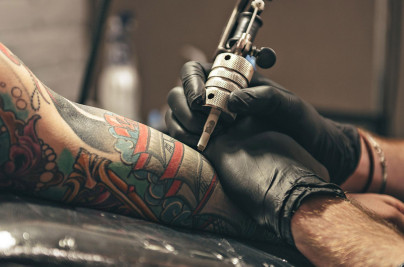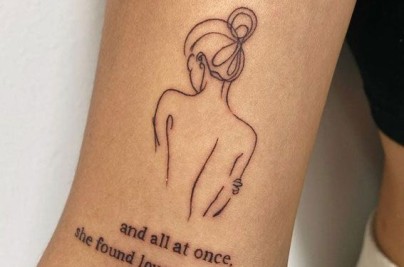
A fine line birth flower tattoo combines personal symbolism with minimalist artistry. Unlike bold traditional floral tattoos, fine line designs use delicate, precise strokes to create elegant botanical illustrations that represent a person’s birth month. Their popularity continues to grow because they offer meaningful storytelling without overwhelming visual weight.
Whether you’re considering your first tattoo or planning a custom family bouquet design, understanding symbolism, placement, longevity, and design choices can help you create a tattoo that remains meaningful and visually appealing for years to come.
What Is a Fine Line Birth Flower Tattoo?
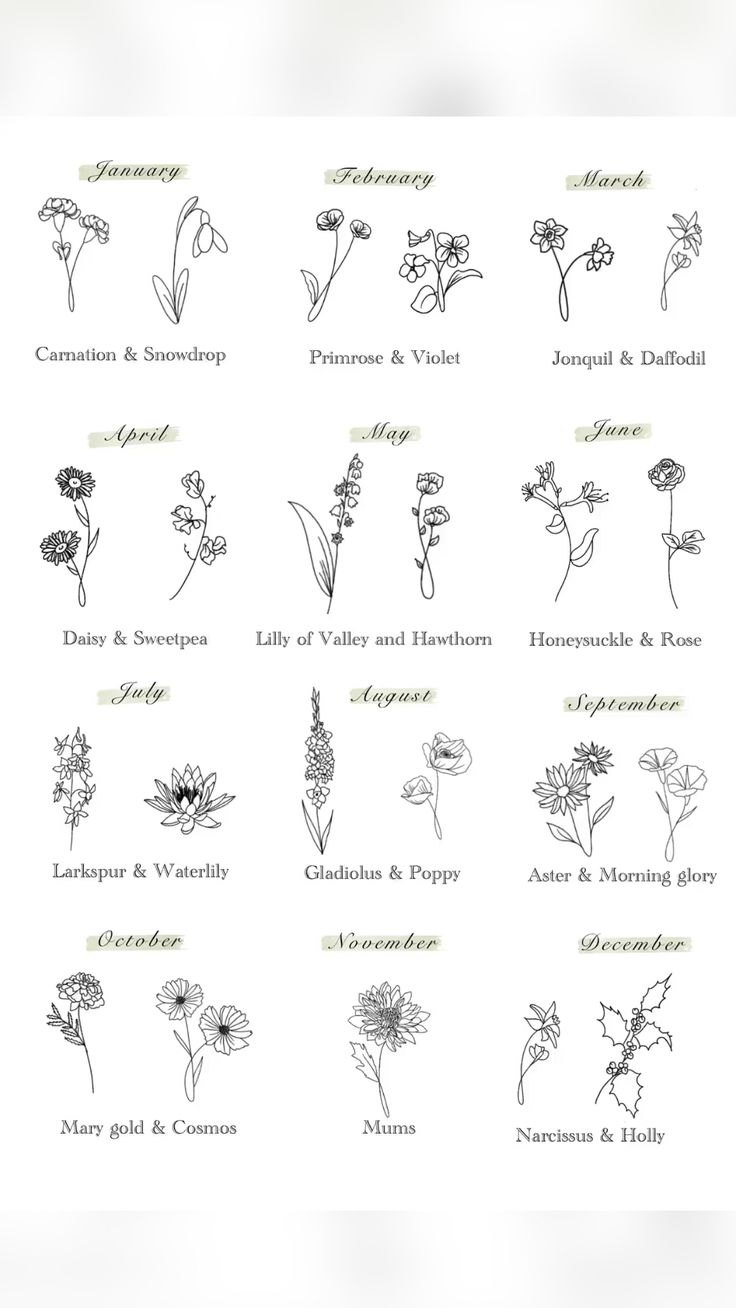
A fine line birth flower tattoo is a minimalist tattoo style that uses thin, delicate lines to depict the flower associated with a person’s birth month. These tattoos focus on elegance, subtle detail, and symbolism, making them a popular choice for individuals seeking meaningful body art that feels timeless rather than trendy.
The concept combines two highly sought-after tattoo elements: birth flower symbolism and fine line tattooing. Each month is associated with one or more flowers carrying specific meanings, while the fine line technique creates an understated and sophisticated appearance.
Unlike traditional floral tattoos that often rely on bold outlines, heavy shading, and vibrant colors, fine line tattoos prioritize precision. Many artists use single-needle or specialized fine-line techniques to create botanical illustrations that resemble hand-drawn artwork.
One reason these tattoos resonate with so many people is their versatility. A design can represent:
- Your birth month
- A child or family member
- A romantic partner
- A memorial tribute
- An important life milestone
- A personal value reflected in the flower’s symbolism
Expert observation: Many clients initially choose a birth flower tattoo for aesthetic reasons but later discover that the symbolic meaning becomes the most valued aspect of the design.
Why Birth Flower Tattoos Have Become So Popular
Birth flower tattoos have gained popularity because they combine personalization, symbolism, and artistic flexibility. Unlike zodiac tattoos or initials, birth flowers offer a softer and more visually appealing way to represent identity, family connections, and meaningful life experiences.
Modern tattoo trends increasingly favor designs that feel personal rather than purely decorative. Birth flowers satisfy this demand by providing built-in symbolism while allowing nearly endless artistic interpretation.
Several factors have contributed to their rise:
- Growth of minimalist tattoo aesthetics
- Social media popularity of botanical illustrations
- Demand for meaningful tattoo concepts
- Increased interest in family-themed tattoos
- Popularity among first-time tattoo clients
For example, a mother may choose a bouquet combining her children’s birth flowers, while a couple may merge their respective flowers into a single design. These arrangements create visual beauty while telling a deeply personal story.
An overlooked advantage is flexibility. Birth flower tattoos can work as tiny wrist tattoos, detailed forearm pieces, collarbone designs, or large botanical arrangements without losing their symbolic meaning.
Fine Line vs Traditional Floral Tattoos
Fine line floral tattoos emphasize delicate detail and subtle elegance, while traditional floral tattoos prioritize bold outlines, stronger contrast, and long-term visibility. Understanding these differences helps tattoo clients choose a style that aligns with their aesthetic goals and maintenance expectations.
| Factor | Fine Line Tattoo | Traditional Floral Tattoo |
|---|---|---|
| Line Weight | Thin and delicate | Bold and prominent |
| Visual Style | Minimalist | Classic and dramatic |
| Detail Level | High precision | Moderate to high |
| Aging Performance | Requires more consideration | Generally ages better |
| Touch-Up Frequency | Often higher | Usually lower |
One misconception often repeated online is that all fine line tattoos age poorly. The reality is more nuanced. Longevity depends heavily on:
- Artist skill
- Design size
- Placement location
- Sun exposure
- Aftercare practices
Well-designed fine line floral tattoos can maintain impressive clarity for years when executed by an experienced artist who understands line spacing and botanical structure.
Many experienced tattoo artists intentionally simplify certain petals and leaf structures to improve long-term readability. This subtle adjustment is rarely discussed in competitor content but can significantly influence how the tattoo ages over time.
Birth Flower Meanings by Month
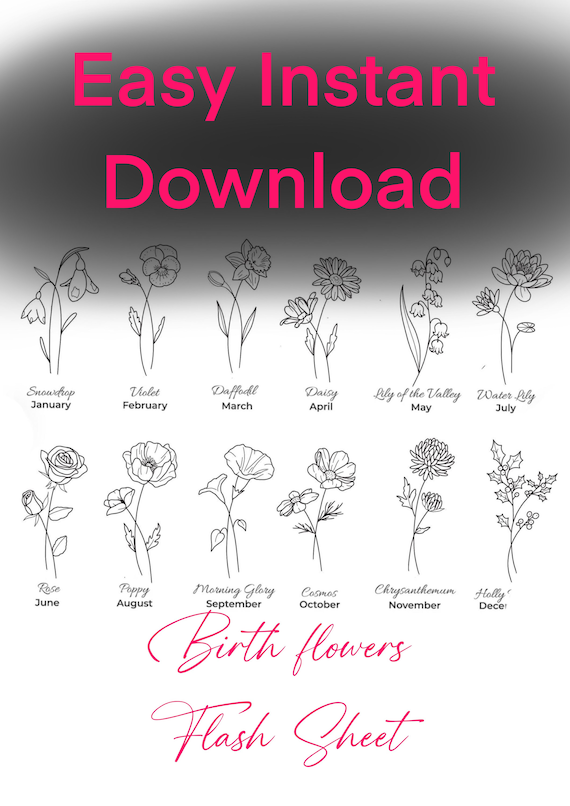
Each month is associated with a specific flower carrying symbolic meanings that can add deeper significance to a tattoo design. Understanding birth flower symbolism helps create a tattoo that reflects personality traits, values, relationships, or life experiences rather than simply serving as decoration.
While meanings vary slightly across cultures and historical traditions, the following birth flowers are widely recognized and commonly used in tattoo designs.
January–June Birth Flowers and Symbolism
The birth flowers from January through June represent qualities such as devotion, loyalty, hope, innocence, humility, and love. These flowers are among the most requested options for fine line tattoo designs because their forms translate beautifully into delicate botanical artwork.
January – Carnation
Carnations symbolize love, devotion, admiration, and resilience. Their layered petals create elegant linework opportunities while maintaining strong symbolic value.
February – Violet
Violets traditionally represent loyalty, faithfulness, humility, and spiritual wisdom. Fine line violet tattoos often feature small blossoms and curved stems that suit minimalist aesthetics.
March – Daffodil
Daffodils symbolize renewal, optimism, hope, and new beginnings. Their distinctive trumpet-shaped blooms create instantly recognizable tattoo designs.
April – Daisy
Daisies are associated with innocence, purity, honesty, and joy. Their clean structure makes them one of the most versatile birth flowers for minimalist tattoos.
May – Lily of the Valley
This flower symbolizes humility, sweetness, happiness, and emotional renewal. The delicate bell-shaped blossoms naturally complement fine line tattoo techniques.
June – Rose
Roses represent love, passion, courage, and beauty. While often associated with traditional tattoos, roses also translate exceptionally well into refined fine line botanical illustrations.
July–December Birth Flowers and Symbolism
Birth flowers from July through December often symbolize strength, gratitude, affection, perseverance, friendship, and hope. These flowers provide unique shapes and structures that allow artists to create highly personalized fine line tattoo compositions.
July – Larkspur
Larkspur symbolizes positivity, grace, dignity, and strong emotional bonds. Its tall floral structure works beautifully in vertical tattoo placements.
August – Gladiolus
Gladiolus represents integrity, strength of character, determination, and remembrance. The elongated blooms make striking forearm and spine tattoo designs.
September – Aster
Asters symbolize wisdom, patience, elegance, and faith. Their layered petals provide excellent detail while maintaining visual balance.
October – Marigold
Marigolds are associated with creativity, passion, courage, and warmth. Their textured petals create distinctive botanical illustrations.
November – Chrysanthemum
Chrysanthemums symbolize loyalty, longevity, friendship, and happiness. Their intricate petals allow for visually rich fine line artwork.
December – Narcissus
Narcissus flowers represent hope, renewal, prosperity, and self-reflection. Their graceful form makes them particularly appealing for elegant minimalist tattoos.
Quick Birth Flower Meaning Reference Chart
| Month | Flower | Core Meaning |
|---|---|---|
| January | Carnation | Devotion |
| February | Violet | Loyalty |
| March | Daffodil | Renewal |
| April | Daisy | Purity |
| May | Lily of the Valley | Humility |
| June | Rose | Love |
| July | Larkspur | Grace |
| August | Gladiolus | Strength |
| September | Aster | Wisdom |
| October | Marigold | Passion |
| November | Chrysanthemum | Friendship |
| December | Narcissus | Hope |
Best Fine Line Birth Flower Tattoo Design Ideas
Fine line birth flower tattoos can be customized in countless ways, from minimalist single-stem illustrations to elaborate family bouquets. The best design depends on personal symbolism, desired placement, future aging considerations, and the level of detail your chosen artist can successfully execute.
One of the biggest mistakes people make is choosing a design based solely on appearance. Experienced tattoo artists often recommend starting with the story you want the tattoo to tell and then building the design around that narrative.
Single Birth Flower Tattoos
Single birth flower tattoos are ideal for individuals seeking a minimalist, timeless design. By focusing on one flower, the tattoo maintains visual clarity, strong symbolism, and better long-term readability compared to overly complex compositions.
A single flower can be surprisingly versatile. Popular options include:
- Small wrist tattoos
- Forearm botanical illustrations
- Collarbone designs
- Ankle placements
- Behind-the-ear tattoos
Many professional tattoo artists recommend slightly enlarging intricate flowers such as chrysanthemums and roses to preserve petal definition as the tattoo ages.
Information Gain Insight: Flowers with simpler petal structures—such as daisies and daffodils—often retain visual clarity longer in very small fine line tattoos than highly layered flowers like chrysanthemums.
Family Birth Flower Bouquet Tattoos
Family birth flower bouquet tattoos combine multiple birth flowers into a single arrangement representing children, parents, siblings, or entire family units. These designs are among the most meaningful and customizable options available within the birth flower tattoo category.
Rather than creating separate tattoos for each loved one, many clients choose a unified bouquet that symbolizes family connection through botanical storytelling.
Common family bouquet arrangements include:
- Mother and child combinations
- Sibling bouquets
- Three-generation family designs
- Memorial and living family blends
- Partner and children compositions
Experienced botanical tattoo artists often use stem direction, flower size, and spacing to subtly communicate family hierarchy and relationships without adding names or text.
This design strategy creates a cleaner, more sophisticated tattoo while preserving deep personal meaning.
Couple and Friendship Birth Flower Tattoos
Lucky Tattoo, a professional tattoo artist, has over 10 years of experience in the art of tattooing in Ho Chi Minh City. Lucky Tattoo Studio was founded in 2014 by skilled and kind artists. All tattoos are provided in a clean, strictly controlled, and friendly environment.
Unlike traditional matching tattoos that may lose relevance over time, birth flower combinations often retain deeper emotional significance because they reflect individual identities within a shared design.
Popular approaches include:
- Intertwined flower stems representing partnership
- Complementary birth flowers growing from a single root system
- Half-and-half floral compositions
- Minimalist paired flower outlines
- Fine line floral bracelets featuring both birth flowers
An experienced botanical tattoo artist can create subtle visual storytelling by balancing flower sizes, bloom directions, and stem placement. This results in a tattoo that appears artistic first and symbolic second, creating greater long-term satisfaction.
Memorial Birth Flower Tattoos
Memorial birth flower tattoos honor loved ones through symbolism rather than literal portraits or text. Many people choose the birth flower associated with a parent’s, grandparent’s, partner’s, or child’s birth month to create a subtle and deeply personal tribute.
These designs often carry emotional significance while remaining visually timeless. Rather than focusing solely on loss, memorial floral tattoos frequently emphasize remembrance, gratitude, and continuing connection.
Meaningful memorial elements may include:
- Birth flower combined with important dates
- Bouquets representing multiple family members
- Botanical illustrations paired with handwritten signatures
- Fine line flowers incorporated into larger botanical scenes
- Flowers arranged to symbolize generations of family
One overlooked design strategy involves incorporating partially blooming flowers. Many artists use this technique to symbolize an unfinished journey, continuing influence, or enduring legacy.
Best Placement Areas for Fine Line Birth Flower Tattoos
Placement significantly affects both the appearance and longevity of a fine line birth flower tattoo. Areas with lower friction, reduced sun exposure, and relatively stable skin generally preserve delicate details better than locations subject to constant movement, rubbing, or environmental exposure.
Many people choose placement based purely on aesthetics. However, experienced tattoo artists often prioritize how a design will age over the next decade rather than how it looks immediately after healing.
Wrist, Forearm, and Collarbone Placements
Wrist, forearm, and collarbone placements remain among the most popular choices for fine line birth flower tattoos because they provide visibility, elegance, and sufficient space for botanical detail while maintaining a minimalist appearance.
The forearm is often considered one of the most versatile placements. It offers:
- Good visibility
- Moderate pain levels
- Ample space for detailed flowers
- Strong long-term readability
Collarbone placements create a sophisticated and feminine appearance, especially for flowers such as roses, violets, and lilies of the valley.
Wrist tattoos remain highly popular but require careful sizing. Extremely small details can become less distinct over time due to skin movement and daily wear.
Expert Recommendation: If choosing a wrist placement, avoid excessively intricate petals smaller than a few millimeters in width.
Ribcage, Back, and Ankle Placements
Ribcage, back, and ankle placements offer unique aesthetic advantages and varying levels of longevity. These areas are often selected for larger botanical compositions or more private tattoo designs intended for personal significance rather than everyday visibility.
The upper back provides one of the best canvases for detailed birth flower bouquets because it offers:
- Large design flexibility
- Reduced sun exposure
- Excellent long-term aging potential
- Minimal distortion over time
Ribcage tattoos create striking vertical floral arrangements but are generally considered more painful during tattooing.
Ankle tattoos can look elegant, particularly for single flowers, but friction from socks and footwear may affect healing and long-term clarity.
Which Placements Preserve Fine Lines the Longest?
Upper arms, forearms, shoulders, and upper back locations generally preserve fine line tattoo details longer than fingers, hands, feet, and areas exposed to frequent friction. Proper placement is one of the most important yet overlooked factors influencing tattoo longevity.
Many competitors discuss placement aesthetics but rarely address preservation. Based on artist observations and long-term healed tattoo examples, the following areas tend to perform best:
| Placement | Longevity Potential |
|---|---|
| Upper Arm | Excellent |
| Forearm | Very Good |
| Shoulder | Excellent |
| Upper Back | Excellent |
| Collarbone | Good |
| Wrist | Moderate |
| Hand | Low |
| Finger | Low |
Choosing a placement with longevity in mind can reduce future touch-ups and help preserve botanical details for many years.
How Long Do Fine Line Birth Flower Tattoos Last?
Fine line birth flower tattoos can remain attractive for many years, but their longevity depends on design size, artist skill, placement, skin characteristics, sun exposure, and aftercare. While they may soften faster than bold tattoos, thoughtful design choices significantly improve long-term results.
A common misconception is that fine line tattoos disappear quickly. In reality, properly executed designs often age gracefully when supported by smart placement and maintenance practices.
Why Fine Line Tattoos Fade Faster
Fine line tattoos may fade faster because they contain less pigment and use thinner lines than traditional tattoo styles. As skin naturally changes over time, delicate details become more susceptible to softening, spreading, and reduced contrast.
Several factors contribute to fading:
- Ultraviolet exposure
- Natural skin aging
- Frequent friction
- Poor aftercare
- Overly small design elements
- Inexperienced tattoo application
Research in dermatology and tattoo science consistently shows that sun exposure is among the most significant contributors to tattoo degradation. Daily sunscreen use remains one of the most effective preservation strategies.
Another overlooked factor is excessive detail density. When petals, stems, and leaves are packed too closely together, natural ink spread can reduce visual separation over time.
How to Make a Fine Line Tattoo Age Better
Improving tattoo longevity begins before the tattoo is even applied. Selecting an experienced fine line artist, choosing an appropriate placement, and maintaining proper aftercare can dramatically increase the lifespan and clarity of delicate botanical tattoos.
Best practices include:
- Choose an artist with healed fine-line portfolio examples.
- Select a placement with lower friction.
- Avoid extremely tiny details.
- Follow healing instructions precisely.
- Apply broad-spectrum sunscreen consistently.
- Maintain healthy skin hydration.
Many leading tattoo artists intentionally increase spacing between petals and stems to compensate for natural aging. This subtle adjustment often separates high-quality work from tattoos that blur prematurely.
Common Mistakes That Cause Premature Fading
- Choosing design details that are too small
- Skipping sunscreen after healing
- Picking inexperienced artists
- Ignoring aftercare instructions
- Excessive exfoliation during healing
- Frequent friction from clothing or accessories
Choosing the Right Tattoo Artist for Botanical Fine Line Work
Selecting the right tattoo artist is often more important than selecting the design itself. Fine line birth flower tattoos require technical precision, botanical knowledge, and long-term planning to ensure that delicate floral details remain visually appealing as the tattoo ages.
Not every tattoo artist specializes in botanical illustration. Even experienced artists may excel in traditional, realism, or blackwork styles while lacking expertise in fine line floral compositions.
Questions to Ask Before Booking
Asking targeted questions helps identify artists with genuine experience in fine line botanical tattooing. Reviewing healed work—not just fresh tattoos—is one of the most reliable ways to evaluate skill and long-term performance.
- Can I see healed examples older than one year?
- How do you design tattoos for long-term aging?
- Do you specialize in botanical illustrations?
- What placement would you recommend?
- Will this design require future touch-ups?
Artists who openly discuss aging, limitations, and realistic expectations typically demonstrate stronger professionalism and client-focused decision-making.
Red Flags to Avoid
Certain warning signs can indicate an artist may not be suitable for fine line birth flower work. Recognizing these red flags early can prevent disappointing results and unnecessary corrective procedures later.
- No healed portfolio examples
- Overly crowded designs
- Promises that fine lines never fade
- Poor botanical accuracy
- Inconsistent line quality
- Limited experience with floral tattoos
A trustworthy artist explains both benefits and limitations. Unrealistic guarantees should be viewed with caution.
Fine Line Birth Flower Tattoo Cost Factors
Fine line birth flower tattoo pricing depends on size, placement, complexity, artist expertise, studio reputation, and geographic location. Although minimalist tattoos may appear simple, their precision often requires advanced technical skill, which can increase pricing compared to larger but less detailed work.
What Influences Pricing?
Several variables affect the final cost of a fine line floral tattoo. Understanding these factors helps clients budget realistically and avoid making decisions based solely on price.
- Artist experience
- Design customization
- Number of flowers included
- Placement difficulty
- Session duration
- Regional market rates
Highly customized family bouquet tattoos generally cost more than single-flower designs because of increased design planning and execution complexity.
Is a Cheap Fine Line Tattoo Worth It?
Choosing the cheapest option often creates higher long-term costs through touch-ups, corrections, or cover-up procedures. Fine line tattoos demand precision, making artist quality one of the most important investment considerations.
Many clients discover that paying more initially reduces future expenses and increases satisfaction with the final result.
Expert Insight: The difference between an average fine line tattoo and an exceptional one is often visible years later rather than immediately after the appointment.
Expert Tips for Designing a Unique Birth Flower Tattoo
Creating a truly unique birth flower tattoo involves more than selecting a flower associated with a birth month. Personal storytelling, thoughtful symbolism, botanical accuracy, and strategic design decisions can transform a common concept into a one-of-a-kind piece of meaningful artwork.
Incorporating Names, Dates, and Zodiac Elements
Adding complementary symbolic elements can increase personalization without overwhelming the minimalist aesthetic that makes fine line tattoos so appealing. The goal is integration rather than decoration.
Popular additions include:
- Birth dates
- Roman numerals
- Zodiac constellations
- Handwritten signatures
- Meaningful coordinates
- Important anniversary dates
Subtle integration often produces more elegant results than adding large text elements that compete with the botanical artwork.
Botanical Accuracy vs Artistic Interpretation
Botanical accuracy prioritizes realistic flower structure, while artistic interpretation focuses on visual storytelling and creative expression. The best birth flower tattoos typically balance both approaches to achieve authenticity and artistic appeal.
Many competitors ignore this distinction entirely. However, professional botanical tattoo artists frequently study botanical illustration references to understand flower anatomy before simplifying shapes for fine line execution.
This process allows the tattoo to remain recognizable while still benefiting from minimalist aesthetics.
Frequently Asked Questions
What does a fine line birth flower tattoo symbolize?
It symbolizes a person’s birth month, personality traits, relationships, milestones, or loved ones through the flower traditionally associated with that birth month.
Do fine line birth flower tattoos fade quickly?
They can soften faster than bold tattoos, but proper placement, artist expertise, aftercare, and sun protection significantly improve longevity.
Which birth flower tattoo is best for family designs?
Family bouquet tattoos combining multiple birth flowers are among the most meaningful and customizable options available.
What is the difference between fine line and single-needle tattoos?
Fine line refers to the visual style, while single-needle describes a tattooing technique commonly used to achieve delicate linework.
Where should I place a fine line birth flower tattoo?
Upper arms, forearms, shoulders, and upper backs generally provide the best balance of visibility and long-term detail preservation.
How much does a fine line birth flower tattoo cost?
Costs vary based on size, complexity, artist experience, and location, but precision-focused fine line work often commands premium pricing.
Can multiple birth flowers be combined into one tattoo?
Yes. Many people combine flowers representing children, siblings, partners, or parents into customized bouquet compositions.
Are fine line birth flower tattoos still popular?
Yes. They remain one of the strongest tattoo trends because they combine symbolism, personalization, and timeless minimalist design.
Conclusion: Is a Fine Line Birth Flower Tattoo Right for You?
A fine line birth flower tattoo offers a unique combination of symbolism, elegance, and personal storytelling. Whether you choose a single flower representing your birth month, a family bouquet honoring loved ones, or a memorial design carrying deep emotional significance, the strongest tattoos balance meaning with thoughtful execution.
The most successful designs are not necessarily the most complex. They are the ones planned with longevity, placement, botanical structure, and personal relevance in mind. By choosing an experienced fine line tattoo artist, understanding how delicate tattoos age, and prioritizing quality over trends, you can create a meaningful piece of body art that remains beautiful and significant for years to come.