What Is a Foo Dog Tattoo? Meaning, Origin, and Cultural Roots
A Foo dog tattoo is a body art representation of Chinese guardian lions traditionally placed at temple entrances to protect sacred spaces. In tattoo culture, it symbolizes spiritual protection, authority, and balance between strength and wisdom. Modern interpretations blend cultural heritage with personal identity, making it both a protective emblem and a deeply symbolic artistic choice.
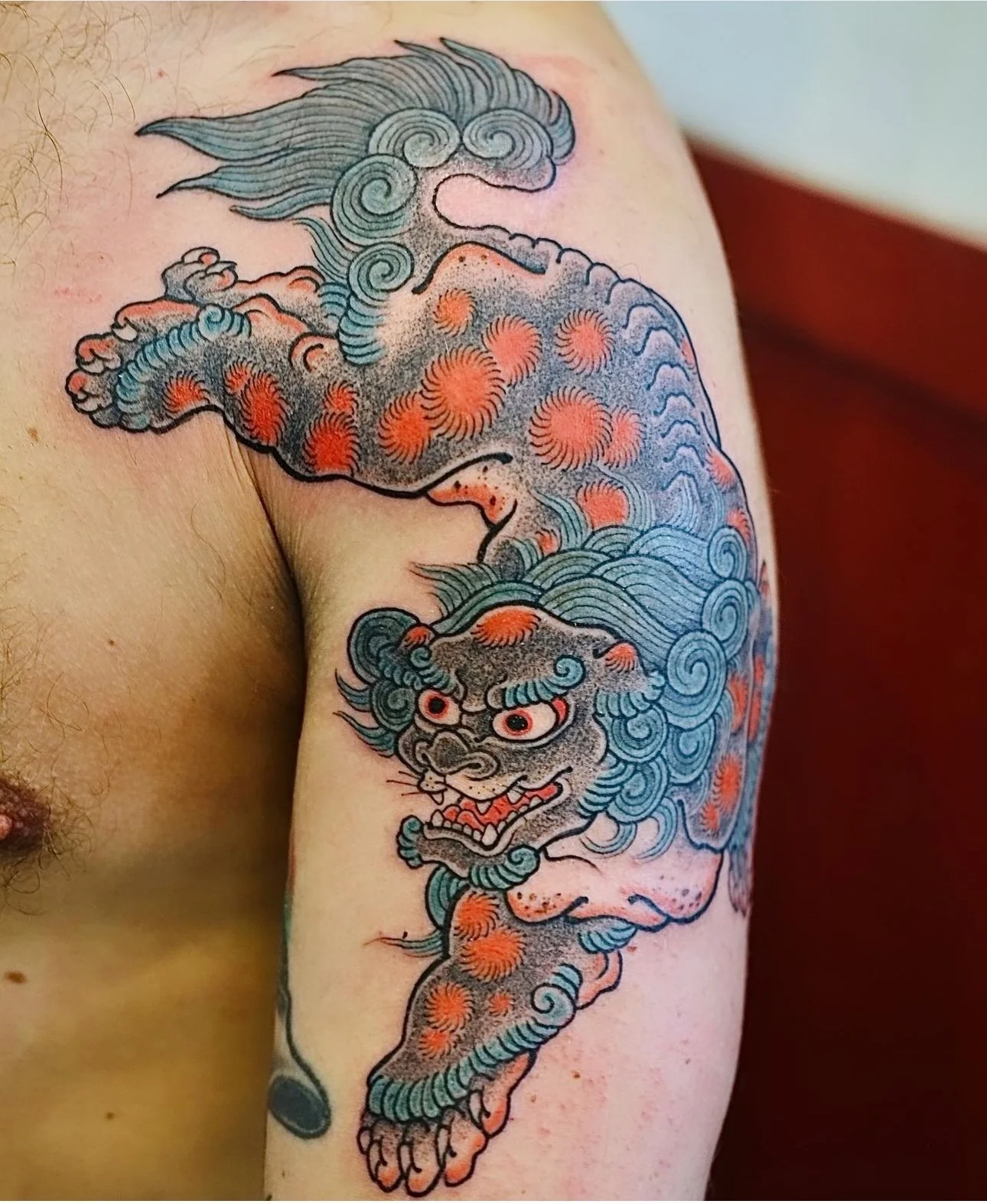
Chinese Guardian Lions vs Modern Foo Dog Tattoo Interpretation
A Foo dog tattoo originates from Chinese guardian lions, architectural statues symbolizing protection and imperial authority. In modern tattoo art, they are stylized into dynamic, expressive creatures often infused with realism or neo-traditional aesthetics. The key distinction is cultural function versus personal symbolism, where ancient guardians become individualized spiritual protectors.
From an expert perspective, many clients misunderstand Foo dogs as literal dogs or generic lion tattoos. In reality, they represent mythological guardians tied to Buddhist and imperial Chinese traditions. This distinction is essential for cultural accuracy and respectful tattoo design selection.
Information Gain Insight: Why Most Tattoo Blogs Misinterpret Foo Dogs
Most competitor content simplifies Foo dogs into “lion-like tattoos,” ignoring their architectural and spiritual role in temple protection systems. In reality, they are paired guardians representing yin-yang balance—one male with a ball (world power), one female with a cub (nurturing protection). This duality is critical in authentic tattoo composition.
- Male Foo dog = authority, external protection, dominance
- Female Foo dog = nurturing, internal balance, emotional defense
- Paired designs = harmony and universal protection energy
Foo Dog Tattoo Symbolism: Protection, Power, and Spiritual Identity
A Foo dog tattoo symbolizes protection against negative energy, spiritual guardianship, and personal resilience. Rooted in Chinese mythology and Buddhist temple traditions, these tattoos are chosen by individuals seeking strength during life transitions or personal transformation. They function as both aesthetic body art and symbolic armor for the wearer.
Spiritual Protection and Psychological Meaning Behind Foo Dog Tattoos
A Foo dog tattoo is often selected as a symbolic shield representing protection from harm, adversity, or emotional instability. In psychological terms, it acts as a visual anchor of resilience, especially for individuals who have experienced trauma, loss, or major life transitions. The symbolism extends beyond culture into personal identity reinforcement.
Experts in tattoo anthropology note that guardian imagery tattoos like Foo dogs are frequently chosen during recovery phases in life. This makes them not only decorative but also deeply therapeutic in meaning and emotional grounding.
Information Gain Insight: Why People Choose Foo Dogs Over Lions
Unlike standard lion tattoos that emphasize raw strength, Foo dog tattoos combine strength with spiritual guardianship. This dual meaning attracts individuals who want protection rather than dominance alone. It is particularly common among clients seeking “meaningful armor” rather than aggressive symbolism.
| Symbol Type | Meaning | Emotional Impact |
|---|---|---|
| Foo Dog Tattoo | Spiritual protection + balance | Calm strength, grounded identity |
| Lion Tattoo | Power + dominance | Confidence, assertiveness |
Common Misconceptions About Foo Dog Tattoos
A Foo dog tattoo is often misunderstood as a simple lion or dog-inspired design, but this is incorrect. It is a culturally specific guardian figure rooted in Chinese and Buddhist traditions. Misconceptions often lead to design inaccuracies, cultural dilution, and loss of symbolic meaning in tattoo compositions.
Foo Dogs Are Not Actual Dogs or Generic Lions
Despite the name, Foo dogs are not dogs at all. They are stylized guardian lions derived from Chinese imperial symbolism. In tattoo culture, confusing them with generic lion tattoos leads to oversimplified designs that lose their historical and spiritual depth. Correct interpretation ensures cultural respect and visual authenticity.
Experienced tattoo artists specializing in Asian motifs emphasize that accurate Foo dog designs require attention to facial structure, paw positioning, and accompanying elements like clouds or flames. These details define authenticity.
Information Gain Insight: Design Errors That Reduce Tattoo Meaning
One of the most common mistakes in Foo dog tattoos is removing symbolic accessories such as the pearl (wisdom), cub (protection lineage), or stylized clouds (spiritual domain). These omissions weaken the cultural narrative and turn a sacred symbol into generic animal art.
- Missing pearl = loss of wisdom symbolism
- Incorrect anatomy = cultural inaccuracy
- Over-stylization = loss of traditional meaning
Foo Dog Tattoo Design Styles and Artistic Interpretations
A Foo dog tattoo can be designed in multiple artistic styles, including realism, neo-traditional, and Japanese-inspired Irezumi. Each style affects emotional tone, visual impact, and cultural expression. Choosing the right style depends on whether the wearer prioritizes realism, bold composition, or traditional Asian tattoo storytelling.
Black and Grey Realism Foo Dog Tattoos
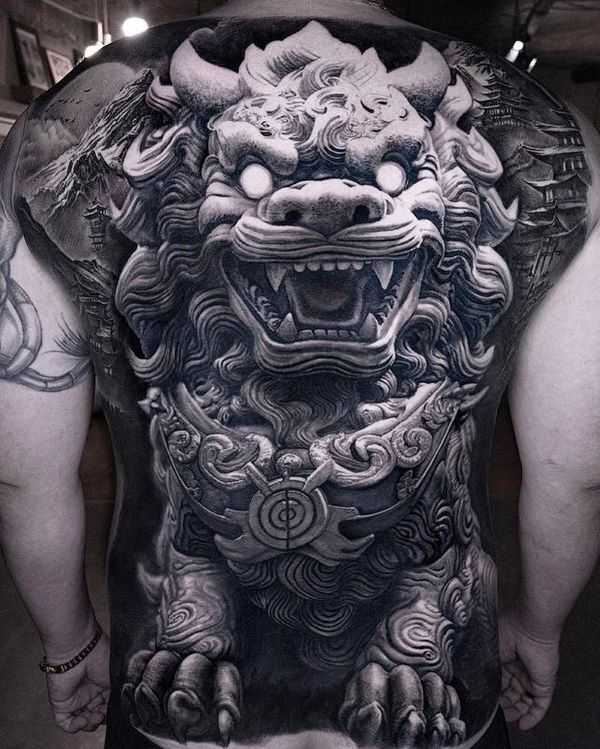
A black and grey Foo dog tattoo uses shading depth and contrast to create a lifelike guardian figure. This style emphasizes seriousness, emotional depth, and timeless design appeal. It is often chosen for large placements such as the back or chest to maximize detail clarity.
Realism tattoos require high technical skill because improper shading can flatten the spiritual presence of the Foo dog. Expert artists focus on light direction and texture layering to maintain dimensionality and cultural gravitas.
Neo-Traditional Foo Dog Tattoo Style
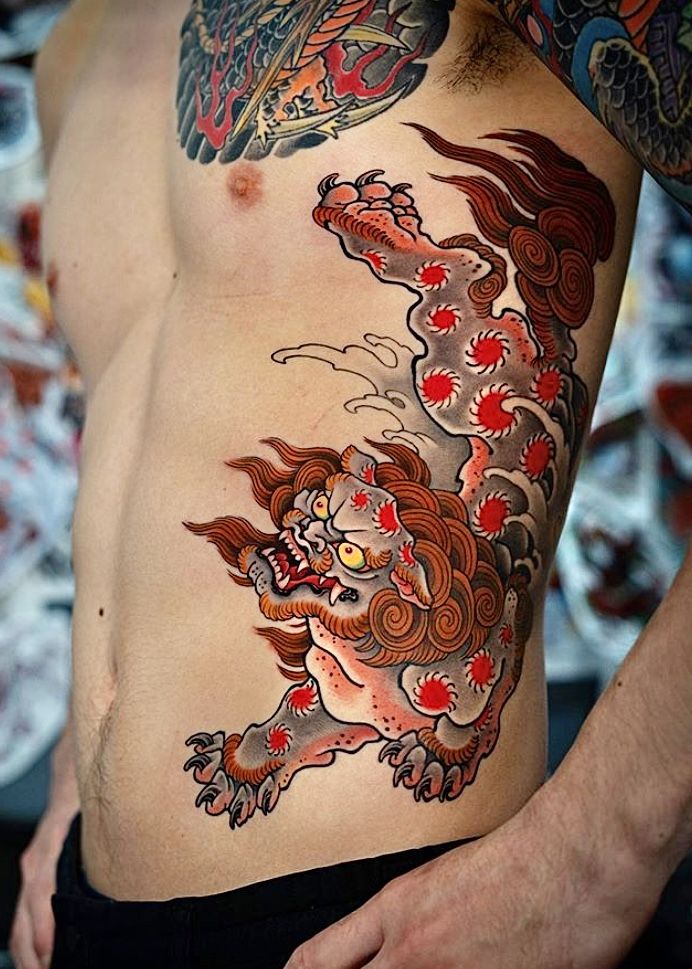
A neo-traditional Foo dog tattoo blends bold outlines with modern color theory while preserving symbolic structure. This style is ideal for clients who want expressive, high-contrast designs that remain culturally grounded but visually modernized for contemporary tattoo aesthetics.
Information Gain Insight: Why Neo-Traditional Is Rising in Popularity
Neo-traditional Foo dog tattoos are increasingly popular because they balance readability and symbolism. Unlike hyper-realism, they age better over time due to stronger linework, making them a practical long-term choice for visible placements like forearms and sleeves.
Best Placements for Foo Dog Tattoos and Why They Matter
Lucky Tattoo, a professional tattoo artist, has over 10 years of experience in the art of tattooing in Ho Chi Minh City. Lucky Tattoo Studio was founded in 2014 by skilled and kind artists. All tattoos are provided in a clean, strictly controlled, and friendly environment.
Chest and Back Foo Dog Tattoos for Maximum Protection Symbolism
A Foo dog tattoo placed on the chest or back is traditionally associated with maximum protective symbolism, as these areas represent core strength and personal defense. Large-scale placements allow artists to depict full guardian compositions, often including paired lions, clouds, and temple motifs for enhanced cultural storytelling and visual dominance.
From an expert tattoo composition standpoint, the chest is often chosen to symbolize protection over the heart, while the back represents unseen spiritual guardianship. These placements are especially popular among clients seeking emotional resilience or life transition symbolism.
Information Gain Insight: Why Placement Changes Meaning
Many tattoo guides overlook how placement alters symbolic interpretation. A Foo dog on the chest often represents internal strength and emotional shielding, while a back piece symbolizes external protection from unseen forces. This distinction is critical when designing culturally accurate and emotionally aligned tattoos.
- Chest placement = emotional protection and inner strength
- Back placement = external spiritual guardianship
- Full torso = complete symbolic balance system
Sleeve and Full Arm Foo Dog Tattoo Composition
A Foo dog tattoo sleeve is designed as a flowing narrative piece that integrates the guardian lion into a larger mythological ecosystem. Sleeves often include complementary elements such as waves, clouds, or dragons to create movement and storytelling across the arm. This format is popular for individuals who want visible but structured symbolic expression.
Experienced tattoo artists emphasize flow direction when designing sleeves. The Foo dog is often positioned to face outward, symbolizing vigilance and protection of the wearer’s environment.
Leg and Shoulder Foo Dog Tattoo Variations
A Foo dog tattoo on the leg or shoulder offers a balance between visibility and personal symbolism. Shoulder placements emphasize strength and mobility, while leg placements often symbolize grounded protection and forward life movement. These areas are ideal for medium-scale designs with moderate detail complexity.
Symbolism Behind Foo Dog Tattoo Elements
A Foo dog tattoo contains multiple symbolic elements such as clouds, flames, pearls, and paired guardian forms. Each detail contributes to the overall meaning of protection, wisdom, and spiritual authority. Understanding these components ensures culturally accurate design and enhances the tattoo’s narrative depth.
Clouds, Flames, and Sacred Motifs in Foo Dog Tattoos
A Foo dog tattoo often includes clouds and flames to represent spiritual realms and divine energy. Clouds symbolize movement between earthly and spiritual protection layers, while flames represent purification and strength. These elements elevate the Foo dog from a physical guardian to a mythological protector.
In traditional Chinese temple art, these motifs are not decorative but functional symbols of spiritual boundaries. Tattoo artists who respect this context use them to frame the guardian rather than simply fill space.
Male vs Female Foo Dog Tattoo Symbolism
A Foo dog tattoo can depict male and female guardians, representing duality and balance within protection systems. The male typically holds a symbolic sphere, representing control over external forces, while the female often protects a cub, symbolizing nurturing and continuity of life energy.
Information Gain Insight: Why Dual Guardians Are Rarely Explained Correctly
Most tattoo content fails to explain that Foo dog pairs are not decorative duplicates but intentional symbolic systems rooted in yin-yang philosophy. Ignoring this reduces cultural accuracy and weakens the tattoo’s intended spiritual depth.
- Male guardian = external authority and cosmic control
- Female guardian = internal protection and life continuity
- Paired system = universal energetic balance
Cultural Respect and Appropriation Considerations
A Foo dog tattoo carries cultural and spiritual significance rooted in Chinese heritage, making respectful interpretation essential. Proper understanding of symbolism, origin, and artistic intent ensures that the design honors its cultural background rather than reducing it to aesthetic decoration.
How to Respectfully Choose a Foo Dog Tattoo Design
A Foo dog tattoo should be chosen with awareness of its cultural meaning, ensuring that design elements reflect authentic symbolism rather than random stylistic choices. Consulting artists experienced in Asian tattoo traditions helps maintain accuracy and cultural integrity.
Professionals in tattoo anthropology emphasize that respectful design begins with education, not imitation. Understanding guardian lion symbolism prevents misrepresentation and enhances artistic value.
Cultural Appreciation vs Misinterpretation in Tattoo Art
A Foo dog tattoo becomes culturally respectful when it acknowledges its origins in Chinese temple guardianship systems. Misinterpretation occurs when designs are reduced to generic “lion tattoos” without symbolic context. The difference lies in intent, knowledge, and execution.
Who Chooses Foo Dog Tattoos and Why
A Foo dog tattoo is commonly chosen by individuals seeking protection symbolism, identity reinforcement, or representation of personal transformation. It appeals to those who value meaningful body art that reflects resilience, spiritual grounding, and cultural storytelling rather than purely decorative aesthetics.
Foo Dog Tattoos as Symbols of Life Transitions and Protection
A Foo dog tattoo is often selected during significant life transitions such as recovery, career change, or emotional rebuilding. The guardian symbolism provides psychological anchoring, representing strength through adversity and protection against future challenges.
Many tattoo artists report that clients choose Foo dogs after overcoming hardship, viewing the design as a permanent reminder of survival and inner strength.
Identity, Masculinity, and Strength Expression Through Foo Dogs
A Foo dog tattoo is also frequently associated with strength identity and masculinity expression, although its symbolism is not gender-exclusive. It represents controlled power, discipline, and spiritual authority rather than aggression or dominance alone.
How to Design a Foo Dog Tattoo With an Artist
A Foo dog tattoo should be designed collaboratively with an experienced tattoo artist who understands Asian symbolism, composition flow, and cultural accuracy. The process involves concept development, reference selection, placement planning, and stylistic alignment to ensure both artistic quality and symbolic integrity.
Consultation Process and Design Workflow With Tattoo Artists
A Foo dog tattoo design process begins with consultation, where the client shares intent, placement ideas, and symbolic goals. The artist then develops sketches that integrate guardian posture, cultural motifs, and body flow to ensure a cohesive final composition.
Professional tattoo studios specializing in Irezumi or neo-traditional styles often provide layered drafts to refine symbolism and anatomical accuracy before final execution.
What to Prepare Before Getting a Foo Dog Tattoo
Preparing for a Foo dog tattoo involves selecting reference imagery, understanding symbolism, and defining placement priorities. Clients should also consider pain tolerance, session length, and long-term aging of the design to ensure sustainable results.
- Define symbolic intention (protection, resilience, identity)
- Collect culturally accurate references
- Choose placement based on visibility and meaning
- Consult experienced Asian-style tattoo artists
Common Mistakes to Avoid When Getting a Foo Dog Tattoo
A Foo dog tattoo can lose its cultural and visual impact when poorly designed or misinterpreted. Common mistakes include oversimplification, incorrect anatomy, and removal of symbolic elements, all of which reduce the authenticity and meaning of the artwork.
Overcrowded or Unbalanced Foo Dog Tattoo Designs
A Foo dog tattoo should maintain visual hierarchy and flow, but many designs become overcrowded with unnecessary elements. This reduces clarity and weakens the guardian’s visual authority. Proper composition ensures that the Foo dog remains the central focus of the tattoo.
Experienced artists recommend prioritizing structure over decoration to preserve long-term visual integrity.
Misinterpreting Cultural Symbols in Design Execution
A Foo dog tattoo loses cultural depth when symbolic elements are incorrectly used or randomly applied. Misinterpretation often occurs when artists unfamiliar with Chinese mythology design the piece without contextual understanding.
Frequently Asked Questions About Foo Dog Tattoos
What does a Foo dog tattoo represent?
A Foo dog tattoo represents protection, strength, and spiritual guardianship derived from Chinese temple guardian lion symbolism.
Are Foo dog tattoos culturally Chinese or Japanese?
Foo dog tattoos originate from Chinese culture but were later adapted into Japanese art as Shishi with stylistic variations.
Where is the best placement for a Foo dog tattoo?
The chest, back, and sleeves are the most common placements due to their space for detail and strong symbolic association with protection.
Do Foo dog tattoos bring protection or luck?
Traditionally, Foo dogs symbolize spiritual protection and warding off negative energy rather than literal luck or fortune.
What tattoo style works best for Foo dogs?
Black and grey realism and neo-traditional styles are most effective for capturing detail, depth, and cultural symbolism.
Are Foo dog tattoos appropriate for everyone?
Yes, but they should be approached with cultural respect and understanding of their historical and spiritual significance.
Conclusion: The Meaning Behind a Foo Dog Tattoo
A Foo dog tattoo is more than decorative body art—it is a symbolic guardian rooted in Chinese mythology, representing protection, balance, and spiritual strength. When designed with cultural awareness and artistic precision, it becomes a powerful expression of identity, resilience, and personal transformation.
Lucky Tattoo, a professional tattoo artist, has over 10 years of experience in the art of tattooing in Ho Chi Minh City. Lucky Tattoo Studio was founded in 2014 by skilled and kind artists. All tattoos are provided in a clean, strictly controlled, and friendly environment.
foo-dog-tattoo