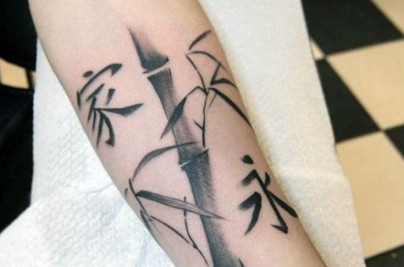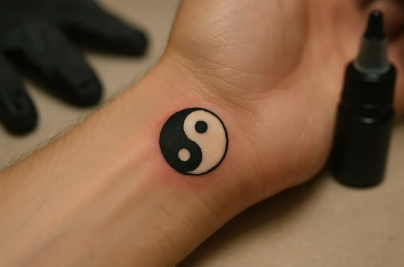
Hand poked tattoos have evolved from niche body art into one of the most sought-after tattoo styles worldwide. Known for their handcrafted aesthetic, precise detailing, and unique healing characteristics, hand poke tattoos appeal to people seeking a more intentional and personal tattooing experience. While often compared to traditional machine tattoos, the reality is more nuanced. Understanding how hand poked tattoos work, how they heal, and what results to expect can help you make an informed decision before booking an appointment.
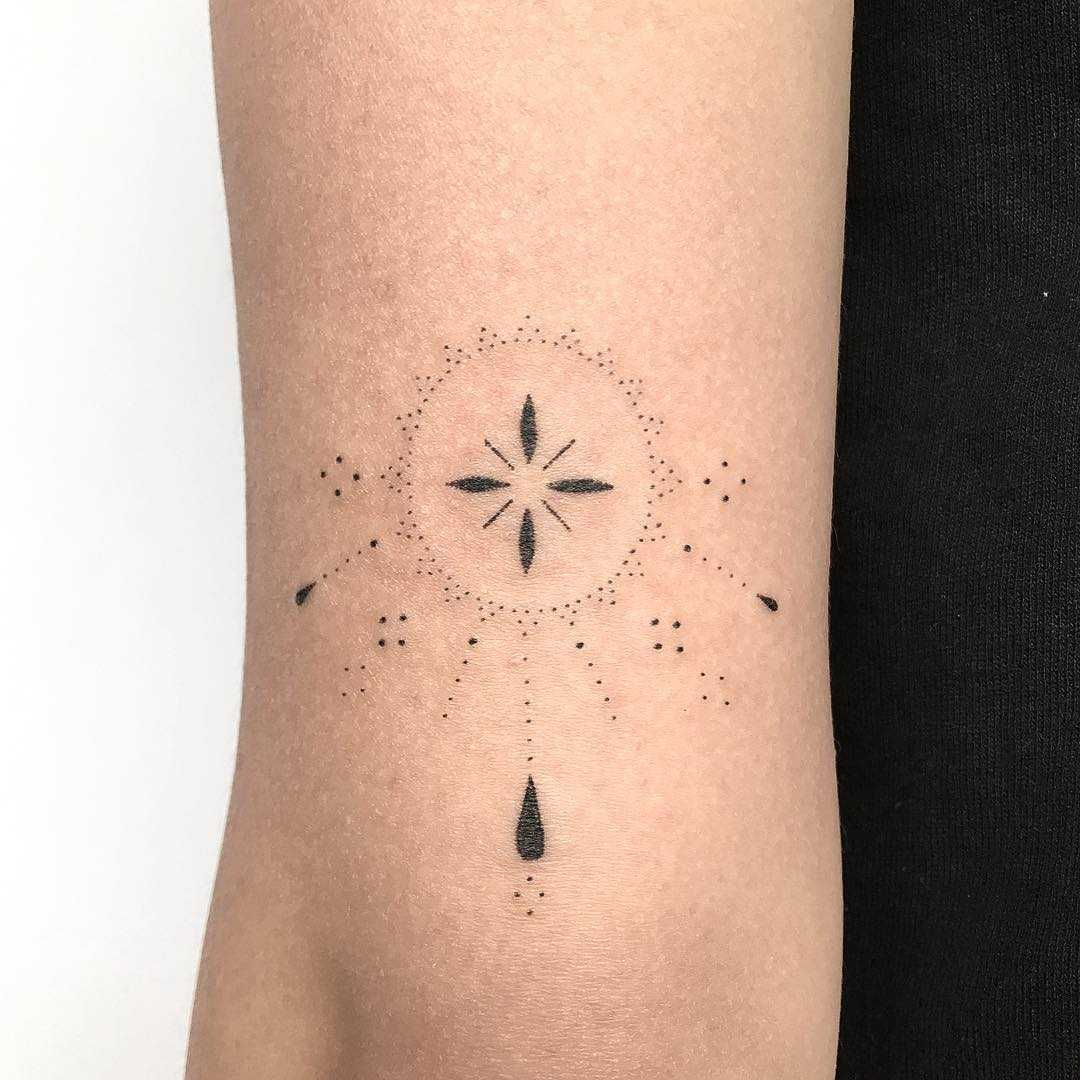
What Is a Hand Poked Tattoo?
A hand poked tattoo is created by manually inserting tattoo ink into the skin using a sterile needle rather than an electric tattoo machine. When performed by a skilled professional, hand poke tattoos can be just as permanent as machine tattoos while producing a softer, handcrafted appearance that many people find aesthetically appealing.
Also known as a stick and poke tattoo in modern terminology, professional hand poke tattooing is a highly controlled process where an artist deposits ink into the dermis one puncture at a time. Unlike machine tattooing, which uses rapid needle oscillation, hand poking relies entirely on manual precision.
Many people mistakenly associate hand poked tattoos with homemade DIY tattoos. In reality, professional hand poke artists use the same medical-grade hygiene standards, disposable needles, and professional tattoo inks found in reputable tattoo studios.
The technique has historical roots spanning thousands of years. Indigenous cultures throughout Polynesia, Southeast Asia, Japan, and other regions developed sophisticated hand tattooing traditions long before electric tattoo machines existed.
How Hand Poke Tattoos Are Created Step-by-Step
Professional hand poke tattoos are created through a deliberate process involving manual needle insertion, precise depth control, and careful ink placement. The method may appear simple, but achieving clean, lasting results requires significant technical skill and experience.
- Skin preparation and stencil placement.
- Needle and equipment sterilization verification.
- Manual dipping of the needle into tattoo ink.
- Controlled insertion into the dermis.
- Gradual construction of lines and shading.
- Final cleaning and aftercare guidance.
Experienced artists focus heavily on consistency. One of the biggest differences between beginner and expert hand poke artists is their ability to maintain uniform ink depth throughout the design.
The Origins and Evolution of Hand Poked Tattooing
Hand poke tattooing predates modern tattoo machines by centuries and remains deeply connected to cultural tattoo traditions worldwide. Today’s minimalist hand poke movement combines ancient techniques with modern hygiene standards and contemporary design aesthetics.
Traditional tattooing methods can be traced to numerous cultures including Polynesian tattooing, Japanese Tebori techniques, and Indigenous ceremonial body art practices. Although modern hand poke tattoos are often minimalist, the technique itself is rooted in a rich global history.
In recent years, hand poke tattooing has gained popularity among clients seeking intentional, slower-paced tattoo experiences. Many artists describe the process as more collaborative and meditative compared to machine tattooing.
Common Misconception: Are Hand Poke Tattoos Just DIY Stick-and-Pokes?
No. Professional hand poke tattoos and DIY stick-and-poke tattoos differ dramatically in safety, equipment quality, sterilization standards, and long-term outcomes. Grouping them together is one of the most common misconceptions in tattoo culture.
| Professional Hand Poke | DIY Stick and Poke |
|---|---|
| Medical-grade equipment | Often improvised tools |
| Sterile single-use needles | Frequently reused or improperly handled needles |
| Professional tattoo ink | Unknown ink sources |
| Controlled depth placement | Inconsistent penetration depth |
| Licensed studio environment | Unregulated setting |
Many poorly healed “stick and poke” tattoos online are not examples of professional hand poke tattooing. They are examples of improper technique, inadequate hygiene, or incorrect ink placement.
How Does a Hand Poked Tattoo Work Beneath the Skin?
Hand poked tattoos become permanent because tattoo pigment is deposited into the dermis, the stable layer of skin beneath the epidermis. Although the delivery method differs from machine tattooing, the biological mechanism that makes tattoos permanent remains fundamentally the same.

Most tattoo articles stop at explaining that ink enters the skin. What they rarely discuss is how tattoo longevity depends on accurate pigment placement within a narrow target zone.
If pigment remains too shallow, it fades quickly as skin naturally sheds cells. If it is inserted too deeply, the design can blur as ink migrates beyond intended boundaries.
Understanding Ink Placement in the Dermis
Successful hand poked tattoos rely on depositing pigment within the dermis layer where skin regeneration occurs slowly. This allows tattoo particles to remain visible for years while resisting normal skin shedding cycles.
The epidermis constantly renews itself. If tattoo ink is placed only in this outer layer, the design disappears relatively quickly. Professional artists therefore target the dermis with remarkable precision.
One overlooked factor affecting longevity is body location. Areas experiencing constant friction—such as fingers, palms, and feet—often lose pigment faster regardless of tattooing method.
Why Skin Trauma Differs From Machine Tattooing
Hand poke tattoos often create less concentrated skin trauma because each puncture is manually controlled rather than delivered through rapid machine oscillation. This difference can influence healing appearance, inflammation levels, and client comfort.
This is one of the most misunderstood aspects of hand poke tattooing.
Machine tattoo needles may puncture the skin thousands of times per minute. Hand poking introduces pigment more gradually. While this does not automatically make hand poke tattoos less painful, many clients report a different sensation often described as lighter, slower, and more manageable.
What Dermatologists Say About Healing Responses
Although healing experiences vary, lower levels of tissue disruption may contribute to reduced scabbing in some hand poke tattoos. However, healing outcomes remain heavily influenced by artist technique, client health, aftercare habits, and tattoo placement.
Excessive scabbing is not necessarily normal. In professional tattooing environments, severe scabbing can indicate overworking of the skin, poor aftercare, or other complications.
Clients with sensitive skin frequently report smoother recovery when the tattoo is applied conservatively and aftercare instructions are followed carefully.
Real-World Example: Same Design, Two Different Techniques
When comparing identical designs created using hand poke and machine methods, the differences are often subtle but noticeable. Hand poke tattoos typically exhibit a softer visual texture, while machine tattoos can produce sharper, more saturated lines.
Consider a simple fine-line botanical design:
- Machine tattoo: crisp edges and faster completion.
- Hand poke tattoo: softer texture and handcrafted character.
- Machine tattoo: ideal for dense blackwork.
- Hand poke tattoo: often preferred for minimalist aesthetics.
Neither technique is universally superior. The better choice depends on artistic goals, design complexity, skin type, and personal preference.
Do Hand Poked Tattoos Hurt Less Than Machine Tattoos?
Many people report that hand poked tattoos feel less intense than machine tattoos, but pain levels vary significantly depending on body placement, session duration, artist technique, and individual pain tolerance. Neither method is completely pain-free, and experiences differ from person to person.
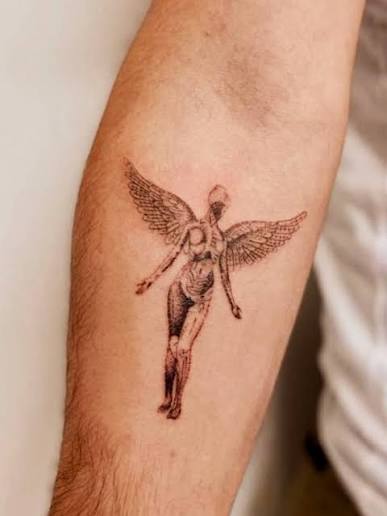
Pain perception is highly subjective, making broad claims difficult. However, experienced tattoo artists consistently observe patterns that help explain why many clients perceive hand poke tattoos differently.
Direct Answer: Comparing Pain Levels
Hand poked tattoos often feel less abrasive because the needle enters the skin manually rather than through rapid machine vibration. Many clients describe the sensation as repetitive pinching instead of the continuous scratching commonly associated with machine tattooing.
That said, longer sessions can offset this perceived comfort. A design that takes one hour by machine may require significantly more time when hand poked.
| Factor | Hand Poke Tattoo | Machine Tattoo |
|---|---|---|
| Needle Movement | Manual | Motorized |
| Vibration | Minimal | Continuous |
| Noise | Very quiet | Loud buzzing |
| Pain Description | Pinching sensation | Scratching sensation |
Factors That Influence Tattoo Pain
Pain is influenced more by placement, skin sensitivity, stress levels, hydration, and artist technique than by tattooing method alone. Understanding these variables helps set realistic expectations before a session.
Body Placement Examples
Areas with thin skin and less natural padding tend to be more sensitive regardless of tattoo style.
- Ribs
- Spine
- Ankles
- Hands
- Feet
- Collarbones
Areas with greater muscle and fat coverage often feel more manageable.
- Forearms
- Outer thighs
- Upper arms
- Calves
Needle Density and Session Length
Many first-time clients focus exclusively on needle pain while overlooking session duration. In practice, longer exposure often becomes a larger contributor to discomfort than the needle sensation itself.
A detailed hand poke tattoo may involve thousands of individual punctures delivered over several hours. While the sensation may feel gentler, the cumulative effect can still be physically demanding.
Common Misconception: Less Pain Does Not Mean Pain-Free
Even though some clients describe hand poke tattoos as easier to tolerate, every tattoo involves controlled skin injury. Marketing claims suggesting painless tattooing are misleading and can create unrealistic expectations.
Professional artists typically encourage clients to:
- Eat a full meal beforehand.
- Stay hydrated.
- Avoid alcohol before the appointment.
- Get adequate sleep.
- Communicate discomfort openly during the session.
These simple preparation steps often influence the tattoo experience more than the choice between hand poke and machine techniques.
Hand Poked Tattoo vs Machine Tattoo: Which Is Better?
Neither hand poked tattoos nor machine tattoos are universally better. The ideal choice depends on design complexity, desired aesthetics, healing preferences, budget, and long-term expectations. Understanding where each method excels helps ensure better results and greater satisfaction.
One of the biggest mistakes prospective clients make is selecting a technique based solely on trends rather than suitability for the intended design.
Appearance and Artistic Style Differences
Hand poked tattoos often create a softer, more organic appearance, while machine tattoos generally produce sharper saturation and greater efficiency for large-scale work. The visual difference is subtle but important for certain styles.
Minimalist designs, delicate symbols, botanical illustrations, and fine-line artwork often complement hand poke techniques exceptionally well.
By contrast, large blackwork pieces, intricate realism, and heavily shaded designs are typically executed more efficiently with a tattoo machine.
End of First Half
Lucky Tattoo, a professional tattoo artist, has over 10 years of experience in the art of tattooing in Ho Chi Minh City. Lucky Tattoo Studio was founded in 2014 by skilled and kind artists. All tattoos are provided in a clean, strictly controlled, and friendly environment.
Longevity and Fading Comparison
Professional hand poked tattoos can last as long as machine tattoos when pigment is placed correctly into the dermis. Longevity depends more on artist skill, ink quality, sun exposure, skin type, and aftercare than on whether a tattoo was applied manually or by machine.
One misconception repeated online is that all hand poke tattoos fade faster. In reality, fading is often linked to improper depth placement rather than the tattooing technique itself.
| Factor | Hand Poke Tattoo | Machine Tattoo |
|---|---|---|
| Longevity Potential | High when professionally done | High when professionally done |
| Fine Line Aging | Often softer over time | May remain sharper initially |
| Large Saturated Areas | More time-intensive | Generally more efficient |
| Touch-Up Frequency | Varies by placement and technique | Varies by placement and technique |
Areas exposed to UV radiation, friction, and constant movement tend to show fading sooner regardless of tattoo style. This includes fingers, feet, palms, and certain joint areas.
Cost Comparison
Hand poked tattoos are often priced similarly to machine tattoos, although rates vary based on artist reputation, geographic location, design complexity, and session length. Smaller minimalist pieces may appear affordable, but custom work from highly sought-after artists can command premium rates.
Unlike machine tattooing, where larger areas can be completed relatively quickly, hand poke work is often slower. This additional time may influence pricing structures.
Clients should evaluate value rather than simply seeking the lowest quote. Professional hygiene standards, portfolio quality, consultation time, and artistic specialization frequently justify higher costs.
Session Duration Comparison
Machine tattoos generally complete large designs faster, while hand poke tattoos require more time because each puncture is performed manually. Session length should be considered when evaluating comfort, scheduling, and overall project scope.
For example:
- A small symbol may take less than one hour using either method.
- A medium botanical design may require significantly more time when hand poked.
- Large-scale blackwork often favors machine efficiency.
Expert Insight: Which Technique Fits Different Tattoo Goals?
Hand poke tattoos often excel for minimalist, symbolic, and intentionally organic artwork, while machine tattoos remain the preferred option for highly detailed realism, extensive shading, and large-scale compositions.
Professional artists frequently recommend matching the technique to the design rather than selecting the design around the technique.
The best tattoo is rarely determined by the tool. It is determined by the artist’s mastery of the chosen technique and the suitability of that technique for the intended design.
Are Hand Poked Tattoos Safe?
Hand poked tattoos are generally safe when performed by a trained professional using sterile equipment, single-use needles, approved tattoo inks, and proper infection-control procedures. The greatest risks arise from unregulated environments, inadequate sterilization, and inexperienced practitioners.
Safety is often overlooked in favor of aesthetic discussions, yet it remains the most important factor when selecting a tattoo artist.
Direct Answer: Professional vs DIY Safety
Professional hand poke tattoos follow strict hygiene standards designed to minimize infection risks, while DIY stick-and-poke tattoos frequently lack proper sterilization, increasing the likelihood of complications such as infection, scarring, and poor pigment retention.
Professional studios typically use:
- Single-use sterile needles.
- Medical-grade surface disinfectants.
- Disposable barriers.
- Approved tattoo pigments.
- Cross-contamination prevention protocols.
Sterilization Standards Every Studio Should Follow
Reputable tattoo studios implement rigorous sterilization procedures that protect both clients and artists. These standards are often similar to those used in other personal service industries involving skin penetration.
Look for:
- Visible glove changes.
- Sealed sterile needle packaging.
- Proper sharps disposal containers.
- Clean workstation setup.
- Documented hygiene procedures.
Infection Risks and Prevention
Most tattoo-related infections are preventable when proper procedures and aftercare instructions are followed. Recognizing warning signs early can reduce the risk of serious complications.
Potential warning signs include:
- Excessive redness spreading beyond the tattoo.
- Persistent swelling.
- Pus or unusual discharge.
- Increasing pain after several days.
- Fever or flu-like symptoms.
If these symptoms occur, medical evaluation should be sought promptly.
CDC and Dermatology Recommendations
Public health guidance consistently emphasizes sterile equipment, infection prevention, and proper wound care as the primary factors influencing tattoo safety. These recommendations apply equally to hand poke and machine tattooing.
Red Flags When Choosing an Artist
Several warning signs can indicate elevated risk. Clients should treat these concerns seriously before booking an appointment.
- No portfolio documentation.
- Poor healing examples.
- Unclear sterilization practices.
- Reluctance to answer safety questions.
- Non-professional work environments.
- Unverified ink sources.
How Long Do Hand Poked Tattoos Last?
Professionally applied hand poked tattoos can remain visible for decades when properly executed and cared for. Longevity depends on pigment placement, skin characteristics, lifestyle habits, UV exposure, and tattoo location rather than simply the tattooing method itself.
Direct Answer: Permanence Explained
Hand poked tattoos are permanent because tattoo particles become embedded within the dermis where they remain trapped beneath the skin’s natural renewal cycle. While some fading is normal over time, complete disappearance is uncommon without removal treatments.
Factors Affecting Tattoo Longevity
Multiple variables influence how a tattoo ages. Understanding these factors helps set realistic expectations and improves long-term satisfaction.
Ink Quality
High-quality pigments generally produce more stable long-term results and predictable healing characteristics.
Artist Technique
Consistent depth placement remains one of the strongest predictors of tattoo longevity.
Sun Exposure
Ultraviolet radiation is one of the most significant causes of tattoo fading. Daily sunscreen use can substantially slow degradation.
Skin Type
Skin regeneration rates, oil production, and lifestyle habits can influence aging patterns.
Real-Life Aging Examples After 1, 5, and 10 Years
Many professionally executed hand poke tattoos remain highly recognizable after many years. Fine-line designs may soften slightly, while bold geometric work often maintains strong visibility.
- 1 year: Minimal changes beyond normal healing.
- 5 years: Slight softening possible depending on placement.
- 10 years: Well-executed designs remain clearly identifiable.
The most significant predictor of aging quality is often artist expertise rather than tattoo style.
Hand Poked Tattoo Healing Process: Week-by-Week Timeline
Most hand poked tattoos complete surface healing within two to four weeks, although deeper skin recovery can continue for several months. Understanding the healing timeline helps prevent unnecessary concern and reduces the risk of aftercare mistakes.
Days 1–3: Initial Healing
Mild redness, sensitivity, and slight swelling are common during the first few days after a professional hand poke tattoo. The area behaves similarly to a controlled skin wound and requires gentle care.
Clients should keep the area clean and avoid touching it unnecessarily.
Days 4–14: Peeling and Itching
Light peeling and itching are normal signs of healing. Excessive scratching can damage pigment retention and increase infection risk.
A common mistake is assuming dryness means the tattoo requires excessive moisturizing. Over-moisturization can create additional healing problems.
Weeks 3–4: Surface Recovery
By this stage, most visible healing has occurred and the skin appears relatively normal. However, deeper tissue recovery continues beneath the surface.
Many clients incorrectly assume aftercare can stop entirely once peeling ends.
Long-Term Skin Recovery
Although the tattoo may appear healed after several weeks, deeper remodeling processes continue for months. Protecting the tattoo from excessive sun exposure remains important during this period.
Common Healing Mistakes to Avoid
Most healing complications result from preventable aftercare errors rather than tattooing technique.
- Picking scabs.
- Excessive washing.
- Over-moisturizing.
- Swimming too soon.
- Direct sun exposure.
- Ignoring signs of infection.
Hand Poked Tattoo Aftercare Best Practices
Proper aftercare significantly influences healing quality, color retention, and long-term appearance. Following evidence-based aftercare recommendations often has a greater impact on outcomes than minor differences between tattooing techniques.
Essential Aftercare Routine
A simple, consistent aftercare routine is generally more effective than complicated product regimens. Gentle cleansing and appropriate moisturizing support healthy recovery.
- Wash hands before touching the tattoo.
- Clean gently using mild soap.
- Pat dry with a clean towel.
- Apply a thin layer of recommended aftercare product.
- Avoid unnecessary irritation.
Products Recommended by Professionals
Many professional artists recommend fragrance-free moisturizers and products specifically formulated for tattoo aftercare. Individual recommendations may vary based on skin sensitivity and healing history.
Activities to Avoid During Healing
Certain activities can increase infection risk, delay healing, or negatively affect pigment retention during the recovery period.
Swimming
Swimming pools, hot tubs, lakes, and oceans expose healing skin to microorganisms and chemicals that may interfere with recovery.
Excessive Sun Exposure
Ultraviolet radiation can damage healing tissue and accelerate fading.
Heavy Friction and Sweating
Tight clothing, excessive rubbing, and intense physical activity may irritate healing skin.
How Much Does a Hand Poked Tattoo Cost?
Professional hand poke tattoo pricing varies according to artist expertise, location, design complexity, and appointment duration. Costs should be evaluated alongside quality, safety standards, and long-term results rather than price alone.
Typical Price Ranges
Small designs may start around typical studio minimums, while larger custom projects can require multiple sessions and substantially higher budgets.
Factors Affecting Pricing
Several variables influence the final cost of a professional hand poke tattoo.
- Artist experience.
- Custom artwork requirements.
- Design complexity.
- Tattoo size.
- Geographic location.
- Session duration.
Why Cheap Tattoos Can Become Expensive Mistakes
Choosing an artist solely based on price can result in poor workmanship, premature fading, corrective procedures, or future tattoo removal costs that greatly exceed the initial savings.
FAQ: Hand Poked Tattoo Questions Answered
Are hand poked tattoos permanent?
Yes. Professionally applied hand poked tattoos can be permanent because pigment is deposited into the dermis layer of the skin.
Do hand poked tattoos hurt less than machine tattoos?
Many people report a gentler sensation, although pain varies significantly based on placement, artist technique, and individual tolerance.
Do hand poke tattoos fade faster?
Not necessarily. Longevity depends more on technique, aftercare, ink quality, and sun exposure than on the tattooing method.
How long does healing take?
Surface healing typically takes two to four weeks, while deeper skin recovery may continue for several months.
Are DIY stick-and-poke tattoos safe?
DIY tattoos carry significantly greater risks of infection, scarring, and poor pigment retention compared with professional studio procedures.
Can hand poked tattoos be removed?
Yes. Laser tattoo removal treatments generally work on hand poked tattoos similarly to machine tattoos.
What designs work best for hand poke tattoos?
Minimalist symbols, fine-line artwork, geometric designs, lettering, and small custom pieces are particularly well suited to hand poke techniques.
How do I choose the right hand poke artist?
Review healed portfolio examples, verify hygiene standards, assess professional credentials, and prioritize experience over low pricing.
Emerging Trends in Hand Poked Tattoos
Hand poke tattooing continues to evolve through minimalist design trends, AI-assisted concept development, sustainability initiatives, and growing demand for highly personalized body art experiences. These developments are shaping the future of the industry in ways many competitors rarely discuss.
Fine-Line and Minimalist Growth Trends
Fine-line tattoos remain among the fastest-growing tattoo categories because they complement the handcrafted appearance often associated with professional hand poke work.
AI-Assisted Tattoo Design Creation
Many artists now use AI-generated concept exploration tools during the design phase while maintaining full artistic control over the final tattoo composition.
Sustainability and Eco-Conscious Tattoo Practices
Increasing numbers of studios are exploring environmentally conscious products, reduced waste protocols, and sustainable business practices.
Future Outlook for Hand Poke Tattooing
As consumers seek authenticity, craftsmanship, and meaningful personal expression, hand poke tattooing is likely to remain an influential segment of the modern tattoo industry.
Expert Checklist: How to Choose the Right Hand Poke Tattoo Artist
Selecting the right artist is the single most important decision affecting safety, healing quality, aesthetic outcomes, and long-term satisfaction. A structured evaluation process can dramatically reduce risk.
Portfolio Review Criteria
Focus on healed work rather than freshly completed tattoos whenever possible.
- Consistency.
- Line quality.
- Healed examples.
- Style specialization.
- Client testimonials.
Hygiene Verification Checklist
Every professional studio should demonstrate clear infection-control practices.
- Sterile equipment.
- Disposable barriers.
- Glove use.
- Clean workspace.
- Professional documentation.
Questions to Ask Before Booking
Consultations provide valuable insight into professionalism, communication skills, and technical expertise.
- How long have you specialized in hand poke tattooing?
- Can I see healed examples?
- What aftercare do you recommend?
- How do you handle sterilization?
- What results can I realistically expect?
Conclusion: Is a Hand Poked Tattoo Right for You?
Hand poked tattoos offer a distinctive combination of artistry, intentionality, and craftsmanship that appeals to many modern tattoo enthusiasts. When performed by experienced professionals using sterile techniques and high-quality materials, they can provide beautiful, long-lasting results comparable to machine tattoos.
Key Takeaways Summary
Professional hand poke tattoos are safe, permanent, and capable of exceptional artistic results when executed correctly. Longevity depends primarily on technique, aftercare, and lifestyle factors rather than the tattooing method alone.
Expert Recommendation Based on Tattoo Goals
If you value minimalist aesthetics, handcrafted character, and a slower, more intentional tattoo experience, a hand poked tattoo may be an excellent choice. For large-scale realism, dense shading, or highly complex projects, machine tattooing may offer practical advantages. The most successful outcome comes from matching the right artist and technique to your specific vision.
Lucky Tattoo, a professional tattoo artist, has over 10 years of experience in the art of tattooing in Ho Chi Minh City. Lucky Tattoo Studio was founded in 2014 by skilled and kind artists. All tattoos are provided in a clean, strictly controlled, and friendly environment.
hand-poked-tattoo