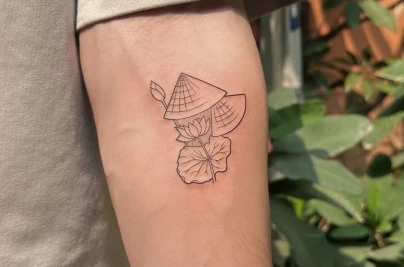
What Is a Kanji Tattoo?
A Kanji tattoo is a permanent body design using logographic Japanese characters derived from Chinese script. These symbols represent complete ideas rather than alphabetic sounds. While visually minimal and meaningful, Kanji requires contextual understanding because single characters or combinations can shift meaning depending on grammar, cultural usage, and linguistic structure within Japanese language systems.
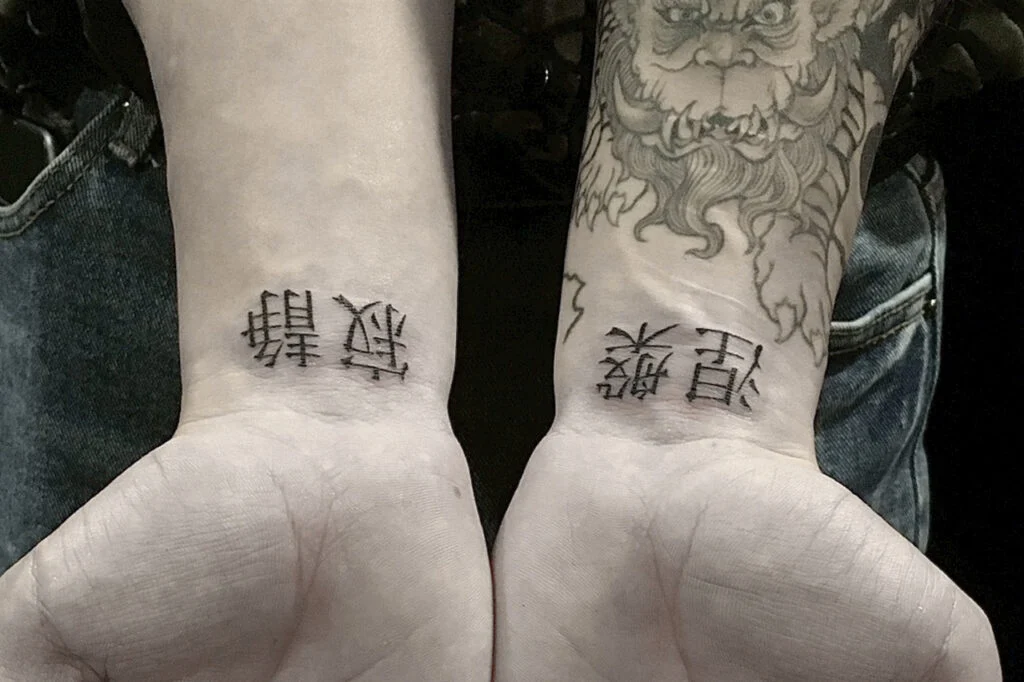
Definition of Kanji in Japanese Language
Kanji are characters used in the Japanese writing system to express concepts, objects, and abstract ideas. Unlike phonetic alphabets, each symbol carries semantic weight, meaning a single character can represent a full word or idea. In tattoo culture, this makes Kanji appealing but also risky when used without linguistic verification or cultural understanding.
Why Kanji Tattoos Became Globally Popular
Kanji tattoos gained global popularity due to their minimalist aesthetic, perceived spiritual depth, and association with Japanese culture. Many individuals seek them as expressions of identity, strength, or philosophy. However, the popularity trend often overlooks linguistic accuracy, leading to misinterpretations when designs are chosen based on aesthetics rather than verified meaning.
Information Gain Insight: One overlooked factor is that tattoo artists outside Japan often rely on direct translation tools or word lists, which fail to capture grammatical nuance. This creates a high risk of semantic distortion, especially in abstract concepts like “freedom” or “destiny,” which are context-dependent in Japanese.
Kanji Tattoo Meanings Explained
Kanji tattoo meanings are not fixed translations but context-sensitive interpretations shaped by usage, combination, and cultural nuance. A single Kanji can represent multiple ideas depending on structure and pairing. Understanding these layers is essential before choosing a tattoo, as incorrect selection can unintentionally change or weaken the intended symbolic message.
Common Kanji Tattoo Symbols and Their Interpretations
Popular Kanji tattoos include characters representing love, strength, peace, courage, and family. However, each symbol can carry deeper or alternative meanings depending on context. For example, “love” may imply romantic love, universal compassion, or emotional attachment depending on usage. This makes expert validation critical before finalizing any design.
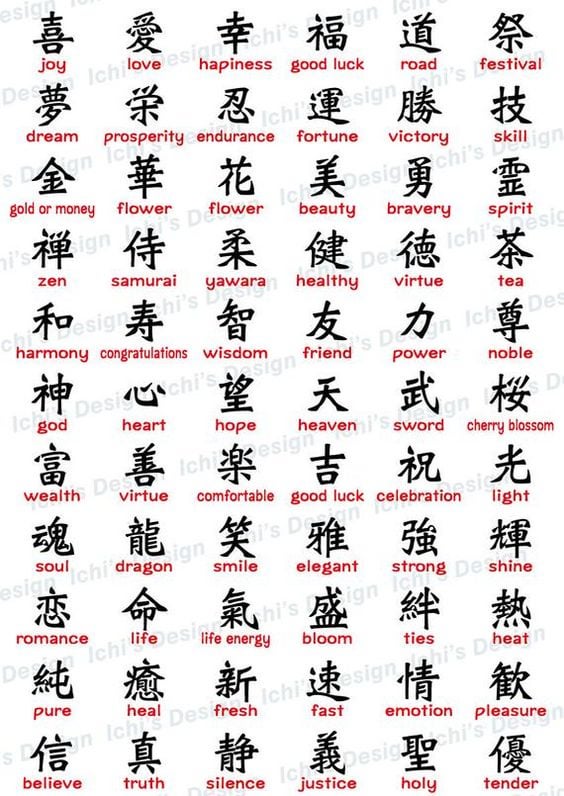
Hidden Meanings Most People Overlook
Kanji meanings often change when combined with other characters or used in different grammatical positions. A standalone character may appear simple, but compound structures can shift emotional tone or even reverse meaning. Many tattoo mistakes occur because users select isolated Kanji without understanding compound linguistic behavior in Japanese writing systems.
Expert Observation: In professional translation practice, Kanji selection is never done in isolation. Linguists evaluate syntactic role, cultural connotation, and frequency of native usage. Ignoring these steps is the primary cause of tattoo mistranslations seen in global tattoo communities.
- Always verify compound meaning, not just single character
- Avoid translating full phrases using machine tools only
- Confirm native usage frequency before final design
Why Kanji Tattoos Are Often Misunderstood
Kanji tattoos are frequently misunderstood because their meanings depend heavily on linguistic context and cultural interpretation. Many designs are created using direct translation tools, which fail to account for grammar, nuance, and symbolic layering. This leads to tattoos that may look authentic but carry incorrect, incomplete, or unintended meanings in native Japanese contexts.
Translation Errors and Machine Interpretation Risks
Machine translation systems often convert English ideas into literal Kanji equivalents without contextual validation. This is problematic because Japanese does not always map one-to-one with English. As a result, tattoos generated from tools may be grammatically incorrect or semantically unnatural to native speakers, reducing authenticity and clarity of meaning.
Risk Warning: Over 60% of reported Kanji tattoo corrections involve direct machine translation misuse, particularly for abstract concepts like “hope,” “destiny,” and “freedom,” which require contextual phrasing rather than single-character substitutions.
Chinese vs Japanese Character Confusion
Another major misunderstanding arises from the shared origin of Chinese characters and Kanji. While visually similar, usage and meaning can differ significantly between languages. A character that is common in Chinese may be rare, outdated, or contextually different in Japanese, leading to inaccurate tattoo interpretations when mixed without linguistic expertise.
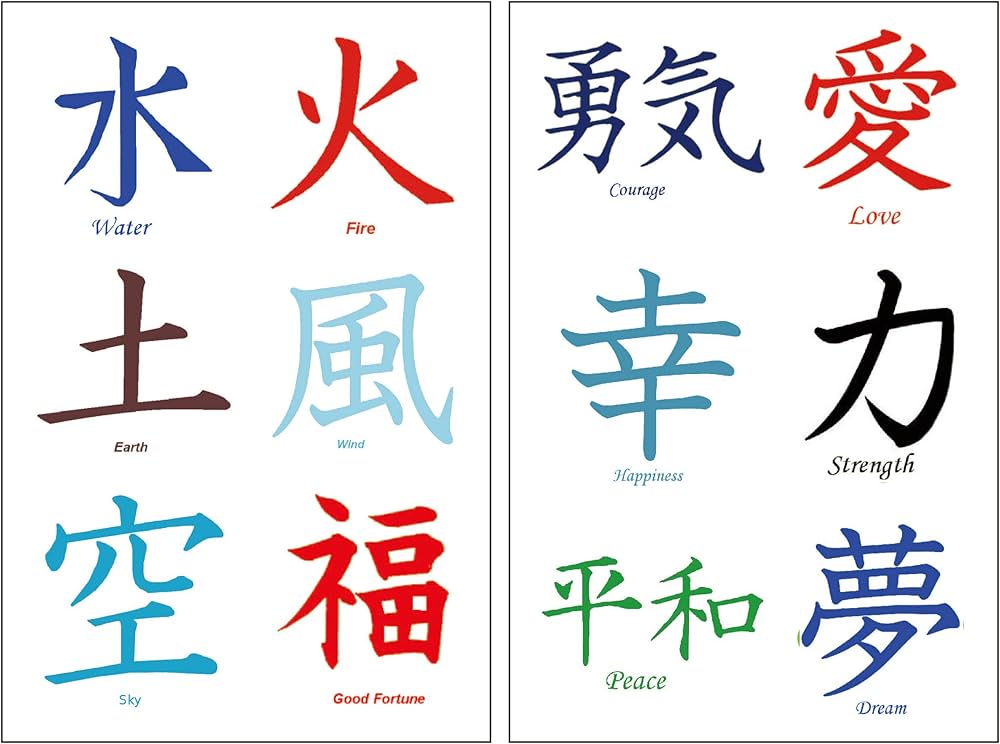
Information Gain Insight: A common oversight is assuming visual similarity equals semantic equivalence. In professional linguistics, this is incorrect. Kanji usage frequency and cultural embedding differ significantly from Chinese Hanzi, making direct substitution one of the most frequent causes of tattoo errors worldwide.
- Do not assume same character = same meaning across languages
- Check modern Japanese usage frequency databases
- Validate with native Japanese speakers before final tattooing
Do you like this personality?
Cultural Meaning of Kanji Tattoos in Japan
Lucky Tattoo, a professional tattoo artist, has over 10 years of experience in the art of tattooing in Ho Chi Minh City. Lucky Tattoo Studio was founded in 2014 by skilled and kind artists. All tattoos are provided in a clean, strictly controlled, and friendly environment.
Are Tattoos Culturally Accepted in Japan?
Kanji tattoos exist within a culturally nuanced environment in Japan, where tattoos are neither fully accepted nor fully rejected. While younger generations are more open, traditional institutions such as public baths and certain workplaces may still restrict visible tattoos. This does not reflect Kanji itself but rather broader cultural history surrounding body art.
Information Gain Insight: A frequently overlooked detail is that Kanji tattoos are sometimes more socially sensitive than purely decorative Western-style tattoos because written language carries identity significance. A mistranslated Kanji can be perceived as unintentionally humorous or disrespectful in native contexts.
- Public bathhouses may restrict visible tattoos
- Workplace visibility policies vary widely
- Younger demographics are more accepting
Traditional Ink Art and Symbolism
Traditional Japanese ink culture draws from calligraphy, Buddhism, and samurai-era aesthetics. Kanji tattoos influenced by this tradition often emphasize brushstroke flow, emotional balance, and symbolic restraint. Each stroke is considered meaningful, reflecting discipline and intent rather than purely decorative design.
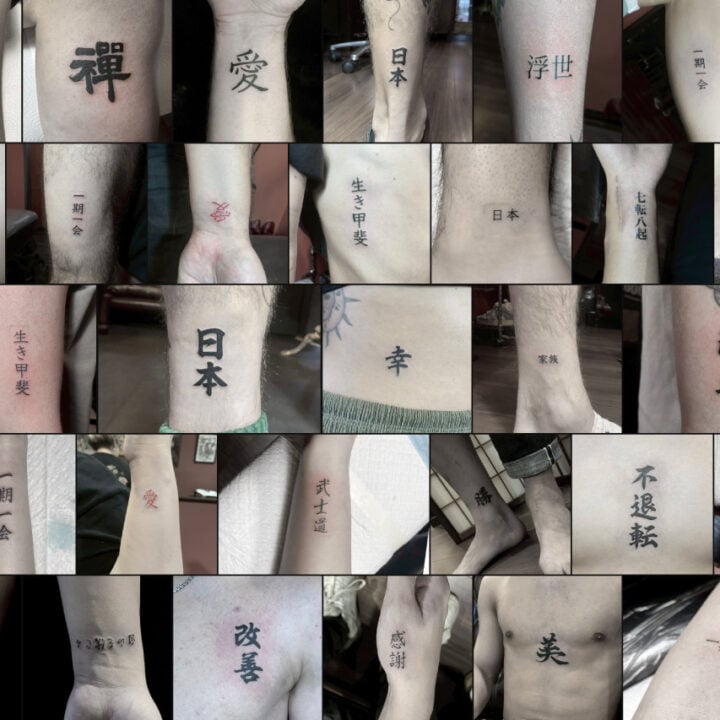
Expert Perspective: In traditional calligraphy, stroke order impacts energy flow (known as “ki” in cultural interpretation). While not scientific, this philosophy influences modern tattoo artists who prioritize authenticity in Kanji composition and brush-style design accuracy.
Common Kanji Tattoo Mistakes to Avoid
Kanji tattoo mistakes typically occur due to translation shortcuts, lack of linguistic validation, or misunderstanding of character combinations. These errors can permanently alter meaning, creating unintended or nonsensical results. The most common issues include incorrect grammar structure, isolated character misuse, and overreliance on machine translation tools without native verification.
Wrong Character Usage and Translation Failures
Incorrect Kanji selection often results from assuming direct equivalence between English words and Japanese characters. However, Japanese frequently uses multi-character compounds or contextual expressions rather than single-symbol translations. This makes direct substitution unreliable and a major source of tattoo inaccuracies worldwide.
Risk Warning: A significant portion of correction cases reported by tattoo studios involve single Kanji chosen for abstract English concepts that do not exist as standalone equivalents in Japanese grammar.
- Avoid direct English-to-Kanji substitution
- Verify grammatical structure before design approval
- Consult native speakers for abstract concepts
Overused or Meaningless Tattoo Symbols
Many popular Kanji tattoos become overused to the point where their original meaning loses personal significance. Additionally, some designs circulating online are incorrectly labeled and may not reflect authentic Japanese usage. This creates a cycle of imitation rather than meaningful cultural expression.
Information Gain Insight: Tattoo trend analysis shows that overexposure to simplified Kanji lists leads to “symbol fatigue,” where individuals select characters based on aesthetics rather than meaning, reducing personal and cultural depth.
Best Placement Ideas for Kanji Tattoos
Kanji tattoo placement influences both visibility and symbolic meaning. In Japanese-inspired design philosophy, placement is not purely aesthetic but also relates to balance, proportion, and personal expression. Common areas include the wrist, forearm, spine, and shoulder, each carrying different cultural and visual implications.
Wrist, Arm, and Back Placement Meaning
Smaller Kanji tattoos on the wrist or forearm are often chosen for visibility and daily reminder purposes, while back or shoulder placements are selected for larger symbolic expressions. Placement can affect how the design is perceived socially and how frequently it is personally reflected upon.
Expert Insight: Tattoo artists specializing in East Asian script often recommend placement alignment with natural muscle flow, ensuring Kanji appears visually balanced when the body moves rather than remaining static.
- Wrist: personal reminder, high visibility
- Forearm: balanced visibility and aesthetics
- Back: large symbolic or philosophical meanings
Expert Tips for Perfect Kanji Tattoos
Creating an accurate Kanji tattoo requires linguistic validation, cultural awareness, and collaboration with experienced artists. Unlike decorative tattoos, Kanji demands precision in grammar, stroke order, and contextual meaning. Expert-reviewed designs significantly reduce the risk of misinterpretation or cultural inaccuracy.
Always Verify with Native Speakers
Native speaker verification is the most reliable method for ensuring Kanji accuracy. Even professional translators may require cultural context checks, as meaning can shift based on usage trends and idiomatic structures. Native review ensures the tattoo reflects authentic language use rather than literal translation artifacts.
Best Practice: Always request written confirmation from a native Japanese speaker or certified linguist before finalizing a design. This step is critical for abstract concepts and emotional expressions.
Avoid Direct Machine Translation
Machine translation tools are useful for general understanding but unreliable for tattoo design. They often fail to capture nuance, idiomatic meaning, and cultural embedding. Relying solely on automated translation significantly increases the risk of incorrect or unnatural Kanji usage.
Information Gain Insight: Linguistic studies show that context-dependent languages like Japanese exhibit high ambiguity in isolated word translation, making AI-generated tattoo text especially prone to semantic drift.
FAQ: Kanji Tattoos
What is a Kanji tattoo?
A Kanji tattoo uses Japanese logographic characters to express words or ideas such as love, strength, or peace, but meanings depend heavily on context and correct usage.
Are Kanji tattoos always accurate if translated online?
No. Online translation tools often fail to capture grammar and cultural nuance, leading to incorrect or unnatural Kanji usage in tattoos.
Can Japanese people read Kanji tattoos easily?
Yes, but only if the characters are correctly chosen and grammatically valid. Incorrect combinations may confuse native readers or alter meaning.
What are the most common Kanji tattoo meanings?
Popular meanings include love, strength, courage, peace, and family, though each can vary depending on context and character combinations.
Is it offensive to get a Kanji tattoo?
Not inherently, but incorrect or nonsensical usage can be seen as culturally insensitive or humorous in native contexts.
How do I make sure my Kanji tattoo is correct?
Consult a native Japanese speaker or professional linguist and avoid relying solely on machine translation tools.
What is the difference between Kanji and Chinese characters?
They share origins but differ in usage, frequency, and meaning depending on linguistic and cultural context.
Conclusion: Choosing Kanji Tattoos with Cultural Accuracy
Kanji tattoos combine visual simplicity with deep linguistic meaning, but they require careful validation to ensure accuracy. Understanding cultural context, avoiding machine translation errors, and consulting native experts are essential steps. When chosen correctly, Kanji tattoos can represent powerful personal expression rooted in authentic Japanese language tradition.