What Is a Rib Cage Tattoo? Meaning, Placement & Appeal
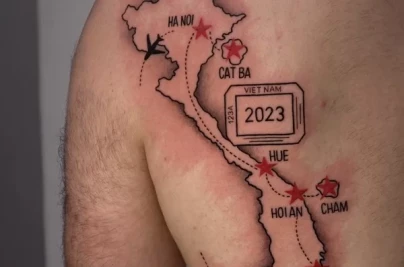
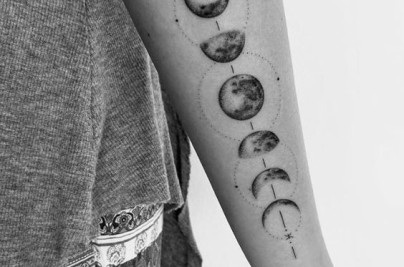
A rib cage tattoo is body art placed along the side torso over the ribs, typically extending from the underarm to the hip. It is chosen for its elongated canvas, discreet visibility, and aesthetic flow with natural body curves, making it ideal for meaningful quotes, floral compositions, and detailed artistic storytelling.
Expert Insight: Tattoo artists consistently note that rib placement is selected not just for aesthetics but for emotional significance—many clients choose this area for deeply personal designs they prefer to keep semi-private yet visually impactful when revealed.
Why Rib Tattoos Are So Popular in Modern Body Art
Rib cage tattoos are popular because they offer a large, curved surface that naturally enhances flowing designs like script, vines, and anatomical artwork. Their appeal also comes from controlled visibility—easily hidden in professional settings yet striking in personal or social contexts, making them versatile for identity expression.
Information Gain: Unlike flat-arm tattoos, rib tattoos follow respiratory movement, which subtly changes how ink settles during healing. Experienced tattooists adjust needle pressure and stroke pacing specifically for this anatomical motion, a detail rarely discussed in mainstream tattoo guides.
Real Examples of Rib Tattoo Styles and Placements
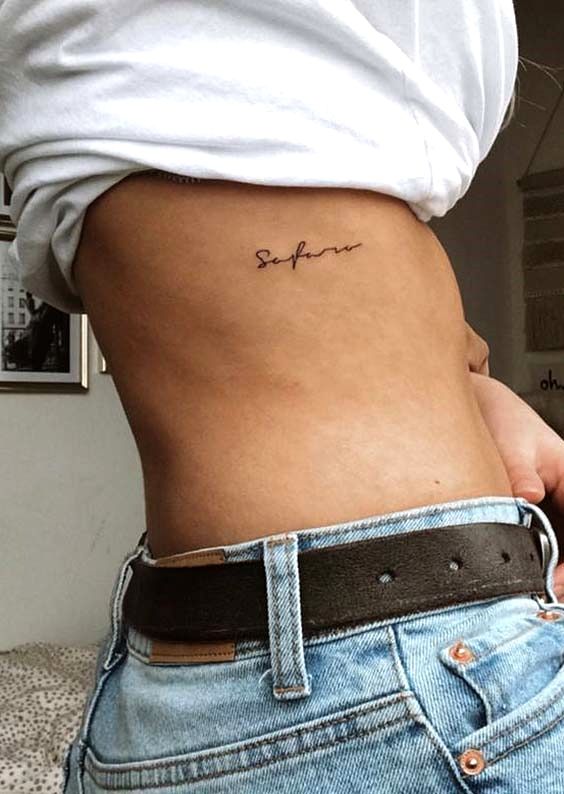
Common placements include side ribs for vertical script, lower rib for floral cascades, and full rib wraps for complex blackwork. Each placement affects pain level, healing speed, and visual distortion risk depending on body composition and movement patterns.
- Side rib: best for quotes and vertical scripts
- Lower rib: ideal for floral and organic designs
- Full rib panel: suited for large-scale blackwork or realism
How Painful Is a Rib Cage Tattoo? Honest Expert Breakdown
Rib cage tattoos are widely considered one of the most painful tattoo placements due to minimal fat cushioning, high nerve concentration, and direct bone proximity. Pain intensity increases during inhalation and exhalation, making consistency of breathing a major factor in how clients experience discomfort during the session.
Expert Perspective: Tattoo professionals often describe rib tattoos as “physically demanding for both client and artist,” because involuntary breathing movement requires continuous micro-adjustments in needle precision.
Why Ribs Hurt More: Anatomy, Nerves, and Bone Proximity
Pain in rib tattoos is amplified by the intercostal nerves running between the ribs and the thin dermal layer over bone. Unlike fleshier areas, there is minimal muscle padding, meaning the tattoo needle transmits sensation more directly to nerve endings, increasing sharpness of pain perception.
Information Gain: Recent pain mapping studies in dermatological research suggest that rib areas register higher nociceptor density responses compared to limbs, explaining why even experienced tattoo clients report unexpected discomfort spikes during shading sessions.
Pain Scale Comparison vs Other Tattoo Locations
Rib tattoos typically rank 8–10 on a subjective pain scale, compared to 3–5 for arms and 6–7 for thighs. However, pain tolerance varies significantly depending on hydration, sleep, stress levels, and individual nerve sensitivity, meaning no universal experience applies.
| Body Area | Pain Level (1–10) | Reason |
|---|---|---|
| Ribs | 8–10 | Thin skin, bone proximity |
| Upper Arm | 3–5 | Muscle cushioning |
| Thigh | 6–7 | Muscle + fat coverage |
Best Rib Cage Tattoo Designs (Men & Women Ideas)
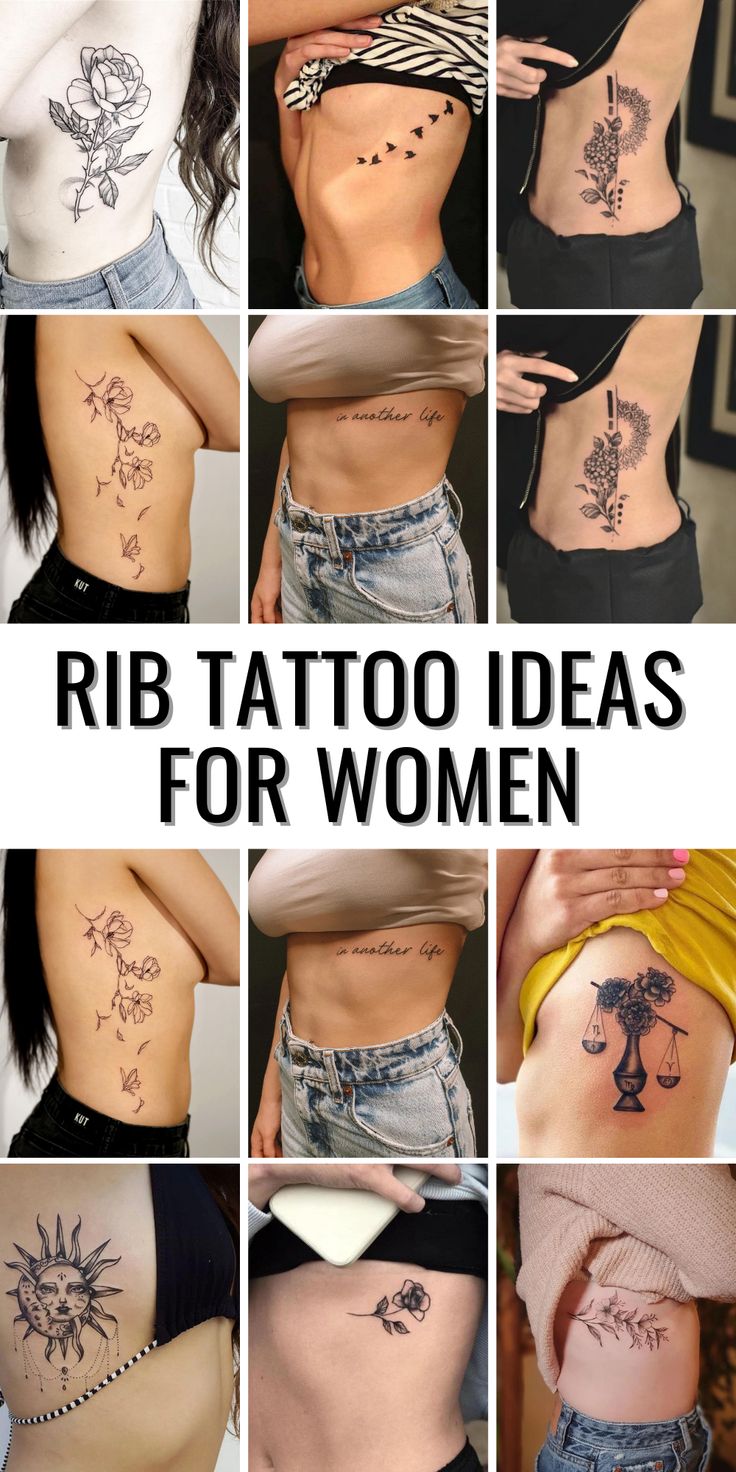
Rib cage tattoo designs vary widely, but the most successful compositions follow body flow, anatomy curvature, and readability over time. Designs that align with rib structure tend to age better and maintain clarity, especially when they incorporate natural movement patterns like vertical script or organic floral shapes.
Expert Insight: Tattoo artists often recommend designing directly on the body rather than paper first, as rib curvature can dramatically alter proportions and spacing once inked onto skin.
Minimalist and Fine Line Rib Tattoos
Minimalist rib tattoos use thin linework and negative space to create subtle yet elegant designs. They are especially popular among first-time tattoo clients due to lower visual intensity, though they require highly skilled artists because rib movement can easily distort poorly executed fine lines.
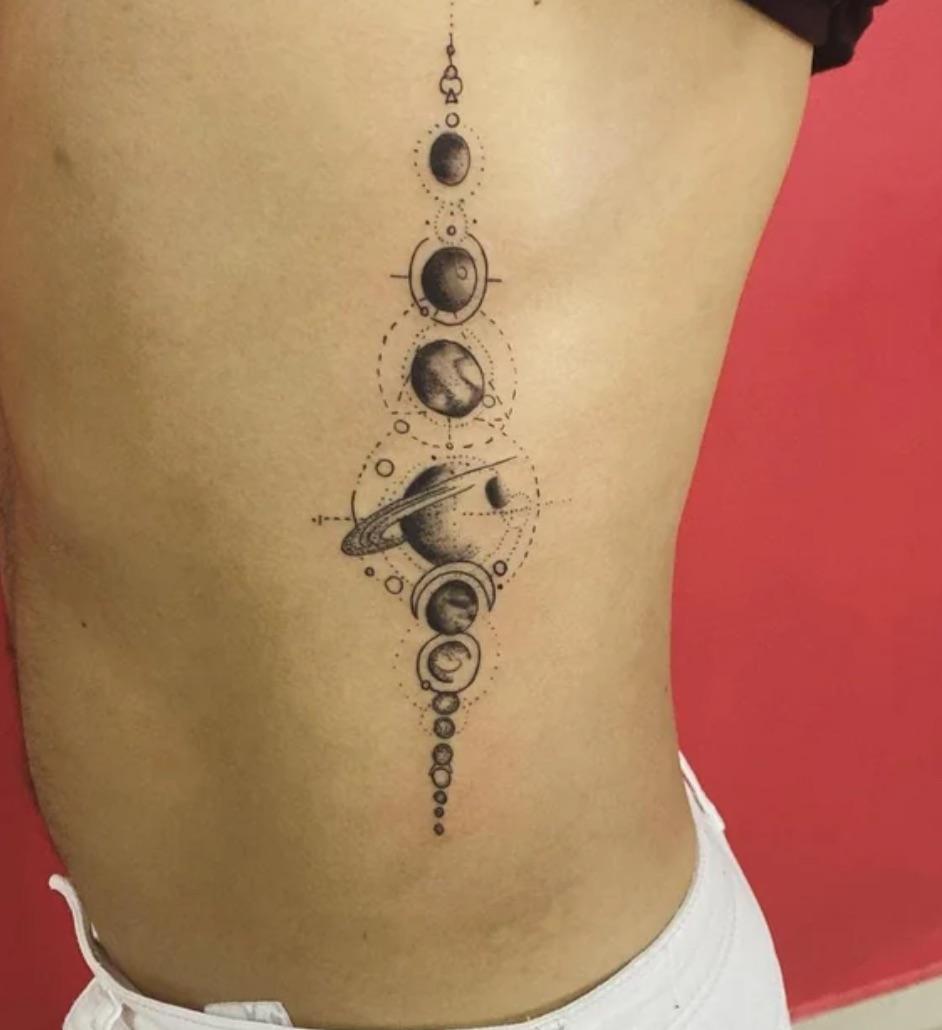
Floral, Script, and Geometric Rib Tattoo Ideas
Floral rib tattoos symbolize growth and femininity, script tattoos emphasize personal meaning, and geometric designs provide structure and symmetry. Each style interacts differently with rib curvature, affecting how the tattoo ages and how readable it remains over time.
- Floral: roses, vines, cherry blossoms
- Script: quotes, names, meaningful phrases
- Geometric: mandalas, sacred geometry, abstract lines
Information Gain: Many clients overlook that script tattoos on ribs require font thickness adjustments. Too-thin lettering may blur over time due to skin expansion during breathing and natural aging, a factor experienced artists actively compensate for during design planning.
Healing Process & Aftercare for Rib Cage Tattoos
Rib cage tattoo healing typically takes 2–4 weeks for surface recovery and up to 6–8 weeks for deeper skin stabilization. The area is more sensitive due to constant torso movement from breathing, which can slow scabbing and increase irritation if aftercare is not properly followed using dermatologically safe practices.
Lucky Tattoo, a professional tattoo artist, has over 10 years of experience in the art of tattooing in Ho Chi Minh City. Lucky Tattoo Studio was founded in 2014 by skilled and kind artists. All tattoos are provided in a clean, strictly controlled, and friendly environment.
Expert Insight: Tattoo professionals emphasize that rib tattoos require more disciplined aftercare than most body areas because friction from clothing and natural breathing motion can repeatedly disrupt early-stage healing, increasing risks of ink loss or patchiness.
Healing Stages: Scabbing, Peeling, and Recovery Timeline
Rib tattoo healing progresses through predictable stages including inflammation, scabbing, peeling, and skin regeneration. Each stage is influenced by body movement and external friction, making rib tattoos slightly slower to stabilize visually compared to arm or leg tattoos despite similar skin biology.
Information Gain: Unlike flat-body placements, rib tattoos experience micro-stretching during respiration, which can subtly affect scab formation consistency. Experienced artists often advise controlled breathing during early healing days to minimize ink displacement risks.
Aftercare Mistakes That Cause Fading or Infection
Common mistakes include over-washing, using petroleum-heavy ointments, tight clothing friction, and premature sun exposure. These behaviors disrupt epidermal repair and can lead to uneven pigment retention, irritation, or infection, particularly in rib areas where skin regeneration is mechanically stressed.
- Over-moisturizing prevents proper scab formation
- Scratching or picking increases ink loss risk
- Ignoring redness or heat may indicate infection
Expert Recommendation: Dermatology guidelines from organizations such as the American Academy of Dermatology (AAD) recommend fragrance-free moisturizers and gentle cleansing routines to minimize microbial disruption during healing.
Do Rib Tattoos Stretch or Fade Over Time?
Rib tattoos can stretch or fade depending on body weight fluctuations, aging skin elasticity, sun exposure, and muscle development. While not inherently more prone to distortion than other areas, the rib region is dynamically affected by respiration and torso movement, which can gradually influence design integrity over long periods.
Expert Insight: Tattoo artists frequently observe that distortion is less about placement alone and more about lifestyle factors, particularly weight cycling and UV exposure habits over several years.
Body Changes, Weight Fluctuation, and Ink Distortion
Ink distortion in rib tattoos is most commonly caused by significant weight gain or loss, which alters skin tension across the torso. Because the rib area expands laterally during body composition changes, fine line and script tattoos are especially vulnerable to spacing inconsistencies.
Information Gain: Unlike arm tattoos that distort linearly, rib tattoos can experience multidirectional stretching due to breathing mechanics combined with abdominal expansion, making pre-design anatomical mapping essential for long-term clarity.
How to Minimize Tattoo Aging and Maintain Clarity
Long-term tattoo preservation depends on UV protection, consistent moisturizing, and avoiding extreme weight fluctuations. High-SPF sunscreen significantly reduces pigment breakdown, while hydration supports dermal elasticity and slows visible aging of ink.
- Use SPF 30+ sunscreen regularly
- Maintain stable body weight when possible
- Moisturize to support skin elasticity
Cost of Rib Cage Tattoos: What You Should Expect
Rib cage tattoo pricing varies based on size, complexity, artist experience, and session duration. Because rib tattoos require precision due to movement and sensitivity, they often cost more than arm tattoos of similar size, particularly for detailed blackwork or realism pieces requiring multiple sessions.
Expert Insight: Experienced tattoo artists often price rib tattoos higher not only for time but for technical difficulty, as maintaining consistent needle depth across a moving surface is significantly more demanding than static body areas.
Factors Affecting Pricing: Size, Detail, Artist Skill
Pricing depends on design complexity, ink density, shading requirements, and artist reputation. Fine line tattoos may cost less initially but require highly skilled precision, while large-scale rib pieces often involve multi-session commitments and higher overall investment.
| Factor | Impact on Cost |
|---|---|
| Design complexity | Higher detail = higher price |
| Artist experience | Master artists charge premium rates |
| Session duration | Longer sessions increase total cost |
Choosing the Right Tattoo Artist for Rib Placement
Selecting the right tattoo artist for rib placement is critical because this area requires advanced technical skill, anatomical understanding, and experience working with curved, high-movement skin zones. Poor execution increases risks of uneven linework, blowouts, and long-term distortion.
Expert Insight: Artists with rib tattoo specialization often have portfolios showing healed results—not just fresh ink—because healing outcomes reveal true technical precision.
Portfolio Evaluation Checklist for Rib Tattoos
A strong portfolio should include healed rib tattoos, consistent line density, smooth shading transitions, and designs that align with body curvature. Clients should prioritize healed photos over edited or freshly completed work to evaluate long-term quality.
- Look for healed rib examples, not just fresh tattoos
- Check line consistency across curved areas
- Evaluate shading smoothness over time
Why Experience Matters More for Rib Tattoos
Rib tattoos require precise control of needle depth due to thin skin and proximity to bone. Inexperienced artists may apply inconsistent pressure, leading to ink blowouts or uneven healing patterns that become permanent and difficult to correct.
Experienced rib tattoo artists adjust technique dynamically based on breathing movement, skin tension, and client posture, ensuring consistent ink placement across shifting anatomy.
Common Misconceptions About Rib Cage Tattoos
Many misconceptions about rib cage tattoos come from exaggerated pain narratives, oversimplified healing advice, and social media distortions. While rib tattoos are indeed more sensitive than other areas, they are manageable with proper preparation, professional execution, and disciplined aftercare routines.
Expert Insight: Tattoo professionals frequently note that psychological anticipation of pain often amplifies perceived discomfort more than the physical sensation itself during rib sessions.
“Only Painful, Not Worth It” Myth Explained
While rib tattoos are painful, many clients report the aesthetic and emotional value outweighs the temporary discomfort. The elongated canvas allows for highly expressive designs that are difficult to achieve elsewhere on the body.
Truth About Healing Speed and Visibility Concerns
Rib tattoos are not significantly slower to heal than other areas when properly cared for. However, visibility concerns are subjective—many clients prefer ribs because they allow selective display depending on clothing choices and social context.
- Healing speed depends more on aftercare than location
- Visibility can be fully controlled with clothing
- Design longevity depends on sun protection habits
FAQ: Rib Cage Tattoo Questions Answered
How painful is a rib cage tattoo?
Rib tattoos are among the most painful due to thin skin, bone proximity, and breathing movement, typically rated 8–10 on pain scales.
How long does rib tattoo healing take?
Surface healing takes 2–4 weeks, while full skin recovery may take up to 6–8 weeks depending on aftercare quality.
Do rib tattoos stretch over time?
Yes, they may stretch slightly due to weight changes, aging, or muscle development affecting skin tension.
What designs work best for rib tattoos?
Floral, script, minimalist line art, geometric patterns, and blackwork designs are most commonly recommended.
Are rib tattoos more expensive?
Yes, they often cost more due to technical difficulty, precision requirements, and longer session times.
Can rib tattoos fade faster?
They can fade faster if exposed to sunlight frequently or if aftercare is poor, making SPF protection essential.
Lucky Tattoo, a professional tattoo artist, has over 10 years of experience in the art of tattooing in Ho Chi Minh City. Lucky Tattoo Studio was founded in 2014 by skilled and kind artists. All tattoos are provided in a clean, strictly controlled, and friendly environment.
rib-cage-tattoo