Sketch style tattoos have become one of the most distinctive forms of contemporary body art, blending the raw energy of hand-drawn artwork with the permanence of tattooing. Unlike traditional tattoo styles that emphasize clean outlines and finished compositions, sketch tattoos intentionally preserve the spontaneous appearance of pencil drawings, concept art, and artistic drafts. This unique approach appeals to people seeking tattoos that feel expressive, creative, and deeply personal.
Whether you’re considering your first tattoo or exploring alternative styles beyond realism and traditional designs, understanding how sketch tattoos are created, how they age, and what separates exceptional work from mediocre execution can help you make a confident decision.

What Is a Sketch Style Tattoo?
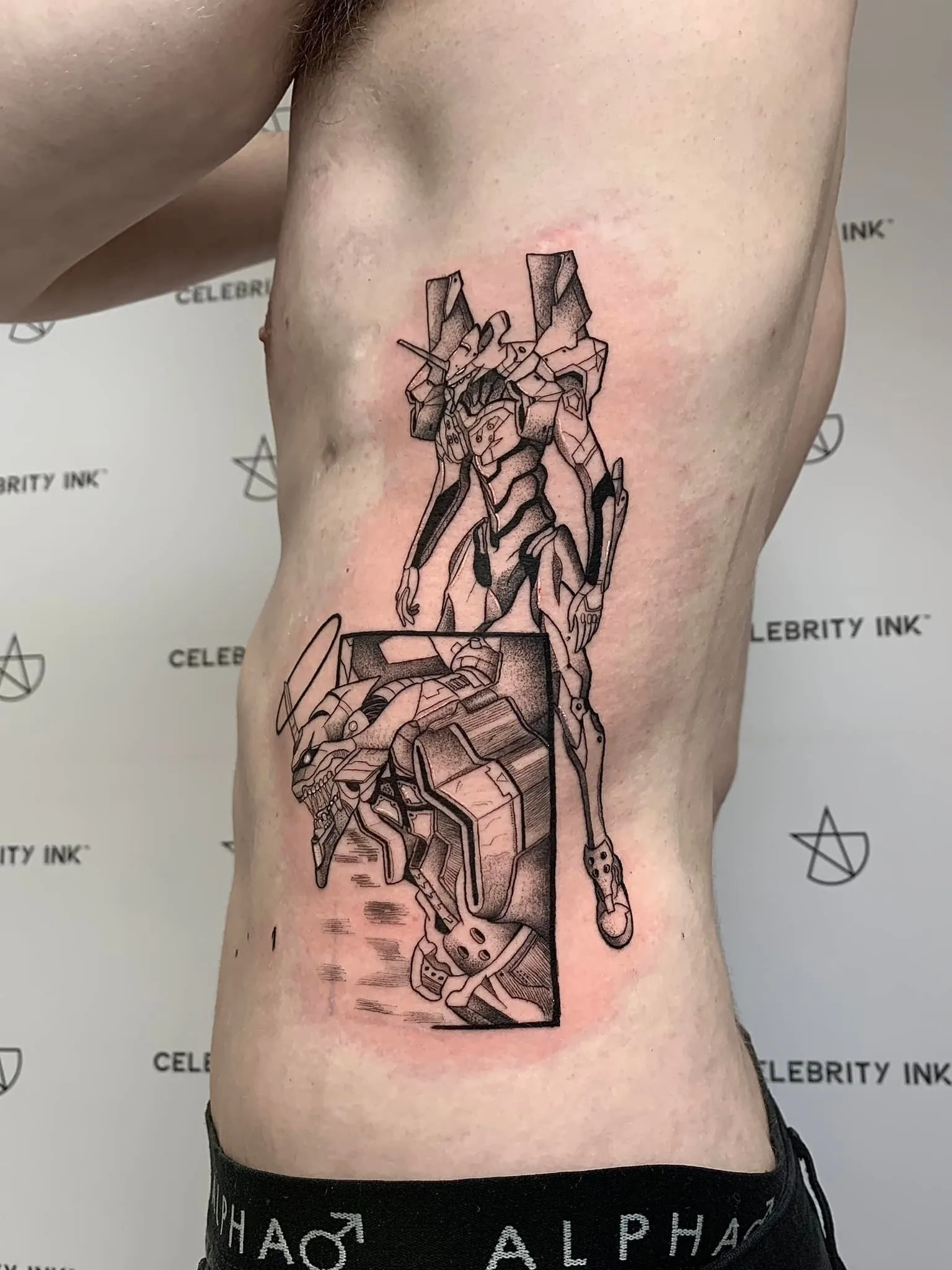
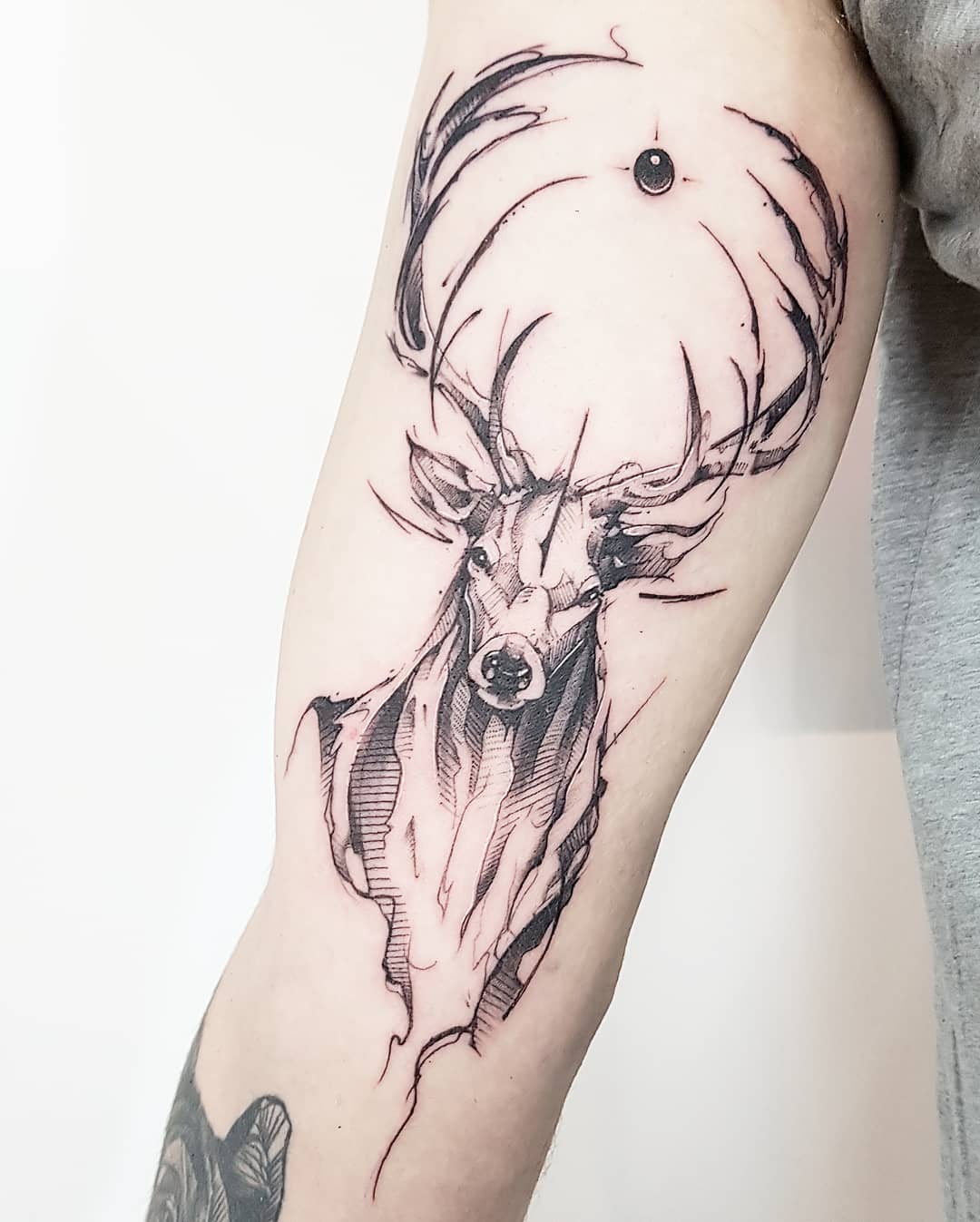
A sketch style tattoo is a tattoo designed to resemble a hand-drawn sketch, featuring loose lines, construction marks, cross-hatching, shading strokes, and intentionally unfinished artistic elements. The goal is to recreate the appearance of artwork still in the creative process rather than a polished final illustration.
Sketch tattoos draw inspiration from artist notebooks, concept drawings, architectural drafts, comic book development sketches, and graphite illustrations. Rather than hiding guide lines and preliminary strokes, these elements become part of the final design.
The style emerged as tattoo artists began blending fine-line techniques with illustrative art principles. Instead of pursuing perfect symmetry and solid fills, sketch tattoo artists use controlled imperfection to create movement, depth, and visual texture.
Common sketch tattoo features include:
- Visible pencil-style strokes
- Cross-hatching for shading
- Overlapping sketch lines
- Construction geometry
- Rough edges and unfinished sections
- Dynamic line variation
- Illustrative artistic effects
One reason this style resonates with art enthusiasts is its ability to capture creativity itself. The tattoo doesn’t merely represent a subject—it showcases the artistic process behind creating it.
How Sketch Tattoos Differ From Traditional Tattoo Styles
Sketch tattoos differ from traditional styles by intentionally incorporating rough artistic elements that conventional tattooing typically removes. Instead of emphasizing completed artwork, sketch tattoos celebrate the visual language of drawing, design development, and artistic experimentation.
Many first-time clients mistake sketch tattoos for fine-line tattoos, but the two styles serve different purposes. Fine-line tattoos prioritize precision and minimalism. Sketch tattoos prioritize artistic texture and visual movement.
| Style | Primary Focus | Visual Appearance | Typical Characteristics |
|---|---|---|---|
| Sketch | Artistic process | Raw and expressive | Construction lines, cross-hatching |
| Fine Line | Precision | Clean and delicate | Minimalist outlines |
| Realism | Photographic accuracy | Highly detailed | Smooth shading |
| Traditional | Bold readability | Strong contrast | Heavy outlines and solid color |
Expert Observation: Many tattoo artists report that clients initially request “fine-line tattoos” when they actually want sketch-style artwork. Understanding this distinction can significantly improve communication during consultations.
Key Characteristics of Sketch Tattoo Designs
Sketch tattoos are recognized by their layered linework, visible artistic marks, and intentional imperfections. These design elements create the illusion that the tattoo was lifted directly from an artist’s sketchbook and transferred onto the skin.
Several defining characteristics consistently appear in successful sketch tattoo designs:
- Line Variation: Thick and thin lines create movement and depth.
- Cross-Hatching: Repeated directional lines simulate pencil shading.
- Draft Marks: Guide circles, measurements, and construction geometry remain visible.
- Layered Strokes: Multiple overlapping lines add texture.
- Intentional Incompleteness: Portions of the design may appear unfinished.
The best sketch tattoos create a balance between artistic spontaneity and structural readability. While the design appears loose, experienced artists carefully plan line weight, spacing, and contrast to ensure the tattoo remains visually coherent over time.
Why Are Sketch Style Tattoos So Popular?
Sketch style tattoos have gained popularity because they offer a highly personalized and artistic alternative to conventional tattoo styles. Their expressive appearance appeals to individuals who value creativity, originality, and the visual storytelling associated with hand-drawn artwork.
Over the past decade, tattoo culture has evolved beyond traditional flash designs. Modern clients increasingly seek custom artwork that reflects personal interests, artistic tastes, and individual identity.
Sketch tattoos align perfectly with this shift because no two pieces are truly identical. Even when two clients choose similar subjects, the sketch execution can vary dramatically based on the artist’s drawing style.
The Rise of Artistic and Custom Tattoo Designs
Custom tattooing has transformed the industry, and sketch tattoos represent one of the strongest examples of this trend. Clients increasingly want artwork that feels commissioned rather than selected from a catalog.
Several factors have contributed to the growth of sketch tattoos:
- Greater appreciation for visual arts
- Social media exposure to international tattoo artists
- Demand for unique designs
- Advances in fine-line tattoo techniques
- Increased collaboration between artists and clients
Today, many tattoo studios receive requests for tattoos inspired by personal drawings, architectural sketches, pet portraits, and original illustrations. Sketch tattooing provides a natural framework for transforming these concepts into wearable art.
Who Typically Chooses Sketch Tattoos?
Sketch tattoos attract people who appreciate artistic expression, creative individuality, and unconventional aesthetics. While the style appeals to a broad audience, certain groups are particularly drawn to its visual language.
Common sketch tattoo enthusiasts include:
- Artists and designers
- Architects and engineers
- Illustrators and animators
- Art students
- Creative professionals
- Collectors seeking unique tattoo styles
A common real-world example involves clients choosing sketch portraits of loved ones because the unfinished aesthetic often feels more emotional and personal than hyper-realistic reproductions.
Information Gain Insight: Tattoo artists frequently note that sketch tattoos appeal to people who value the creative journey as much as the finished result. This psychological connection is rarely discussed in competitor content but plays a significant role in the style’s popularity.
Common Elements Found in Sketch Tattoos
Sketch tattoos rely on several recognizable artistic techniques that distinguish them from other tattoo styles. These elements mimic traditional drawing methods and contribute to the authentic appearance of hand-rendered artwork.
Understanding these features can help clients evaluate artist portfolios more effectively and identify whether a tattoo genuinely reflects sketch aesthetics or merely imitates the look superficially.
Cross-Hatching and Pencil Shading Effects
Cross-hatching is one of the most recognizable features of sketch tattooing. By layering directional lines, artists create depth, shadow, and texture while maintaining the appearance of pencil or ink illustrations.
Unlike smooth realism shading, cross-hatching intentionally leaves visible line structures. This creates:
- Visual texture
- Artistic authenticity
- Dynamic contrast
- Greater sketchbook realism
Experienced artists strategically vary line density to control shadow intensity. Areas with heavier line concentration appear darker, while open sections maintain brightness and contrast.
Visible Construction Lines and Draft Marks
Construction lines are preliminary marks traditionally used by artists to establish proportions, perspective, and composition. In sketch tattoos, these guide marks become a deliberate part of the final design.
Examples include:
- Perspective guides
- Geometric frameworks
- Measurement indicators
- Circle and axis guides
- Anatomical reference lines
When executed properly, these marks create the illusion that the artwork is still evolving on the skin.
Common Misconception: Some people assume construction lines are mistakes or unfinished work. In reality, they are carefully planned design elements requiring advanced artistic understanding.
Controlled Imperfection as a Design Feature
Controlled imperfection is one of the most misunderstood aspects of sketch tattooing. The apparent randomness seen in successful sketch tattoos is actually the result of deliberate artistic choices and technical precision.
Professional sketch tattoo artists understand that every “imperfect” line serves a purpose. Too much randomness creates visual clutter. Too little makes the tattoo look sterile.
The most successful designs achieve balance through:
- Strategic asymmetry
- Intentional line breaks
- Controlled overlap
- Selective incompleteness
- Structured spontaneity
This balance is often what separates elite sketch tattoo artists from practitioners who simply mimic the style superficially.
Best Sketch Style Tattoo Ideas
Some tattoo subjects naturally complement sketch aesthetics better than others. Designs with strong movement, texture, emotional expression, or artistic symbolism tend to translate exceptionally well into sketch-style compositions.
Choosing the right subject is just as important as choosing the right artist. Certain concepts benefit enormously from sketch techniques, while others may achieve stronger results using realism or traditional approaches.
Animal Sketch Tattoos
Animal tattoos are among the most successful applications of sketch-style design because fur, feathers, movement, and anatomy naturally align with expressive linework and layered shading techniques.
Popular animal sketch tattoos include:
- Lions
- Wolves
- Eagles
- Owls
- Foxes
- Tigers
- Ravens
Lion Sketch Tattoos
Lions work particularly well in sketch form because their manes provide opportunities for flowing linework, dynamic shading, and expressive artistic movement. Artists can blend realism with loose sketch effects to create visually striking compositions.
Wolf Sketch Tattoos
Wolf designs frequently incorporate layered fur textures and dramatic contrast. Sketch techniques can emphasize the animal’s intensity while maintaining a sense of motion and raw energy.
Bird Sketch Tattoos
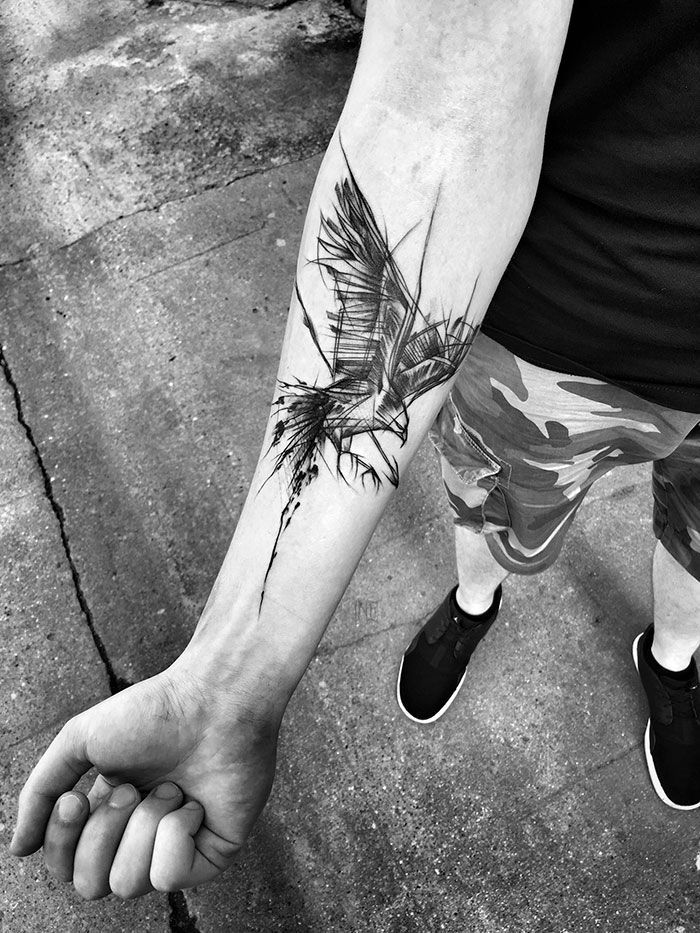
Birds benefit from the fluidity of sketch aesthetics. Visible strokes can mimic feather movement, flight patterns, and natural motion in ways that highly polished tattoo styles sometimes cannot.
Portrait Sketch Tattoos
Portrait sketch tattoos combine emotional significance with artistic interpretation, making them one of the most challenging yet rewarding forms of sketch tattooing. Rather than replicating a photograph exactly, artists capture personality through expressive linework and selective detail.
Unlike realism portraits, sketch portraits often leave portions intentionally unfinished. This creates a softer, more artistic appearance while preserving emotional impact.
Expert Recommendation: If considering a portrait sketch tattoo, choose an artist with demonstrated portrait experience first and sketch expertise second. Facial structure accuracy remains critical regardless of style.
Sketch Tattoo vs Fine Line Tattoo: What’s the Difference?
Lucky Tattoo, a professional tattoo artist, has over 10 years of experience in the art of tattooing in Ho Chi Minh City. Lucky Tattoo Studio was founded in 2014 by skilled and kind artists. All tattoos are provided in a clean, strictly controlled, and friendly environment.
This comparison is one of the most frequently misunderstood topics during tattoo consultations. Many clients arrive requesting a fine line tattoo when their reference images actually showcase sketch-style techniques.
Appearance Comparison
Fine line tattoos prioritize crisp outlines and controlled simplicity, whereas sketch tattoos embrace visual texture, movement, and artistic spontaneity. The difference lies not in technical skill but in the aesthetic objective.
| Feature | Sketch Tattoo | Fine Line Tattoo |
|---|---|---|
| Line Style | Layered and expressive | Clean and uniform |
| Shading | Cross-hatching and strokes | Minimal or smooth shading |
| Appearance | Hand-drawn artwork | Refined illustration |
| Visual Energy | Dynamic and artistic | Elegant and minimal |
Aging and Longevity Comparison
Both styles can age beautifully when executed correctly, but they age differently due to their design structures. Longevity depends more on line spacing, contrast, placement, and artist expertise than on style alone.
Fine line tattoos may lose clarity if details are extremely small. Sketch tattoos face similar challenges when artists overcrowd cross-hatching or construction marks.
Overlooked Insight: Larger sketch tattoos often age better than tiny fine line tattoos because the layered artistic elements remain readable even as minor ink diffusion naturally occurs over time.
Cost Differences
Sketch tattoos frequently cost more than clients expect because they require advanced drawing ability in addition to tattooing expertise. The complexity of line variation and artistic composition often increases session time.
Factors influencing cost include:
- Artist reputation
- Custom design development
- Design complexity
- Placement difficulty
- Session duration
- Level of detail
Do Sketch Style Tattoos Age Well?
Sketch style tattoos can age exceptionally well when designed with sufficient contrast, appropriate line spacing, and proper placement. Longevity depends more on execution quality and tattoo structure than on the sketch style itself.
One of the biggest misconceptions online is that sketch tattoos inherently fade faster than other styles. In reality, poor design decisions—not the style itself—are usually responsible for premature loss of clarity.
How Tattoo Aging Works
All tattoos undergo gradual changes as ink settles within the skin and natural aging processes affect tissue structure. Understanding these biological factors helps set realistic expectations.
Several factors influence aging:
- Sun exposure
- Skin elasticity
- Immune response
- Ink quality
- Tattoo depth
- Placement location
- Aftercare practices
Research in dermatology consistently shows that UV exposure remains one of the most significant contributors to tattoo fading regardless of style.
Factors That Affect Longevity
Longevity depends on both biological and design-related variables. Well-planned sketch tattoos can remain visually strong for decades when these factors are properly addressed.
Key longevity factors include:
- Experienced tattoo artist selection
- Adequate negative space
- Proper healing process
- Regular sunscreen use
- Strategic placement choices
- Balanced line density
Warning Sign: Extremely dense sketch designs with excessive overlapping details may lose readability faster than compositions designed with intentional breathing room.
The Sketch Tattoo Longevity Framework
The longevity of sketch tattoos can be predicted by evaluating which artistic elements tend to retain visibility over time. This framework provides a practical decision-making tool rarely discussed in competing guides.
High-Retention Elements
- Bold sketch outlines
- Strong contrast areas
- Larger cross-hatching patterns
- Primary subject structures
Medium-Retention Elements
- Moderate shading details
- Secondary texture lines
- Construction guides with spacing
Low-Retention Elements
- Ultra-fine sketch marks
- Micro-details
- Extremely tight cross-hatching
- Very small decorative accents
The most successful sketch tattoos are designed with future readability in mind. Experienced artists plan how the tattoo will look not only on day one but also five, ten, and twenty years later.
Best Body Placements for Sketch Tattoos
Body placement significantly influences the long-term appearance of sketch tattoos. Areas with lower friction, minimal stretching, and larger surface areas generally preserve artistic detail more effectively than highly mobile locations.
Placement decisions should balance aesthetics, longevity, visibility preferences, and lifestyle considerations.
Forearm Sketch Tattoos
The forearm remains one of the most popular locations for sketch tattoos because it offers excellent visibility, relatively stable skin, and sufficient space for artistic detail.
Benefits include:
- Strong detail retention
- Easy aftercare access
- Lower distortion risk
- Ideal canvas for custom artwork
Upper Arm and Sleeve Designs
Upper arm and sleeve placements provide expansive canvases that allow artists to incorporate construction lines, shading textures, and complex sketch compositions without overcrowding.
Large sketch sleeves often combine:
- Animals
- Portraits
- Architectural sketches
- Abstract concepts
- Geometric frameworks
Back and Chest Placement
The back and chest offer some of the best long-term environments for highly detailed sketch work because these areas experience less daily abrasion than hands, fingers, or feet.
These placements are especially suitable for:
- Large-scale compositions
- Narrative artwork
- Multi-subject sketch designs
- Portrait collections
Areas to Avoid for Highly Detailed Sketch Work
Certain locations pose challenges for maintaining intricate sketch details due to friction, skin movement, or accelerated fading.
Higher-risk placements include:
- Fingers
- Palms
- Soles
- Inner lips
- High-friction joints
Expert Recommendation: If choosing a challenging placement, consider increasing design scale and simplifying fine details to improve long-term readability.
How Much Does a Sketch Style Tattoo Cost?
Sketch tattoo pricing varies based on size, complexity, artist expertise, and geographic location. Because sketch work requires both drawing skill and tattoo proficiency, costs often reflect the artist’s artistic specialization.
Average Price Ranges
While exact pricing differs between studios, most sketch tattoos fall into the following categories:
| Size | Typical Range |
|---|---|
| Small | $100–$300+ |
| Medium | $300–$1,000+ |
| Large | $1,000–$5,000+ |
| Full Sleeve | $3,000–$10,000+ |
Factors Affecting Tattoo Cost
Pricing reflects more than tattoo time alone. Custom sketch designs often require substantial pre-session drawing and consultation work.
- Artist demand
- Design originality
- Detail complexity
- Session length
- Studio reputation
- Regional market rates
Is a Sketch Tattoo Worth the Investment?
For clients seeking highly personalized artwork, sketch tattoos often provide exceptional value because they combine artistic individuality with custom storytelling.
Choosing the lowest price rarely produces the best outcome. Tattoo correction and cover-up procedures frequently cost far more than investing in an experienced artist initially.
Choosing the Right Tattoo Artist for Sketch Work
Selecting the right artist is arguably the most important factor in sketch tattoo success. The style requires advanced drawing ability, composition skills, and technical understanding of how sketch elements behave on skin over time.
Portfolio Signs of a Skilled Sketch Tattoo Artist
A strong sketch tattoo portfolio demonstrates both artistic creativity and technical consistency. Look beyond social media highlights and evaluate healed work whenever possible.
Positive indicators include:
- Consistent line quality
- Original artwork
- Balanced compositions
- Healed tattoo examples
- Strong understanding of anatomy
- Effective use of negative space
Questions to Ask During a Consultation
Consultations provide valuable insight into an artist’s expertise and communication style. Asking thoughtful questions can prevent costly mistakes.
- How many sketch tattoos have you completed?
- Can I see healed examples?
- How will this design age?
- Would you modify any details for longevity?
- How many sessions will be required?
Common Red Flags to Watch For
Certain warning signs may indicate that an artist lacks sufficient experience with sketch-style tattooing.
- No healed examples
- Copied designs
- Overcrowded compositions
- Poor communication
- Unclear aftercare guidance
- Inability to explain aging considerations
Sketch Tattoo Aftercare and Maintenance
Proper aftercare directly influences healing quality, line retention, and long-term appearance. Following professional aftercare instructions reduces complications and helps preserve delicate sketch details.
Healing Process Timeline
Most sketch tattoos heal through predictable stages, although individual experiences vary depending on skin type and placement.
- Days 1–3: Initial healing and redness
- Days 4–14: Peeling and itching
- Weeks 2–4: Surface recovery
- Months 1–3: Deep skin stabilization
Protecting Fine Details Over Time
Long-term preservation requires consistent skincare habits and environmental protection.
- Apply sunscreen regularly
- Maintain skin hydration
- Avoid excessive abrasion
- Follow touch-up recommendations
- Monitor significant fading
When Touch-Ups May Be Needed
Touch-ups are not necessarily signs of poor work. Even exceptional tattoos may benefit from minor maintenance after years of wear.
Common reasons include:
- UV exposure damage
- Natural aging changes
- High-friction placement
- Complex fine details
Common Myths About Sketch Style Tattoos
Several persistent myths discourage people from considering sketch tattoos despite the style’s proven versatility and longevity. Understanding the facts helps clients make informed decisions.
Myth: Sketch Tattoos Fade Faster Than All Other Styles
Sketch tattoos do not inherently fade faster. Longevity depends on design quality, placement, artist expertise, aftercare, and lifestyle factors.
Myth: They Only Work in Black Ink
Although black ink dominates the style, many artists successfully incorporate selective color accents to enhance visual impact without sacrificing sketch aesthetics.
Myth: Sketch Tattoos Look Unfinished
What appears unfinished is often a deliberate artistic choice. Construction marks and sketch lines are intentional design features rather than incomplete work.
Frequently Asked Questions About Sketch Style Tattoos
What is a sketch style tattoo?
A sketch style tattoo is a design that mimics hand-drawn artwork using loose lines, cross-hatching, construction marks, and expressive shading techniques.
Do sketch tattoos fade faster?
No. Properly executed sketch tattoos can age as well as many traditional styles when designed with adequate contrast and spacing.
How long do sketch style tattoos last?
Most sketch tattoos can remain visually strong for decades with proper aftercare, sun protection, and occasional touch-ups when needed.
Are sketch tattoos more expensive?
They can be, especially when created by artists who specialize in custom illustration and advanced sketch techniques.
Can sketch tattoos be done in color?
Yes. While black ink remains most common, many artists incorporate selective color accents to complement the sketch aesthetic.
What is the best placement for a sketch tattoo?
Forearms, upper arms, backs, and chests are generally considered excellent placements because they preserve detail well over time.
How do I choose the right sketch tattoo artist?
Review healed portfolio examples, assess drawing ability, verify sketch-style experience, and discuss longevity considerations during consultations.
Do sketch tattoos require more touch-ups?
Not necessarily. Well-designed sketch tattoos often require maintenance schedules similar to other detailed tattoo styles.
Are Sketch Style Tattoos Right for You?
Sketch style tattoos are ideal for people who appreciate artistic expression, originality, and the visual energy of hand-drawn artwork. The style offers a unique balance between creativity and personal storytelling that few tattoo styles can match.
You may be an excellent candidate if you:
- Value custom artwork
- Enjoy drawing and illustration aesthetics
- Prefer expressive designs over rigid precision
- Want a highly individualized tattoo
- Are willing to invest in an experienced artist
Alternative styles may be worth considering if your primary goal is strict symmetry, ultra-clean minimalism, or photographic realism.
Final Thoughts on Sketch Style Tattoos
Sketch style tattoos represent one of the most creative and visually compelling directions in modern tattooing. By preserving the energy of artistic drafts, construction marks, and expressive linework, they transform the creative process itself into wearable art.
The key to success lies not only in selecting an appealing design but also in choosing an artist with genuine sketch expertise, understanding how the tattoo will age, and prioritizing long-term readability during the design phase.
When executed thoughtfully, a sketch tattoo becomes more than body art—it becomes a permanent reflection of creativity, imagination, and personal expression that continues to tell its story for years to come.
Lucky Tattoo, a professional tattoo artist, has over 10 years of experience in the art of tattooing in Ho Chi Minh City. Lucky Tattoo Studio was founded in 2014 by skilled and kind artists. All tattoos are provided in a clean, strictly controlled, and friendly environment.
sketch-style-tattoo