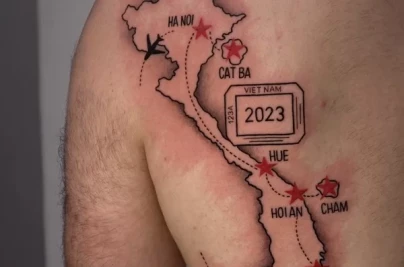
District 1 is widely recognized as the heart of Ho Chi Minh City’s creative culture, making it one of the most sought-after destinations for professional tattoo and piercing services in Vietnam. Whether you are planning your first tattoo, upgrading existing body art, or considering a new piercing, choosing the right studio can significantly impact safety, aesthetics, and long-term satisfaction.
Modern tattoo and piercing studios in District 1 serve a diverse clientele ranging from local professionals and artists to international travelers seeking high-quality body art. While many studios promote attractive portfolios and competitive pricing, the most important factors often remain invisible to clients: sterilization protocols, artist specialization, jewelry quality, and aftercare education.
What Makes Tattoo and Piercing Services in District 1 Popular?
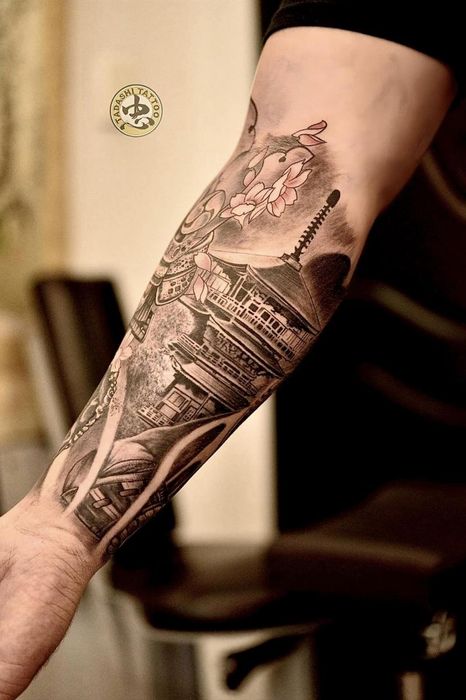
District 1 has become a leading destination for tattoo and piercing services because it combines experienced artists, international hygiene standards, diverse artistic styles, and convenient access for both locals and tourists. Clients can find everything from minimalist tattoos and Japanese sleeves to professional ear, nose, and body piercing services within a concentrated urban area.
The growing acceptance of tattoos and body modification in Vietnam has contributed to the area’s popularity. Over the last decade, tattooing has evolved from a niche subculture into a respected artistic profession. Today, many clients view tattoos as personal storytelling tools rather than simply decorative body art.
Another reason for District 1’s reputation is the concentration of specialized artists. Rather than offering generic designs, many professionals focus on specific disciplines such as:
- Fine line tattooing
- Blackwork and geometric designs
- Japanese-inspired artwork
- Realism and portrait tattoos
- Minimalist tattoos
- Custom illustrative pieces
For piercings, clients benefit from access to higher-quality jewelry options that are not always available in smaller districts. Professional studios increasingly recommend implant-grade titanium jewelry because it reduces irritation risks and supports faster healing.
Why Locals, Expats, and Tourists Choose District 1
Locals, expatriates, and international visitors choose District 1 because it offers access to experienced artists, multilingual consultations, modern equipment, and internationally influenced design styles. Many studios accommodate walk-in appointments while maintaining professional consultation processes typically associated with premium tattoo establishments.
For tourists, convenience often plays a major role. District 1 is home to many hotels, restaurants, and cultural attractions, allowing travelers to combine tattoo appointments with sightseeing activities.
Expats frequently prioritize artist consistency and communication. Studios serving international clients often provide:
- English-speaking consultations
- Digital design previews
- Online appointment scheduling
- Transparent pricing structures
- Detailed aftercare instructions
Real-World Example: The Tourist Decision-Making Process
A common scenario involves travelers wanting a meaningful tattoo during a short stay in Ho Chi Minh City. Many focus heavily on Instagram portfolios while overlooking hygiene verification. Experienced artists often note that clients should spend equal time evaluating sterilization practices as they do reviewing artwork.
This overlooked factor frequently determines whether the healing process is smooth or problematic.
What Types of Tattoo Styles Are Most Requested?
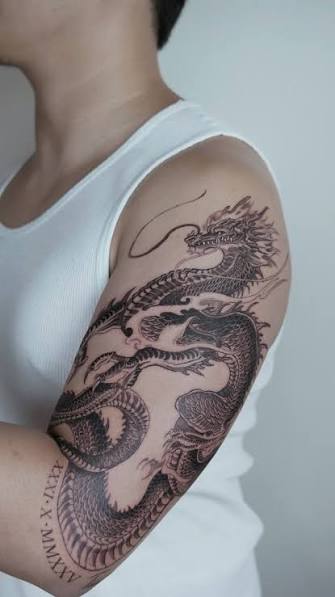
The most requested tattoo styles in District 1 include fine line tattoos, Japanese-inspired artwork, blackwork, realism, and minimalist designs. Each style requires different technical skills, making artist specialization more important than overall studio popularity.
One of the most common mistakes clients make is assuming every tattoo artist excels in every style. In reality, a specialist in realism may not produce the strongest geometric work, and vice versa.
Fine Line, Japanese, Blackwork, Realism, and Minimalist Designs
| Style | Best For | Key Consideration |
|---|---|---|
| Fine Line | Subtle, elegant tattoos | Requires exceptional precision |
| Japanese | Large storytelling pieces | Long-term planning required |
| Blackwork | Bold visual impact | Ink saturation is critical |
| Realism | Portraits and lifelike artwork | Artist experience is essential |
| Minimalist | First-time tattoo clients | Placement affects longevity |
Information Gain Insight: Many clients believe smaller tattoos are automatically easier. In reality, tiny tattoos often demand greater technical precision because artists have less space to create detail while maintaining long-term clarity.
How Do Professional Tattoo and Piercing Studios Ensure Safety?
Professional tattoo and piercing studios ensure safety through strict sterilization procedures, single-use consumables, proper skin preparation, medical-grade jewelry selection, and comprehensive aftercare guidance. Safety standards directly influence healing outcomes and reduce the risk of infections, allergic reactions, and avoidable complications.
While many clients focus primarily on artistic quality, industry professionals consistently emphasize that safety should be evaluated first. A beautiful tattoo loses value if improper hygiene leads to complications during healing.
What Sterilization Standards Should Clients Look For?
Clients should verify that studios use single-use needles, disposable barriers, sterilized equipment, gloves, and documented cleaning procedures. Professional studios are typically transparent about their sterilization process and willing to explain safety protocols before treatment begins.
When evaluating a studio, look for visible evidence of:
- Sealed sterile needle packages
- Disposable ink caps
- Barrier protection on equipment
- Hand hygiene protocols
- Clean treatment areas
- Professional waste disposal systems
An experienced tattoo artist understands that cleanliness extends beyond visible surfaces. Cross-contamination prevention is equally important and often overlooked by first-time clients.
Single-Use Needles vs Reusable Equipment Misconceptions
One of the most persistent misconceptions is that all equipment can be safely sterilized and reused. In reality, many modern tattoo supplies are specifically designed for single use because disposal eliminates contamination risks associated with improper reprocessing.
Expert Observation: Clients rarely ask about barrier protection on tattoo machines, clip cords, and work surfaces. Yet these areas are among the most common sources of accidental contamination in poorly managed environments.
Why Jewelry Material Quality Matters
Jewelry quality significantly affects piercing healing, comfort, and long-term skin health. Professional piercers often recommend implant-grade titanium because it minimizes allergic reactions and reduces irritation compared with lower-quality materials.
Choosing jewelry based solely on appearance can lead to complications. Materials containing nickel or unidentified metal alloys may trigger sensitivity, inflammation, or prolonged healing periods.
Professional studios generally offer:
- Implant-grade titanium
- Surgical steel
- Gold jewelry for healed piercings
- Internally threaded jewelry
- Threadless jewelry systems
Titanium vs Surgical Steel: Which Is Better?
Although both materials are commonly used, implant-grade titanium is often preferred for initial piercings because it is lightweight, highly biocompatible, and virtually nickel-free. Surgical steel remains popular but may contain trace nickel levels that can affect sensitive individuals.
| Factor | Titanium | Surgical Steel |
|---|---|---|
| Weight | Lighter | Heavier |
| Nickel Exposure | Minimal | Possible |
| Healing Suitability | Excellent | Good |
| Sensitive Skin | Highly Recommended | Case Dependent |
Information Gain Insight: Many clients incorrectly assume expensive jewelry automatically means safer jewelry. Material certification is often more important than price alone.
How to Choose the Right Tattoo Artist in District 1
Selecting the right tattoo artist involves evaluating specialization, portfolio consistency, technical execution, consultation quality, and communication skills. The best artist for your project is not necessarily the most famous one, but the professional whose expertise aligns with your desired style and long-term expectations.
Experienced clients typically spend more time reviewing portfolios than comparing prices. This approach often produces better outcomes because tattoo quality remains visible long after cost considerations are forgotten.
What Should You Look for in a Portfolio?
A strong portfolio should demonstrate consistency, healed tattoo examples, style specialization, clean linework, smooth shading, and successful long-term results. Looking beyond social media highlights provides a more accurate assessment of an artist’s true capabilities.
Many clients evaluate portfolios incorrectly by focusing only on freshly completed tattoos. Fresh tattoos often appear darker, sharper, and more vibrant than healed results.
Instead, review:
- Healed tattoo photographs
- Multiple examples within the same style
- Large and small projects
- Skin tone diversity
- Long-term healed outcomes
- Custom design examples
Information Gain Insight: A portfolio containing many different styles may seem impressive, but specialists frequently outperform generalists when it comes to complex custom projects.
Lucky Tattoo, a professional tattoo artist, has over 10 years of experience in the art of tattooing in Ho Chi Minh City. Lucky Tattoo Studio was founded in 2014 by skilled and kind artists. All tattoos are provided in a clean, strictly controlled, and friendly environment.
Common Mistakes When Selecting a Tattoo Studio
Many tattoo clients choose a studio based solely on price, social media popularity, or location convenience. The most reliable selection process combines safety verification, artist specialization, portfolio analysis, and consultation quality to reduce risks and improve long-term satisfaction.
Several avoidable mistakes repeatedly lead to disappointing outcomes:
- Selecting the cheapest option available
- Ignoring healed tattoo examples
- Choosing artists outside their specialty
- Skipping consultations
- Failing to review hygiene protocols
- Prioritizing trends over personal meaning
Industry professionals frequently observe that rushed decisions create the majority of tattoo regrets. Unlike many cosmetic services, tattoo removal is expensive, time-consuming, and often incomplete.
Red Flags Many First-Time Clients Miss
Some warning signs are subtle but highly important. Be cautious if a studio:
- Cannot explain sterilization procedures clearly
- Refuses to show healed examples
- Uses pressure sales tactics
- Provides vague pricing estimates
- Dismisses medical or skin-related questions
- Offers unrealistically low prices
Information Gain Insight: Experienced tattoo collectors often evaluate consultation quality before portfolio quality. A detailed consultation usually reflects professionalism, planning, and client-focused service standards.
What Is the Tattoo and Piercing Process Like?
The tattoo and piercing process typically begins with consultation, design review or jewelry selection, skin preparation, treatment, and aftercare education. Understanding each stage helps clients make informed decisions and reduces anxiety, particularly for first-time visitors.
Professional studios emphasize preparation because client education directly influences healing outcomes. Knowing what happens before, during, and after the procedure often leads to a smoother experience.
Consultation and Design Planning Explained
A consultation allows artists and clients to discuss goals, design feasibility, placement, sizing, skin considerations, and healing expectations. This planning phase is essential for achieving both aesthetic quality and long-term tattoo performance.
During a professional consultation, topics commonly include:
- Design customization
- Body placement recommendations
- Tattoo sizing
- Pain expectations
- Session duration
- Healing requirements
- Budget considerations
For larger projects such as Japanese sleeves or full-back tattoos, multiple planning sessions may be required before the first appointment.
Step-by-Step Tattoo Procedure
A professional tattoo procedure follows a structured process that prioritizes safety, precision, and client comfort. Most sessions involve design transfer, skin preparation, tattoo application, final inspection, and aftercare instruction.
- Design confirmation and placement approval
- Skin cleansing and preparation
- Stencil application
- Linework creation
- Shading and color application
- Final cleaning and inspection
- Protective covering application
- Aftercare guidance
Session length varies significantly. Small minimalist tattoos may take under an hour, while large custom pieces can require multiple appointments over several months.
Step-by-Step Piercing Procedure
A professional piercing procedure includes consultation, anatomy assessment, jewelry selection, sterilized piercing execution, and healing guidance. Proper technique and jewelry choice significantly affect comfort and recovery.
- Anatomy evaluation
- Jewelry selection
- Skin disinfection
- Precise marking
- Sterile piercing procedure
- Jewelry insertion
- Healing instructions
Reputable piercers may refuse certain procedures if anatomy is unsuitable. This is often a sign of professionalism rather than poor service.
What Clients Can Expect on Appointment Day
Clients should arrive well-rested, hydrated, and properly nourished. Low blood sugar, dehydration, and lack of sleep may increase discomfort and affect the overall experience.
Expert Recommendation: Avoid alcohol consumption before tattoo or piercing appointments, as it may increase bleeding and complicate treatment.
How Much Does Tattoo and Piercing Cost in District 1?
Tattoo and piercing pricing in District 1 depends on artist experience, design complexity, session length, jewelry quality, and studio standards. While cost is important, evaluating value rather than price alone generally produces better long-term outcomes.
Premium studios typically invest more heavily in sterilization systems, artist training, high-quality inks, and medical-grade jewelry. These factors often contribute to higher—but justified—pricing.
Factors Affecting Tattoo Pricing
Tattoo pricing is influenced by size, detail level, placement difficulty, artist specialization, and estimated session duration. Custom work typically costs more than flash designs because of additional design preparation time.
| Pricing Factor | Impact on Cost |
|---|---|
| Size | Higher |
| Complexity | Higher |
| Artist Experience | Higher |
| Custom Artwork | Higher |
| Multi-Session Project | Higher |
Factors Affecting Piercing Pricing
Piercing costs are primarily influenced by piercing location, jewelry material, studio standards, and aftercare support. Implant-grade titanium jewelry usually increases cost but often improves healing outcomes.
Pricing should always include:
- Sterile procedure
- Professional jewelry
- Consultation
- Aftercare instructions
- Follow-up support when necessary
Why the Cheapest Option Can Be Risky
Extremely low pricing sometimes reflects compromises in equipment quality, jewelry standards, artist experience, or sterilization practices. While affordability matters, safety-related shortcuts can create far greater costs later through complications or corrective work.
Information Gain Insight: Many experienced tattoo collectors calculate value based on cost per year of enjoyment rather than the initial appointment price.
Tattoo and Piercing Aftercare: What Should You Do?
Proper aftercare is one of the most important factors affecting healing quality, appearance, and long-term results. Even exceptional work can be compromised by poor aftercare habits during the critical healing period.
Research in dermatology and wound healing consistently shows that following professional aftercare guidance reduces infection risk and supports optimal skin recovery.
Tattoo Healing Timeline and Best Practices
Most tattoos complete surface healing within two to four weeks, although deeper skin recovery may continue for several months. Consistent aftercare helps preserve color, line clarity, and overall appearance.
Recommended practices include:
- Following artist instructions carefully
- Keeping the area clean
- Avoiding excessive sun exposure
- Preventing unnecessary friction
- Using approved aftercare products
- Avoiding swimming during early healing
The majority of healing issues stem from aftercare mistakes rather than tattoo application errors.
Piercing Healing Timeline by Body Area
Piercing healing times vary significantly depending on location, anatomy, and jewelry quality. Some piercings heal within weeks, while others require several months of ongoing care.
| Piercing Type | Typical Healing Time |
|---|---|
| Earlobe | 6–8 Weeks |
| Helix | 3–9 Months |
| Nostril | 2–6 Months |
| Navel | 6–12 Months |
| Industrial | 6–12 Months |
Common Aftercare Myths Debunked
Several persistent myths continue to circulate online:
- Myth: Tattoos should be kept completely dry.
- Myth: Alcohol is ideal for daily piercing cleaning.
- Myth: Rotating jewelry improves healing.
- Myth: All redness indicates infection.
Information Gain Insight: Over-cleaning is often just as problematic as under-cleaning because it can irritate healing tissue and prolong recovery.
How Can You Verify a Studio Before Booking?
Verifying a tattoo or piercing studio before booking involves evaluating safety standards, artist credentials, client reviews, consultation quality, and transparency. A structured evaluation process helps identify trustworthy professionals and avoid preventable risks.
Many clients spend hours comparing artwork but only minutes assessing hygiene and professionalism. The opposite approach often produces better long-term results.
The Ultimate Safety Checklist for Clients
A reliable safety checklist helps clients evaluate studios objectively and avoid relying solely on marketing materials or social media popularity.
- Visible sterilization practices
- Professional consultation process
- Healed portfolio examples
- Transparent pricing
- Medical-grade jewelry options
- Detailed aftercare education
- Positive long-term client feedback
- Clean treatment environment
Questions to Ask During a Consultation
Asking the right questions can reveal more about a studio’s professionalism than reviewing dozens of photographs. Experienced artists welcome informed questions and provide clear answers.
- What sterilization methods are used?
- Can I see healed examples?
- Do you specialize in this style?
- What aftercare do you recommend?
- What jewelry materials are available?
- What complications should I monitor?
Studio Evaluation Framework Competitors Rarely Explain
One effective evaluation method uses four categories:
- Safety Standards
- Technical Skill
- Client Communication
- Long-Term Results
Assign a score from 1–10 for each category. Studios scoring consistently high across all four areas often outperform businesses that excel in only one area.
Information Gain Insight: Clients who evaluate studios using structured criteria frequently report greater satisfaction than those making decisions based solely on aesthetics or pricing.
Frequently Asked Questions About Tattoo and Piercing District 1
What is the average cost of a tattoo in District 1?
Pricing varies according to size, complexity, artist expertise, and session length. Custom work and highly specialized styles generally cost more than simple flash designs.
Are tattoo studios in District 1 safe for first-time clients?
Many reputable studios follow strict hygiene protocols, use single-use supplies, and provide detailed aftercare instructions. Verification of safety standards remains essential.
How long does a new tattoo take to heal?
Surface healing commonly takes two to four weeks, while complete skin recovery may continue for several months depending on placement and individual healing factors.
What is the best jewelry material for new piercings?
Implant-grade titanium is widely recommended because it is lightweight, highly biocompatible, and suitable for individuals with metal sensitivities.
Can tourists get a tattoo or piercing in District 1?
Yes. Many studios regularly serve international visitors and provide English-language consultations, appointment scheduling, and aftercare guidance.
How do I know if a studio follows proper hygiene standards?
Look for sterile packaging, disposable supplies, visible cleaning procedures, professional consultation practices, and clear explanations of safety protocols.
Does getting a piercing hurt more than getting a tattoo?
Pain levels vary significantly based on placement, anatomy, and individual tolerance. Most piercings involve brief intense discomfort, while tattoos typically involve prolonged moderate discomfort.
What should I avoid after getting a tattoo or piercing?
Avoid excessive sun exposure, swimming, unnecessary touching, harsh chemicals, and any activity that may irritate healing tissue.
Final Thoughts: Finding a Trusted Tattoo and Piercing Studio in District 1
District 1 offers access to some of Ho Chi Minh City’s most experienced tattoo artists and piercing professionals. However, choosing the right studio requires more than comparing artwork or pricing. The most successful outcomes come from balancing artistic quality, safety standards, communication, jewelry quality, and aftercare support.
Clients who invest time in consultation, portfolio analysis, and hygiene verification consistently achieve better long-term results. Whether pursuing a minimalist tattoo, a large-scale Japanese design, or a new body piercing, selecting a reputable professional remains the most important decision in the entire process.
Key Takeaways for Safe and Satisfying Results
- Prioritize safety before aesthetics.
- Choose artists based on specialization.
- Review healed portfolio examples.
- Ask detailed consultation questions.
- Select quality jewelry materials.
- Follow aftercare instructions consistently.
- Evaluate value rather than price alone.
- Use a structured studio assessment framework.
When these principles are followed, tattoo and piercing experiences in District 1 can deliver not only visually impressive results but also safe healing, long-term satisfaction, and meaningful personal expression.