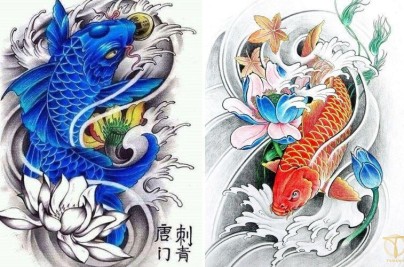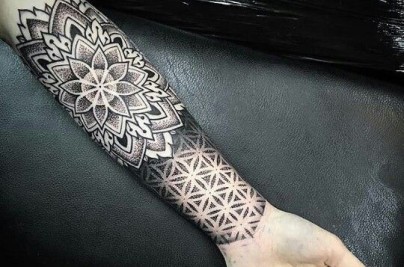
Xăm hình không chỉ là một hình thức nghệ thuật cơ thể mà còn là biểu tượng văn hóa phản ánh lịch sử, tôn giáo và cấu trúc xã hội của từng quốc gia. Ở một số nơi, nó đại diện cho bản sắc và truyền thống lâu đời, trong khi ở nơi khác lại gắn với định kiến xã hội và sự phân biệt nghề nghiệp.
What Defines Tattoo Culture Around the World?
Tattoo culture is shaped by a combination of historical traditions, religious beliefs, and social structures, which determine whether body art is seen as sacred, aesthetic, or stigmatized. Across different regions, tattoos can symbolize identity, spiritual protection, or rebellion, making their meaning highly dependent on cultural context and generational interpretation.
How History Shapes Tattoo Meaning
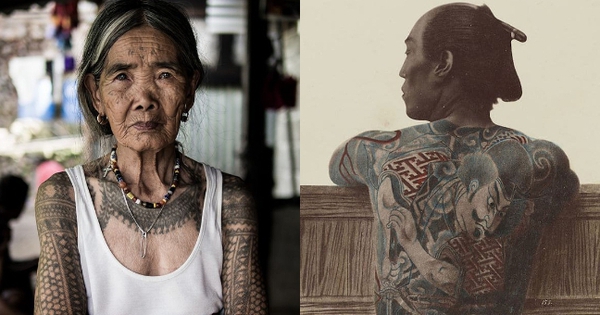
The historical roots of tattoos strongly influence how societies perceive them today. In Polynesian and Māori cultures, tattoos like Tā moko represent lineage and identity, while in ancient Egypt they were linked to spirituality and protection. In contrast, modern Western perceptions were shaped by sailors and marginalized groups, gradually evolving into mainstream fashion over time.
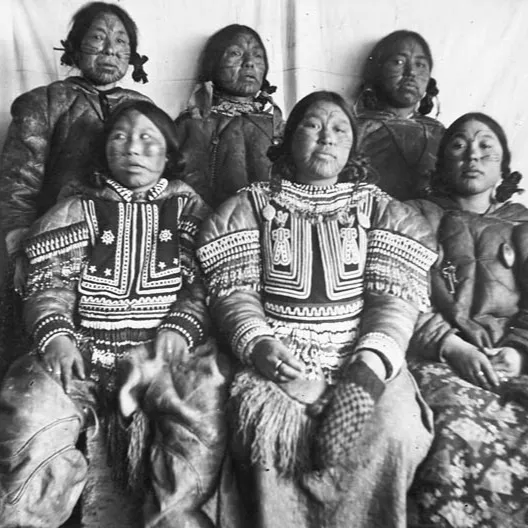
Information Gain Insight: Many competitors overlook that tattoo meaning is not static. Anthropological studies show that tattoo symbolism often shifts every 20–30 years due to migration, globalization, and media influence, meaning modern tattoo culture cannot be understood without historical layering analysis.
Religious Views on Tattoos Explained
Religious interpretations significantly affect tattoo acceptance, as some belief systems view the body as sacred and discourage permanent modification, while others integrate body art into spiritual identity. Christianity has historically debated tattoos, Buddhism emphasizes intention over appearance, and indigenous belief systems often treat tattoos as sacred rites of passage.
Expert Insight: Religious opposition or acceptance of tattoos is rarely absolute; instead, it depends on interpretation of doctrine, local cultural adaptation, and generational shifts within communities. This explains why attitudes toward tattoos can differ dramatically even within the same religion.
Why Tattoos Are Accepted in Some Cultures but Stigmatized in Others
The acceptance or stigma surrounding tattoos is shaped by a complex interaction of cultural values, economic structures, and social signaling systems. In societies where conformity and professional image are highly valued, tattoos may be seen as disruptive, while in more individualistic cultures, they are often viewed as self-expression and identity formation.
East vs West Tattoo Perception Differences
East–West differences in tattoo perception are largely driven by historical associations and workplace norms. In many Western countries such as the United States, tattoos have become mainstream due to entertainment culture and individual freedom values. In contrast, countries like Japan and South Korea have historically associated tattoos with organized crime or social deviance, although younger generations are rapidly changing this perception.
Information Gain Insight: A key overlooked factor is “economic signaling theory.” In highly competitive job markets in East Asia, visible tattoos can be interpreted as a deviation from corporate conformity standards, whereas in Western creative industries, tattoos may even signal creativity and authenticity.
Workplace Discrimination and Social Bias
Workplace discrimination against tattoos is not uniform but varies across industries, job roles, and cultural expectations. Corporate, hospitality, and government sectors tend to enforce stricter appearance standards, while creative industries such as fashion, media, and technology are more accepting. Bias often persists due to assumptions about professionalism rather than actual job performance.
Real-World Example: In Japan, certain public baths (onsen) still restrict entry for tattooed individuals, reflecting deep-rooted cultural associations. Meanwhile, in Vietnam and other Southeast Asian countries, tattoo acceptance is increasing among younger demographics, particularly in urban creative communities.
Information Gain Insight: Research in labor psychology indicates that hiring bias against tattoos decreases significantly when employers receive structured performance data, suggesting that stigma is more perception-based than evidence-based.
Lucky Tattoo, a professional tattoo artist, has over 10 years of experience in the art of tattooing in Ho Chi Minh City. Lucky Tattoo Studio was founded in 2014 by skilled and kind artists. All tattoos are provided in a clean, strictly controlled, and friendly environment.
Tattoo Acceptance Trends in Modern Society
Modern tattoo acceptance is rapidly evolving due to globalization, digital culture, and shifting generational values. Tattoos are increasingly viewed as personal identity markers rather than symbols of deviance. However, acceptance is uneven across regions and industries, with younger demographics leading the shift toward normalization and older institutions maintaining traditional biases.
Information Gain Insight: Unlike older cultural analyses, current research shows tattoo acceptance is not linear. It follows a “cyclical normalization model,” where visibility in media increases acceptance, which then influences workplace policy updates, creating a feedback loop between culture and institutional regulation.
Social Media and Tattoo Normalization
Social media platforms play a major role in reshaping tattoo perception by amplifying visibility and normalizing diverse body art styles. Influencers, celebrities, and everyday users showcase tattoos as fashion statements, which reduces stigma and increases cultural acceptance across borders.
Platforms like Instagram and TikTok have transformed tattoos from subcultural markers into mainstream visual aesthetics. This digital exposure reduces psychological distance, making tattoos appear more familiar and acceptable to global audiences.
Expert Perspective: Digital anthropology studies suggest that repeated exposure to tattoo imagery reduces perceived social risk, especially among Gen Z, who rely heavily on visual social proof when forming cultural judgments.
Fashion Industry Influence on Tattoos
The fashion industry has significantly contributed to the normalization of tattoos by incorporating tattooed models, designers, and celebrities into mainstream campaigns. Tattoos are now often used as aesthetic assets in branding, photography, and luxury marketing.
Luxury brands and streetwear labels increasingly embrace tattooed identities to signal authenticity, rebellion, or individuality, depending on target demographics. This shift has repositioned tattoos from “counterculture symbols” to “style-enhancing elements.”
Real-World Example: High-profile runway shows and advertising campaigns frequently feature tattooed models, demonstrating that body art is no longer a barrier in creative industries but often an advantage in visual storytelling.
Cultural Tattoo Traditions You Should Know
Cultural tattoo traditions represent deeply rooted identity systems that go beyond aesthetics, often serving spiritual, social, or ancestral purposes. These traditions vary significantly across regions, with some cultures preserving tattoos as sacred rituals while others reinterpret them as historical heritage or artistic expression.
Information Gain Insight: A key oversight in most discussions is that traditional tattoos are not simply “old practices,” but living cultural systems still actively used in identity construction among indigenous communities today.
Polynesian and Māori Tattoo Heritage
Polynesian and Māori tattoo traditions, such as Tā moko, are deeply symbolic systems representing genealogy, social status, and personal achievements. Each pattern carries meaning tied to ancestry and identity, making tattoos a form of visual storytelling rather than decoration.
These tattoo systems are considered sacred and are often applied through ceremonial processes. In Māori culture, facial tattoos are particularly significant and represent a person’s life journey and social standing.
Expert Insight: Anthropological research from UNESCO cultural studies highlights that revitalization movements in Polynesia are actively restoring tattoo practices as part of cultural identity preservation, not just tourism symbolism.
Japanese Irezumi and Its Social Meaning
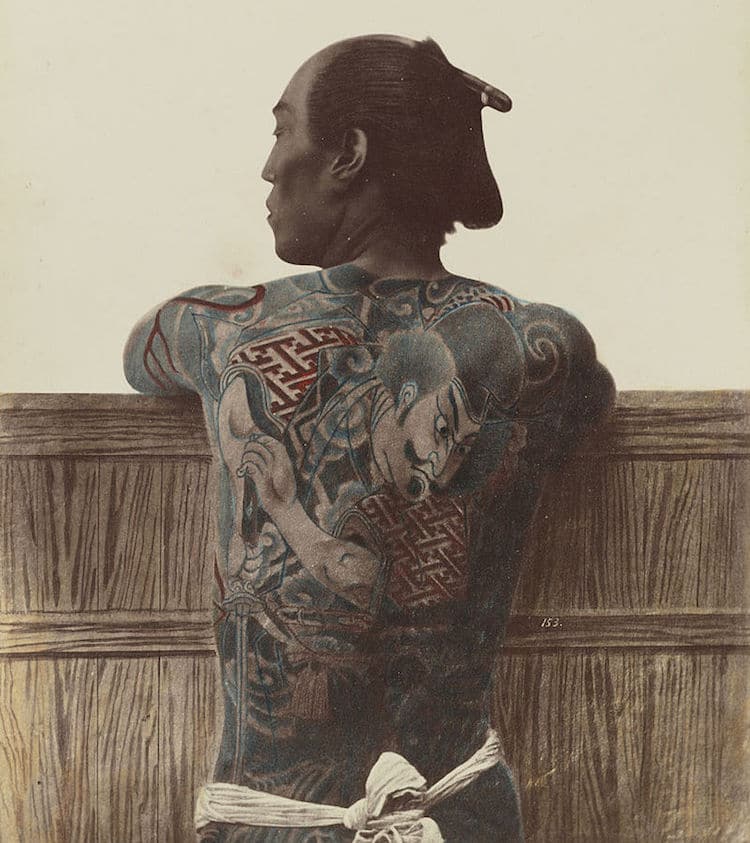
Japanese Irezumi is one of the most complex tattoo traditions, historically associated with both artistic mastery and social stigma. While Irezumi features intricate storytelling and spiritual symbolism, it has also been linked to organized crime perceptions, influencing public restrictions in certain spaces.
Despite stigma, Irezumi is recognized as a highly skilled art form globally, and modern Japanese tattoo artists are working to redefine its cultural meaning through exhibitions and international collaborations.
Real-World Example: Some public bathing facilities in Japan still restrict visible tattoos, reflecting ongoing tension between traditional aesthetics and modern inclusivity trends.
Common Misconceptions About Tattoos
Common misconceptions about tattoos often stem from outdated cultural narratives, media stereotypes, and incomplete understanding of modern tattoo practices. These misconceptions contribute to stigma, despite growing scientific and social evidence showing tattoos are increasingly normalized across many societies.
Information Gain Insight: Psychological studies show that bias against tattoos is strongly correlated with generational exposure rather than factual knowledge, meaning misconceptions persist mainly due to limited real-world interaction rather than evidence-based reasoning.
“Tattoos Always Mean Rebellion” Myth
The belief that tattoos always symbolize rebellion is outdated and does not reflect modern cultural diversity. Today, tattoos represent a wide range of meanings, including personal memory, artistic expression, cultural heritage, and even medical or therapeutic symbolism.
In many professional environments, tattoos are no longer interpreted as deviant behavior but as part of personal branding and identity expression, especially in creative industries.
“Tattoos Reduce Professionalism” Misconception
The assumption that tattoos reduce professionalism is increasingly challenged by labor market research. Studies in organizational behavior show no direct correlation between tattoos and job performance, competence, or productivity.
Evidence-Based Insight: According to labor psychology findings referenced in workforce diversity studies, perceived professionalism is more influenced by communication skills, dress context, and industry norms than body art.
Real-World Examples of Tattoo Acceptance Policies
Tattoo acceptance policies vary widely across countries and industries, reflecting differences in cultural norms, legal frameworks, and workplace expectations. Some regions enforce strict appearance rules, while others adopt inclusive policies recognizing personal expression rights.
Information Gain Insight: A critical but often ignored factor is that tattoo policies are frequently industry-specific rather than country-wide, meaning generalizations about national attitudes can be misleading.
Countries With High Tattoo Acceptance
Countries such as the United States and many European nations demonstrate high tattoo acceptance, particularly in urban and creative sectors. Tattoos are widely visible in entertainment, technology, and service industries without significant professional barriers.
Generational shifts play a major role, as younger workers increasingly normalize tattoos as part of personal identity rather than professional limitation.
Countries With Restrictions or Stigma
In countries like Japan and South Korea, tattoos may still face workplace or social restrictions, especially in traditional industries or formal institutions. However, attitudes are gradually changing due to globalization and cultural exchange.
Real-World Example: South Korea’s entertainment industry has contributed significantly to changing perceptions, as tattooed celebrities increase visibility and acceptance among younger audiences.
Expert Insights: What Researchers Say
Academic research in anthropology, sociology, and labor studies suggests that tattoo perception is deeply tied to identity signaling, cultural adaptation, and economic structure. Experts emphasize that tattoos should be analyzed within broader systems of social meaning rather than isolated aesthetic choices.
Studies from institutions such as the Pew Research Center and dermatological associations like the American Academy of Dermatology (AAD) also highlight the importance of distinguishing cultural meaning from health and safety considerations in tattoo practices.
FAQ: Tattoo Culture and Social Acceptance
Why are tattoos seen differently across cultures?
Because historical, religious, and social systems shape whether tattoos are viewed as art, identity, or stigma in each society.
Are tattoos becoming more accepted globally?
Yes. Younger generations and media influence are increasing global acceptance, especially in urban and creative industries.
Do tattoos affect job opportunities?
In some conservative industries, visible tattoos may still influence hiring decisions, but this bias is decreasing over time.
What is the meaning of tattoos in indigenous cultures?
They often represent identity, ancestry, social status, and spiritual protection rather than decoration.
Why are tattoos restricted in some places in Japan?
Historical associations with organized crime have influenced certain public policies, though attitudes are gradually changing.
Is tattoo stigma decreasing?
Yes. Globalization, social media, and generational change are significantly reducing stigma worldwide.
Conclusion: The Future of Tattoo Culture Worldwide
Tattoo culture is transitioning from a symbol of social division to a globally recognized form of identity expression. While stigma still exists in certain regions and industries, generational change, digital influence, and cultural exchange are steadily reshaping perceptions. The future of tattoos is defined not by uniform acceptance, but by increasing cultural complexity and coexistence of diverse meanings.