Color realism tattoos represent one of the most technically demanding forms of modern tattooing. Unlike traditional tattoo styles that rely on bold outlines and simplified imagery, color realism focuses on recreating photographs, portraits, animals, flowers, and complex scenes with lifelike detail. When executed by a skilled artist, a color realism tattoo can capture depth, texture, lighting, and emotion in a way that closely resembles fine art.
However, achieving exceptional results requires much more than selecting an attractive design. Factors such as pigment quality, artist specialization, skin characteristics, placement, healing practices, and long-term maintenance all influence how the tattoo looks both immediately after completion and years later.
What Is a Color Realism Tattoo?
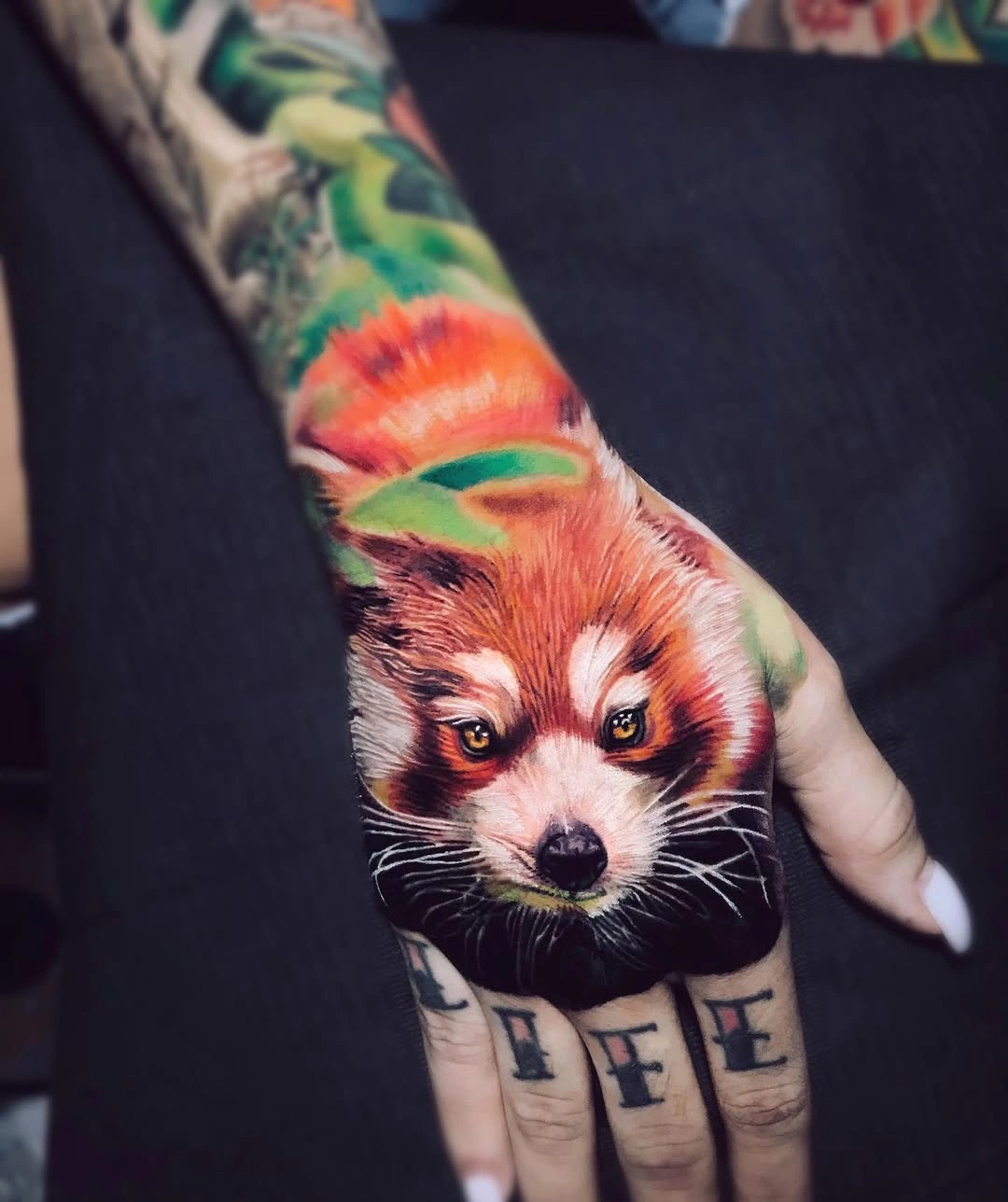
A color realism tattoo is a highly detailed tattoo style that uses realistic color palettes, smooth gradients, layered shading, and advanced saturation techniques to replicate real-life subjects as accurately as possible. The goal is to create the illusion of depth, texture, and photographic realism rather than relying on stylized artistic interpretation.
Color realism emerged from advancements in tattoo equipment, pigments, and artist training. Modern realism artists often spend years studying anatomy, color theory, portraiture, and lighting principles before mastering this style.
Common color realism subjects include:
- Human portraits
- Pet memorial tattoos
- Wildlife and nature scenes
- Flowers and botanical artwork
- Movie and gaming characters
- Religious imagery
- Custom artistic compositions
The defining characteristic is the ability to make skin appear like a living canvas rather than a flat tattoo surface.
How Color Realism Tattoos Create Photographic Effects
Color realism tattoos achieve photographic effects through strategic layering, controlled color transitions, accurate highlights, and precise shadow placement. Rather than relying on outlines, artists build depth gradually to mimic how light naturally interacts with real-world objects.
Professional realism artists typically work with dozens of pigment tones within a single piece. A realistic rose, for example, may contain multiple shades of red, pink, orange, purple, white, and black despite appearing simple from a distance.
Several technical elements contribute to realism:
- Soft gradient transitions
- Multiple saturation levels
- Precise contrast control
- Strategic highlight placement
- Natural shadow construction
- Texture recreation
One common misconception is that realism depends primarily on detail. In reality, contrast management and lighting accuracy often contribute more to realism than microscopic details.
A highly detailed tattoo with poor lighting logic will appear less realistic than a simpler tattoo with accurate depth, shadow, and color transitions.
Common Misconceptions About Color Realism Tattoos
Many people believe color realism tattoos fade quickly, only work on certain skin tones, or require constant touch-ups. While some challenges exist, most concerns stem from outdated information or poor-quality examples rather than the style itself.
Let’s address several common myths.
| Myth | Reality |
|---|---|
| Color realism fades immediately | Properly executed tattoos can remain vibrant for many years |
| Only light skin can support color realism | Skilled artists successfully adapt colors across diverse skin tones |
| All realism tattoos require yearly touch-ups | Many tattoos remain visually strong without touch-ups for years |
| More colors automatically mean better realism | Color selection and contrast matter more than quantity |
| Any tattoo artist can perform realism work | Color realism requires specialized training and experience |
The biggest mistake prospective clients make is assuming all tattoo artists possess the same level of realism expertise. Portfolio evaluation remains one of the most important factors in achieving a successful outcome.
Why Color Realism Tattoos Have Become So Popular
Color realism tattoos have gained popularity because they combine personal storytelling with fine-art execution. Advances in pigments, equipment, and artist specialization now allow clients to transform photographs, memories, and meaningful imagery into highly detailed permanent artwork.
Over the past decade, social media platforms have dramatically increased visibility for realism tattoo artists. High-resolution photography allows artists to showcase healed work, multi-session projects, and long-term results that were difficult to document in previous generations.
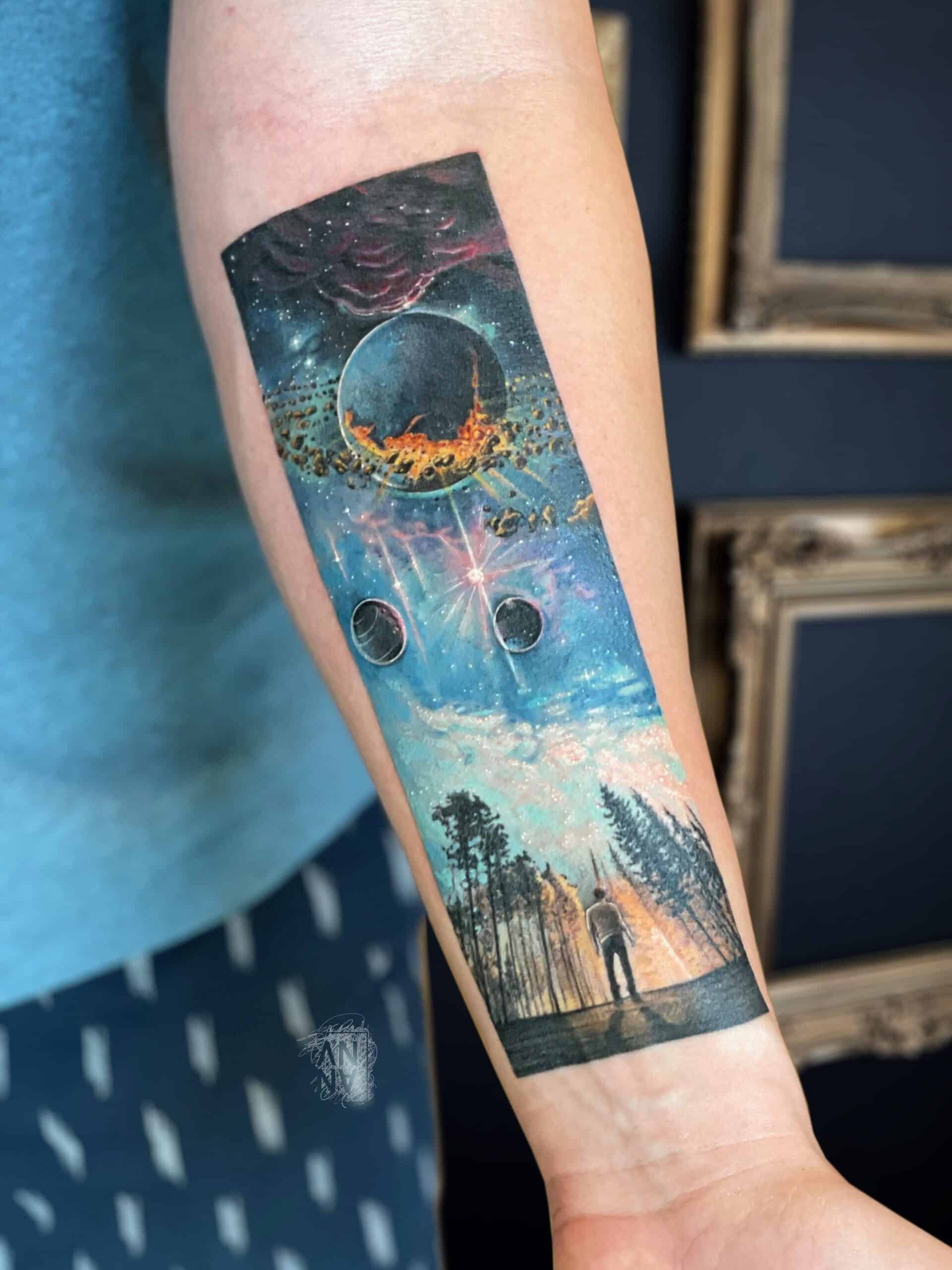
Modern clients increasingly seek tattoos that carry emotional significance rather than decorative value alone. Color realism excels in this area because it can preserve memories, relationships, passions, and life experiences with remarkable visual accuracy.
Popular motivations include:
- Honoring family members
- Memorializing beloved pets
- Celebrating personal achievements
- Expressing artistic appreciation
- Creating unique custom artwork
Most Requested Color Realism Tattoo Subjects
Portraits, animals, flowers, and cinematic characters consistently rank among the most requested color realism tattoo subjects because they showcase the style’s ability to recreate intricate textures, lifelike expressions, and vivid color transitions.
Experienced artists often report that clients gravitate toward subjects carrying emotional value rather than purely aesthetic appeal.
Top requested designs include:
- Family portraits
- Pet portraits
- Roses and floral compositions
- Lions, wolves, and wildlife
- Movie and comic book characters
- Nature landscapes
- Religious imagery
- Fantasy artwork
An overlooked consideration is subject longevity. Designs with strong contrast and larger focal points often age better than compositions filled with numerous tiny details.
Real-World Examples of Exceptional Color Realism Projects
The most successful color realism tattoos combine technical execution with thoughtful design planning. Long-lasting realism tattoos often prioritize composition, contrast, and readability rather than maximizing detail in every area.
Consider a realistic lion portrait. A less experienced artist may focus exclusively on individual hairs. An advanced realism specialist understands that overall contrast, facial structure, eye placement, and lighting determine whether the lion appears alive.
Similarly, high-quality pet portraits often emphasize:
- Eye realism
- Facial expression
- Natural fur texture
- Accurate color matching
- Balanced background elements
These subtle artistic decisions separate exceptional realism from average realism.
Color Realism Tattoo vs Black and Grey Realism
Color realism and black-and-grey realism share similar foundational techniques but create different visual effects. Color realism emphasizes lifelike color reproduction, while black-and-grey realism focuses on contrast, texture, and tonal depth using monochromatic shading.
Choosing between the two depends on personal goals, subject matter, skin characteristics, maintenance expectations, and artistic preferences.
| Factor | Color Realism | Black & Grey Realism |
|---|---|---|
| Visual Impact | High vibrancy | Classic sophistication |
| Photographic Accuracy | Excellent | Excellent |
| Maintenance | Moderate | Lower |
| Color Fading Risk | Higher | Lower |
| Design Variety | Extensive | Extensive |
Which Style Ages Better Over Time?
Black-and-grey realism generally ages more predictably because black pigments maintain visibility longer. However, well-executed color realism tattoos can still retain impressive visual quality for many years when protected from excessive sun exposure and properly maintained.
Many online comparisons oversimplify the aging discussion.
In practice, longevity depends on:
- Artist technique
- Pigment quality
- Body placement
- Skin condition
- UV exposure habits
- Aftercare consistency
A professionally executed color realism tattoo on the upper arm may outperform a poorly applied black-and-grey tattoo placed on high-friction skin.
This is one of the most overlooked realities within the tattoo industry.
Which Style Is Better for Different Skin Tones?
Neither style is universally better for specific skin tones. Instead, successful outcomes depend on selecting appropriate color palettes, contrast levels, and design strategies that complement the individual’s natural complexion.
Experienced realism artists understand that skin acts as a filter over tattoo pigments.
For example:
- Warmer skin tones may influence certain reds and oranges.
- Darker complexions often benefit from stronger contrast.
- Strategic highlights can improve readability across all skin tones.
- Color selection should be customized rather than standardized.
The outdated belief that color tattoos cannot succeed on darker skin is inaccurate. Modern artists routinely create vibrant realism tattoos across a broad spectrum of skin tones using informed pigment selection and proper saturation techniques.
How the Color Realism Tattoo Process Works
Color realism tattoos require a structured process that begins long before the needle touches the skin. Consultation, design planning, reference selection, technical execution, and healing all contribute significantly to the final result.
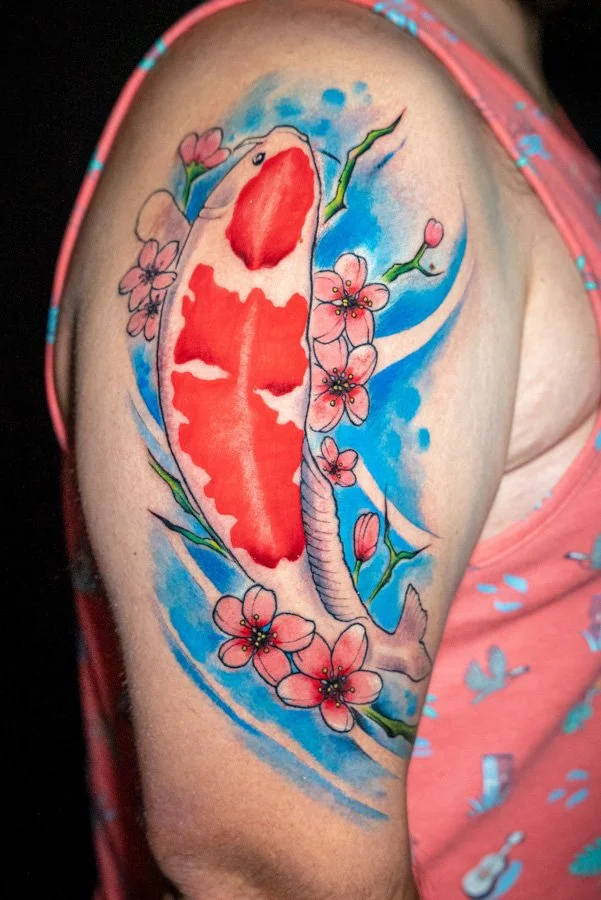
Clients often focus entirely on the tattoo session itself, but much of the success occurs during planning.
Consultation and Design Development
Consultation is the foundation of a successful color realism tattoo. During this stage, artists evaluate reference images, skin characteristics, placement options, size requirements, and long-term design viability before creating a customized concept.
High-level realism artists frequently reject unsuitable references because poor source material limits achievable results.
A productive consultation should cover:
- Reference image quality
- Placement considerations
- Expected aging characteristics
- Size recommendations
- Session estimates
- Budget planning
- Healing expectations
One expert recommendation rarely discussed online: bring multiple reference photos instead of relying on a single image. This gives artists more flexibility when constructing a stronger composition.
Tattoo Session Preparation
Proper preparation improves comfort, healing outcomes, and tattoo quality. Hydrated skin, adequate sleep, proper nutrition, and avoiding alcohol before the appointment can positively influence the tattooing process.
Recommended preparation checklist:
- Sleep at least 7–8 hours
- Eat a substantial meal beforehand
- Stay hydrated
- Avoid excessive alcohol consumption
- Wear comfortable clothing
- Follow artist-specific instructions
Clients who arrive dehydrated, fatigued, or undernourished often experience greater discomfort and longer recovery periods.
Layering, Saturation, and Final Detailing
Color realism tattoos are typically built in stages. Artists establish foundational values, develop shadows and highlights, gradually layer color, and then refine details to create realistic depth and dimensionality.
Large realism projects often require multiple sessions because excessive trauma to the skin can compromise both healing and color retention.
Professional artists carefully balance:
- Pigment saturation
- Skin trauma management
- Color transitions
- Highlight preservation
- Contrast development
Overworking the skin is one of the most common causes of poor healing and premature color loss. Skilled artists know when to stop, allow healing, and continue in future sessions.
Next, we will examine pricing factors, the longevity formula behind successful color realism tattoos, fading risks, healing timelines, and advanced artist-selection strategies.
Lucky Tattoo, a professional tattoo artist, has over 10 years of experience in the art of tattooing in Ho Chi Minh City. Lucky Tattoo Studio was founded in 2014 by skilled and kind artists. All tattoos are provided in a clean, strictly controlled, and friendly environment.
How Much Does a Color Realism Tattoo Cost?
Color realism tattoos typically cost more than many other tattoo styles because they require advanced technical skills, extensive planning, longer sessions, and greater artistic expertise. Pricing varies based on size, complexity, artist reputation, geographic location, and the number of sessions required to complete the project.
Unlike traditional flash tattoos, color realism work is highly customized. Artists often spend hours refining reference images, adjusting compositions, and planning color palettes before tattooing begins.
Average pricing factors include:
- Artist experience level
- Project size
- Placement difficulty
- Design complexity
- Number of colors used
- Estimated session count
- Studio location
| Project Type | Typical Cost Range |
|---|---|
| Small realism piece | $300–$800 |
| Medium color realism tattoo | $800–$2,500 |
| Large realism project | $2,500–$8,000+ |
| Full sleeve realism tattoo | $4,000–$15,000+ |
An important industry insight often overlooked by competitors: the cheapest realism tattoo frequently becomes the most expensive due to cover-ups, corrections, laser removal, or complete redesigns.
Size, Placement, and Complexity Factors
Size, placement, and design complexity directly influence the number of tattooing hours required. Larger tattoos allow artists to preserve realistic details more effectively, while difficult body areas may require additional time and technical adjustments.
For example, a realistic portrait on the forearm may require significantly fewer adjustments than a similarly sized portrait wrapped around a shoulder cap.
Factors increasing cost include:
- Fine facial details
- Multiple subjects
- Complex backgrounds
- Photorealistic textures
- Large-scale color blending
- Difficult anatomical placements
Why Experienced Artists Charge More
Experienced realism artists charge higher rates because they deliver more predictable outcomes, stronger long-term results, safer procedures, and higher artistic standards. Their pricing reflects years of technical development, portfolio quality, and proven consistency.
Mastering realism requires extensive understanding of:
- Color theory
- Human anatomy
- Lighting principles
- Pigment behavior
- Skin healing dynamics
- Advanced machine techniques
Highly sought-after artists often have waiting lists because quality realism work cannot be rushed.
Costly Mistakes to Avoid When Choosing an Artist
Many tattoo regrets originate from poor artist selection rather than poor design choices. Evaluating healed work, specialization, and long-term results is far more valuable than focusing solely on price.
Warning signs include:
- No healed tattoo photos
- Heavy image filters
- Inconsistent portfolio quality
- Poor facial proportions in portraits
- Lack of realism specialization
- Unclear hygiene practices
If an artist showcases only fresh tattoos and avoids healed examples, clients should proceed cautiously. Fresh tattoos often look significantly different after healing.
The Longevity Formula: What Determines How Well a Color Realism Tattoo Ages?
Color realism tattoo longevity depends on six major variables: pigment quality, artist technique, skin characteristics, placement, aftercare, and UV exposure. Together, these factors determine whether a tattoo remains vibrant for years or loses clarity prematurely.
This is one of the most misunderstood aspects of realism tattooing.
Many people incorrectly assume fading is inevitable. In reality, aging outcomes are heavily influenced by decisions made before and after the tattoo session.
Pigment Quality and Ink Selection
High-quality tattoo pigments generally provide stronger color retention, better healing characteristics, and improved long-term stability. Modern professional inks are significantly more advanced than products available a decade ago.
Premium pigments often feature:
- Greater consistency
- Improved saturation
- Enhanced color stability
- Reduced breakdown over time
- Better healing performance
Professional studios typically invest heavily in premium tattoo inks because pigment quality directly impacts final results.
Skin Type and Skin Undertones
Skin characteristics influence how colors appear immediately after tattooing and how they evolve over time. Understanding skin undertones helps artists make better decisions regarding contrast, saturation, and color selection.
Factors affecting performance include:
- Skin tone
- Skin texture
- Oil production
- Sun exposure history
- Scar tissue presence
- Age-related skin changes
An experienced realism artist adapts techniques to each client rather than applying a one-size-fits-all approach.
Body Placement and Sun Exposure
Placement significantly affects tattoo longevity because certain body areas experience greater friction, stretching, and ultraviolet exposure. Areas protected from sunlight often maintain stronger color retention over time.
Generally favorable locations include:
- Upper arms
- Upper thighs
- Back
- Chest
Higher-maintenance locations include:
- Hands
- Fingers
- Feet
- Neck
Artist Technique and Saturation Depth
Proper pigment placement depth is one of the strongest predictors of long-term tattoo quality. Insufficient saturation can lead to premature fading, while excessive trauma may compromise healing and clarity.
Elite realism artists carefully balance:
- Needle depth
- Color packing
- Skin trauma management
- Layering techniques
- Healing considerations
Why Some 10-Year-Old Tattoos Still Look Vibrant
Many well-preserved realism tattoos share common characteristics: strong contrast, thoughtful placement, professional application, high-quality pigments, and consistent sun protection. Longevity is rarely accidental.
Clients often underestimate the importance of sunscreen. Dermatology research consistently demonstrates that ultraviolet radiation contributes significantly to pigment degradation and premature fading.
Does a Color Realism Tattoo Fade Faster?
Color realism tattoos can experience more noticeable fading than black-and-grey tattoos because certain pigments are inherently less stable. However, proper application, high-quality inks, strategic placement, and ongoing care dramatically improve long-term color retention.
The conversation should not be whether color fades, but rather how effectively fading can be managed.
Colors Most Vulnerable to Fading
Lighter pigments generally lose visibility faster than darker pigments. Certain colors are more susceptible to UV damage and environmental exposure over time.
Colors commonly requiring additional maintenance include:
- Yellow
- Light pink
- Pastel tones
- Light orange
- Certain light greens
Darker blues, reds, and blacks often demonstrate stronger long-term performance.
How UV Exposure Impacts Tattoo Longevity
Ultraviolet radiation is one of the leading causes of tattoo fading. Continuous sun exposure gradually breaks down pigments, reducing contrast and vibrancy regardless of tattoo style.
Experts frequently recommend:
- Broad-spectrum sunscreen
- Protective clothing
- Avoiding prolonged sun exposure
- Extra care during peak UV periods
Clients who consistently protect their tattoos often maintain noticeably stronger color saturation years later.
Expert Strategies to Preserve Color Vibrancy
Long-term vibrancy depends on proactive maintenance. Consistent skincare habits can significantly extend the visual life of a color realism tattoo.
- Use sunscreen daily
- Maintain skin hydration
- Avoid excessive tanning
- Follow artist aftercare instructions
- Schedule touch-ups only when necessary
- Monitor skin health changes
Color Realism Tattoo Healing Timeline
Most color realism tattoos complete their initial healing within several weeks, although deeper skin recovery continues for months. Proper aftercare during each healing phase directly influences color retention, clarity, and overall tattoo quality.
First 72 Hours
The first three days are critical for protecting the tattoo from infection, irritation, and unnecessary trauma. Following professional aftercare instructions helps support healthy healing.
- Keep the area clean
- Avoid excessive moisture
- Follow bandage recommendations
- Do not scratch or pick
- Monitor unusual reactions
Weeks 1–4 Healing Stages
During the first month, flaking, dryness, and mild itching are common. These stages are part of normal healing and should not be mistaken for tattoo failure.
Common healing milestones include:
- Peeling skin
- Reduced redness
- Surface regeneration
- Improved comfort
Long-Term Maintenance Best Practices
Long-term care protects both skin health and tattoo appearance. Consistent maintenance often determines whether a tattoo looks exceptional after ten years or requires premature restoration.
- Apply sunscreen regularly
- Maintain healthy skin hydration
- Protect against excessive friction
- Attend recommended touch-ups
- Monitor unusual skin changes
Are Color Realism Tattoos Suitable for Every Skin Tone?
Color realism tattoos can be successful across diverse skin tones when artists adapt color palettes, contrast levels, and design strategies appropriately. Skin tone influences presentation, but it does not determine whether realism is possible.
How Skin Undertones Affect Color Performance
Skin undertones influence how pigments appear once healed. Understanding undertones allows artists to make more accurate color decisions and create stronger long-term visual results.
Professional color matching often improves:
- Contrast visibility
- Color balance
- Realistic appearance
- Long-term readability
Best Color Palettes for Different Complexions
Effective color palettes vary by individual rather than by broad categories alone. Skilled artists adjust saturation, contrast, and brightness based on skin characteristics and design goals.
Customized planning frequently produces superior outcomes compared to relying on standard color formulas.
Misconceptions About Darker Skin and Color Tattoos
The belief that color realism cannot work on darker skin tones is outdated. Modern tattoo techniques and advanced pigment selection allow talented artists to create impressive color realism across a wide range of complexions.
The key factor is artist experience, not skin tone limitations.
How to Choose the Best Color Realism Tattoo Artist
Choosing the right artist is the single most important factor influencing the success of a color realism tattoo. Portfolio quality, healed results, technical consistency, and specialization matter more than marketing claims or social media popularity.
Portfolio Red Flags Most Clients Miss
Many portfolio issues become apparent only when clients understand what to look for. Evaluating realism requires examining consistency rather than isolated standout examples.
- Lack of healed photos
- Overedited images
- Poor eye symmetry
- Weak contrast
- Inconsistent color saturation
- Blurred details after healing
Questions to Ask During a Consultation
Consultations help identify whether an artist possesses the technical expertise and communication skills required for complex realism projects.
- Can I see healed examples?
- How many realism projects do you complete annually?
- How many sessions will this require?
- What pigments do you use?
- How should I prepare?
- What long-term maintenance do you recommend?
Certifications, Hygiene, and Studio Standards
Professional hygiene standards reduce infection risks and demonstrate a commitment to client safety. Reputable studios prioritize cleanliness, sterilization protocols, and transparent operating procedures.
Look for:
- Licensed facilities
- Single-use needles
- Professional sanitation procedures
- Clear aftercare guidance
- Strong client reviews
Best Placement Ideas for Color Realism Tattoos
Placement influences visual impact, healing quality, comfort, and longevity. Larger areas generally provide more space for realistic details and stronger long-term readability.
Sleeves, Back Pieces, Chest, and Leg Tattoos
Large placements offer greater flexibility for realism because artists can preserve subtle details, textures, and transitions without overcrowding the composition.
Popular choices include:
- Full sleeves
- Half sleeves
- Back pieces
- Chest panels
- Thigh compositions
Areas That Preserve Detail the Longest
Areas experiencing less friction and sun exposure often preserve details more effectively. Upper arms, upper legs, back, and torso placements frequently provide favorable long-term outcomes.
Common Mistakes That Ruin Color Realism Tattoos
Most disappointing tattoo outcomes result from avoidable mistakes involving artist selection, poor planning, inadequate aftercare, or unrealistic design expectations. Understanding these risks improves the likelihood of long-term success.
Choosing Price Over Skill
Low pricing may appear attractive initially, but correcting poorly executed realism work is often far more expensive than investing in quality from the beginning.
Ignoring Aftercare Instructions
Even exceptional tattoo work can suffer when aftercare instructions are neglected. Healing directly affects color retention and overall appearance.
Selecting Designs Too Small for Realistic Detail
Realism requires sufficient space. Compressing complex images into tiny areas often reduces clarity and accelerates visual degradation over time.
Future Trends in Color Realism Tattooing
Advancements in pigment technology, digital design tools, and artist education continue pushing realism tattooing toward higher levels of precision, durability, and customization.
Hyperrealism and Advanced Pigment Technology
New pigment formulations and evolving techniques are helping artists achieve improved color retention, smoother gradients, and greater realism than ever before.
AI-Assisted Tattoo Concept Development
Artificial intelligence tools are increasingly being used for concept exploration, composition testing, and design refinement. While AI supports ideation, professional artists remain essential for translating concepts into successful tattoos.
Frequently Asked Questions About Color Realism Tattoos
What is a color realism tattoo?
A color realism tattoo uses advanced shading, color blending, and contrast techniques to recreate real-life subjects with a highly realistic appearance.
How long do color realism tattoos last?
With proper care, quality pigments, and professional application, color realism tattoos can remain visually impressive for many years before requiring touch-ups.
Do color realism tattoos hurt more?
Pain levels depend primarily on placement, session length, and individual tolerance rather than the realism style itself.
Are color realism tattoos more expensive?
Yes. They typically cost more because they require specialized expertise, longer sessions, advanced color work, and extensive design preparation.
Can color realism tattoos work on darker skin tones?
Yes. Skilled realism artists can create outstanding results on diverse skin tones by adjusting contrast, color selection, and saturation strategies.
Do color realism tattoos require touch-ups?
Not always. Many tattoos maintain strong appearance for years, although occasional touch-ups may help restore vibrancy.
How can I prevent my tattoo from fading?
Consistent sunscreen use, healthy skin care, proper healing, and minimizing excessive UV exposure significantly improve longevity.
How do I find a good realism tattoo artist?
Review healed portfolio work, verify specialization, examine consistency, evaluate studio hygiene standards, and schedule a consultation before committing.
Final Expert Takeaways Before Getting a Color Realism Tattoo
Color realism tattoos represent one of the highest forms of artistic expression in modern tattooing. When performed by a specialized realism artist using quality pigments and supported by proper aftercare, these tattoos can deliver remarkable visual impact for years.
The most important decision is not choosing a design—it is choosing the right artist. Technical skill, healed results, hygiene standards, consultation quality, and long-term planning consistently have a greater influence on success than any single design trend.
For clients seeking lifelike portraits, wildlife artwork, floral compositions, or custom photorealistic projects, investing in expertise, proper preparation, and long-term maintenance remains the most reliable path to achieving exceptional color realism tattoo results.
Lucky Tattoo, a professional tattoo artist, has over 10 years of experience in the art of tattooing in Ho Chi Minh City. Lucky Tattoo Studio was founded in 2014 by skilled and kind artists. All tattoos are provided in a clean, strictly controlled, and friendly environment.
color-realism-tattoo