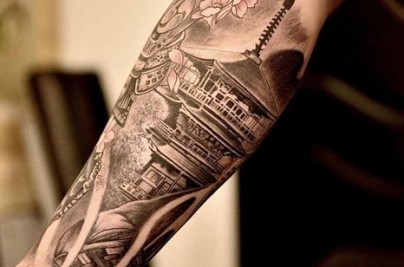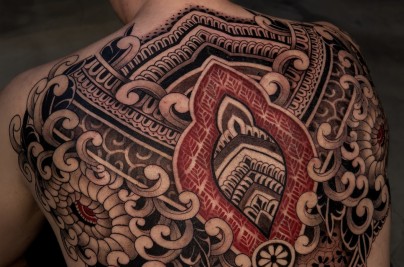
Tribal tattoos remain one of the most recognizable forms of body art in the world. Characterized by bold black lines, geometric patterns, and symbolic motifs, they have evolved from sacred cultural traditions into a globally popular tattoo style. However, understanding the history, symbolism, and cultural significance behind tribal tattoos is essential before choosing a design. The most meaningful tribal tattoos are not simply decorative—they tell stories about identity, heritage, achievement, spirituality, and personal values.
What Is a Tribal Tattoo?
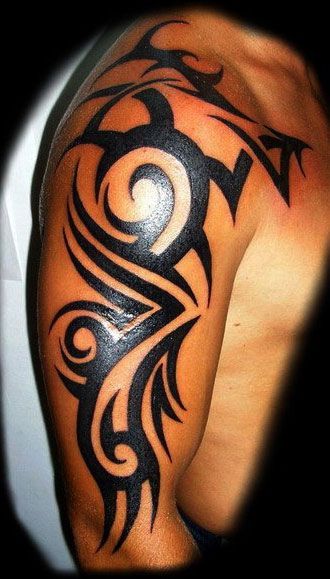
A tribal tattoo is a body art style that uses bold black patterns, geometric shapes, and symbolic elements inspired by indigenous tattoo traditions. While modern tribal tattoos often focus on aesthetics, traditional tribal tattoos historically represented ancestry, social status, achievements, protection, and spiritual beliefs within specific cultures.
The term “tribal tattoo” is often used broadly, but it actually encompasses numerous tattoo traditions from cultures around the world. Polynesian, Maori, Samoan, Hawaiian, Filipino, Bornean, and other indigenous tattooing practices all have distinct visual languages and meanings.
One of the biggest misconceptions in modern tattoo culture is assuming all tribal designs share the same origins. In reality, many contemporary tribal tattoos popularized during the 1990s bear little resemblance to traditional indigenous tattooing.
How Tribal Tattoos Differ From Other Tattoo Styles
Unlike realism, watercolor, or illustrative tattoos, tribal tattoos rely heavily on contrast, repetition, symmetry, and symbolic abstraction. Their visual impact comes from strategic use of negative space and flowing black patterns rather than detailed imagery or color gradients.
Traditional tribal tattooing developed long before modern tattoo machines existed. Every line, curve, and motif often carried cultural significance. In many societies, tattoos functioned as visual records of a person’s identity and life journey.
- Strong emphasis on black ink
- Geometric and symbolic compositions
- Large-scale body placement
- Cultural storytelling elements
- Patterns designed to follow body contours
Modern tribal tattoo artists frequently adapt these principles while incorporating contemporary design techniques and personal symbolism.
Why Tribal Tattoos Remain Popular Today
Tribal tattoos continue to attract people because they combine powerful visual impact with personal meaning. Their bold appearance ages well, works across various body placements, and can be customized to represent individual values, family history, or life experiences.
Many tattoo artists recommend tribal-inspired designs for clients seeking long-term durability. Fine-line tattoos can lose definition over time, whereas well-executed tribal tattoos often retain their visual clarity for decades.
Another factor driving popularity is versatility. Tribal elements can be incorporated into sleeves, chest pieces, shoulder designs, leg tattoos, and full-body compositions while maintaining strong visual cohesion.
Common Misconceptions About Tribal Tattoos
Many people mistakenly believe tribal tattoos are purely decorative. Historically, they served important social, spiritual, and cultural functions. Another common misconception is that any tribal design can be freely copied without understanding its origins or meaning.
Experienced tattoo artists often warn clients against selecting designs solely from online image galleries. Certain traditional symbols may represent family lineage, rank, or sacred cultural concepts that should be approached respectfully.
One of the most overlooked aspects of tribal tattooing is that authenticity is not determined by appearance alone. The story and cultural context behind the design matter just as much as the artwork itself.
Where Did Tribal Tattoos Originate?
Tribal tattooing originated thousands of years ago across numerous indigenous cultures worldwide. While techniques and symbolism varied, tattoos commonly served as markers of identity, status, protection, spirituality, and community belonging. Many traditions developed independently yet shared similar roles within their societies.
The history of tribal tattooing predates modern written records. Archaeological evidence suggests humans have practiced tattooing for thousands of years, using natural pigments and hand-tapping methods to permanently mark the skin.

Ancient Origins of Tribal Tattooing
Ancient tribal tattoos functioned as more than body decoration. They communicated information about an individual’s achievements, family connections, spiritual beliefs, and social responsibilities within the community.
Across Polynesia, tattooing was deeply integrated into cultural life. The word “tattoo” itself is believed to derive from the Polynesian word “tatau,” reflecting the region’s influential role in tattoo history.
In many societies, receiving a tattoo was considered a rite of passage rather than a cosmetic decision. The process often involved ceremonies, community participation, and symbolic milestones.
The Role of Tattoos in Indigenous Societies
In indigenous communities, tattoos frequently acted as permanent visual records. Specific patterns could indicate ancestry, rank, accomplishments, spiritual connections, or readiness for important social responsibilities.
Identity and Social Status
Many traditional tattoo systems operated similarly to visual biographies. Leaders, warriors, navigators, and respected community members often wore distinctive markings that communicated their role and achievements.
For example, certain Polynesian tattoos represented successful voyages, family lineage, or social standing within the tribe.
Protection and Spiritual Beliefs
Numerous tribal cultures believed tattoos offered spiritual protection. Symbols associated with ancestors, natural forces, animals, or deities were incorporated into designs to provide strength and guidance.
These protective meanings often extended beyond the individual and reflected relationships with family, community, and spiritual traditions.
Life Milestones and Achievements
Unlike modern tattoos that can be acquired at any time, traditional tribal tattoos were frequently earned. Specific designs might commemorate adulthood, marriage, military accomplishments, leadership roles, or significant personal achievements.
This connection between tattoos and life experiences remains one of the most meaningful aspects of tribal tattooing today.
Historical Evolution Into Modern Tattoo Culture
Modern tribal tattoos emerged through a combination of cultural exchange, globalization, and contemporary tattoo artistry. While some designs remain rooted in authentic traditions, others evolved into purely aesthetic interpretations popularized during the late twentieth century.
A major shift occurred during the 1980s and 1990s when tribal tattoos became mainstream in Western tattoo culture. Athletes, musicians, and celebrities helped popularize large black tribal sleeves and shoulder pieces.
However, many of these designs simplified or removed cultural context, leading to ongoing discussions about authenticity and cultural appreciation.
Information Gain Insight: A significant distinction often missed by competitors is that “tribal tattoo” is not a single style. Authentic Polynesian, Maori, Samoan, and Hawaiian tattoos each follow unique symbolic systems. Treating them as interchangeable overlooks centuries of cultural history.
What Does a Tribal Tattoo Mean?
Tribal tattoos generally symbolize strength, identity, protection, heritage, and personal achievement. However, their exact meaning depends on the cultural tradition, specific symbols used, placement on the body, and the individual’s personal story.
One reason tribal tattoos remain popular is their ability to combine visual power with deeply personal symbolism. Unlike decorative trends that come and go, meaningful tribal designs often retain emotional significance throughout a person’s life.
Strength and Courage Symbolism
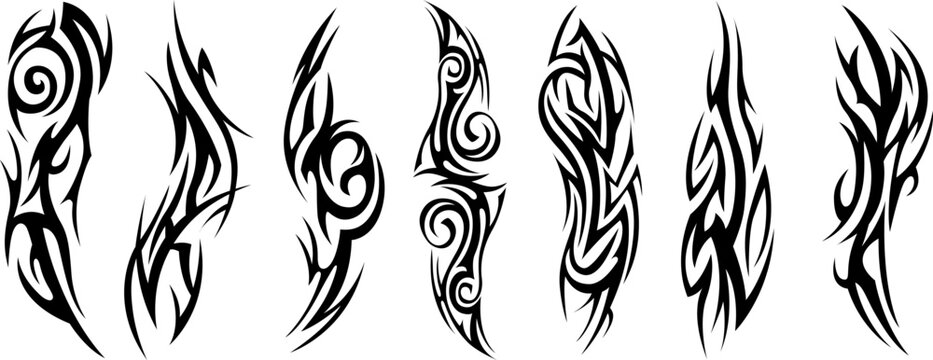
Strength is among the most common meanings associated with tribal tattoos. Many traditional cultures used tattoos to recognize resilience, bravery, endurance, and accomplishments achieved through hardship.
Modern wearers often choose tribal designs to represent overcoming personal challenges, career milestones, athletic achievements, or transformative life experiences.
A tribal sleeve, for example, may symbolize years of personal growth rather than a single event.
Protection and Spiritual Connection
Many tribal tattoo traditions incorporate symbols intended to provide guidance, protection, and spiritual connection. These motifs often draw inspiration from nature, ancestral beliefs, and cultural mythology.
Examples include:
- Ocean patterns representing life’s journey
- Turtle motifs symbolizing protection and longevity
- Spearhead elements representing courage
- Sun imagery associated with vitality and leadership
- Wave patterns symbolizing adaptability and resilience
Understanding the cultural context of these symbols is essential before incorporating them into a tattoo design.
Family, Heritage, and Identity
Many tribal tattoos express family connections, ancestry, and personal identity. Traditional tattoo systems often documented genealogy and lineage through specific visual patterns unique to an individual’s heritage.
Today, some people incorporate family values, names, significant dates, or symbolic representations of loved ones into tribal-inspired compositions.
Experienced tattoo artists frequently encourage clients to focus on personal narratives rather than copying existing designs from the internet.
Leadership and Warrior Symbolism
Warrior symbolism appears throughout many tribal tattoo traditions. Historically, tattoos could indicate military achievements, leadership roles, successful hunts, or contributions to community welfare.
Modern interpretations often represent discipline, determination, responsibility, and commitment rather than combat.
Athletes, military personnel, entrepreneurs, and individuals who have overcome significant adversity often resonate with these themes.
Why Meaning Changes Across Cultures
Although similar visual patterns may appear across tribal traditions, their meanings can differ dramatically. A symbol representing protection in one culture may signify lineage, rank, or spirituality in another.
This distinction is frequently overlooked in online tattoo galleries and generic design lists.
| Theme | Possible Meaning | Cultural Variation |
|---|---|---|
| Ocean Patterns | Journey and resilience | Varies among Polynesian cultures |
| Geometric Bands | Status or achievement | Can differ significantly by region |
| Spiral Elements | Growth and continuity | Prominent in Maori symbolism |
| Animal Motifs | Protection or guidance | Meaning depends on cultural context |
Expert Observation: The most meaningful tribal tattoos rarely begin with aesthetics. They begin with a story. Tattoo artists who specialize in culturally informed tribal work often spend more time discussing a client’s background, values, and goals than selecting visual elements.
Types of Tribal Tattoos Explained
Tribal tattoos encompass multiple distinct traditions, each with its own history, symbolism, and artistic rules. Understanding these differences helps individuals choose designs that align with their values while respecting cultural origins and meanings.
One of the most important steps before getting a tribal tattoo is identifying which tradition inspires the design. This prevents accidental mixing of symbols that may have unrelated or conflicting meanings.
Polynesian Tribal Tattoos
Polynesian tattoos are among the world’s oldest and most influential tattoo traditions. They use structured geometric patterns to tell stories about ancestry, achievements, social status, spirituality, and personal identity.
Polynesian designs often flow naturally with the body’s anatomy, creating large-scale compositions that appear cohesive from every angle.
Common Symbols and Meanings
- Shark teeth – protection and strength
- Turtle shells – family and longevity
- Ocean waves – life journey
- Spearheads – courage and determination
- Sun motifs – prosperity and leadership
Real-World Example of a Polynesian Sleeve
A custom Polynesian sleeve may combine symbols representing family heritage, major life achievements, career milestones, and personal values. Rather than serving as decorative artwork, the sleeve becomes a visual autobiography.
In the next section, we will explore Maori, Samoan, Hawaiian, and modern tribal tattoo styles, along with the critical differences between authentic tribal tattoos and contemporary interpretations.
Lucky Tattoo, a professional tattoo artist, has over 10 years of experience in the art of tattooing in Ho Chi Minh City. Lucky Tattoo Studio was founded in 2014 by skilled and kind artists. All tattoos are provided in a clean, strictly controlled, and friendly environment.
Maori Tribal Tattoos (Tā Moko)
Maori Tā Moko is a sacred tattoo tradition from New Zealand that communicates genealogy, ancestry, social status, personal achievements, and cultural identity. Unlike generic tribal tattoos, authentic Tā Moko follows highly specific cultural protocols and carries deep significance connected to Maori heritage.
Tā Moko is often misunderstood as merely a tattoo style. In reality, it represents a visual language that records an individual’s whakapapa (genealogy) and life story.
Cultural Importance and Genealogy
Traditionally, facial and body markings identified family lineage, tribal affiliation, leadership status, and personal accomplishments. Every pattern carried meaning specific to the wearer.
Because of this cultural significance, many Maori cultural experts encourage non-Maori individuals to avoid directly copying sacred Tā Moko designs.
Modern Adaptations and Considerations
Many contemporary tattoo artists create Maori-inspired artwork while avoiding direct replication of sacred cultural symbols. Consultation with knowledgeable artists and cultural resources is strongly recommended before selecting such designs.
Samoan Tribal Tattoos
Samoan tribal tattoos remain among the most respected tattoo traditions in Polynesia. These designs symbolize responsibility, service, courage, cultural identity, and community connection while preserving centuries-old artistic and ceremonial practices.
Samoan tattooing continues to play an active role in cultural life today. Traditional techniques and ceremonial processes remain important in many communities.
Pe’a and Malu Traditions
The Pe’a is a traditional male tattoo extending from the waist to the knees, while the Malu is a traditional female tattoo associated with cultural responsibilities and service.
Receiving these tattoos often requires physical endurance and carries significant social and cultural meaning.
Symbolic Elements Explained
Common Samoan motifs may represent:
- Family obligations
- Community service
- Strength and resilience
- Leadership responsibilities
- Cultural pride
Unlike decorative tattoo trends, these elements frequently reflect lived responsibilities within the community.
Hawaiian Tribal Tattoos
Hawaiian tribal tattoos often draw inspiration from nature, ocean life, ancestral traditions, and spiritual beliefs. Their symbolism commonly reflects harmony, navigation, family connections, and respect for the natural world.
Traditional Hawaiian tattooing was historically associated with social status, spiritual protection, and cultural identity.
Ocean and Nature Symbolism
Many Hawaiian-inspired designs incorporate natural elements such as waves, sea turtles, sharks, volcanoes, and celestial imagery.
These symbols frequently represent:
- Adaptability
- Protection
- Navigation through life
- Connection to nature
- Spiritual guidance
Family and Ancestral Connections
Family remains a central theme in many Hawaiian tattoo concepts. Modern interpretations often blend ancestral symbolism with personal milestones and family values.
Modern Tribal Tattoos
Modern tribal tattoos combine traditional influences with contemporary artistic techniques. While inspired by indigenous tattoo cultures, these designs often focus on personal expression, aesthetics, and custom storytelling rather than strict cultural representation.
Many tattoo clients choose modern tribal styles because they offer flexibility while maintaining the bold visual impact associated with traditional tribal artwork.
Contemporary Design Trends
Popular modern approaches include:
- Abstract tribal compositions
- Geometric blackwork designs
- Biomechanical tribal fusion
- Minimalist tribal patterns
- Custom symbolic sleeves
Blackwork Influences
Blackwork techniques have significantly influenced contemporary tribal tattooing. The use of solid black ink, negative space, and high-contrast compositions often enhances longevity and visual clarity.
Authentic Tribal Tattoos vs Modern Tribal Tattoos
Authentic tribal tattoos are rooted in specific cultural traditions, whereas modern tribal tattoos typically prioritize aesthetics and personal symbolism. Understanding this distinction helps individuals create meaningful designs while avoiding cultural misunderstandings and inaccurate representations.
One of the most valuable questions to ask before getting a tribal tattoo is whether the design reflects a living cultural tradition or a modern artistic interpretation.
Key Differences Readers Should Understand
Authentic tribal tattoos follow established cultural systems with specific meanings, while modern tribal tattoos generally allow greater artistic freedom and personalization.
| Authentic Tribal Tattoo | Modern Tribal Tattoo |
|---|---|
| Culturally specific symbolism | Personal symbolism |
| Traditional artistic rules | Creative flexibility |
| Historical context | Contemporary aesthetics |
| Cultural responsibilities | Individual expression |
Cultural Appreciation vs Cultural Appropriation
Cultural appreciation involves learning, respecting, and acknowledging a tradition’s origins. Cultural appropriation occurs when sacred symbols or traditions are copied without understanding, permission, or respect for their significance.
Many tattoo professionals recommend researching the origins of a design before committing to it.
Respectful inspiration begins with education. The more a client understands a tattoo’s cultural background, the more meaningful the final artwork becomes.
Questions to Ask Before Choosing a Tribal Design
Careful planning helps prevent regrets and improves long-term satisfaction with a tribal tattoo.
- What does the design symbolize?
- Which culture inspired it?
- Is the symbol considered sacred?
- Can it be personalized appropriately?
- Does the artist specialize in tribal work?
- Will the design age well?
Expert Tattoo Artist Recommendations
Experienced tribal tattoo artists often recommend prioritizing storytelling over trend-following. Designs based on personal values, achievements, family history, and meaningful experiences tend to remain relevant throughout life.
Best Tribal Tattoo Placements
Tribal tattoos work best on body areas that allow patterns to flow naturally with anatomy. Placement affects appearance, longevity, pain levels, visibility, and how effectively the design communicates movement and symbolism.
Tribal Sleeve Tattoos
Tribal sleeves provide a large canvas for storytelling and complex symbolic compositions. They remain among the most popular placements for both traditional and modern tribal designs.
Sleeves allow artists to create flowing patterns that complement arm musculature and movement.
Tribal Shoulder Tattoos
Shoulder placements naturally accommodate circular and expanding tribal motifs. This area offers strong visual impact while remaining relatively easy to conceal when necessary.
Tribal Chest Tattoos
Chest tattoos create powerful focal points and often symbolize courage, protection, family, or personal values close to the heart.
Tribal Leg Tattoos
Leg placements provide substantial design space and are frequently chosen for Polynesian-inspired compositions due to their strong visual flow.
Tribal Back Tattoos
The back offers one of the largest canvases available, making it ideal for extensive tribal artwork featuring multiple symbolic elements and intricate storytelling.
Placement Pros and Cons Comparison
Different placements offer distinct advantages depending on personal goals and lifestyle.
| Placement | Advantages | Considerations |
|---|---|---|
| Sleeve | Maximum storytelling space | High visibility |
| Shoulder | Versatile and balanced | Moderate design area |
| Chest | Strong symbolism | Higher sensitivity |
| Back | Large-scale artwork | Less personal visibility |
How to Design a Meaningful Tribal Tattoo
Meaningful tribal tattoos are built around personal stories rather than visual trends. The strongest designs connect symbolism, placement, cultural awareness, and individual experiences into a cohesive artistic narrative.
Choosing Symbols That Reflect Personal Values
Selecting symbols based on personal experiences creates stronger long-term meaning than copying existing tattoo designs from social media or galleries.
Consider themes such as:
- Family
- Resilience
- Leadership
- Spirituality
- Career milestones
- Personal transformation
Working With a Tattoo Artist
Collaborating with an experienced artist helps translate personal stories into effective visual compositions. Tribal tattoo specialists often spend significant time learning about a client’s goals before beginning the design process.
Balancing Authenticity and Personal Expression
Many successful tribal tattoos respectfully incorporate traditional influences while remaining unique to the wearer. This balance allows for meaningful personalization without directly copying culturally sensitive artwork.
Real-World Design Planning Example
A client celebrating career achievement, family commitment, and resilience after a major life challenge might combine ocean motifs, spearhead elements, and protective symbols into a custom sleeve that reflects their individual journey.
How Tribal Tattoos Age Over Time
Tribal tattoos generally age better than highly detailed styles because bold black lines retain visibility longer. However, longevity depends on placement, artist skill, skin quality, aftercare practices, and ongoing sun protection.
Why Bold Black Lines Age Differently
Large black elements maintain visual clarity more effectively than intricate details. As skin naturally changes with age, simpler high-contrast designs often remain easier to read.
Factors That Affect Longevity
Several variables influence how a tribal tattoo looks years after application.
Sun Exposure
Ultraviolet radiation remains one of the leading causes of tattoo fading. Consistent sunscreen use significantly improves long-term appearance.
Skin Type
Different skin characteristics affect pigment retention and healing outcomes.
Placement Area
Areas exposed to friction, stretching, or frequent movement may experience faster wear over time.
Artist Technique
Proper depth, line consistency, and composition significantly influence tattoo longevity.
Expert Maintenance Advice
Professional artists commonly recommend:
- Following aftercare instructions precisely
- Avoiding prolonged sun exposure
- Maintaining skin hydration
- Scheduling touch-ups when needed
- Using high-quality sunscreen regularly
Information Gain Insight: Many people focus on choosing the right design but underestimate the importance of placement and aftercare. Even exceptional artwork can deteriorate prematurely without proper maintenance.
Tribal Tattoo Trends in Modern Tattoo Culture
Modern tribal tattoo trends blend traditional influences with contemporary aesthetics. Popular directions include minimalist tribal work, blackwork fusion, geometric patterns, and highly personalized storytelling compositions designed around individual experiences.
Minimalist Tribal Tattoos
Minimalist approaches reduce traditional motifs into clean, simplified forms while preserving symbolic meaning and visual impact.
Neo-Tribal Designs
Neo-tribal tattoos reinterpret classic tribal aesthetics through modern artistic perspectives, often combining geometric precision with contemporary composition techniques.
Blackwork and Geometric Fusion Styles
Blackwork artists increasingly merge tribal influences with sacred geometry, abstract patterns, and large-scale negative space compositions.
Celebrity and Athlete Influences
Professional athletes, entertainers, and public figures have helped maintain tribal tattoo visibility. However, experts caution against choosing designs solely because of celebrity influence.
Expert Tips Before Getting a Tribal Tattoo
Research, artist selection, cultural awareness, and long-term planning are the most important factors for achieving a meaningful tribal tattoo. Thoughtful preparation often separates timeless designs from future regrets.
Researching Symbol Meanings
Understanding symbolism before committing to a design helps ensure alignment with personal values and cultural respect.
Selecting a Qualified Artist
Review portfolios carefully and prioritize artists with proven experience in tribal, Polynesian, Maori-inspired, or blackwork tattooing.
Avoiding Generic Template Designs
Custom artwork generally provides stronger meaning and uniqueness than mass-produced tattoo templates.
Understanding Long-Term Commitment
Tribal tattoos are intended to be permanent. Consider lifestyle changes, professional environments, and personal goals before selecting large-scale placements.
Frequently Asked Questions About Tribal Tattoos
What does a tribal tattoo symbolize?
Most tribal tattoos symbolize strength, identity, protection, heritage, achievement, and personal growth, though meanings vary across cultures.
Are tribal tattoos culturally offensive?
Not necessarily. Problems typically arise when sacred cultural symbols are copied without understanding or respect for their significance.
What is the difference between Polynesian and Maori tribal tattoos?
Both originate from distinct cultures and use different symbolic systems. Maori Tā Moko often emphasizes genealogy, while Polynesian designs commonly focus on broader life stories and achievements.
Can I get a tribal tattoo if I am not part of that culture?
Many people choose culturally inspired tattoos, but researching origins and consulting knowledgeable artists is recommended to avoid inappropriate use of sacred imagery.
Do tribal tattoos age better than detailed tattoos?
In many cases, yes. Bold black lines typically maintain visibility longer than highly detailed fine-line designs.
How much does a tribal tattoo cost?
Pricing varies depending on size, complexity, artist reputation, location, and session length. Custom sleeves often require significantly larger investments than smaller designs.
What body placement works best for tribal tattoos?
Sleeves, shoulders, chest panels, legs, and backs are among the most effective placements because they allow natural pattern flow.
How do I create a meaningful tribal tattoo?
Start with your personal story, values, achievements, and goals. Then collaborate with an experienced artist to translate those themes into a custom design.
Conclusion: Choosing a Tribal Tattoo That Combines Meaning, Art, and Respect
Tribal tattoos represent far more than bold black patterns. They embody centuries of cultural history, artistic tradition, personal storytelling, and symbolic expression. Whether inspired by Polynesian, Maori, Samoan, Hawaiian, or contemporary tribal aesthetics, the most successful designs are those grounded in understanding rather than imitation.
By researching symbolism, respecting cultural origins, selecting a qualified tattoo artist, and focusing on meaningful personal narratives, individuals can create tribal tattoos that remain visually powerful and personally significant for decades.
Key Takeaways Summary
- Tribal tattoos originated within diverse indigenous cultures.
- Meanings vary significantly across traditions.
- Authentic and modern tribal tattoos are not the same.
- Cultural awareness improves design decisions.
- Bold blackwork often ages exceptionally well.
- Custom storytelling creates stronger long-term value.
- Artist expertise greatly influences final results.
Final Expert Recommendation
Approach tribal tattooing as both an artistic and educational journey. The strongest designs emerge when personal meaning, cultural understanding, skilled craftsmanship, and thoughtful planning work together to create artwork that remains relevant, respectful, and timeless.
Lucky Tattoo, a professional tattoo artist, has over 10 years of experience in the art of tattooing in Ho Chi Minh City. Lucky Tattoo Studio was founded in 2014 by skilled and kind artists. All tattoos are provided in a clean, strictly controlled, and friendly environment.
tribal-tattoo