Blackwork tattoos have evolved from ancient body art traditions into one of the most respected and technically demanding tattoo styles in the modern industry. Characterized by bold black ink, strong contrast, geometric precision, and long-lasting visual impact, blackwork tattoos appeal to people seeking artwork that remains striking for years. Whether you’re considering a minimalist symbol, a full sleeve, or a large-scale blackout project, understanding the style before committing can save money, reduce regret, and improve long-term results.
What Is a Blackwork Tattoo?
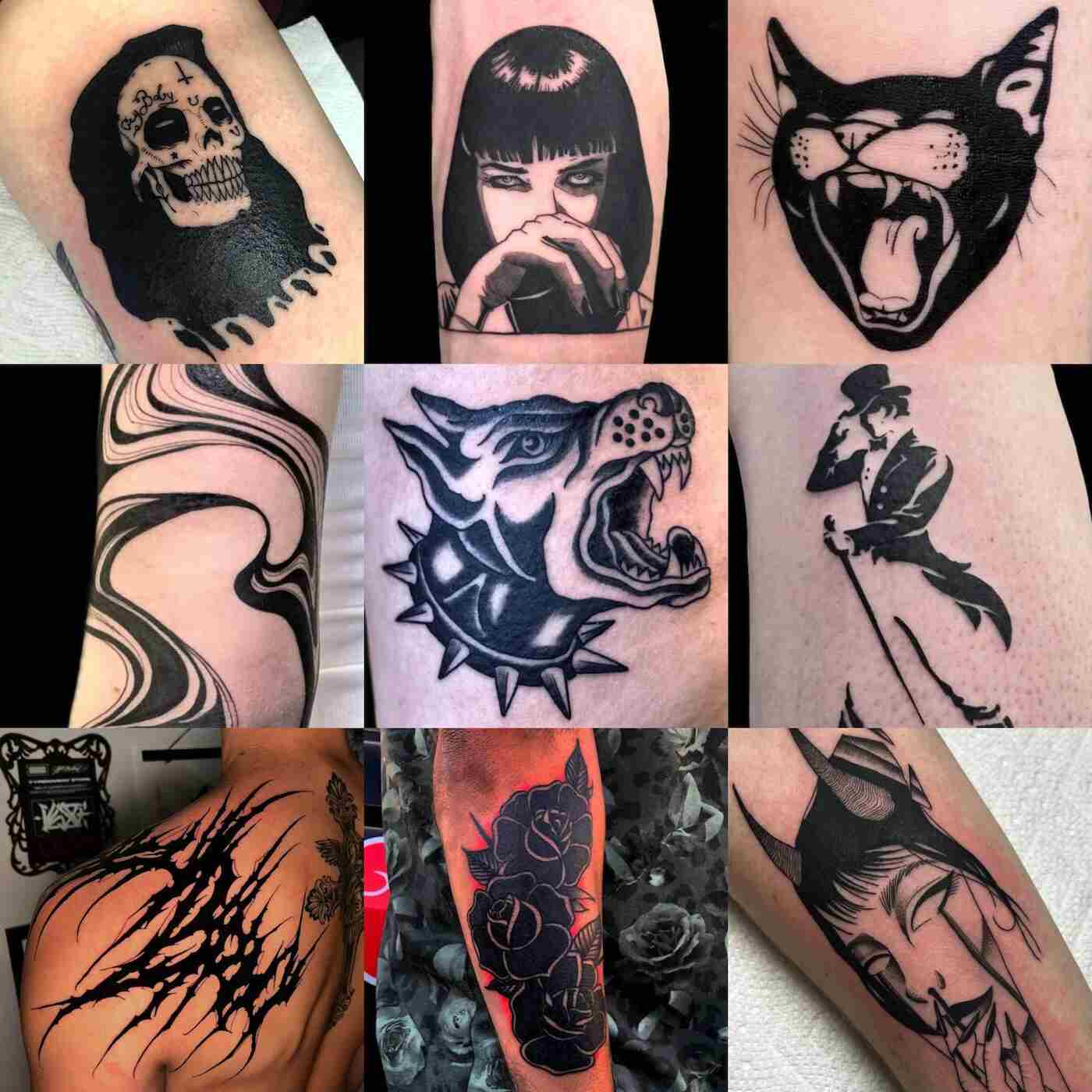
A blackwork tattoo is a tattoo style created primarily using black ink to form bold shapes, patterns, symbols, illustrations, or large solid areas. Unlike color-focused or fine-line tattoos, blackwork emphasizes contrast, negative space, saturation, and visual longevity, making it one of the most durable tattoo styles when executed correctly.
At its core, blackwork refers to tattoos that rely predominantly on black pigment rather than multiple colors. The style encompasses a broad spectrum of artistic approaches, including geometric compositions, ornamental designs, tribal-inspired patterns, abstract artwork, sacred geometry, illustrative pieces, and blackout tattoos.
Modern blackwork has become increasingly popular because it combines artistic versatility with practical advantages. Experienced tattoo artists often recommend blackwork for clients seeking strong visual impact, effective cover-ups, or designs that maintain clarity as the skin ages.
One misconception frequently repeated online is that blackwork simply means “a tattoo with black ink.” In reality, blackwork is a specialized artistic discipline requiring advanced understanding of contrast, negative space, flow, skin anatomy, and pigment saturation.
Expert observation: Many tattoo artists consider large-scale blackwork more technically demanding than color work because mistakes in saturation, line consistency, or composition become immediately visible against solid black areas.
How Blackwork Tattoos Differ From Other Tattoo Styles
Blackwork tattoos differ from traditional, realism, watercolor, and fine-line tattoos because they prioritize black pigment, strong contrast, and graphic composition. This focus often results in greater visibility over time and reduced visual degradation compared with highly detailed designs that depend on extremely thin lines.
Understanding these differences helps clients choose a style that aligns with both their aesthetic goals and long-term expectations.
| Style | Primary Characteristics | Long-Term Visibility |
|---|---|---|
| Blackwork | Bold black shapes, patterns, negative space | Excellent |
| Fine Line | Thin delicate lines | Moderate |
| Watercolor | Soft color gradients | Moderate |
| Realism | Photographic detail and shading | Good |
| Traditional | Bold outlines with color fills | Very Good |
The strongest advantage of blackwork lies in visual resilience. As skin naturally changes with age, heavily saturated black areas tend to maintain readability better than intricate details that rely on microscopic spacing.
Core Characteristics of Blackwork Designs
Blackwork tattoos are defined by high contrast, strong saturation, strategic negative space, and composition that remains readable from a distance. These characteristics create visually powerful tattoos capable of aging more gracefully than many highly detailed alternatives.
- Heavy use of black pigment
- Bold visual contrast
- Large-scale compositions
- Negative space integration
- Geometric precision
- Strong body flow
- Long-term readability
Professional artists often evaluate blackwork designs from several feet away during the planning process. If a design loses clarity at a distance, it may become difficult to read years later as the skin naturally changes.
The History and Origins of Blackwork Tattoos
Blackwork tattoos trace their roots to ancient tattooing traditions across Polynesia, Southeast Asia, Africa, and Indigenous cultures worldwide. Modern blackwork draws inspiration from these historical practices while incorporating contemporary design principles, geometric art, and advanced tattoo techniques.
Many people mistakenly assume blackwork is a recent trend driven by social media. In reality, it represents one of humanity’s oldest forms of body modification.
Historically, black pigments were among the earliest tattoo materials because they could be produced from natural sources such as charcoal, soot, and carbon-based compounds. Across cultures, black tattoos communicated identity, spirituality, status, protection, and community affiliation.
Traditional Tribal Influences
Many blackwork tattoos incorporate visual elements inspired by tribal tattoo traditions, although authentic cultural designs carry specific meanings that should be respected and understood before being adopted.
Traditional tattoo cultures developed highly sophisticated symbolic systems long before modern tattoo machines existed. Patterns often represented family lineage, achievements, spiritual beliefs, or social status.
Responsible tattooing requires understanding the difference between appreciation and cultural appropriation. Reputable artists typically educate clients about the origins and significance of culturally specific motifs before incorporating them into custom work.
Questions worth asking before choosing tribal-inspired blackwork include:
- What culture inspired the design?
- Does the pattern have ceremonial significance?
- Is the interpretation historically accurate?
- Can the design be customized respectfully?
Modern Blackwork Evolution
Modern blackwork has evolved into a distinct artistic category that blends traditional influences with geometry, abstract art, architecture, digital illustration, and contemporary design principles.
Today’s leading blackwork artists often use advanced software to map designs across the natural contours of the body before tattooing begins. This approach allows tattoos to flow with muscle groups, joints, and movement patterns rather than appearing as isolated images placed on the skin.
An overlooked trend shaping modern blackwork is the influence of architecture and sacred geometry. Many contemporary designs borrow concepts from symmetry, mathematical structures, and repeating patterns that create visual harmony across large areas of the body.
Popular Types of Blackwork Tattoos Explained
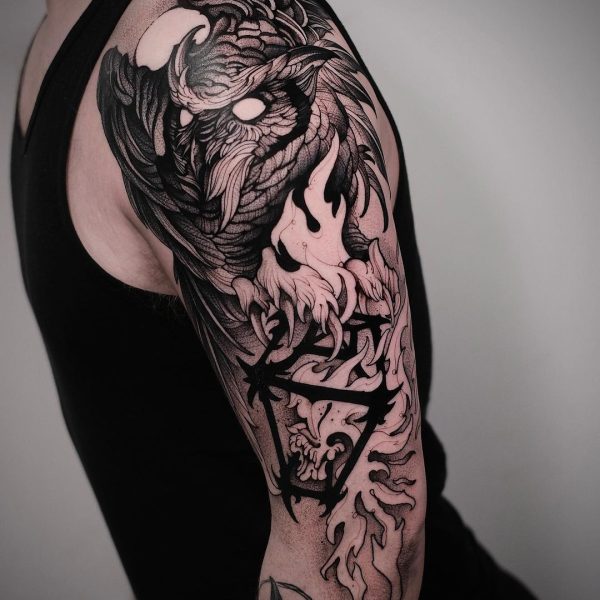
Blackwork is not a single aesthetic. It includes multiple specialized substyles ranging from geometric and ornamental designs to blackout projects and dotwork compositions. Understanding these categories helps clients identify the visual direction that best matches their goals.
One of the biggest mistakes first-time clients make is searching only for “blackwork tattoo ideas” rather than exploring specific substyles. Knowing the category you prefer dramatically improves artist selection and consultation outcomes.
Geometric Blackwork Tattoos
Geometric blackwork tattoos use mathematical shapes, symmetry, repetition, and precise linework to create visually balanced compositions. These tattoos often emphasize structure, order, and harmony while maintaining the bold characteristics associated with blackwork.
Geometric blackwork remains one of the fastest-growing tattoo categories because it scales effectively from small designs to full-body projects.
Popular Geometric Motifs and Their Meanings
- Mandalas: Balance, unity, and spiritual growth
- Hexagons: Harmony and natural structure
- Triangles: Strength, direction, and transformation
- Sacred geometry: Universal connection and symbolism
- Repeating patterns: Continuity and rhythm
Professional artists frequently modify geometric designs to complement individual anatomy. A pattern that looks perfect on paper may require significant adjustments when applied to curved body areas such as shoulders, ribs, or knees.
Ornamental Blackwork Tattoos
Ornamental blackwork tattoos combine decorative elements, intricate linework, symmetry, and elegant patterning to create sophisticated body art inspired by architecture, jewelry, textiles, and historical design traditions.
Unlike highly aggressive blackout compositions, ornamental blackwork often feels refined and intricate while still maintaining strong visual contrast.
Popular placement areas include:
- Forearms
- Hands
- Collarbones
- Upper chest
- Back pieces
- Full sleeves
An often-overlooked benefit of ornamental blackwork is flexibility. These designs can be expanded gradually over multiple years without compromising the overall composition.
Tribal-Inspired Blackwork Tattoos
Tribal-inspired blackwork tattoos adapt traditional visual concepts into contemporary compositions while emphasizing bold black shapes, flow, and body contouring. The best designs balance artistic inspiration with cultural awareness and respect.
Many successful tribal-inspired projects prioritize movement across the body rather than isolated imagery. The result is artwork that feels integrated with anatomy rather than applied onto it.
Before committing to a tribal-inspired design, consider consulting artists who have studied the historical origins of the patterns they use. This often results in more authentic and meaningful work.
Dotwork and Blackwork Combinations
Dotwork blackwork tattoos blend dense black areas with thousands of precisely placed dots to create gradients, texture, depth, and visual dimension. This combination allows artists to achieve complexity without sacrificing the longevity associated with blackwork.
Dotwork shading can reduce the visual heaviness of large black areas while maintaining strong contrast. It is particularly popular in geometric, mandala, and spiritual tattoo compositions.
One practical advantage rarely discussed is healing flexibility. Strategic dotwork transitions can sometimes make future additions or modifications easier than fully saturated black sections.
Blackout Tattoos
Blackout tattoos involve large areas of solid black ink designed to cover significant portions of the body or existing tattoos. They represent the most extreme form of blackwork and require careful planning, multiple sessions, and realistic healing expectations.
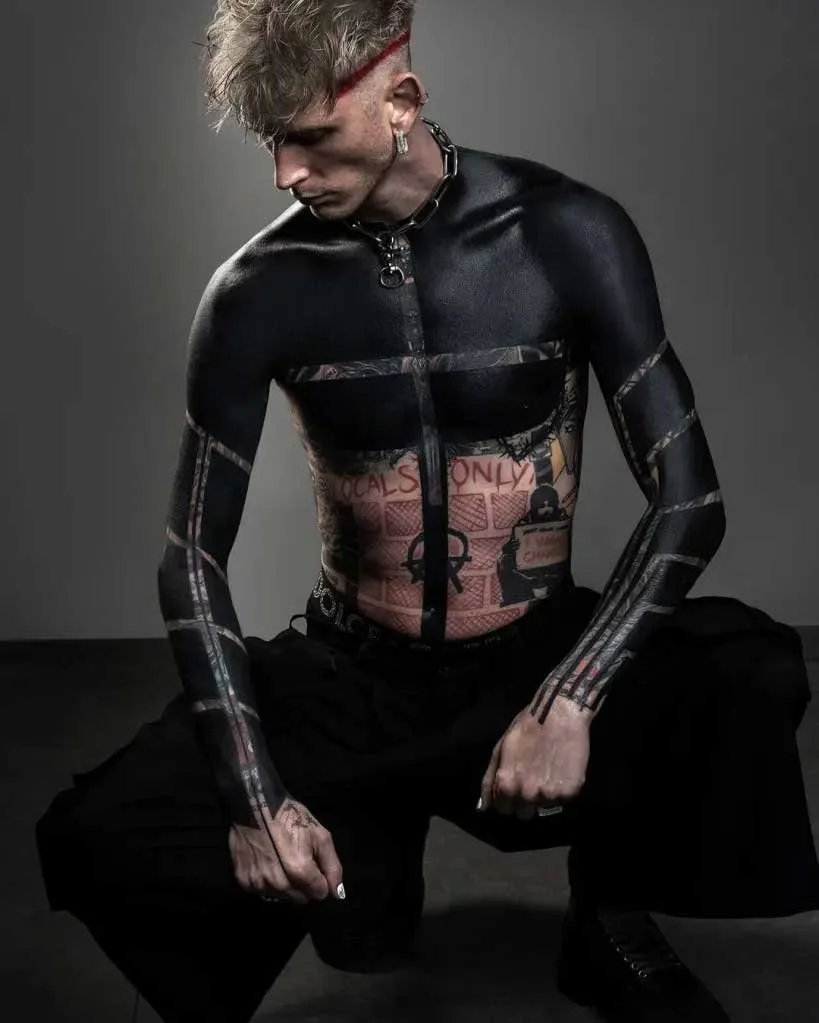
Blackout projects have gained mainstream visibility through celebrities and social media, but online content often overlooks the realities involved:
- Longer sessions
- Extended healing periods
- Higher costs
- Greater artist skill requirements
- More intensive aftercare
- Potential need for touch-ups
Experienced artists generally recommend multiple consultations before beginning a blackout project because reversing or modifying large saturated areas can be significantly more challenging than traditional tattoos.
What Do Blackwork Tattoos Mean?
Blackwork tattoos do not have a single universal meaning. Their symbolism depends on the design, cultural influences, personal experiences, and artistic intent behind the piece. For many individuals, blackwork represents strength, transformation, individuality, resilience, or aesthetic preference.
Unlike symbols with fixed definitions, blackwork often functions as a visual language. Two people may choose similar styles for entirely different reasons.
Common Symbolism and Interpretations
Blackwork tattoos frequently incorporate symbolic themes related to growth, protection, spirituality, balance, discipline, and personal transformation. The meaning often emerges from the combination of imagery, placement, and personal narrative.
- Strength and resilience
- Personal reinvention
- Spiritual exploration
- Balance and harmony
- Connection to heritage
- Creative self-expression
One trend increasingly observed among tattoo collectors is the use of blackwork to mark significant life transitions. Large-scale projects often accompany major personal milestones, career changes, recovery journeys, or periods of self-discovery.
Personal Expression Through Blackwork
Many people choose blackwork because it allows powerful visual expression without relying on literal imagery. Through pattern, contrast, and composition, blackwork can communicate identity and emotion in ways that remain deeply personal.
Artists frequently note that blackwork clients are less concerned with trends and more focused on long-term satisfaction. This mindset often contributes to stronger design decisions and lower rates of tattoo regret.
Next Section: Why blackwork tattoos age differently from other styles, the science behind pigment retention, and what most tattoo guides fail to explain about long-term tattoo performance.
Why Blackwork Tattoos Age Better Than Many Styles
Lucky Tattoo, a professional tattoo artist, has over 10 years of experience in the art of tattooing in Ho Chi Minh City. Lucky Tattoo Studio was founded in 2014 by skilled and kind artists. All tattoos are provided in a clean, strictly controlled, and friendly environment.
One of the most overlooked factors in tattoo longevity is biological aging rather than ink quality. As skin loses elasticity and collagen over decades, extremely fine details can blur together. Blackwork designs are intentionally built around bold structures that remain recognizable despite these natural changes.
Experienced tattoo artists frequently advise clients to think about how a tattoo will look in ten years rather than ten weeks. This long-term mindset is one reason blackwork continues to attract serious tattoo collectors.
Information Gain: Many viral tattoo photos showcase fresh tattoos rather than healed tattoos. Fresh tattoos can look dramatically different from their appearance five years later. Evaluating healed blackwork portfolios often provides more useful information than reviewing fresh work alone.
Black Pigment Retention Explained
Black pigment generally demonstrates strong long-term retention because carbon-based black inks create high contrast and remain visible even as microscopic pigment migration occurs within the skin over time.
Tattoo ink resides within the dermis rather than the epidermis. During healing, some pigment is naturally lost while the remaining particles become embedded within the skin structure.
Black pigments typically offer advantages because:
- High contrast remains visible on aging skin.
- Large saturated areas resist visual breakdown.
- Bold shapes maintain readability.
- Touch-ups are often more straightforward.
- Design integrity remains stronger over decades.
However, pigment retention depends heavily on tattoo technique, skin type, aftercare quality, sun exposure, and lifestyle factors.
Factors That Influence Fading
Sun exposure, poor aftercare, skin characteristics, and artist technique are among the most significant factors affecting blackwork tattoo longevity. Even exceptional tattoos can fade prematurely when exposed to chronic UV damage.
Research in dermatology consistently identifies ultraviolet radiation as one of the most significant contributors to tattoo degradation.
Common fading factors include:
- Excessive sun exposure
- Inadequate sunscreen use
- Poor healing practices
- Low-quality tattoo application
- Significant weight fluctuations
- Certain skin conditions
- Repeated friction from clothing
Many collectors are surprised to learn that tattoos on hands, fingers, feet, and joints often require more maintenance than tattoos located on stable body areas.
Real-World 5-Year and 10-Year Outcomes
Well-executed blackwork tattoos frequently retain strong visual impact after five to ten years, particularly when designs incorporate bold shapes and strategic spacing. Long-term results depend more on design planning and execution quality than short-term appearance.
Artists who specialize in blackwork often maintain healed galleries documenting tattoos years after completion. Reviewing these examples provides valuable insight into realistic aging outcomes.
Warning signs of poor long-term design planning include:
- Excessively crowded details
- Minimal negative space
- Poor anatomical flow
- Weak contrast structure
- Inconsistent saturation
Does Skin Tone Affect Blackwork Tattoos?
Blackwork tattoos can look excellent across diverse skin tones when designed appropriately. The key factor is not skin tone itself but how contrast, saturation, spacing, and design composition are adapted to individual skin characteristics.
Unfortunately, many online resources oversimplify this topic. Successful tattoo outcomes depend on customized design decisions rather than one-size-fits-all assumptions.
Visibility Across Different Skin Tones
Blackwork tattoos remain effective on a wide range of skin tones because black pigment generally provides strong visual contrast. However, design adjustments may improve readability and long-term aesthetics depending on individual skin characteristics.
Experienced artists often modify:
- Negative space usage
- Pattern density
- Line weight
- Saturation levels
- Composition scale
Clients should seek portfolios featuring healed work on skin tones similar to their own. This provides more reliable expectations than viewing only freshly completed tattoos.
Artist Techniques for Optimal Contrast
Professional blackwork artists maximize contrast through strategic spacing, anatomical placement, and thoughtful use of negative space rather than relying solely on heavy saturation.
One misconception is that darker skin requires more black ink. In reality, successful designs often depend on balance rather than increasing saturation.
Advanced techniques include:
- Expanded negative space
- Pattern simplification
- Large-scale composition planning
- Body contour integration
- Strategic visual focal points
Blackwork Tattoo Pain Level: What to Expect
Blackwork tattoo pain varies based on placement, individual tolerance, session length, and tattoo size. Because blackwork often involves extensive saturation, large projects may feel more demanding than smaller tattoos even when placed in less sensitive areas.
Many first-time clients focus solely on pain ratings rather than endurance. For large blackwork projects, stamina often becomes more important than peak pain intensity.
Most Painful Placement Areas
Areas with thin skin, high nerve concentration, or limited muscle padding generally produce higher discomfort levels during tattooing. Common examples include ribs, spine, hands, feet, knees, elbows, and sternum regions.
| Placement | Pain Level |
|---|---|
| Forearm | Low to Moderate |
| Upper Arm | Moderate |
| Shoulder | Moderate |
| Ribs | High |
| Sternum | High |
| Hands | High |
Common Pain Myths Debunked
Blackwork tattoos are not automatically more painful than color tattoos. Pain depends on technique, session duration, placement, and saturation methods rather than color choice alone.
Common myths include:
- Black ink hurts more than color ink.
- Large tattoos hurt continuously at the same intensity.
- Numbing products eliminate all discomfort.
- Tattoo pain is identical for every person.
In reality, tattoo experiences vary significantly between individuals.
Blackwork Tattoo Healing Process
Most blackwork tattoos heal on the surface within two to four weeks, while deeper skin recovery can continue for several months. Proper aftercare significantly influences appearance, pigment retention, and long-term tattoo quality.
Large blackwork projects often heal differently than small tattoos because saturated areas place greater demands on the skin during recovery.
Healing Timeline Week by Week
Blackwork tattoo healing follows predictable stages involving inflammation, peeling, regeneration, and skin stabilization. Understanding these phases helps prevent unnecessary concern and reduces the risk of aftercare mistakes.
- Days 1–3: Redness, swelling, tenderness.
- Days 4–7: Scabbing and flaking begin.
- Weeks 2–3: Peeling decreases.
- Weeks 3–4: Surface healing largely complete.
- Months 2–3: Deeper skin recovery continues.
Signs of Healthy Healing vs Problems
Mild peeling, itching, and temporary dullness are normal during healing. Severe swelling, excessive redness, unusual discharge, or worsening pain may indicate complications requiring professional evaluation.
Potential warning signs include:
- Persistent swelling
- Yellow or green discharge
- Intense redness spreading outward
- Fever symptoms
- Severe pain after several days
When in doubt, contact both your tattoo artist and a qualified healthcare professional.
Blackwork Tattoo Aftercare Best Practices
Effective aftercare protects pigment retention, supports skin recovery, and minimizes complications. Following professional aftercare instructions consistently during the first month is one of the most important factors affecting long-term tattoo quality.
First 48 Hours
The first two days are critical because the skin is highly vulnerable to irritation, contamination, and moisture imbalance. Gentle cleaning and proper protection support healthy recovery.
- Follow artist instructions precisely.
- Wash hands before touching the tattoo.
- Use fragrance-free products.
- Avoid swimming and soaking.
- Avoid unnecessary friction.
First Month Maintenance
The first month should focus on hydration, protection, and minimizing environmental stressors. Consistency matters more than using expensive products.
Best practices include:
- Apply recommended moisturizer.
- Avoid scratching.
- Limit direct sun exposure.
- Wear breathable clothing.
- Stay hydrated.
How Much Does a Blackwork Tattoo Cost?
Blackwork tattoo pricing depends on artist experience, project complexity, body placement, geographic location, and total session time. Large-scale blackwork often costs more than clients initially expect because of the technical demands involved.
Pricing Factors Explained
Several variables influence tattoo costs beyond size alone. Experienced specialists frequently charge higher rates due to proven portfolios, technical expertise, and demand.
- Artist reputation
- Design complexity
- Session duration
- Studio location
- Custom design work
- Coverage area
Small vs Large Blackwork Projects
Small blackwork tattoos may require a single session, while sleeves, backs, and blackout projects often require multiple appointments spread over months.
| Project Type | Typical Commitment |
|---|---|
| Small Design | Single Session |
| Half Sleeve | Multiple Sessions |
| Full Sleeve | Several Months |
| Blackout Project | Extended Multi-Session Process |
Choosing the Right Blackwork Tattoo Artist
Selecting the right artist is often more important than selecting the design itself. Specialized blackwork artists possess unique technical skills related to saturation, anatomy, composition, and long-term tattoo performance.
Portfolio Review Checklist
A strong portfolio should demonstrate consistency, healed results, technical precision, and expertise across multiple body placements rather than relying exclusively on fresh tattoos.
- Review healed work.
- Check saturation consistency.
- Evaluate line quality.
- Assess body flow.
- Look for long-term examples.
- Read client feedback.
Questions to Ask Before Booking
Asking informed questions improves communication and helps identify artists with genuine blackwork experience.
- Can I see healed examples?
- How many blackwork projects have you completed?
- What healing challenges should I expect?
- How many sessions will be required?
- What aftercare do you recommend?
Blackwork Tattoos vs Blackout Tattoos
Blackwork and blackout tattoos are related but not identical. Blackwork encompasses a broad artistic category, while blackout tattoos represent a specific approach focused on large areas of solid black saturation.
Key Differences in Design and Execution
Blackwork often combines patterns, geometry, illustration, and negative space, whereas blackout tattoos prioritize extensive coverage and solid saturation.
Which Option Is Better for Cover-Ups?
Blackout tattoos provide exceptional cover-up capability, but not every unwanted tattoo requires complete blackout treatment. Strategic blackwork designs can often conceal existing tattoos while preserving artistic complexity.
Future Trends in Blackwork Tattoos
Blackwork continues evolving through technological innovation, advanced design software, AI-assisted concept generation, and increasing collaboration between tattoo artists, illustrators, and digital creators.
Emerging Design Directions
Current trends include architectural compositions, abstract pattern systems, biomechanical influences, and large-scale body flow projects that emphasize movement and anatomy.
AI-Assisted Tattoo Concept Development
AI tools are increasingly used for brainstorming, concept visualization, and composition planning. However, experienced artists remain essential for translating digital concepts into successful tattoos that function on real human skin.
The strongest results typically emerge when technology supports artistic expertise rather than replacing it.
Expert Recommendations Before Getting a Blackwork Tattoo
Successful blackwork tattoos result from careful planning, realistic expectations, artist selection, and long-term thinking. Investing time in preparation often produces better outcomes than rushing into a design decision.
Pre-Tattoo Preparation Checklist
Proper preparation improves comfort, communication, and healing outcomes.
- Research artists thoroughly.
- Review healed portfolios.
- Eat before appointments.
- Stay hydrated.
- Avoid excessive alcohol consumption.
- Discuss medical concerns beforehand.
Long-Term Maintenance Checklist
Long-term tattoo quality depends on ongoing skin care and protection.
- Use sunscreen regularly.
- Maintain healthy skin hydration.
- Monitor changes over time.
- Schedule touch-ups when necessary.
- Protect tattoos during extended outdoor exposure.
Frequently Asked Questions About Blackwork Tattoos
What is a blackwork tattoo?
A blackwork tattoo is a tattoo style created primarily with black ink using bold shapes, patterns, geometry, ornamental elements, or large saturated areas.
Do blackwork tattoos fade?
Yes, all tattoos fade gradually over time, but blackwork tattoos often maintain visibility and readability longer than many highly detailed styles.
Are blackwork tattoos more painful?
Not necessarily. Pain depends more on placement, session length, and individual tolerance than on the use of black ink itself.
How long do blackwork tattoos take to heal?
Surface healing typically takes two to four weeks, while deeper skin recovery may continue for several months.
Can blackwork tattoos cover old tattoos?
Yes. Blackwork and blackout techniques are commonly used for cover-ups because dense black pigment can effectively conceal existing designs.
Do blackwork tattoos work on darker skin tones?
Absolutely. Experienced artists can adapt composition, spacing, and contrast to create successful blackwork tattoos across diverse skin tones.
How much does a blackwork tattoo cost?
Costs vary widely depending on artist expertise, project size, complexity, and session requirements.
Do blackwork tattoos age well?
When designed properly and cared for correctly, blackwork tattoos are among the most durable tattoo styles available.
Final Verdict: Is a Blackwork Tattoo Right for You?
Blackwork tattoos offer a unique combination of artistic versatility, visual power, and long-term durability. From geometric sleeves and ornamental compositions to large-scale blackout transformations, the style continues to attract collectors who value bold aesthetics and lasting impact.
The most successful blackwork projects share common foundations: thoughtful planning, realistic expectations, technical excellence, proper aftercare, and collaboration with a skilled artist who understands how tattoos evolve over time. While trends come and go, well-executed blackwork remains one of the most enduring forms of contemporary body art.
If longevity, strong visual contrast, meaningful symbolism, and timeless design appeal to you, blackwork may be one of the most rewarding tattoo styles to explore.
Lucky Tattoo, a professional tattoo artist, has over 10 years of experience in the art of tattooing in Ho Chi Minh City. Lucky Tattoo Studio was founded in 2014 by skilled and kind artists. All tattoos are provided in a clean, strictly controlled, and friendly environment.
blackwork-tattoo