What Is a Fine Line Asian Art Tattoo? (Expert Definition & Core Principles)
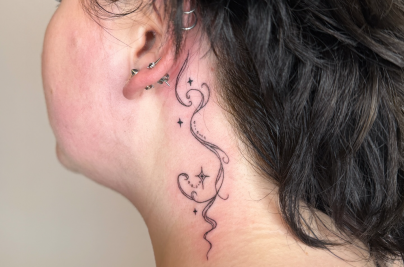
A fine line Asian art tattoo is a precision-driven tattoo style that merges ultra-thin single-needle linework with visual philosophies drawn from East Asian ink traditions. It prioritizes minimalism, flow, and symbolism over heavy shading, creating elegant compositions that feel closer to brush painting than conventional Western tattooing approaches.
From a professional tattooing perspective, this style is defined less by subject matter and more by execution: controlled needle depth, high-precision machine settings, and deliberate spacing. Artists often rely on 1RL or 3RL needles to achieve clean, delicate contours that mimic ink wash painting aesthetics while still surviving skin healing processes.
How Single-Needle Tattooing Creates Fine Line Asian Art
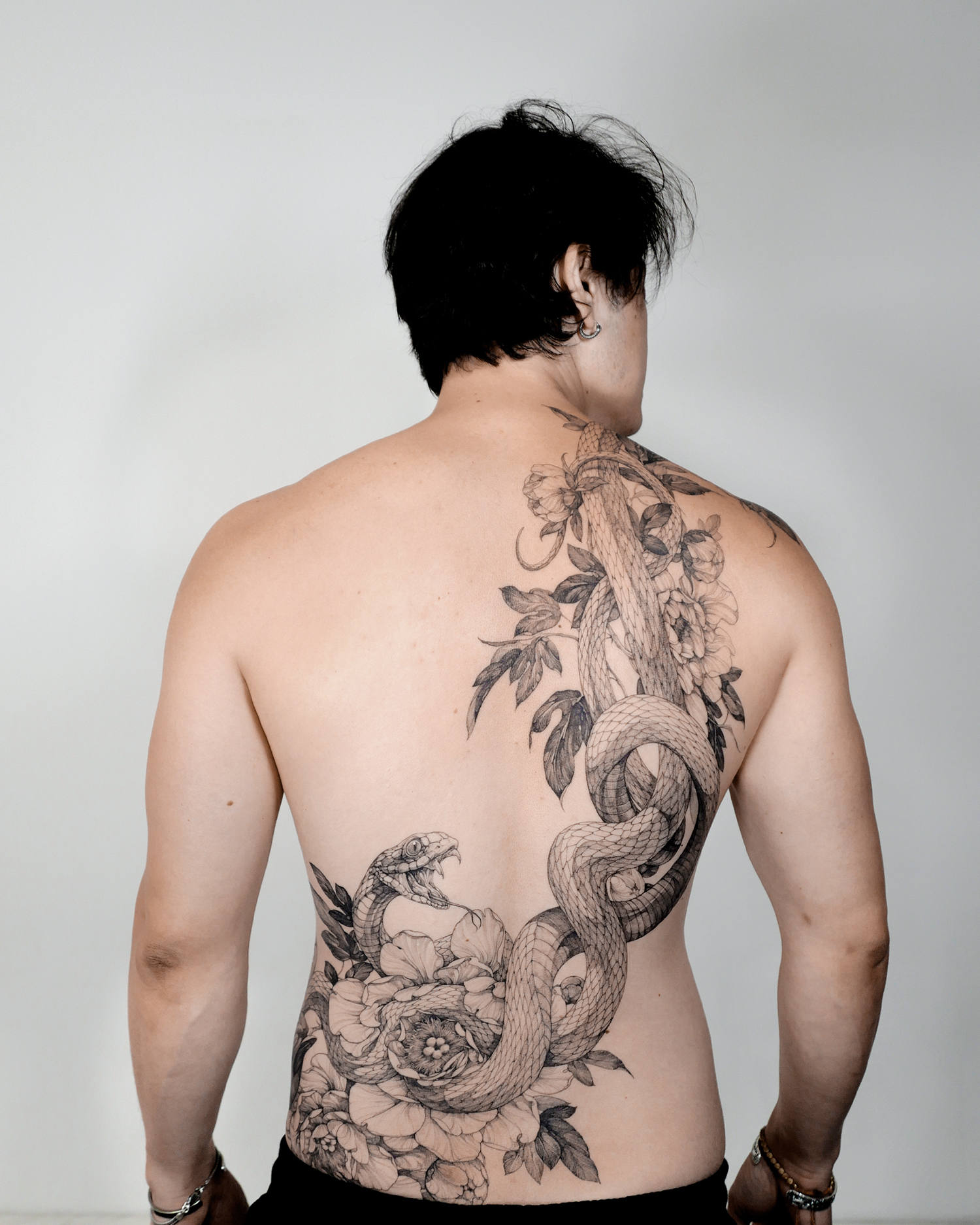
Single-needle tattooing creates fine line Asian art by depositing minimal ink into the dermis with extreme precision. This method reduces trauma to the skin, enabling softer gradients and delicate outlines. However, it requires advanced control because even slight inconsistencies in depth or angle can lead to blowouts or premature fading over time.
In professional practice, artists adjust machine voltage, hand speed, and needle grouping to match skin texture. Oily or thin skin often demands slower passes and shallower depth control. The goal is to balance aesthetic delicacy with long-term pigment stability, a trade-off many beginners underestimate.
Common Misconception: Fine Lines Are “Easier” Tattoos
Many assume fine line tattoos are simpler, but in reality they demand higher precision than bold traditional work. A single uneven pass can permanently distort symmetry. Experienced artists often train for years before specializing in this style due to its unforgiving technical requirements and visibility of every minor error.
Cultural Origins of Asian Tattoo Art and Symbolism
Fine line Asian art tattoos draw heavily from centuries-old East Asian visual traditions, particularly Japanese ukiyo-e woodblock prints and Chinese ink wash painting. These cultural systems emphasize flow, negative space, and symbolic storytelling, all of which directly influence modern minimalist tattoo composition and subject selection.
Rather than copying imagery, contemporary artists reinterpret brushstroke philosophy into skin-based design systems. This includes controlled asymmetry, symbolic abstraction, and directional flow that guides the viewer’s eye across the body like a narrative scroll.
Information Gain Insight: Why Asian Ink Philosophy Changes Tattoo Composition
Unlike Western tattoo traditions that often prioritize outline clarity and saturation, East Asian ink aesthetics value impermanence, emptiness, and movement. This philosophical difference reshapes how tattoos are composed: designs are intentionally “incomplete,” allowing skin tone and body curvature to complete the visual narrative.
- Negative space is treated as part of the artwork, not empty background
- Flow direction follows natural muscle movement for visual harmony
- Imperfection is considered an aesthetic strength, not a flaw
Japanese Ukiyo-e Influence on Modern Tattoo Composition
Japanese ukiyo-e art influences fine line Asian tattoos by introducing structured composition techniques such as layered depth, curved motion lines, and symbolic framing. These principles allow tattoos to feel dynamic even when executed with minimal line weight, creating visual movement across static skin surfaces.
Artists often study historical wave patterns, floral arrangements, and mythological figures from ukiyo-e prints to translate them into simplified modern forms. The challenge lies in preserving narrative depth while removing visual density.
In professional application, this influence is especially visible in wave, koi, and dragon motifs, where motion is implied rather than heavily shaded. The result is a tattoo that feels alive without relying on heavy saturation.
Chinese Ink Wash Philosophy in Minimalist Tattoo Design
Chinese ink wash painting, or shui-mo tradition, shapes fine line Asian tattooing by emphasizing tonal restraint and expressive brush control. Instead of filling space with detail, artists focus on the emotional weight of each stroke, allowing subtle variations in line pressure to convey meaning and depth.
This philosophy directly impacts tattoo design decisions such as stroke economy, where fewer lines are used to communicate more meaning. It also encourages intentional “breathing space” within the composition, which improves long-term visual clarity as tattoos age and naturally soften.
Do Fine Line Tattoos Fade Faster? (Science, Skin Biology & Real Risks)
A fine line Asian art tattoo may fade faster than bold traditional tattoos because it uses less ink saturation and shallower linework. However, fading is not inevitable. Longevity depends on skin type, UV exposure, placement, aftercare discipline, and artist technique. Proper execution can preserve clarity for many years despite the delicate style.
Most fading issues come from biological and environmental factors rather than the style itself. Skin regeneration continuously pushes pigment upward, while ultraviolet exposure breaks down ink particles. Because fine line tattoos rely on minimal pigment load, any disruption in healing or sun protection becomes visually more noticeable over time.
Lucky Tattoo, a professional tattoo artist, has over 10 years of experience in the art of tattooing in Ho Chi Minh City. Lucky Tattoo Studio was founded in 2014 by skilled and kind artists. All tattoos are provided in a clean, strictly controlled, and friendly environment.
Skin Healing Process and Ink Retention Science
The skin retains tattoo ink primarily in the dermis layer, where immune cells stabilize pigment particles after initial wound healing. Fine line tattoos deposit less ink, making them more sensitive to immune response variations and skin turnover rates. This creates both aesthetic delicacy and structural vulnerability over time.
Dermatological research shows that pigment particles gradually shift as macrophages attempt to remove foreign material. In fine line work, this process can soften edges faster because there is less ink density to maintain visual definition. The result is a gradual “soft blur” rather than dramatic fading.
Information Gain Insight: Why Placement Changes Longevity More Than Style
One overlooked factor is body placement. Areas with frequent movement or friction—such as hands, fingers, and feet—accelerate pigment dispersion. In contrast, upper arms and back regions provide more stable dermal environments, allowing fine line Asian tattoos to retain structure significantly longer.
- High movement zones = faster pigment breakdown
- Low friction zones = improved long-term clarity
- Sun-exposed areas = increased UV-driven fading
How UV Exposure and Aging Affect Tattoo Clarity
UV exposure is one of the most significant external factors affecting fine line tattoo longevity. Ultraviolet radiation breaks down pigment molecules, leading to gradual discoloration and line softening. Aging skin also loses elasticity and collagen, which can distort fine line precision over time.
Clinically, dermatologists associate chronic sun exposure with accelerated tattoo degradation. This effect is amplified in fine line Asian tattoos because thin strokes have less pigment redundancy. Without sunscreen protection, even high-quality tattoos can lose sharpness within a few years.
Sun protection is not optional for fine line tattoos; it is a preservation mechanism. SPF 30+ reduces pigment degradation risk significantly over time.
Popular Fine Line Asian Tattoo Designs and Their Meanings
Fine line Asian tattoos often feature symbolic motifs drawn from East Asian mythology, nature, and spiritual philosophy. These designs are chosen not only for aesthetics but for meaning, representing balance, resilience, transformation, or protection. Each motif carries cultural depth shaped by centuries of artistic tradition.
Unlike purely decorative tattoos, these designs function as narrative symbols. A single koi fish or crane may represent personal transformation, while waves and florals can symbolize impermanence and emotional flow. Artists often customize these elements to reflect personal storytelling.
Koi Fish, Dragons, Lotus, and Crane Symbolism
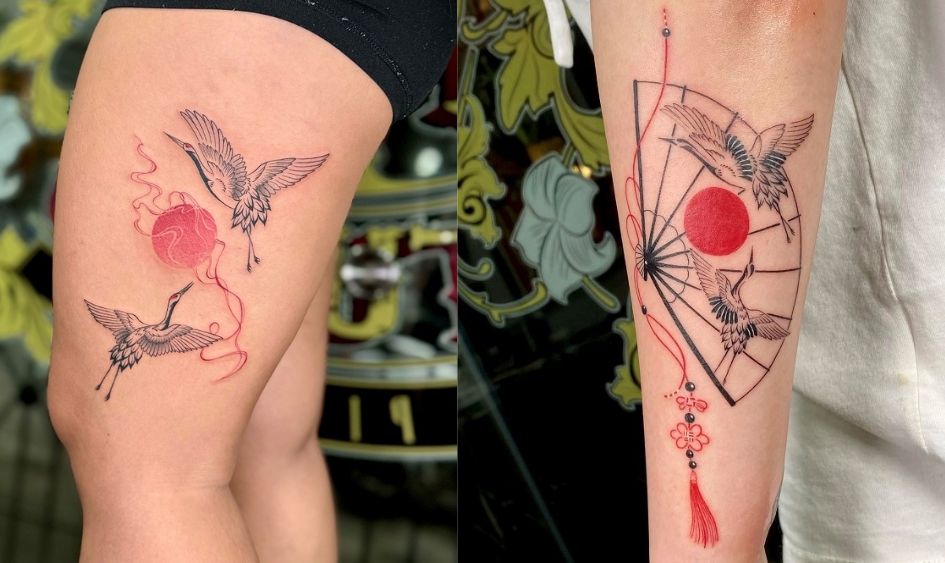
These motifs are central to Asian tattoo language and are frequently adapted into fine line compositions. Koi fish symbolize perseverance and transformation, dragons represent strength and spiritual power, lotus flowers signify purity rising from hardship, and cranes embody longevity and peace.
In fine line execution, these symbols are simplified into minimal strokes without losing their cultural essence. The challenge lies in preserving recognizability while reducing visual complexity, requiring deep understanding of both anatomy and cultural symbolism.
Common Misconception: More Detail Means Better Symbolism
A frequent misunderstanding is that adding more detail enhances meaning. In Asian ink philosophy, meaning is often conveyed through restraint. A single flowing line can communicate more emotional weight than a heavily detailed rendering, especially when aligned with body movement and negative space balance.
- Simplified koi designs often age better than complex versions
- Minimal dragons maintain clarity longer on flexible skin areas
- Lotus compositions rely heavily on spacing, not density
Minimalist vs Detailed Asian Tattoo Styles Comparison
Minimalist fine line Asian tattoos prioritize negative space, subtle flow, and longevity, while detailed interpretations emphasize complexity and visual density. Each approach affects aging differently, with minimalist designs typically maintaining clarity longer due to reduced ink saturation and lower visual noise over time.
Detailed styles may initially appear more visually impactful but often require more frequent touch-ups. Minimalist styles, by contrast, rely on composition and symbolism rather than saturation, making them more adaptable to natural skin aging processes.
Best Body Placements for Fine Line Asian Tattoos
Body placement significantly impacts how well fine line Asian tattoos age. Areas with stable skin texture and low friction preserve line clarity longer, while high-movement or sun-exposed zones accelerate fading. Choosing the right placement is as important as choosing the design itself.
Professional tattoo artists often evaluate skin thickness, elasticity, and movement patterns before recommending placement. This ensures that the delicate structure of fine line work remains intact for as long as possible without excessive distortion or pigment loss.
Areas That Preserve Detail Long-Term
Areas such as the upper arm, back, and thigh are ideal for fine line Asian tattoos due to lower friction and consistent skin stability. These regions experience fewer environmental stressors, allowing ink to settle more evenly within the dermis and retain sharper edges over time.
- Upper arm: balanced exposure and low friction
- Back: large stable surface for detailed compositions
- Thigh: minimal movement stress and strong ink retention
Areas That Cause Faster Fading
Hands, fingers, feet, and joints are high-risk areas for fine line tattoos due to constant movement, friction, and environmental exposure. These factors accelerate skin turnover and pigment breakdown, often leading to faster fading and the need for regular touch-ups.
Artists typically warn clients that tattoos in these areas may lose definition within months rather than years. This is not a failure of technique but a biological limitation of skin behavior in high-mobility regions.
Choosing the Right Tattoo Artist for Fine Line Asian Work
Selecting the right artist is critical for fine line Asian tattoos because precision, cultural understanding, and technical consistency directly determine long-term results. Unlike traditional tattooing, this style leaves little room for correction, making artist experience a key factor in success.
High-quality artists combine technical needle control with knowledge of Asian visual language. They understand how to translate brushstroke philosophy into skin composition while maintaining structural integrity over time.
Portfolio Evaluation Checklist for Precision Linework
Evaluating an artist’s portfolio requires attention to line consistency, healing results, and long-term image retention. Look beyond fresh tattoos and focus on healed work, as this reveals how the artist’s technique holds up after skin regeneration.
- Check healed tattoos (6–12 months old)
- Look for consistent line thickness
- Assess whether details blur or remain sharp
- Evaluate composition flow on body curves
Red Flags in Fine Line Tattoo Studios
Warning signs include overly discounted pricing, lack of healed portfolio examples, and inconsistent line quality. Poor hygiene practices or rushed consultations are also major red flags that can indicate inadequate experience with delicate fine line techniques.
A skilled fine line artist prioritizes precision over speed. If a studio emphasizes volume over detail, it is often a sign of compromised technique quality.
Aftercare Tips to Preserve Fine Line Asian Tattoos
Proper aftercare is essential for preserving fine line Asian tattoos, as the style depends heavily on pigment stability and line clarity. Healing practices directly influence ink retention, infection risk, and long-term visual quality, making aftercare as important as the tattooing process itself.
Healing typically occurs in stages, including inflammation, peeling, and pigment settling. During this period, improper care can lead to ink loss, patchiness, or premature fading, especially in fine line designs with minimal saturation.
Healing Timeline and What to Expect
Fine line tattoos generally heal within 2–4 weeks, though full dermal stabilization may take longer. Initial stages involve redness and light scabbing, followed by peeling and gradual color settling. It is common for tattoos to appear faded during healing before final clarity returns.
- Days 1–3: inflammation and sensitivity
- Days 4–10: scabbing and peeling phase
- Weeks 2–4: pigment stabilization
Common Myths About Fine Line Asian Tattoos
Many misconceptions surround fine line Asian tattoos, particularly regarding durability, cultural authenticity, and technical difficulty. These myths often discourage informed decision-making and lead to unrealistic expectations about how the style behaves over time.
“Fine Line Tattoos Always Fade Quickly” Myth
While fine line tattoos can fade faster under poor conditions, proper technique, placement, and aftercare can ensure long-term clarity. The assumption that all fine line tattoos degrade quickly ignores the role of artist skill, skin biology, and environmental exposure in determining longevity.
Frequently Asked Questions (FAQ)
What makes fine line Asian tattoos unique?
They combine ultra-thin single-needle techniques with East Asian ink aesthetics, focusing on symbolism, flow, and minimalism rather than heavy shading or saturation.
Do fine line tattoos hurt more than regular tattoos?
Pain varies by placement, but fine line tattoos are often less intense due to reduced skin trauma from single-needle application.
How long do fine line Asian tattoos last?
With proper care, they can last many years, but may soften faster than bold tattoos depending on sun exposure and skin type.
Are fine line tattoos safe for all skin types?
Generally yes, but oily or highly sensitive skin may experience faster fading or slight line diffusion over time.
Can fine line tattoos be touched up?
Yes, touch-ups are common and often recommended after initial healing or several years of natural fading.
What is the best placement for fine line tattoos?
Upper arms, thighs, and back areas provide the best longevity due to lower friction and stable skin structure.
Is Asian tattoo symbolism culturally sensitive?
Yes, many designs carry deep cultural meaning, so respectful interpretation and research are important when choosing motifs.