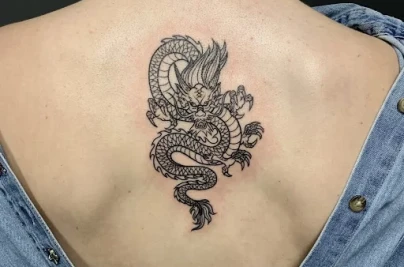
Tibetan tattoos are more than visual body art. Many designs are rooted in Tibetan Buddhism, Himalayan spirituality, sacred geometry, protective symbols, and ancient cultural practices. Whether you are considering a Tibetan mantra tattoo, lotus, endless knot, or prayer wheel-inspired design, understanding symbolism matters because some sacred imagery carries religious meaning that extends far beyond aesthetics.
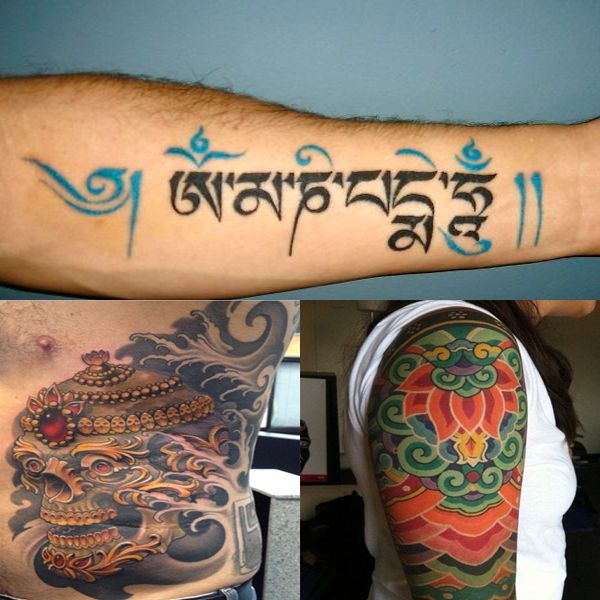
In recent years, Tibetan tattoo designs have gained popularity among people seeking spiritual tattoos, meaningful symbols, and deeply personal artwork. However, many online galleries focus only on appearance while overlooking cultural context, placement sensitivity, and spiritual significance. This guide explores authentic meanings, design considerations, cultural respect, and expert recommendations before committing to a permanent Tibetan-inspired tattoo.
What Is a Tibetan Tattoo?
A Tibetan tattoo typically incorporates symbols, scripts, spiritual imagery, or philosophical elements connected to Tibetan Buddhism and Himalayan culture. These tattoos often represent compassion, protection, karma, mindfulness, inner strength, enlightenment, or spiritual transformation rather than purely decorative aesthetics.
Unlike trend-driven tattoo styles, Tibetan tattoos usually carry symbolic intent. Traditional inspiration may come from sacred mantras, Buddhist iconography, protective deities, mandalas, Tibetan calligraphy, prayer flags, or ancient philosophical teachings.
Many people mistakenly assume there is one standardized “Tibetan tattoo style.” In reality, Tibetan-inspired tattoos vary significantly depending on intention:
- Spiritual tattoos: Focus on Buddhist teachings and mindfulness.
- Protective tattoos: Use symbols believed to guard against negativity.
- Cultural tattoos: Honor Tibetan heritage or personal ancestry.
- Minimalist symbolic tattoos: Feature sacred geometry or simple mantras.
- Artistic fusion tattoos: Blend Tibetan motifs with geometric, blackwork, or fine-line styles.
Information Gain: One overlooked reality competitors rarely mention is that many authentic Tibetan practitioners view sacred symbols as devotional objects rather than decorative artwork. This does not mean non-Tibetans cannot wear Tibetan-inspired tattoos, but intention, understanding, and respectful design choices matter considerably.
Why Are Tibetan Tattoos So Meaningful?
Tibetan tattoos resonate with people because they often symbolize inner peace, resilience, compassion, protection, and spiritual growth. Unlike trend-based body art, these tattoos are frequently chosen to mark personal transformation, healing journeys, meditation practices, or life-changing experiences.
For example, someone overcoming trauma may choose a lotus symbol because it represents spiritual awakening through suffering. A meditation practitioner might select the “Om Mani Padme Hum” mantra to reflect compassion and mindfulness in everyday life.
Expert observation: The strongest long-term tattoo satisfaction usually comes from symbolism with personal relevance, not aesthetics alone. Spiritual tattoos chosen only for appearance often lose emotional meaning over time.
Tibetan Tattoo Meanings: What Different Symbols Represent
Tibetan tattoos can symbolize protection, wisdom, karma, compassion, rebirth, balance, and spiritual awakening. However, meanings vary depending on the symbol, mantra, placement, and artistic interpretation, making cultural understanding essential before choosing a design.
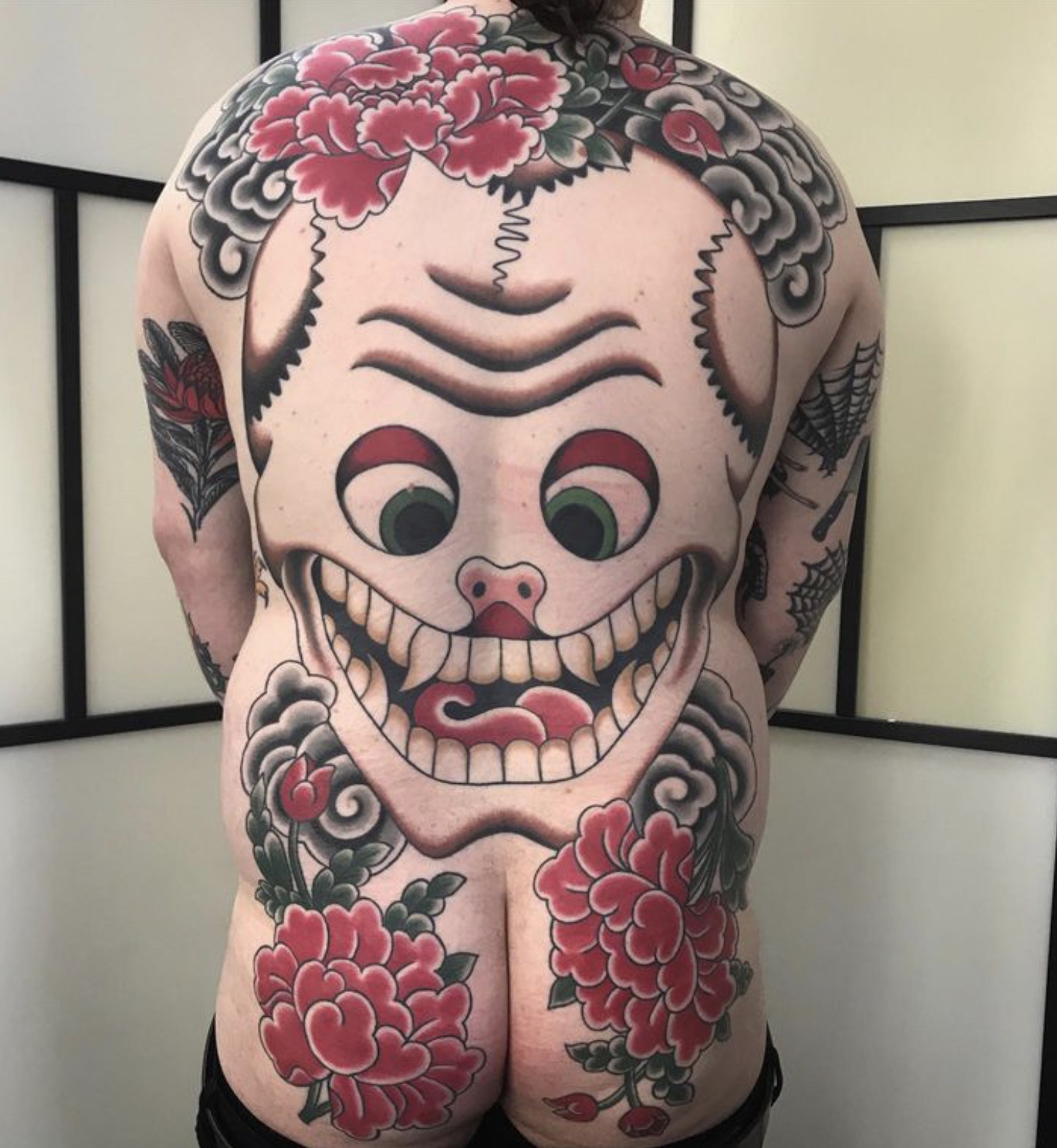
Below are the most meaningful Tibetan tattoo symbols and what they traditionally represent.
Om Mani Padme Hum Tattoo Meaning
The mantra “Om Mani Padme Hum” is one of the most recognized Tibetan Buddhist phrases. It is commonly associated with compassion, wisdom, mindfulness, and spiritual purification, making it one of the most meaningful Tibetan tattoo choices.
This six-syllable mantra is deeply connected to Avalokiteshvara, the Bodhisattva of Compassion. Many practitioners repeat it during meditation to cultivate kindness and reduce suffering.
People often choose this tattoo to symbolize:
- Personal healing
- Compassion toward others
- Emotional resilience
- Spiritual awakening
- A commitment to mindful living
Common misconception: Many people translate “Om Mani Padme Hum” too literally online. In practice, the phrase represents layered spiritual concepts that cannot be fully captured in one English translation.
Practical recommendation: Always verify Tibetan script accuracy with a native speaker, scholar, or experienced cultural consultant. Script errors in sacred tattoos are surprisingly common.
Endless Knot Tattoo Meaning
The endless knot symbolizes interconnectedness, karma, eternity, wisdom, and the relationship between compassion and enlightenment. Because it lacks a beginning or end, it represents life’s continuous cycles and spiritual continuity.
The endless knot is among the safest Tibetan-inspired tattoo choices because it carries broad symbolic meaning while avoiding highly sensitive religious imagery.
It works especially well for people seeking:
- Minimalist spiritual tattoos
- Relationship symbolism
- Balance and harmony themes
- Growth through adversity
Information Gain: Tattoo artists often adapt endless knot geometry into modern blackwork or geometric tattoo styles, but preserving symmetrical integrity matters. Distorted knot proportions can unintentionally weaken symbolic authenticity.
Lotus Flower Tattoo Meaning in Tibetan Symbolism
In Tibetan spiritual symbolism, the lotus represents purity, enlightenment, perseverance, and transformation through hardship. The flower grows through muddy water before blooming, making it especially meaningful for people who have overcome difficult experiences.
Different lotus colors traditionally imply different meanings:
| Lotus Color | Traditional Meaning |
|---|---|
| White | Purity and spiritual peace |
| Pink | Sacred Buddhist devotion |
| Blue | Wisdom and discipline |
| Red | Love and compassion |
Real-world example: Individuals recovering from grief, addiction, burnout, or major life transitions often choose lotus tattoos because they visually represent resilience without requiring words.
Mandala Tattoo Meaning
Mandalas in Tibetan tradition symbolize cosmic balance, meditation, unity, and spiritual structure. They are often used as visual tools for contemplation, helping practitioners focus attention and achieve mental clarity.
Many Tibetan-inspired mandala tattoos feature:
- Geometric symmetry
- Layered sacred patterns
- Lotus integration
- Protective circles
- Meditative symbolism
Important consideration: Placement matters with intricate mandalas. Areas with enough skin surface—such as the upper back, forearm, thigh, or chest—usually preserve detail better than smaller body parts.
Prayer Wheel and Prayer Flag Tattoos
Prayer wheel and prayer flag tattoos symbolize blessings, compassion, positive intentions, and spiritual remembrance. These designs are often chosen by travelers, meditators, or people deeply connected to Himalayan culture.
Prayer flags traditionally represent spreading goodwill through the wind, while prayer wheels symbolize repeating sacred mantras for healing and compassion.
Overlooked insight: Competitors rarely mention that excessive stylization can unintentionally erase cultural meaning. A prayer flag tattoo redesigned purely for aesthetics may lose the symbolic intention behind the original spiritual object.
Are Tibetan Tattoos Religious or Cultural?
Tibetan tattoos can be religious, cultural, spiritual, or artistic depending on the symbol used and the wearer’s intention. Some imagery belongs directly to Tibetan Buddhism, while other elements reflect broader Himalayan identity, philosophy, or artistic tradition.
This distinction matters because not all symbols carry the same cultural sensitivity.
| Type | Examples | Sensitivity Level |
|---|---|---|
| Low Sensitivity | Lotus, endless knot, geometric symbols | Generally accessible |
| Medium Sensitivity | Mantras and Tibetan script | Requires contextual understanding |
| High Sensitivity | Buddhist deities and sacred faces | Should be approached respectfully |
For example, tattooing a sacred deity on inappropriate body placement may be viewed as disrespectful in some Buddhist communities. While there is no universal rule, cultural awareness demonstrates respect.
Can Non-Tibetans Get a Tibetan Tattoo?
Yes, non-Tibetans can respectfully choose Tibetan-inspired tattoos, especially when they understand the meaning, avoid misusing sacred imagery, and work with knowledgeable tattoo artists. Cultural appreciation becomes problematic only when symbols are stripped of meaning or used carelessly.
Ask yourself these questions before committing:
- Do I understand the symbol’s meaning?
- Am I choosing this only because it looks attractive?
- Could placement unintentionally disrespect sacred imagery?
- Have I verified translation accuracy?
- Does this design reflect something meaningful in my life?
Expert perspective: Respectful engagement matters more than ethnicity. Many tattoo practitioners with Buddhist backgrounds appreciate genuine interest when paired with cultural understanding.
How to Choose the Right Tibetan Tattoo Design
The best Tibetan tattoo combines personal meaning, accurate symbolism, proper placement, and long-term relevance. Instead of selecting a random design from Pinterest, identify the emotion, life lesson, or belief you want the tattoo to represent.
Start by defining your intention:
- Protection: Sacred symbols or protective motifs
- Healing: Lotus or compassion mantra
- Balance: Mandalas or geometric patterns
- Mindfulness: Tibetan script or meditation-inspired imagery
- Life transformation: Rebirth symbolism and spiritual motifs
Questions to Ask Before Getting a Tibetan Tattoo
Before committing to a Tibetan tattoo, evaluate symbolism, artist experience, placement, translation accuracy, and long-term significance. A thoughtful process reduces regret and helps preserve cultural integrity.
- Has the script been verified by a fluent source?
- Does the tattoo hold lasting personal meaning?
- Will small details age well over time?
- Does the artist understand sacred geometry?
- Could placement affect symbolic respect?
Information Gain Checklist: One issue many tattoo guides ignore is future readability. Fine Tibetan script may blur over years if lines are too thin. Ask artists to show healed examples—not only fresh portfolio photos.
In the next section, we will explore the best Tibetan tattoo placements, common mistakes to avoid, sacred symbolism concerns, pain considerations, aftercare, and design inspiration ideas that age well over time.
Lucky Tattoo, a professional tattoo artist, has over 10 years of experience in the art of tattooing in Ho Chi Minh City. Lucky Tattoo Studio was founded in 2014 by skilled and kind artists. All tattoos are provided in a clean, strictly controlled, and friendly environment.
Best Tibetan Tattoo Placements and What They Symbolize
Tibetan tattoo placement matters because detailed spiritual artwork, Tibetan script, and sacred geometry require enough skin space to remain legible over time. Practical placement also influences healing, fading, cultural respect, and overall tattoo longevity.
| Placement | Best For | Key Consideration |
|---|---|---|
| Forearm | Mantras and script tattoos | Highly visible and readable |
| Back | Mandalas and detailed sacred art | Excellent for larger symbolism |
| Chest | Personal spiritual meaning | Often chosen for emotional symbolism |
| Upper Arm | Endless knot and lotus tattoos | Balances visibility and detail |
| Leg or Thigh | Large spiritual compositions | Ages well with intricate designs |
Information Gain: Many tattoo galleries ignore aging performance. Fine Tibetan calligraphy can blur over time on fingers, wrists, ribs, or ankles due to movement, skin texture, and sun exposure. Larger placements often preserve spiritual details more effectively.
Where Should Sacred Tibetan Symbols Not Be Placed?
Some Tibetan Buddhist practitioners view sacred imagery—especially deities, mantras, or revered spiritual faces—as inappropriate for lower body placement. Although no universal rule exists, cultural respect should influence placement decisions.
For example, tattoos of highly sacred figures placed on feet or intimate body areas may be perceived as disrespectful in some Buddhist communities. This varies culturally, but awareness demonstrates thoughtful intent.
Practical recommendation: If your design includes sacred deities, Tibetan Buddhist script, or ceremonial imagery, discuss placement with someone knowledgeable in Tibetan culture or religion before tattooing.
Do Tibetan Tattoos Hurt More?
Tibetan tattoos do not hurt more because of symbolism, but intricate details and placement areas can increase discomfort. Larger mandalas, fine-line Tibetan script, and shaded sacred imagery may require longer sessions than simpler tattoo styles.
Generally, pain depends on:
- Body placement
- Session length
- Skin sensitivity
- Artist technique
- Level of detail
Real-world example: A detailed Tibetan mandala spanning the shoulder blade may require multiple sessions, while a minimalist endless knot tattoo could finish in under an hour.
Common Tibetan Tattoo Mistakes to Avoid
The most common Tibetan tattoo mistakes include inaccurate translation, culturally insensitive placement, trend-based decision-making, poor artist selection, and overly small details that fade over time. Thoughtful planning dramatically improves long-term satisfaction.
Many regrets happen because people rush into symbolic tattoos without understanding meaning or practical execution.
Choosing Sacred Symbols Without Understanding Them
Selecting Tibetan imagery purely for aesthetics often leads to regret because many symbols carry deep spiritual meaning. Understanding symbolism helps ensure long-term emotional connection and cultural respect.
Common misunderstood symbols include:
- Mantras: Spiritual teachings, not decorative text
- Prayer wheels: Connected to devotion and compassion
- Deities: Sacred figures with religious significance
- Mandalas: Meditation tools, not just patterns
Expert insight: Tattoo artists specializing in spiritual body art often report higher satisfaction among clients who understand symbolism before design approval.
Using Incorrect Tibetan Script
Incorrect Tibetan lettering is one of the biggest mistakes in spiritual tattooing. Translation errors, flipped characters, and machine-generated typography frequently create inaccurate or meaningless tattoos.
Checklist before tattooing Tibetan script:
- Verify wording with a fluent speaker or scholar.
- Avoid random Pinterest translations.
- Confirm correct spacing and calligraphy style.
- Ask your artist to stencil the exact script.
- Review cultural context before final approval.
Overlooked insight: Fonts matter. Decorative digital fonts can distort authentic Tibetan script, changing spacing or readability.
Choosing an Inexperienced Tattoo Artist
Not every tattoo artist has experience with sacred geometry, Tibetan symbolism, or intricate script work. An artist unfamiliar with these details may unintentionally distort symmetry, spiritual iconography, or calligraphic accuracy.
Look for artists who can demonstrate:
- Healed tattoo examples
- Fine-line precision
- Geometric symmetry skills
- Experience with spiritual tattoo projects
- Understanding of cultural symbolism
Practical recommendation: Ask to see healed work rather than only fresh tattoos. Fresh ink always looks sharper than healed designs.
How to Care for a Tibetan Tattoo Properly
Proper aftercare protects line clarity, spiritual details, and healing quality. Because Tibetan tattoos often include fine script and geometric precision, poor healing can quickly reduce readability and symbolic beauty.
Dermatology and tattoo aftercare professionals generally recommend a structured healing routine.
Tibetan Tattoo Aftercare Checklist
A healing tattoo needs moisture, cleanliness, sun protection, and patience. Following professional aftercare recommendations reduces infection risk, protects detail, and improves long-term appearance.
- Wash gently using fragrance-free soap
- Apply artist-approved moisturizer
- Avoid swimming for several weeks
- Do not scratch peeling skin
- Protect the tattoo from sunlight
- Avoid tight clothing on healing areas
Safety warning: Redness spreading beyond the tattoo, fever, excessive swelling, unusual discharge, or severe pain may indicate infection and should be evaluated by a medical professional.
Research-supported insight: UV exposure is among the leading causes of tattoo fading. Detailed Tibetan script and mandalas fade faster without sunscreen protection.
How Well Do Tibetan Tattoos Age?
Tibetan tattoos age well when designed with proper spacing, adequate line thickness, and realistic sizing. Overly thin script or excessive micro-detail tends to blur over time.
Designs that usually age best include:
- Medium-to-large mandalas
- Bold endless knot patterns
- Lotus symbolism with clear line work
- Readable Tibetan script
- Balanced geometric compositions
Information Gain: Competitors rarely discuss tattoo aging science. Ink migration naturally softens details over years, making spacing between symbols critical for long-term clarity.
Tibetan Tattoo Design Inspiration Ideas
The best Tibetan tattoo ideas combine personal meaning, spiritual symbolism, and timeless design. Designs rooted in authentic symbolism often remain emotionally meaningful longer than trend-based artwork.
Minimalist Tibetan Tattoo Ideas
Minimalist Tibetan tattoos work well for subtle symbolism and long-term readability. Small but meaningful symbols often age better than overly detailed micro tattoos.
- Small endless knot
- Simple lotus outline
- Minimal Tibetan mantra
- Tiny mandala
- Geometric meditation symbol
Large Spiritual Tibetan Tattoo Concepts
Large Tibetan tattoos allow more storytelling, symbolism, and artistic depth. Bigger placements preserve sacred geometry and script readability more effectively.
- Full-back mandala
- Lotus with Tibetan script sleeve
- Meditation-inspired chest tattoo
- Prayer wheel and sacred geometry composition
- Himalayan spiritual scene
Expert observation: Combining too many unrelated spiritual symbols can dilute meaning. The strongest tattoos often center around one core life lesson or philosophical belief.
Frequently Asked Questions About Tibetan Tattoos
What does a Tibetan tattoo symbolize?
A Tibetan tattoo often symbolizes compassion, protection, mindfulness, karma, spiritual growth, resilience, or enlightenment. Meaning depends on the specific symbol, mantra, or artistic interpretation.
Is it respectful for non-Tibetans to get Tibetan tattoos?
Yes, when approached respectfully. Learning the meaning, verifying translations, and avoiding misuse of sacred imagery demonstrates cultural appreciation rather than appropriation.
What is the meaning of Om Mani Padme Hum tattoo?
“Om Mani Padme Hum” is a Tibetan Buddhist mantra connected to compassion and spiritual purification. Many people choose it to represent healing, mindfulness, and emotional resilience.
Are Tibetan tattoos religious?
Some are religious while others are cultural or symbolic. Sacred mantras and Buddhist deities are strongly religious, while lotus flowers or endless knots may be more universally symbolic.
Which Tibetan tattoo ages best?
Medium-to-large designs with balanced spacing age best. Bold endless knots, lotus flowers, and readable script typically retain clarity longer than micro-detail tattoos.
Can Tibetan script tattoos be translated online?
Online translations should not be trusted without verification. Machine translations and decorative fonts frequently produce incorrect or culturally inaccurate results.
What are the most popular Tibetan tattoo symbols?
Popular Tibetan tattoo symbols include the lotus flower, endless knot, mandala, Om Mani Padme Hum mantra, prayer wheel, prayer flags, and sacred geometric patterns.
Final Thoughts on Choosing a Tibetan Tattoo
A Tibetan tattoo can become a meaningful lifelong symbol of compassion, transformation, mindfulness, or personal resilience when chosen thoughtfully. The strongest designs combine authentic symbolism, personal relevance, cultural respect, and skilled execution rather than short-term trends.
Before making a final decision, invest time in understanding symbolism, verifying translations, choosing an experienced tattoo artist, and considering how the design will age over decades. A carefully chosen Tibetan tattoo often becomes more meaningful over time—not less.