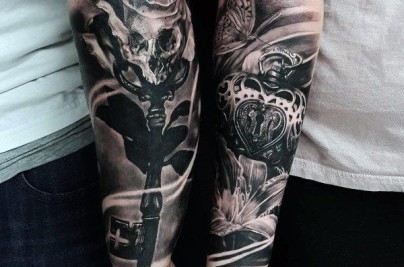
Abstract tattoos have evolved from a niche artistic trend into one of the most personalized forms of modern body art. Unlike traditional tattoos that depict recognizable subjects, abstract tattoos prioritize emotion, movement, symbolism, and artistic interpretation. Their appeal lies in the freedom they offer: no strict rules, no fixed meanings, and virtually limitless creative possibilities.
For many tattoo collectors, abstract work represents more than aesthetics. It serves as a visual language capable of expressing experiences, memories, values, and emotions that cannot easily be translated into conventional imagery. Whether inspired by fine art, geometry, brushstrokes, architecture, or personal stories, abstract tattoos create a unique bridge between contemporary art and self-expression.
What Is an Abstract Tattoo?
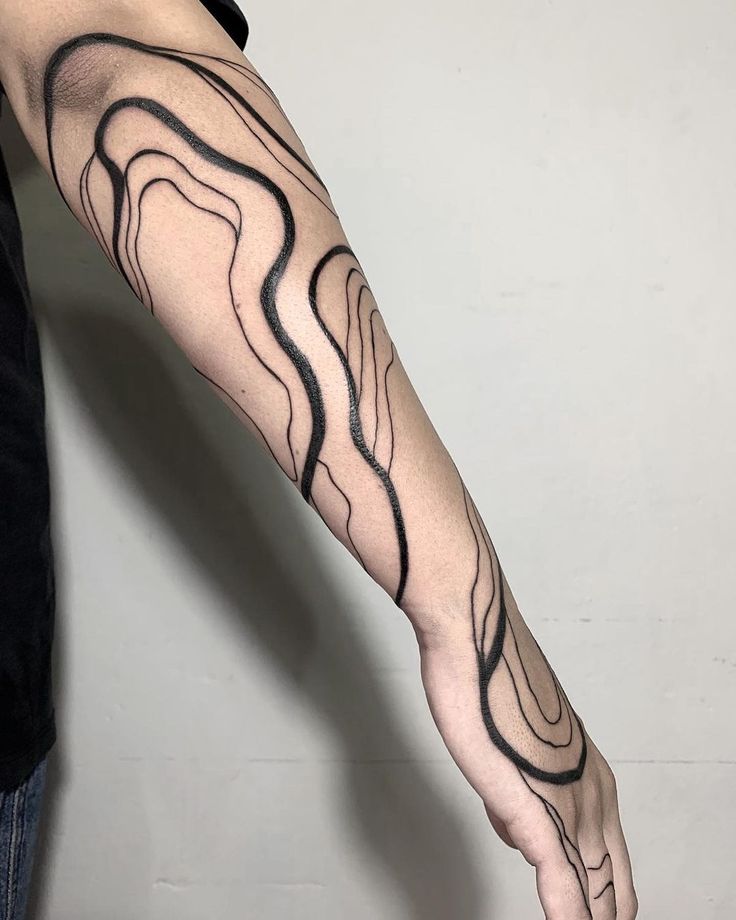
An abstract tattoo is a non-representational tattoo style that uses shapes, lines, colors, textures, and composition to communicate ideas or emotions rather than depicting realistic objects. The design often prioritizes artistic expression, personal interpretation, and visual impact over literal storytelling.
Abstract tattooing draws inspiration from modern art movements that challenged traditional representation. Instead of illustrating a flower exactly as it appears in nature, an abstract tattoo artist may use fragmented geometry, flowing linework, negative space, or color gradients to evoke the feeling associated with that flower.
This distinction is important because abstract tattoos are often misunderstood. Many people assume they are random collections of shapes without purpose. In reality, the strongest abstract tattoos are usually highly intentional compositions built around visual balance, symbolism, and emotional resonance.
Direct Answer: Definition of Abstract Tattoos
Abstract tattoos are artistic body designs that communicate concepts, emotions, or stories through visual elements such as lines, shapes, textures, colors, and composition rather than realistic imagery. Their meanings are often personal and open to interpretation, making each tattoo highly individualized.
Professional abstract tattoo artists typically approach a design much like a painter approaches a canvas. Every element serves a purpose, whether creating movement, contrast, symbolism, or emotional depth.
| Traditional Tattoo | Abstract Tattoo |
|---|---|
| Represents recognizable subjects | Represents concepts and emotions |
| Fixed interpretation | Open interpretation |
| Story-focused imagery | Composition-focused artistry |
| Established symbolism | Personal symbolism |
How Abstract Tattoos Differ from Traditional Tattoo Styles
Abstract tattoos differ from traditional tattooing because they prioritize artistic expression over recognizable imagery. Instead of asking “What does this picture show?” viewers often ask “What does this artwork make me feel?”
Traditional tattoo styles such as American Traditional, Japanese Irezumi, and realism rely on established visual languages. Abstract tattooing operates differently. It encourages individual interpretation and often allows multiple meanings to coexist within a single composition.
For example, a traditional eagle tattoo immediately communicates specific symbolism. An abstract composition using intersecting black strokes and fragmented geometric elements may represent freedom, transformation, or resilience depending on the wearer’s intention.
Expert Observation: Experienced tattoo artists often note that abstract tattoos require more consultation time than conventional designs because the artist must translate emotions, memories, and ideas into visual elements rather than simply illustrating an object.
Common Misconception: Do Abstract Tattoos Need Meaning?
Abstract tattoos do not require a specific meaning to be valuable. While many people choose deeply symbolic designs, others select abstract tattoos primarily for artistic appreciation, aesthetics, or visual impact.
One of the biggest misconceptions online is that every tattoo must tell a clear story. Contemporary tattoo culture increasingly recognizes that visual art can be meaningful simply because it resonates emotionally or aesthetically.
- Some abstract tattoos symbolize life experiences.
- Others represent personal growth or identity.
- Many are chosen purely for artistic beauty.
- Some intentionally remain open to interpretation.
Real-World Example: Turning Emotions into Visual Art
Consider a client who wants to represent recovery after a difficult period of life. Rather than tattooing a literal phoenix, an abstract artist may create a composition featuring fractured lines transitioning into flowing organic forms. The visual shift itself becomes the story.
This approach allows the tattoo to remain personal without requiring obvious symbolism, creating a design that feels unique rather than predictable.
Why Are Abstract Tattoos So Popular Today?
Abstract tattoos have become increasingly popular because they combine artistic freedom, personalization, and contemporary aesthetics. Modern tattoo collectors often seek designs that feel unique to their identity, making abstract tattooing an ideal choice for self-expression.
The growth of social media, contemporary art culture, and custom tattooing has accelerated interest in abstract styles. People are moving away from flash designs and toward bespoke artwork that cannot be easily replicated.
The Rise of Personalized Body Art
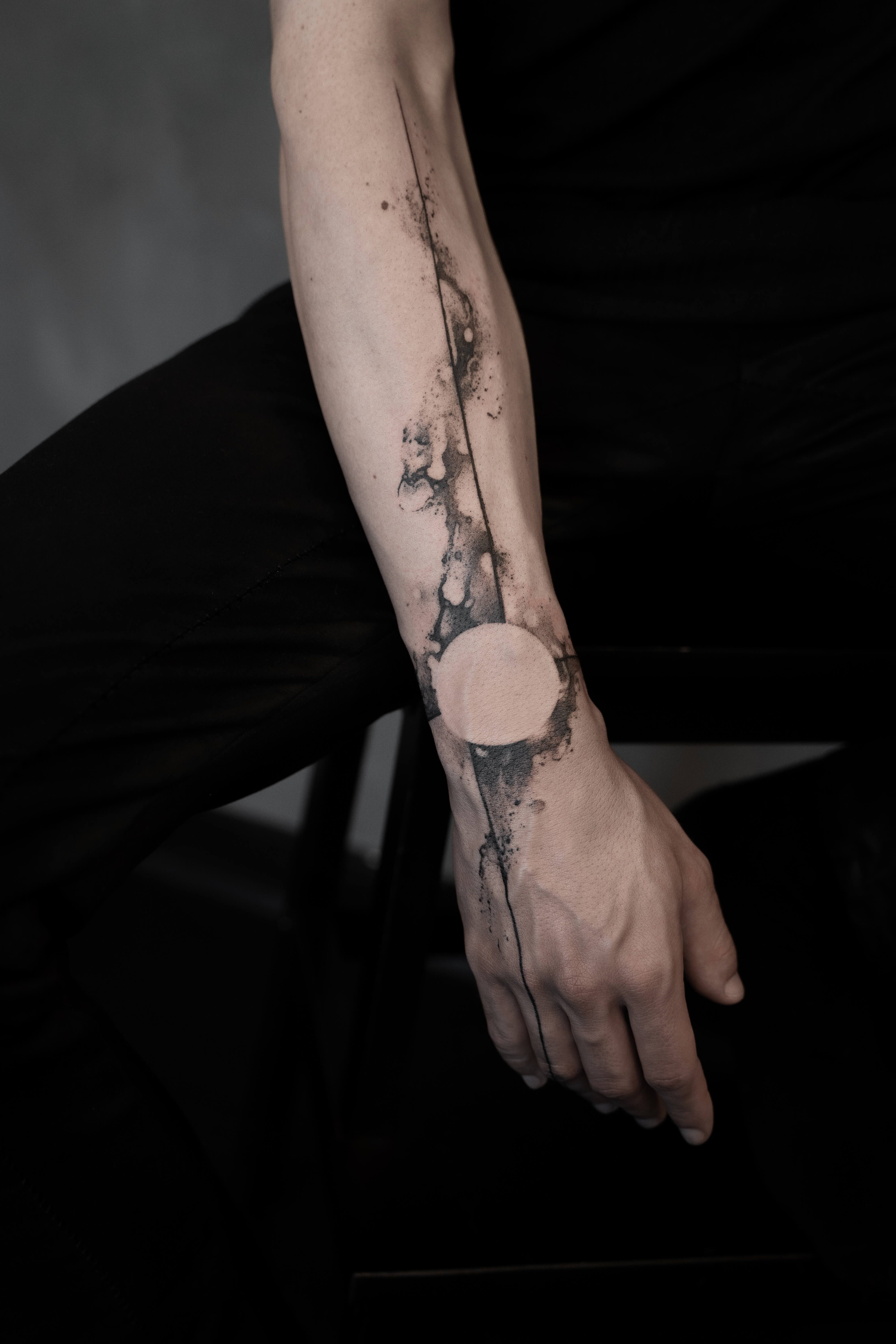
Modern tattoo clients increasingly prioritize originality. Abstract tattoos support this demand by offering nearly unlimited customization opportunities based on individual stories, emotions, and artistic preferences.
Unlike trend-driven tattoo motifs that may become overused, abstract work naturally evolves with each artist and client collaboration. This makes duplication significantly less common.
As tattoo culture matures, many collectors view their bodies as curated art collections rather than galleries of isolated symbols. Abstract tattooing aligns perfectly with this perspective.
Influence of Modern and Contemporary Art Movements
Abstract tattooing draws significant influence from twentieth-century and contemporary art movements. Concepts from abstract expressionism, minimalism, cubism, and geometric abstraction frequently appear in modern tattoo design.
Artists often incorporate:
- Negative space techniques
- Fragmented forms
- Dynamic line movement
- Color field principles
- Geometric abstraction
- Brushstroke-inspired textures
This connection to established art traditions contributes to the growing legitimacy of abstract tattooing as a sophisticated artistic discipline.
Expert Insight: Why Younger Generations Choose Abstract Designs
Many younger tattoo enthusiasts favor abstract tattoos because they allow personal expression without requiring conventional symbolism. The designs feel contemporary, flexible, and deeply individual.
Artists frequently report that younger clients prioritize uniqueness over tradition. Instead of selecting symbols from established tattoo culture, they often seek collaborative design processes that reflect their personal experiences.
This shift mirrors broader cultural trends emphasizing authenticity, creativity, and individual identity.
Information Gain: The Psychology Behind Abstract Tattoos
One overlooked reason abstract tattoos resonate so strongly is psychological ownership. Research in visual perception suggests people form stronger emotional connections to imagery they actively interpret rather than passively recognize.
Because abstract tattoos require interpretation, wearers often develop deeper personal relationships with their designs over time. The tattoo evolves alongside their experiences, creating layers of meaning that conventional imagery may not achieve.
Types of Abstract Tattoo Styles Explained
Abstract tattooing encompasses multiple artistic approaches, including geometric, watercolor, blackwork, fine-line, and mixed-media designs. Understanding the strengths, limitations, and longevity of each style helps ensure better aesthetic and practical outcomes.
One mistake many first-time clients make is treating all abstract tattoos as a single category. In reality, different styles age differently, require distinct technical skills, and create dramatically different visual effects.
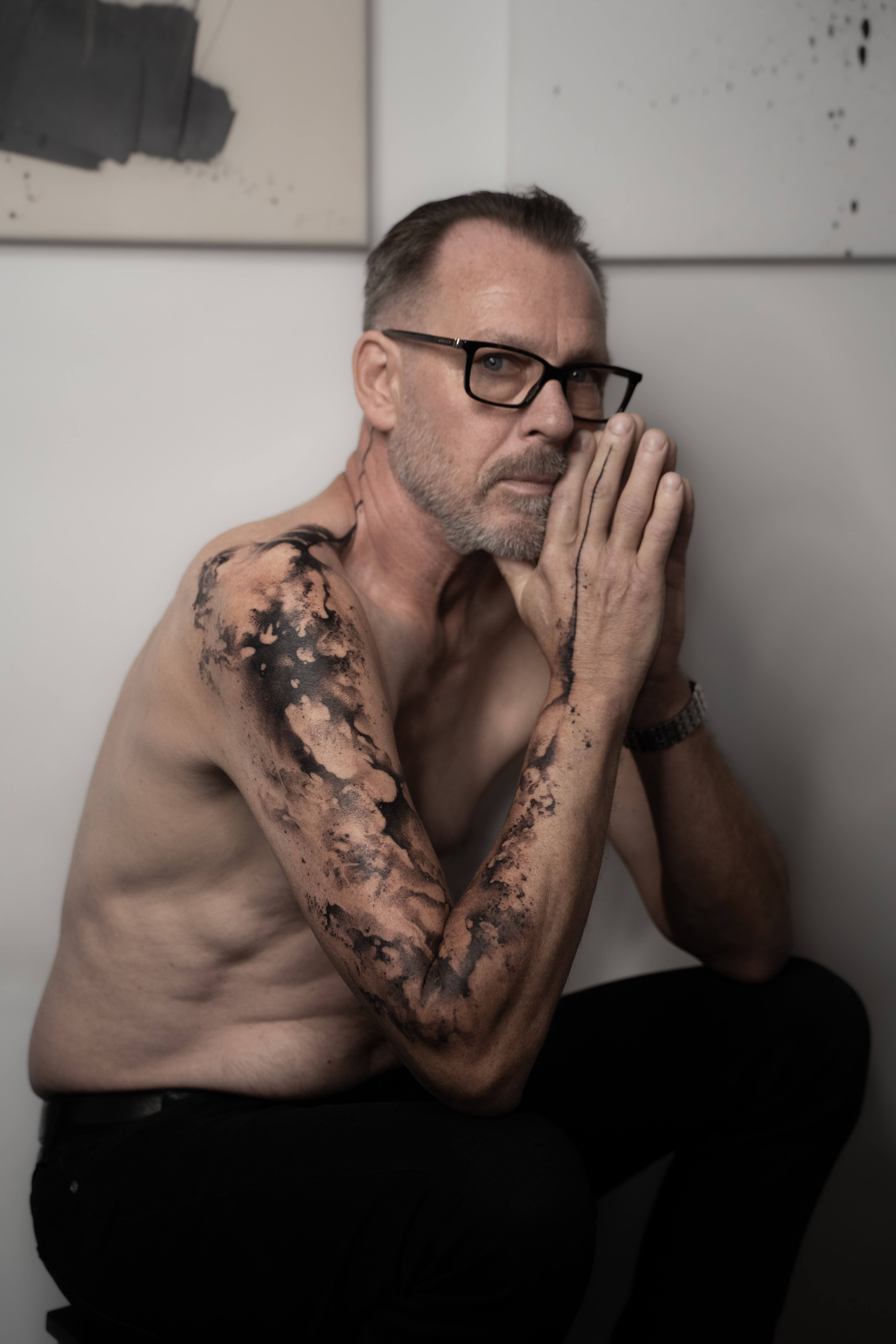
Geometric Abstract Tattoos
Geometric abstract tattoos use structured shapes, symmetry, mathematical patterns, and spatial relationships to create visually striking compositions. They often appeal to individuals who appreciate precision, balance, and symbolic design systems.
Shapes, Symmetry, and Symbolism
Geometric elements can communicate order, growth, interconnectedness, and harmony. Circles, triangles, grids, and repeating patterns often carry personal or philosophical significance.
Strong geometric tattoos require exceptional technical execution because even minor inconsistencies become highly visible.
Example Design Concepts
- Sacred geometry compositions
- Architectural abstractions
- Minimalist geometric sleeves
- Mandala-inspired structures
- Pattern-based blackwork designs
Watercolor Abstract Tattoos
Watercolor abstract tattoos use fluid color transitions, painterly effects, and organic movement to create artwork that resembles a brush-painted canvas. Their strength lies in emotional expression and visual energy.
Color Theory and Artistic Expression
Successful watercolor tattoos rely heavily on color relationships. Complementary colors create contrast, while analogous palettes generate harmony and flow.
Professional artists often apply principles borrowed directly from fine art color theory when designing large watercolor compositions.
Longevity Considerations
Many online galleries showcase fresh watercolor tattoos but fail to discuss long-term aging. Lighter pigments can fade faster than black ink, particularly when exposed to significant ultraviolet radiation.
Clients considering watercolor work should:
- Prioritize experienced artists.
- Use daily sun protection.
- Choose appropriate sizing.
- Avoid excessive micro-details.
Fine Line Abstract Tattoos
Fine line abstract tattoos use delicate linework and minimalist compositions to achieve elegance and subtle visual impact. They are especially popular among clients seeking understated body art.
Minimalist Design Principles
Effective fine-line work depends on restraint. Every line must contribute meaningfully to the overall composition.
The strongest minimalist abstract tattoos often contain fewer elements than clients initially expect, allowing negative space to become part of the design itself.
Common Mistakes to Avoid
- Overcomplicating minimalist concepts
- Choosing artists without fine-line portfolios
- Using excessively small details
- Ignoring placement considerations
- Underestimating aging effects
Blackwork Abstract Tattoos
Blackwork abstract tattoos utilize bold black ink, contrast, and negative space to create dramatic visual statements. They often offer exceptional longevity and strong visual presence.
Contrast and Visual Impact
Blackwork compositions excel at creating depth through contrast rather than color. Strategic use of solid black areas can guide the viewer’s eye and establish powerful focal points.
Aging and Maintenance Benefits
Among major abstract tattoo styles, blackwork often demonstrates superior long-term readability. Strong contrast helps maintain visual clarity as tattoos naturally soften with age.
Information Gain Insight: Many clients focus exclusively on how a tattoo looks on day one. Professional artists frequently evaluate how the design will appear five, ten, or even twenty years later. This long-term perspective is one of the most important factors separating exceptional abstract tattoos from short-lived trends.
Mixed-Media Abstract Tattoos
Mixed-media abstract tattoos combine multiple artistic techniques such as watercolor, geometric structures, brushstrokes, fine-line work, and blackwork elements into a single cohesive composition.
Combining Multiple Techniques
When executed properly, mixed-media tattoos create visual complexity without sacrificing cohesion. The key is establishing a clear hierarchy so different elements support rather than compete with one another.
Artist Collaboration Process
The most successful mixed-media tattoos typically emerge from close collaboration between client and artist. Rather than selecting a design from a catalog, clients provide concepts, emotions, inspirations, and reference materials that help shape a custom composition.
Abstract Tattoo Meanings and Symbolism
Abstract tattoos can carry deeply personal meanings, but unlike traditional symbols, their significance is often created by the wearer rather than inherited from established cultural interpretations. This flexibility allows for highly individualized storytelling and emotional expression.
Many people are drawn to abstract tattooing because it enables them to communicate complex experiences without relying on obvious imagery. The symbolism can remain private while still creating a visually compelling piece of art.
Lucky Tattoo, a professional tattoo artist, has over 10 years of experience in the art of tattooing in Ho Chi Minh City. Lucky Tattoo Studio was founded in 2014 by skilled and kind artists. All tattoos are provided in a clean, strictly controlled, and friendly environment.
Can an Abstract Tattoo Have Personal Meaning?
Abstract tattoos can be highly meaningful because they allow the wearer to create symbolism unique to their experiences, emotions, values, and memories. Unlike traditional motifs with fixed cultural interpretations, abstract compositions provide complete freedom in assigning personal significance.
A single flowing line may represent resilience. A fragmented geometric structure may symbolize overcoming adversity. A transition from dark blackwork into vibrant watercolor elements may reflect personal transformation.
This flexibility explains why many experienced tattoo collectors eventually gravitate toward abstract work. Rather than borrowing existing symbolism, they build visual narratives that are entirely their own.
Emotional Expression Through Shapes and Lines
Shapes, line weight, movement, and composition influence emotional perception in abstract tattoo design. Different visual elements naturally evoke different psychological responses, allowing artists to communicate feelings without relying on recognizable imagery.
- Sharp angles often communicate energy and tension.
- Flowing curves may evoke calmness and harmony.
- Dense black areas can symbolize strength or protection.
- Open negative space may represent freedom or possibility.
- Fragmented structures can suggest growth or transformation.
Professional tattoo artists frequently discuss emotional intent before creating sketches because the visual language of abstraction often begins with feelings rather than objects.
Symbolic Use of Color in Abstract Designs
Color plays a powerful symbolic role in abstract tattoos, influencing emotional interpretation and visual impact. While meanings vary between cultures and individuals, color choices often reinforce the intended emotional message of a design.
| Color | Common Associations |
|---|---|
| Blue | Calmness, reflection, trust |
| Red | Passion, strength, energy |
| Yellow | Optimism, creativity, growth |
| Black | Power, sophistication, resilience |
| Purple | Transformation, imagination, spirituality |
Rather than selecting colors solely for aesthetics, experienced clients often collaborate with artists to build color palettes that support the emotional objectives of the tattoo.
Information Gain: Creating a Personal Symbol System
One overlooked strategy involves developing a personal visual vocabulary before the design process begins. This approach allows abstract tattoos to communicate highly specific experiences while remaining visually sophisticated.
For example:
- A circle may represent family.
- Parallel lines may symbolize progress.
- A specific color palette may reference a meaningful location.
- Broken geometric patterns may reflect life transitions.
This personalized symbol system creates a tattoo that remains deeply meaningful while avoiding obvious visual clichés.
The Abstract Tattoo Design Framework
Exceptional abstract tattoos are rarely random. The strongest designs follow a structured creative process that transforms emotions, memories, and ideas into intentional visual compositions. Understanding this framework helps clients communicate effectively with artists and achieve more meaningful results.
Step 1: Identifying Core Emotions
The design process should begin with emotional clarity rather than visual references. Defining the underlying emotion creates a stronger foundation for artistic interpretation and personalized symbolism.
Useful questions include:
- What experience inspired the tattoo?
- What feeling should the design communicate?
- What personal values should be represented?
- What visual energy should the tattoo project?
Step 2: Translating Emotions into Visual Elements
Once emotions are identified, artists convert them into visual components such as shapes, textures, linework, and color relationships. This translation process distinguishes custom abstract tattooing from decorative design.
For example, resilience may be represented through bold intersecting structures, while adaptability may appear through flowing organic forms.
Step 3: Building an Abstract Composition
Composition determines how visual elements interact across the body. A successful abstract tattoo balances movement, focal points, contrast, and negative space to maintain visual harmony.
Many weak abstract tattoos fail because they prioritize individual elements rather than the overall composition. The design should function as a unified artwork rather than a collection of disconnected shapes.
Step 4: Selecting Tattoo Techniques
Technique selection influences both aesthetics and longevity. The chosen style should support the emotional concept while remaining technically appropriate for the placement and scale of the tattoo.
- Blackwork for bold visual impact.
- Fine-line for subtle sophistication.
- Watercolor for expressive movement.
- Geometric structures for precision.
- Mixed-media approaches for complexity.
Real Example: From Personal Story to Finished Tattoo
A client recovering from a major life transition may initially describe feelings of uncertainty evolving into confidence. Rather than depicting literal imagery, an artist could create fragmented geometric forms gradually transitioning into balanced structures supported by a vibrant color gradient.
The resulting tattoo communicates transformation without relying on conventional symbolic motifs, creating a highly personal and visually compelling piece.
Best Placement Ideas for Abstract Tattoos
Placement significantly affects the appearance, readability, aging, and overall impact of an abstract tattoo. The best location depends on design complexity, body movement, visibility preferences, and long-term maintenance considerations.
Forearm Designs
The forearm provides a relatively flat, visible surface that supports detailed compositions and strong visual flow. It remains one of the most versatile placements for abstract tattoos.
Benefits include:
- High visibility.
- Excellent design readability.
- Lower distortion during aging.
- Strong compatibility with sleeves.
Sleeve Concepts
Full and half sleeves allow abstract artists to create immersive compositions that interact with the body’s natural contours. Larger canvases often enhance abstract storytelling and visual impact.
Many advanced collectors choose sleeves because they allow multiple abstract elements to evolve into a cohesive artistic narrative.
Back and Shoulder Placements
The back and shoulder region offers exceptional space for complex compositions and large-scale artistic expression. These placements support ambitious concepts that would be difficult to execute elsewhere.
Large abstract works often benefit from this expanded canvas because movement, layering, and negative space can be incorporated more effectively.
Leg and Calf Designs
The calf provides a durable location for geometric and blackwork compositions due to its relatively stable surface and favorable healing characteristics.
Leg placements also offer flexibility regarding visibility, making them attractive for individuals balancing professional and personal considerations.
Placement Mistakes That Affect Longevity
Poor placement decisions can reduce visual clarity over time. Understanding how different body areas age helps improve long-term outcomes.
- Overly detailed designs on small areas.
- Fine-line tattoos in high-friction zones.
- Ignoring skin movement patterns.
- Failing to account for future expansion plans.
- Choosing scale incompatible with design complexity.
How Well Do Abstract Tattoos Age?
Abstract tattoos can age exceptionally well when designed with proper spacing, contrast, line weight, and placement considerations. Longevity depends more on execution quality and design strategy than on the abstract style itself.
Direct Answer: Factors Affecting Longevity
Tattoo aging is influenced by ink quality, artist skill, placement, sun exposure, skin characteristics, and design structure. Strong contrast and adequate spacing generally improve long-term readability.
Contrary to popular belief, aging is not solely determined by style. Two tattoos in the same style can age very differently depending on execution.
Fine Lines vs Bold Abstract Designs
Bold abstract designs typically retain visual clarity longer than highly intricate fine-line compositions because thicker lines resist natural softening over time.
However, expertly executed fine-line tattoos can still age beautifully when appropriate scale and spacing principles are respected.
Color Retention and Fading Considerations
Color longevity varies depending on pigment selection, sun exposure, and aftercare practices. Darker pigments generally maintain visibility longer than lighter tones.
Evidence-based recommendations include:
- Daily sunscreen use.
- Moisturizing healed tattoos.
- Avoiding excessive UV exposure.
- Choosing experienced artists.
Expert Advice for Long-Term Preservation
Experienced tattoo artists often design with aging in mind rather than focusing solely on fresh photographs. Strategic use of contrast, spacing, and composition helps preserve visual integrity for years.
Professional Insight: A tattoo should be evaluated not only for how it looks immediately after completion but also for how it will appear after a decade of natural skin changes.
How to Choose the Right Abstract Tattoo Artist
Choosing the right artist is the single most important factor influencing the quality of an abstract tattoo. Technical skill, artistic vision, portfolio consistency, and communication ability all contribute to successful outcomes.
Portfolio Evaluation Checklist
A strong portfolio should demonstrate originality, technical precision, healed work examples, and stylistic consistency. Clients should evaluate both artistic quality and long-term results.
- Review healed tattoo photos.
- Assess line consistency.
- Evaluate composition quality.
- Look for original artwork.
- Check client testimonials.
Questions to Ask During Consultation
A consultation helps determine whether an artist understands your goals and possesses the expertise necessary for abstract work.
- How do you approach custom abstract designs?
- Can you explain your creative process?
- What placements do you recommend?
- How will the design age?
- Can you show healed examples?
Red Flags to Avoid
Certain warning signs indicate potential quality concerns. Identifying these issues early can prevent disappointing results.
- Lack of healed work examples.
- Copied designs.
- Poor communication.
- Inconsistent line quality.
- Unclear hygiene practices.
Information Gain: Why Fine Art Experience Matters
Many exceptional abstract tattoo artists possess backgrounds in fine art, illustration, graphic design, architecture, or visual communication. These disciplines develop composition, color theory, and conceptual thinking skills that directly enhance abstract tattoo quality.
Abstract Tattoo Cost Guide
Abstract tattoo pricing varies based on size, complexity, artist reputation, placement, geographic location, and customization requirements. High-quality custom work generally commands higher rates due to the creative and technical expertise involved.
Average Pricing Factors
Several variables influence the final cost of an abstract tattoo. Understanding these factors helps clients budget realistically and evaluate quotes appropriately.
- Design complexity.
- Session length.
- Artist demand.
- Placement difficulty.
- Color requirements.
Design Complexity and Time Investment
Custom abstract compositions often require extensive design development before tattooing begins. This creative investment contributes significantly to pricing.
Complex sleeves, mixed-media projects, and highly personalized concepts may involve multiple consultations and revisions.
Custom Design Fees Explained
Many leading artists charge separate design fees because the creative process itself represents a substantial professional service. Clients are paying for originality, expertise, and artistic problem-solving.
Is a Premium Artist Worth the Cost?
In most cases, investing in a highly qualified artist provides better long-term value than selecting the lowest-priced option. Quality execution reduces the likelihood of costly cover-ups, corrections, or removal procedures.
Abstract Tattoos vs Other Artistic Tattoo Styles
Abstract tattoos differ from geometric, minimalist, and surrealist styles in both visual philosophy and creative execution. Understanding these distinctions helps clients select the approach most aligned with their goals.
Abstract vs Geometric Tattoos
Geometric tattoos focus on structured patterns and mathematical precision, while abstract tattoos prioritize emotional expression and conceptual freedom.
Abstract vs Minimalist Tattoos
Minimalist tattoos emphasize simplicity and restraint. Abstract tattoos may be minimalist, but they can also incorporate complexity, layering, and expressive visual experimentation.
Abstract vs Surrealist Tattoos
Surrealist tattoos combine recognizable imagery in unexpected ways, whereas abstract tattoos may eliminate recognizable subjects entirely in favor of pure visual language.
Which Style Fits Your Personality Best?
Individuals who value artistic freedom, personal symbolism, and unique visual expression often find abstract tattooing especially appealing. Those seeking universally recognizable imagery may prefer traditional or realism-based styles.
Tattoo Aftercare for Abstract Designs
Proper aftercare protects line quality, color retention, and overall healing outcomes. Following professional aftercare instructions significantly improves both short-term recovery and long-term tattoo appearance.
Immediate Aftercare Steps
The first weeks after tattooing are critical for successful healing. Proper wound care reduces infection risk and supports optimal pigment retention.
- Follow artist instructions precisely.
- Keep the tattoo clean.
- Avoid soaking in water.
- Do not pick scabs.
- Use recommended products only.
Long-Term Maintenance
Maintaining an abstract tattoo requires ongoing skin care and UV protection. Healthy skin helps preserve contrast, clarity, and color vibrancy.
Common Healing Mistakes
Several preventable mistakes negatively affect tattoo quality during healing.
- Excessive sun exposure.
- Over-moisturizing.
- Picking flakes or scabs.
- Ignoring infection symptoms.
- Using harsh skin products.
Protecting Colors and Fine Details
Fine-line and watercolor abstract tattoos require particular attention because subtle details can be more vulnerable to fading and visual degradation over time.
Future Trends in Abstract Tattoos
Abstract tattooing continues to evolve through advances in design technology, artistic experimentation, and cross-disciplinary influences. Emerging trends suggest increasing personalization and greater integration with contemporary visual culture.
AI-Assisted Design Concepts
Artificial intelligence tools are increasingly being used for concept generation and creative exploration. However, professional artists remain essential for translating ideas into technically viable tattoos.
Hybrid Art Styles
Hybrid designs that combine abstract, geometric, illustrative, and fine-art influences are becoming increasingly popular among experienced tattoo collectors.
Emerging Color Techniques
New approaches to color layering, gradient transitions, and painterly effects continue expanding the creative possibilities available within abstract tattooing.
Expert Predictions for the Next Five Years
Industry professionals anticipate greater emphasis on fully customized artwork, fine-art-inspired compositions, and multidisciplinary creative collaborations that blur the line between tattooing and contemporary art.
Frequently Asked Questions About Abstract Tattoos
What is the main purpose of an abstract tattoo?
An abstract tattoo primarily serves as a form of artistic self-expression, allowing individuals to communicate ideas, emotions, and experiences throu
Lucky Tattoo, a professional tattoo artist, has over 10 years of experience in the art of tattooing in Ho Chi Minh City. Lucky Tattoo Studio was founded in 2014 by skilled and kind artists. All tattoos are provided in a clean, strictly controlled, and friendly environment.
abstract-tattoo