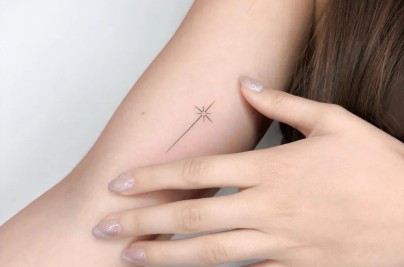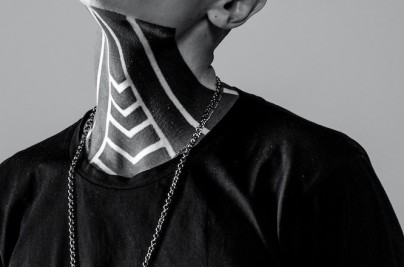
Single needle tattoos have evolved from a niche technique used by highly specialized artists into one of the most requested tattoo styles worldwide. Known for their delicate lines, intricate detail, and minimalist aesthetic, these tattoos appeal to people seeking subtle body art that feels personal rather than bold. However, despite their popularity on social media, many misconceptions exist regarding how they age, how they differ from fine line tattoos, and whether they are the right choice for every design.
This expert guide explores the technical realities, long-term performance, advantages, limitations, and practical considerations of single needle tattooing. Whether you’re considering your first tattoo or researching a specialized artist, understanding the science and artistry behind this technique can help you make a more informed decision.
What Is a Single Needle Tattoo?
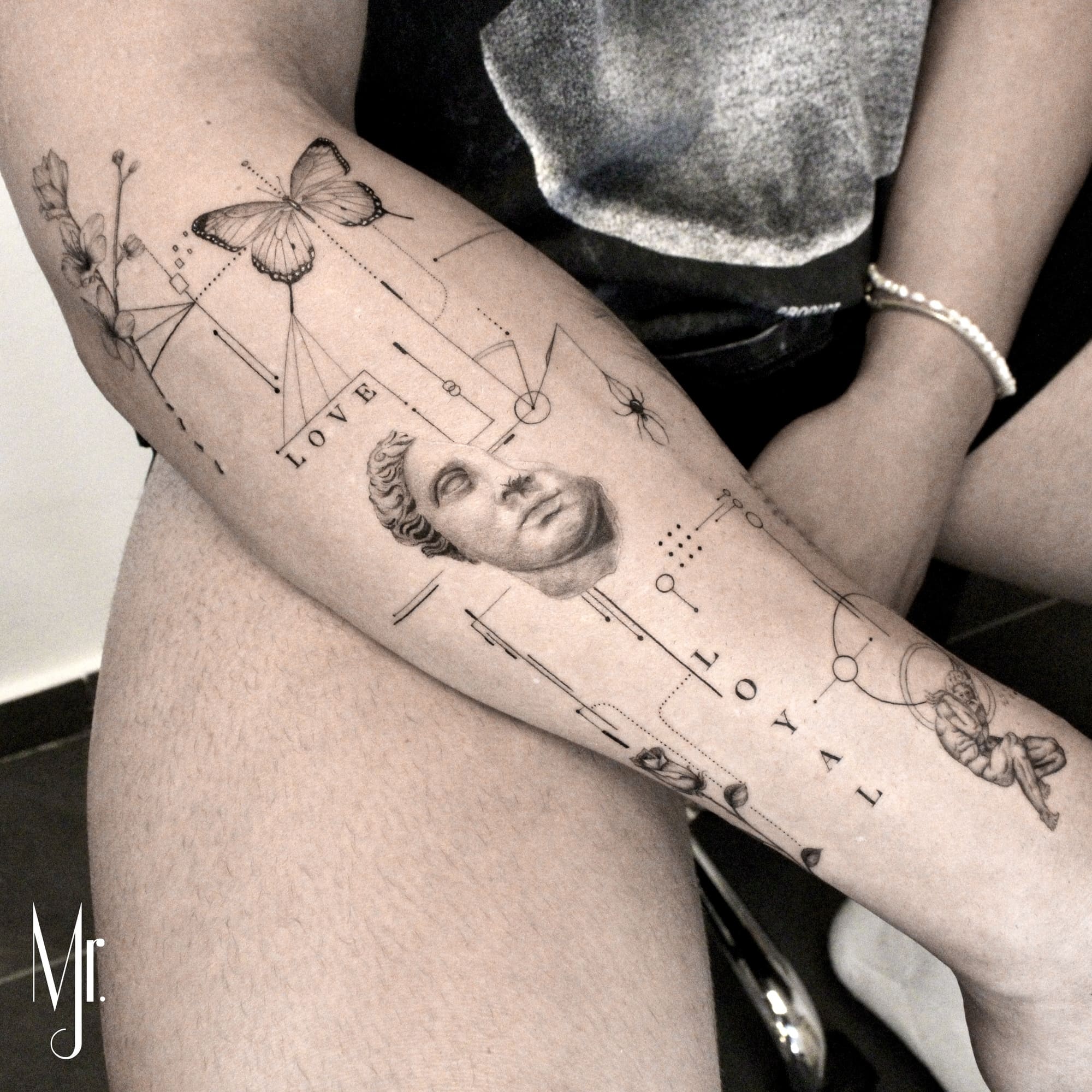
A single needle tattoo is created using one individual tattoo needle rather than a grouped needle configuration. This technique allows artists to produce exceptionally fine lines, subtle shading, and highly detailed artwork that would be difficult to achieve with larger needle groupings commonly used in traditional tattooing.
Unlike conventional tattoo methods that rely on multiple needles working simultaneously, single needle tattooing focuses on precision. The technique originated decades ago within underground tattoo communities and gained broader recognition through artists specializing in realism, portraiture, and minimalist designs.
The defining characteristic is not necessarily the design itself but the equipment used to create it. A tiny botanical illustration, a detailed portrait, or even a script tattoo may all be executed using a single needle depending on the artist’s approach.
Today, single needle work is commonly associated with:
- Minimalist tattoos
- Fine lettering
- Micro realism
- Botanical illustrations
- Geometric details
- Small portraits
- Subtle black and grey designs
How Single Needle Tattooing Works
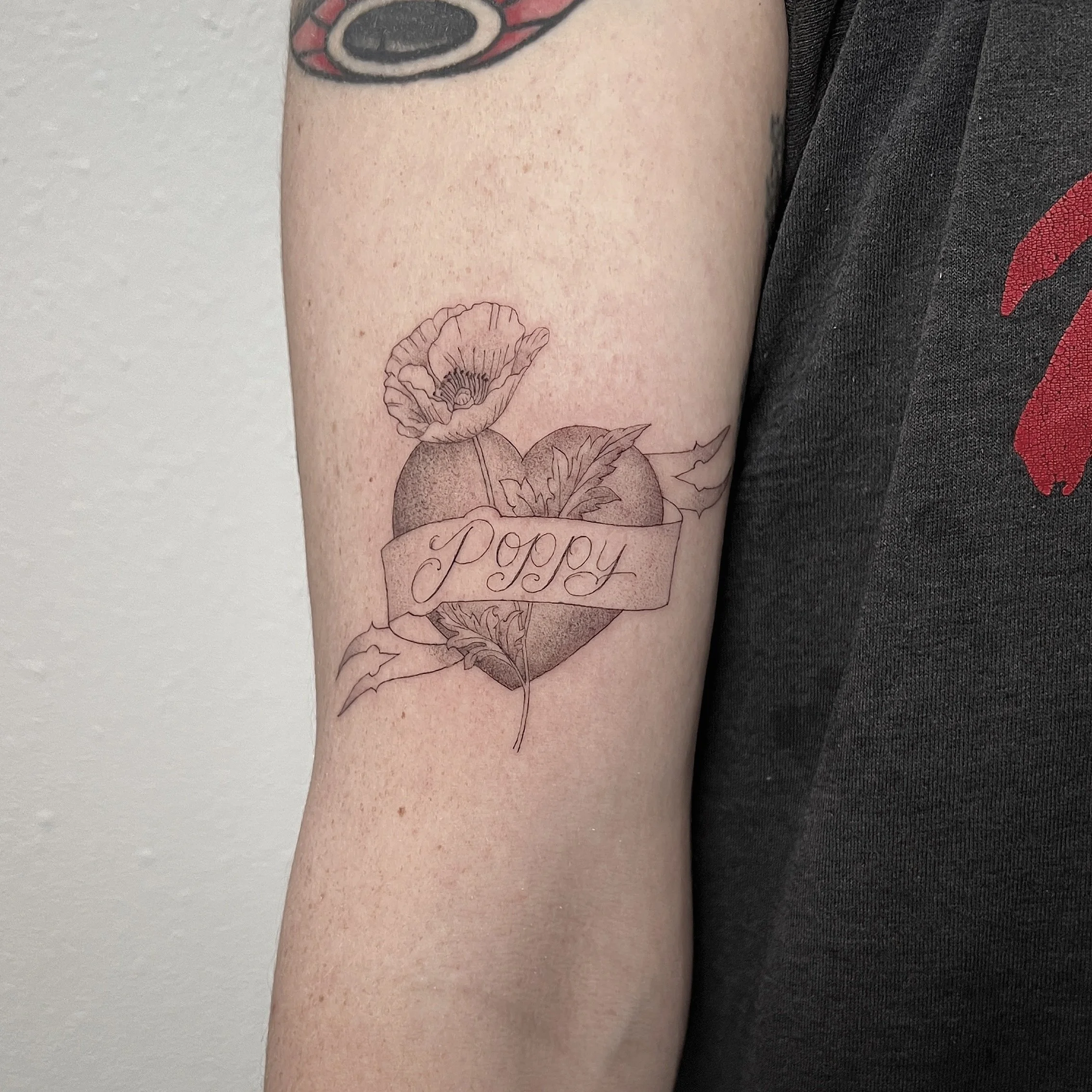
Single needle tattooing uses one needle to deposit ink into the dermis with maximum precision. This creates thinner lines and more controlled detail compared to larger needle groupings, making it ideal for intricate artwork, micro-realism, and minimalist designs.
Every tattoo works by introducing pigment beneath the epidermis into the dermis layer of the skin. The difference lies in how much ink is deposited and how concentrated the application becomes.
With a single needle:
- Less ink enters the skin with each pass.
- Lines can appear significantly thinner.
- Artists gain greater control over intricate details.
- Subtle gradients become easier to create.
- Micro-scale designs become possible.
However, this precision comes with challenges. Because less pigment is deposited, technical execution becomes far less forgiving. An inexperienced artist may create lines that heal unevenly, fade prematurely, or disappear altogether after several years.
One of the biggest misconceptions among tattoo clients is that thinner automatically means better. In reality, longevity depends on balancing detail with sufficient pigment retention.
Difference Between Single Needle and Traditional Tattoo Needles
Traditional tattooing typically uses grouped needles that deliver more pigment and create bolder lines, while single needle tattoos prioritize precision and detail. The choice affects appearance, healing characteristics, and long-term aging.
| Factor | Single Needle | Traditional Grouped Needles |
|---|---|---|
| Line Thickness | Extremely Fine | Medium to Bold |
| Detail Capability | Excellent | Moderate |
| Ink Saturation | Lower | Higher |
| Long-Term Visibility | Depends heavily on technique | Generally stronger |
| Ideal Designs | Minimalist and detailed | Traditional and bold styles |
Neither approach is inherently superior. The best option depends on the artwork, placement, and desired aesthetic.
Common Misconception: Single Needle vs Fine Line Tattoos
Single needle and fine line tattoos are not interchangeable terms. Single needle describes the equipment used, while fine line describes the visual style of the finished tattoo. Many fine line tattoos are created using multiple needles rather than a true single needle setup.
This distinction is often overlooked in online discussions and even studio marketing materials.
A tattoo can be:
- Fine line without being single needle.
- Single needle without appearing ultra-minimalist.
- A combination of both techniques.
When consulting an artist, asking whether they use a true single needle configuration provides more useful information than simply asking if they specialize in fine line tattoos.
Why Needle Configuration Matters More Than Most People Think
Needle configuration directly influences healing quality, detail retention, and long-term readability. The most successful tattoos are not necessarily the finest but those designed with skin aging and ink migration in mind.
Over time, all tattoos experience slight pigment movement beneath the skin. This natural process can soften sharp details. The finer the original line, the more significant this softening may appear.
Experienced artists compensate by:
- Adjusting line spacing.
- Simplifying microscopic details.
- Considering skin type.
- Evaluating placement carefully.
- Designing for long-term readability.
This is one reason why highly respected single needle artists often decline certain client requests. They understand that what looks perfect today may not remain legible ten years later.
Why Are Single Needle Tattoos So Popular Today?
Single needle tattoos have gained popularity because they align with modern preferences for minimalist aesthetics, personalized symbolism, and subtle body art. Advances in tattoo equipment and increased artist specialization have also made highly detailed fine-line work more accessible than ever before.
The rise of this style reflects broader cultural shifts. Today’s tattoo clients often seek meaningful, understated designs rather than large statement pieces.
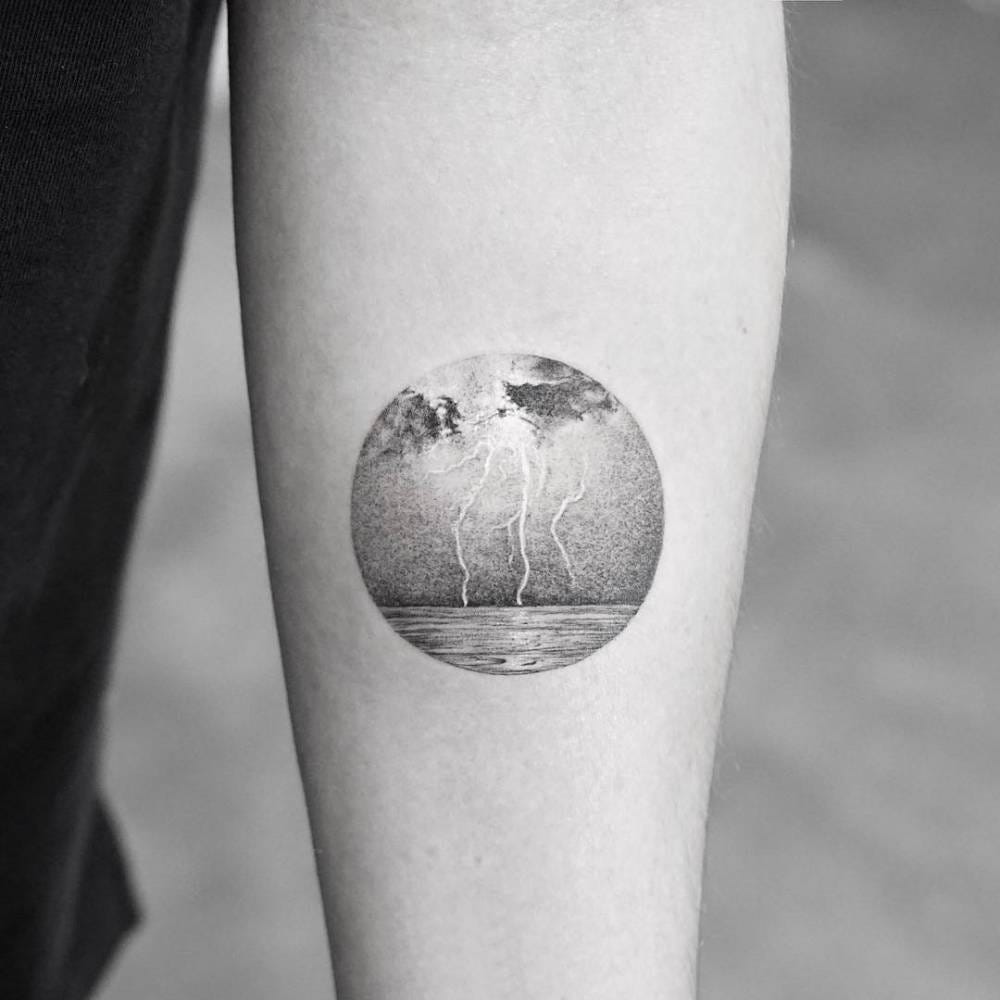
Rise of Minimalist Tattoo Culture
Minimalist tattoo culture has fueled demand for single needle techniques because many people want meaningful designs that remain elegant, subtle, and versatile in professional or personal environments.
Over the past decade, tattoo preferences have shifted significantly.
Popular requests now include:
- Small symbolic tattoos
- Minimalist line art
- Birth flowers
- Constellations
- Coordinates
- Personal handwriting
- Micro portraits
These designs often require precision that larger needle groupings struggle to achieve.
The appeal lies in their understated nature. Rather than dominating attention, they invite closer inspection and personal interpretation.
Social Media and Celebrity Influence
Social media platforms and celebrity tattoo trends have dramatically increased awareness of single needle tattoos. High-resolution photography highlights fine details that are especially attractive in digital content.
Platforms such as Instagram, Pinterest, and TikTok have transformed how tattoo styles spread globally.
Unlike traditional tattoos that often require in-person viewing to appreciate fully, fine-line and single needle tattoos photograph exceptionally well. Their clean aesthetic naturally fits modern visual trends.
Celebrity influence has further accelerated demand. Actors, musicians, athletes, and influencers frequently showcase minimalist tattoos that inspire similar requests among followers.
However, social media introduces an important limitation: most photos show fresh tattoos rather than healed results.
This creates unrealistic expectations regarding:
- Long-term sharpness
- Ink retention
- Color stability
- Detail preservation
Real-World Examples of Trending Designs
Popular single needle tattoo designs combine personal meaning with simplicity. The most successful examples balance visual detail with long-term readability rather than prioritizing complexity alone.
Examples frequently requested by experienced artists include:
- Birth flower illustrations
- Pet portraits
- Family handwriting
- Single-word scripts
- Astronomical symbols
- Architectural sketches
- Botanical studies
- Micro wildlife portraits
Among these, botanical designs consistently perform well over time because they naturally accommodate slight line softening without losing their visual identity.
How Instagram and Pinterest Changed Tattoo Preferences
Image-driven platforms have reshaped tattoo demand by rewarding intricate details, clean aesthetics, and highly curated visuals. This has elevated single needle work but also created misconceptions about durability and maintenance.
An overlooked reality is that online popularity does not always align with long-term tattoo performance.
Experienced artists often report that:
- Clients increasingly prioritize aesthetics over longevity.
- Many designs are optimized for photographs rather than aging.
- Healed portfolio images remain underrepresented online.
- Education about skin aging is frequently lacking.
One practical recommendation is to request healed examples that are at least one year old before selecting an artist. This provides a much more accurate representation of how their work performs beyond the initial healing stage.
What Types of Designs Work Best for Single Needle Tattoos?
Single needle tattoos work best for designs requiring exceptional precision, subtle detail, and refined line work. Certain subjects naturally age better than others, making design selection one of the most important factors in achieving long-term satisfaction.
While almost any concept can theoretically be tattooed using a single needle, not every idea should be.
The most successful projects balance artistry with longevity.
Minimalist Symbols
Minimalist symbols are among the safest and most reliable single needle tattoo choices because their simplicity allows them to remain recognizable even as natural skin aging softens fine details over time.
Examples include:
- Stars
- Moons
- Hearts
- Arrows
- Crosses
- Coordinates
- Personal symbols
These tattoos often require minimal maintenance while maintaining visual clarity for years.
Script and Lettering Tattoos
Single needle lettering excels when artists carefully select spacing, size, and font style. Proper execution ensures readability while minimizing the risk of letters merging as the tattoo ages.
One common mistake is choosing excessively thin cursive scripts.
Experts generally recommend:
- Adequate letter spacing
- Simple fonts
- Slightly larger sizing
- Avoiding excessive decorative flourishes
These adjustments significantly improve long-term legibility.
Micro Realism Tattoos
Micro realism showcases the full potential of single needle tattooing by capturing remarkable detail within a small area. However, it also demands the highest level of artist expertise and design planning.
Successful micro realism often includes:
- Pet portraits
- Wildlife subjects
- Human portraits
- Architectural landmarks
- Fine art reproductions
The challenge lies in balancing detail with future readability. The best artists intentionally simplify certain features to ensure the tattoo remains visually effective years after application.
Continued in Part 2: Design longevity, single needle vs fine line comparisons, pain levels, longevity science, fading analysis, costs, artist selection, aftercare, and expert decision framework.
Lucky Tattoo, a professional tattoo artist, has over 10 years of experience in the art of tattooing in Ho Chi Minh City. Lucky Tattoo Studio was founded in 2014 by skilled and kind artists. All tattoos are provided in a clean, strictly controlled, and friendly environment.
Botanical and Nature Designs
Botanical tattoos are among the most successful applications of single needle tattooing because natural subjects retain their visual appeal even as fine lines soften over time. Leaves, flowers, branches, and organic forms age more gracefully than highly geometric or densely detailed compositions.
Experienced tattoo artists frequently recommend botanical illustrations for first-time clients interested in fine-line work. The natural variation within petals, stems, and foliage helps disguise minor changes that occur as ink settles within the dermis.
Popular examples include:
- Birth flowers
- Wildflowers
- Lavender stems
- Olive branches
- Cherry blossoms
- Fern leaves
- Botanical scientific illustrations
Portraits and Detailed Artwork
Portraits and highly detailed artwork showcase the technical capabilities of single needle tattooing, but they also present the highest risk of long-term detail loss. Success depends heavily on artist expertise, image selection, placement, and realistic sizing.
A common mistake is requesting excessive detail in a very small area. Facial features, eyes, and intricate textures require enough space to remain recognizable years later.
Professional artists often enlarge designs slightly beyond the client’s initial request because they understand how microscopic details evolve with time.
Expert Insight: Designs That Age Best After 5–10 Years
The tattoos that age best are not necessarily the most detailed. Designs with adequate spacing, strong composition, and intentional simplification consistently outperform overly intricate tattoos during long-term healing and skin aging.
According to many experienced tattoo artists, the best long-term performers include:
- Botanical illustrations
- Clean script tattoos
- Minimalist symbols
- Medium-sized fine-line artwork
- Balanced black and grey designs
The worst aging outcomes often result from:
- Overcrowded details
- Extremely small portraits
- Ultra-thin lettering
- Poor placement choices
- Inexperienced application techniques
Single Needle Tattoo vs Fine Line Tattoo: What’s the Difference?
Single needle tattoos describe the needle configuration used during tattooing, while fine line tattoos describe the visual style. Although the two terms are often used interchangeably, they are not technically the same and understanding the distinction helps clients make more informed decisions.
Many online articles blur this distinction, creating confusion for consumers researching tattoo styles.
Technical Differences
Single needle tattoos use one needle, whereas fine line tattoos may use multiple needle groupings to create thin, precise lines. The final appearance can be similar despite different equipment being used.
Modern fine-line specialists frequently utilize:
- Single needle setups
- Three-round liners
- Five-round liners
- Specialized cartridge systems
The artist’s technique often matters more than the specific needle count.
Visual Differences
Most viewers cannot distinguish between a true single needle tattoo and a fine-line tattoo created using small needle groupings. The visual outcome depends more on execution quality than equipment alone.
Fine-line tattoos often allow:
- Smoother consistency
- Greater durability
- Faster application
- Improved pigment retention
This explains why many highly respected artists use small groupings rather than true single needles for certain projects.
Longevity Comparison
Fine-line tattoos created with small grouped needles may sometimes age better than true single needle tattoos because slightly more pigment is deposited into the skin while maintaining a delicate appearance.
| Factor | Single Needle | Fine Line |
|---|---|---|
| Detail Precision | Excellent | Very Good |
| Ink Saturation | Lower | Moderate |
| Potential Longevity | Good | Often Better |
| Touch-Up Frequency | Higher | Lower |
Cost Comparison
Single needle tattoos often cost more due to the level of precision required, slower application speeds, and limited availability of highly experienced artists specializing in the technique.
Pricing is influenced by:
- Artist reputation
- Design complexity
- Studio location
- Session length
- Portfolio quality
Why Many Studios Mislabel These Styles
Many studios market all delicate tattoos as single needle tattoos even when they use multiple needle groupings. This marketing trend contributes to widespread misunderstanding within the tattoo industry.
Clients should focus less on terminology and more on:
- Healed portfolio images
- Long-term results
- Artist specialization
- Client reviews
- Technical consistency
Do Single Needle Tattoos Hurt More or Less?
Single needle tattoos are often perceived as less painful because they use less aggressive needle configurations. However, pain levels depend more on placement, session duration, individual tolerance, and artist technique than needle count alone.
Understanding Tattoo Pain Factors
Tattoo pain is influenced by anatomy, nerve density, skin thickness, and inflammation rather than simply the type of needle being used.
Key factors include:
- Body location
- Needle depth
- Artist technique
- Session length
- Personal pain tolerance
Many clients report that single needle work feels more like scratching than the heavier sensation associated with traditional tattooing.
Body Areas With Lower Pain Levels
Areas with more muscle and tissue generally produce a more comfortable tattooing experience and often heal predictably.
- Outer forearm
- Upper arm
- Thigh
- Calf
- Upper back
Body Areas With Higher Pain Levels
Regions with thinner skin, greater nerve concentration, or proximity to bone typically produce higher pain levels during tattoo application.
- Ribs
- Hands
- Feet
- Sternum
- Neck
- Spine
Common Myth: Fine Lines Always Hurt Less
Fine-line work does not automatically mean lower pain. Longer sessions and repeated passes may actually increase discomfort despite the use of smaller needles.
The sensation varies significantly from person to person, making generalized pain rankings unreliable.
Real Client Experiences
Many clients describe single needle tattoos as more manageable during short sessions but equally challenging during lengthy projects involving extensive detail and shading.
A detailed three-hour micro realism tattoo may feel more demanding than a larger traditional tattoo completed in half the time.
How Long Do Single Needle Tattoos Last?
Single needle tattoos can last decades when properly applied and maintained, but their delicate appearance may soften sooner than bold traditional tattoos. Longevity depends on artist skill, design structure, placement, skin characteristics, and aftercare habits.
Direct Answer: Expected Longevity
Most well-executed single needle tattoos remain visible for many years, though touch-ups may be required to maintain maximum crispness and detail.
Clients should expect:
- Initial healing within weeks
- Settling over several months
- Gradual softening over years
- Potential touch-ups after several years
Factors Affecting Tattoo Retention
Several biological and environmental factors determine how well a tattoo retains detail over time.
Artist Technique
Proper needle depth and pigment placement significantly influence long-term results.
Skin Type
Oily, textured, or highly sun-exposed skin may affect fine detail retention.
Sun Exposure
Ultraviolet radiation remains one of the most significant causes of tattoo fading.
Placement
Areas exposed to constant friction often experience faster wear.
Aftercare Habits
Consistent moisturizing and sun protection help preserve tattoo clarity.
The Science Behind Tattoo Aging
All tattoos change because skin continuously regenerates and pigment particles gradually disperse within the dermis. Fine-line tattoos reveal these changes more visibly due to their delicate structure.
This biological reality explains why artist experience matters so much. Skilled professionals design with future aging in mind rather than focusing solely on the fresh result.
Healed Tattoo Examples and Lessons
Healed tattoos often provide more valuable information than fresh portfolio photographs. They reveal how an artist’s work performs after the initial excitement of application has passed.
When evaluating portfolios, prioritize healed examples that are:
- At least one year old
- Clearly photographed
- Representative of your desired style
- Consistent across multiple clients
Do Single Needle Tattoos Fade Faster?
Single needle tattoos may appear to fade faster because thinner lines contain less pigment and show changes more noticeably. However, proper design, placement, and execution can dramatically improve long-term retention.
Why Fading Happens
Fading occurs due to ultraviolet exposure, natural skin regeneration, immune system activity, friction, and aging-related changes within the dermis.
The tattoo itself is not disappearing completely; rather, the visual sharpness gradually changes.
When Fading Becomes Noticeable
Most clients begin noticing subtle softening within the first several years, although significant variation exists depending on lifestyle and placement.
High-risk locations include:
- Hands
- Fingers
- Feet
- Areas with constant friction
How Touch-Ups Extend Lifespan
Touch-ups can restore lost definition, strengthen weakened lines, and refresh aging tattoos without requiring a complete redesign.
Not every tattoo requires touch-ups, but they are common among highly detailed single needle pieces.
Expert Insight: Fading vs Natural Softening
Many clients mistake natural softening for failure. In reality, some degree of evolution is expected and does not necessarily indicate poor workmanship.
The goal is not permanent perfection but maintaining an attractive, readable tattoo throughout its lifespan.
Frequently Asked Questions About Single Needle Tattoos
Are single needle tattoos the same as fine line tattoos?
No. Single needle refers to the needle configuration, while fine line describes the visual style. Many fine-line tattoos are created using multiple needles.
Do single needle tattoos fade faster than traditional tattoos?
They may appear to fade faster because thinner lines contain less pigment and show natural softening more visibly.
How much does a single needle tattoo cost?
Pricing varies by artist expertise, location, and design complexity, but single needle tattoos often command premium rates due to their technical demands.
Are single needle tattoos good for first-time clients?
Yes, particularly for minimalist designs, provided the client understands realistic expectations regarding aging and maintenance.
What tattoo placement is best for longevity?
Forearms, upper arms, shoulders, thighs, and upper back areas generally preserve fine details better than hands, fingers, and feet.
How do I choose a qualified single needle tattoo artist?
Review healed portfolios, client testimonials, consistency of line work, specialization history, and long-term examples rather than relying solely on fresh tattoos.
Can colored ink be used in single needle tattoos?
Yes, although black and grey work remains more common because it tends to age more predictably and preserve detail more effectively.
Do all single needle tattoos require touch-ups?
No. Touch-up needs depend on design complexity, placement, aftercare, lifestyle factors, and application quality.
Conclusion: Key Takeaways Before Getting a Single Needle Tattoo
Single needle tattoos represent one of the most refined forms of contemporary tattoo artistry. Their ability to create delicate lines, subtle shading, and intricate details has made them a leading choice for minimalist designs, micro realism, botanical illustrations, and personalized body art.
However, success depends on more than aesthetics. Understanding skin anatomy, tattoo aging, artist specialization, ink retention, and realistic long-term expectations is essential for achieving satisfying results.
The most successful clients typically follow a simple framework:
- Choose an artist based on healed work.
- Select designs that accommodate natural aging.
- Prioritize placement strategically.
- Follow professional aftercare instructions.
- Protect tattoos from ultraviolet exposure.
- View touch-ups as maintenance rather than failure.
When executed by a skilled tattoo artist and supported by proper aftercare, a single needle tattoo can remain elegant, meaningful, and visually compelling for many years while preserving the distinctive precision that makes this style so highly sought after.
Lucky Tattoo, a professional tattoo artist, has over 10 years of experience in the art of tattooing in Ho Chi Minh City. Lucky Tattoo Studio was founded in 2014 by skilled and kind artists. All tattoos are provided in a clean, strictly controlled, and friendly environment.
single-needle-tattoo