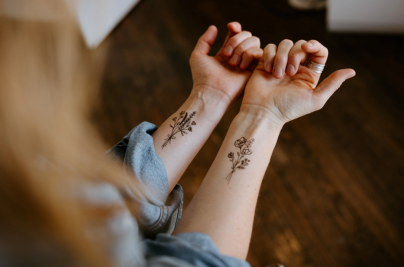
Minimalist tattoos have evolved from a niche artistic style into one of the most requested forms of modern body art. Characterized by clean lines, subtle details, and intentional simplicity, these tattoos appeal to people seeking meaningful self-expression without the visual intensity of large traditional designs. Whether you’re considering your first tattoo or adding a refined piece to an existing collection, understanding how minimalist tattoos work, age, and communicate meaning is essential before committing to permanent ink.
What Is a Minimalist Tattoo?
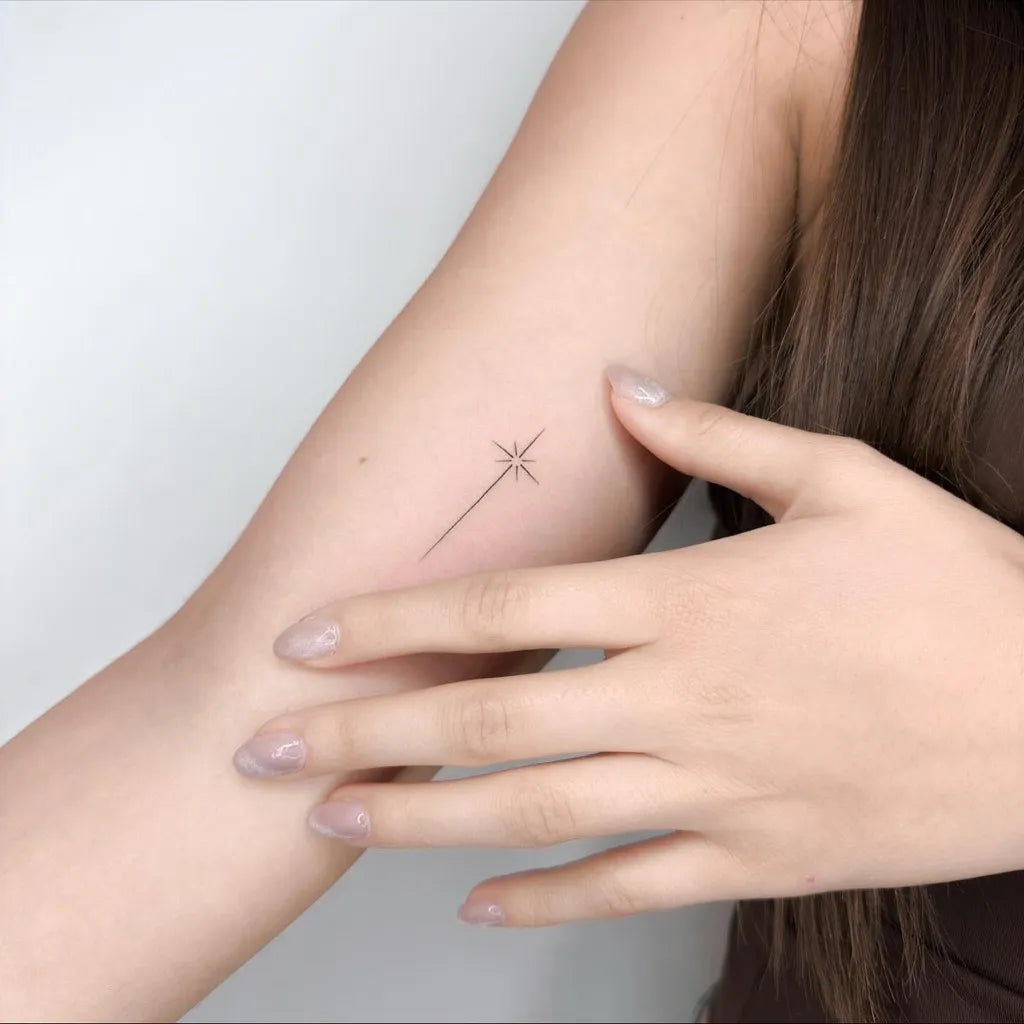
A minimalist tattoo is a design that uses simple lines, limited visual elements, and intentional negative space to create meaningful artwork. Rather than relying on heavy shading or intricate detail, minimalist tattoos communicate ideas through precision, balance, and symbolism, making them one of the most versatile tattoo styles available today.
At its core, minimalist tattooing follows the principle that less can communicate more. A single line, a small geometric shape, or a tiny symbol can carry significant emotional, cultural, or personal meaning without requiring a large canvas.
Unlike traditional tattoo styles that often emphasize bold outlines, extensive color work, and complex imagery, minimalist tattoos focus on clarity and visual efficiency. Every line serves a purpose. Every element contributes to the overall message.
Expert Observation: The strongest minimalist tattoos are rarely the simplest designs. They are the designs where every element has a deliberate reason to exist.
This distinction explains why highly skilled tattoo artists often spend considerable time refining minimalist concepts. Removing unnecessary elements while preserving meaning requires significant artistic discipline.
How Minimalist Tattoos Differ From Traditional Tattoos
Minimalist tattoos prioritize simplicity, fine-line execution, and subtle aesthetics, while traditional tattoos emphasize bold outlines, vivid colors, and larger visual compositions. The difference is not merely size but an entirely different artistic philosophy focused on communication through reduction.
| Factor | Minimalist Tattoo | Traditional Tattoo |
|---|---|---|
| Line Weight | Fine and delicate | Bold and thick |
| Detail Level | Limited | High |
| Shading | Minimal or none | Extensive |
| Size | Usually small to medium | Medium to large |
| Visual Impact | Subtle | Bold |
| Longevity Factors | Requires precise execution | Generally more forgiving |
A common misconception is that minimalist tattoos are easier to create because they contain fewer elements. In reality, mistakes become more noticeable when there is nowhere to hide imperfections. A slightly uneven line can significantly affect the appearance of a minimalist piece.
Why Minimalist Tattoos Have Become So Popular
Minimalist tattoos have gained popularity because they align with modern design trends, workplace flexibility, and personal storytelling. Their subtle appearance allows individuals to express identity and meaning without committing to large, highly visible artwork.
Several cultural shifts have contributed to their rise:
- Growing appreciation for minimalism in architecture, fashion, and design.
- Increased demand for professional-friendly tattoos.
- Social media’s preference for clean visual aesthetics.
- Higher acceptance of tattoos in corporate environments.
- Desire for symbolic rather than decorative body art.
Real-world examples demonstrate this trend clearly. Many first-time tattoo clients choose a small star, wave, mountain, or meaningful date because these designs provide emotional significance while maintaining versatility.
What Makes a Great Minimalist Tattoo Design?
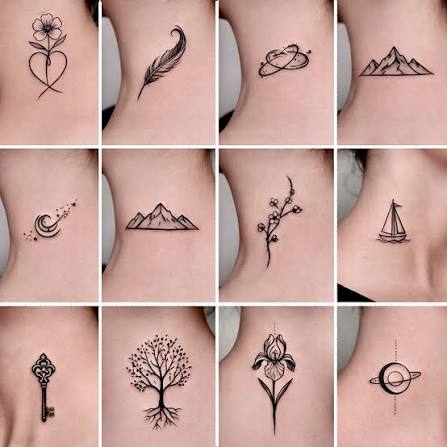
A successful minimalist tattoo combines visual simplicity with long-term readability. The best designs remain recognizable years later, preserve their symbolic meaning, and avoid unnecessary complexity that can blur or distort as the skin naturally changes over time.
Many people focus exclusively on aesthetics when choosing a minimalist tattoo. Experienced tattoo artists, however, evaluate several additional factors:
- Line thickness
- Body placement
- Future aging
- Skin movement
- Symbolic relevance
- Scalability
The most effective minimalist tattoos often emerge from careful editing rather than creative expansion.
The Core Elements of Minimalist Tattoo Art
Minimalist tattoo art relies on a small number of essential design principles: clean linework, balanced composition, negative space, and meaningful symbolism. Together, these elements create tattoos that remain visually appealing without requiring excessive detail.
Professional tattoo artists frequently evaluate minimalist concepts using four questions:
- Can the design be understood instantly?
- Will it remain recognizable after several years?
- Does every element contribute meaning?
- Can it be executed clearly at the chosen size?
If the answer to any of these questions is no, refinement is usually necessary.

Key design characteristics include:
- Fine-line execution
- Controlled negative space
- Simple geometric balance
- Limited visual clutter
- Strong symbolic focus
Common Design Mistakes to Avoid
Many minimalist tattoos fail not because of poor concepts but because they ignore technical limitations. Designs that look perfect on a phone screen may become unreadable or distorted when translated onto living skin.
The most common mistakes include:
- Choosing lines that are too thin.
- Adding excessive detail to tiny designs.
- Selecting poor placement areas.
- Following trends without personal meaning.
- Ignoring future aging considerations.
For example, a tiny detailed flower may appear stunning immediately after tattooing but can lose definition several years later as ink naturally spreads beneath the skin.
Experienced artists often recommend enlarging a design slightly rather than sacrificing future clarity.
Expert Insight: Simplicity vs. Oversimplification
Minimalist tattoos should simplify a concept without removing the elements that make it meaningful. Oversimplification occurs when a design becomes so reduced that it loses identity, emotional impact, or long-term readability.
This is one of the most overlooked concepts in tattoo planning.
Consider two mountain tattoos:
- One uses three simple peaks and remains recognizable for decades.
- Another reduces the design to a few disconnected lines that eventually become visually ambiguous.
The difference lies in preserving essential visual information.
Information Gain Insight: Many competing tattoo guides encourage making designs as small as possible. In practice, professional artists frequently advise the opposite. Slightly increasing size often improves longevity, readability, and overall satisfaction.
Best Minimalist Tattoo Ideas and Their Meanings
Popular minimalist tattoo ideas combine strong symbolism with simple visual execution. The most successful designs remain meaningful across different life stages and avoid relying solely on temporary trends or social media popularity.
When selecting a design, focus on symbolism first and aesthetics second. A meaningful tattoo often remains satisfying for decades, whereas trend-driven designs may lose personal relevance.
Minimalist Star Tattoos
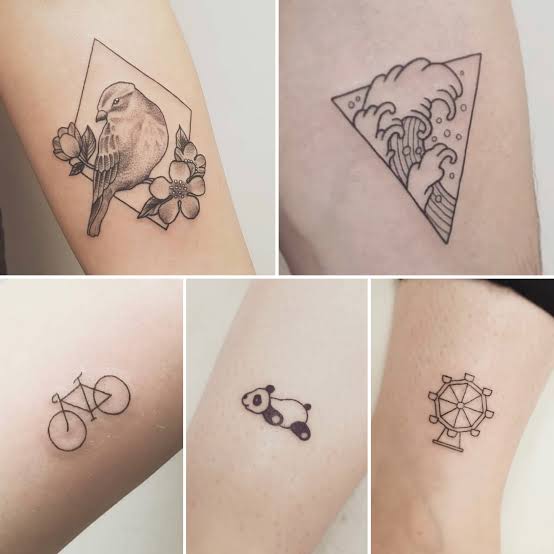
Minimalist star tattoos symbolize guidance, ambition, hope, and personal direction. Their simple geometry makes them ideal for fine-line execution while allowing significant personal interpretation.
Popular placements include:
- Wrist
- Forearm
- Ankle
- Behind the ear
- Collarbone
Many clients choose star tattoos to commemorate major life milestones, personal growth journeys, or future aspirations.
Minimalist Nature Tattoos
Nature-inspired minimalist tattoos transform landscapes, plants, and natural elements into elegant symbolic artwork. They are particularly popular because they combine timeless meaning with visually simple execution.
Common examples include:
- Mountains representing resilience
- Waves symbolizing adaptability
- Trees reflecting growth
- Leaves representing transformation
- Sun and moon motifs expressing balance
Nature-based tattoos tend to age well because their forms remain recognizable even when slight softening occurs over time.
Minimalist Animal Tattoos
Animal tattoos communicate personality traits, life experiences, and personal values through simplified silhouettes or line-based illustrations. Their symbolic versatility makes them a leading choice among minimalist tattoo enthusiasts.
Examples include:
- Butterflies for transformation
- Birds for freedom
- Cats for independence
- Wolves for loyalty
- Foxes for intelligence
An increasingly popular approach involves reducing animal forms to single-line artwork while maintaining immediate recognizability.
Minimalist Geometric Tattoos
Geometric minimalist tattoos use shapes, symmetry, and mathematical balance to create visually striking designs with timeless appeal. Their clean structure aligns naturally with minimalist principles.
Popular geometric elements include:
- Triangles
- Circles
- Hexagons
- Sacred geometry patterns
- Abstract line arrangements
One overlooked advantage of geometric tattoos is their adaptability. They can remain meaningful while accommodating future additions or expansions.
Single-Line Tattoos
Single-line tattoos create an entire image using one uninterrupted line. This technique embodies minimalist philosophy by achieving maximum visual impact through minimal artistic intervention.
Popular subjects include:
- Faces
- Animals
- Flowers
- Couple portraits
- Abstract symbols
Because the entire design depends on one continuous line, artist selection becomes especially important. Precision errors are often impossible to conceal.
Minimalist Quote and Word Tattoos
Minimalist text tattoos use short words, initials, dates, or concise phrases to communicate personal meaning. Simplicity helps maintain readability while preserving emotional significance.
Best practices include:
- Choose timeless wording.
- Select highly legible fonts.
- Avoid excessive script complexity.
- Maintain adequate spacing.
- Consider future readability.
Many experienced artists recommend larger lettering than clients initially expect because readability often improves significantly over time.
Where Should You Place a Minimalist Tattoo?
Placement directly influences visibility, pain level, aging, and long-term appearance. Choosing the right location is often more important than choosing the design itself, particularly for fine-line minimalist tattoos that rely heavily on precise visual clarity.
Body placement affects:
- Ink retention
- Skin movement
- Sun exposure
- Professional visibility
- Touch-up frequency
Many tattoo regret stories stem from poor placement decisions rather than poor design choices.
Best Placements for Visibility
Lucky Tattoo, a professional tattoo artist, has over 10 years of experience in the art of tattooing in Ho Chi Minh City. Lucky Tattoo Studio was founded in 2014 by skilled and kind artists. All tattoos are provided in a clean, strictly controlled, and friendly environment.
Visibility is often a primary factor when selecting tattoo placement. Many individuals choose minimalist tattoos because they want meaningful artwork that can be appreciated regularly without dominating their appearance.
- Forearm: Excellent visibility and relatively stable skin.
- Wrist: Popular for symbolic designs and daily reminders.
- Collarbone: Elegant placement with strong visual appeal.
- Outer shoulder: Easy to display or conceal when needed.
Professional tattoo artists frequently recommend the forearm because it combines readability, longevity, and flexibility better than most locations.
Best Placements for Privacy
Upper thighs, ribcages, hips, and areas beneath clothing offer greater privacy while preserving the artistic value of minimalist tattoos. These locations are ideal for personal designs intended primarily for the wearer rather than public display.
Privacy-focused placements often carry deeper emotional significance because they remain hidden from everyday view.
- Upper thigh
- Ribcage
- Lower back
- Hip area
- Upper chest
A memorial tattoo, meaningful date, or highly personal symbol is often better suited to a discreet location where the design remains intimate.
Areas Where Fine-Line Tattoos Last Longest
Fine-line tattoos generally last longest on body areas with limited friction, lower sun exposure, and relatively stable skin. Locations with less stretching and movement help preserve line definition and reduce the need for future touch-ups.
One of the biggest mistakes people make is choosing placement based solely on aesthetics while ignoring longevity.
| Placement | Longevity Potential |
|---|---|
| Outer Forearm | Excellent |
| Outer Shoulder | Excellent |
| Calf | Very Good |
| Upper Arm | Very Good |
| Upper Back | Very Good |
Information Gain Insight: Skin stability often matters more than tattoo size. A tiny tattoo in a high-friction area may age faster than a larger tattoo placed on stable skin.
Areas Where Minimalist Tattoos Fade Faster
Fingers, palms, feet, and high-friction areas typically experience faster fading because constant movement, abrasion, and skin regeneration accelerate ink breakdown and visual distortion.
Many social media tattoo photos showcase finger tattoos immediately after completion, but few show how these tattoos appear several years later.
- Finger tattoos
- Palm tattoos
- Foot tattoos
- Toe tattoos
- Inner lip tattoos
Clients who choose these locations should expect maintenance and possible touch-ups.
Do Minimalist Tattoos Fade Faster?
Minimalist tattoos can fade faster than traditional tattoos because fine lines contain less pigment and rely heavily on precision. However, fading depends on placement, sun exposure, aftercare, skin characteristics, and artist technique rather than style alone.
This topic is frequently misunderstood. Minimalist tattoos do not automatically age poorly. Proper design decisions can dramatically improve long-term results.
The Science Behind Tattoo Aging
All tattoos change over time due to natural skin aging, ultraviolet exposure, cellular regeneration, and ink migration. Understanding these biological processes helps set realistic expectations and improve long-term tattoo preservation.
When tattoo pigment is deposited into the dermis, the body gradually interacts with the particles over many years. This process can soften sharp edges and reduce visual contrast.
Major aging factors include:
- Sun exposure
- Skin elasticity changes
- Weight fluctuations
- Natural collagen loss
- Immune system activity
Research in dermatology consistently shows that UV exposure remains one of the largest contributors to tattoo fading.
How Line Thickness Affects Longevity
Line thickness directly influences tattoo durability. Slightly thicker lines typically retain clarity longer because they provide more visual tolerance as ink naturally spreads within the skin over time.
Many clients request extremely thin lines based on social media inspiration. Experienced fine-line artists often recommend subtle modifications that improve aging without sacrificing aesthetics.
Expert Recommendation: Aim for the thinnest line that will still remain readable after several years, not the thinnest line technically possible.
Longevity Framework: Rating Tattoo Durability by Placement
A practical longevity framework evaluates placement, friction, sun exposure, and skin movement to predict how well a minimalist tattoo may age. This decision-making model is rarely discussed but provides valuable guidance before booking an appointment.
High-Longevity Zones
- Outer forearm
- Upper arm
- Calf
- Upper back
- Outer shoulder
Medium-Longevity Zones
- Wrist
- Ankle
- Collarbone
- Inner forearm
High-Fade-Risk Zones
- Fingers
- Hands
- Feet
- Palms
Information Gain Insight: Placement selection often contributes more to longevity than aftercare products or touch-up frequency.
How Much Does a Minimalist Tattoo Cost?
Minimalist tattoo costs vary based on artist expertise, location, design complexity, studio reputation, and session minimums. While small tattoos may appear simple, precision-focused fine-line work often commands premium pricing.
A common misconception is that minimalist tattoos are inexpensive because they are small. Highly skilled fine-line specialists frequently charge rates comparable to larger tattoo projects.
Average Price Ranges by Size
Most minimalist tattoos fall within studio minimum pricing structures, meaning even very small designs require professional setup, sanitation, and artistic preparation.
| Tattoo Size | Typical Cost Range |
|---|---|
| Very Small | $50–$150 |
| Small | $100–$300 |
| Medium | $250–$700 |
| Custom Fine-Line Piece | $500+ |
Factors That Influence Cost
Artist specialization, geographic location, custom design requirements, and appointment demand significantly affect tattoo pricing.
- Artist experience
- Fine-line specialization
- Design customization
- Studio reputation
- Local market conditions
Highly sought-after artists may have waiting lists extending several months.
Why Cheaper Isn’t Always Better
Choosing the lowest-priced tattoo artist can increase the risk of poor line quality, uneven healing, and premature fading. In minimalist tattooing, technical precision is often more important than design complexity.
Real-world examples show that correcting poorly executed fine-line tattoos frequently costs more than investing in a qualified artist initially.
How to Choose the Right Tattoo Artist
Selecting the right tattoo artist is one of the most important decisions in the entire tattoo process. Experience with fine-line work, healed results, and technical consistency often determine whether a minimalist tattoo ages gracefully or requires extensive correction.
Questions to Ask Before Booking
Asking targeted questions helps evaluate professionalism, artistic expertise, and compatibility before committing to a tattoo appointment.
- Do you specialize in fine-line tattoos?
- Can I see healed examples?
- How do you approach long-term aging?
- What aftercare protocol do you recommend?
- How often do clients request touch-ups?
How to Evaluate a Fine-Line Portfolio
A strong fine-line portfolio demonstrates consistency, clean execution, healed examples, and tattoos that remain readable over time. Fresh tattoos alone do not prove technical skill.
Look for:
- Consistent line quality
- Healed work photos
- Varied placements
- Balanced compositions
- Client testimonials
Information Gain Insight: Healed tattoos provide more useful information than freshly completed tattoos because they reveal long-term execution quality.
Red Flags to Watch For
Warning signs include inconsistent lines, missing healed examples, poor hygiene practices, rushed consultations, and unrealistic promises about tattoo longevity.
- No healed portfolio
- Poor sanitation standards
- Unclear pricing
- Pressure sales tactics
- Dismissive responses to questions
Minimalist Tattoo Aftercare Guide
Proper aftercare significantly influences healing quality, pigment retention, and long-term appearance. Even the most expertly executed minimalist tattoo can suffer unnecessary fading if aftercare instructions are ignored.
First 48 Hours After Tattooing
The first two days are critical for protecting the skin barrier, reducing infection risk, and supporting proper healing. Following professional aftercare instructions improves outcomes considerably.
- Keep the area clean.
- Avoid unnecessary touching.
- Follow bandage recommendations.
- Use approved aftercare products.
- Avoid swimming.
Long-Term Care for Fine-Line Tattoos
Long-term maintenance focuses on skin health, UV protection, and preventing premature pigment degradation. Consistent care often produces better results than occasional corrective treatments.
- Apply sunscreen regularly.
- Maintain skin hydration.
- Avoid excessive tanning.
- Monitor fading patterns.
How to Maintain Sharp Lines Over Time
Sharp line retention depends on placement quality, sun protection, healthy skin habits, and realistic design choices established before the tattoo is ever applied.
Experienced tattoo professionals consistently recommend SPF protection as one of the most effective long-term preservation strategies.
Common Myths About Minimalist Tattoos
Many assumptions about minimalist tattoos are based on social media trends rather than professional tattoo experience. Understanding the facts helps avoid costly mistakes and unrealistic expectations.
Myth: Minimalist Tattoos Don’t Hurt
Pain depends primarily on placement, individual tolerance, and anatomy rather than tattoo size. Small tattoos can still be uncomfortable in sensitive locations.
Myth: Small Tattoos Never Need Touch-Ups
Even well-executed minimalist tattoos may benefit from touch-ups over time, particularly when placed in high-friction or high-exposure areas.
Myth: Fine-Line Tattoos Always Fade Quickly
While fine lines require thoughtful planning, proper placement, quality execution, and good aftercare can significantly improve longevity.
Real-World Minimalist Tattoo Examples
Examining real-world tattoo scenarios provides practical insight into how design, placement, and personal goals influence successful outcomes.
First Tattoo Experience Case Study
A first-time client selected a small mountain tattoo on the outer forearm. The design balanced personal meaning, professional flexibility, and strong aging potential.
Professional-Friendly Tattoo Example
A minimalist geometric design placed on the upper arm allowed visibility during personal time while remaining easily concealed in formal work environments.
Memorial Tattoo Example
A simple handwritten initial beneath the collarbone preserved emotional significance without requiring a large or visually dominant composition.
Frequently Asked Questions
What is considered a minimalist tattoo?
A minimalist tattoo uses simple linework, limited details, and intentional negative space to communicate meaning through clean, understated design.
Do minimalist tattoos age well?
Yes. When executed by a skilled artist and placed on stable skin areas, minimalist tattoos can age exceptionally well.
What is the best placement for a minimalist tattoo?
The outer forearm, upper arm, calf, and shoulder are generally considered the best placements for visibility and longevity.
Are minimalist tattoos good for first-time tattoo clients?
Yes. Their smaller size, shorter sessions, and versatile placement options make them a popular choice for beginners.
Do fine-line tattoos require touch-ups?
Some do. Factors such as placement, lifestyle, sun exposure, and skin type influence whether touch-ups become necessary.
How much does a minimalist tattoo typically cost?
Most minimalist tattoos range from approximately $50 to $300+, although custom fine-line work may cost significantly more.
Can minimalist tattoos be expanded later?
Yes. Many minimalist designs serve as foundations for future additions, making them highly adaptable over time.
How do I choose a good fine-line tattoo artist?
Review healed portfolio examples, verify specialization, assess line consistency, and prioritize experience over price alone.
Final Thoughts: Are Minimalist Tattoos Worth It?
Minimalist tattoos remain one of the most versatile, meaningful, and enduring forms of modern body art. Their appeal extends beyond aesthetics because they combine symbolism, subtlety, and personal expression in a format that adapts well to changing lifestyles and professional environments.
The most successful minimalist tattoos are not necessarily the smallest or trendiest. They are the tattoos created with thoughtful design choices, realistic longevity expectations, strategic placement, and the expertise of a qualified fine-line artist.
Whether you choose a symbolic star, a geometric pattern, a meaningful word, or a nature-inspired design, investing time in planning and artist selection will often determine how satisfied you remain years after the tattoo is complete. In the world of minimalist tattooing, simplicity works best when it is supported by expertise, intention, and careful execution.
Lucky Tattoo, a professional tattoo artist, has over 10 years of experience in the art of tattooing in Ho Chi Minh City. Lucky Tattoo Studio was founded in 2014 by skilled and kind artists. All tattoos are provided in a clean, strictly controlled, and friendly environment.
minimalist-tattoo