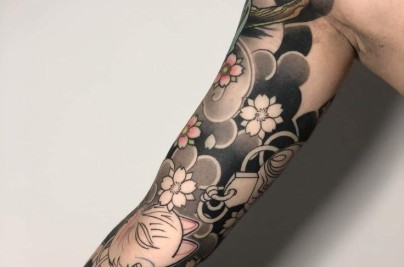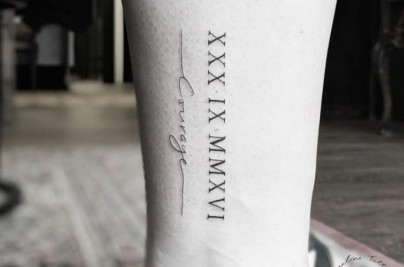
A Hannya mask tattoo is one of the most powerful symbols in Japanese tattoo art. Originating from traditional Noh theater, the Hannya represents a woman transformed by overwhelming emotions such as jealousy, grief, obsession, and heartbreak. While often mistaken for a symbol of evil, modern interpretations emphasize emotional resilience, personal growth, and the ability to overcome life’s darkest experiences.
Few Japanese tattoo motifs carry the same emotional depth as the Hannya mask. Its striking horns, sharp teeth, and haunting expression create an unforgettable visual, yet its deeper meaning goes far beyond appearance. Today, tattoo collectors, artists, and cultural historians view the Hannya as a reminder that even destructive emotions can become catalysts for transformation and wisdom.
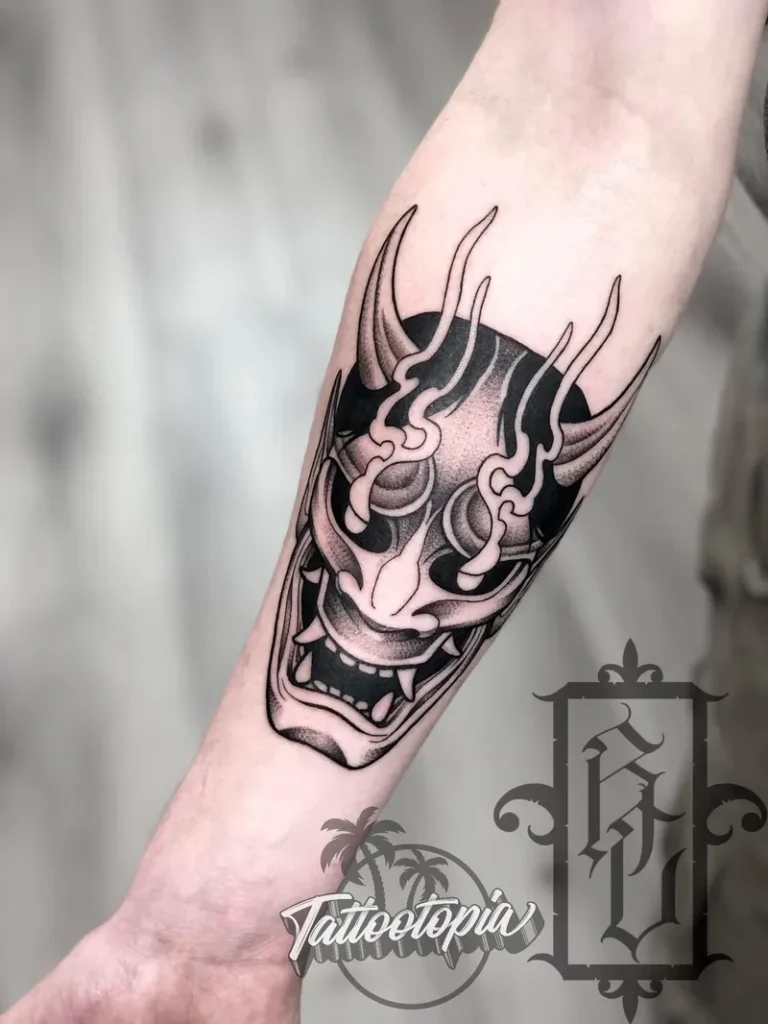
What Does a Hannya Mask Tattoo Mean?
A Hannya mask tattoo symbolizes intense human emotions, particularly jealousy, heartbreak, rage, sorrow, and transformation. Although rooted in a tragic story from Japanese theater, modern tattoo interpretations often focus on emotional growth, resilience, protection, and overcoming personal struggles rather than representing evil or demonic forces.
The original Hannya character comes from Japanese Noh theater, where a woman becomes consumed by jealousy and despair, transforming into a demon-like figure. This narrative resonated deeply because it reflects universal human experiences. Almost everyone has faced betrayal, loss, resentment, or emotional pain at some point in life.
Modern tattoo collectors frequently choose Hannya designs not because they identify with anger, but because they have survived difficult experiences. For many people, the tattoo represents:
- Recovery from heartbreak or betrayal
- Personal transformation through hardship
- Acknowledging emotional struggles without being controlled by them
- Protection against negative influences
- Strength gained from painful life lessons
Direct Answer: The Core Symbolism Explained
The Hannya mask represents the transformation of human suffering into wisdom and strength. While its origins focus on jealousy and obsession, contemporary tattoo culture increasingly interprets the symbol as emotional survival, self-awareness, and the ability to emerge stronger after adversity.
Unlike purely aggressive tattoo symbols, the Hannya contains emotional complexity. The expression appears angry from one angle and sorrowful from another. This duality mirrors real human emotions, where pain and vulnerability often coexist.
One reason experienced Japanese tattoo artists value the Hannya motif is that it captures multiple emotional states within a single image, making it one of the most psychologically rich designs in traditional tattooing.
Why the Hannya Represents Both Darkness and Growth
The Hannya symbolizes both destructive emotions and personal evolution because its story centers on transformation. Rather than glorifying rage or jealousy, the mask serves as a visual reminder of what can happen when emotions become overwhelming—and how awareness can lead to growth.
Many tattoo enthusiasts overlook an important aspect of Japanese symbolism: transformation often carries greater significance than the final form itself. The Hannya is powerful because it captures a moment in an emotional journey.
From a psychological perspective, the tattoo can represent:
- Learning from emotional mistakes
- Accepting personal imperfections
- Moving beyond toxic relationships
- Developing emotional maturity
- Turning suffering into wisdom
This deeper interpretation explains why Hannya tattoos remain popular among people who have experienced significant life challenges, including divorce, grief, addiction recovery, or major personal reinvention.
Common Misconception: Is the Hannya Purely Evil?
No, the Hannya mask is not purely evil. While it depicts a demon-like figure, its cultural purpose is to portray emotional suffering and transformation rather than malicious intent. This distinction is often misunderstood in modern tattoo discussions.
Many online articles simplify the Hannya into a “demon tattoo.” However, cultural historians and Japanese art scholars recognize the character as a tragic figure rather than a villain. The story evokes sympathy because the transformation results from emotional pain.
Understanding this nuance helps tattoo collectors select designs that honor the original symbolism rather than reducing the motif to a generic horror image.
Real-World Example: Why Modern Tattoo Collectors Choose Hannya Designs
A common scenario involves clients seeking a tattoo after overcoming a major life transition. For example, someone recovering from a painful divorce may choose a Hannya sleeve to symbolize the emotional journey from heartbreak to healing.
Experienced tattoo artists frequently report that clients connect with the Hannya because it acknowledges suffering without glorifying victimhood. Instead, the design reflects accountability, endurance, and growth.
The History of the Hannya Mask in Japanese Culture
The Hannya mask originated in Japanese Noh theater and has been part of Japanese cultural storytelling for centuries. The mask portrays a woman transformed by jealousy and emotional torment, creating one of the most recognizable figures in traditional Japanese performance art.
Understanding the history behind the Hannya provides a richer appreciation of its meaning. Many tattoo collectors focus only on the visual design while overlooking the centuries of cultural significance embedded within the image.
Origins in Japanese Noh Theater
The Hannya mask first appeared in Noh theater, a classical Japanese performance tradition dating back to the 14th century. Actors used carved masks to portray supernatural beings, spirits, gods, and emotionally complex characters.
The Hannya specifically represented a woman whose jealousy transformed her into a demon. The mask’s features were intentionally exaggerated to communicate emotional intensity even from a distance.
Distinctive characteristics include:
- Sharp metallic horns
- Piercing golden eyes
- Fanged teeth
- Intense facial expression
- Mixture of rage and sorrow
Remarkably, traditional mask makers designed the Hannya so that its expression appears different depending on the viewing angle. Looking upward creates a more threatening appearance, while looking downward reveals sadness and grief.
This artistic detail is often missed in tattoo articles but remains one of the most fascinating aspects of the symbol.
How the Hannya Character Developed Through History
The Hannya evolved from theatrical storytelling into a broader cultural symbol representing the dangers of unchecked emotions and the complexity of human nature. Over time, its meaning expanded beyond stage performances into visual art, literature, and eventually tattoo culture.
As Japanese tattoo traditions developed, artists adopted the Hannya because it combined dramatic visuals with profound symbolism. Unlike simpler motifs, the Hannya allowed tattoo collectors to communicate layered personal narratives.
Historical Japanese tattoo compositions frequently paired the Hannya with:
- Dragons
- Koi fish
- Snakes
- Peonies
- Cherry blossoms
- Waves and clouds
Each pairing created additional symbolic meaning, transforming the tattoo into a complete visual story.
Expert Insight: Cultural Significance Beyond Tattoos
The Hannya remains culturally significant because it reflects enduring themes of love, loss, obsession, and human vulnerability. Its continued relevance demonstrates how traditional Japanese art addresses universal emotional experiences that transcend time and geography.
Cultural experts often emphasize that the Hannya should not be viewed solely as a monster. Instead, it serves as a warning about emotional imbalance while simultaneously encouraging empathy for those experiencing suffering.
For tattoo collectors, understanding this context creates a deeper connection to the artwork and demonstrates respect for its cultural origins.
Information Gain: The Original Emotional Narrative Behind the Mask
One overlooked detail is that traditional audiences often felt sympathy for Hannya characters rather than fear. The emotional tragedy behind the transformation was considered just as important as the terrifying appearance.
This distinction changes how many collectors interpret the tattoo today. Instead of representing anger itself, the Hannya can symbolize the emotional consequences of unresolved pain and the importance of self-awareness.
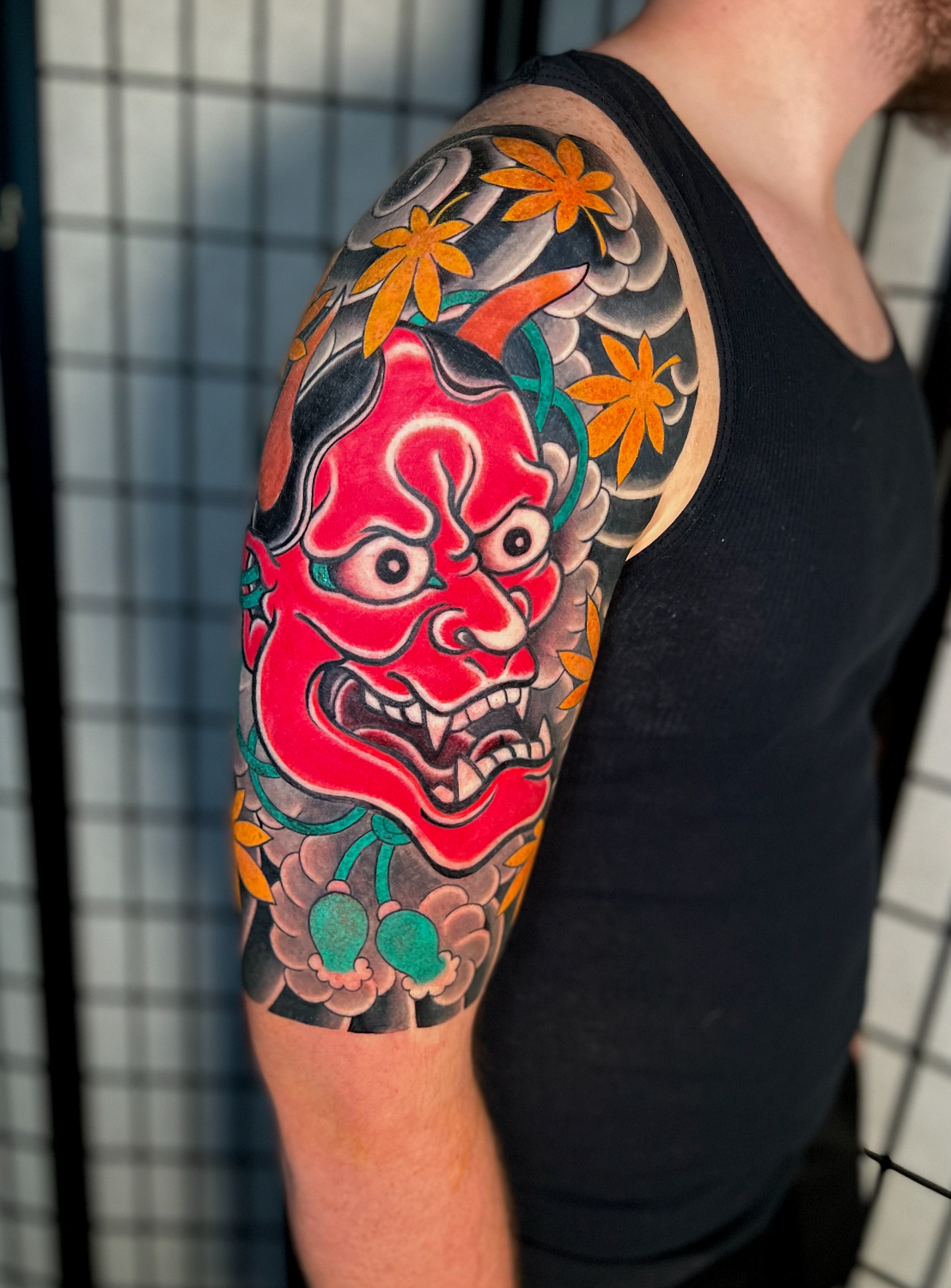
Hannya vs Oni: What’s the Difference?
Although often confused, Hannya and Oni represent different concepts in Japanese folklore. A Hannya is a transformed human driven by emotional suffering, while an Oni is traditionally a supernatural demon or ogre associated with punishment, chaos, and spiritual forces.
This distinction matters because many tattoo clients unintentionally request one symbol while actually identifying with the meaning of the other.
Direct Comparison of Symbolism
A Hannya represents emotional transformation and human suffering, whereas an Oni generally symbolizes external threats, supernatural power, punishment, or protection against evil depending on the context.
| Hannya | Oni |
|---|---|
| Originates from a human character | Supernatural demon from folklore |
| Represents jealousy, grief, obsession | Represents power, punishment, chaos |
| Emotionally driven symbolism | Mythological symbolism |
| Focus on transformation | Focus on supernatural force |
| Often tragic and sympathetic | Often feared or respected |
Visual Characteristics Explained
The Hannya and Oni share horns and fierce expressions, but experienced Japanese tattoo artists recognize important visual differences. Hannya masks tend to appear more refined, emotional, and theatrical, while Oni designs often appear larger, more monstrous, and physically intimidating.
Key Hannya traits include:
- Slender facial structure
- Expressive eyes
- Theatrical mask appearance
- Emotional complexity
Key Oni traits include:
- Massive facial proportions
- Heavy jawline
- Exaggerated demonic features
- Physical power emphasis
Common Misunderstanding Among Tattoo Clients
Many people choose Hannya designs believing they symbolize aggression or fearlessness. In reality, the symbol is much more introspective and emotionally driven than most Oni tattoos.
Understanding this distinction helps clients communicate more effectively with tattoo artists and select imagery that aligns with their intended meaning.
Information Gain: Why Artists Often Combine Both Motifs
Advanced Japanese tattoo compositions sometimes incorporate both Hannya and Oni imagery. This pairing can symbolize internal struggles versus external challenges, creating a richer narrative than either symbol alone.
Collectors pursuing large-scale Japanese sleeves or back pieces often work with artists to create these layered symbolic relationships, which is one reason traditional Japanese tattooing remains highly respected among serious tattoo enthusiasts.
Hannya Mask Tattoo Color Meanings
The color of a Hannya mask tattoo significantly influences its symbolism. Different colors can represent emotional intensity, wisdom, transformation, spirituality, or personal growth, allowing tattoo collectors to customize the meaning of the design.
Unlike many tattoo motifs where color is primarily aesthetic, Hannya tattoos often use color as a storytelling device. Experienced Japanese tattoo artists carefully select color palettes to reinforce the emotional narrative behind the piece.
What Does a Red Hannya Mask Tattoo Mean?
A red Hannya mask tattoo commonly symbolizes intense passion, powerful emotions, jealousy, rage, and transformation. It is often chosen by collectors who want a bold visual statement tied to personal struggles and emotional resilience.
The red variation creates maximum visual impact and remains one of the most recognizable interpretations in modern Japanese tattooing.
Common associations include:
- Passionate personality
- Overcoming emotional turmoil
- Strength through adversity
- Fearlessness in facing challenges
Because red ink naturally attracts attention, these designs often become focal points within sleeves, chest pieces, and back compositions.
Hannya Mask Tattoo Color Meanings
Lucky Tattoo, a professional tattoo artist, has over 10 years of experience in the art of tattooing in Ho Chi Minh City. Lucky Tattoo Studio was founded in 2014 by skilled and kind artists. All tattoos are provided in a clean, strictly controlled, and friendly environment.
Color in Hannya tattoos is not decorative—it is narrative language. In traditional Japanese Irezumi, artists intentionally use color psychology to guide emotional interpretation. Choosing the wrong color for your personal meaning is one of the most common mistakes clients make when designing their first Hannya tattoo.
What Does a Red Hannya Mask Tattoo Mean?
A red Hannya mask tattoo represents intense emotional states such as passion, jealousy, rage, and powerful transformation. It is the most visually aggressive and emotionally charged version of the design, often chosen by individuals who want to express survival through emotional extremes or personal reinvention after hardship.
In Japanese tattoo culture, red is associated with life force energy and heightened emotional intensity. However, experienced artists often caution that red Hannya tattoos should not be chosen purely for aesthetics, as the color amplifies psychological meaning significantly.
- Represents emotional intensity and passion
- Symbolizes transformation through conflict
- Often used in large-scale sleeve compositions
- Common in bold neo-traditional adaptations
Information Gain Insight: Many tattoo collectors underestimate how red ink changes perception over time. Studies in visual psychology show that red imagery increases emotional recall, meaning red Hannya tattoos often feel more psychologically “present” to the wearer than darker variations.
What Does a Black Hannya Mask Tattoo Mean?
A black Hannya mask tattoo symbolizes grief, emotional depth, introspection, and wisdom gained through suffering. Unlike red variations, black Hannya designs focus less on external intensity and more on internal transformation and emotional resilience over time.
Black ink is frequently used in traditional Japanese tattooing to represent permanence and grounding energy. It is often chosen by individuals who prefer subtle symbolism over bold emotional expression.
- Represents emotional maturity and reflection
- Symbolizes healing and inner strength
- Common in traditional black-and-grey Irezumi
- Preferred for understated, timeless designs
Expert Perspective: Many senior tattoo artists recommend black Hannya designs for first-time clients because they age better over decades and maintain clarity even with skin changes.
Blue, White, and Gold Hannya Variations
Blue, white, and gold Hannya mask tattoos represent spiritual distance, purification, and elevated awareness. These less common color schemes are often used in custom compositions where symbolic storytelling is prioritized over traditional representation.
Blue tones often symbolize emotional control and detachment from destructive feelings. White Hannya designs can represent spiritual transformation or emotional release, while gold accents are associated with enlightenment or higher wisdom.
- Blue: Emotional control and calm transformation
- White: Purification and spiritual reset
- Gold: Enlightenment and elevated understanding
Common Misconception: Many assume color variations are purely stylistic, but in Japanese tattoo tradition, each pigment choice carries intentional narrative weight influenced by centuries of symbolic art history.
Popular Hannya Mask Tattoo Designs
Hannya mask tattoo designs vary widely across traditional, neo-traditional, and modern realism styles, each offering different levels of detail, symbolism, and emotional intensity. Choosing the right style depends on personal meaning, placement, and whether the tattoo is intended as a standalone piece or part of a larger Japanese composition.
Professional tattoo artists emphasize that design style should align with storytelling intent, not just visual preference. A mismatched style can dilute the symbolic impact of the Hannya motif.
Traditional Japanese Hannya Tattoo
A traditional Japanese Hannya tattoo follows strict Irezumi principles, using bold outlines, limited color palettes, and symbolic background elements like wind bars, waves, or clouds. This style preserves the cultural authenticity of the motif and is often used in full-body suits or sleeves.
Traditional designs prioritize balance, flow, and narrative structure rather than realism. Each element is intentionally placed to guide visual storytelling across the body.
- Strong black outlines and saturated color
- Integrated background storytelling elements
- Designed for full sleeve or back compositions
- High cultural authenticity
Information Gain: Traditional Japanese tattoo compositions are designed to move with body anatomy. This means Hannya placement is often adjusted based on muscle movement rather than static visual symmetry.
Neo-Traditional Hannya Designs
Neo-traditional Hannya tattoos blend classic Japanese symbolism with modern shading, depth, and artistic interpretation. This style allows for greater emotional expression and creative freedom while preserving the core symbolism of the Hannya mask.
Artists often exaggerate facial expressions or incorporate dramatic lighting effects to enhance emotional storytelling.
- Enhanced shading and depth
- More expressive facial detail
- Flexible composition styles
- Modern artistic interpretation of tradition
Expert Insight: Neo-traditional designs are increasingly popular among younger tattoo collectors because they allow personalization without losing cultural roots.
Black and Grey Hannya Tattoos
Black and grey Hannya tattoos emphasize emotional depth, contrast, and timeless visual impact. Without color distraction, the focus shifts entirely to expression, texture, and shading precision.
This style is often chosen by clients seeking subtle symbolism with long-term aesthetic durability.
- Focus on shading and contrast
- Minimal color aging concerns
- Strong emotional storytelling
- Ideal for realism-focused collectors
Realistic Hannya Mask Tattoos
Realistic Hannya tattoos aim to replicate three-dimensional texture, often making the mask appear carved or physically present on the skin. This style requires highly skilled artists due to its complexity and precision requirements.
While visually striking, realism can sometimes reduce traditional symbolic abstraction, making interpretation more literal than metaphorical.
- High-detail anatomical rendering
- Strong visual realism and depth
- Requires advanced tattoo artist skill
- Best suited for large placement areas
Information Gain: Emerging Design Trends Most Articles Ignore
A growing trend in contemporary tattooing is the fusion of Hannya imagery with abstract emotional symbolism such as fractured masks, dual-face compositions, and negative-space storytelling. These modern adaptations reflect psychological narratives rather than traditional folklore alone.
Collectors increasingly request “emotional realism” rather than literal designs—where the tattoo reflects internal states like trauma recovery or identity transformation through abstract visual language.
Best Hannya Mask Tattoo Placement Ideas
Hannya mask tattoo placement significantly affects both visual impact and symbolic meaning. Larger placements such as sleeves and back pieces allow for narrative complexity, while smaller placements emphasize personal symbolism and focused emotional expression.
Experienced tattoo artists always evaluate placement before finalizing design, as improper positioning can weaken composition flow and reduce long-term aesthetic balance.
Sleeve Tattoos
A Hannya sleeve tattoo allows for full narrative development across the arm, often incorporating additional Japanese motifs like dragons, koi fish, or waves. This placement supports storytelling and visual progression from shoulder to wrist.
Sleeves are ideal for collectors who want a complete emotional narrative expressed through interconnected imagery.
- Best for storytelling compositions
- Allows integration of multiple symbols
- High visual continuity
- Strong cultural authenticity in Irezumi style
Chest Tattoos
A chest placement emphasizes emotional significance due to its proximity to the heart. Hannya chest tattoos often symbolize deeply personal experiences such as heartbreak, transformation, or emotional resilience.
This placement is typically chosen for tattoos with strong private meaning rather than public display.
- High emotional symbolism
- Centered, symmetrical compositions
- Often extends into shoulders or sternum
- Represents personal transformation
Back Tattoos
A full back Hannya tattoo provides the largest canvas for detailed storytelling and is often used in traditional Japanese full-body compositions. This placement allows for highly complex scenes involving multiple symbolic elements.
Back pieces are considered the pinnacle of Japanese tattoo artistry due to their scale and narrative depth.
- Maximum space for detail and composition
- Ideal for traditional Irezumi storytelling
- Highly respected in tattoo culture
- Long-term multi-session project
Leg and Thigh Tattoos
Leg and thigh placements offer a balance between visibility and concealment, making them popular among professionals who want symbolic tattoos without constant exposure.
These placements also allow vertical storytelling compositions that complement the natural anatomy of the leg.
- Easy to conceal when needed
- Strong vertical composition flow
- Good pain tolerance variation
- Flexible design scaling
Hannya Mask Tattoo Combinations and Their Meanings
Hannya mask tattoos are often combined with other Japanese symbols to create layered narratives. These combinations enhance storytelling by adding emotional, spiritual, or philosophical dimensions to the core meaning of transformation and suffering.
In traditional Japanese tattooing, combinations are never random—they are carefully chosen to reflect life philosophy, personal history, or symbolic balance.
Hannya and Snake Tattoo
A Hannya and snake tattoo symbolizes temptation, betrayal, transformation, and rebirth. The snake often represents hidden danger or wisdom, adding complexity to the emotional narrative of the Hannya mask.
This combination is frequently used to depict cycles of betrayal followed by personal growth and renewal.
- Represents emotional betrayal and healing
- Symbolizes transformation and renewal
- Common in sleeve and back compositions
Hannya and Dragon Tattoo
A Hannya and dragon tattoo represents the balance between emotional struggle and controlled power. The dragon symbolizes wisdom, strength, and protection, counteracting the emotional chaos of the Hannya.
This pairing creates a narrative of overcoming internal conflict through strength and enlightenment.
- Balance of chaos and control
- Symbol of protection and wisdom
- Popular in large-scale Irezumi designs
Hannya and Koi Fish Tattoo
A Hannya and koi fish tattoo symbolizes perseverance through adversity and emotional transformation. The koi fish is a well-known symbol of determination and success against obstacles in Japanese culture.
When combined with Hannya, the design represents emotional struggle leading to eventual growth and achievement.
- Represents perseverance and resilience
- Symbolizes emotional growth
- Often used in narrative sleeve tattoos
Hannya and Cherry Blossom Tattoo
A Hannya and cherry blossom tattoo represents the fleeting nature of life, emotional beauty, and impermanence. Cherry blossoms add softness and philosophical depth to the intense emotional energy of the Hannya mask.
This combination highlights the contrast between suffering and beauty, reinforcing the Japanese concept of mono no aware.
- Symbol of impermanence and beauty
- Emotional contrast and balance
- Deep philosophical meaning
FAQ: Hannya Mask Tattoo
What does a Hannya mask tattoo symbolize? It symbolizes intense emotions such as jealousy, heartbreak, and transformation, often representing personal growth after emotional struggle.
Is a Hannya tattoo evil? No, it represents emotional suffering and transformation rather than pure evil or demonic intent.
What is the difference between Hannya and Oni tattoos? Hannya represents a transformed human driven by emotion, while Oni represents a supernatural demon or spirit.
What does a red Hannya tattoo mean? It symbolizes intense passion, emotional power, and transformation through strong life experiences.
Can anyone get a Hannya tattoo? Yes, but it is important to understand its cultural meaning and work with an experienced Japanese tattoo artist.
What tattoos pair well with Hannya masks? Common pairings include dragons, koi fish, snakes, cherry blossoms, and waves for symbolic storytelling.
Final Expert Insight
The Hannya mask tattoo remains one of the most emotionally complex designs in Japanese tattoo culture. Its power lies not in fear or aggression, but in its ability to represent transformation through suffering. When chosen with intention and cultural understanding, it becomes more than body art—it becomes a visual narrative of human resilience.
Lucky Tattoo, a professional tattoo artist, has over 10 years of experience in the art of tattooing in Ho Chi Minh City. Lucky Tattoo Studio was founded in 2014 by skilled and kind artists. All tattoos are provided in a clean, strictly controlled, and friendly environment.
hanya-mask-tattoo