What Is a Kitsune Tattoo? Meaning Explained Clearly
A kitsune tattoo represents the Japanese fox spirit from Shinto mythology, symbolizing intelligence, transformation, duality, and spiritual protection. It is deeply rooted in folklore where kitsune are shape-shifting beings connected to the deity Inari. Modern tattoos reinterpret this symbolism through artistic styles ranging from traditional irezumi to contemporary illustrative designs.
Kitsune in Japanese Mythology
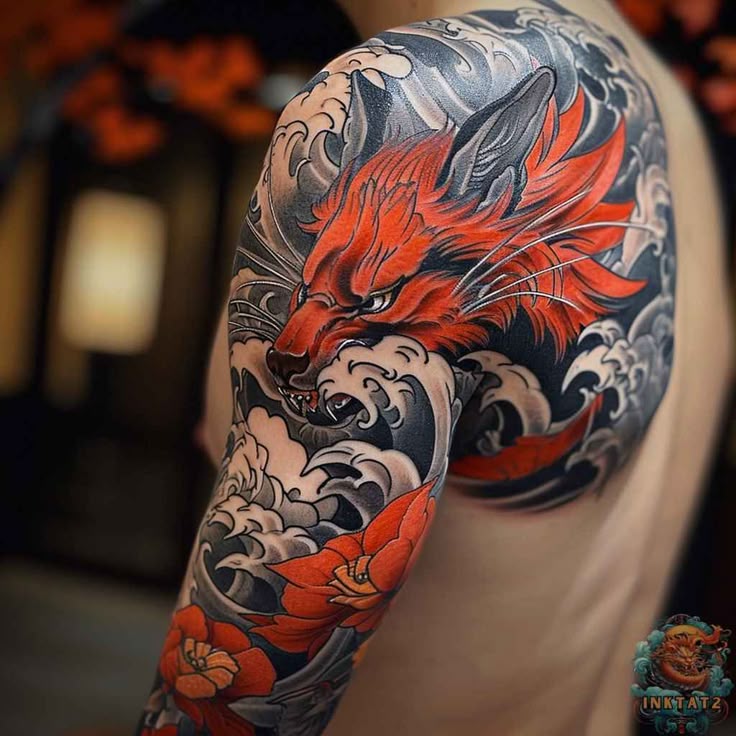
Kitsune in Japanese mythology are supernatural fox spirits capable of intelligence growth, shape-shifting, and long-term spiritual evolution. In folklore, they can appear as humans or foxes and often serve as messengers of Inari Ōkami. Their portrayal is complex, embodying both benevolent guardianship and deceptive trickery depending on narrative context and regional tradition.
From an expert folklore perspective, one overlooked insight is that kitsune are not purely symbolic animals but narrative “moral agents” in Shinto storytelling. They reflect human behavioral dualities rather than functioning as simple animal totems, which is often misrepresented in modern tattoo interpretations.
Fox Spirit Symbolism in Shinto Beliefs
Kitsune symbolism in Shinto belief systems is directly tied to spiritual protection, agricultural prosperity, and divine communication. Fox spirits are often depicted as sacred messengers of Inari shrines, associated with rice fertility and abundance. Their presence in religious iconography emphasizes balance between spiritual authority and earthly prosperity.
Information Gain Insight: Unlike popular Western interpretations that frame fox spirits as purely mystical creatures, Shinto tradition embeds them within real agricultural and societal systems. This connection explains why kitsune imagery is still commonly found at active Inari shrines across Japan today.
| Symbolic Aspect | Meaning in Kitsune Lore |
|---|---|
| White Fox | Purity and divine messenger role |
| Fire/Flame | Spiritual energy and transformation |
| Nine Tails | Wisdom, age, and supernatural power |
Kitsune Tattoo Symbolism (What It Really Represents)
A kitsune tattoo symbolizes transformation, intelligence, duality, and spiritual guardianship. It often reflects the wearer’s personal journey through change, self-discovery, or resilience. In Japanese folklore, the fox spirit evolves over time, gaining wisdom and power, making it a powerful metaphor for human growth and psychological transformation.
Intelligence, Trickery, and Transformation Meaning
The intelligence and trickery symbolism of kitsune tattoos originates from folklore where fox spirits manipulate reality through illusion and shapeshifting. However, expert interpretation shows this is not purely negative; instead, it represents adaptability, strategic thinking, and survival intelligence in changing environments.
In modern tattoo psychology, this symbolism is often chosen by individuals undergoing major life transitions such as career changes, emotional healing, or identity shifts. A common misconception is that “trickery” implies deceit, when in fact it more accurately represents cognitive flexibility and perception mastery.
Nine-Tailed Fox Power Symbolism Explained
The nine-tailed fox is the highest evolutionary form of kitsune in mythology, symbolizing ultimate wisdom, spiritual power, and enlightenment. Each additional tail represents centuries of accumulated experience and supernatural ability, making it one of the most revered symbols in Japanese folklore-inspired tattoo art.
Information Gain Insight: Many competitor explanations overlook that the “nine tails” concept varies across East Asian cultures. In Japanese tradition, it emphasizes spiritual maturity, while in broader East Asian mythology, similar creatures may represent chaos or divine punishment, showing important cultural nuance often missed in tattoo blogs.
- 1 tail: inexperienced spirit or young fox
- 3–5 tails: growing wisdom and influence
- 9 tails: transcendent spiritual intelligence
Kitsune Tattoo Design Styles and Visual Interpretations
Kitsune tattoo design styles range from traditional Japanese irezumi compositions to modern anime-inspired illustrations. Each style carries different cultural weight and visual storytelling methods. Choosing a style is not just aesthetic—it influences how the symbolism of transformation, protection, and identity is communicated through the tattoo.
Traditional Japanese Irezumi Kitsune Tattoos
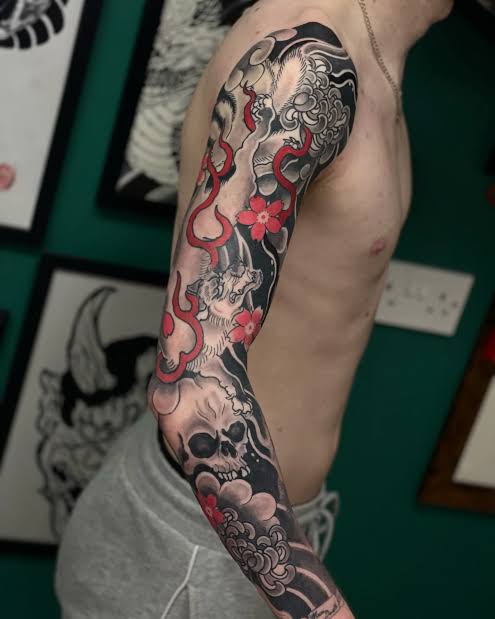
Traditional irezumi kitsune tattoos follow strict compositional rules rooted in Edo-period Japanese tattooing. These designs often incorporate wind bars, flames, chrysanthemums, and flowing movement patterns to represent spiritual energy. The kitsune is usually depicted in dynamic motion to express transformation and supernatural presence.
Expert Recommendation: Traditional irezumi work is best executed by artists specializing in Japanese tattoo lineage, as improper execution can distort symbolic meaning and disrupt visual harmony, particularly in sleeve or back-piece compositions.
Anime-Inspired Fox Spirit Tattoos
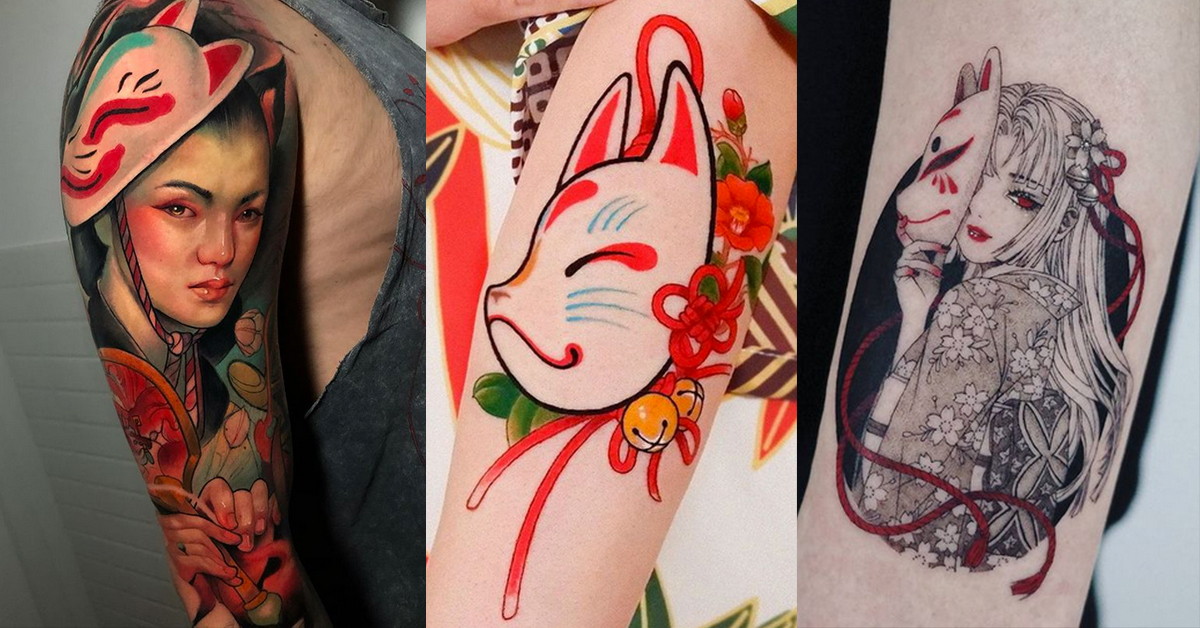
Anime-inspired kitsune tattoos modernize traditional mythology by integrating stylized facial expressions, vibrant colors, and simplified anatomy. These designs are highly popular among younger audiences influenced by Japanese media culture, where kitsune often appear as mystical companions or magical transformation entities.
This modern adaptation introduces an important shift: kitsune symbolism is no longer purely religious or folkloric but also personal identity-driven, reflecting fandom culture and global reinterpretation of Japanese mythological systems.
Best Placements for Kitsune Tattoos (Meaning-Based Design Strategy)
Lucky Tattoo, a professional tattoo artist, has over 10 years of experience in the art of tattooing in Ho Chi Minh City. Lucky Tattoo Studio was founded in 2014 by skilled and kind artists. All tattoos are provided in a clean, strictly controlled, and friendly environment.
Sleeve Tattoos (Transformation Symbolism)
A kitsune sleeve tattoo represents a full narrative of transformation, growth, and evolving identity. This placement allows artists to build a flowing story across the arm, often incorporating flames, masks, and tails to illustrate the spirit’s progression. It is one of the most symbolically complete formats for kitsune-inspired body art.
Expert Insight: Sleeve placements are often chosen by individuals undergoing long-term personal change. Tattoo practitioners frequently design these pieces in phases, mirroring the kitsune’s mythological evolution over time rather than completing the entire concept in one session.
Back Tattoos (Spiritual Protection Meaning)
A kitsune back tattoo emphasizes spiritual guardianship and protection. In Japanese symbolism, the back is considered a “guardian canvas,” making it ideal for mythological beings like fox spirits. Large-scale compositions often depict a nine-tailed kitsune emerging through flames or torii gates, reinforcing divine association.
Information Gain: Unlike Western tattoo trends that prioritize visibility, Japanese-inspired back pieces are often intentionally private, symbolizing protection “behind the wearer” rather than external display. This cultural nuance is frequently missing in mainstream tattoo guides.
Forearm & Wrist Designs (Identity and Visibility)
Forearm and wrist kitsune tattoos are chosen for visibility and personal affirmation. These placements act as daily reminders of transformation, adaptability, and intelligence. Smaller designs often feature minimalist fox masks or stylized tails, making them accessible for first-time collectors of Japanese-inspired tattoos.
However, visibility also changes interpretation—forearm kitsune tattoos tend to emphasize personal identity rather than spiritual mythology, making them more modern and self-expressive than traditional irezumi placements.
Cultural Meaning & Respect in Kitsune Tattoos
Kitsune tattoos carry deep cultural roots in Japanese Shinto tradition, and respectful adaptation requires understanding their religious and folkloric origins. While they are widely adopted in global tattoo culture, proper use involves awareness of symbolism, avoiding distortion, and acknowledging the spiritual context behind the imagery.
Is It Cultural Appropriation?
A kitsune tattoo is not inherently cultural appropriation, but its meaning depends on execution, intent, and cultural understanding. When reduced to aesthetic trends without context, it can become superficial representation. However, when approached with respect for Japanese mythology and artistic tradition, it becomes cultural appreciation.
Expert Perspective: Tattoo historians emphasize that appropriation risk increases when sacred symbols like Inari fox spirits are used without understanding their religious associations. Responsible use involves research and collaboration with knowledgeable tattoo artists.
How to Respectfully Design Japanese-Inspired Tattoos
Respectful kitsune tattoo design requires integrating accurate symbolism, avoiding mismatched cultural elements, and working with artists experienced in Japanese tattooing traditions. This ensures the imagery aligns with historical meaning rather than purely decorative interpretation.
- Research Shinto and kitsune mythology before choosing design elements
- Avoid mixing unrelated cultural symbols (e.g., unrelated tribal motifs)
- Work with artists trained in Japanese irezumi structure
- Understand the meaning of tails, masks, and colors
Information Gain Insight: One commonly overlooked factor is compositional flow. In traditional Japanese tattooing, negative space and movement direction are as important as the subject itself, influencing how the kitsune “moves” across the body visually and symbolically.
Working with Authentic Irezumi Artists
Authentic irezumi artists specialize in traditional Japanese tattoo methodology, including hand-poked techniques and structured composition rules. Choosing such an artist ensures that kitsune tattoos maintain cultural accuracy and visual integrity.
Unlike commercial tattoo studios, irezumi practitioners often develop designs collaboratively over time, ensuring symbolic alignment and anatomical flow across the body.
Kitsune Tattoo Ideas and Creative Inspiration
Kitsune tattoo ideas range from traditional flame-wrapped nine-tailed fox designs to modern minimalist masks and abstract interpretations. Each concept reflects different emotional and symbolic intentions, from protection and wisdom to transformation and dual identity expression.
Nine-Tailed Fox Flame Design Concepts
A nine-tailed fox surrounded by flames is one of the most iconic kitsune tattoo designs. It represents ultimate transformation, spiritual awakening, and mastery over illusion. Flames symbolize purification and energy, amplifying the mythical power of the fox spirit within Japanese folklore.
Expert Insight: Artists often use flame direction to indicate emotional narrative—upward flames suggest ascension and enlightenment, while swirling flames indicate chaos and transformation struggles.
Inari Shrine-Inspired Fox Tattoos
Inari shrine-inspired tattoos incorporate torii gates, rice symbolism, and white fox imagery associated with Inari Ōkami. These designs emphasize divine protection, prosperity, and spiritual connection, making them one of the most culturally grounded kitsune tattoo styles.
Dark vs Light Kitsune Interpretations
Dark kitsune tattoos emphasize mystery, trickery, and hidden knowledge, while light kitsune designs represent purity, protection, and spiritual guidance. This duality allows individuals to align tattoos with personal psychological identity or life philosophy.
Information Gain: Many guides overlook that dual-color kitsune tattoos are often used to represent internal conflict resolution, making them psychologically meaningful beyond mythology alone.
Kitsune Tattoo vs Other Mythical Tattoos
Kitsune tattoos are often compared to other mythological designs such as oni or dragon tattoos, each carrying distinct cultural meanings. Kitsune represent intelligence and transformation, while oni symbolize chaos or punishment, and dragons represent power and elemental control.
Kitsune vs Oni Tattoos Meaning Difference
Kitsune tattoos symbolize adaptability and spiritual intelligence, whereas oni tattoos represent brute force, chaos, and moral consequence. This contrast makes kitsune designs more aligned with subtle transformation narratives, while oni tattoos express confrontation and externalized struggle.
Kitsune vs Dragon Symbolism Comparison
Dragon tattoos in Japanese culture represent elemental authority and cosmic balance, while kitsune focus on psychological transformation and illusion. Choosing between them depends on whether the wearer seeks external power symbolism or internal identity evolution.
What Does a Kitsune Tattoo Say About You?
A kitsune tattoo often reflects a personality drawn to transformation, intelligence, and duality. It can represent someone navigating identity change, embracing adaptability, or valuing spiritual symbolism. In modern tattoo culture, it also signals appreciation for Japanese mythology and narrative-driven body art.
Personality Archetypes (Protector, Trickster, Mystic)
Kitsune tattoos align with three main archetypes: protector (loyal and guiding), trickster (adaptive and strategic), and mystic (introspective and spiritual). These archetypes help individuals choose designs that reflect not just aesthetics but internal psychological identity structures.
Expert Insight: Tattoo psychologists note that mythological tattoos often serve as “identity anchors,” helping individuals externalize internal transformation processes during life transitions.
Expert Tattoo Artist Tips Before Getting a Kitsune Tattoo
Kitsune tattoos require careful planning due to their intricate symbolism and often complex compositions. Expert tattoo artists recommend considering placement flow, cultural accuracy, and long-term visual aging to ensure the design remains coherent and meaningful over time.
Choosing the Right Style for Your Body Placement
Style selection should align with body anatomy. Large-scale irezumi works best on back or sleeves, while minimalist kitsune masks suit forearms or calves. Proper alignment ensures the fox spirit design maintains motion and narrative flow across the body.
Color Symbolism in Japanese Tattooing
Color choices in kitsune tattoos carry symbolic meaning. Red often represents energy and protection, white symbolizes purity and divinity, and black may represent mystery or hidden knowledge. These colors should be chosen intentionally rather than purely aesthetically.
Longevity and Aging of Intricate Fox Designs
Highly detailed kitsune tattoos require careful consideration of line thickness and shading contrast to ensure longevity. Overly fine details may blur over time, especially in high-movement areas like hands or wrists.
Expert Recommendation: Always design with long-term aging in mind—Japanese tattoo traditions prioritize bold composition over micro-detail to preserve meaning over decades.
Frequently Asked Questions (FAQ)
What does a kitsune tattoo symbolize? It symbolizes transformation, intelligence, spiritual protection, and duality rooted in Japanese mythology.
Are kitsune tattoos good or bad luck? They are generally considered protective and positive, though folklore includes both benevolent and trickster aspects.
What does a nine-tailed fox tattoo mean? It represents ultimate wisdom, spiritual evolution, and supernatural power in Japanese and East Asian mythology.
Is a kitsune tattoo culturally appropriate? Yes, when designed respectfully with understanding of Shinto symbolism and cultural context.
What is the difference between kitsune and oni tattoos? Kitsune represent intelligence and transformation, while oni represent chaos and brute force.
Where should I place a kitsune tattoo for meaning? Sleeves represent transformation, backs represent protection, and forearms represent identity expression.
Do kitsune tattoos have spiritual meaning? Yes, they are tied to Shinto beliefs and symbolize spiritual guardianship and divine messaging.
Conclusion: The Deeper Meaning of Kitsune Tattoos
Kitsune tattoos are more than decorative body art—they are narrative symbols of transformation, intelligence, and duality rooted in Japanese mythology. Whether chosen for spiritual meaning, personal identity, or aesthetic appreciation, they remain one of the most culturally rich and psychologically expressive tattoo choices in modern body art.
Lucky Tattoo, a professional tattoo artist, has over 10 years of experience in the art of tattooing in Ho Chi Minh City. Lucky Tattoo Studio was founded in 2014 by skilled and kind artists. All tattoos are provided in a clean, strictly controlled, and friendly environment.
kitsune-tattoo