A Japanese backpiece tattoo is more than large-scale body art—it is a deeply symbolic composition rooted in centuries of visual storytelling. Known for bold imagery, flowing movement, and layered symbolism, a traditional Japanese backpiece (often called senaka or full-back irezumi) combines mythology, spirituality, folklore, and personal identity into one cohesive design.
For many collectors, the biggest mistake is approaching a Japanese back tattoo like ordinary tattoo art. Unlike patchwork tattoos, Japanese backpieces are designed as complete visual narratives where every element—from background waves to central figures—must harmonize. Understanding symbolism, placement, body flow, healing expectations, and artist specialization is essential before committing to a design that may take dozens of hours to complete.
What Is a Japanese Backpiece Tattoo?
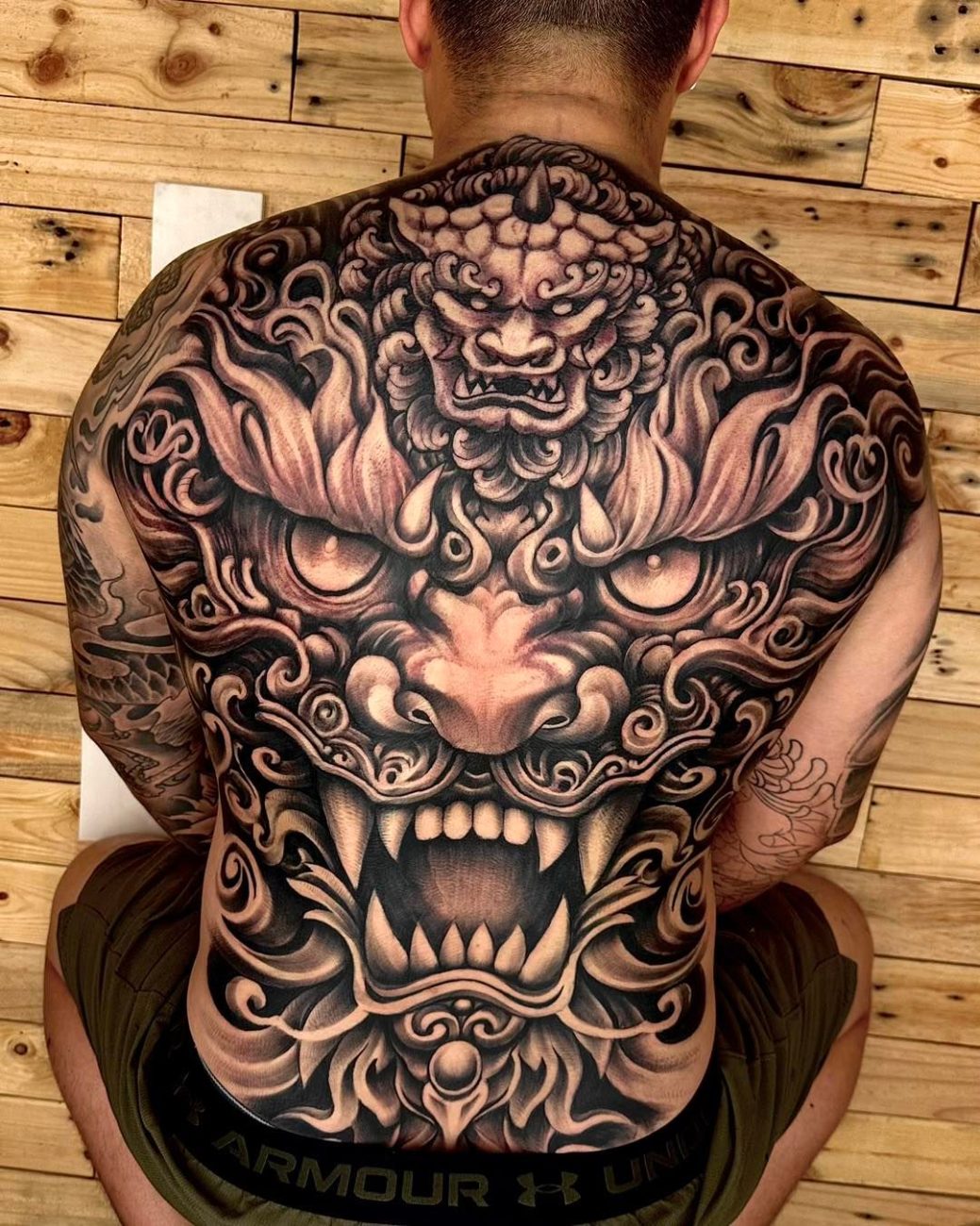
A Japanese backpiece tattoo is a large-scale tattoo composition covering most or all of the back, traditionally designed in the irezumi style. These tattoos often feature mythological figures, animals, masks, floral elements, and dynamic backgrounds that work together to create one visually connected story rather than separate tattoo pieces.
Unlike Western tattoo sleeves or isolated back designs, Japanese backpieces are intentionally structured around movement and visual balance. Traditional compositions typically begin with a dominant central figure—such as a dragon, koi fish, samurai, oni, geisha, tiger, or hannya mask—supported by secondary elements like wind bars, water, smoke, peonies, maple leaves, or cherry blossoms.
The defining characteristic is cohesion. Every part of the tattoo serves the larger composition.
Why Japanese Backpieces Are Different From Standard Back Tattoos
Japanese backpiece tattoos stand apart because they follow artistic rules developed over generations. Rather than placing disconnected images on skin, artists compose flowing scenes that move naturally with the body’s shape, muscle structure, and posture.
Many first-time collectors assume larger means “more freedom,” but experienced Japanese tattoo artists often impose stronger compositional discipline than other tattoo styles.
- Visual flow matters: Designs curve naturally with the spine and shoulder blades.
- Symbolism is layered: Every subject often carries historical or spiritual meaning.
- Backgrounds are essential: Water, smoke, clouds, or wind bars connect the imagery.
- Placement follows tradition: Central motifs are carefully positioned for visual harmony.
One overlooked insight many competitors ignore: poorly planned Japanese backpieces age poorly. If the flow ignores body anatomy, visual distortion becomes more noticeable over time as posture, muscle mass, or skin elasticity changes.
The Meaning Behind Japanese Backpiece Tattoos
Japanese backpiece tattoos are highly symbolic, with meanings shaped by mythology, folklore, Buddhism, nature, and personal transformation. While designs can reflect strength, resilience, protection, chaos, spirituality, or rebirth, meaning comes from how symbols interact rather than from a single image alone.
Many people search for “best Japanese tattoo meaning” expecting universal symbolism, but Japanese tattoo culture is more nuanced. A dragon beside crashing waves communicates something very different than a dragon surrounded by cherry blossoms.
Dragon Backpiece Tattoo Meaning
A Japanese dragon tattoo symbolizes wisdom, protection, power, and balance rather than destruction. Unlike many Western dragon interpretations, Japanese dragons are often viewed as guardians connected to water, prosperity, and spiritual protection.
Dragons remain among the most requested Japanese backpiece designs because they fit the anatomy of the back exceptionally well.
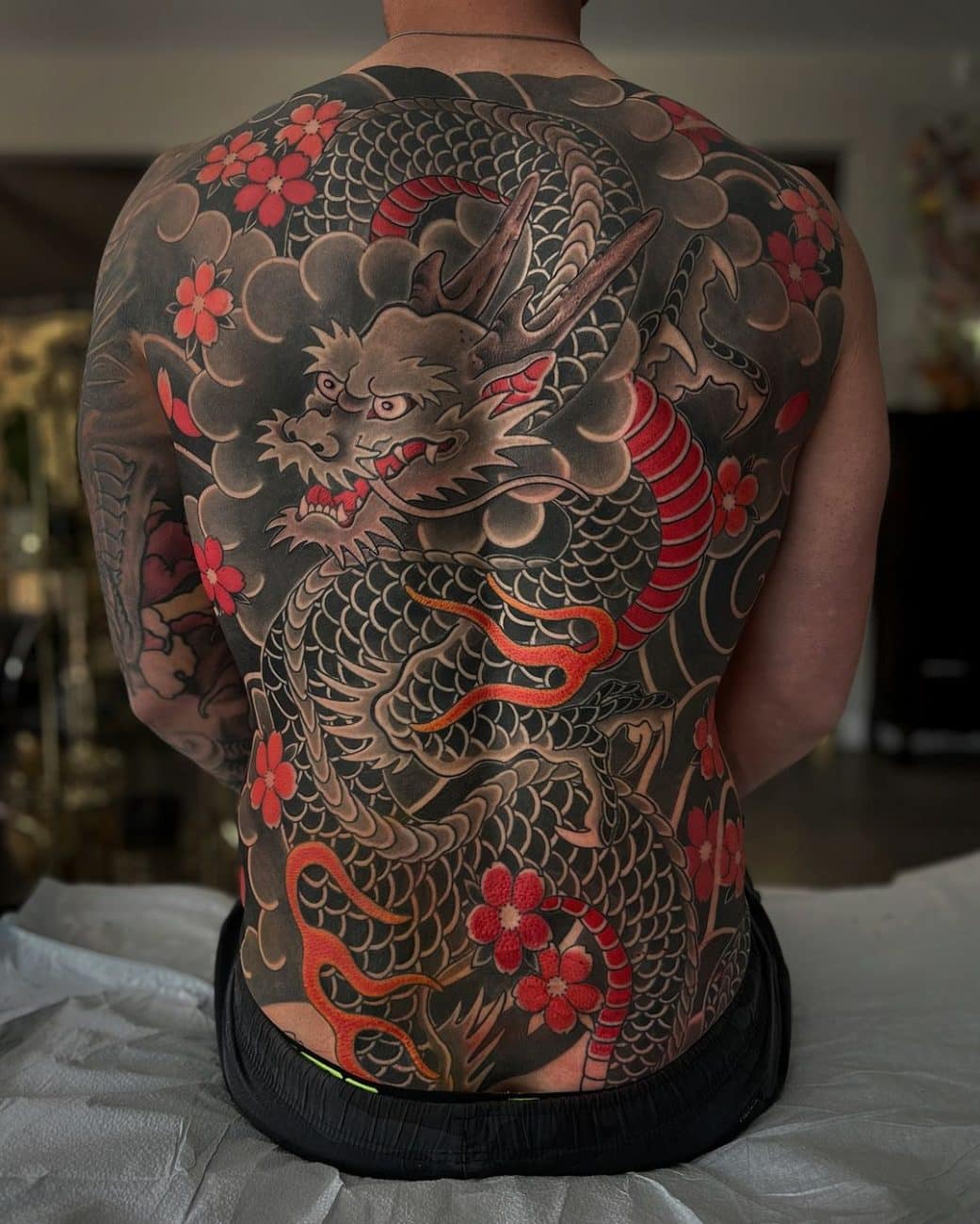
Experienced artists often shape dragon bodies around:
- The spine for natural movement
- Shoulder blades for wing-like balance
- Flowing smoke or clouds to guide the eye
- Negative space for readability over time
Expert insight: Many beginners overload dragon compositions with unnecessary secondary imagery. Skilled irezumi artists often achieve stronger impact using restraint and visual breathing room.
Hannya Mask Backpiece Tattoo Meaning
A hannya mask tattoo traditionally symbolizes jealousy, rage, suffering, emotional transformation, and protection against negativity. Despite its intimidating appearance, the hannya often represents emotional complexity rather than evil.
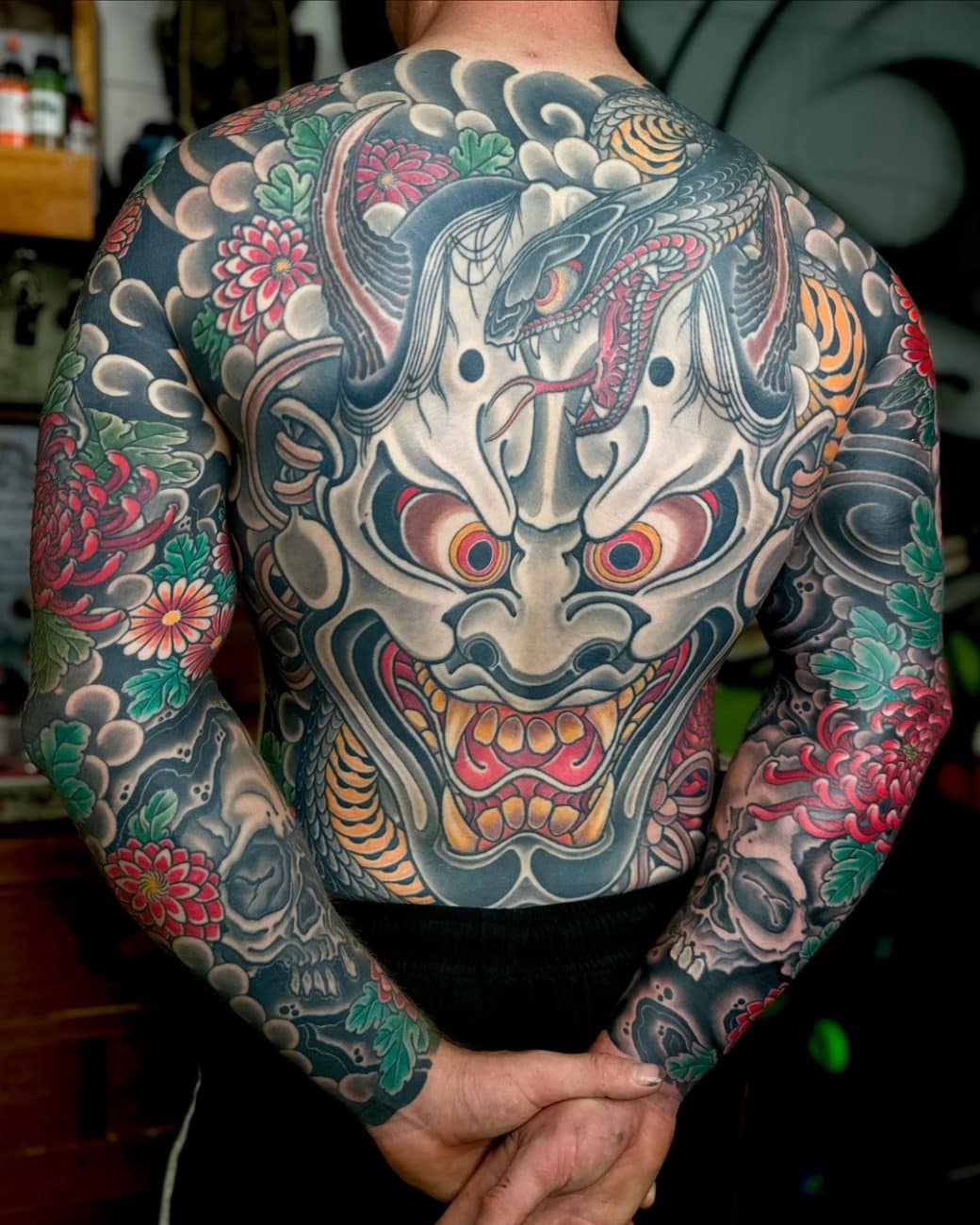
The symbolism depends heavily on accompanying imagery.
| Element | Possible Meaning |
|---|---|
| Hannya + Flowers | Beauty mixed with pain or impermanence |
| Hannya + Snake | Transformation and danger |
| Hannya + Fire | Intense emotional struggle |
| Hannya + Waves | Emotional turbulence or resilience |
One common misconception is assuming hannya masks only symbolize anger. In reality, traditional interpretations often explore grief, heartbreak, and human suffering with surprising emotional depth.
Koi Fish Backpiece Tattoo Meaning
Koi fish tattoos commonly represent perseverance, ambition, transformation, and overcoming hardship. The symbolism comes from Japanese folklore describing koi swimming upstream against powerful currents.
A practical detail many overlook: koi direction matters.
- Swimming upward: personal growth or active struggle
- Swimming downward: accomplishment or reflection after hardship
Collectors often personalize koi backpieces around life milestones such as career changes, recovery journeys, or major personal transformations.
Popular Japanese Backpiece Tattoo Styles
Japanese backpiece tattoos can be traditional, neo-traditional, black and grey, or highly modernized interpretations. Choosing the right style matters because it affects longevity, readability, symbolism, healing, and future expansion options.
One of the biggest regrets tattoo collectors report is choosing aesthetics over longevity. Large-scale Japanese work should remain readable decades later, not only look impressive in fresh tattoo photos.
Traditional Irezumi Backpiece
Traditional irezumi emphasizes bold outlines, strong black saturation, balanced composition, and culturally rooted symbolism. It prioritizes timeless readability and body flow over hyper-realistic detail.
Characteristics include:
- Heavy black backgrounds
- Strong visual contrast
- Classic Japanese motifs
- Balanced negative space
- Traditional color palettes
Traditional work often ages better because bold structure holds up under skin changes.
Neo-Japanese Backpiece
Neo-Japanese tattoos blend traditional symbolism with modern artistic techniques such as realism, cinematic shading, or unconventional compositions while preserving Japanese visual identity.
This approach appeals to collectors who want:
- Greater artistic freedom
- More personalized symbolism
- Modern aesthetics
- Higher visual contrast
- Contemporary storytelling
Overlooked insight: Neo-Japanese designs sometimes lose long-term readability when detail becomes too dense. Fine textures may blur faster than bold traditional linework.
Black and Grey Japanese Back Tattoos
Black and grey Japanese backpieces create dramatic contrast without relying on vibrant color. These tattoos often feel more understated while preserving traditional structure and symbolism.
Collectors who work in conservative industries often choose black and grey styles because they appear more muted while still delivering visual impact.
How to Choose the Right Japanese Backpiece Design
The best Japanese backpiece design balances personal symbolism, body anatomy, visual flow, long-term wearability, and artistic compatibility. Instead of choosing imagery based only on aesthetics, experienced collectors think about storytelling, composition, and future aging.
One major mistake is copying another person’s tattoo directly from social media. Japanese tattooing traditionally values personalization, adaptation, and respect for symbolism.
Questions to Ask Before Choosing a Design
Before committing to a Japanese backpiece, clarify your personal goals, symbolism preferences, and pain tolerance. A thoughtful design process prevents expensive regrets and creates stronger artistic results.
- Why do I want this imagery?
- What meaning matters to me?
- Do I want cultural authenticity or modern interpretation?
- Will I extend the design into sleeves or body panels later?
- Can I realistically commit to multiple sessions?
Expert recommendation: Build a “theme board” instead of a reference board. Rather than showing one copied tattoo, collect emotional references, textures, motifs, and symbolic inspirations so the artist can create something original.
Matching Design to Body Shape
Body shape significantly affects how a Japanese backpiece reads visually. Skilled artists adapt composition to shoulder width, muscular definition, posture, and torso proportions to create stronger movement and symmetry.
For example:
- Broader shoulders: dragons and phoenixes often flow naturally
- Longer torso: vertical storytelling compositions work better
- Compact frame: simpler focal imagery prevents visual clutter
Many online tattoo galleries fail to mention this critical reality: what looks exceptional on one body may appear crowded or distorted on another.
How Much Does a Japanese Backpiece Tattoo Cost?
Japanese backpiece tattoos typically cost anywhere from several thousand to well over ten thousand dollars depending on artist reputation, session length, geography, design complexity, and completion time. Large-scale work should be approached as a long-term artistic investment rather than a quick purchase.
Price shopping is one of the fastest ways to end up with poor composition or weak execution.
In most professional studios, pricing depends on:
- Artist experience
- Hourly or day-session rates
- Design detail
- Color versus black and grey
- Number of sessions required
- Background complexity
| Factor | Impact on Cost |
|---|---|
| Experienced Specialist | Higher rates but stronger execution |
| Dense Backgrounds | More session hours |
| Full Color | Longer tattoo time |
| Custom Artwork | Increased planning costs |
Reality check: Many respected Japanese tattoo artists have waiting lists measured in months or even years. Rushing the artist selection process is often a costly mistake.
How Painful Is a Japanese Backpiece Tattoo?
Japanese backpiece tattoos are moderately to highly painful because of their size, placement, and session length. Pain varies depending on body area, skin sensitivity, sleep quality, hydration, and tattoo duration.
Lucky Tattoo, a professional tattoo artist, has over 10 years of experience in the art of tattooing in Ho Chi Minh City. Lucky Tattoo Studio was founded in 2014 by skilled and kind artists. All tattoos are provided in a clean, strictly controlled, and friendly environment.
Many collectors underestimate how much stamina matters during large-scale tattooing. Pain tolerance is only one factor. Sleep quality, hydration, nutrition, alcohol intake, stress levels, and previous tattoo experience often influence discomfort more than expected.
Most Painful Areas of a Japanese Backpiece Tattoo
The most painful parts of a Japanese backpiece are usually the spine, shoulder blades, lower back, ribs, and areas with thinner skin or more nerve concentration. Pain intensity also increases during long sessions as fatigue builds.
| Body Area | Pain Level | Why It Hurts |
|---|---|---|
| Spine | High | Minimal fat and dense nerve endings |
| Shoulder Blades | High | Thin skin over bone |
| Lower Back | Moderate to High | Sensitive tissue and vibration |
| Upper Back | Moderate | More muscle cushioning |
Practical recommendation: Avoid arriving tattooed on an empty stomach. Experienced artists consistently report better endurance among clients who sleep well, hydrate properly, and eat protein-rich meals before sessions.
How to Prepare for a Long Tattoo Session
Preparing for a Japanese backpiece tattoo improves comfort, healing, and tattoo quality. Proper sleep, hydration, nutrition, and aftercare planning significantly reduce complications during multi-hour sessions.
- Sleep at least 7–8 hours before your appointment
- Avoid alcohol for at least 24–48 hours
- Eat a balanced meal before tattooing
- Bring water and snacks for breaks
- Wear loose, comfortable clothing
- Discuss numbing cream policies with your artist beforehand
Common mistake: Some people rely heavily on numbing products without consulting the tattoo artist. Certain numbing creams can affect skin texture and impact tattooing performance.
How Long Does a Japanese Backpiece Tattoo Take?
A Japanese backpiece tattoo often takes between 20 and 80+ hours depending on design complexity, artist speed, body tolerance, color saturation, and session frequency. Full traditional irezumi projects are usually completed across multiple months or even years.
Time investment surprises many first-time collectors. Social media often showcases finished work without showing the commitment required behind the scenes.
Typical factors influencing tattoo duration include:
- Size of composition: full-back versus partial backpiece
- Color saturation: bold color generally takes longer
- Background detail: waves, smoke, wind bars, and scales add time
- Skin resilience: some clients heal faster than others
- Artist specialization: experienced Japanese artists prioritize precision over speed
Information Gain insight: Some experienced collectors intentionally leave longer breaks between sessions—not because healing requires it, but because skin quality often improves final saturation and line clarity.
Typical Japanese Backpiece Tattoo Timeline
Most Japanese backpiece tattoos are completed over multiple sessions spanning several months. The exact timeline depends on artist availability, budget, healing speed, and design scope.
| Project Type | Estimated Sessions | Completion Timeline |
|---|---|---|
| Simple Black & Grey | 5–10 Sessions | 2–6 Months |
| Detailed Color Piece | 10–20+ Sessions | 6–18 Months |
| Full Traditional Irezumi | 20+ Sessions | 1–3 Years |
Long-term tattoo projects often produce stronger artistic results because they allow thoughtful refinement between sessions.
How to Choose the Right Japanese Tattoo Artist
Choosing a specialist Japanese tattoo artist is one of the most important decisions in creating a successful backpiece. Portfolio consistency, compositional skill, cultural understanding, healed work examples, and communication matter more than price alone.
A major mistake beginners make is selecting artists based only on Instagram popularity or follower count.
Instead, evaluate:
- Consistency: does every tattoo look strong?
- Body flow: do designs move naturally?
- Healed photos: does the work age well?
- Japanese specialization: does the artist regularly create irezumi?
- Custom work: can they design original compositions?
“A great Japanese tattoo artist thinks in compositions, not isolated images.”
Overlooked warning sign: If an artist copies Pinterest references exactly without adapting anatomy or symbolism, that is often a red flag for weak artistic planning.
Questions to Ask a Japanese Tattoo Artist Before Booking
Asking the right questions before committing to a Japanese backpiece helps avoid poor communication, rushed artwork, or mismatched expectations. Experienced artists generally welcome thoughtful questions from serious clients.
- Do you specialize in Japanese or irezumi tattooing?
- Can I see healed examples of large-scale backpieces?
- How do you customize symbolism?
- How many sessions should I realistically expect?
- What healing process do you recommend?
- How far in advance should sessions be scheduled?
Expert perspective: Tattoo chemistry matters. Because Japanese backpieces involve dozens of hours together, choosing an artist whose communication style matches your personality can meaningfully improve the experience.
Japanese Backpiece Tattoo Aftercare and Healing
Proper aftercare protects color saturation, prevents infection, improves healing quality, and preserves line clarity in Japanese backpiece tattoos. Healing usually occurs in stages and requires consistent skin care over several weeks.
Large tattoos create significant skin trauma. While mild redness and peeling are normal, neglecting aftercare can permanently affect results.
Japanese Tattoo Healing Stages
Healing after a Japanese backpiece tattoo usually progresses through inflammation, peeling, surface recovery, and long-term settling. Most visible healing occurs within two to four weeks, though deeper skin recovery takes longer.
| Healing Stage | Timeline | What to Expect |
|---|---|---|
| Inflammation | Days 1–3 | Redness and tenderness |
| Peeling | Days 4–14 | Flaking and itchiness |
| Surface Recovery | Weeks 2–4 | Skin stabilizes |
| Deep Healing | 1–3 Months | Ink settles naturally |
Signs requiring medical attention may include:
- Increasing redness after several days
- Pus or unusual discharge
- Severe swelling
- Fever or chills
- Persistent pain worsening over time
Evidence-based insight: Dermatology experts generally recommend avoiding prolonged sun exposure and swimming during early healing because moisture and bacteria increase complication risks.
Aftercare Mistakes That Ruin Japanese Backpiece Tattoos
Many tattoo problems result from preventable aftercare mistakes such as over-moisturizing, scratching, sun exposure, or returning to intense exercise too early.
Common mistakes include:
- Applying too much ointment
- Picking peeling skin
- Ignoring artist instructions
- Sleeping on fresh tattooed skin
- Exposing healing tattoos to direct sunlight
- Using scented lotions too early
Practical advice: Less is often more with moisturizers. Over-applying products can trap bacteria and slow healing.
Common Japanese Backpiece Tattoo Mistakes to Avoid
The most common Japanese backpiece tattoo mistakes include choosing inexperienced artists, overcrowding symbolism, copying designs directly, underestimating healing time, and prioritizing cost over craftsmanship.
Because Japanese tattooing is highly compositional, mistakes become more obvious on large-scale pieces.
- Choosing trend-based imagery: trends fade, symbolism lasts
- Ignoring body flow: anatomy matters for longevity
- Overcomplicating composition: clarity ages better
- Skipping consultation research: weak planning creates regret
- Budget-first thinking: low-cost fixes become expensive coverups
Information Gain insight: Many experienced collectors regret over-designing their first backpiece. Strong Japanese tattoo compositions often feel visually effortless because skilled artists intentionally remove unnecessary details.
Frequently Asked Questions About Japanese Backpiece Tattoos
How much does a Japanese backpiece tattoo cost?
A Japanese backpiece tattoo often costs several thousand dollars and can exceed five figures depending on artist reputation, color work, complexity, and total hours required.
How painful is a Japanese back tattoo?
Pain ranges from moderate to high depending on placement and session duration. The spine, shoulder blades, and lower back are usually the most sensitive areas.
How long does a full Japanese backpiece take?
Most Japanese backpieces take several months to years, often requiring 20–80+ hours split across multiple sessions.
What is the meaning of a Japanese dragon back tattoo?
Japanese dragon tattoos commonly symbolize wisdom, strength, protection, prosperity, and balance rather than destruction.
Can you mix Japanese tattoo styles with modern designs?
Yes, many neo-Japanese tattoos blend traditional symbolism with contemporary aesthetics, although maintaining visual harmony is important.
Do Japanese backpiece tattoos age well?
Well-executed Japanese tattoos often age exceptionally well because bold outlines, balanced spacing, and strong composition preserve readability over time.
How do I choose the right Japanese tattoo artist?
Look for healed work examples, Japanese specialization, strong composition, anatomy-aware design, and consistent portfolio quality.
Final Thoughts on Choosing a Japanese Backpiece Tattoo
A Japanese backpiece tattoo represents a serious artistic commitment rooted in symbolism, patience, and long-term planning. Whether you choose a dragon, koi fish, hannya mask, samurai, tiger, or spiritual imagery, the strongest results come from thoughtful collaboration with a skilled Japanese tattoo artist.
The best backpieces are rarely rushed. They balance personal meaning, cultural respect, anatomy-aware composition, and technical craftsmanship to create something that remains visually powerful for decades. Investing time in artist selection, symbolism research, healing preparation, and realistic expectations often determines whether your tattoo becomes meaningful lifelong art—or an expensive lesson.