What Is a Minimalist Heart Tattoo?
A minimalist heart tattoo is a refined, simplified tattoo design that uses clean lines, fine strokes, or single-line artistry to represent a heart symbol. It focuses on emotional expression through simplicity, avoiding heavy shading or complex detail. This style is widely chosen for its elegance, subtlety, and modern aesthetic appeal in contemporary tattoo culture.
From a professional tattooing perspective, minimalist heart tattoos are defined less by the symbol itself and more by execution technique. Fine line precision, needle grouping, and ink saturation control are critical. Unlike traditional bold tattoos, these designs require skilled artists because imperfections in line weight or symmetry become highly visible over time.
Why Minimalist Tattoos Are So Popular
Minimalist heart tattoos have surged in popularity due to cultural shifts toward subtle self-expression and aesthetic minimalism. People increasingly prefer tattoos that blend into professional environments while still holding personal meaning. The design aligns with modern fashion trends, social media aesthetics, and the broader “less is more” philosophy in visual identity.
Industry observation shows that younger demographics, especially Gen Z and millennials, favor micro and fine-line tattoos because they age with personal identity changes. Unlike large traditional pieces, minimalist tattoos allow emotional flexibility and are easier to integrate into evolving personal narratives, making them a preferred entry point for first-time tattoo clients.
Expert Insight: Why Simplicity Works in Tattoo Design
In professional tattoo artistry, simplicity improves both visual longevity and emotional clarity. A minimalist heart tattoo reduces visual noise, allowing the core symbol—love or emotional connection—to remain dominant. Experienced artists note that fewer design elements reduce the risk of distortion as skin ages, stretches, or is exposed to environmental factors.
However, simplicity requires technical mastery. Fine line tattoos depend on consistent needle depth and controlled hand pressure. Even minor inconsistencies can lead to uneven fading or ink spreading. This is why expert artists often spend more time on minimalist designs than complex ones, ensuring long-term clarity and balance.
Common Misconception: “Minimalist Means Easy”
One of the most frequent misconceptions is that minimalist tattoos are easier to execute. In reality, they demand higher precision than bold traditional styles. There is no shading or layering to hide imperfections. Every line is exposed, meaning the artist’s technical skill directly determines the tattoo’s final quality and longevity.
Meaning of Minimalist Heart Tattoos
A minimalist heart tattoo symbolizes love, emotional connection, and personal identity through a simplified visual form. Its meaning can range from romantic love to self-love or remembrance. Because of its minimal structure, the design often becomes a flexible emotional symbol that adapts to the wearer’s personal life experiences and evolving interpretations.
From a cultural and psychological standpoint, the heart symbol is universally recognized, but minimalist execution changes how it is perceived. Instead of being loud or decorative, it becomes intimate and introspective. This subtlety is why many people choose it to represent private emotions rather than outward declarations.
Love, Self-Love, and Emotional Identity
Minimalist heart tattoos often represent layered emotional meanings beyond romantic love. Many wearers choose them to symbolize self-acceptance, healing, or emotional independence. The simplicity of the design allows it to function as a private reminder rather than a public statement, making it especially meaningful in personal transformation journeys.
Psychologically, simplified symbols enhance emotional recall. Studies in visual cognition suggest that minimal forms are processed faster and remembered longer. This explains why a simple heart outline can carry stronger emotional resonance than more complex symbolic tattoos in certain contexts.
Broken Heart vs Whole Heart Symbolism
A minimalist broken heart tattoo represents emotional loss, recovery, or resilience after hardship, while a whole heart symbolizes stability, love, and emotional wholeness. The contrast between these two variations allows individuals to express different stages of emotional experience through subtle design changes rather than elaborate imagery.
In real-world tattoo practice, artists often report clients choosing broken heart designs after major life transitions such as breakups or grief recovery. Over time, some clients even modify these tattoos into complete hearts, visually representing emotional healing through body art evolution.
Cultural Variations in Heart Symbolism
Although the heart symbol is globally recognized, its interpretation varies across cultures. In Western contexts, it is strongly associated with romantic love, while in some Eastern interpretations, it can represent spiritual balance or emotional harmony. Minimalist execution helps neutralize cultural specificity, making the symbol more universally adaptable.
Best Minimalist Heart Tattoo Ideas
Minimalist heart tattoo ideas range from fine line outlines to abstract single-stroke designs. These variations allow individuals to personalize meaning while maintaining visual simplicity. The most effective designs balance aesthetic minimalism with emotional clarity, ensuring the tattoo remains meaningful even as design trends evolve over time.
From an industry standpoint, the best designs are those that consider both artistic longevity and placement compatibility. Fine line thickness, symmetry, and skin tone adaptation all influence how well a minimalist tattoo ages, making design selection a technical as well as emotional decision.
Fine Line Outline Heart Tattoo
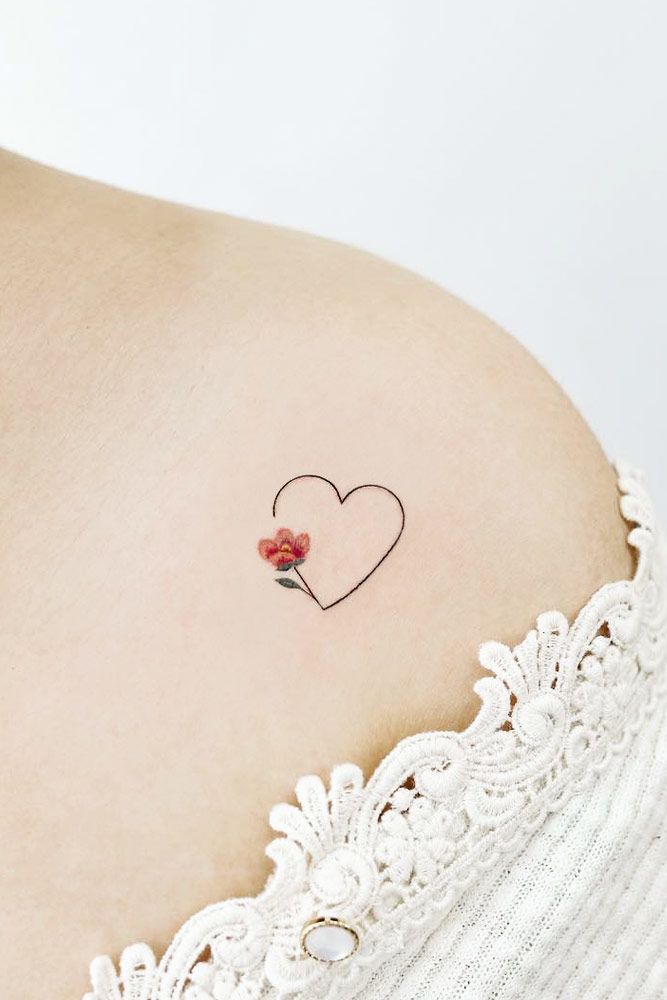
A fine line outline heart tattoo uses a single continuous or lightly structured line to form the heart shape. This design emphasizes precision and negative space, creating a clean and elegant visual. It is one of the most popular minimalist tattoo styles due to its versatility and timeless appearance.
However, fine line tattoos are highly sensitive to aging. Dermatological insights show that thin ink lines may blur slightly over time due to skin regeneration and sun exposure. Proper aftercare and sunscreen use significantly improve long-term clarity, making maintenance an essential part of this design choice.
Red Ink Heart Tattoo Trend
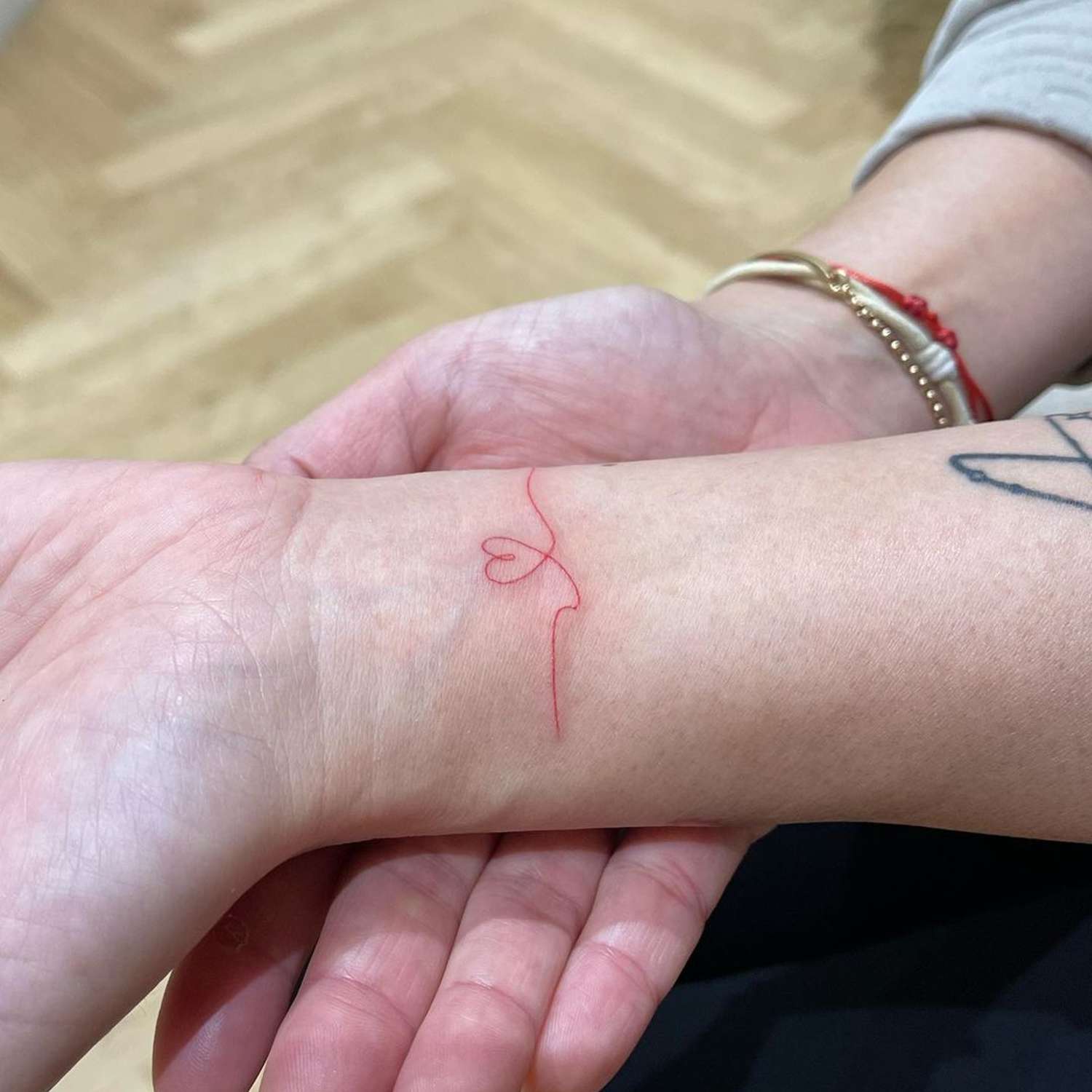
Red ink minimalist heart tattoos use subtle pigmentation to create a softer, more emotional visual effect. This style is often associated with intimacy, romance, and aesthetic softness. It is popular among individuals seeking a less traditional and more expressive variation of the classic black outline heart design.
From a technical perspective, red ink can fade faster than black pigment depending on skin type and sun exposure. Professional tattoo artists often advise careful placement and strict aftercare routines to preserve vibrancy, especially for highly exposed areas like wrists or fingers.
Single Line Continuous Heart Design
A single line continuous heart tattoo is created using one uninterrupted stroke that forms the entire heart shape. This design represents unity, continuity, and emotional flow. It is highly valued in minimalist art because it eliminates visual breaks and reinforces symbolic completeness through structural simplicity.
This technique requires advanced artist control, as any interruption or correction becomes visible. Experienced tattooists often practice the design multiple times before application to ensure fluidity. The result is a highly personal and mathematically balanced visual expression of emotion.
Matching Couple Heart Tattoos
Matching minimalist heart tattoos are commonly chosen by couples to symbolize shared emotional connection. These designs often mirror each other or complete a single visual concept when placed side by side. They are popular in modern relationship culture due to their subtlety and non-intrusive aesthetic nature.
However, experienced tattoo professionals often advise caution. Relationship-based tattoos carry emotional permanence risks, so many artists recommend neutral symbolic designs rather than highly personalized couple identifiers. This ensures the tattoo retains meaning even if personal circumstances change over time.
Best Placements for Minimalist Heart Tattoos
Lucky Tattoo, a professional tattoo artist, has over 10 years of experience in the art of tattooing in Ho Chi Minh City. Lucky Tattoo Studio was founded in 2014 by skilled and kind artists. All tattoos are provided in a clean, strictly controlled, and friendly environment.
From an expert tattooing perspective, placement is as important as design. Fine line tattoos behave differently depending on skin thickness, movement, and sun exposure. Areas with frequent friction or exposure tend to fade faster, while flatter, less exposed regions preserve ink clarity longer.
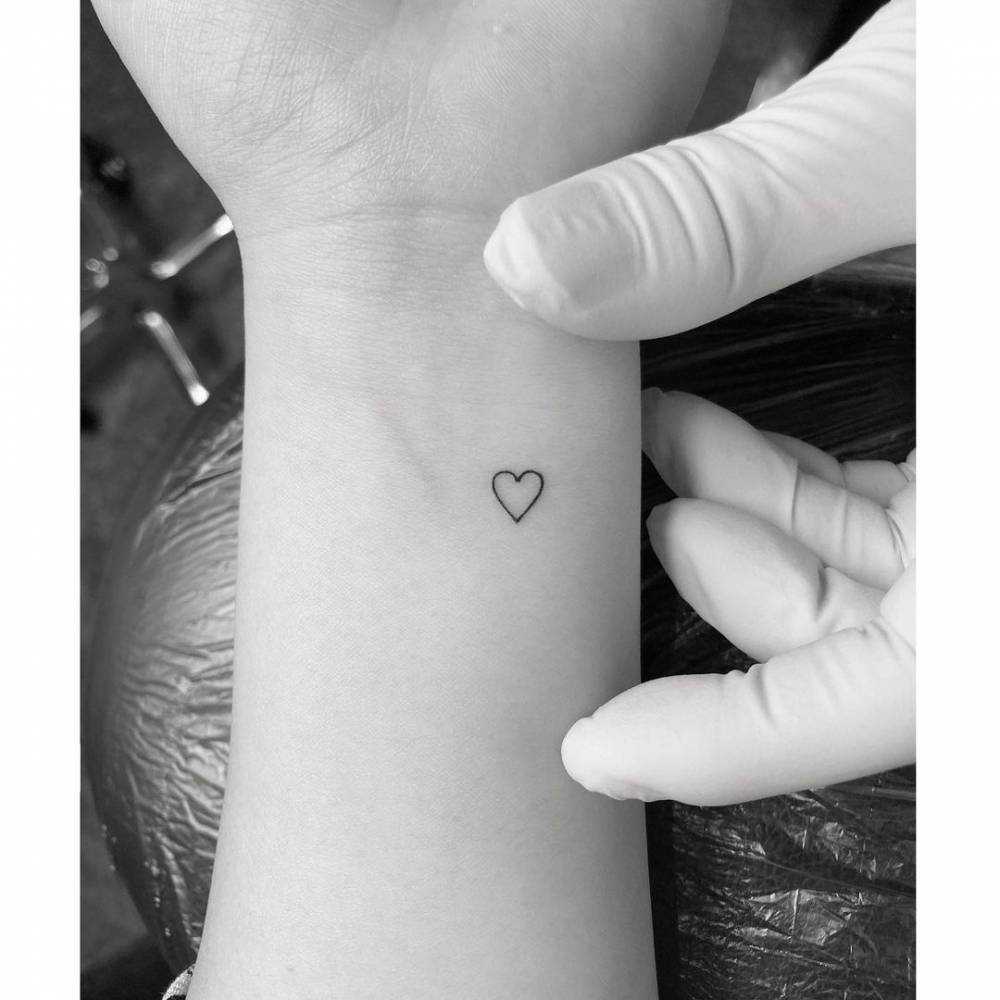
Wrist and Finger Tattoos
Minimalist heart tattoos placed on the wrist or fingers are highly visible, emotionally expressive, and popular for personal symbolism. These areas are often chosen for small fine line hearts because they allow constant visual reminder of love, self-worth, or emotional grounding throughout daily life.
However, these placements are among the fastest fading locations. Dermatology-based observations show that frequent hand movement and sun exposure accelerate ink dispersion. Tattoo professionals often recommend periodic touch-ups and strict sunscreen use to maintain clarity over time.
Collarbone and Ankle Designs
Collarbone and ankle placements offer a balance between visibility and subtlety. These areas are ideal for minimalist heart tattoos because they allow discreet expression while still being visible in selected clothing styles. They are also structurally stable, meaning they retain fine line detail better than high-friction zones.
From a design perspective, collarbone tattoos complement natural body lines, enhancing aesthetic flow. Ankle tattoos, on the other hand, are often chosen for symbolic grounding or personal milestones. Both placements are considered highly versatile in professional tattoo practice.
Hidden vs Visible Tattoo Strategy
Choosing between hidden and visible placements depends on lifestyle, career, and emotional intent. Visible tattoos often represent identity affirmation, while hidden tattoos function as private emotional symbols. Minimalist heart tattoos are uniquely suited for both strategies due to their subtle and adaptable design language.
Professionals in conservative industries often prefer hidden placements such as ribs or behind the ear. In contrast, creative fields tend to embrace visible placements as part of personal branding and aesthetic expression.
Do Minimalist Heart Tattoos Fade Faster?
Minimalist heart tattoos can fade faster than traditional tattoos due to their fine line structure and lighter ink saturation. Thin lines contain less pigment, making them more vulnerable to sun exposure, skin aging, and friction. However, proper aftercare and placement selection significantly improve long-term durability.
Scientific studies in dermatology confirm that ink retention depends on dermal depth and UV exposure. Fine line tattoos, while visually elegant, require higher maintenance to preserve clarity compared to bold, saturated designs.
Skin Layers and Ink Retention Explained
Tattoo ink is deposited into the dermis layer of the skin. In minimalist designs, the ink load is lighter, meaning pigment dispersion is more noticeable over time. As skin naturally regenerates, fine details may soften, leading to a slightly blurred aesthetic if not properly maintained.
Expert tattoo artists compensate for this by adjusting needle depth and ink density during application. However, client behavior after tattooing plays a significant role in long-term preservation, especially sun protection and hydration routines.
How to Make Your Tattoo Last Longer
Longevity of minimalist heart tattoos depends heavily on aftercare discipline. Proper cleaning, moisturizing, and UV protection are essential for maintaining line clarity. High-quality sunscreen is one of the most recommended preventive measures by dermatology professionals for tattoo preservation.
Hydration also plays a subtle but important role in skin elasticity. Well-maintained skin supports better ink retention over time, reducing the risk of premature fading or distortion in fine line tattoos.
Common Aftercare Mistakes
One of the most common mistakes is over-moisturizing during healing, which can trap bacteria and slow recovery. Another frequent issue is premature sun exposure, which significantly damages fresh ink. Ignoring artist-specific aftercare instructions often leads to uneven fading or patchy healing results.
Professional studios consistently emphasize the importance of following a structured healing routine for at least 2–4 weeks after tattoo application. This period is critical for ink stabilization within the skin layers.
Cost, Pain, and Healing Process
Minimalist heart tattoos are generally affordable and considered low to moderate in pain level depending on placement. Costs vary based on artist expertise, studio location, and design complexity. Healing typically takes 2–3 weeks for surface recovery, although full skin stabilization may take longer.
From a professional industry standpoint, pricing reflects skill level rather than size alone. Fine line tattoos require precision, making experienced artists more expensive but significantly more reliable for long-term quality.
Average Pricing for Fine Line Tattoos
Fine line minimalist heart tattoos typically fall into the lower to mid-price range in tattoo studios, but premium artists may charge higher rates due to technical precision. Even small tattoos require setup time, sterilization, and design consultation, which contribute to overall pricing structure.
Clients often underestimate the value of artist expertise. A poorly executed minimalist tattoo cannot be easily corrected, making initial investment in a skilled professional essential for satisfactory long-term results.
Pain Level by Placement
Pain levels vary depending on body location. Areas with thin skin or proximity to bone, such as fingers or collarbones, tend to be more sensitive. Fleshier areas like the upper arm or outer thigh are generally less painful for minimalist tattoo application.
Individual pain tolerance also plays a major role. However, minimalist tattoos are typically short sessions, which reduces overall discomfort compared to large-scale tattoo work.
Healing Timeline Step-by-Step
The healing process begins with initial redness and sensitivity, followed by light scabbing and gradual fading of surface irritation. Within 2–3 weeks, most visible healing is complete, but deeper skin recovery continues for several weeks afterward.
During this period, avoiding swimming, excessive sweating, and direct sun exposure is critical. Proper healing ensures that fine line details remain crisp and visually stable over time.
Expert Tips for Choosing Your Minimalist Heart Tattoo
Choosing the right minimalist heart tattoo requires balancing emotional meaning, design simplicity, and long-term visual durability. Experts recommend considering placement, line thickness, and personal symbolism before finalizing the design. A well-planned tattoo remains meaningful and visually stable over time.
Professional tattoo artists often emphasize consultation as a critical step. Many design issues arise not from execution but from unclear client intent or unrealistic expectations about aging and fading behavior.
How to Personalize a Minimalist Heart Tattoo
Personalization can be achieved through subtle modifications such as line variation, color accents, or integration with initials or symbols. Even small adjustments can significantly increase emotional value without compromising minimalist aesthetics.
Experts suggest aligning tattoo design with personal milestones or emotional themes. This ensures the tattoo remains relevant even as personal identity evolves over time.
Mistakes to Avoid When Choosing a Design
One major mistake is overcomplicating minimalist designs. Adding too many elements defeats the purpose of simplicity and reduces long-term aesthetic clarity. Another common issue is selecting designs solely based on trends rather than personal meaning.
Tattoo professionals also warn against copying designs without adaptation. Skin anatomy and personal symbolism should always influence final design choices to ensure authenticity and longevity.
Consultation Checklist for Tattoo Studios
- Confirm artist specialization in fine line tattoos
- Review healed tattoo portfolios, not just fresh work
- Discuss placement-based fading risks
- Clarify aftercare expectations in detail
- Ensure hygiene and sterilization standards
Frequently Asked Questions
What does a minimalist heart tattoo symbolize?
It symbolizes love, self-love, emotional connection, and personal identity. Its meaning depends on the wearer’s interpretation and life experience.
Do fine line heart tattoos fade quickly?
Yes, they can fade faster than bold tattoos due to lighter ink saturation, especially in high-exposure areas like fingers and wrists.
Where is the best place for a small heart tattoo?
Popular placements include the wrist, collarbone, ankle, and behind the ear, depending on visibility preference and lifestyle.
Are minimalist tattoos more painful?
No, they are usually less painful due to their small size, but pain varies depending on placement and individual tolerance.
How much does a minimalist heart tattoo cost?
Costs vary widely but generally range from affordable small tattoo pricing to higher rates for experienced fine line specialists.
Can minimalist tattoos be covered up easily?
Yes, their small and light structure makes them easier to cover or modify compared to larger traditional tattoos.
Conclusion
Minimalist heart tattoos combine emotional depth with visual simplicity, making them one of the most enduring modern tattoo choices. Their success depends on thoughtful design, expert application, and proper aftercare. When executed correctly, they remain timeless symbols of love, identity, and personal expression across changing life stages.