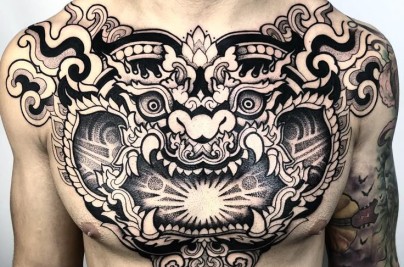
What Are Travel Tattoo Designs? Meaning, Psychology & Emotional Value
Direct Answer (40–60 words): Travel tattoo designs are symbolic body art inspired by journeys, destinations, and personal travel experiences. They translate emotional memories into visual symbols such as maps, airplanes, or coordinates. These tattoos reflect identity, freedom, and transformation, often marking life-changing trips or meaningful milestones connected to exploration and discovery.
Travel tattoo designs are not just decorative choices—they are emotional memory anchors. In professional tattoo consultations, artists often note that clients rarely ask for “just a plane or map.” Instead, they are encoding a feeling: independence after a solo trip, healing after a breakup abroad, or identity shifts during long-term travel.
From an E-E-A-T perspective, psychologists associate travel-based memory formation with stronger autobiographical recall. This explains why travel tattoos often feel more meaningful than generic designs—they are tied to emotionally intense, novelty-rich experiences.
Why Travel Tattoos Carry Stronger Emotional Weight Than Standard Ink
Direct Answer (40–60 words): Travel tattoos feel more meaningful because they are linked to high-emotion memories, novelty experiences, and identity shifts. Unlike decorative tattoos, they represent real-life transformation moments. This emotional encoding makes them psychologically durable and less likely to feel irrelevant over time compared to trend-based designs.
In real-world tattoo studios, artists often observe a pattern: clients rarely regret travel tattoos when the design is rooted in a specific memory rather than a generic aesthetic trend. However, regret increases when travelers choose symbols without emotional anchoring—such as random compass designs with no personal story.
Information Gain Insight: A key overlooked factor is “memory specificity.” The more precise the travel memory (e.g., “first sunrise in Bali after solo backpacking”), the stronger the long-term satisfaction with the tattoo.
Most Popular Travel Tattoo Symbols and Their Meanings
Direct Answer (40–60 words): The most popular travel tattoo symbols include airplanes, compasses, world maps, coordinates, and famous landmarks. Each symbol represents a different aspect of travel—freedom, direction, identity, or memory. These designs are often combined to create personalized tattoos that reflect both emotional meaning and specific travel experiences.
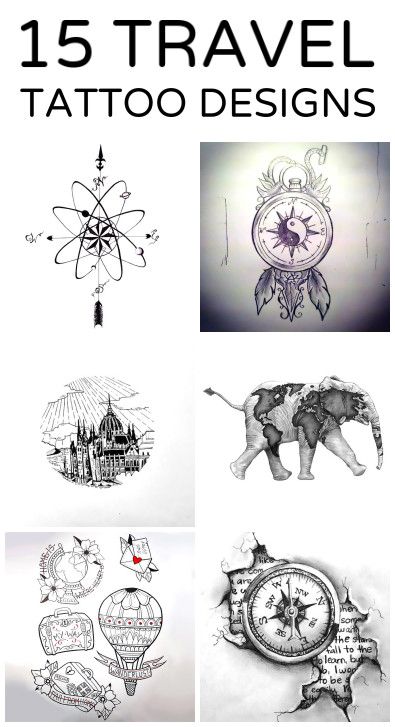
Travel tattoo symbolism has evolved significantly. Instead of standalone icons, modern designs often combine multiple elements into layered storytelling compositions. For example, a compass overlaid on coordinates can represent “direction guided by a specific life-changing place.”
Airplane Tattoos and the Symbolism of Movement
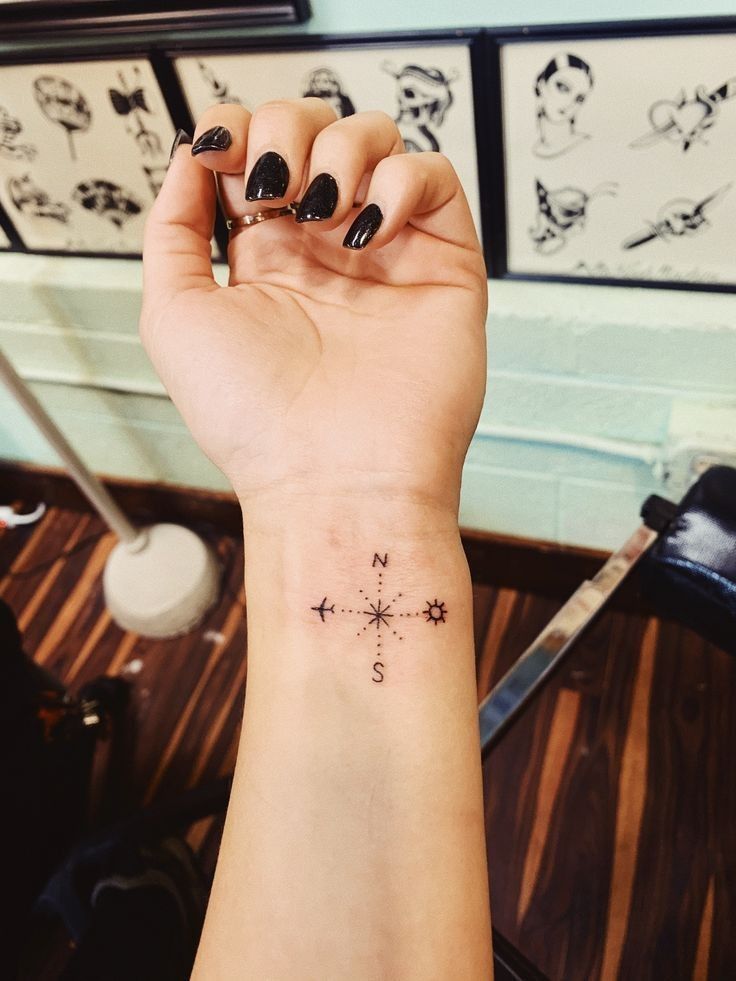
Direct Answer (40–60 words): Airplane tattoos symbolize freedom, transition, and life movement. They often represent a major life change, such as relocating, traveling solo, or starting a new chapter. Minimalist airplane designs are especially popular because they visually communicate movement without overwhelming detail.
From a professional tattoo perspective, airplane tattoos work best when paired with a secondary element such as a flight path line, date, or coordinates. Without context, they risk appearing generic. With context, they become narrative-driven identity markers.
Common misconception: Many assume airplane tattoos are only for frequent travelers. In practice, they are more often chosen by individuals marking emotional “takeoff moments” in life rather than literal aviation interests.
Compass Tattoo Meaning in Modern Travel Culture
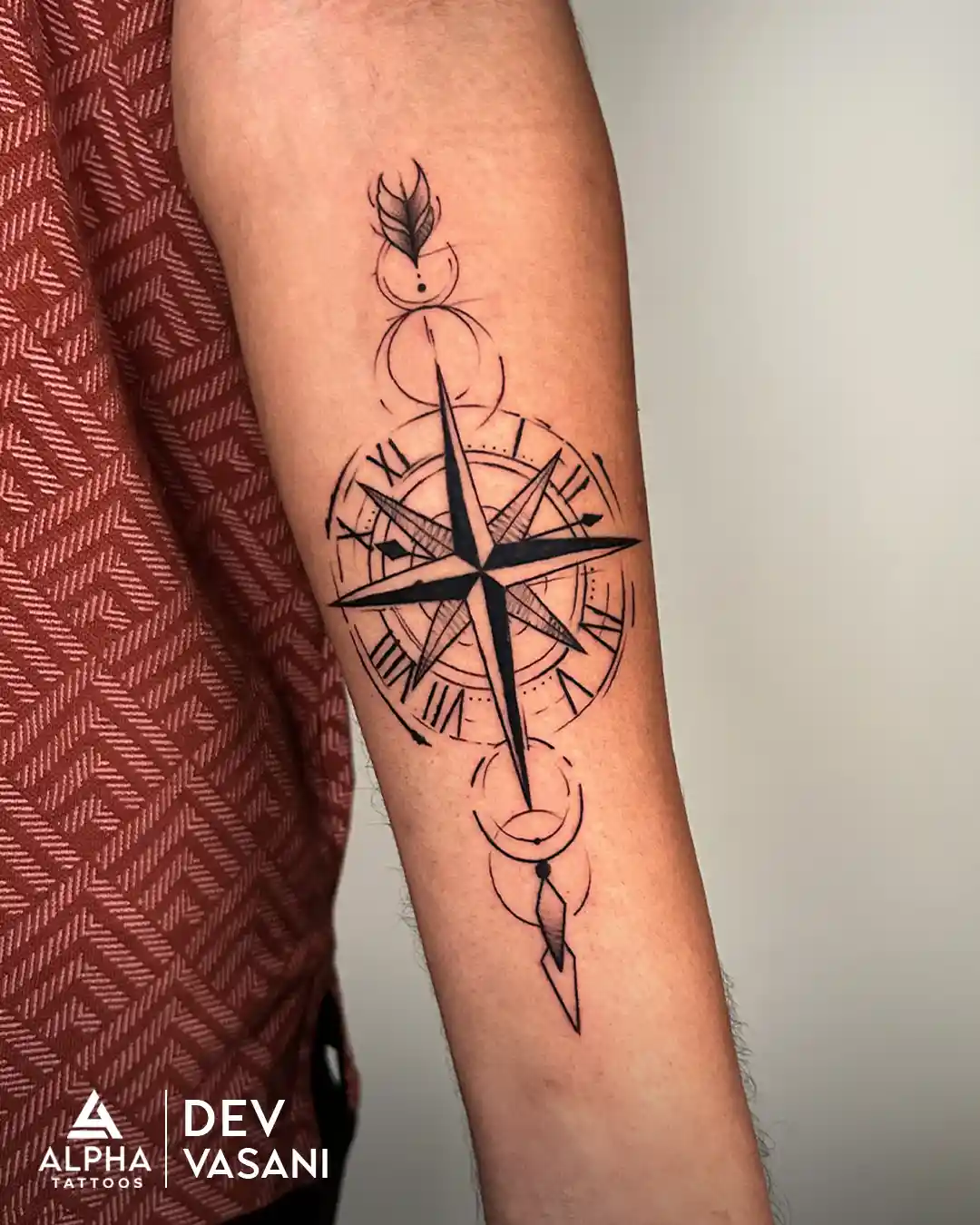
Direct Answer (40–60 words): Compass tattoos represent guidance, direction, and personal navigation through life. In travel culture, they symbolize staying grounded while exploring the world. They are often used by individuals who value both adventure and stability, blending exploration with internal direction-setting.
The compass rose is one of the most versatile tattoo symbols because it integrates well with maps, coordinates, and nautical themes. However, tattoo artists frequently warn against overly complex compass designs that lose clarity when scaled down.
Information Gain Insight: A growing trend is hybrid compass-coordinate tattoos, where the compass points toward a meaningful geographic coordinate instead of generic cardinal directions.
World Map Tattoos and Global Identity Expression
Direct Answer (40–60 words): World map tattoos symbolize global awareness, exploration, and a borderless mindset. They are often chosen by frequent travelers, digital nomads, or individuals who feel emotionally connected to multiple countries. These tattoos can range from detailed maps to minimalist continent outlines.
Unlike other symbols, world map tattoos carry a strong identity component. They often reflect how someone sees themselves in relation to the world rather than a single travel event.
Expert observation: Tattoo professionals often recommend simplifying world map designs for longevity. Highly detailed maps tend to blur over time, especially on smaller placements like wrists or ankles.
Best Travel Tattoo Styles (Minimalist, Watercolor & Geometric)
Direct Answer (40–60 words): The most popular travel tattoo styles include minimalist line art, watercolor designs, geometric patterns, and realistic illustrations. Each style reflects different personality types and emotional intentions. Minimalist designs focus on subtle storytelling, while watercolor tattoos emphasize emotion, color, and artistic expression.
Style selection is one of the most underestimated aspects of tattoo planning. In professional studios, artists often prioritize style compatibility over symbol choice because poor style selection can distort meaning over time.
Minimalist Travel Tattoos for Timeless Storytelling
Direct Answer (40–60 words): Minimalist travel tattoos use simple lines and small symbols to represent journeys. They are ideal for first-time clients due to their subtle appearance, faster healing, and long-term visual clarity. Common designs include tiny airplanes, coordinates, and outline-style landmarks.
Minimalist tattoos are often misunderstood as “too simple,” but in professional design theory, simplicity increases longevity. Clean lines age better and remain readable even after years of skin changes.
Information Gain Insight: The most effective minimalist travel tattoos follow a “single emotion rule”—each design should represent one clear memory or feeling, not multiple overlapping stories.
Safety & E-E-A-T Note: Dermatology research indicates that fine-line tattoos require experienced artists due to higher risks of ink fading or line migration if improperly executed.
Lucky Tattoo, a professional tattoo artist, has over 10 years of experience in the art of tattooing in Ho Chi Minh City. Lucky Tattoo Studio was founded in 2014 by skilled and kind artists. All tattoos are provided in a clean, strictly controlled, and friendly environment.
How to Create a Unique Travel Tattoo (Memory Mapping System)
Direct Answer (40–60 words): A unique travel tattoo is created by converting a personal travel memory into a structured design system: emotion → symbol → composition. Instead of copying generic designs, this method focuses on storytelling, combining meaningful locations, coordinates, and symbols to create a personalized visual identity rooted in lived experience.
Professional tattoo artists increasingly emphasize “memory-first design.” This means the emotional core of the journey is identified before any visual elements are chosen. For example, a traveler who experienced self-discovery in Kyoto might translate that into cherry blossoms (change), coordinates (place), and a minimalist path line (journey progression).
Information Gain Insight: Most competitors fail to explain why two people with identical destinations still receive completely different tattoo designs. The answer lies in emotional framing—one person remembers freedom, another remembers healing. That difference defines the final artwork.
Step-by-Step Framework to Convert Travel Memories into Tattoo Designs
Direct Answer (40–60 words): The process of converting travel memories into tattoos involves identifying a meaningful experience, extracting the dominant emotion, selecting symbolic elements, and structuring them into a balanced visual composition. This ensures the tattoo reflects personal identity rather than generic travel imagery or overused aesthetic trends.
- Identify the memory: Focus on a single defining travel moment.
- Extract emotion: Freedom, healing, growth, love, or discovery.
- Select symbols: Map, compass, landmark, coordinates, or object.
- Design composition: Arrange elements into visual hierarchy.
- Refine with artist input: Ensure scalability and skin placement compatibility.
Expert recommendation: Tattoo professionals often advise avoiding “symbol overload.” More elements do not increase meaning—clarity does.
Best Placement Ideas for Travel Tattoos (Visibility, Pain & Longevity)
Direct Answer (40–60 words): The best placement for travel tattoos depends on visibility preference, pain tolerance, and design size. Common areas include the wrist, forearm, ankle, and shoulder. Each placement affects how often the tattoo is seen, how it ages, and how well fine details remain visible over time.
Placement is a strategic decision often underestimated by first-time clients. In professional tattoo practice, placement is treated as part of the storytelling process—not just a physical location.
Information Gain Insight: Fine-line travel tattoos placed on high-movement areas (hands, fingers, feet) fade significantly faster due to skin regeneration and friction—this is rarely emphasized in online inspiration content.
Wrist and Forearm Travel Tattoos for Daily Visibility
Direct Answer (40–60 words): Wrist and forearm placements are ideal for travel tattoos that serve as daily reminders. They are highly visible, suitable for minimalist designs, and allow for meaningful symbols like coordinates or airplanes. However, they are also exposed to sunlight, which can accelerate fading over time.
Forearm tattoos are commonly chosen by travelers who want to visually reinforce personal milestones. These placements also provide enough space for combining symbols like maps and flight paths.
Ankle and Shoulder Placements for Subtle Travel Storytelling
Direct Answer (40–60 words): Ankle and shoulder placements are preferred for subtle travel tattoos that are not always visible. These areas allow for personal, intimate storytelling and are often chosen for symbolic designs like compass roses, small landmarks, or coordinate-based tattoos with emotional significance.
Artists often recommend ankle tattoos for minimalist travelers because they maintain discretion while preserving meaning. Shoulder placements, on the other hand, offer larger surface area for more detailed storytelling compositions.
Travel Tattoo Ideas Based on Personality Types
Direct Answer (40–60 words): Travel tattoo designs can be personalized based on personality types such as adventurous explorers, minimalist thinkers, romantic travelers, and cultural enthusiasts. Each personality category aligns with specific symbols, styles, and compositions that reflect how individuals emotionally experience travel and memory formation.
Modern tattoo design increasingly uses personality mapping to improve satisfaction and reduce regret. Instead of selecting a design based solely on aesthetics, individuals are encouraged to align tattoos with behavioral identity patterns.
Adventure-Driven Travelers and Bold Symbolic Designs
Direct Answer (40–60 words): Adventure-driven travelers often choose bold tattoo designs such as mountain landscapes, ocean waves, or expedition routes. These designs reflect risk-taking, exploration, and physical journey experiences. They typically prefer larger, more detailed tattoos that capture movement and environmental scale.
For example, a mountaineer may choose a silhouette of Mount Everest combined with coordinates and elevation data, turning the tattoo into a personal achievement record.
Minimalist Travelers and Subtle Identity Expression
Direct Answer (40–60 words): Minimalist travelers prefer clean, simple tattoo designs such as coordinates, line-art airplanes, or small compass symbols. These tattoos emphasize emotional meaning over visual complexity and are ideal for individuals who value subtlety, longevity, and understated personal storytelling.
Common misconception: Minimalist tattoos are often assumed to lack depth, but in practice, they often carry the most precise emotional encoding due to their intentional simplicity.
Common Mistakes to Avoid in Travel Tattoo Designs
Direct Answer (40–60 words): Common mistakes in travel tattoo design include copying generic Pinterest ideas, ignoring placement scalability, overloading symbols, and choosing designs without emotional meaning. These errors often lead to regret, fading readability, or loss of personal relevance over time.
In tattoo studios, experienced artists frequently see clients requesting modifications to overused designs like generic compasses or world maps without personalization. These tattoos often lack emotional anchoring, which reduces long-term satisfaction.
Information Gain Insight: A major overlooked issue is “trend dependency.” Designs chosen solely based on social media trends tend to age poorly because they lack personal narrative depth.
Overused Designs and Why They Lead to Tattoo Regret
Direct Answer (40–60 words): Overused travel tattoo designs such as generic airplanes, standard compasses, or plain world maps often lead to regret because they lack individuality. Without personalization, these tattoos fail to represent unique travel experiences or emotional meaning tied to specific life moments.
Professional artists recommend modifying even popular symbols by integrating coordinates, dates, or unique travel routes to ensure individuality.
Travel Tattoo Safety, Aftercare & Professional Recommendations
Direct Answer (40–60 words): Travel tattoo safety involves choosing licensed studios, ensuring sterilized equipment, and following proper aftercare procedures. Healing typically requires 2–4 weeks depending on placement and skin type. Proper care reduces infection risk, preserves ink quality, and ensures long-term design clarity and durability.
According to dermatology guidelines, improper aftercare is one of the leading causes of tattoo fading and infection. This includes sun exposure, improper cleaning, and premature peeling interference.
Information Gain Insight: A frequently overlooked factor is environmental exposure while traveling. Tattoos exposed to saltwater, sun, or dust shortly after application have significantly higher risk of healing complications.
Essential Aftercare Checklist for Travel Tattoos
Direct Answer (40–60 words): Proper tattoo aftercare includes keeping the area clean, avoiding sun exposure, moisturizing regularly, and refraining from swimming during healing. Following these steps ensures proper skin regeneration and helps maintain color vibrancy and line clarity over time.
- Wash gently with antibacterial soap
- Avoid direct sunlight for at least 2 weeks
- Apply recommended healing ointment
- Avoid scratching or peeling scabs
- Do not submerge in pools or oceans during healing
Expert recommendation: Tattoo professionals advise planning tattoos at least 7–10 days before major travel activities to ensure initial healing stability.
FAQ: Travel Tattoo Designs
What makes a travel tattoo meaningful?
A travel tattoo becomes meaningful when it is tied to a specific memory, emotion, or life-changing experience rather than a generic design or trend.
Are minimalist travel tattoos better for long-term satisfaction?
Yes, minimalist tattoos often age better visually and emotionally because they focus on clear symbolism and avoid design clutter.
What is the most popular travel tattoo symbol?
Airplanes, coordinates, and compass designs are among the most popular, each representing movement, direction, and personal journey.
Do travel tattoos fade faster than other tattoos?
Not inherently, but placement, sun exposure, and fine-line detailing can affect fading rates over time.
Where is the best place to get a travel tattoo?
Forearm and wrist placements are popular for visibility, while ankle and shoulder placements offer more subtle, personal storytelling.
How do I avoid regret with a travel tattoo?
Focus on personal memories instead of trends, and ensure the design reflects a specific emotional experience rather than a generic symbol.
Can travel tattoos include multiple destinations?
Yes, but they should be structured carefully to avoid clutter—often using coordinates, routes, or layered symbolic elements.