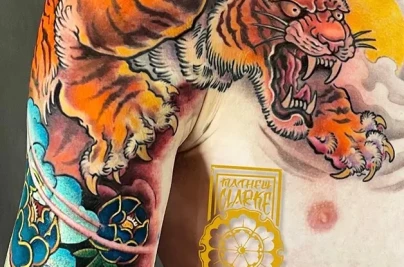
Getting tattooed is more than choosing a design—it is a procedure that involves breaking the skin barrier. While artistic skill matters, hygiene standards are often the deciding factor between a smooth healing process and preventable complications. In a city as vibrant and diverse as Ho Chi Minh City (Saigon), clients have countless tattoo options, but not all studios follow the same safety protocols.
A truly hygienic tattoo studio combines professional artistry with strict infection-control practices. This includes disposable equipment, sterile procedures, quality inks, workstation disinfection, and comprehensive aftercare guidance. Understanding these standards helps clients make informed decisions and significantly reduces health risks.

What Makes a Tattoo Studio Truly Hygienic?
A hygienic tattoo studio follows standardized infection-prevention procedures before, during, and after every tattoo session. The most important indicators include disposable needles, sterilized equipment, proper glove usage, workstation disinfection, safe ink handling, and transparent hygiene protocols. Professional studios prioritize client safety with the same consistency they apply to artistic quality.
Many first-time clients evaluate a studio based on décor, social media presence, or portfolio quality. While these factors matter, hygiene standards should always come first. An impressive studio interior does not automatically indicate proper sterilization practices.
Direct Answer: Key Hygiene Standards Every Studio Should Follow
Professional tattoo studios should maintain strict sanitation protocols, including single-use needles, barrier protection systems, fresh gloves, disinfected workstations, and safe disposal of contaminated materials. These standards help prevent infections, cross-contamination, and exposure to bloodborne pathogens while creating a safer experience for every client.
- Single-use sterile needles opened in front of the client
- Medical-grade disinfectants used between appointments
- Fresh disposable gloves changed when contamination occurs
- Protective barriers on machines, bottles, and cables
- Clean and organized workstation preparation
- Professional skin preparation before tattooing
- Safe disposal of sharps and contaminated materials
- Detailed aftercare instructions provided to clients
Experienced tattoo professionals understand that hygiene is not a one-time task but an ongoing process repeated consistently throughout the day.
Clean vs. Sterile: The Important Difference Many Clients Miss
A tattoo studio can appear visually clean while still failing to meet proper sterilization standards. Sterility refers to eliminating microorganisms that may cause infection, while cleanliness primarily refers to visible appearance. Understanding this distinction helps clients evaluate tattoo studios more accurately.
For example, a spotless reception area may create a positive first impression, but the critical question is whether tattoo equipment that comes into contact with skin and bodily fluids is properly sterilized or disposable.
| Clean | Sterile |
|---|---|
| Looks tidy and organized | Microorganisms eliminated |
| Visible dirt removed | Medical-level contamination control |
| Good appearance | Safety-focused process |
| Important for comfort | Essential for health protection |
Clients often focus on aesthetics while overlooking procedural hygiene. This is one of the most common mistakes made when selecting a tattoo studio.
Common Misconception: A Stylish Studio Does Not Equal Safe Practices
Many people assume a modern interior, premium pricing, or strong social media presence guarantees safe tattoo procedures. In reality, hygiene standards depend on daily operational practices rather than branding or visual presentation.
Industry professionals frequently observe situations where clients ask detailed questions about tattoo design but never inquire about needle usage, sterilization methods, or infection-control protocols. Ironically, these factors have a much greater impact on health outcomes than decorative elements inside the studio.
A reputable tattoo artist should be comfortable explaining hygiene procedures. Transparency is often a positive indicator of professional standards.
Information Gain: How Professional Studios Document Hygiene Procedures
One overlooked sign of a professional tattoo studio is documentation. High-standard studios often maintain internal sanitation protocols, equipment maintenance records, staff training procedures, and material sourcing information.
Experienced clients increasingly request information about:
- Needle packaging integrity
- Ink manufacturer information
- Disinfection products used in the studio
- Cross-contamination prevention methods
- Aftercare recommendations
The willingness and ability to provide these details often separates highly professional studios from less rigorous operators.
Why Tattoo Hygiene Matters for Your Health
Tattoo hygiene directly affects healing outcomes, infection risk, and overall safety. Poor sanitation practices can introduce bacteria, viruses, or contaminants into the skin, potentially causing complications that range from mild irritation to serious medical conditions. Choosing a hygienic tattoo studio is one of the most effective ways to minimize preventable risks.
Although most tattoos heal without complications when performed correctly, improper hygiene can significantly increase the likelihood of adverse outcomes.
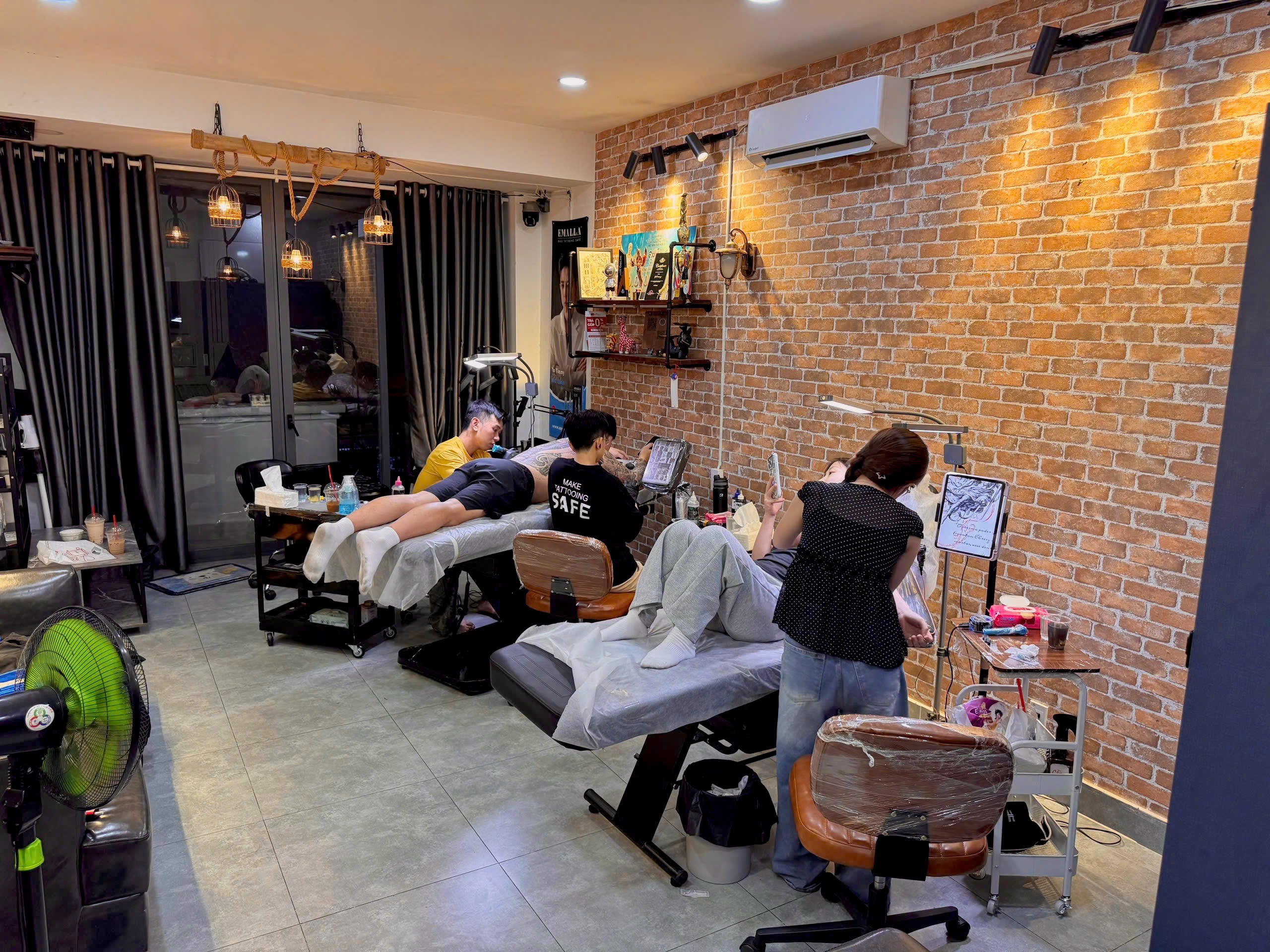
Direct Answer: Risks Associated with Poor Tattoo Hygiene
Poor tattoo hygiene can increase the risk of bacterial infections, allergic reactions, prolonged healing, skin inflammation, and transmission of bloodborne pathogens. Many complications originate from contaminated equipment, improper aftercare, or inadequate sanitation practices during the tattoo process.
Potential health risks include:
- Localized skin infections
- Excessive inflammation
- Delayed healing
- Allergic reactions to contaminated materials
- Scarring
- Cross-contamination between clients
While severe complications are relatively uncommon in professional environments, they become significantly more likely when hygiene standards are ignored.
Expert Insight: Understanding Bloodborne Pathogen Prevention
Bloodborne pathogen prevention is a foundational component of professional tattoo safety. Effective prevention relies on strict barrier techniques, disposable equipment, proper glove use, and contamination control throughout every stage of the tattoo process.
Professional tattoo artists are trained to assume that any exposure to blood or bodily fluids requires precautionary measures. This approach reduces opportunities for contamination and protects both clients and artists.
Examples of preventive practices include:
- Changing gloves immediately after contamination
- Using disposable machine barriers
- Avoiding contact between contaminated gloves and clean surfaces
- Replacing single-use materials between clients
- Preparing workstations before procedures begin
These measures may appear routine, but they represent some of the most important safeguards in modern tattooing.
Real-World Example: How Cross-Contamination Happens
Cross-contamination occurs when microorganisms are unintentionally transferred from one surface, object, or person to another. In tattoo environments, it often happens through overlooked procedural errors rather than obvious negligence.
Consider this scenario:
- An artist adjusts equipment while wearing contaminated gloves.
- The equipment surface becomes contaminated.
- The same surface is touched later without proper disinfection.
- Contaminants are transferred to materials used during another procedure.
This example demonstrates why professional studios focus heavily on barriers, glove changes, and workstation organization.
The safest environments are often those where hygiene processes are so systematic that contamination opportunities are minimized before they occur.
Information Gain: Warning Signs of Unsafe Tattoo Practices
Many clients do not know what warning signs to look for before committing to an appointment. Recognizing these indicators can help prevent avoidable risks.
- Needles not opened from sealed packaging
- Artists unwilling to discuss hygiene procedures
- Workstations not cleaned between clients
- Gloves used improperly or not changed when necessary
- Unlabeled inks or questionable materials
- Visible clutter around tattoo stations
- Lack of aftercare instructions
- Poor organization of equipment and supplies
If multiple warning signs are present, clients should strongly consider exploring other options.
The Sterilization Process Used by Professional Tattoo Studios
Professional tattoo sterilization involves a systematic process designed to eliminate contamination risks before equipment reaches the client. Modern studios combine disposable supplies, environmental disinfection, barrier protection, and strict workflow controls to maintain safe tattooing conditions throughout every appointment.
One of the biggest misconceptions in tattoo safety is that sterilization only involves needles. In reality, contamination control extends to virtually every object inside the tattoo workspace.
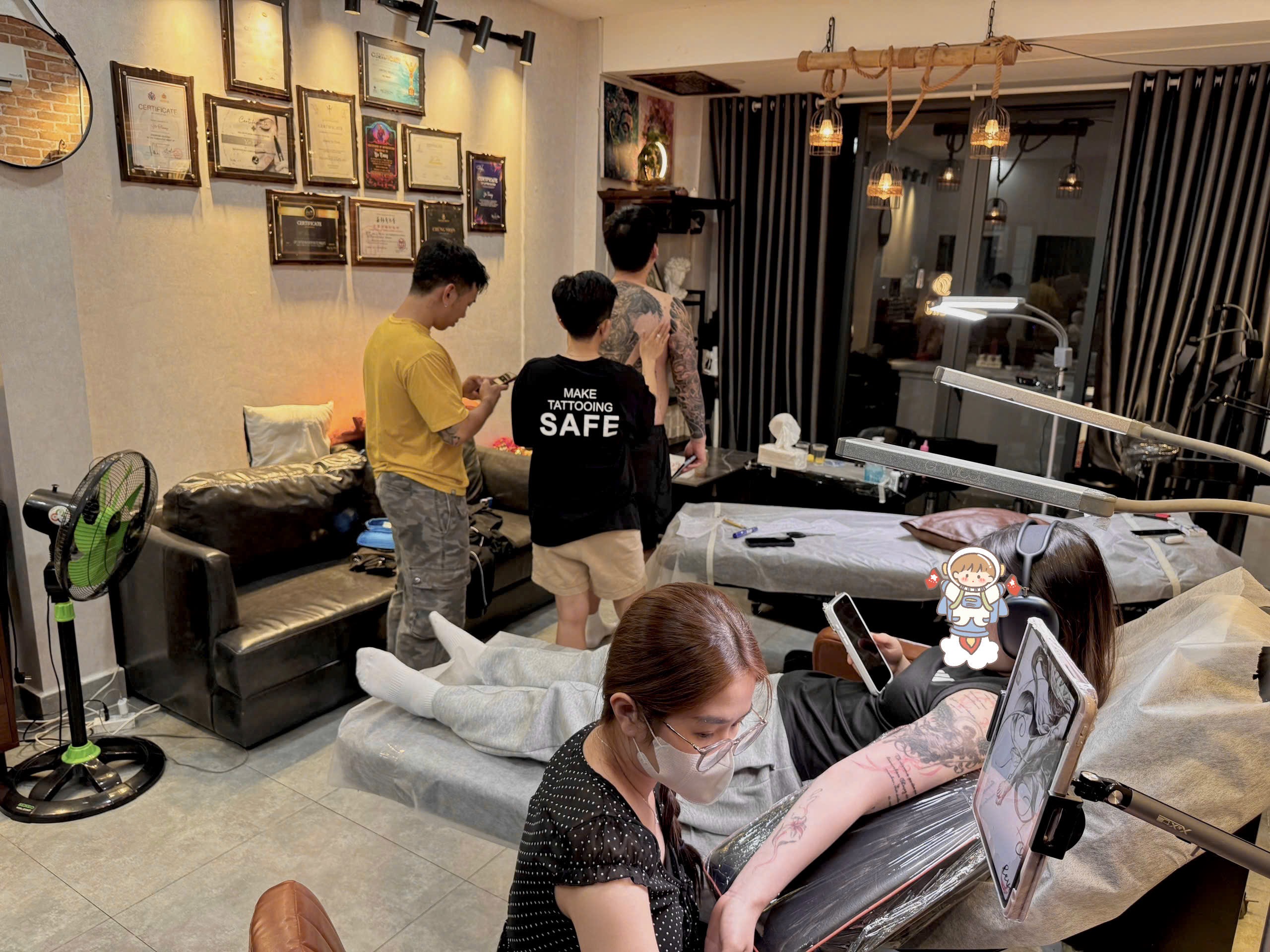
Direct Answer: How Tattoo Equipment Is Sterilized
Professional tattoo equipment is either disposable or processed through strict sterilization procedures. Single-use items are discarded immediately after use, while reusable equipment must undergo validated cleaning and sterilization protocols before being used again.
Disposable Needles and Cartridge Systems
Modern professional studios increasingly rely on disposable needle cartridges that arrive sterile from manufacturers and are discarded immediately after each client. This significantly reduces contamination risks and simplifies infection-control procedures.
- Individually packaged
- Single-client use
- Tamper-evident packaging
- Immediate disposal after tattooing
Medical-Grade Surface Disinfection
Every workstation surface that may come into contact with contaminated gloves must be disinfected between appointments. This includes trays, armrests, chairs, equipment surfaces, and frequently touched areas.
Experienced artists often disinfect surfaces multiple times throughout the tattoo process, not just at the beginning or end of a session.
Protective Barriers and Gloves
Barrier protection creates an additional layer of safety by preventing contamination of equipment that cannot easily be disinfected during active tattooing. Disposable wraps, covers, and protective sleeves are commonly used on machines, cables, bottles, and touchpoints.
Combined with proper glove protocols, barrier systems significantly reduce opportunities for cross-contamination.
Expert Insight: Why Sterilization Is More Than Cleaning
Sterilization is a risk-management system rather than a cleaning task. The most effective tattoo studios design their workflows to prevent contamination from occurring in the first place, rather than relying solely on cleaning after exposure has already happened.
This proactive mindset is one of the clearest indicators of a truly professional tattoo environment.
Information Gain: Questions Clients Should Ask Before Booking
Lucky Tattoo, a professional tattoo artist, has over 10 years of experience in the art of tattooing in Ho Chi Minh City. Lucky Tattoo Studio was founded in 2014 by skilled and kind artists. All tattoos are provided in a clean, strictly controlled, and friendly environment.
Many clients focus exclusively on design consultations and pricing discussions. However, experienced tattoo collectors often ask detailed questions about hygiene standards before discussing artwork.
Consider asking:
- Are all needles and cartridges single-use?
- How are workstations disinfected between clients?
- What type of barriers are used during tattooing?
- Which tattoo ink brands are used?
- What aftercare instructions do you recommend?
- How do you prevent cross-contamination?
- Can I observe the workstation setup before we begin?
A professional artist should answer these questions confidently and without hesitation.
Safe Tattoo Inks and Materials: What Clients Should Know
Safe tattooing depends not only on sterile equipment but also on high-quality inks and properly handled materials. Professional tattoo studios use reputable ink manufacturers, follow safe storage procedures, and minimize contamination risks throughout the tattoo process to support both safety and long-term tattoo quality.
Ink quality directly influences healing outcomes, color retention, and the likelihood of adverse skin reactions. Yet many clients overlook this important aspect of tattoo safety.
Direct Answer: What Makes Tattoo Ink Safe?
Safe tattoo inks come from reputable manufacturers, contain properly formulated pigments, remain sealed until use, and are handled using contamination-control procedures. Professional studios prioritize traceability and consistency to reduce risks associated with poor-quality or improperly stored products.
Characteristics of safer tattoo inks include:
- Clear manufacturer information
- Batch identification and traceability
- Professional industry reputation
- Proper storage conditions
- Consistent pigment quality
Clients should not hesitate to ask about the inks being used for their tattoo.
Expert Insight: Ink Storage and Contamination Prevention
Proper storage and handling are essential for maintaining tattoo ink safety. Even high-quality ink can become compromised if contamination occurs during preparation or use. Professional studios implement strict handling procedures to protect product integrity.
Experienced artists typically:
- Store inks according to manufacturer recommendations
- Use disposable ink caps for each client
- Avoid reusing leftover ink
- Prevent contact between contaminated gloves and ink containers
- Monitor expiration and batch information
These practices help reduce contamination risks while ensuring consistent tattoo quality.
Common Misconception: Expensive Ink Does Not Always Mean Safer Ink
Higher-priced products are not automatically safer. The critical factor is whether the studio follows proper sourcing, storage, and handling protocols. Even premium inks can present problems if contamination occurs after opening.
Clients should evaluate the entire safety process rather than focusing exclusively on product branding.
Information Gain: How Reputable Studios Source Their Materials
One overlooked indicator of professionalism is supply-chain transparency. Trusted studios typically purchase equipment, pigments, gloves, and disposable supplies from established industry distributors rather than unknown or unverified sources.
Professional studios often prioritize:
- Consistent supplier relationships
- Product traceability
- Verified manufacturing standards
- Reliable inventory management
- Quality assurance procedures
This behind-the-scenes operational discipline is rarely discussed but significantly contributes to client safety.
The 10-Point Hygiene Verification Checklist Before Getting Tattooed in Saigon
A structured hygiene checklist helps clients evaluate tattoo studios objectively instead of relying on appearance, popularity, or marketing claims. The most reliable assessment combines direct observation, professional communication, and verification of sanitation procedures before committing to an appointment.
This framework provides a practical decision-making tool often missing from competitor content.
| Checkpoint | What to Verify |
|---|---|
| 1 | Single-use needle packaging |
| 2 | Fresh gloves during procedures |
| 3 | Clean and organized workstation |
| 4 | Surface disinfection practices |
| 5 | Barrier protection systems |
| 6 | Professional skin preparation |
| 7 | Ink handling procedures |
| 8 | Transparent safety communication |
| 9 | Aftercare guidance |
| 10 | Positive reputation for hygiene |
Studios consistently meeting all ten criteria generally demonstrate a stronger commitment to professional tattoo safety.
What to Expect During a Safe Tattoo Appointment
A safe tattoo appointment follows a structured workflow that prioritizes hygiene from consultation through aftercare. Professional studios prepare equipment carefully, maintain contamination-control procedures throughout the session, and provide healing guidance that supports optimal recovery.
Understanding the process helps clients identify professional standards and recognize potential red flags.
Direct Answer: Step-by-Step Hygiene Workflow
Professional tattoo sessions follow a predictable safety sequence that includes consultation, workstation preparation, sterile equipment setup, skin preparation, tattooing, cleanup, and aftercare instruction. Each step contributes to minimizing contamination and supporting healthy healing.
- Client consultation and health discussion
- Workstation preparation
- Opening sterile supplies
- Skin cleaning and preparation
- Tattoo procedure
- Protective dressing application
- Aftercare education
Real-World Example: Client Journey From Consultation to Completion
A first-time client arrives for a tattoo consultation. Before beginning, the artist explains hygiene procedures, opens sterile cartridges in front of the client, prepares disposable supplies, disinfects the workstation, and applies protective barriers.
Throughout the procedure, gloves are changed when necessary and contamination risks are actively managed. After completion, the client receives detailed aftercare instructions and information about normal healing expectations.
This systematic approach reflects professional tattoo standards rather than shortcuts.
Expert Insight: How Professional Artists Reduce Health Risks
Experienced tattoo artists reduce risks through preparation, consistency, and workflow discipline. Rather than reacting to contamination issues, they design their environment to prevent them from occurring.
Examples include:
- Organized workstation layouts
- Barrier protection strategies
- Routine glove changes
- Standardized setup procedures
- Continuous hygiene awareness
These habits often distinguish highly experienced professionals from less disciplined operators.
Information Gain: Why Documentation and Consent Matter
Professional documentation serves both safety and communication purposes. Consent forms, medical disclosures, and aftercare instructions help establish clear expectations while supporting informed decision-making.
Studios that invest in documentation often demonstrate a broader commitment to professionalism and risk management.
Tattoo Aftercare: Maintaining Hygiene During Healing
Proper aftercare is just as important as studio hygiene. Even a tattoo performed in an exceptionally clean environment can develop complications if healing instructions are ignored. Consistent aftercare supports recovery, protects the skin barrier, and helps preserve tattoo quality.
Many post-tattoo complications occur outside the studio, making client education a critical part of professional tattooing.
Direct Answer: Essential Aftercare Practices
Effective tattoo aftercare includes keeping the area clean, following artist instructions, avoiding unnecessary irritation, and monitoring healing progress. Consistency is more important than complicated routines.
- Wash hands before touching the tattoo
- Follow studio-specific aftercare guidance
- Keep the tattoo clean and dry
- Avoid scratching or picking
- Protect healing skin from unnecessary exposure
- Monitor for unusual symptoms
Common Mistakes That Increase Infection Risk
Several preventable mistakes can interfere with healing and increase complication risks. Many occur because clients rely on outdated advice or inconsistent online information.
- Touching the tattoo with unwashed hands
- Ignoring artist instructions
- Using unsuitable products
- Excessive moisture exposure
- Picking healing skin
- Failing to monitor signs of infection
Expert Insight: Normal Healing vs. Warning Signs
Some redness, tenderness, and mild irritation are common during healing. However, certain symptoms may indicate a problem that requires professional evaluation.
Potential warning signs include:
- Increasing pain rather than gradual improvement
- Spreading redness
- Excessive swelling
- Unusual discharge
- Persistent fever symptoms
Clients experiencing concerning symptoms should seek appropriate medical advice rather than relying solely on online recommendations.
Information Gain: When to Seek Medical Advice
Many people delay seeking help because they assume all tattoo-related discomfort is normal. A useful guideline is to evaluate whether symptoms are improving steadily. Worsening symptoms generally deserve professional assessment.
Early intervention often prevents minor issues from becoming more serious complications.
Frequently Asked Questions
How can I tell if a tattoo studio in Saigon is hygienic?
Look for disposable needles, fresh gloves, workstation disinfection, barrier protection systems, transparent hygiene explanations, and professional aftercare guidance.
Do professional tattoo studios use disposable needles?
Yes. Most professional studios use sterile, single-use needles or cartridge systems that are discarded immediately after each client.
What infections can result from poor tattoo hygiene?
Poor hygiene can increase the risk of bacterial skin infections, prolonged inflammation, and complications associated with contamination or improper aftercare.
Is tattoo ink safety as important as equipment sterilization?
Yes. Safe tattooing requires both sterile procedures and properly sourced, stored, and handled tattoo inks.
What questions should I ask before booking a tattoo appointment?
Ask about needle usage, workstation disinfection, barrier protection, ink brands, aftercare instructions, and contamination-prevention protocols.
How often should tattoo equipment be sterilized?
Single-use items should be discarded after each client, while reusable equipment must undergo appropriate sterilization procedures before reuse.
What are the warning signs of an infected tattoo?
Potential warning signs include worsening redness, increasing pain, unusual discharge, excessive swelling, and fever-like symptoms.
Why is aftercare important for tattoo safety and healing?
Proper aftercare protects the healing skin barrier, reduces contamination risks, supports recovery, and helps maintain long-term tattoo quality.
How to Choose the Right Hygienic Tattoo Studio in Saigon
Choosing the right tattoo studio requires evaluating both artistic ability and hygiene standards. The best studios combine technical tattoo expertise, transparent safety procedures, professional communication, and a demonstrated commitment to client wellbeing.
Direct Answer: Key Factors to Compare
Compare hygiene protocols, artist experience, equipment quality, client reviews, aftercare support, communication transparency, and consistency of professional standards rather than relying solely on price.
The safest choice is often the studio that openly explains its procedures and prioritizes client education.
Reviews, Portfolios, and Hygiene Transparency
Strong portfolios demonstrate artistic ability, while detailed reviews often reveal information about cleanliness, professionalism, communication, and healing outcomes.
Look for repeated mentions of:
- Professional hygiene practices
- Comfortable tattoo experience
- Clear aftercare instructions
- Professional staff behavior
- Consistent studio cleanliness
Expert Insight: Questions First-Time Clients Should Ask
First-time clients benefit from preparing a short list of hygiene, safety, and healing questions before consultation. Studios that welcome these discussions often demonstrate stronger client-focused practices.
Information Gain: Decision Framework for Comparing Studios
A practical decision framework assigns equal importance to hygiene standards, artist expertise, communication quality, and aftercare support. This balanced approach reduces the likelihood of choosing a studio based solely on marketing or pricing.
Final Thoughts: Prioritizing Safety for the Best Tattoo Experience
A hygienic tattoo studio in Saigon should provide more than exceptional artwork. It should demonstrate consistent sterilization procedures, contamination-control practices, transparent communication, quality materials, and comprehensive aftercare support.
Clients who understand the difference between appearance and genuine hygiene standards are better equipped to make informed decisions. By evaluating disposable equipment, sterilization protocols, tattoo ink safety, artist professionalism, and aftercare guidance, you can significantly reduce risks while improving the overall tattoo experience.
Ultimately, the best tattoo is not only visually impressive—it is created in an environment where safety, professionalism, and client wellbeing are treated as priorities from consultation through complete healing.