Healing a tattoo in a hot, humid climate presents challenges that many standard aftercare guides overlook. While humidity itself does not damage tattoo ink, the combination of sweat, trapped moisture, friction, and increased bacterial exposure can complicate recovery. Whether you’re healing a fresh tattoo during summer, living in a tropical region, or wearing a second skin bandage in high temperatures, understanding how humidity affects the healing process can help prevent irritation, infection, and unnecessary delays.
As both tattoo artists and dermatology professionals frequently emphasize, a new tattoo is essentially a controlled skin wound. The goal during healing is to protect the skin barrier while allowing the body to repair damaged tissue naturally. In humid environments, achieving this balance requires a slightly different approach than in cooler or drier climates.
Does Humid Weather Affect Tattoo Healing?
Yes, humid weather can influence tattoo healing by increasing sweat production, moisture retention, and skin irritation. While humidity alone does not harm a tattoo, excessive moisture around a healing wound may increase discomfort, prolong inflammation, and create conditions that encourage bacterial growth if proper hygiene is not maintained.
One of the most common misconceptions is that humidity is automatically harmful to tattoo healing. In reality, moisture can be beneficial when balanced correctly. Healthy wound healing requires a controlled moist environment. Problems arise when sweat, oils, dirt, and bacteria become trapped against the healing skin for prolonged periods.
In tropical regions and humid summer conditions, tattooed skin often remains damp longer than expected. This can soften fragile healing tissue, increase itching, and make peeling appear more pronounced. Individuals who work outdoors, exercise regularly, or rely on public transportation in hot weather typically face greater healing challenges.
For example, a person healing a forearm tattoo in an air-conditioned office may experience minimal issues despite high outdoor humidity. In contrast, a construction worker spending eight hours outdoors in 90°F (32°C) weather may need additional cleaning routines and moisture management strategies to maintain proper healing conditions.
How Humidity Changes the Tattoo Healing Process
Humidity affects tattoo healing primarily through its impact on sweat evaporation and skin moisture levels. When the surrounding air is already saturated with moisture, sweat evaporates more slowly, leaving the tattooed area damp for longer periods and increasing friction and irritation.
During the first few days after tattooing, the body releases plasma, lymphatic fluid, and inflammatory compounds to support wound repair. In humid conditions, these natural healing fluids may combine with sweat, creating a persistently moist surface.
This can influence several healing stages:
- Inflammation Phase: Increased warmth and moisture may amplify redness and sensitivity.
- Peeling Phase: Flaking skin may appear softer and less noticeable than in dry climates.
- Barrier Recovery: Excess moisture may temporarily weaken newly forming skin.
- Itching Stage: Humidity can intensify itching by increasing sweat accumulation.
An overlooked factor is clothing friction. In humid weather, damp clothing tends to stick to skin more frequently, creating repeated micro-irritation around healing tattoos. This is particularly problematic for tattoos located on thighs, ribs, shoulders, and upper arms.
Humidity vs. Sweat: What’s the Real Risk?
Humidity itself is rarely the direct cause of tattoo healing problems. Sweat retention is usually the greater concern because sweat contains salt, oils, and environmental contaminants that can irritate sensitive healing skin when left in prolonged contact.
Many people assume sweating automatically damages tattoo ink. This is false. Ink is deposited deep within the dermis, below the layers affected by normal sweating. The concern is not ink loss but skin irritation.
| Factor | Potential Impact on Healing |
|---|---|
| Humidity | Slower sweat evaporation and increased moisture retention |
| Light Sweating | Usually harmless if cleaned appropriately |
| Heavy Sweating | May increase irritation and bacterial exposure |
| Trapped Moisture | Can soften healing skin and delay recovery |
| Poor Hygiene | Raises infection risk significantly |
Many tattoo complications blamed on humidity are actually caused by prolonged sweat exposure, tight clothing, or inadequate cleaning routines.
Why New Tattoos Are More Vulnerable in Hot and Humid Climates
Fresh tattoos are more vulnerable in hot and humid climates because heat increases sweat production while humidity slows evaporation. Together, these factors can keep healing skin moist for extended periods, increasing irritation, friction, and opportunities for bacterial contamination.
Skin naturally acts as a protective barrier against pathogens. After tattooing, this barrier is temporarily disrupted. Until new skin forms, the area remains more susceptible to environmental stressors.
In warm climates, people often underestimate how frequently they touch, wipe, scratch, or adjust clothing around a healing tattoo. Each interaction increases the possibility of irritation or contamination.
How Sweat Impacts a Fresh Tattoo
Normal sweating does not ruin a tattoo, but excessive sweating can create an environment that makes healing more difficult. The greatest concerns are prolonged moisture exposure, friction, and inadequate cleaning after heavy perspiration.
Sweat becomes particularly problematic when combined with:
- Tight synthetic workout clothing
- Long outdoor work shifts
- High-intensity exercise
- Protective equipment that traps heat
- Poor airflow around the tattooed area
Consider a runner who receives a calf tattoo during peak summer. Daily training sessions may not directly damage the tattoo, but repeated sweat saturation and clothing friction can increase irritation, prolong scabbing, and make healing less comfortable.
Experienced tattoo artists frequently recommend temporarily modifying exercise routines during the first one to two weeks, especially for large tattoos located in high-movement areas.
Signs Your Tattoo Is Healing Normally in Humid Weather
Many people mistake normal healing symptoms for complications when humidity is involved. Mild redness, light swelling, itching, and peeling are expected during recovery, even if moisture levels seem higher than usual.
Normal healing signs include:
- Mild redness during the first few days
- Light clear or slightly tinted fluid initially
- Gradual peeling or flaking
- Moderate itching after inflammation subsides
- Skin appearing shiny or slightly dry during recovery
- Temporary dull appearance before colors brighten again
One frequently overlooked observation is that tattoos in humid climates may peel differently than tattoos healed in dry environments. Instead of producing obvious flakes, the skin may shed in smaller, softer fragments due to increased ambient moisture.
Warning Signs of Infection or Excess Moisture Damage
Persistent redness, increasing pain, pus, foul odor, or spreading inflammation are not normal healing symptoms. These warning signs may indicate infection or moisture-related complications and should be evaluated promptly by a healthcare professional.
Many people incorrectly assume infection always appears immediately. In reality, symptoms often develop gradually over several days.
Seek medical attention if you notice:
- Redness expanding beyond the tattoo area
- Increasing swelling after the first few days
- Yellow or green discharge
- Persistent warmth around the tattoo
- Severe pain that worsens rather than improves
- Fever or flu-like symptoms
- Strong unpleasant odor
Another overlooked warning sign is skin that remains excessively waterlogged for prolonged periods. Constant moisture can weaken newly formed skin and increase vulnerability to irritation and bacterial invasion.
How to Heal a Tattoo Properly in Humid Weather
Successful tattoo healing in humid weather depends on controlling sweat, maintaining cleanliness, minimizing friction, and avoiding excessive moisture buildup. The objective is not to keep the tattoo completely dry but to maintain a clean, balanced healing environment.
Based on common challenges observed by experienced tattoo artists working in tropical and coastal regions, the most effective strategy is what can be called a Humidity Management Approach: reduce unnecessary moisture while supporting normal skin recovery.
Step 1: Clean the Tattoo Without Overwashing
Cleaning a tattoo two to three times daily is generally sufficient in humid weather. Overwashing can strip natural healing compounds from the skin and cause unnecessary dryness or irritation.
Use a mild fragrance-free cleanser and lukewarm water. Gently remove sweat, dirt, and environmental contaminants without scrubbing.
Practical situations where additional cleaning may be appropriate include:
- Heavy exercise sessions
- Outdoor labor in extreme heat
- Excessive sweating during commuting
- Exposure to dust or pollutants
Pat the tattoo dry with a clean disposable paper towel or allow it to air dry completely before applying any aftercare product.
Step 2: Moisturize Correctly in a Humid Climate
Humid environments often require less moisturizer than dry climates. Applying excessive ointment or lotion can trap heat and moisture against the skin, potentially slowing recovery.
Many healing problems occur because people confuse hydration with saturation.
Use only a thin layer of recommended aftercare moisturizer. The skin should feel comfortable, not greasy or shiny.
- Apply small amounts as needed.
- Avoid heavy occlusive products unless specifically recommended.
- Reduce frequency if skin remains naturally hydrated.
- Monitor for clogged pores or excessive moisture retention.
Logical Section Break: The next section covers breathable clothing strategies, moisture-trapping activities to avoid, and expert guidance on using Second Skin or Saniderm in humid weather.
Lucky Tattoo, a professional tattoo artist, has over 10 years of experience in the art of tattooing in Ho Chi Minh City. Lucky Tattoo Studio was founded in 2014 by skilled and kind artists. All tattoos are provided in a clean, strictly controlled, and friendly environment.
Step 3: Wear Breathable Clothing to Reduce Sweat Buildup
Loose, breathable clothing significantly improves tattoo healing in humid weather by reducing friction, allowing sweat to evaporate, and minimizing prolonged moisture exposure. Natural fabrics such as cotton typically create a healthier healing environment than tight synthetic materials that trap heat and perspiration.
One of the most overlooked contributors to tattoo irritation is fabric friction. In humid conditions, damp clothing adheres to the skin more easily. This repeated rubbing can aggravate inflammation, increase itching, and disrupt delicate peeling skin.
Recommended clothing choices include:
- Loose cotton t-shirts for upper-body tattoos.
- Relaxed shorts for leg tattoos.
- Breathable athletic wear designed for moisture management.
- Lightweight fabrics that reduce skin-to-fabric adhesion.
A common mistake is covering a fresh tattoo with multiple layers to “protect” it. Excessive covering often traps heat and sweat, creating the exact conditions that healing skin does not need.
Step 4: Avoid Activities That Trap Moisture
Activities that keep moisture against the skin for extended periods can slow recovery and increase irritation. Swimming, prolonged sun exposure, steam rooms, and high-intensity workouts are particularly problematic during the early stages of tattoo healing.
Fresh tattoos require oxygen, cleanliness, and balanced hydration. Activities that continuously soak or saturate the skin interfere with this process.
During the first two weeks, consider avoiding:
- Swimming pools.
- Hot tubs.
- Saunas and steam rooms.
- Long beach sessions.
- High-intensity cardio workouts.
- Outdoor sports during peak heat.
An important Information Gain insight often missed by competitors is that repeated cycles of sweating and drying can be more irritating than a single episode of perspiration. Athletes healing tattoos in tropical climates may benefit from temporarily reducing workout intensity rather than eliminating exercise entirely.
Using Second Skin or Saniderm in Humid Weather
Second Skin and Saniderm products can work effectively in humid climates when monitored correctly. The primary concern is not humidity itself but excessive fluid accumulation, adhesive failure, or prolonged moisture retention under the protective barrier.
Modern tattoo bandages create a controlled healing environment that can protect against contamination while supporting skin recovery. However, hot climates may cause increased sweating beneath the dressing.
Is Fluid Buildup Under Second Skin Normal?
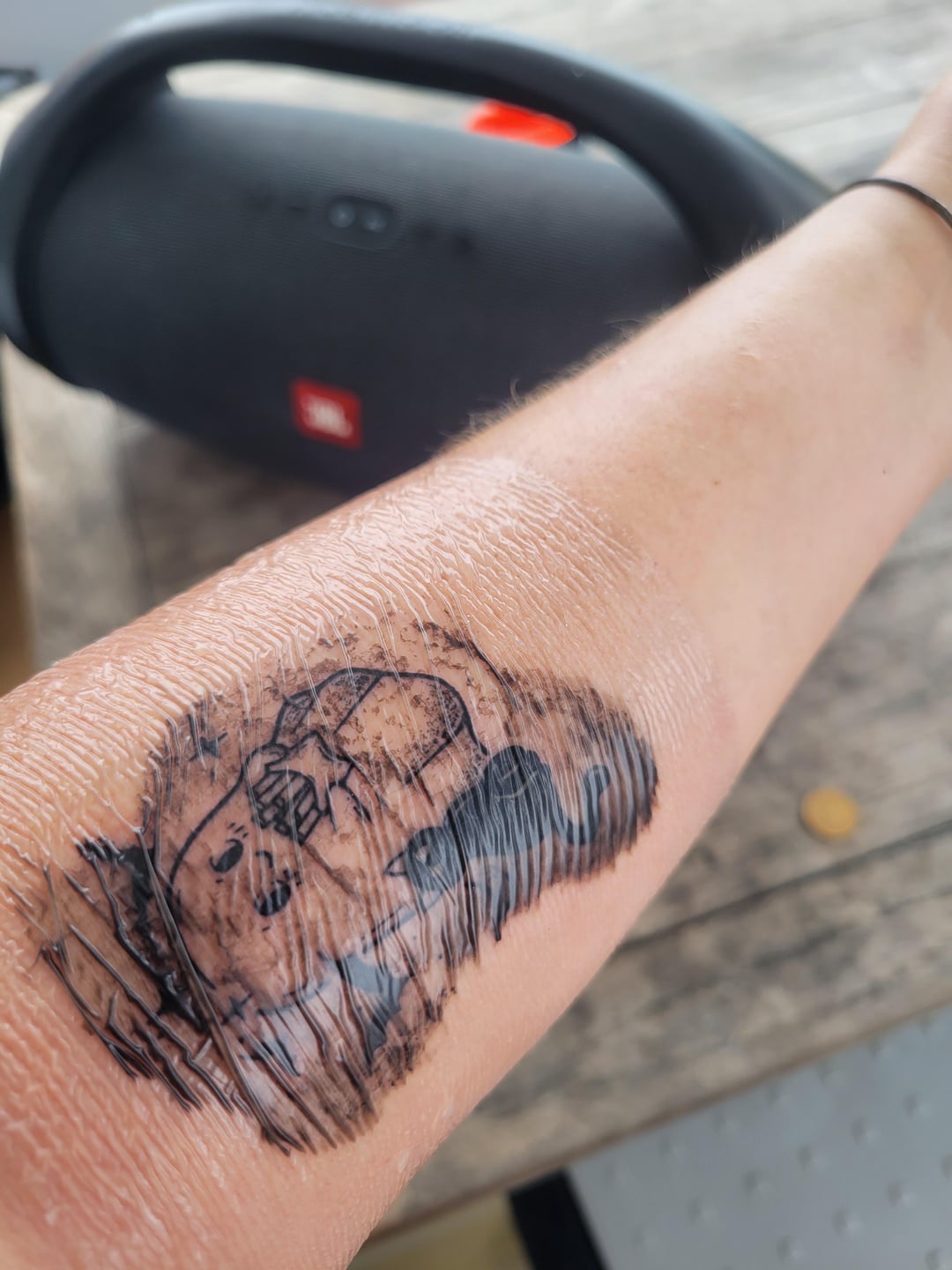
Yes, fluid accumulation beneath a second skin bandage is usually normal during the first few days. Plasma, excess ink, lymphatic fluid, and small amounts of blood often collect beneath the dressing as part of the body’s natural healing response.
Many first-time users become alarmed when they notice fluid pockets beneath the bandage. In most cases, this is expected and does not indicate infection.
Normal fluid characteristics include:
- Clear or slightly yellow appearance.
- Ink-tinted fluid.
- Gradual accumulation during the first 24–48 hours.
- Mild swelling around the tattoo.
What matters most is monitoring changes over time rather than reacting to the initial appearance of fluid.
When Should You Remove Second Skin Early?
Second skin should be removed early if the seal becomes compromised, excessive leakage occurs, or signs of irritation develop. A damaged bandage can allow contaminants to enter and may no longer provide a hygienic healing environment.
Professional tattoo artists commonly recommend early removal if:
- Fluid leaks outside the dressing.
- The adhesive lifts significantly.
- Water enters beneath the bandage.
- Severe itching develops.
- Skin irritation extends beyond the tattoo area.
- Unusual odor appears.
In tropical climates, adhesive performance can be affected by persistent sweating. Monitoring the bandage daily becomes particularly important.
Normal Moisture vs. Problem Moisture Checklist
| Normal Moisture | Potential Problem Moisture |
|---|---|
| Clear plasma buildup | Cloudy or foul-smelling fluid |
| Small fluid pockets | Excessive leakage |
| Stable appearance | Rapid swelling increase |
| Mild warmth initially | Persistent heat and redness |
| Expected during first days | Worsening after several days |
The Humidity Management Framework for Tattoo Healing
Different climates create different healing challenges. The Humidity Management Framework helps tattooed individuals adjust aftercare practices based on environmental conditions rather than relying on one-size-fits-all advice.
This framework addresses a major gap in most tattoo aftercare content. Many guides assume all climates behave similarly, despite significant differences in skin moisture levels, sweat production, and environmental exposure.
Low-Humidity Healing Strategy
Low-humidity environments often increase skin dryness, flaking, and itching. The primary goal is preserving hydration without over-moisturizing the tattoo.
- Apply moisturizer slightly more frequently.
- Monitor excessive peeling.
- Avoid harsh soaps.
- Protect against dry indoor heating systems.
Moderate-Humidity Healing Strategy
Moderate humidity generally provides the easiest healing conditions. Standard aftercare practices are often sufficient, provided cleanliness and sun protection remain priorities.
- Follow artist aftercare instructions.
- Wash 2–3 times daily.
- Apply lightweight moisturizer.
- Avoid excessive UV exposure.
High-Humidity Healing Strategy
High humidity requires greater focus on sweat management, airflow, and moisture control. The risk shifts from dryness toward prolonged dampness and friction-related irritation.
- Wear breathable clothing.
- Shower after heavy sweating.
- Reduce prolonged outdoor exposure.
- Inspect skin folds and covered areas regularly.
Tropical Climate Healing Strategy
Tropical climates combine high humidity, elevated temperatures, and frequent sweating, making moisture management the most important healing priority. Small adjustments can significantly improve outcomes.
Experienced tattoo artists working in Southeast Asia, South Florida, and Caribbean regions frequently recommend:
- Shorter outdoor exposure during peak heat.
- Frequent hygiene checks.
- Lighter moisturization.
- Extra monitoring of second skin dressings.
- Strategic use of air-conditioned environments.
The biggest healing challenge in tropical climates is rarely humidity itself—it is the combination of sweat, friction, and prolonged moisture retention.
Common Mistakes That Slow Tattoo Healing in Humid Weather
Most tattoo healing complications in humid environments result from avoidable aftercare mistakes rather than climate alone. Understanding these errors can dramatically improve healing outcomes and reduce unnecessary irritation.
Over-Moisturizing the Tattoo
Applying too much lotion can oversaturate healing skin and trap heat and moisture. A thin layer is usually more effective than frequent heavy applications.
Signs of over-moisturizing include:
- Shiny skin appearance.
- Persistent tackiness.
- Delayed peeling.
- Clogged pores.
Wearing Tight Synthetic Clothing
Tight clothing increases friction, sweat retention, and mechanical irritation. This is particularly problematic for thigh, chest, shoulder, and rib tattoos.
Many people focus entirely on lotions while ignoring fabric choice. Clothing often has a greater impact on comfort than aftercare products.
Ignoring Persistent Sweat Exposure
Allowing sweat to remain on the tattoo for extended periods can contribute to irritation and bacterial accumulation. Cleaning the skin after significant perspiration is a simple but effective preventive measure.
Returning to Intense Exercise Too Soon
High-intensity training may increase inflammation, friction, and sweating around a healing tattoo. Temporary activity modifications often support faster recovery without requiring complete inactivity.
How Long Does a Tattoo Take to Heal in Humid Weather?
Most tattoos complete surface healing within two to four weeks, even in humid climates. Full skin recovery, however, continues beneath the surface for several months as deeper tissue repairs itself.
Surface Healing Timeline
The visible stages of tattoo healing generally follow a predictable pattern regardless of climate, although humidity may influence symptom intensity.
| Time Period | Typical Healing Activity |
|---|---|
| Days 1–3 | Redness, swelling, fluid release |
| Days 4–7 | Dryness and peeling begin |
| Weeks 2–3 | Reduced itching and skin renewal |
| Weeks 3–4 | Surface healing largely complete |
Deep Skin Recovery Timeline
Although the tattoo may appear healed externally, deeper skin structures continue recovering for several months. This period is important for pigment stabilization and barrier restoration.
Factors That Can Extend Healing Time
Several factors may prolong healing:
- Large tattoo size.
- Heavy sweating.
- Poor aftercare compliance.
- Smoking.
- Certain medical conditions.
- Repeated friction.
- Excessive sun exposure.
Expert Recommendations for Summer and Tropical Tattoo Aftercare
Professional tattoo artists and dermatology experts generally agree that cleanliness, airflow, hydration balance, and infection prevention are the cornerstones of successful tattoo healing in hot weather.
Advice from Dermatologists
Dermatology professionals emphasize treating a fresh tattoo as a healing wound. Gentle cleansing, fragrance-free skincare products, and attention to infection symptoms remain the most evidence-supported recommendations.
- Use mild cleansers.
- Avoid unnecessary topical products.
- Monitor abnormal redness.
- Seek medical advice when infection is suspected.
Advice from Professional Tattoo Artists
Experienced tattoo artists frequently observe that climate-specific aftercare adjustments improve healing quality. Most recommend reducing friction, avoiding excessive moisture, and following the artist’s aftercare protocol consistently.
Frequently Asked Questions
Does humidity make tattoos heal slower?
Humidity itself does not necessarily slow healing, but excessive moisture and sweating can contribute to irritation that may prolong recovery.
Can sweat damage tattoo ink?
No. Sweat does not remove tattoo ink because the pigment is stored deeper within the dermis. The concern is skin irritation rather than ink loss.
How often should I wash a healing tattoo in humid weather?
Most people benefit from washing two to three times daily, with additional cleaning after heavy sweating or exposure to dirt.
Should I use less moisturizer in tropical climates?
Often yes. Humid environments may require lighter applications to avoid oversaturating the skin.
Is fluid under Saniderm normal?
Yes. Plasma, lymphatic fluid, and excess ink commonly collect beneath the dressing during the first days of healing.
Can I go to the beach with a new tattoo?
It is generally best to avoid beaches during the initial healing phase because of sun exposure, sand contamination, and prolonged moisture exposure.
What are the first signs of tattoo infection?
Expanding redness, increasing pain, swelling, pus, fever, and unusual odor are common warning signs requiring medical evaluation.
How can I protect a tattoo during a hot summer commute?
Wear breathable clothing, avoid excessive friction, gently clean sweat from the area, and maintain proper hydration.
Key Takeaways for Tattoo Healing in Humid Weather
Humidity does not automatically damage a healing tattoo, but it changes how the skin responds during recovery. The most effective approach is managing sweat, maintaining cleanliness, reducing friction, and avoiding excessive moisture retention. Whether healing a tattoo in summer, a tropical climate, or while wearing a second skin bandage, successful recovery depends on supporting the skin barrier while minimizing environmental stressors. By following climate-specific aftercare strategies and recognizing early warning signs of complications, most people can achieve healthy healing and preserve the long-term appearance of their tattoo.