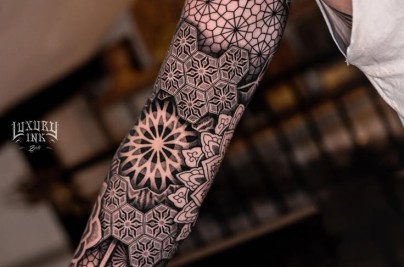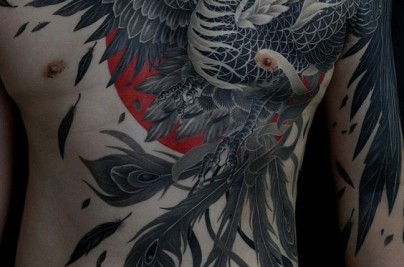
A fresh tattoo and a multi-day motorbike adventure can be a difficult combination. While many travelers get tattooed before embarking on iconic routes such as the Ha Giang Loop, few fully understand how road dust, UV exposure, sweat, humidity, and riding gear can affect the healing process. Because a new tattoo is essentially a controlled skin wound, the decisions you make during the first two weeks can significantly impact both your health and the final appearance of your tattoo.
This guide explains what actually happens when a healing tattoo meets real-world riding conditions, when it’s safe to ride, what risks matter most, and how experienced riders and tattoo artists reduce complications during motorcycle travel.
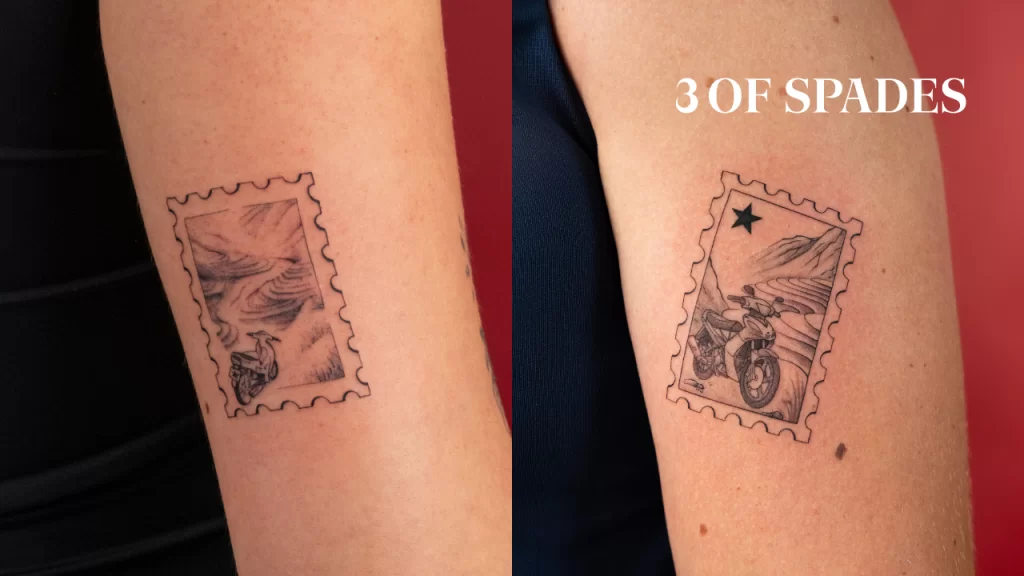
Can You Do a Motorbike Loop With a Fresh Tattoo?
A motorbike loop is generally not recommended during the first 7–14 days after getting a tattoo. A healing tattoo is vulnerable to contamination, friction, excessive moisture, and UV damage. While short rides may be possible under controlled conditions, long-distance loops introduce multiple risk factors that can delay healing or compromise tattoo quality.
The answer depends on three primary variables:
- How recently the tattoo was completed
- The location and size of the tattoo
- The environmental conditions during the ride
Many travelers mistakenly assume that if a tattoo no longer feels painful, it has healed. In reality, visible discomfort often decreases long before deeper skin layers finish repairing themselves. This creates a dangerous period where riders feel comfortable traveling but the skin barrier remains vulnerable.
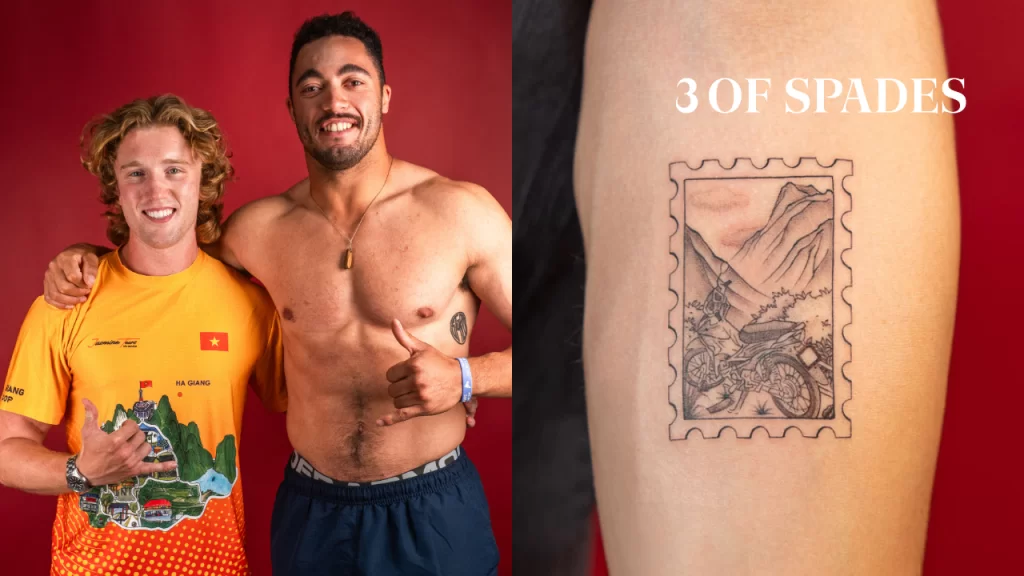
Consider a common scenario: a traveler gets a forearm tattoo in northern Vietnam and begins the Ha Giang Loop two days later. During four consecutive days of riding, the tattoo experiences:
- Continuous UV exposure
- Dust from mountain roads
- Sweat accumulation beneath clothing
- Repeated friction from jackets and gloves
- Limited access to proper cleaning facilities
Each factor alone may be manageable. Combined, they create conditions that significantly increase irritation and healing complications.
What Happens to a Tattoo During the First Few Days of Healing?
During the first several days, a tattoo functions like an open wound. The skin is inflamed, vulnerable to bacteria, and actively repairing microscopic damage created during the tattooing process. This stage is when infection risk is highest and when external stressors can have the greatest impact.
Immediately after tattooing, thousands of tiny punctures exist within the skin. The body responds by increasing blood flow, initiating inflammation, and forming protective tissue around the affected area.
The normal healing progression often includes:
- Redness and sensitivity
- Plasma and fluid secretion
- Peeling and flaking
- Itching during tissue regeneration
- Gradual restoration of the skin barrier
Most people focus on surface healing because that is what they can see. However, deeper skin repair continues well after peeling stops. This distinction becomes particularly important when planning physically demanding travel.
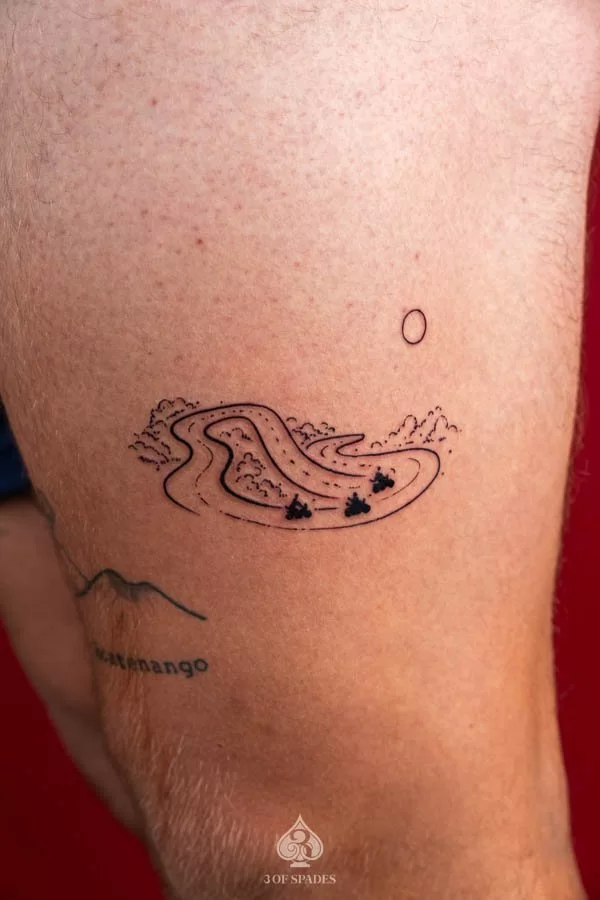
Why Motorbike Loops Create Unique Risks for Fresh Tattoos
Long motorbike loops expose healing tattoos to environmental conditions that standard tattoo aftercare advice rarely addresses. Extended riding combines friction, vibration, dust, heat, and prolonged sun exposure—factors that can collectively slow recovery and increase complication risks.
Most tattoo aftercare recommendations assume a relatively controlled environment. Riders on multi-day motorcycle routes face a very different reality.
Unique motorbike-related challenges include:
- Eight or more hours of daily exposure to the elements
- Repeated contact with protective riding gear
- Inconsistent hygiene opportunities
- High levels of perspiration
- Variable weather conditions
- Remote locations with limited medical access
An overlooked issue is cumulative irritation. A tattoo may tolerate brief exposure to friction or sweat. Problems often arise when these factors persist hour after hour over several consecutive days.
Many tattoo artists report that travel-related complications are less often caused by one major mistake and more often by multiple small aftercare failures occurring repeatedly during the healing period.
The Tattoo Travel Readiness Framework
A practical way to assess riding safety is to evaluate tattoo age rather than relying on appearance alone. Healing timelines vary between individuals, but most riders benefit from using a staged readiness approach before committing to a demanding motorbike route.
| Days Since Tattoo | Risk Level | Recommended Riding Activity |
|---|---|---|
| 1–3 Days | Very High | Avoid motorbike loops entirely |
| 4–7 Days | High | Short rides only if necessary |
| 8–14 Days | Moderate | Limited touring with protection |
| 14+ Days | Lower | Most riders can complete loops safely |
This framework accounts for healing biology rather than convenience. While some individuals heal faster, using a conservative timeline reduces unnecessary risk.
How Long Should You Wait Before Riding a Motorbike After Getting a Tattoo?
Most professional tattoo artists recommend avoiding demanding motorcycle travel for at least 10–14 days. This waiting period allows the skin barrier to recover enough to better withstand environmental stress, sweat, friction, and prolonged outdoor exposure.
There is no universal waiting period because healing depends on:
- Tattoo size
- Tattoo placement
- Individual skin health
- Climate conditions
- Aftercare quality
- Existing medical conditions
However, understanding each healing stage provides a much clearer picture of what is realistic and what is risky.
Days 1–3: Highest Risk Period
The first three days represent the most vulnerable stage of healing. The tattoo remains highly susceptible to bacterial contamination, irritation, and excessive moisture. Long-distance riding during this period carries the greatest potential for complications.
Open Wound Stage Explained
The skin has not yet restored its protective barrier. Small amounts of plasma, blood, or fluid may still be present. During this stage, contaminants can more easily enter damaged tissue.
For motorbike travelers, this means:
- Road dust becomes more problematic
- Sweat may increase irritation
- Friction causes greater inflammation
- Sun exposure has amplified effects
Common Misconception: “If It Doesn’t Hurt, It’s Fine”
One of the most common mistakes among travelers is equating reduced pain with complete healing. Pain reduction simply means inflammation is decreasing. It does not mean the skin has fully recovered.
Experienced tattoo artists frequently see tattoos that appear healthy on the surface but later develop healing issues because clients resumed strenuous activities too early.
Days 4–7: Early Recovery Stage
During days four through seven, visible inflammation often decreases, but the tattoo remains vulnerable to friction, contamination, and excessive moisture. Riders may feel substantially better, yet the skin is still undergoing active repair beneath the surface.
This period often includes:
- Peeling
- Flaking
- Mild itching
- Residual sensitivity
If riding cannot be avoided, consider:
- Limiting ride duration
- Avoiding direct sun exposure
- Wearing breathable clothing
- Cleaning the tattoo promptly afterward
Multi-day loops remain a poor choice during this stage because healing skin continues to react strongly to repeated irritation.
What Short Rides May Be Acceptable?
A brief urban ride to a nearby destination creates far less stress than spending six to eight hours navigating mountain roads. Duration matters. Exposure accumulates over time.
For example:
- 15-minute commute = relatively low exposure
- 6-hour mountain ride = sustained exposure to multiple risk factors
Many riders fail to recognize this distinction when evaluating risk.
Days 8–14: Reduced Risk Stage
By the second week, most tattoos have completed the most vulnerable stages of healing. Although caution remains necessary, many individuals can safely begin moderate motorcycle travel if they continue following proper aftercare practices.
Several positive changes occur:
- Skin integrity improves
- Infection risk declines
- Sensitivity decreases
- The tattoo tolerates normal movement more effectively
However, reduced risk does not mean zero risk.
Many travelers make the mistake of abandoning aftercare as soon as peeling ends. In reality, the skin continues rebuilding beneath the surface and remains susceptible to excessive UV exposure and dehydration.
When Longer Trips Become More Practical
If a rider must complete a multi-day route soon after being tattooed, the second week is generally the safest compromise. At this point, consistent hygiene, protective clothing, and careful monitoring become the primary priorities.
Before departure, ask yourself:
- Is peeling mostly complete?
- Has redness significantly decreased?
- Can the tattoo tolerate clothing contact comfortably?
- Do I have access to cleaning supplies during the trip?
If the answer to any of these questions is no, postponing the trip may still be the better decision.
After 14 Days: What Changes?
After two weeks, most healthy tattoos have passed the highest-risk phase. Riders can usually complete motorbike loops with significantly lower complication rates, provided they continue protecting the tattoo from excessive sun exposure and unnecessary irritation.
At this stage, the tattoo is generally more resilient against:
- Road dust
- Moderate sweating
- Clothing contact
- Long riding sessions
Nevertheless, UV damage remains a concern because fresh tattoos can fade more easily than mature tattoos.
What Are the Biggest Risks of a Motorbike Loop With a Fresh Tattoo?
The greatest threats to a healing tattoo during a motorbike loop are sweat accumulation, dust contamination, ultraviolet exposure, and friction from riding gear. These factors often work together rather than independently, making prolonged motorcycle travel more challenging than many people realize.
Understanding these risks allows travelers to prioritize prevention instead of reacting to problems after they develop.
Sweat and Moisture Build-Up
Excessive sweating does not automatically ruin a tattoo, but prolonged moisture can soften healing skin, increase irritation, and create conditions that encourage bacterial growth. Long rides in hot climates often make sweat management one of the most overlooked aftercare challenges.
Motorbike loops frequently involve:
- High humidity
- Physical exertion
- Limited opportunities to dry the skin
- Repeated sweating throughout the day
Fresh tattoos heal best when they remain clean, lightly moisturized, and able to breathe. Constantly damp conditions work against this process.
Continued in Part 2: Dust, UV exposure, gear friction, tattoo location risks, protection strategies, Ha Giang Loop considerations, warning signs, expert recommendations, and final safety conclusions.
Lucky Tattoo, a professional tattoo artist, has over 10 years of experience in the art of tattooing in Ho Chi Minh City. Lucky Tattoo Studio was founded in 2014 by skilled and kind artists. All tattoos are provided in a clean, strictly controlled, and friendly environment.
When riders spend six to eight hours per day on a motorbike, perspiration accumulates beneath jackets, gloves, knee guards, and riding pants. This prolonged exposure can aggravate peeling skin and create friction hotspots.
To minimize sweat-related complications:
- Wear breathable, moisture-wicking clothing.
- Take breaks to cool down and dry affected areas.
- Stay hydrated to support skin recovery.
- Clean the tattoo whenever practical after long riding sessions.
- Avoid wrapping a tattoo in non-breathable materials unless specifically instructed by your tattoo artist.
Dust, Dirt, and Road Pollution
Road dust is one of the least discussed risks for fresh tattoos during motorbike travel. Fine particles can settle onto healing skin, increase irritation, and introduce contaminants, especially when riders repeatedly touch or scratch itchy areas.
Unlike urban commuting, motorbike loops frequently involve:
- Construction zones
- Gravel roads
- Mountain routes
- Dry seasonal conditions
- Unpaved viewpoints and rest stops
A common mistake is assuming visible dirt is the only concern. Microscopic dust particles can become trapped in sweat and clothing fibers, increasing irritation throughout the day.
Information Gain: Many experienced riders report that tattoos located on forearms and lower legs tend to experience more dust exposure than tattoos covered by jackets or riding pants. Placement can significantly affect risk.
Sun Exposure and UV Damage
Ultraviolet radiation can damage healing tattoos, increase inflammation, slow recovery, and contribute to premature fading. Fresh tattoos are especially vulnerable because the skin barrier remains compromised during the healing phase.
Motorbike riders often underestimate cumulative UV exposure because wind creates a cooling effect that masks sun intensity.
Particularly high-risk situations include:
- Mountain roads with prolonged direct sunlight
- Midday riding
- Open-arm riding positions
- High-altitude routes
- Reflective surfaces such as water and pavement
During the earliest healing stages, physical coverage is generally more effective than sunscreen. Once the tattoo artist confirms sunscreen use is appropriate, broad-spectrum UV protection becomes an essential long-term strategy.
Friction From Riding Gear
Motorcycle jackets, gloves, knee guards, backpacks, and protective equipment can repeatedly rub against a healing tattoo. Continuous friction may increase irritation, delay recovery, and contribute to uneven healing.
Areas particularly vulnerable include:
- Forearms
- Wrists
- Shoulders
- Knees
- Calves
- Upper back
Even high-quality riding gear can become problematic when worn for multiple consecutive days.
Look for warning signs such as:
- Increasing redness
- Localized swelling
- Persistent soreness
- Areas that remain wet or irritated
- Hot spots beneath protective equipment
Why Motorcycle Vibration May Increase Irritation
While vibration does not directly damage tattoo ink, prolonged exposure may contribute to inflammation when combined with friction, pressure, and repetitive movement. This overlooked factor becomes more relevant during multi-day rides on rough roads.
Many riders focus solely on contamination and sunlight while ignoring mechanical stress.
Consider a rider completing a four-day mountain loop:
- 8 hours riding daily
- Repeated arm movement
- Continuous handlebar vibration
- Protective gear pressure points
Individually these factors are manageable. Together they can create enough irritation to affect healing comfort and recovery speed.
Which Tattoo Locations Are Most Vulnerable During a Motorbike Loop?
Tattoo placement significantly influences healing success during motorcycle travel. Areas exposed to sunlight, repetitive movement, protective equipment, and environmental contaminants generally experience greater stress than protected body regions.
Understanding location-specific challenges allows riders to make more informed travel decisions before booking a tattoo appointment.
Arm Tattoos
Arm tattoos are among the most vulnerable placements during motorbike travel because they often receive direct sunlight, airflow, dust exposure, and contact from jackets or riding gear.
Potential concerns include:
- UV exposure
- Wind irritation
- Jacket friction
- Dust accumulation
Forearm tattoos require particularly careful protection on multi-day loops.
Leg and Calf Tattoos
Leg and calf tattoos face elevated exposure to road debris, dust, moisture, and prolonged contact with riding pants. Riders often overlook these risks because the tattoo appears covered and protected.
In reality, tight riding gear can trap heat and sweat for extended periods.
Watch for:
- Persistent dampness
- Fabric sticking to healing skin
- Localized irritation
- Excessive itching
Knee and Elbow Tattoos
Tattoos located on joints often heal more slowly because movement constantly stretches and compresses the skin. Motorbike riding amplifies this challenge due to repetitive positioning throughout the day.
These areas already present healing difficulties under normal conditions. Multi-day riding can add:
- Increased friction
- Repeated flexion
- Pressure from riding posture
- Protective gear contact
Back and Shoulder Tattoos
Back and shoulder tattoos benefit from reduced UV exposure but may experience significant friction from backpacks, hydration packs, and riding jackets.
A common issue occurs when riders carry luggage for several consecutive days. Continuous pressure can irritate healing skin even when no visible rubbing occurs.
Real-World Examples From Riders
Experienced travelers frequently report that placement influences outcomes as much as timing. Some successfully complete loops with healing tattoos, while others experience complications despite following aftercare instructions.
Examples include:
- A rider with a shoulder tattoo completing a loop after two weeks with minimal issues.
- A traveler developing severe irritation from a fresh forearm tattoo after only two days of riding.
- A calf tattoo becoming inflamed due to trapped sweat inside riding pants.
The lesson is clear: location matters.
How to Protect a Fresh Tattoo During a Motorbike Adventure
Proper protection can significantly reduce healing complications during motorcycle travel. The most effective strategy combines hygiene, sun avoidance, moisture management, and minimizing friction rather than relying on a single solution.
Choosing Appropriate Clothing Layers
Breathable clothing provides a protective barrier while reducing heat buildup and friction. Riders should prioritize comfort, airflow, and cleanliness over heavy layering whenever conditions allow.
Breathable vs Tight Fabrics
Loose, clean, moisture-wicking materials generally outperform tight fabrics during tattoo recovery.
| Better Choice | Higher Risk Choice |
|---|---|
| Breathable technical fabrics | Tight synthetic compression wear |
| Clean cotton layers | Dirty or sweat-soaked clothing |
| Loose-fitting sleeves | Constant friction zones |
Cleaning Your Tattoo on Multi-Day Trips
Consistent hygiene is one of the most effective ways to reduce infection risk while traveling. Even when ideal facilities are unavailable, maintaining basic cleanliness can significantly improve healing outcomes.
Portable Hygiene Kit Checklist
- Fragrance-free cleanser
- Clean bottled water
- Approved tattoo moisturizer
- Clean paper towels
- Spare breathable clothing
- Hand sanitizer for emergencies
One overlooked tip is carrying a dedicated clean storage pouch for tattoo-care supplies rather than mixing them with general travel items.
Managing Sweat in Hot and Humid Conditions
Managing moisture is critical in tropical and humid riding environments. Frequent breaks, hydration, and strategic clothing choices can reduce irritation and help the skin recover more efficiently.
Best practices include:
- Taking shade breaks
- Changing damp clothing
- Increasing hydration
- Avoiding prolonged exposure during peak heat
- Monitoring for unusual redness
The Rider’s Tattoo Protection Kit
A dedicated tattoo protection kit helps travelers respond quickly to common aftercare challenges. Most complications become easier to manage when essential supplies are immediately available.
Recommended kit contents:
- Gentle cleanser
- Tattoo-safe moisturizer
- Extra shirt or base layer
- Sun-protective clothing
- Clean towel
- Hydration supplies
Can You Ride the Ha Giang Loop After Getting a Tattoo?
The Ha Giang Loop presents unique challenges for healing tattoos due to long riding hours, changing weather conditions, UV exposure, dust, and limited access to ideal aftercare facilities. Most travelers benefit from waiting at least two weeks before attempting the route.
Weather and Environmental Challenges
The combination of mountain sun, humidity, temperature fluctuations, and road dust creates conditions that can stress healing skin throughout the journey.
- Strong UV exposure
- Long daily riding durations
- Remote stretches between stops
- Variable weather patterns
Typical Riding Conditions and Healing Risks
Multi-day riding increases cumulative exposure to nearly every factor that affects tattoo recovery. What seems minor on a short ride becomes much more significant after several days.
This is why timing matters more than many travelers expect.
Recommended Waiting Period Before the Loop
For most healthy adults, waiting 10–14 days provides a substantially safer balance between travel plans and tattoo healing. Larger tattoos or tattoos placed on high-friction areas may require additional recovery time.
Real Example Scenario Comparison
Compare two travelers:
- Traveler A starts the loop two days after tattooing and experiences irritation, peeling complications, and difficulty cleaning the tattoo.
- Traveler B waits two weeks, follows aftercare guidance, and completes the route with minimal issues.
The difference is often preparation rather than luck.
Common Mistakes Travelers Make After Getting Tattooed
Most tattoo-related travel complications result from preventable mistakes rather than unavoidable circumstances. Understanding these errors can dramatically improve healing outcomes during motorcycle adventures.
Riding Too Soon
Starting a demanding ride within the first few days remains one of the highest-risk decisions travelers make.
Using Sunscreen Too Early
Sunscreen should only be applied when the tattoo artist confirms the skin has healed sufficiently. Premature use may irritate healing tissue.
Swimming During Healing
Lakes, rivers, pools, and hot tubs increase contamination risks and should generally be avoided during early healing.
Ignoring Early Infection Symptoms
Delaying treatment can transform a manageable issue into a serious complication.
Believing Second Skin Solves Every Problem
Protective tattoo bandages can be helpful, but they are not a substitute for proper aftercare, hygiene, and sensible travel planning.
Warning Signs You Should Stop Riding and Seek Medical Advice
Certain symptoms indicate that a healing tattoo requires professional evaluation. Early intervention often prevents more serious complications.
Infection Symptoms
Possible signs include worsening redness, unusual discharge, increasing pain, and spreading inflammation.
Excessive Redness and Swelling
Mild inflammation is normal. Escalating swelling after several days may indicate a developing problem.
Fever and Systemic Symptoms
Fever, chills, or feeling generally unwell should never be ignored following tattooing.
When to Contact a Healthcare Professional
If symptoms worsen rather than improve, seek medical guidance immediately rather than attempting self-treatment during travel.
Expert Recommendations for Travelers Getting Tattoos Before Motorbike Trips
Professional tattoo artists and healthcare providers consistently emphasize planning, timing, and aftercare as the most important factors influencing successful tattoo healing during travel.
Advice From Tattoo Artists
Most experienced artists recommend scheduling tattoos after major motorcycle adventures whenever possible.
Advice From Dermatologists
Skin specialists generally emphasize protecting healing skin from UV exposure, contamination, and excessive moisture.
Best Travel Planning Timeline
The safest sequence is often: complete the motorbike loop first, then schedule the tattoo afterward.
Ideal Tattoo-to-Loop Scheduling Strategy
If travel plans cannot change, allow at least 10–14 days between tattoo completion and departure. Larger tattoos may require longer recovery periods.
Frequently Asked Questions
Can I ride a motorcycle the day after getting a tattoo?
No. The first 24–72 hours are generally the highest-risk period for irritation, contamination, and healing complications.
How long should I wait before doing a motorbike loop?
Most riders should wait at least 10–14 days, though larger tattoos or sensitive locations may require additional time.
Does sweating damage a fresh tattoo?
Sweat itself does not ruin tattoos, but prolonged moisture and friction can increase irritation and slow healing.
Can road dust cause a tattoo infection?
Dust alone does not automatically cause infection, but contaminants entering compromised skin may increase risk.
Is the Ha Giang Loop safe with a new tattoo?
It can be safer after the initial healing phase, but attempting the route within the first week is generally not recommended.
What should I wear while riding with a healing tattoo?
Choose breathable, clean, loose-fitting clothing that minimizes friction and excessive heat buildup.
Can motorcycle gear ruin a fresh tattoo?
Continuous rubbing from gloves, jackets, knee guards, and backpacks can irritate healing skin and affect recovery.
What are the signs of an infected tattoo?
Increasing redness, swelling, pus, severe pain, fever, and worsening symptoms warrant medical evaluation.
Conclusion: Is a Motorbike Loop Worth the Risk After a Fresh Tattoo?
A fresh tattoo and a demanding motorbike loop are not an ideal combination. During the first one to two weeks, healing skin remains vulnerable to dust, sweat, UV exposure, friction, and contamination. While some travelers complete routes without complications, successful outcomes usually result from careful timing rather than chance.
The safest approach is simple:
- Avoid major motorbike loops during the first week.
- Wait at least 10–14 days whenever possible.
- Prioritize hygiene and sun protection.
- Monitor for warning signs.
- Follow professional aftercare instructions.
If preserving tattoo quality and reducing health risks are priorities, allowing adequate healing time before beginning a multi-day motorcycle adventure remains the most reliable strategy.