Getting a tattoo while traveling in Vietnam has become increasingly popular, especially in destinations such as Ho Chi Minh City, Hanoi, Da Nang, and Phu Quoc. However, many travelers face the same dilemma: can you still enjoy the beach, resort pool, or island-hopping activities after getting fresh ink?
The short answer is no. A new tattoo is essentially a controlled skin wound. Exposing it to pools, oceans, lakes, or rivers too soon can significantly increase the risk of infection, delayed healing, color loss, and permanent damage to the final appearance of the tattoo.
What makes this topic especially important in Vietnam is the country’s tropical climate. High humidity, intense UV exposure, increased sweating, and warm coastal waters create healing challenges that many generic tattoo aftercare articles fail to address. Understanding these factors can help protect both your health and your investment in quality body art.
Can You Swim After Getting a New Tattoo in Vietnam?
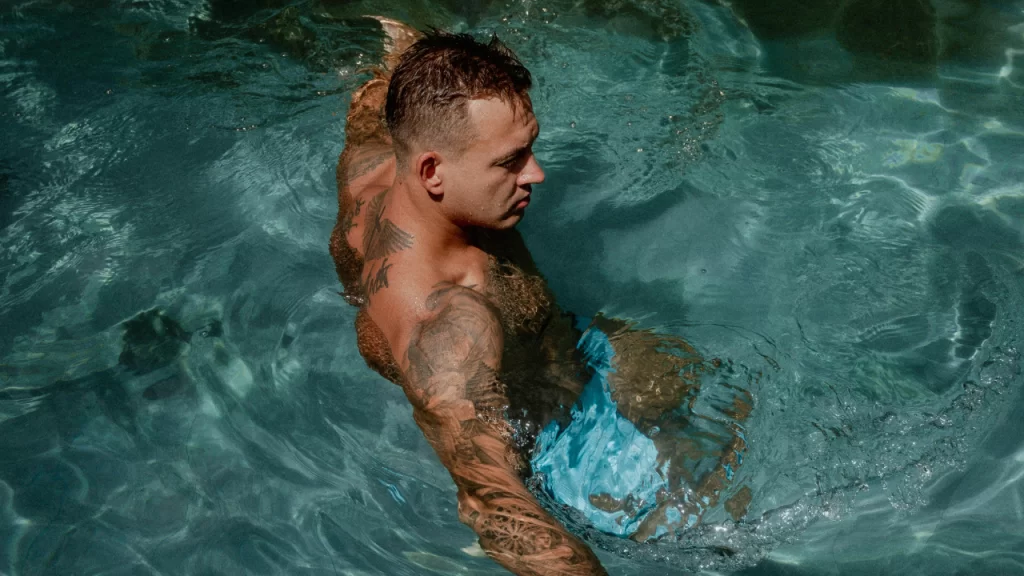
No, you should avoid swimming after getting a new tattoo in Vietnam until the skin has fully healed, which typically takes between two and four weeks. Water exposure can introduce bacteria, chemicals, and prolonged moisture that interfere with healing and increase the likelihood of infection, irritation, and tattoo fading.
Fresh tattoos create thousands of microscopic openings in the skin. During the healing phase, the body’s immune system works to repair damaged tissue, rebuild the skin barrier, and stabilize tattoo pigments beneath the surface.
When a healing tattoo is submerged in water, several problems can occur simultaneously:
- Water softens healing skin and scabs.
- Bacteria can enter vulnerable tissue.
- Chlorine may cause irritation and inflammation.
- Saltwater can dry and damage recovering skin.
- Extended soaking may draw ink particles from the skin.
For travelers visiting Vietnam specifically, the temptation to swim is often greater because many tattoos are obtained shortly before visiting beaches, resorts, or islands. Unfortunately, even clear-looking water can contain microorganisms capable of causing skin infections.
Why a Fresh Tattoo Is Considered an Open Wound
A fresh tattoo should be treated as an open wound because the tattooing process repeatedly punctures the skin to deposit pigment into the dermis. Until the outer skin layer closes and regenerates, the tattoo remains vulnerable to contamination, irritation, and moisture-related complications.
Many people underestimate the physical trauma involved in tattooing. Depending on the size and complexity of the design, thousands of needle penetrations occur during a single session.
Immediately after tattooing, common healing responses include:
- Redness and inflammation
- Mild swelling
- Clear fluid secretion
- Tenderness
- Formation of protective scabs
These responses are normal. However, they also indicate that the skin’s natural defense barrier has not yet recovered.
Dermatology professionals frequently compare tattoo aftercare to caring for a superficial wound. The goal is not only preventing infection but also preserving pigment retention and ensuring smooth skin regeneration.
What Happens If You Swim Too Soon?
Swimming before a tattoo has healed can lead to infection, prolonged recovery, patchy color retention, excessive scabbing, and permanent cosmetic defects. The severity depends on the water source, healing stage, and duration of exposure.
The most common consequences include:
| Risk | Potential Outcome |
|---|---|
| Bacterial exposure | Localized infection requiring medical treatment |
| Scab softening | Premature scab loss and pigment removal |
| Chlorine irritation | Inflammation and delayed healing |
| Saltwater exposure | Dryness and skin irritation |
| Extended soaking | Ink loss and uneven healing |
A common scenario occurs when tourists get tattooed in Ho Chi Minh City and fly to Phu Quoc or Nha Trang within a few days. Because the tattoo may look relatively normal after several days, they assume swimming is safe. In reality, deeper tissue repair continues long after surface redness disappears.
If a tattoo still has peeling, flaking, scabbing, shininess, tenderness, or visible texture changes, it is generally not ready for swimming.
Information Gain: Why Vietnam’s Climate Creates Additional Healing Challenges
Vietnam’s tropical environment can make tattoo recovery more difficult than in cooler climates because humidity, heat, sweat production, and intense sunlight create additional stress on healing skin that many international aftercare guides overlook.
This is one of the most important factors competitors rarely discuss.
Several Vietnam-specific conditions can influence tattoo healing:
- High humidity may increase skin irritation.
- Frequent sweating can trap bacteria near healing tissue.
- Strong UV exposure can damage recovering skin.
- Warm ocean temperatures can support microbial growth.
- Motorbike travel may expose tattoos to dust and pollution.
Professional tattoo artists in Southeast Asia often recommend being more conservative with swimming timelines than standard Western aftercare articles suggest, particularly during hot summer months.

How Long Should You Wait Before Swimming After a Tattoo?
Most tattoo professionals recommend waiting at least two to four weeks before swimming, while larger, heavily shaded, or slow-healing tattoos may require four to six weeks. The safest guideline is to wait until all visible signs of healing have completely disappeared.
The exact timeline depends on multiple variables:
- Tattoo size
- Ink saturation
- Body location
- Individual healing speed
- Climate conditions
- Aftercare quality
Rather than focusing only on calendar days, experienced artists assess whether the skin barrier has fully recovered.
Typical Tattoo Healing Timeline Explained
The tattoo healing process occurs in stages. While surface recovery may happen within two to three weeks, deeper tissue repair often continues for several additional weeks. Understanding these stages helps determine when swimming becomes safer.
Days 1–7: Initial Recovery
The first week represents the highest-risk period.
- Redness is common.
- Swelling may occur.
- Fluid secretion is normal.
- The skin remains highly vulnerable.
Swimming during this stage presents the greatest infection risk.
Weeks 2–3: Peeling and Scabbing
The tattoo often begins to peel similarly to a sunburn.
- Itching increases.
- Flaking becomes visible.
- Scabs naturally shed.
- The tattoo may appear dull temporarily.
Although the tattoo looks better, swimming remains discouraged because peeling skin still lacks full protection.
Weeks 4–6: Deeper Skin Healing
Most healthy individuals experience substantial recovery during this period.
- Peeling usually stops.
- The surface smooths out.
- Pigment stabilizes.
- Skin strength improves.
For many people, this is the stage when swimming becomes reasonably safe.
Signs Your Tattoo Is Ready for Swimming
A tattoo is generally ready for swimming when the skin surface is fully restored, free of peeling, scabbing, redness, and tenderness. The tattoo should feel like normal skin rather than healing skin.
Use this practical checklist:
- No scabs remain.
- No flaking or peeling is visible.
- No redness surrounds the tattoo.
- No soreness is present.
- No shiny healing layer remains.
- Skin texture feels normal.
If even one of these signs is still present, waiting longer is usually the safer choice.
Expert observation: One of the most overlooked indicators is skin shine. Many tattoos appear healed visually but still have a glossy surface, indicating ongoing epidermal repair beneath the surface.
Common Misconception: “If It Looks Healed, It Is Healed”
Many people mistakenly believe a tattoo is fully healed once redness disappears. In reality, deeper skin layers continue repairing themselves long after visible symptoms improve, which is why swimming too early remains risky.
This misconception is especially common among travelers with tight schedules.
For example:
- Day 5: Tattoo appears significantly improved.
- Day 10: Peeling slows down.
- Day 14: Surface looks mostly normal.
- Day 21+: Internal healing may still be occurring.
Experienced tattoo artists frequently encounter clients who damage otherwise excellent tattoos because they judged healing based solely on appearance.
The safest approach is to combine visual assessment, physical symptoms, and your artist’s aftercare recommendations before returning to pools or beaches.
Is Pool Water Safe for a New Tattoo?
Pool water is not considered safe for a fresh tattoo because chlorine and other treatment chemicals can irritate healing skin, while public pools introduce additional exposure to bacteria and contaminants. Even well-maintained pools are generally discouraged during tattoo recovery.
Many travelers assume resort pools are safer than beaches because the water appears cleaner. However, cleanliness and healing safety are not the same thing.
From a tattoo recovery perspective, prolonged submersion remains the primary concern regardless of how clear the water looks.
How Chlorine Affects Healing Skin
Chlorine can disrupt the healing process by irritating sensitive skin, increasing dryness, and potentially contributing to premature scab loss. While chlorine helps control microorganisms, it does not eliminate the risks associated with swimming after tattooing.
Healing tattoos require a balanced environment with controlled moisture and minimal irritation.
Chlorine may contribute to:
- Skin dryness
- Increased itching
- Inflammation
- Delayed healing comfort
- Premature peeling
Individuals with sensitive skin often notice these effects more intensely.
Risks of Public Pools and Resort Pools
Both public and resort pools present risks for healing tattoos because large numbers of swimmers introduce microorganisms, skin particles, cosmetics, and other contaminants that can affect vulnerable skin.
Important considerations include:
- High swimmer traffic
- Variable maintenance standards
- Warm water temperatures
- Extended soaking exposure
- Physical friction from swimming activities
Luxury resort pools may be cleaner than public facilities, but they still cannot eliminate the risks associated with prolonged water immersion during the healing phase.
Real-World Example: Swimming at a Vietnam Resort Too Early
A traveler receives a forearm tattoo in Ho Chi Minh City and checks into a beachfront resort in Da Nang four days later. Because redness has decreased, they spend several hours in the pool over two days.
Within a week, increased peeling develops around heavily shaded areas. Several small sections heal unevenly, requiring a touch-up session months later.
This scenario highlights a common mistake: judging readiness based on appearance instead of actual tissue recovery.
Information Gain: Pool Maintenance Standards vs Actual Water Exposure Risks
A frequently overlooked detail is that water quality and tattoo safety are separate issues. Even perfectly maintained pools expose healing skin to prolonged moisture, which alone can interfere with optimal recovery.
Competitor articles often focus exclusively on contamination risk. However, many tattoo artists report seeing complications caused by excessive soaking even when no infection occurs.
Understanding this distinction helps explain why professionals recommend avoiding swimming entirely rather than simply choosing cleaner pools.
Can You Swim in the Ocean After Getting a Tattoo?
Lucky Tattoo, a professional tattoo artist, has over 10 years of experience in the art of tattooing in Ho Chi Minh City. Lucky Tattoo Studio was founded in 2014 by skilled and kind artists. All tattoos are provided in a clean, strictly controlled, and friendly environment.
Vietnam’s coastline stretches thousands of kilometers and includes popular destinations such as Da Nang, Nha Trang, Mui Ne, and Phu Quoc. For travelers, the temptation to enter the ocean shortly after getting tattooed is understandable. However, from a wound-healing perspective, seawater introduces multiple variables that are difficult to control.
Saltwater Benefits vs Reality for New Tattoos
Saltwater may offer benefits for certain skin conditions, but it is not recommended for healing tattoos. The concentration of salt, microorganisms, debris, and environmental contaminants in natural seawater can create unnecessary risks during the critical healing phase.
A common misconception is that ocean water acts as a natural disinfectant. While seawater contains minerals, it also contains:
- Bacteria and microorganisms
- Pollutants from coastal runoff
- Organic matter
- Sand particles that may irritate healing skin
- UV-reflective conditions that increase sun exposure
Additionally, saltwater can dry out newly healing tissue, causing discomfort and potentially increasing scabbing.
Beach Destinations in Vietnam and Potential Risks
Popular beach destinations throughout Vietnam may increase exposure to environmental factors that affect tattoo healing, including heat, UV radiation, humidity, sand abrasion, and seawater immersion. These factors are often underestimated by travelers planning tattoo sessions during beach vacations.
Da Nang Beaches
Da Nang’s beaches attract swimmers, surfers, and sun-seekers year-round. Strong sun exposure combined with saltwater can be particularly problematic for fresh tattoos.
Nha Trang Beaches
Nha Trang is known for water sports and island excursions. Frequent swimming opportunities make aftercare discipline especially important for newly tattooed visitors.
Phu Quoc Beaches
Phu Quoc’s tropical climate creates high humidity and strong UV conditions. Healing tattoos may require additional protection from sweating and sun exposure.
Common Myth: Saltwater Speeds Tattoo Healing
There is no reliable evidence showing that ocean swimming accelerates tattoo healing. Most professional tattoo artists and dermatology experts recommend avoiding saltwater until the skin barrier has completely recovered.
The confusion often comes from anecdotal reports involving healed tattoos or minor skin abrasions. A healing tattoo is fundamentally different because pigment retention and wound recovery are occurring simultaneously.
If a tattoo artist says “keep it clean and dry,” ocean swimming directly contradicts that advice.
Are Lakes, Rivers, and Natural Water Sources More Dangerous?
Lakes, rivers, waterfalls, and other natural freshwater sources often present the highest infection risk for healing tattoos because bacteria levels, water quality, and environmental contaminants are difficult to predict. Most tattoo professionals consider natural freshwater more risky than pools or oceans.
Unlike regulated swimming pools, natural water environments constantly change based on rainfall, wildlife activity, temperature, and local environmental conditions.
Bacterial and Environmental Risks
Freshwater environments can expose healing tattoos to bacteria, parasites, algae, and organic contaminants that increase infection risk. Because tattoos create temporary openings in the skin, even low levels of contamination can become problematic.
Potential hazards include:
- Waterborne bacteria
- Agricultural runoff
- Industrial pollutants
- Animal waste contamination
- Algae blooms
- Sediment and debris
These risks are difficult to assess visually. Clear water does not necessarily mean clean water.
Why Natural Waters Often Present the Highest Infection Risk
Natural waters are considered higher risk because they lack the controlled treatment systems used in swimming pools and can contain diverse microbial populations. A healing tattoo exposed to contaminated water may experience delayed recovery or infection.
Medical professionals frequently emphasize that infection risk depends on exposure opportunity. Rivers, lakes, and waterfalls simply introduce more unpredictable variables than treated recreational water.
Information Gain: Comparing Pools, Oceans, Rivers, and Lakes by Risk Level
One overlooked factor is that different water environments create different types of risks. Understanding these distinctions helps travelers make informed decisions instead of viewing all swimming environments as equally safe.
| Water Source | Primary Concern | Relative Risk |
|---|---|---|
| Pool | Chlorine, soaking, contaminants | Moderate |
| Ocean | Salt, microbes, sand, UV exposure | Moderate to High |
| River | Bacteria and environmental contamination | High |
| Lake | Stagnant water and microbial growth | High |
From a conservative aftercare perspective, avoiding all forms of swimming until healing is complete remains the safest recommendation.
Can Waterproof Bandages Protect a New Tattoo While Swimming?
Waterproof tattoo bandages may offer temporary protection during daily activities, but they are not designed to make swimming safe. Most tattoo artists still recommend avoiding pools, beaches, lakes, and rivers even when advanced healing bandages are being used.
What Waterproof Tattoo Bandages Actually Do
Waterproof tattoo dressings help shield healing skin from friction, bacteria, and minor moisture exposure. They are intended to support healing, not replace proper aftercare guidelines regarding swimming and prolonged immersion.
Common benefits include:
- Reduced friction from clothing
- Protection from external contaminants
- Improved moisture balance
- Lower risk of accidental irritation
Products such as advanced adhesive healing films have become increasingly popular, but their capabilities are often misunderstood.
Why Most Tattoo Artists Still Advise Against Swimming
Even high-quality waterproof dressings can fail during prolonged immersion. Water can compromise adhesion, create trapped moisture, and increase the risk of bacterial growth beneath the covering.
Professional artists frequently report that clients overestimate the protection offered by waterproof bandages and expose tattoos to unnecessary risks.
Common Misconceptions About Waterproof Protection
The biggest misconception is that waterproof equals swim-proof. In reality, protective dressings are designed for showers and normal daily activities rather than extended swimming sessions.
Before trusting any dressing in water, travelers should carefully review manufacturer guidance and follow their tattoo artist’s instructions.
Vietnam Vacation Planning: When Should You Schedule a Tattoo?
The best time to get a tattoo during a Vietnam trip is usually after beach activities, island excursions, and swimming plans are complete. Scheduling tattoos near the end of a vacation minimizes aftercare conflicts and reduces the temptation to expose healing skin to water.
This practical planning strategy is one of the most overlooked aspects of tattoo tourism.
Best Timing Before a Beach Holiday
Getting a tattoo immediately before a beach vacation is generally not recommended because swimming restrictions may interfere with planned activities and increase the risk of poor healing outcomes.
If beach time is a priority, consider postponing tattoo appointments until after ocean activities are finished.
Tattoo Before or After Your Island Trip?
For most travelers, scheduling a tattoo after visiting destinations such as Phu Quoc, Con Dao, or Nha Trang is the safer option. This approach allows unrestricted swimming while preserving optimal healing conditions afterward.
Many experienced travelers plan their itineraries specifically around tattoo aftercare requirements.
Information Gain: Vietnam Vacation Timing Framework
A practical vacation-planning framework helps reduce common mistakes and balances travel experiences with tattoo safety.
Tattoo Before Arrival
Ideal if the tattoo will already be fully healed before entering Vietnam.
Tattoo During Vacation
Best scheduled near the end of the trip when swimming activities are complete.
Tattoo Before Returning Home
Often the safest choice for travelers who want maximum flexibility during their holiday.
Warning Signs of Infection After Swimming With a New Tattoo
If a tattoo has been exposed to water prematurely, monitoring for infection symptoms is essential. Early identification and prompt medical evaluation can help prevent complications and preserve tattoo quality.
Symptoms That Require Medical Attention
Persistent redness, worsening pain, swelling, discharge, or fever may indicate infection and should be evaluated by a qualified healthcare professional as soon as possible.
- Increasing redness
- Spreading inflammation
- Pus or unusual discharge
- Severe pain
- Fever
- Persistent swelling
- Warmth around the tattoo
Normal Healing vs Infection
Mild redness, peeling, and itching are normal during healing. However, symptoms that worsen rather than improve may signal an underlying problem requiring professional evaluation.
| Normal Healing | Potential Infection |
|---|---|
| Mild redness | Spreading redness |
| Light itching | Severe irritation |
| Minor peeling | Pus formation |
| Gradual improvement | Progressive worsening |
When to Contact a Doctor
If symptoms persist, worsen, or are accompanied by fever or unusual discharge, medical assessment should not be delayed. Early treatment can significantly reduce complications.
Expert Aftercare Tips for Faster Tattoo Healing in Vietnam’s Climate
Successful tattoo healing in Vietnam requires managing humidity, sweat, sunlight, and environmental exposure. Consistent aftercare habits often have a greater impact on final tattoo quality than any single product or treatment.
Managing Sweat and Humidity
Reducing prolonged sweat exposure can help maintain a cleaner healing environment and lower irritation risk. Vietnam’s tropical climate makes this especially important.
- Wear breathable clothing
- Avoid excessive heat exposure
- Keep the tattoo clean and dry
- Change damp clothing promptly
Proper Cleaning Routine
Gentle cleansing and moisturization help support healthy healing while protecting pigment retention. Overwashing can be just as harmful as inadequate hygiene.
- Wash hands first.
- Use mild fragrance-free cleanser.
- Pat dry gently.
- Apply artist-recommended moisturizer.
- Avoid soaking the tattoo.
Sun Protection Strategies
Protecting a healing tattoo from UV exposure reduces irritation and helps preserve long-term color quality. Fresh tattoos should not be exposed to direct sunlight for extended periods.
- Seek shade when possible.
- Wear protective clothing.
- Avoid tanning.
- Follow artist recommendations regarding sunscreen timing.
Real-World Example of Successful Healing During Travel
A traveler receives a tattoo in Ho Chi Minh City three days before returning home. Because beach activities are already complete, they avoid swimming, follow aftercare instructions consistently, and limit sun exposure.
Six weeks later, the tattoo heals evenly with strong pigment retention and requires no corrective work. This outcome reflects what artists commonly see when clients prioritize healing over immediate water activities.
Frequently Asked Questions About Swimming After a Tattoo in Vietnam
How long after getting a tattoo can I swim in Vietnam?
Most tattoo artists recommend waiting at least two to four weeks, although larger tattoos may require four to six weeks before swimming safely.
Can I swim in the ocean with a new tattoo?
No. Saltwater, bacteria, sand, and prolonged moisture exposure can interfere with healing and increase complication risks.
Is chlorine bad for a healing tattoo?
Chlorine may irritate healing skin, increase dryness, and contribute to delayed recovery when a tattoo is still healing.
Can a waterproof tattoo bandage make swimming safe?
No. Waterproof dressings may help during showers but are not intended to make swimming safe during tattoo recovery.
What happens if I accidentally swim with a fresh tattoo?
One brief exposure does not guarantee complications, but the tattoo should be cleaned carefully and monitored for signs of infection or irritation.
How do I know when my tattoo is fully healed?
The tattoo should be free from redness, peeling, scabbing, tenderness, and shiny healing skin before swimming is considered.
Are lakes and rivers more dangerous than pools after a tattoo?
In many cases, yes. Natural freshwater environments often contain unpredictable levels of bacteria and environmental contaminants.
Should I get a tattoo before or after my Vietnam beach vacation?
Most travelers benefit from scheduling tattoos after beach activities are complete to avoid healing complications and activity restrictions.
Key Takeaways: Swimming After Tattoo in Vietnam
Swimming after getting a tattoo in Vietnam should be postponed until healing is complete, typically two to four weeks or longer depending on the tattoo and individual recovery. While pools, beaches, lakes, and rivers each present different risks, the safest approach is avoiding all forms of immersion until the skin barrier has fully recovered.
Quick Recovery Checklist
Use this checklist before returning to the water:
- No redness
- No peeling
- No scabs
- No tenderness
- No shiny healing skin
- No signs of infection
Safe Swimming Decision Guide
If you are unsure whether your tattoo has fully healed, wait longer and consult your tattoo artist. A few extra days of caution can prevent weeks of healing complications.
Final Expert Recommendation
The most successful tattoo healers follow a simple rule: treat the tattoo as a wound until it has completely recovered. Whether you are visiting Ho Chi Minh City, Da Nang, Nha Trang, or Phu Quoc, patience during the healing phase protects your health, preserves tattoo quality, and helps ensure long-lasting results.