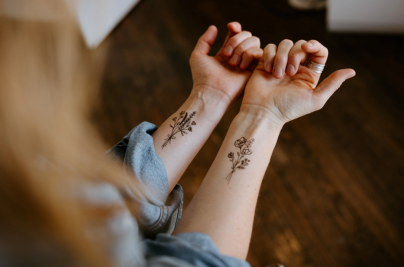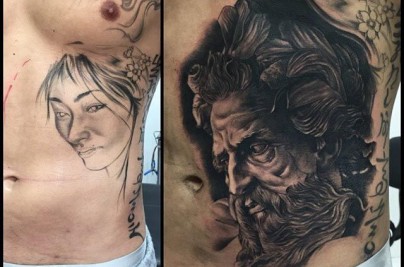
A tattoo that once felt meaningful can become something you no longer want to wear. Whether it is a faded design, a name tied to the past, a poorly executed piece, or artwork that no longer reflects your identity, a professional tattoo cover up offers a second chance. In Saigon, experienced cover-up artists are helping clients transform unwanted tattoos into custom artwork that looks intentional, balanced, and visually striking.
Unlike standard tattooing, cover-up work requires a deeper understanding of ink saturation, skin condition, color theory, composition, and long-term aging. The goal is not simply to hide an old tattoo—it is to create a new piece that stands on its own merit.
What Is a Tattoo Cover Up and How Does It Work?
A tattoo cover up is the process of strategically redesigning an existing tattoo with new artwork that conceals unwanted ink. Professional artists use advanced techniques involving shading, contrast, color layering, and visual distraction to make the original tattoo difficult or impossible to recognize.
Many people assume a cover-up works like applying paint over a wall. In reality, tattooing is more complex because artists are working with existing pigment embedded beneath the skin. The original tattoo remains present underneath the new design, which means the cover-up must be carefully engineered rather than simply placed on top.
Experienced cover-up specialists begin by evaluating:
- The darkness of the existing tattoo
- Ink density and saturation
- Color composition
- Skin condition and texture
- Tattoo placement
- Available space for a larger design
After assessment, the artist develops a design strategy that uses darker elements, strategic shading, texture, and visual flow to redirect attention away from the original tattoo.
One of the biggest misconceptions in tattoo cover-ups is that any design can hide any tattoo. Successful cover-ups depend on technical limitations, not just artistic creativity.
How Cover-Up Tattoos Differ From Regular Tattoos
Cover-up tattoos require significantly more planning than standard tattoos because artists must work around existing ink. Design flexibility becomes limited, color choices are more strategic, and the final artwork often needs to be larger than the original tattoo.
A new tattoo begins with a blank canvas. A cover-up starts with restrictions.
When creating an original tattoo, artists can freely choose:
- Size
- Placement
- Color palette
- Composition
- Level of detail
During a cover-up, those choices are influenced by the old tattoo. For example, a dark black tribal tattoo generally cannot be covered effectively with a small watercolor design. The new piece needs enough visual weight to dominate the existing ink.
Professional cover-up artists often rely on:
- Blackwork elements
- Dense textures
- Layered shading
- Strategic negative space
- Complex patterns
This explains why successful cover-ups often appear larger, darker, and more detailed than the original tattoo.
Why Some Tattoos Are Easier to Cover Than Others
Older, lighter, and more faded tattoos are generally easier to cover because less underlying pigment competes with the new design. Fresh, heavily saturated black tattoos are usually the most challenging and may require additional preparation before a cover-up.
Several factors directly affect difficulty:
| Factor | Cover-Up Difficulty |
|---|---|
| Light faded ink | Low |
| Old lettering tattoos | Low to Medium |
| Color tattoos with fading | Medium |
| Dense black tattoos | High |
| Large solid black areas | Very High |
In real-world consultations, artists frequently discover that a tattoo clients believe is “impossible” to cover may actually be manageable because age has naturally reduced pigment visibility over time.
Can Your Existing Tattoo Be Covered Successfully?
Most tattoos can be covered successfully, but results depend on several technical factors including tattoo size, darkness, skin condition, placement, and design flexibility. A professional assessment is the only reliable way to determine whether a direct cover-up or laser fading is the better option.
One of the most valuable questions clients can ask is not “Can you cover this?” but rather “What quality of result can realistically be achieved?”
The best artists focus on outcome quality instead of making unrealistic promises.
Factor #1: Size and Placement
The size and location of an existing tattoo strongly influence cover-up possibilities. Smaller tattoos provide more flexibility, while larger tattoos require more extensive designs and may limit artistic options.
Placement affects:
- Available expansion space
- Skin elasticity
- Future aging patterns
- Visual flow of the new design
For example, a small wrist tattoo may expand naturally into a floral sleeve concept. Conversely, a large chest piece with dense black ink offers fewer concealment options.
Professional artists often recommend increasing design size by 30% to 100% compared to the original tattoo to achieve cleaner results.
Factor #2: Ink Darkness and Saturation
Ink density is often the most important technical factor in cover-up success. Darker tattoos require stronger visual elements and greater contrast because existing pigment remains visible beneath the skin.
A common mistake is assuming lighter colors can hide darker colors.
In tattooing, dark pigments dominate lighter pigments. This means:
- Black covers most colors effectively
- Dark blue and dark purple provide strong concealment
- Yellow and pastel tones rarely hide dense black ink
- Strategic shading often matters more than color selection
Experienced cover-up specialists evaluate not only color but also saturation depth. Two tattoos that appear equally dark may behave very differently depending on how deeply the original artist implanted the pigment.
Factor #3: Tattoo Age and Fading
Older tattoos are often easier to cover because natural fading reduces pigment concentration. Time can create opportunities that were not available when the tattoo was newly applied.
Many clients view fading as a problem.
Professional cover-up artists often view it as an advantage.
Over time:
- Black ink softens
- Edges blur
- Contrast decreases
- Color vibrancy diminishes
This creates additional flexibility when planning a new design.
A 10-year-old tattoo may offer significantly more cover-up options than a tattoo completed within the past year.
Factor #4: Skin Condition and Scar Tissue
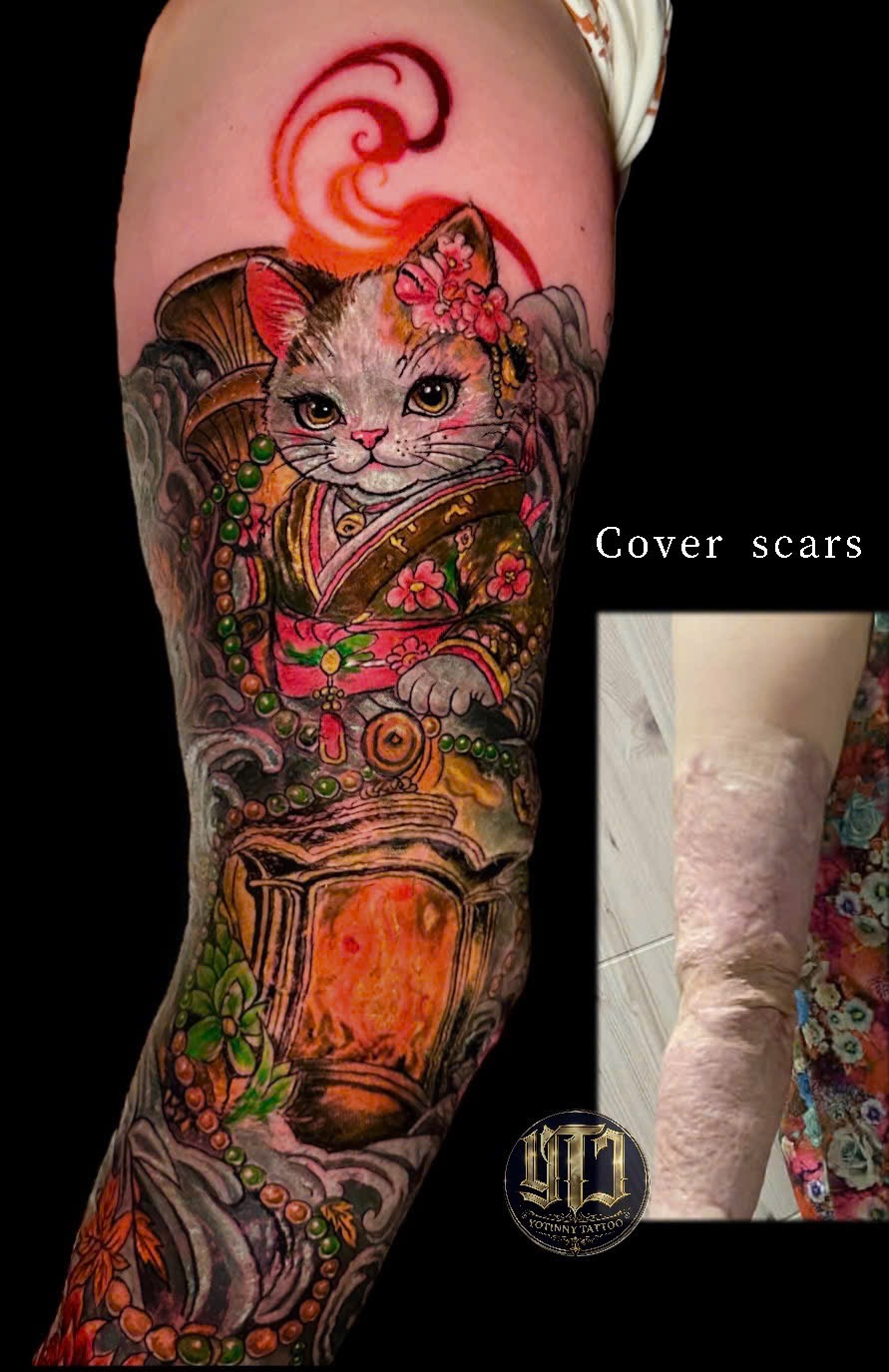
Healthy skin generally produces better cover-up outcomes. Scar tissue, previous tattoo trauma, and skin texture changes can influence ink retention, healing quality, and long-term appearance.
This factor is frequently overlooked during online research.
Artists commonly assess:
- Raised scar tissue
- Blowouts from previous tattoo work
- Sun damage
- Stretch marks
- Previous removal treatments
If significant scar tissue is present, artists may adjust needle configurations, shading techniques, and design complexity to improve results.
Clients who have undergone laser fading should always disclose treatment history during consultation because skin characteristics can change after removal sessions.
The 5-Factor Cover-Up Success Formula
Successful tattoo cover-ups depend on five interconnected variables: ink darkness, tattoo age, skin condition, design flexibility, and artist experience. Evaluating all five factors provides a far more accurate prediction of outcome quality than looking at the tattoo alone.
Many online articles focus exclusively on the existing tattoo. In reality, the artist’s decision-making process is significantly more sophisticated.
The following framework can help clients understand cover-up feasibility before scheduling a consultation.
| Factor | Impact on Success |
|---|---|
| Ink Darkness | High |
| Tattoo Age | Medium |
| Skin Condition | Medium |
| Design Flexibility | High |
| Artist Experience | Critical |
How Professional Artists Score Cover-Up Potential
Experienced cover-up artists mentally score tattoos based on complexity before proposing solutions. This assessment helps determine whether direct cover-up, partial fading, or complete redesign offers the best path forward.
A practical evaluation often follows three categories:
Low Complexity Cover-Ups
These tattoos generally have the highest success rates.
- Small lettering
- Lightly faded designs
- Fine-line tattoos
- Minimal black saturation
Most can be covered directly with minimal compromise in artistic freedom.
Moderate Complexity Cover-Ups
These cases require more strategic planning and often benefit from larger custom artwork.
- Medium-sized tattoos
- Older tribal work
- Mixed color tattoos
- Moderately saturated black ink
Success depends heavily on design adaptability and artist expertise.
High Complexity Cover-Ups
Large, dense tattoos often require advanced techniques or preliminary fading to achieve premium results. While cover-up remains possible, expectations must be realistic.
- Heavy blackwork
- Large solid fills
- Multiple overlapping tattoos
- Scarred tattoo areas
In these situations, partial laser fading can dramatically improve final aesthetics without requiring complete tattoo removal.
Next, we will explore the most effective tattoo cover-up design concepts, including floral transformations, blackwork solutions, realism projects, and custom compositions that consistently produce the strongest results in Saigon.
Best Tattoo Cover-Up Design Ideas
Lucky Tattoo, a professional tattoo artist, has over 10 years of experience in the art of tattooing in Ho Chi Minh City. Lucky Tattoo Studio was founded in 2014 by skilled and kind artists. All tattoos are provided in a clean, strictly controlled, and friendly environment.
A common mistake among first-time cover-up clients is choosing a design based solely on personal preference rather than technical suitability. The best cover-up artwork balances aesthetics with practical concealment requirements.
Professional cover-up artists often begin by identifying the darkest sections of the existing tattoo and designing around those areas. This approach creates a natural integration between old and new elements rather than forcing concealment where it may not be visually achievable.
Floral Cover-Ups
Floral tattoos remain one of the most versatile cover-up solutions because petals, leaves, stems, and layered shading naturally break up existing lines and shapes. They provide flexibility across different tattoo sizes, placements, and skin tones.
Flowers work exceptionally well because organic forms do not require perfect symmetry. This allows artists to strategically place darker petals and leaves directly over unwanted elements.
Popular floral cover-up options include:
- Peonies for large coverage areas
- Roses for dense shading opportunities
- Lotus flowers for symbolic transformation
- Japanese floral compositions for sleeves
- Botanical black-and-grey designs
Experienced artists frequently combine floral elements with ornamental patterns, geometric accents, or wildlife motifs to create additional visual depth.
Blackwork and Dark Contrast Designs
Blackwork tattoos are among the most effective cover-up solutions because high pigment saturation provides superior concealment. Strategic use of negative space and texture prevents the final tattoo from appearing overly heavy or flat.
Many difficult cover-up projects ultimately rely on blackwork principles, even when the final style is realism or illustrative.
Benefits include:
- Maximum coverage potential
- Strong long-term readability
- Excellent aging characteristics
- Adaptability across body placements
- Compatibility with laser-faded tattoos
However, clients should understand that extensive blackwork may limit future cover-up possibilities, making artist selection especially important.
Realism and Color Cover-Ups
Realism tattoos can create highly effective cover-ups when executed by experienced artists. Layered textures, shadows, and visual complexity help distract the eye from underlying ink while creating a completely new focal point.
Portraits, wildlife, mythology, and nature-inspired realism pieces frequently outperform simpler concepts because they naturally incorporate areas of contrast.
Successful realism cover-ups often include:
- Deep shadow transitions
- Textured surfaces
- Multiple focal points
- Controlled color saturation
- Background depth effects
The key limitation is artist skill. Realism cover-ups require significantly more technical expertise than standard realism tattoos.
Custom Designs Tailored to Existing Ink
Custom-designed cover-ups generally achieve the highest satisfaction rates because they are built specifically around the challenges of the existing tattoo rather than forcing a preselected design to fit.
Professional artists rarely begin with aesthetics alone. Instead, they first solve the concealment challenge and then develop artwork that aligns with the client’s preferences.
The strongest cover-ups often look as though the original tattoo never existed. This outcome typically comes from custom planning rather than choosing a design from a portfolio.
Tattoo Cover Up vs Laser Removal: Which Is Better?
Tattoo cover-ups and laser removal serve different purposes. Cover-ups replace unwanted tattoos with new artwork, while laser removal reduces or eliminates existing pigment. The best choice depends on tattoo complexity, design goals, budget, and desired final appearance.
Many clients assume they must choose one approach or the other.
In reality, many of the best transformations involve a combination of both.
When a Cover-Up Alone Is Enough
A direct cover-up is often sufficient when the original tattoo is faded, moderately sized, or designed with lighter pigments. These cases typically offer enough flexibility for artists to achieve excellent results without preliminary laser treatments.
Suitable candidates often include:
- Old lettering tattoos
- Faded symbols
- Small black-and-grey pieces
- Aging color tattoos
- Minimalist designs
Direct cover-ups generally provide faster transformation and lower overall costs.
When Laser Fading Improves Results
Partial laser fading can significantly expand cover-up possibilities by reducing pigment density before tattooing. This approach often creates cleaner results and greater design flexibility without requiring complete tattoo removal.
Research on laser tattoo treatment consistently shows that multiple sessions can substantially reduce pigment visibility, particularly in darker tattoos.
Laser fading may be recommended for:
- Dense black tattoos
- Large tribal work
- Failed previous cover-ups
- Extremely saturated ink
- Limited design options
One overlooked advantage is that fading often allows artists to use lighter colors and more detailed artwork in the final design.
Combining Laser and Cover-Up Techniques
A hybrid approach involving laser fading followed by a custom cover-up frequently produces the highest-quality outcomes. This method reduces technical limitations while preserving the goal of replacing the tattoo with new artwork.
Many elite cover-up artists consider partial fading the industry’s most underutilized strategy.
Instead of spending years removing a tattoo completely, clients can often achieve superior cosmetic results after only a few fading sessions followed by expert redesign.
How Much Does a Tattoo Cover Up Cost in Saigon?
Tattoo cover-up pricing in Saigon varies based on size, complexity, artist experience, design requirements, and whether laser fading is involved. Because cover-ups require additional planning and technical skill, they typically cost more than comparable new tattoos.
Pricing should never be evaluated in isolation. The quality of the final result depends heavily on the artist’s ability to solve technical challenges.
Factors Affecting Cost
Several variables influence the investment required for a professional tattoo cover-up. Larger tattoos and more difficult concealment projects generally require additional design time and longer tattoo sessions.
| Factor | Impact on Cost |
|---|---|
| Tattoo Size | High |
| Ink Density | High |
| Design Complexity | High |
| Artist Experience | High |
| Laser Fading Needs | Variable |
Clients should request a consultation rather than relying solely on online estimates.
Why Cheap Cover-Ups Often Cost More Later
Low-cost cover-ups can create additional complications if the original tattoo remains visible or if poor design decisions restrict future correction options. Investing in expertise from the beginning often reduces long-term expenses.
Common problems associated with low-quality cover-ups include:
- Visible ghosting from old ink
- Overly dark designs
- Unbalanced composition
- Poor healing outcomes
- Need for future correction work
A poorly executed cover-up frequently becomes a more difficult project for the next artist.
What Happens During a Tattoo Cover-Up Consultation?
A professional cover-up consultation evaluates the existing tattoo, discusses client goals, identifies technical limitations, and develops a realistic treatment plan. This step is essential because successful cover-ups depend on informed decision-making rather than assumptions.
The consultation process often determines the success of the entire project.
Tattoo Assessment
Artists begin by evaluating pigment density, placement, tattoo age, previous cover-up attempts, skin condition, and available design space. These observations form the foundation of the cover-up strategy.
Clients should bring:
- Clear photos
- Reference ideas
- Laser treatment history
- Medical information affecting healing
- Questions about limitations
Design Planning
Design planning involves balancing artistic goals with concealment requirements. The most effective solutions often emerge from collaboration between artist expertise and client preferences.
During planning, artists may recommend:
- Increasing size
- Adjusting placement
- Changing style direction
- Adding contrast
- Considering laser fading
Preparation and Scheduling
Proper preparation improves tattoo performance, healing quality, and overall client experience. Following pre-session recommendations can help reduce complications and optimize results.
Professional preparation typically includes:
- Avoiding excessive sun exposure
- Staying hydrated
- Getting adequate rest
- Avoiding alcohol before sessions
- Following artist-specific instructions
Healing, Aftercare, and Long-Term Results
Cover-up tattoos generally heal similarly to standard tattoos, but proper aftercare is especially important because cover-ups often contain heavier pigment saturation and more extensive shading. Long-term success depends on both artistic execution and client care.
Many disappointing outcomes result from poor aftercare rather than poor tattooing.
Healing Timeline
Most cover-up tattoos complete initial surface healing within two to four weeks, while deeper skin recovery continues for several months. Consistent aftercare supports color retention and minimizes complications.
- Days 1–3: Initial inflammation
- Days 4–14: Peeling and itching
- Weeks 2–4: Surface healing
- Months 1–3: Continued skin remodeling
Common Mistakes That Affect Results
Excessive sun exposure, premature picking, improper moisturization, and ignoring artist instructions can negatively affect healing quality and long-term appearance.
Warning signs requiring professional evaluation may include:
- Excessive swelling
- Persistent redness
- Unusual discharge
- Severe pain
- Signs of infection
Clients should follow evidence-based aftercare recommendations and seek medical advice when symptoms appear abnormal.
How Cover-Up Tattoos Age Over Time
Well-designed cover-up tattoos can age beautifully when appropriate contrast, composition, and pigment management are used. Long-term success depends on technical execution rather than concealment alone.
One insight rarely discussed online is that overly aggressive cover-ups may age less predictably because excessive pigment concentration can reduce visual separation between elements over time.
Experienced artists account for future aging during the design stage, not after the tattoo is complete.
How to Choose the Right Tattoo Cover Up Artist in Saigon
Selecting the right cover-up artist requires evaluating portfolio quality, cover-up-specific experience, technical versatility, hygiene standards, and consultation transparency. Artist selection remains the single most important factor influencing final results.
Portfolio Quality Indicators
Strong cover-up portfolios demonstrate successful concealment, balanced composition, healed results, and a variety of challenging projects rather than simple transformations.
Look for:
- Before-and-after documentation
- Healed tattoo photos
- Multiple cover-up examples
- Different tattoo styles
- Consistent execution quality
Experience With Complex Cover-Ups
Not every talented tattoo artist specializes in cover-up work. Complex cover-ups require a distinct skill set involving concealment strategy, pigment behavior, and advanced design adaptation.
Questions worth asking include:
- How many cover-ups have you completed?
- Do you recommend laser fading?
- Can I see healed examples?
- What limitations should I expect?
- How many sessions may be required?
Hygiene and Safety Standards
Professional hygiene standards protect both client safety and tattoo quality. Reputable studios maintain strict sterilization procedures and transparent health practices.
Indicators of professionalism include:
- Single-use needles
- Proper barrier protection
- Clean workstations
- Clear aftercare instructions
- Open consultation practices
Frequently Asked Questions About Tattoo Cover Up Saigon
Can any tattoo be covered up successfully?
Most tattoos can be covered, but success depends on size, darkness, pigment density, placement, skin condition, and design flexibility.
Do I need laser removal before a cover-up?
Not always. Many tattoos can be covered directly, while darker or heavily saturated tattoos may benefit from partial laser fading.
How long does a tattoo cover-up take?
Small cover-ups may require a single session, while large or complex projects can involve multiple appointments.
Are cover-up tattoos more painful than regular tattoos?
Pain levels are generally similar, although tattooing over scar tissue or heavily worked areas may feel more sensitive.
What designs work best for cover-up tattoos?
Floral compositions, blackwork, realism, Japanese-inspired artwork, and custom designs often provide the best concealment potential.
How much does a professional tattoo cover-up cost in Saigon?
Costs vary according to size, complexity, artist expertise, and whether laser fading is included in the treatment plan.
Will the old tattoo eventually show through?
A properly executed cover-up should minimize visibility, although long-term appearance depends on design quality, pigment selection, and aftercare.
How do I know if an artist specializes in cover-ups?
Review healed cover-up examples, before-and-after photos, consultation quality, and documented experience with complex transformations.
Final Thoughts: Is a Tattoo Cover Up the Right Choice for You?
A tattoo cover up can be one of the most rewarding ways to transform unwanted ink into artwork that better reflects your current identity. Success depends on realistic expectations, professional assessment, thoughtful design planning, and selecting an experienced cover-up specialist who understands both artistic and technical requirements.
Whether you are dealing with an old name tattoo, faded artwork, a previous tattoo mistake, or a design that no longer fits your lifestyle, modern cover-up techniques offer far more possibilities than many people realize. The most effective approach starts with a consultation, an honest assessment of your tattoo’s limitations, and a custom strategy designed specifically for your skin, your goals, and your long-term satisfaction.