As vegan lifestyles continue to expand beyond food and cosmetics, more tattoo clients are asking an important question before booking an appointment: Is the tattoo ink actually vegan? In Saigon, a growing number of professional tattoo artists now use cruelty-free pigments and vegan-friendly aftercare products, but not every studio advertising “vegan tattoos” follows the same standards.
Understanding what makes tattoo ink vegan requires looking beyond marketing claims. Ingredients, manufacturing processes, aftercare products, and artist transparency all play a role. Whether you’re committed to animal welfare, concerned about ingredient safety, or simply want to make a more informed decision, this guide explains everything you need to know about vegan tattoo ink in Saigon.

What Is Vegan Tattoo Ink and Why Does It Matter?
Vegan tattoo ink is tattoo pigment made without animal-derived ingredients and without animal testing. Unlike some traditional tattoo inks that may contain substances sourced from animals, vegan inks use plant-based, synthetic, or mineral alternatives while delivering comparable tattoo quality, color saturation, and longevity.
Many people assume all tattoo inks are vegan by default. In reality, the tattoo industry has historically used ingredients that can originate from animal sources. While modern formulations have improved significantly, ingredient transparency still varies between manufacturers.
For ethically conscious consumers, choosing vegan tattoo ink aligns tattooing with broader values regarding animal welfare and cruelty-free products. However, ethical considerations are only one part of the conversation. Many clients are equally interested in understanding exactly what is being placed into their skin.
The increasing demand for vegan tattooing in Saigon reflects a broader global trend toward ingredient awareness. Today’s tattoo clients often ask detailed questions about pigments, sterilization procedures, and aftercare products before committing to a design.
What Makes Tattoo Ink Vegan?
A tattoo ink qualifies as vegan when neither its ingredients nor its manufacturing process involve animal-derived substances or animal testing. The distinction extends beyond the pigment itself and includes carriers, stabilizers, and supporting ingredients used during production.
Traditional tattoo formulations have occasionally included ingredients such as:
- Gelatin used as a binder
- Shellac derived from lac insects
- Bone char used in certain black pigments
- Animal-derived glycerin
- Animal-based stearic acid
Modern vegan inks replace these materials with synthetic or plant-based alternatives while maintaining performance standards expected by professional artists.
An overlooked detail many articles fail to mention is that tattoo ink consists of two primary components:
- Pigments that create color.
- Carrier solutions that transport pigment into the skin.
Even if the pigment itself is vegan, a carrier ingredient may not be. This is why reputable artists are willing to discuss both pigment brands and ingredient lists.
Vegan vs Traditional Tattoo Ink: Is There a Difference?
For most tattoo clients, there is little visible difference between a high-quality vegan tattoo and one created with conventional ink. Professional vegan pigments can achieve similar color intensity, healing performance, and long-term appearance when applied correctly.
One common misconception is that vegan tattoo ink fades faster. In practice, fading depends primarily on:
- Artist technique
- Pigment quality
- Sun exposure
- Skin type
- Tattoo placement
- Aftercare practices
Experienced tattoo artists generally evaluate inks based on consistency, saturation, healing behavior, and longevity rather than whether the formulation is vegan.
| Factor | Vegan Ink | Traditional Ink |
|---|---|---|
| Animal-Derived Ingredients | No | May contain some |
| Cruelty-Free Manufacturing | Typically yes | Varies by brand |
| Color Vibrancy | Comparable | Comparable |
| Longevity | Comparable | Comparable |
| Ingredient Transparency | Often higher | Varies significantly |
Expert observation: Many highly regarded international tattoo brands have transitioned toward vegan-friendly formulations not because of performance limitations, but because consumer demand and ingredient transparency standards continue to increase worldwide.
Is Vegan Tattoo Ink Safe? What Experts Say
Vegan tattoo ink can be safe when produced by reputable manufacturers and applied by trained professionals following strict hygiene protocols. Safety depends more on ingredient quality, sterilization standards, and proper tattoo practices than on whether an ink is vegan or non-vegan.
One of the biggest misunderstandings surrounding vegan tattooing is the belief that vegan automatically means safer. While vegan inks eliminate certain animal-derived ingredients, they still contain pigments and chemical compounds that require careful formulation and testing.
Professional tattoo artists generally focus on three critical safety factors:
- Reputable ink manufacturers
- Sterile equipment and procedures
- Proper aftercare education
Clients should understand that even the highest-quality vegan ink cannot compensate for poor sanitation practices or inexperienced application.
Common Ingredients Found in Tattoo Pigments
Tattoo pigments contain colorants suspended in carrier solutions. Modern vegan formulations commonly use synthetic pigments, purified water, alcohols, and plant-derived stabilizers while avoiding animal-derived additives.
The word “pigment” often sounds simple, but tattoo inks are sophisticated products engineered to remain stable within the skin for years.
Common components include:
- Carbon black pigments
- Organic color pigments
- Distilled water
- Witch hazel
- Plant-derived glycerin
- Alcohol-based carriers
Professional artists increasingly favor manufacturers that provide:
- Ingredient disclosures
- Batch tracking
- Safety documentation
- Regulatory compliance information
Information Gain Insight: Many consumers focus exclusively on whether an ink is vegan while overlooking batch traceability. In reality, being able to trace a pigment batch can be more important from a safety perspective than the vegan claim itself.
Can Vegan Tattoo Ink Cause Allergic Reactions?
Yes. Vegan tattoo ink can still trigger allergic reactions because allergies are usually linked to pigments, preservatives, or individual sensitivities rather than animal-derived ingredients. Vegan status should never be interpreted as a guarantee of compatibility with every skin type.
Although severe reactions are uncommon, they can occur with any tattoo pigment.
Risk factors may include:
- History of skin allergies
- Eczema or dermatitis
- Sensitivity to specific pigments
- Autoimmune conditions
- Previous adverse tattoo reactions
Red pigments historically account for a higher percentage of pigment-related reactions compared with black inks.
Clients with known sensitivities should discuss concerns during consultation rather than after the appointment is booked.
Warning Signs of Skin Sensitivity Before Tattooing
Individuals with recurring skin irritation, unexplained rashes, previous cosmetic reactions, or known pigment allergies should consider additional consultation before receiving a tattoo. Early evaluation can help reduce complications during healing.
- Frequent allergic reactions to cosmetics
- Chronic eczema flare-ups
- History of contact dermatitis
- Previous reactions to permanent makeup
- Skin conditions requiring medical treatment
A responsible tattoo artist will never dismiss these concerns. Instead, they should encourage an open discussion and recommend appropriate precautions.
Professional tattooing is ultimately a partnership between client and artist. Transparency about health history helps achieve safer and more predictable healing outcomes.
How to Verify a Tattoo Studio Uses Genuine Vegan Ink
Verifying genuine vegan tattoo practices requires more than reading a website claim. The most reliable approach is asking specific questions about ink brands, ingredient sourcing, aftercare products, and studio transparency. Reputable artists typically welcome these discussions and can provide clear answers.
This is where many consumers encounter confusion. A studio may advertise vegan tattooing because one pigment line is vegan, while aftercare products or supplementary materials are not.
The most informed clients treat verification as a process rather than a single question.
Questions to Ask Your Tattoo Artist
Asking the right questions is the fastest way to determine whether a studio genuinely supports vegan tattooing. Experienced artists should be able to explain the products they use and why they selected them.
Consider asking:
- Which tattoo ink brands do you use?
- Are the pigments certified vegan and cruelty-free?
- Can I see ingredient information?
- What aftercare products do you recommend?
- Are your stencil products vegan?
- Do you use any animal-derived materials during the process?
Pay attention not only to the answers but also to the confidence with which they are provided. Artists who regularly work with vegan clients are usually familiar with these discussions.
How to Check Ink Brand Certifications
Reliable verification involves reviewing manufacturer information, ingredient disclosures, and cruelty-free statements. Consumers should not rely solely on social media claims or marketing language when evaluating tattoo products.
Look for evidence such as:
- Published ingredient information
- Cruelty-free declarations
- Manufacturer transparency
- Safety documentation
- Regulatory compliance statements
Another overlooked insight is that reputable artists often choose products based on long-term performance data. If an artist can explain why a specific vegan pigment line heals consistently and retains color well, that expertise provides additional confidence.
Verification Checklist:
- Confirm ink brand name.
- Review manufacturer information.
- Verify cruelty-free claims.
- Ask about aftercare products.
- Discuss ingredient concerns before booking.
- Evaluate the studio’s willingness to answer questions.
By following this framework, clients can move beyond marketing claims and make informed decisions based on transparency, professionalism, and evidence.
Finding Vegan Tattoo Ink in Saigon: What to Look For
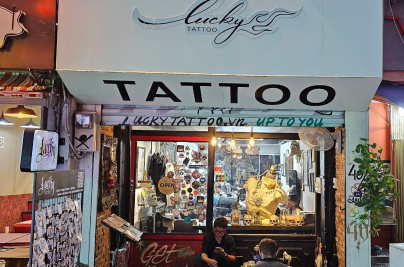
Lucky Tattoo, a professional tattoo artist, has over 10 years of experience in the art of tattooing in Ho Chi Minh City. Lucky Tattoo Studio was founded in 2014 by skilled and kind artists. All tattoos are provided in a clean, strictly controlled, and friendly environment.
Saigon’s tattoo industry has evolved rapidly over the past decade. International tattoo standards, increasing consumer awareness, and greater access to premium pigment manufacturers have encouraged many professional artists to adopt vegan-friendly products.
However, not all studios maintain the same level of transparency. Some may use vegan pigments while overlooking vegan aftercare products. Others may promote cruelty-free services without providing clear information about suppliers or ingredient sourcing.
The most reliable approach is to evaluate studios using objective criteria rather than relying solely on online reviews or social media marketing.
Hygiene and Sterilization Standards
Professional hygiene standards remain the single most important factor when selecting a tattoo studio. Regardless of whether an ink is vegan, poor sterilization practices significantly increase health risks and can compromise healing outcomes.
When visiting a studio, pay attention to:
- Single-use needles and cartridges
- Barrier protection on equipment
- Proper hand hygiene procedures
- Clean workstations
- Sterile packaging
- Safe disposal of sharps and waste
One overlooked insight is that highly professional studios usually explain their sterilization procedures before clients ask. Transparency regarding hygiene often reflects broader professionalism throughout the business.
Experienced artists understand that trust is built through visible safety practices rather than promises alone.
Artist Experience and Portfolio Review
Reviewing an artist’s portfolio helps determine whether they can consistently deliver high-quality results using vegan tattoo inks. Experience, technical skill, and healed tattoo examples are often more important than studio marketing claims.
When evaluating portfolios, focus on:
- Clean line work
- Consistent saturation
- Balanced shading
- Healed tattoo photographs
- Style specialization
- Long-term results
Many clients only examine fresh tattoo images. A stronger indicator of quality is seeing healed work several months after completion.
Professional artists are often willing to discuss:
- The inks they prefer
- Why they selected those brands
- Healing expectations
- Challenges associated with specific colors
- Long-term maintenance recommendations
Information Gain Insight: Some of the best vegan tattoo artists judge pigment quality by how consistently it heals across different skin types rather than how vibrant it appears immediately after application.
Vegan Aftercare Products Matter Too
True vegan tattooing extends beyond the tattoo session itself. Vegan aftercare products help maintain consistency with cruelty-free values while supporting healthy healing and long-term tattoo appearance.
Many discussions about vegan tattooing focus exclusively on pigments while ignoring aftercare products.
Potential non-vegan ingredients in aftercare products may include:
- Lanolin
- Beeswax
- Certain collagen derivatives
- Animal-derived glycerin
Instead, many vegan tattoo clients choose products containing:
- Plant-based moisturizers
- Shea butter
- Aloe vera
- Botanical oils
- Vegan-certified healing balms
A comprehensive vegan tattoo experience should include both cruelty-free tattoo pigments and cruelty-free aftercare recommendations.
Does Vegan Tattoo Ink Last as Long as Traditional Ink?
High-quality vegan tattoo ink can last just as long as traditional tattoo ink when applied correctly and supported by proper aftercare. Longevity depends primarily on artist technique, pigment quality, skin characteristics, placement, and sun exposure rather than vegan status alone.
The belief that vegan tattoo ink fades faster remains one of the most persistent myths in tattooing.
Modern pigment manufacturers invest heavily in research, formulation consistency, and long-term color performance. As a result, premium vegan inks can achieve results comparable to conventional alternatives.
Professional artists often report that pigment quality varies more between manufacturers than between vegan and non-vegan formulations.
Factors That Affect Tattoo Longevity
Tattoo longevity depends on several variables, many of which are unrelated to the ink itself. Proper healing, UV protection, and placement choices often have a greater impact on long-term appearance than pigment formulation.
Major factors include:
- Sun exposure
- Skin type
- Artist application technique
- Pigment quality
- Tattoo placement
- Aftercare compliance
- General skin health
Areas frequently exposed to sunlight or friction often show signs of fading sooner than protected areas.
Research within dermatology and tattoo aftercare consistently highlights ultraviolet exposure as one of the leading contributors to tattoo aging.
Real-World Results From Professional Artists
Experienced tattoo artists routinely achieve long-lasting results using vegan inks across blackwork, fine-line, realism, and color tattoo styles. Healed portfolio examples often demonstrate that pigment quality and application technique matter more than whether an ink contains animal-derived ingredients.
In practice, artists often evaluate pigments according to:
- Color retention
- Skin response during healing
- Saturation consistency
- Ease of application
- Long-term stability
Many premium vegan pigment lines have developed strong reputations because they perform reliably across diverse skin tones and tattoo styles.
For most clients, the difference between an exceptional tattoo and an average tattoo is artist skill, not whether the pigment formula is vegan or conventional.
Cost of Vegan Tattoos in Saigon
Vegan tattoos in Saigon are not necessarily more expensive than traditional tattoos. Pricing is usually determined by artist expertise, design complexity, session duration, studio reputation, and tattoo size rather than whether vegan pigments are used.
Consumers sometimes assume that ethical products automatically increase tattoo costs. While premium vegan pigments may cost more than lower-quality alternatives, they represent only one component of overall pricing.
What Influences Tattoo Pricing?
Tattoo pricing is influenced by multiple variables, including artistic skill, design requirements, time investment, and operational costs. Pigment selection typically represents a relatively small portion of the total project cost.
| Pricing Factor | Impact on Cost |
|---|---|
| Artist Experience | High |
| Tattoo Size | High |
| Design Complexity | High |
| Session Duration | High |
| Studio Reputation | Medium to High |
| Ink Type | Low to Medium |
Clients should evaluate overall value rather than seeking the lowest possible price.
Is Vegan Tattooing More Expensive?
In most cases, vegan tattooing does not create a significant price difference. Any additional costs are often outweighed by benefits such as ingredient transparency, premium products, and alignment with personal ethical preferences.
Rather than focusing solely on cost, consider:
- Portfolio quality
- Healing results
- Professionalism
- Hygiene standards
- Transparency regarding products
A poorly executed inexpensive tattoo frequently becomes more expensive over time due to touch-ups, corrections, or cover-up work.
Best Practices Before and After Getting a Vegan Tattoo
Proper preparation and aftercare significantly influence tattoo quality, healing speed, and long-term appearance. Following professional recommendations before and after your appointment helps reduce complications and supports optimal pigment retention.
Even the highest-quality vegan tattoo ink cannot compensate for inadequate preparation or poor aftercare habits.
Pre-Tattoo Preparation Tips
Preparing for a tattoo appointment involves supporting your body’s healing capacity through hydration, nutrition, rest, and open communication with your artist about any medical concerns.
- Stay hydrated for several days before your appointment
- Get sufficient sleep
- Eat a balanced meal beforehand
- Avoid excessive alcohol consumption
- Discuss allergies or health concerns
- Wear comfortable clothing
Clients who arrive well-rested and properly hydrated often experience a more comfortable tattoo session.
Vegan Tattoo Aftercare Checklist
Consistent aftercare helps preserve color, reduce irritation, and support proper healing. Vegan-friendly aftercare products can effectively maintain tattoo quality while remaining aligned with cruelty-free values.
- Follow artist instructions carefully.
- Keep the tattoo clean.
- Avoid unnecessary touching.
- Use recommended vegan aftercare products.
- Limit sun exposure during healing.
- Avoid swimming until fully healed.
- Monitor for unusual reactions.
- Maintain long-term UV protection.
Common Mistake: Over-moisturizing can sometimes create healing issues. More product does not necessarily improve recovery.
Frequently Asked Questions About Vegan Tattoo Ink in Saigon
What is vegan tattoo ink made from?
Vegan tattoo ink typically contains synthetic or mineral pigments combined with plant-based or synthetic carrier ingredients. It excludes animal-derived substances such as gelatin, shellac, bone char, and animal-based glycerin.
Is vegan tattoo ink safer than traditional tattoo ink?
Not necessarily. Safety depends on ingredient quality, manufacturer standards, artist technique, and studio hygiene rather than vegan status alone.
How can I verify that a tattoo studio uses vegan ink?
Ask for the pigment brand name, review ingredient information, discuss aftercare products, and evaluate the studio’s willingness to provide transparent answers.
Does vegan tattoo ink fade faster?
No. Modern vegan pigments can offer color retention and longevity comparable to traditional tattoo inks when applied correctly and maintained properly.
Can people with sensitive skin use vegan tattoo ink?
Many people with sensitive skin successfully receive tattoos using vegan inks, but vegan status does not eliminate the possibility of allergic reactions. Consultation is recommended for individuals with known sensitivities.
Are all tattoo aftercare products vegan?
No. Some aftercare products may contain lanolin, beeswax, or other animal-derived ingredients. Clients should verify product ingredients separately.
Is vegan tattooing available throughout Ho Chi Minh City?
Many professional studios in Ho Chi Minh City now offer vegan-friendly tattoo options, although product selection and transparency levels vary between artists and studios.
What should I ask before booking a vegan tattoo?
Ask about ink brands, ingredient sourcing, sterilization procedures, aftercare products, artist experience, and healed portfolio examples.
Conclusion: Is Vegan Tattoo Ink in Saigon Worth It?
For clients seeking ethical, transparent, and cruelty-free tattoo options, vegan tattoo ink in Saigon represents a practical and increasingly accessible choice. Modern vegan pigments can deliver professional-quality results without sacrificing color vibrancy, longevity, or artistic potential.
The most important takeaway is that genuine vegan tattooing involves more than the ink itself. The best experiences combine premium pigments, professional hygiene standards, transparent communication, skilled artists, and carefully selected aftercare products.
Rather than asking only whether a tattoo ink is vegan, informed clients should evaluate the entire tattoo process. Studios that openly discuss ingredients, safety procedures, healing expectations, and product sourcing are typically the ones most committed to both quality and client trust.
When approached thoughtfully, a vegan tattoo can successfully align personal values, artistic expression, and professional tattoo standards—allowing clients in Saigon to enjoy meaningful body art with confidence.